


Prostate Surgery in London
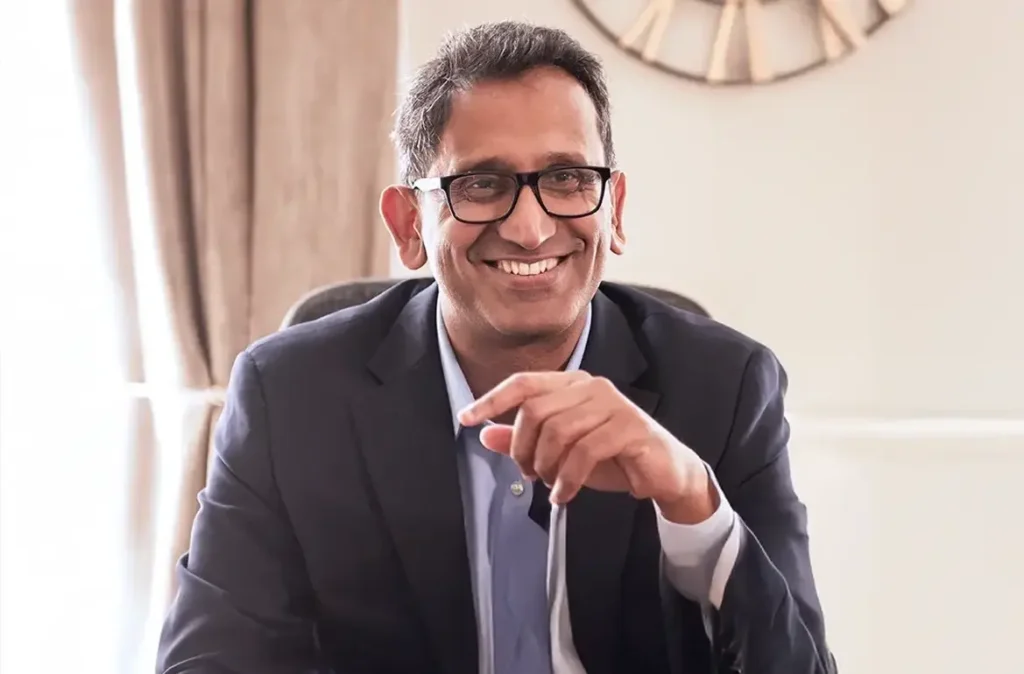


World-Class Prostate Surgeon in London
Prostate surgery can provide effective treatment for a range of conditions, including prostate cancer and benign prostate enlargement (BPH). From advanced robotic cancer surgery to procedures designed to relieve urinary obstruction, modern surgical techniques offer a range of options tailored to each patient's diagnosis, symptoms and individual needs.
Professor Prasanna Sooriakumaran is an internationally recognised prostate surgeon with extensive experience in advanced robotic surgery, complex prostate cancer cases and the treatment of prostate conditions. Combining world-leading surgical expertise with the latest scientific evidence, he provides personalised care focused on achieving the best possible clinical outcomes while preserving urinary function, sexual health and quality of life wherever possible.
Whether you have been diagnosed with prostate cancer, are experiencing troublesome urinary symptoms caused by an enlarged prostate, or are considering surgery following a specialist recommendation, Professor Sooriakumaran provides expert assessment and clear, evidence-based guidance to help you understand your options and make an informed decision about your treatment.

Professor Prasanna Sooriakumaran
MA (Oxon) BMedSci (Hons) BMBS (Hons) PGCertMedLaw ADCertClinInv (Cornell) FRCS (Urol) FEBU USMLE PhD
Understanding the Different Types of Prostate Surgery
Prostate surgery is performed to treat a range of conditions, with the surgical approach depending on the underlying diagnosis, severity of symptoms and individual treatment needs. The two main reasons for prostate surgery are prostate cancer and benign prostate enlargement (BPH), each requiring a different approach.
For prostate cancer, surgery typically involves removing the entire prostate gland through a procedure known as radical prostatectomy, with the aim of treating the cancer. In contrast, surgery for BPH focuses on relieving urinary obstruction by removing, reducing or repositioning enlarged prostate tissue, while preserving the gland itself.
These procedures differ in their techniques, benefits, potential risks and recovery times. A comprehensive specialist assessment is therefore essential to determine whether surgery is appropriate and which treatment offers the greatest potential benefit.

Robotic Prostate Cancer Surgery
Surgery for an Enlarged Prostate (BPH)
Benign prostate enlargement (BPH) can cause troublesome urinary symptoms, including a weak urine stream, difficulty emptying the bladder, frequent urination and disrupted sleep. When medication is ineffective, symptoms become increasingly bothersome or complications develop, surgery may be recommended to relieve the obstruction and improve urinary function.
Modern BPH surgery offers a range of effective treatments, from established procedures such as TURP and laser surgery to minimally invasive techniques including Aquablation, UroLift and Rezūm. These approaches aim to improve urinary flow and quality of life, with differences in recovery time, durability and potential effects on sexual function.
The most suitable treatment depends on your prostate size and anatomy, severity of symptoms, bladder function, overall health and personal priorities. Professor Prasanna Sooriakumaran provides comprehensive specialist assessment and personalised guidance to help determine whether surgery is necessary and which treatment options are most appropriate.
Testimonials

Book a Consultation
Arrange a consultation with Professor Prasanna Sooriakumaran for clear, specialist guidance on your diagnosis, results, or treatment options.
Book a Consultation
Excellent Google Reviews

Based on 30 reviews


Lee Mottershead
7 months ago

I have now seen Professor PS twice and could not have been more impressed. His expertise is beyond doubt but he also manages to convey important information in a way that is both calming and easy to understand. He is also supported by an excellent team. Indeed, on my recent visit to the LSDC London clinic, his reception manager went out of her way to ensure i could have tests taken the same day.

Kajan Shanmuganathan
7 months ago
Prof PS was wonderful to have as my urologist. After an abnormal finding on a whole-body screening, I knew immediately that I wanted Prof PS to review my case. My initial consultation took place over the Christmas period, and I was extremely fortunate that Simmon (PA) managed to schedule a last-minute appointment despite the holiday period. Thanks to this, I was able to see Prof PS promptly and had a follow-up MRI arranged within just 3–4 days, which was especially impressive given the time of year. I am very happy with the excellent service, efficiency, and level of care I received. I highly recommend Prof PS and the team.

Ian Hart
7 months ago
Being diagnosed with Prostate Cancer isn't much fun, even when you're told it is low grade stage 2, and shouldn't cause you any problems. Finding out it is actually locally advanced stage 3 is distinctly unsettling! Luckily for me, I only found out the second part by getting myself referred to Prof PS, who removed the offending tumour for me. I cannot praise PS and his team, and the care I received from them, highly enough. He inspired confidence from the moment I first met him, and dealt with my cancer in a very matter of fact, down to earth way, putting me at ease throughout the whole experience.

Chris Taylor
8 months ago
By far the best specialist I have ever experienced. A lovely person as well as a great Urologist. Would heartily recommend.

olivier m
8 months ago
It was a short but as excellent of an experience as one would hope for when receiving high PSA results. The secretarial team of Prof PS was extremely responsive, including after hours. Prof PS took the matter seriously and head on, without wasting any time. He was also clear in explaining various steps. It meant a lot that he was clearly looking for the best interest of his patient and to get ahead of any problem. 5 stars every step of the way.

D
8 months ago
It is difficult to put into words how knowledgeable and skilful a surgeon Prof PS is, it is unlikely that one could find better care anywhere else.

P M
8 months ago
I received excellent care from Prof PS. He arranged a very prompt MRI and follow up consultation which meant I could enjoy a peaceful and stress free Christmas. Thank you Prof PS.

Andrew Attard Montalto
8 months ago
Excellent care from Prof PS. I always felt very reassured from my first consultation right through to post-op care. The operation went very well and my rate of recovery is better than expected. Thank you so much Prof PS!

david aquilina
8 months ago
I have to say that my overall experience has been excellent. I went into this procedure full of concern mainly due to the fact that I am still relatively young at age 51 and Prof Prasanna directed me towards the right procedure for my condition of an enlarged prostate. I have undergone an Aquablation procedure and the outcome and recovery has been good. Highly recommended!

Harry Heathcoat Amory
8 months ago
Strongly recommend Prof PS - very approachable as well as measured and clear in his consultations. A very good patient experience.
Recognised Internationally for Excellence in Prostate Cancer Care









Ranked Among the UK’s Top 10 Prostate Cancer Surgeons
Experience plays a critical role in prostate cancer treatment, particularly when it comes to achieving the best possible outcomes. Surgical technique and specialist expertise can have a meaningful impact on cancer control, as well as functional outcomes such as continence and erectile function.
Professor Prasanna Sooriakumaran has been recognised among the leading prostate cancer surgeons in the UK, including being featured in the Daily Mail’s list of top prostate cancer surgeons. This recognition reflects both his experience and his commitment to delivering high-quality care for patients.
This level of expertise is an important factor for patients seeking private prostate cancer treatment in London.

Surgical Treatment Options for an Enlarged Prostate
TURP (Transurethral Resection of the Prostate)
TURP is a well-established procedure that removes obstructing prostate tissue using a surgical instrument passed through the urethra, without external incisions. It provides effective, lasting relief from urinary symptoms for many men, although potential considerations include bleeding, temporary urinary discomfort and changes to ejaculation.
HoLEP (Holmium Laser Enucleation of the Prostate)
HoLEP uses a specialised laser to remove enlarged prostate tissue responsible for urinary obstruction. It offers durable symptom relief and is suitable for a wide range of prostate sizes, including significantly enlarged glands. Recovery is generally relatively quick, although changes to ejaculation are common.
Aquablation (Robotic Waterjet Therapy)
Aquablation uses robotic technology and real-time imaging to guide a high-pressure waterjet that precisely removes obstructing prostate tissue. It provides effective relief from urinary symptoms and may offer a lower risk of ejaculatory dysfunction than some traditional surgical approaches, making it an attractive option for appropriately selected patients.
UroLift (Prostatic Urethral Lift)
UroLift is a minimally invasive treatment that uses small permanent implants to hold enlarged prostate tissue away from the urethra, improving urine flow without cutting or removing tissue. It generally allows a relatively quick recovery and has a low risk of sexual side effects, although it may be less suitable for certain prostate sizes or anatomical configurations.
Rezūm (Water Vapour Therapy)
Rezūm uses controlled water vapour to treat enlarged prostate tissue, which gradually shrinks as the body absorbs the treated cells. This minimally invasive procedure can improve urinary symptoms while generally preserving sexual function. Benefits develop over several weeks or months, and temporary catheter use may be necessary during recovery.
GreenLight Laser Prostate Surgery
GreenLight laser surgery uses concentrated laser energy to vaporise excess prostate tissue and relieve urinary obstruction. It can provide substantial improvements in urinary flow with relatively limited bleeding and may be particularly suitable for selected patients with an increased bleeding risk. As with other procedures, suitability depends on prostate size, anatomy and individual medical circumstances.
The availability of individual procedures depends on the surgeon, hospital and clinical requirements. Following a comprehensive assessment, Professor Sooriakumaran can advise on the most appropriate treatment options and their potential benefits and risks.
How Is the Most Appropriate Prostate Surgery Chosen?
Selecting the most appropriate prostate surgery begins with a comprehensive assessment of your condition. For prostate cancer, this includes reviewing PSA levels, MRI findings, biopsy results and the stage and grade of the disease. For benign prostate enlargement (BPH), investigations may include measuring prostate size, assessing urinary symptoms, evaluating urine flow and checking how effectively the bladder empties.
Professor Prasanna Sooriakumaran considers these findings alongside your medical history, previous treatments, overall health and personal priorities. Each surgical option is carefully evaluated to identify the approach most likely to provide effective, lasting results while minimising potential complications and preserving quality of life wherever possible.

Why Surgical Experience Matters
The expertise and experience of your surgeon can play an important role in the success of prostate surgery, particularly for complex procedures requiring exceptional precision and clinical judgement. An experienced specialist can assess potential challenges, select appropriate surgical techniques and tailor treatment to your individual needs, with a focus on achieving the best possible clinical and functional outcomes.
Professor Prasanna Sooriakumaran is internationally recognised for his expertise in advanced robotic prostate cancer surgery, including complex and salvage procedures. At University College London Hospitals (UCLH), the UK's highest-volume robotic prostate cancer centre, he performs the highest number of complex and salvage robotic prostatectomies. He holds or has held professorships at prestigious institutions including Cleveland Clinic (USA), the University of Oxford (UK) and the All India Institute of Medical Sciences (India). His extensive surgical experience, academic leadership and ongoing research contribute to a treatment approach grounded in the latest scientific evidence and advances in prostate care.
Recovery After Prostate Surgery

Fees and Pricing
Understanding the costs involved is an important part of planning your treatment. At Prostate Clinic London, we provide clear information about consultation fees and personalised quotations for surgical procedures, ensuring you understand the expected costs before proceeding.
Initial Consultation
£325
A comprehensive consultation to review your diagnosis, symptoms, previous investigations and treatment options. Appointments are available in person in London or remotely via video or telephone.
Follow-Up Consultation
£225
Follow-up appointments are available before or after treatment to review progress, discuss results, and provide ongoing guidance.

Prostate Surgery Costs

What to Expect
- Surgery duration: Varies according to the procedure and complexity of treatment.
- Hospital stay: Some minimally invasive procedures can be performed as day cases, while more extensive operations may require an overnight stay or longer.
- Timeframe to surgery: Treatment can usually be arranged within a few weeks, depending on clinical requirements and hospital availability.
- Surgical approach: Depending on your diagnosis, treatment may involve minimally invasive, endoscopic, laser or robotic surgical techniques.
Finance and Insurance






Frequently Asked Questions

What is the difference between prostate cancer surgery and enlarged prostate surgery?
Prostate cancer surgery typically involves removing the entire prostate gland through a procedure known as radical prostatectomy, with the aim of treating the cancer. Surgery for benign prostate enlargement (BPH), however, focuses on relieving urinary obstruction by removing, reducing or repositioning excess prostate tissue without removing the entire gland. The procedures differ in their purpose, surgical techniques, potential side effects and recovery times.
What is the best type of prostate surgery?
The most appropriate procedure depends on your diagnosis, prostate size, symptoms, overall health and treatment priorities. Robotic radical prostatectomy is an established surgical option for prostate cancer, while procedures such as TURP, HoLEP, Aquablation, UroLift and Rezūm may be considered for an enlarged prostate. A comprehensive specialist assessment helps determine which approach is most suitable for your individual circumstances.
Is robotic surgery available for an enlarged prostate?
Yes. Robotic technology is used in certain treatments for benign prostate enlargement, including Aquablation, which uses real-time imaging and a robotically controlled waterjet to remove obstructing prostate tissue. This differs from robotic radical prostatectomy, which involves removing the entire prostate gland to treat cancer. The suitability of either approach depends on your diagnosis and clinical requirements.
Will prostate surgery affect my urinary control or sexual function?
The potential effects depend on the procedure performed and your individual circumstances. Radical prostatectomy can affect urinary continence and erectile function, while some BPH procedures may cause changes to ejaculation. Modern surgical techniques aim to preserve urinary and sexual function wherever possible, although outcomes cannot be guaranteed. Your surgeon will explain the relevant risks and expected benefits before treatment.

How long does it take to recover from prostate surgery?
Recovery varies according to the surgical technique, your overall health and the complexity of treatment. Some minimally invasive BPH procedures allow patients to resume everyday activities within days, while recovery following robotic radical prostatectomy generally takes several weeks. Temporary catheter use, urinary symptoms and restrictions on strenuous activity may be necessary. You will receive personalised guidance on recovery and follow-up care.
Can I get a second opinion before prostate surgery?
Yes. A second opinion can be particularly valuable if you have been advised to undergo surgery, are considering different treatment options or would like reassurance about your diagnosis. Professor Prasanna Sooriakumaran can review your medical history, PSA results, imaging, biopsy findings and previous treatment recommendations, providing an independent specialist assessment to help you make a fully informed decision.
Leadership Roles
Professor Prasanna Sooriakumaran is always looking to grow, innovate, and improve patient care for urology and prostate cancer patients in every possible way. To achieve this, he has secured several other prestigious leadership roles.

Urological innovation

Chief Men’s Health Officer

Chief Academic Officer

Lead Medical Advisor in Men’s Health

Research Physician

Lead for Urology and Men’s Health

Clinical Lead for Robotic Soft-Tissue Surgery

Invited Reviewer


Leading a £3 Million Oxford Prostate Cancer Surgery Trial


Appointed to Establish Mayo Clinic's Urology & Prostate Services in London
Patient Experiences
Read all of Professor Prasanna Sooriakumaran's patient reviews at Doctify.






Professor Prasanna Sooriakumaran Performs the Highest Number of Complex and Salvage Prostate Cancer Surgeries at UCLH
Consultation Locations
Professor Prasanna Sooriakumaran practises as a robotic prostate cancer surgeon within the NHS at one of the UK’s highest-volume centres. He also sees private patients through Prostate Clinic London at leading private hospitals across London, providing access to high-quality facilities and specialist care.