




Preparing for a prostate MRI scan is usually quite simple, but following the guidance provided by your imaging centre can help everything go smoothly. Good preparation may improve image quality by reducing movement, gas, or other factors that could affect the scan results.
You may have questions about eating, drinking, taking medicines, what to wear, and whether your bladder or bowel needs any preparation before the appointment. Instructions can differ between hospitals and scanning centres, so the information in your appointment letter or from the radiology team should always be your main reference.
Knowing what to expect can also make the experience feel less stressful. Once you understand the preparation steps and how the scan works, you can arrive feeling more comfortable, organised, and ready for your appointment.
Quick Prostate MRI Preparation Checklist
| Before your appointment | What to do |
| Read your appointment letter | Follow the exact eating, drinking, bowel and bladder instructions from your imaging centre |
| Check food instructions | Do not fast unless specifically instructed |
| Check bowel preparation | Do not use an enema or laxative unless your imaging centre recommends it |
| Check bladder instructions | Follow the centre’s advice about whether to empty or partly fill your bladder |
| Take medicines correctly | Continue prescribed medicines unless specifically advised otherwise |
| Mention diabetes | Ask for personalised advice if fasting instructions affect food or medicine timing |
| Report implants and devices | Give the MRI team details of pacemakers, clips, pumps, implants or other devices |
| Mention metal injuries | Tell the team about previous metal fragments, especially involving the eyes |
| Prepare for claustrophobia | Contact the department in advance if enclosed spaces cause significant anxiety |
| Check contrast requirements | Mention kidney disease and previous contrast reactions |
| Arrive on time | Allow time for safety screening, changing and preparation |
Understand Why You Are Having the Scan
A prostate MRI creates detailed images of the prostate gland and the surrounding tissues, helping specialists assess areas that may require further attention. It is often recommended after a raised PSA result, an abnormal prostate examination, or another finding that needs a closer look.
The scan can provide valuable information about the prostate and may help determine whether a biopsy is needed. If a biopsy is recommended, MRI images can also help guide where tissue samples should be taken for more accurate assessment.
Understanding the reason behind the scan can make the process feel more manageable and reduce uncertainty. Speaking with your referring doctor about what they are looking for can help you feel better prepared and give you a clearer idea of what to expect.
UK Guidance Note:
NICE recommends multiparametric MRI as a first-line investigation for people with suspected clinically localised prostate cancer. Under the NICE pathway, MRI findings can help guide whether a biopsy should be offered. NICE recommends MRI-influenced biopsy for a Likert score of 3 or above, while biopsy may sometimes be omitted for a Likert score of 1 or 2 after an individual discussion about risks and benefits. For you, this means the MRI is not simply another scan: it can play an important role in deciding whether further investigation is needed and where biopsy samples should be targeted.
Read Your Appointment Instructions Carefully
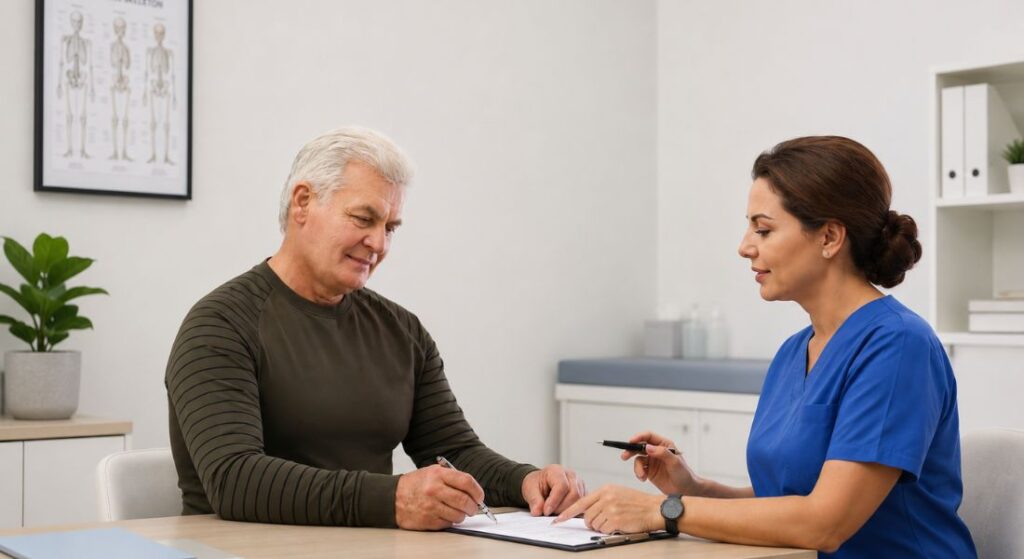
Your imaging centre should provide specific instructions before your prostate MRI scan, and it is important to read them carefully. Preparation requirements can vary, so it is best not to assume that every appointment follows the same routine.
Different centres may provide different guidance about eating, drinking, bowel preparation, bladder preparation, medications, and when to arrive. For example, some NHS centres may advise emptying the bowel and bladder before the scan, while others may follow a different preparation approach depending on their protocols.
If anything is unclear, contact the imaging department before your appointment. Getting the right information in advance can help you feel more prepared and avoid any uncertainty on the day of your scan.
Check Whether You Can Eat Normally
Eating instructions can vary between imaging centres, so it is important to follow the guidance provided for your own appointment. Some departments allow you to eat as usual, while others may ask you to avoid food for a certain period before the scan.
Rather than following advice from another patient, check the specific instructions given by your imaging team. Preparation requirements can differ depending on the type of MRI examination and the protocols used at each centre.
Avoid fasting unless you have been advised to do so. Going without food unnecessarily may make the experience more uncomfortable, particularly if you feel anxious about the scan or have travelled a long distance for your appointment.
Consider Foods That Cause Bloating
Some imaging centres may advise avoiding foods that commonly cause bloating or increased wind before a prostate MRI. Gas in the rectum can sometimes affect image quality, so reducing excess bloating may help the scan provide clearer results.
You are usually aware of which foods tend to affect your digestion. If your imaging centre recommends dietary preparation, follow the instructions they provide. There is usually no need to make major dietary changes independently before the scan.
There is usually no need to make major changes to your diet unless you have been specifically advised to do so. The aim is simply to minimise avoidable bloating while keeping your usual nutrition and bowel routine as consistent as possible.
Follow Drinking Instructions
Your appointment information should explain whether there are any specific instructions about drinking before your prostate MRI scan. As preparation guidelines can vary between imaging centres, it is important to follow the advice provided by your own radiology department.
Follow the drinking and bladder instructions provided by your imaging centre, as requirements can vary between scanning protocols. Avoid drinking an unusually large amount of water unless you have been asked to do so, as this may make you feel uncomfortable during the appointment.
You should also avoid severely limiting your fluid intake unless advised by your healthcare team. Following the preparation steps provided for your particular scan is the best way to ensure you arrive ready and comfortable.
Ask About Bladder Preparation
Bladder preparation instructions for a prostate MRI can vary between different imaging centres. Some departments may ask you to empty your bladder shortly before the scan, while others may follow a different preparation routine depending on their protocol.
It is important to read your appointment letter carefully and follow the instructions provided by your imaging centre. General advice found online may not apply to your specific scan, so always prioritise the guidance you have been given.
If you have urinary symptoms or concerns about holding your urine or emptying your bladder, let the radiographer know before the scan. They regularly work with patients who have prostate or urinary issues and can guide you through what is required to help you feel more comfortable.
Pay Attention to Bowel Preparation Advice
The rectum sits very close to the prostate, so bowel contents and gas can sometimes affect the quality of your MRI images. For this reason, some imaging centres provide preparation instructions to help reduce stool or gas before your scan.
Some imaging centres may ask you to open your bowels before the appointment, while others use different preparation protocols. However, preparation instructions can vary between centres, so avoid using laxatives, enemas, or other bowel treatments unless your imaging team has specifically advised you to do so.
If you regularly experience constipation and are unsure whether it could affect your scan, contact the imaging centre before your appointment. They can explain whether any additional preparation is needed and advise you on the best approach.
Evidence Note:
Research into prostate MRI preparation shows that bowel gas and rectal distension can affect image quality, particularly diffusion-weighted imaging. However, a 2023 scoping review found that the overall evidence for different preparation methods remains limited and sometimes conflicting. Some individual studies have found that micro-enema preparation can reduce gas-related artefacts and improve diffusion-weighted image quality, but this does not mean every patient should use an enema before MRI. For you, the practical message is to follow the specific protocol given by your imaging centre rather than trying bowel preparation products independently.
Take Your Medicines as Instructed
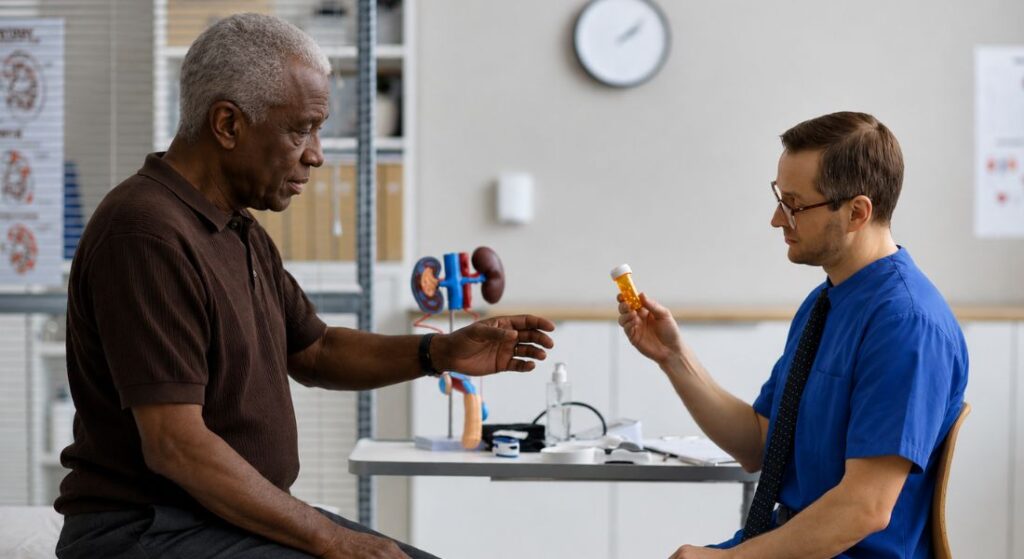
Many patients can continue taking their usual medicines before a prostate MRI, but you should always follow the advice provided by your imaging centre or the clinician managing your care. Do not stop any prescribed medication unless you have been specifically told to do so.
Your healthcare team may ask about the medicines you take, particularly if you have conditions such as diabetes, kidney problems, allergies, or other health concerns that could affect your preparation. Keeping an up-to-date medication list can help make the process smoother.
If your appointment instructions mention fasting, check whether this changes how you should take medicines that are normally taken with food. Asking for personalised guidance beforehand can help you feel prepared and avoid any uncertainty on the day of your scan.
Tell the Team About Diabetes
If you have diabetes, your prostate MRI preparation may need to be adjusted to consider your medicine schedule and usual eating routine. This is especially important if you have been advised to avoid food for a certain period before your scan.
Do not change your insulin or other diabetes medicines unless you have received specific medical advice. If the preparation instructions affect your normal routine, speak with the imaging department or your diabetes care team so you know exactly what steps to take.
Planning ahead can help you feel more comfortable and avoid unnecessary issues on the day of your appointment. Remember to bring any diabetes supplies you may need during your visit.
Complete the MRI Safety Screening Honestly
Before your MRI, you will be asked a series of safety questions about any medical devices, implants, previous surgeries, or possible metal in your body. This step is essential because an MRI uses a powerful magnetic field, and the team needs accurate information to keep you safe.
You may be asked about pacemakers, implantable defibrillators, surgical clips, cochlear implants, medication pumps, plates, pins, or any previous injuries involving metal fragments. Even if a device was fitted many years ago, do not assume it is automatically safe for an MRI.
Provide the imaging team with as much information as you can about any implant or device you have. They can check whether it is MRI-compatible and make sure your scan is planned and carried out safely.
Clinical Tip: Bring Implant Information Where Possible
If you have a pacemaker, neurostimulator, cochlear implant, medication pump, vascular clip or another implanted medical device, bring any implant card or written information available to you. Some devices can be scanned safely only under specific MRI conditions, so the radiology team may need to check the exact manufacturer and model before your appointment. Do not assume that every implant automatically prevents MRI, but always disclose it during safety screening.
Mention Previous Surgery
Having had previous surgery does not automatically mean you cannot have an MRI. However, it is important for the imaging team to know about any procedures that may have involved implants, clips, or other medical devices.
If possible, provide details about the type of operation you had and roughly when it took place. If you have an implant card or any written information about a medical device, bring it with you if the imaging centre asks for it.
Do not worry if you cannot remember every technical detail about your surgery. Share whatever information you know, and the imaging team can check any details they need before your scan to ensure everything is managed safely.
Tell the Team About Metal Fragments
If you have worked with metal grinding, welding, engineering, or similar activities where metal fragments could have entered your eyes or body, let the MRI team know. The safety screening process helps identify situations where additional checks may be needed before your scan.
You should also mention any previous injuries involving bullets, shrapnel, or metal fragments. Even if an old injury no longer causes symptoms, it may still be important information for your MRI safety assessment.
The imaging team may need to gather further details before allowing you into the scanner room. By sharing any possible metal exposure, you help the team make sure your scan is carried out as safely as possible.
Remove Jewellery and Metal Items
Before entering the MRI scanning room, you will need to remove any metal items you are wearing or carrying. This usually includes jewellery, watches, keys, coins, mobile phones, and other personal belongings.
The imaging department will provide guidance on where to keep your items during the scan. Bringing only essential belongings can make your appointment simpler and reduce the need to organise storage.
Make sure you check your pockets carefully before the scan. Small items that may seem harmless outside the MRI room still need to be removed because of the powerful magnetic environment.
Choose Comfortable Clothing
Comfortable clothing can make your appointment easier. Clothes without complicated fastenings are practical because you may need to change into a hospital gown.
Clothing containing metal zips, fasteners, or other components may not be suitable inside the MRI scanner. NHS guidance notes that patients may need to change if clothing contains metal parts.
Wear something easy to remove and put back on after the scan. This is particularly helpful if you are already feeling anxious or have limited mobility.
Consider Make-Up and Cosmetic Products
Some MRI departments may ask you to avoid certain cosmetic products before your scan. It is best to follow the preparation instructions provided by your own imaging centre, as guidance can vary between facilities.
If you use medical or cosmetic patches, check whether they need to be removed before your appointment. Some products may contain materials that require assessment to make sure they are suitable for an MRI scan.
Do not remove any prescribed medical patches or products unless you have been advised to do so. Let the radiographer know what you are wearing or using so they can provide the right guidance and help keep your scan safe.
Arrive at the Requested Time
Your appointment letter may ask you to arrive earlier than the actual scan time. This gives the MRI team enough time to complete registration, safety checks, changing if needed, and any final preparations before your scan.
Arriving late can add unnecessary pressure and may affect whether all the required steps can be completed on the day. Plan your journey in advance and allow extra time for possible delays, such as traffic, parking difficulties, or public transport issues.
Bring your appointment details and any medical information you have been asked to provide. Arriving organised helps you feel more relaxed and allows you to focus on the scan rather than last-minute paperwork or practical concerns.
Tell the Team If You Feel Claustrophobic
MRI scanners can feel enclosed, and some people experience feelings of claustrophobia during the examination. If you know that confined spaces make you uncomfortable, let the imaging department know before your appointment so they can understand your concerns.
The team can explain what happens during the scan and discuss any support options that may be available. Knowing that the radiographer can communicate with you and monitor you throughout the procedure may help you feel more comfortable and reassured.
Try not to wait until you are already on the scanner table to mention severe anxiety, if possible. Sharing this information early allows the team to make suitable arrangements and help you feel better prepared for the scan.
Understand What the Scanner Looks Like
An MRI scanner is a large machine with a tunnel-like opening. During the scan, you lie on a table that gently moves into the scanner so detailed images of the prostate can be captured.
The scanner does not touch your prostate or involve any surgical procedure. The main things you may notice are the enclosed space, the need to remain still, and the loud sounds made while the images are being recorded.
Understanding what the scanner looks like before your appointment can make the experience feel more familiar. The radiographer will position you carefully, explain each step, and help you know what to expect throughout the scan.
Expect Loud Noises
MRI scanners produce loud knocking, tapping, buzzing, and mechanical sounds while images are being taken. These noises are a normal part of the scanning process and simply mean the machine is working to create detailed images.
You will usually be given hearing protection to wear during the scan. Some imaging departments may also provide headphones, depending on the equipment they use and their usual practice.
The sounds may seem unusual if you are not expecting them, but they do not indicate that anything is wrong. Try to stay relaxed, keep still, and follow the radiographer’s instructions throughout the examination.
Prepare to Lie Still
Clear MRI images rely on you staying as still as possible during the scan. Even small movements can affect image quality and may mean that some parts of the examination need to be repeated.
The radiographer will carefully position you before the scan begins. Try to get comfortable at this stage, and let the team know if something feels uncomfortable rather than trying to tolerate significant discomfort.
You do not need to make your body completely rigid or hold unnecessary tension. The aim is simply to remain relaxed and still while each set of images is being captured.
Ask About the Expected Scan Time
The exact length of a prostate MRI can vary depending on the imaging protocol used by your centre. In many cases, the scan itself may take around 30 to 50 minutes, although the timing can differ between appointments.
Your overall visit may be longer because you may need to complete safety checks, change clothes, and be positioned before the scan starts. Allowing extra time helps you avoid feeling rushed and makes the experience more comfortable.
Ask your imaging department how long you should expect to be there for your specific appointment. Having a clearer idea of the timing can help you plan your travel, work commitments, and any arrangements you need to make afterwards.
Understand Whether Contrast May Be Used
Some prostate MRI examinations may involve the use of a contrast agent, while others are performed without contrast. Your imaging department will be able to explain which type of MRI protocol has been planned for your appointment.
If contrast is being considered, you may be asked about kidney problems, allergies, or any previous reactions to contrast agents. These checks help the team make sure the examination is carried out safely and that the most suitable approach is chosen for you.
Having contrast does not mean that something serious has already been found. It may simply be a standard part of the imaging process used to provide clearer or more detailed information during your scan.
Mention Kidney Problems or Previous Reactions
Tell the MRI team if you have kidney problems, have previously reacted to an MRI contrast agent, or have had another significant contrast reaction that the team should know about. This information can be important when they are deciding whether contrast should be used during your examination.
You may already have had recent blood tests that show how well your kidneys are working. The team will review the available information and decide whether any additional checks are needed before your scan.
Do not assume that a previous reaction automatically means you cannot have an MRI with contrast. Share the details with the team and allow them to assess the safest option based on your individual circumstances.
Know That You Can Communicate During the Scan
Once the scan begins, the radiographer will be in the control room, but you will still have support throughout the examination. They can see you, monitor the scan, and communicate with you when needed.
You will usually be given a way to alert the team if you feel uncomfortable, unwell, or extremely anxious during the procedure. The radiographer will explain how this works before the scan starts, so you know what to do if you need assistance.
Knowing that you can stay in contact with the team can make the experience feel more reassuring. Your main focus is to remain as still as possible and follow the instructions while the radiographer manages the scanning process.
Do Not Worry About Normal Scan Anxiety
Feeling nervous before a prostate MRI is very common, particularly when the scan is part of an investigation for possible prostate cancer. You may find that the uncertainty about the results feels more stressful than the scan itself.
Try to view the appointment as a step towards gathering more information about your prostate health. An MRI is an investigative tool that helps your specialist understand what may be happening and plan the next steps if needed.
You do not have to feel completely relaxed to complete the scan successfully. Let the radiographer know if you are feeling anxious and focus on following one instruction at a time throughout the examination.
Understand What Happens Immediately Afterwards
Once the scan is complete, the table will move out of the scanner and you can usually get changed and prepare to leave. If you receive a sedative for claustrophobia or anxiety, you will need to follow the department’s specific discharge and driving instructions.
The radiographer carrying out the examination may not be able to provide your final results straight away. The images need to be reviewed carefully by a specialist and a formal report is usually prepared.
Before you leave, check how your results will be shared with your referring doctor or specialist. Understanding the next steps can help you feel more prepared and make the waiting period easier to manage.
Know Why Image Quality Matters
The reason for preparing before a prostate MRI is to help the radiology team capture images that are as clear and detailed as possible. Factors such as movement, bowel gas, or other technical issues can sometimes affect the quality of the images.
This is why you may be given instructions about diet, bowel preparation, bladder preparation, or staying still during the scan. Your imaging centre will decide which steps are needed based on the scanning protocol they use.
Following the preparation advice helps the scan provide the information your specialist needs more effectively. It can also reduce the chance of unclear images causing unnecessary uncertainty or the need for further assessment.
Choosing Specialist Prostate MRI Assessment

A prostate MRI is about more than simply entering a scanner and receiving a set of images. The quality of the scan, the technique used, specialist interpretation, and clear follow-up all play an important role in making the examination valuable.
If you are arranging specialist assessment with a prostate MRI scan in London, ask what preparation steps apply to your appointment and how your results will be explained afterwards. Good communication before and after the scan can help you feel more informed and understand what happens next.
It is important to know who will review your results and whether the next stage may involve monitoring, a consultation, or discussion about further tests such as a biopsy. The scan is most helpful when it forms part of a clear, personalised care pathway.
Prepare for the Next Step After the Scan
Your prostate MRI result may be reassuring, unclear, or show an area that needs further investigation. The next steps will depend on the scan findings alongside your PSA level, prostate size, risk factors, and other relevant medical information.
A suspicious area on an MRI does not automatically mean that cancer is present. The scan helps your specialist decide whether further assessment, such as a possible biopsy, may be needed.
Before your appointment, try to focus on preparing properly rather than trying to predict the outcome. Following the instructions, bringing the required information, and asking questions when needed can help you feel more prepared and confident throughout the process.
Myth vs Fact:
| Myth | Fact |
| You always need to fast before a prostate MRI. | Eating instructions vary, and you should not fast unless your imaging centre tells you to. |
| Everyone needs an enema before a prostate MRI. | Bowel preparation protocols vary, and you should only use preparation recommended by your imaging team. |
| Having a metal implant always means you cannot have MRI. | Some implants can be scanned safely under specific MRI conditions, but the exact device and model must be checked by the MRI team. |
| Every prostate MRI needs contrast dye. | Some prostate MRI protocols are performed without contrast. |
| A suspicious area on MRI proves you have prostate cancer. | MRI identifies areas of concern, but further assessment such as biopsy may still be needed for diagnosis. |
| A normal MRI always rules out prostate cancer. | MRI is an important risk-assessment tool but is interpreted alongside PSA, prostate size, clinical risk and other information. |
| The radiographer will always give you the result immediately. | Images usually require specialist review and formal reporting before results are discussed with you. |
Key Takeaways:
- Prostate MRI preparation is usually straightforward, but protocols vary between imaging centres.
- Your own appointment letter and radiology team’s instructions should be your main source of preparation advice.
- Do not fast, use laxatives or administer an enema unless you have been specifically instructed to do so.
- Tell the MRI team about implants, medical devices, previous surgery and possible metal fragments before entering the scanner.
- Continue prescribed medicines unless your clinical team advises otherwise.
- Tell the department in advance if you have diabetes, kidney disease, severe claustrophobia or a previous contrast reaction.
- Staying still during the scan is important because movement can affect image quality.
- Not every prostate MRI requires intravenous contrast.
- MRI findings can help specialists decide whether biopsy or further monitoring is appropriate.
- A suspicious MRI finding does not automatically confirm prostate cancer.
FAQs:
1. How should you prepare for a prostate MRI scan?
Preparing for a prostate MRI is usually straightforward, but it’s important to follow the instructions provided by your imaging centre. You may receive guidance about eating, drinking, bladder or bowel preparation, medicines and arrival time. Following these instructions can help produce the clearest possible images.
2. Can you eat and drink before a prostate MRI?
This depends on the imaging centre and the type of MRI being performed. Some centres allow you to eat and drink normally, while others may ask you to avoid food for a period before your appointment. Always follow the preparation instructions provided for your specific scan.
3. Do you need to empty your bladder before a prostate MRI?
Bladder preparation varies between hospitals. Some imaging centres ask you to empty your bladder shortly before the scan, while others follow different protocols. Your appointment letter will explain what you need to do before arriving.
4. Can you take your regular medicines before a prostate MRI?
In most cases, you can continue taking your usual medicines unless you’ve been advised otherwise. If you have diabetes, kidney disease or any other medical condition, let the imaging team know and ask whether any changes to your routine are needed before the scan.
5. What should you wear to a prostate MRI appointment?
Comfortable clothing is usually the best choice. You may be asked to change into a hospital gown, especially if your clothes contain metal zips, fasteners or other metallic components. Jewellery, watches and other metal items should be removed before entering the MRI scanner.
6. What happens during a prostate MRI scan?
You’ll lie on a scanning table that moves into the MRI scanner while detailed images of your prostate are taken. The scan itself is non-invasive and should not be painful, although lying still for an extended period or having a cannula inserted for contrast can sometimes feel uncomfortable.
7. How long does a prostate MRI scan take?
A prostate MRI may take around 30 to 50 minutes, although the exact duration varies according to the imaging protocol and scanning centre. Registration, safety screening, changing clothes and positioning all take place before the scan begins.
8. Can you have a prostate MRI if you feel claustrophobic?
Yes, but it’s important to tell the imaging department before your appointment if enclosed spaces make you anxious. The radiographer can explain the procedure, provide reassurance and discuss any available options to help you feel more comfortable during the scan.
9. Will a prostate MRI always require contrast dye?
Not always. Some prostate MRI scans are performed without contrast, while others include a contrast agent as part of the imaging protocol. If contrast is needed, you’ll be asked about kidney function, allergies and any previous reactions before the scan.
10. What happens after your prostate MRI scan?
Once the scan has finished, you can usually return to your normal activities unless you’ve been given different instructions. The images will be reviewed by a specialist, and the results will be sent to your referring doctor or consultant, who will discuss the findings and any recommended next steps with you.
Final Thoughts: Preparing with Confidence for Your Prostate MRI Scan
Preparing for a prostate MRI scan is an important part of helping your appointment run smoothly and ensuring your images are as clear as possible. By following the instructions provided by your imaging centre, sharing relevant medical information, and asking questions when you are unsure, you can feel more confident before your scan.
Remember that every imaging centre may have slightly different preparation requirements, so your own appointment guidance should always be your main source of information. Whether you are attending your first scan or having further assessment, understanding what to expect can make the experience feel much more manageable.
If you are considering an assessment with a specialist team offering a prostate MRI scan in London, you can contact us to discuss your options and arrange a consultation tailored to your individual needs.
References:
- Prabhakar, S. and Schieda, N. (2023) ‘Patient preparation for prostate MRI: A scoping review’, European Journal of Radiology, 162, 110758. Available at: https://pubmed.ncbi.nlm.nih.gov/36905717/
- National Institute for Health and Care Excellence (2019) ‘Prostate cancer: diagnosis and management’, NICE Guideline NG131. Available at: https://www.nice.org.uk/guidance/ng131
- Engels, R.R.M. et al. (2020) ‘Multiparametric Magnetic Resonance Imaging for the Detection of Clinically Significant Prostate Cancer: What Urologists Need to Know. Part 1: Acquisition’, European Urology, 77(4), pp. 457–468. Available at: https://www.sciencedirect.com/science/article/pii/S0302283819307419
- Lin, Y. et al. (2023) ‘Prostate MRI and Image Quality: It Is Time to Take Stock’, European Journal of Radiology, 161, 110757. Available at: https://pmc.ncbi.nlm.nih.gov/articles/PMC10493032/
- Schmidt, C. et al. (2021) ‘Value of bowel preparation techniques for prostate MRI: a preliminary study’, Abdominal Radiology, 46, pp. 4002–4013. Available at: https://pmc.ncbi.nlm.nih.gov/articles/PMC8286932/