




Prostate cancer surgery can be an effective treatment for suitable patients, but like every major operation, it carries risks. If surgery has been recommended, it is important to understand not only the potential benefits but also the possible side effects and complications that may occur during recovery.
You may already understand the main goal of surgery: removing the prostate gland and treating the cancer directly. However, it is equally important to know what may happen afterwards, including urinary changes, sexual side effects, catheter-related issues, pain, bleeding, infection, and the emotional impact that can come with treatment and recovery.
The aim is not to frighten you. It is to help you make a clear, informed decision and prepare realistically for what lies ahead. Understanding the possible risks before treatment can also help you recognise problems early and seek support when needed.
Prostate cancer surgery is usually called a radical prostatectomy. This means the whole prostate gland is removed, usually along with the seminal vesicles. In some cases, nearby lymph nodes may also be removed. The most common side effects after surgery are urinary leakage and erection problems.
Why Risks Happen After Prostate Cancer Surgery
Your prostate sits in a highly sensitive area of the body, surrounded by several important structures. It is located close to the bladder, urethra, urinary sphincter, nerves involved in erections, blood vessels, rectum, and pelvic floor muscles. During prostate cancer surgery, the prostate is removed and the bladder is then reconnected to the urethra.
Because these structures are positioned so closely together, the procedure can sometimes affect functions such as urinary control and sexual function. Even when surgery is performed with great care, some surrounding tissues may be temporarily disturbed as part of the healing process.
You may hear a lot about robotic-assisted surgery, which uses small incisions and highly precise instruments. While this approach can offer several advantages, it is still a major internal operation. The procedure involves delicate work within the pelvis and requires significant healing afterwards.
For this reason, recovery can take time, and some side effects may occur even when the surgery is technically successful. Most patients improve gradually as healing progresses, but the recovery experience can vary depending on factors such as your overall health, age, cancer stage, and the type of surgery performed. Understanding these risks beforehand can help you prepare for recovery and have realistic expectations about the healing process.
General Surgical Risks
All surgical procedures carry some level of risk, and prostate cancer surgery is no exception. While most patients recover without serious problems, it is important to understand the potential complications before deciding on treatment. General surgical risks can include bleeding, infection, pain, blood clots, reactions to anaesthesia, wound complications, and delayed healing.
These risks do not affect everyone, and your individual level of risk depends on factors such as your age, overall fitness, weight, heart and lung health, diabetes, medications, smoking history, previous surgery, and the complexity of the operation. In addition to general surgical risks, prostate cancer surgery may also be associated with procedure-specific complications such as urinary leakage and erectile dysfunction.
Before your operation, your medical team will carry out a thorough assessment to help minimise risks as much as possible. This may include blood tests, urine tests, imaging, medication reviews, and an anaesthetic assessment. Careful planning before surgery helps support a safer procedure and a smoother recovery.
Common Risks and Side Effects of Prostate Cancer Surgery
| Risk or Side Effect | What It May Involve | Is It Usually Temporary? |
| Urinary Leakage (Incontinence) | Leakage when coughing, walking, standing, or lifting after catheter removal | Often improves over weeks or months |
| Erectile Dysfunction | Difficulty getting or maintaining erections after surgery | Can improve gradually, but varies |
| Bleeding | Blood loss during surgery or blood in urine afterwards | Usually temporary |
| Infection | Wound infection, urinary infection, or fever | Usually treatable with prompt care |
| Catheter-Related Problems | Bladder spasms, irritation, leakage, or blockage | Usually temporary |
| Pain and Discomfort | Abdominal soreness, bloating, or shoulder-tip pain | Common during early recovery |
| Blood Clots (DVT/PE) | Clots in the legs or lungs after surgery | Uncommon but potentially serious |
| Urinary Retention | Difficulty passing urine after catheter removal | Sometimes temporary |
| Fertility Loss | Inability to ejaculate semen naturally after surgery | Permanent |
| Orgasm Changes | Dry orgasms or altered orgasm sensation | Usually permanent |
| Wound Problems | Redness, swelling, delayed healing, or discharge | Often manageable with treatment |
| Scar Tissue/Narrowing | Weak urine stream or difficulty emptying bladder | May require treatment |
| Tiredness and Fatigue | Low energy levels during recovery | Usually improves gradually |
| Emotional Effects | Anxiety, frustration, low confidence, or stress | Varies between individuals |
| Relationship and Intimacy Changes | Impact on sexual confidence and relationships | Can improve with support |
Bleeding During or After Surgery
Bleeding is a recognised risk of prostate cancer surgery. Although your surgical team takes great care to control bleeding during the operation, some blood loss can still occur. Modern robotic-assisted and keyhole techniques are often associated with less blood loss than traditional open surgery, but no procedure can completely eliminate this risk.
After surgery, you may notice a small amount of blood in your urine, especially while the catheter is in place or during the first few days after it is removed. In most cases, this is a normal part of the healing process and should gradually improve as your recovery progresses.
However, you should contact your medical team if you experience heavy bleeding, large blood clots in your urine, increasing pain, dizziness, faintness, or problems with catheter drainage. These symptoms may require prompt assessment to rule out a more significant complication and ensure your recovery remains on track.
Infection Risk
Infection is a possible complication after prostate cancer surgery, although most patients recover without developing one. Infections can affect the surgical wounds, urinary tract, catheter site, or, less commonly, deeper tissues within the pelvis. Being aware of the signs of infection can help ensure that any problems are treated promptly.
Symptoms of infection may include fever, chills, increasing pain, redness or swelling around the wound, discharge from the incision, cloudy or foul-smelling urine, or feeling generally unwell. During recovery, symptoms should gradually improve, so any worsening of your condition should be reported to your healthcare team.
If you have a urinary catheter in place, there is a slightly higher risk of developing a urinary tract infection. Your medical team will explain how to care for the catheter and when to seek help. Early treatment is important, as infections are usually easier to manage when they are identified and treated promptly.
Blood Clots
Blood clots are an uncommon but potentially serious complication after prostate cancer surgery. A clot can form in a deep vein, usually in the leg, a condition known as Deep Vein Thrombosis (DVT). In rare cases, part of the clot can travel to the lungs, causing a Pulmonary Embolism (PE), which requires urgent medical treatment.
Your surgical team will take steps to reduce this risk during your recovery. These measures may include encouraging you to walk as soon as it is safe, using compression stockings to improve circulation, and sometimes prescribing blood-thinning injections for a short period after surgery.
You should seek immediate medical attention if you develop symptoms such as calf pain, swelling in one leg, sudden chest pain, unexplained breathlessness, coughing up blood, or a sudden collapse. Early diagnosis and treatment are important, as prompt action can help prevent more serious complications and support a safer recovery.
Anaesthetic Risks
Prostate cancer surgery is usually performed under a general anaesthetic, which means you are asleep throughout the operation and do not feel any pain during the procedure. Modern anaesthesia is generally very safe, but it still carries some risks. Your risk may be higher if you have conditions such as heart disease, lung disease, obesity, diabetes, or sleep apnoea.
Common temporary side effects can include nausea, a sore throat from the breathing tube, dizziness, tiredness, confusion, or mild breathing difficulties after surgery. These symptoms usually improve within a short time. More serious anaesthetic complications are uncommon but can occur, particularly in people with significant underlying health problems.
Before your operation, an anaesthetist will assess your medical history and overall health to help reduce risk. It is important to tell your healthcare team about any medications, allergies, smoking habits, alcohol intake, previous anaesthetic problems, or symptoms such as chest pain or breathlessness. Providing accurate information helps your team plan your care safely and minimise the chance of complications.
Pain and Discomfort
Pain and discomfort after prostate cancer surgery are expected, but they should be manageable and gradually improve as you recover. You may experience soreness around the abdominal wounds, tenderness when moving, or discomfort when getting in and out of bed. The level of pain varies between individuals, but most men find it improves steadily during the first few weeks after surgery.
It is also common to experience bloating or abdominal discomfort after robotic or keyhole surgery because of the gas used during the procedure. Some men develop shoulder-tip pain, which occurs when this gas irritates nearby nerves. In addition, the urinary catheter can cause irritation, bladder spasms, or a sensation of needing to pass urine. These symptoms are usually temporary and settle as healing progresses.
Your healthcare team will provide pain relief medication and explain how to take it safely at home. It is generally best to take pain medication as advised rather than waiting until discomfort becomes severe. If your pain suddenly worsens or is accompanied by symptoms such as fever, vomiting, swelling, chest pain, or breathlessness, you should seek medical advice promptly.
Wound Problems
Robotic prostate cancer surgery usually involves small keyhole incisions, while open surgery requires a larger incision. In both cases, it is normal for wounds to feel tender, bruised, itchy, or slightly tight as they heal. These sensations typically improve gradually over time.
You should keep your wounds clean and follow your healthcare team’s instructions regarding dressings, bathing, and general care. Proper wound care is important to support healing and reduce the risk of complications.
Possible wound problems include infection, bleeding, the wound opening, or delayed healing. You should contact your medical team if the wound becomes increasingly red, hot, swollen, or painful, or if you notice any discharge such as pus or fluid. It is also important to seek advice if you develop a fever or feel generally unwell, as these may be signs of infection requiring prompt treatment.
Catheter-Related Problems
Most men will have a urinary catheter after prostate cancer surgery. This is a thin tube that drains urine from the bladder while the connection between the bladder and urethra heals. Although it plays an important role in recovery, it can feel uncomfortable at times.
You may notice irritation, bladder spasms, soreness at the tip of the penis, or a constant sensation that you need to pass urine. These symptoms can feel frustrating, but they are usually temporary and tend to settle as your body adjusts to the catheter.
You should contact your medical team if the catheter stops draining, falls out, causes severe pain, leaks heavily, or if you develop fever or worsening lower abdominal pain. A blocked catheter should always be checked quickly to prevent complications and ensure your recovery continues safely.
Urinary Leakage
Urinary leakage is one of the most common side effects after prostate cancer surgery. Once your catheter is removed, you may notice urine leakage when you stand up, cough, laugh, sneeze, walk, bend, or lift. This happens because the bladder and surrounding muscles need time to adjust after surgery.
As noted by organisations such as Cancer Research UK, it is common to experience temporary problems with bladder control after a radical prostatectomy, although most men see gradual improvement over time. For some, continence returns within a few weeks, while for others it may take several months. A smaller number of men may experience longer-term leakage, depending on individual healing and other factors.
You can use pads during this period to manage leakage and continue with your daily activities more comfortably. This is a practical part of recovery and not a sign of failure. In fact, using support like pads allows you to stay active and confident while your body heals and bladder control gradually improves.
Why Urinary Leakage Happens
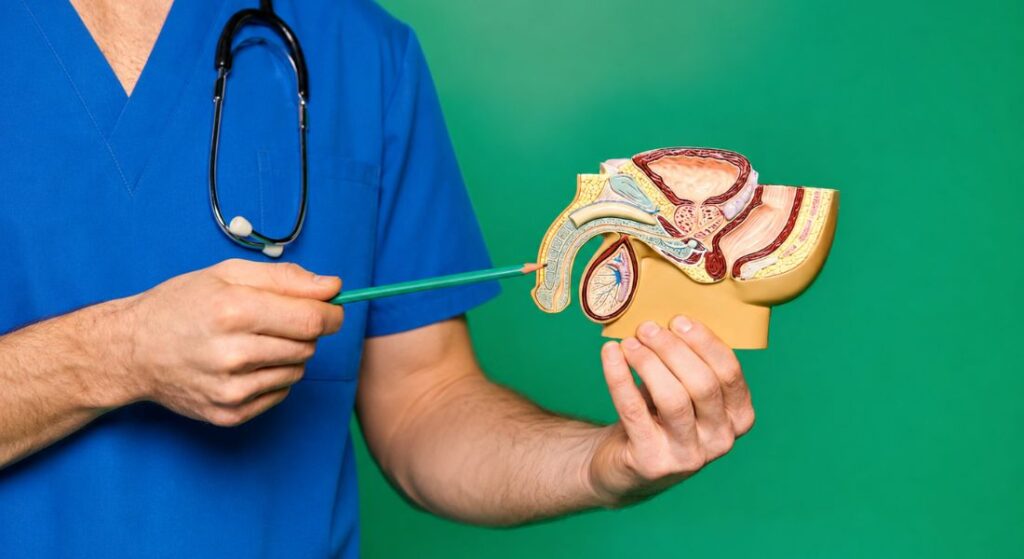
Urinary control relies on several structures working together, including the bladder, urethra, urinary sphincter, pelvic floor muscles, nerves, and surrounding support tissues. When these systems are functioning normally, they help you store and release urine in a controlled way.
During prostate cancer surgery, the prostate is removed and the bladder is reconnected directly to the urethra. This alters the natural balance of the urinary control system, and the area needs time to heal and adapt to the new internal structure. As a result, the usual support provided by the prostate is no longer present.
After surgery, the urinary sphincter and pelvic floor muscles may need to work harder to maintain control. This is why leakage can still occur even when the operation has gone as planned and there are no complications. The body simply needs time to adjust to the changes.
Pelvic Floor Exercises and Continence Recovery
Pelvic floor exercises are often recommended before and after prostate cancer surgery to help improve bladder control. These exercises strengthen the muscles that support urine control, which can be affected after surgery.
Your nurse, doctor, or physiotherapist will guide you on when to start and how to do them correctly. Getting the technique right is important because only the pelvic floor muscles should be engaged.
It is important not to confuse pelvic floor activation with tightening your stomach, thighs, or buttocks. If you are unsure, it is better to ask for guidance rather than guessing.
If leakage is not improving, you may be offered specialist continence support or pelvic health physiotherapy to help support your recovery.
Long-Term Urinary Incontinence
Most men notice gradual improvement in urinary control after prostate cancer surgery, but for some, leakage can continue for a longer period. This may affect daily life, including confidence, work, travel, exercise, and personal relationships.
It is also common to feel frustrated or embarrassed if recovery takes longer than expected. However, ongoing leakage does not mean nothing can be done or that improvement is unlikely.
There are several treatment options and support services available for persistent incontinence. These may include pelvic floor physiotherapy, continence products, medication in selected cases, or further procedures depending on the severity and type of leakage. If symptoms continue, you should speak to your specialist about what support is available. Tailored help can make a significant difference in managing long-term symptoms.
Erectile Dysfunction
Erectile dysfunction is a common risk after prostate cancer surgery. It means you may find it difficult to get or maintain an erection firm enough for sexual activity.
The nerves that control erections run very close to the prostate. During surgery, they may be preserved, but in some cases they can be stretched, bruised, or affected depending on the position of the cancer. As noted by the NHS, changes in erections and orgasm can occur after surgery.
Recovery varies from person to person. Factors such as age, pre-surgery erectile function, diabetes, blood vessel health, nerve-sparing technique, and healing time all play a role. Some men improve gradually over months, while others may need treatment or ongoing support.
Nerve-Sparing and Erectile Recovery
Nerve-sparing surgery is when the surgeon tries to preserve the nerves that control erections. This may be possible if the cancer is not located too close to these nerve bundles, allowing them to be carefully protected during the procedure.
However, if the cancer is close to the nerves, the surgeon may need to remove a wider area of tissue to ensure all cancer cells are removed safely. In these cases, cancer control always takes priority over nerve preservation.
Even when nerve-sparing surgery is possible, erections may not return straight away. The nerves can take time to recover, and healing varies from person to person. Your specialist may discuss erectile rehabilitation options with you, which can include tablets, vacuum devices, injections, or other treatments. It is helpful to ask about these options both before surgery and during follow-up appointments.
Orgasm Changes
After prostate cancer surgery, your experience of orgasm may change. Many men are still able to have orgasms, but they are usually “dry orgasms” because semen is no longer produced or ejaculated in the usual way.
This happens because the prostate and seminal vesicles are removed during radical prostatectomy. As a result, you will no longer ejaculate semen, even though sexual stimulation and orgasm may still be possible.
Some men still find orgasm pleasurable, while others notice that it feels different, weaker, or more difficult to achieve. These changes can take time to adjust to emotionally. Being aware of this before surgery can help you prepare and reduce the sense of shock when these changes occur.
Fertility Loss
Radical prostate cancer surgery affects fertility because the prostate and seminal vesicles are removed. This means semen is no longer produced or ejaculated during orgasm, even though sexual pleasure may still be possible after recovery.
As a result, you will no longer be able to conceive a child naturally through sexual intercourse after surgery. This is a permanent change and is an important part of understanding the long-term effects of treatment before you decide to proceed.
If you think you may want children in the future, sperm storage should be discussed before treatment begins. Although this conversation can feel difficult, it is a routine and important part of planning your care, and your team should give you time to consider it properly.
Penis Length or Shape Changes
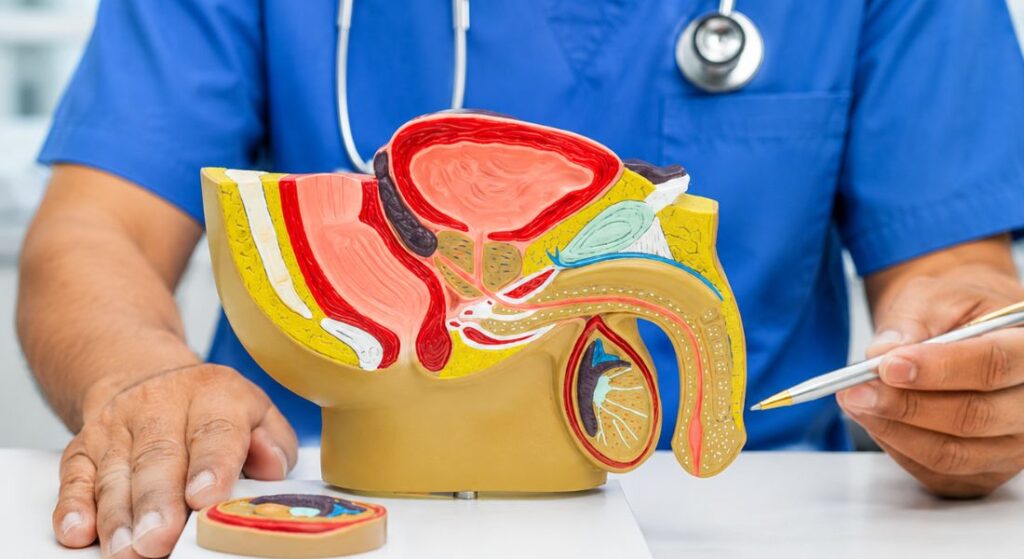
Some men notice changes in penis length or shape after prostate cancer surgery. This is often linked to changes in erections during recovery, as well as reduced blood flow, altered tissue elasticity, and temporary or longer-term effects on nerve function.
Not everyone experiences these changes, but when they do occur, they can affect confidence and body image. You may also notice these changes more if erections are weaker or less frequent during the recovery period.
If this is something that worries you, you should feel able to discuss it with your specialist. Penile rehabilitation and erectile recovery support may be offered as part of your care, and although it can feel like a difficult topic to raise, it is an important part of quality-of-life recovery after prostate cancer surgery.
Urinary Retention
A small number of men may experience difficulty passing urine after the catheter is removed. This is known as urinary retention and can happen during the early stages of recovery as the bladder and urinary system adjust.
You may notice symptoms such as lower abdominal pressure, discomfort, or a feeling that you are unable to empty your bladder properly. As highlighted by Prostate Cancer UK, urinary retention is not very common, but it can occur in a small number of patients after surgery.
If you are unable to pass urine after catheter removal, you should seek urgent medical advice. In some cases, you may need a clinical assessment and the catheter may need to be reinserted temporarily to protect your bladder and support safe recovery. You should not wait at home if you are unable to urinate.
Narrowing or Scar Tissue
Some men may develop narrowing at the point where the bladder is reconnected to the urethra after surgery. This can happen as a result of scar tissue forming during the healing process.
You may notice symptoms such as a weaker urine stream, difficulty starting or passing urine, straining, or a feeling that your bladder is not fully emptying. This is different from the temporary leakage that is common soon after the catheter is removed.
If your urine flow becomes very weak or gradually worsens over time, you should inform your specialist. Further assessment may be needed to check for narrowing, and treatment is often available if scar tissue is causing a blockage.
Lymph Node Removal Risks
If lymph nodes are removed during prostate cancer surgery, there can be some additional risks. This is usually done if there is a possibility that the cancer may have spread to nearby lymph nodes.
You may experience fluid collection, swelling, or discomfort in the area after surgery. In less common cases, some men may develop lymphoedema, which is ongoing swelling in the legs or genital area caused by changes in lymphatic drainage.
Lymph node removal also provides important information about the stage of the cancer, which helps guide further treatment. You should ask your surgeon whether lymph node removal is planned for you and what additional risks it may involve. If you notice persistent swelling, heaviness in the legs, groin swelling, or ongoing discomfort after surgery, you should report it to your medical team.
Bowel or Rectal Injury
The prostate sits very close to the rectum, so there is a small risk of bowel or rectal injury during prostate cancer surgery. Although this is uncommon, it is a recognised complication that your surgical team is trained to manage.
The risk may be slightly higher if you have scar tissue, previous pelvic surgery, radiotherapy, inflammation, or more complex anatomy. Your surgeon will take care to avoid injury wherever possible and will work carefully around these structures throughout the procedure.
If a bowel injury does occur, it may be repaired during the same operation, but it can mean a longer or more closely monitored recovery. After surgery, you should seek medical advice urgently if you develop severe abdominal pain, fever, vomiting, increasing swelling, or a general feeling of being very unwell.
Constipation After Surgery
Constipation is common after prostate cancer surgery and can affect many patients during early recovery. It may be caused by anaesthetic, pain medications, reduced movement, dehydration, or changes in your normal diet.
It is important to manage constipation because straining can be uncomfortable and may put pressure on the healing surgical area. You may be advised to increase fluids, walk regularly, eat fibre-rich foods, or use stool-softening medication if needed.
You should try to avoid heavy straining when opening your bowels. If constipation becomes severe, painful, or is associated with vomiting or abdominal swelling, you should seek medical advice. Managing it early can help make your recovery more comfortable and reduce unnecessary strain.
Tiredness and Slow Recovery
Tiredness is very common after prostate cancer surgery, even if you have had minimally invasive or robotic-assisted treatment. Although the external cuts may be small, your body is still recovering from major internal surgery, which requires significant energy.
You may feel unusually fatigued after simple daily activities such as showering, walking, dressing, or attending follow-up appointments. This can feel frustrating, especially if you were expecting a quicker return to normal energy levels.
It is important to pace yourself during recovery. Gentle walking, regular rest, good nutrition, hydration, and avoiding overexertion can all support your healing. If your tiredness becomes severe, worsens over time, or is accompanied by symptoms such as breathlessness, chest pain, fever, or dizziness, you should seek medical advice promptly.
Emotional Risks and Anxiety
The emotional impact of prostate cancer surgery is often underestimated. You may feel relieved that the cancer has been treated, but still experience ongoing anxiety about PSA results, urinary leakage, erections, body image, fertility, and your future health.
It is also common to feel low, frustrated, impatient, or less confident during recovery. These feelings can come and go and may feel stronger at different stages of healing, especially when physical recovery is slower than expected.
These emotional changes are not a sign of weakness. Cancer surgery affects more than just the body, and it can influence your identity, relationships, intimacy, work life, and day-to-day confidence. If you feel overwhelmed, you should speak to your GP, specialist nurse, counsellor, or a support group. You do not have to manage these feelings on your own.
Relationship and Intimacy Changes
Prostate cancer surgery can affect your relationships and intimacy in several ways. Urinary leakage, erectile dysfunction, dry orgasm, reduced confidence, and ongoing tiredness can all influence how you feel about sex and closeness.
You may find yourself avoiding intimacy because of embarrassment, uncertainty, or worry about how your body has changed. Your partner may also feel unsure about how best to support you during this time, which can sometimes make communication more difficult.
Open and honest communication can help, even if it feels uncomfortable at first. You do not need to resolve everything straight away, as sexual recovery after prostate surgery often takes time. Support is available, and you can ask your specialist about erectile rehabilitation and relationship support if you feel it would help you and your partner.
Risks May Differ Between Patients

Not every patient has the same risk profile, and the risks of prostate cancer surgery can vary significantly from person to person. Factors such as your age, overall fitness, and general health all play an important role in determining your individual risk.
For example, a younger, fit man with good erectile function before surgery and cancer that is not close to the nerves may have a different risk profile compared with an older man who has diabetes, heart disease, or pre-existing erectile difficulties. These differences can influence both recovery and long-term outcomes.
Cancer-related factors are also important. If wider tissue removal is needed to achieve complete cancer control, nerve-sparing surgery may not be possible. In some cases, lymph node removal may also be required, which can add additional risks. This is why your surgeon should always explain your personal risks rather than relying only on general information, making a personalised consultation an essential part of your decision-making process.
Robotic Surgery Does Not Remove All Risks
Robotic surgery can offer benefits such as smaller incisions, greater precision, and a magnified view of the surgical area. These features may support a more controlled operation, but they do not make prostate cancer surgery risk-free.
You can still experience side effects such as urinary leakage, erectile dysfunction, bleeding, infection, catheter-related issues, pain, blood clots, and emotional effects during recovery. These risks are part of the healing process and can occur regardless of the surgical approach used.
It is important to remember that the robot is a tool fully controlled by the surgeon. Your outcome depends on several factors, including the stage of your cancer, your individual anatomy, the surgical plan, the experience of your surgeon, your overall health, and how your body heals. When discussing surgery, it is helpful to ask not only about robotic techniques, but also about realistic recovery expectations and possible side effects.
How Risks Are Managed Before Surgery
Your healthcare team will take steps to reduce risks before your prostate cancer surgery. This usually includes a pre-assessment appointment where your overall health is checked and your current medications are reviewed.
You may be advised to stop or adjust certain medications, such as blood thinners, but only under strict medical guidance. You should not make any changes to your medication without speaking to your team first.
Lifestyle factors also play an important role in reducing risk. If you smoke, stopping before surgery can improve healing and lower anaesthetic risks. If you have diabetes, keeping your blood sugar well controlled can also support better recovery.
You may also be taught pelvic floor exercises before surgery to help support bladder control afterwards. While preparation cannot remove all risks, it can significantly improve safety and support a smoother recovery process.
How Risks Are Managed During Surgery
During prostate cancer surgery, your medical team monitors you closely throughout the procedure. The anaesthetic team continuously checks your breathing, blood pressure, heart rate, oxygen levels, fluid balance, and overall stability to ensure you remain safe and well supported.
At the same time, the surgeon carefully removes the prostate, controls any bleeding, and works to protect surrounding structures as much as possible. The bladder is then reconnected to the urethra, and a catheter is placed to support healing. If lymph node removal is part of your treatment plan, this is carried out during the same operation.
If any unexpected findings arise during surgery, your surgeon will manage them in line with safety and cancer-control priorities. The main goal is always to remove the cancer effectively while carrying out a careful and controlled reconstruction to support the best possible recovery.
How Risks Are Managed After Surgery
After your operation, you are closely monitored in recovery and later on the ward. Nursing staff regularly check your pain levels, wounds, catheter function, urine output, mobility, temperature, and overall wellbeing to ensure you are recovering safely.
You may be encouraged to start gentle walking as soon as it is safe, as this helps reduce the risk of blood clots and supports recovery. You will also be given pain relief, anti-sickness medication if needed, and advice on bowel care, catheter management, and wound care to help you heal comfortably at home.
Before you are discharged, your team will make sure you understand who to contact if you have any concerns. Follow-up appointments and PSA blood tests are also an important part of ongoing care. Risk management does not stop when you leave hospital—it continues throughout your recovery period.
Warning Signs After Surgery
You should seek urgent medical advice if you develop any concerning symptoms after prostate cancer surgery. These may include fever, chills, worsening pain, heavy bleeding, large blood clots in the urine, catheter blockage, or inability to pass urine after catheter removal.
Other important warning signs include chest pain, breathlessness, calf swelling, wound discharge or pus, severe abdominal swelling, or feeling suddenly very unwell. These symptoms should never be ignored, especially if they appear suddenly or worsen quickly.
Do not wait if your symptoms feel severe or unusual. It is always better to contact your healthcare team and be reassured than to miss a potential complication. Your discharge paperwork will include important contact details and instructions, so make sure you keep this information somewhere easy to access during your recovery.
Speak to Our Specialist

If you are considering prostate cancer surgery, it is important that you fully understand both the benefits and the risks before making a decision. You should feel comfortable discussing any concerns and asking questions so you can make an informed choice about your treatment.
You may want advice on a range of topics, including urinary leakage, erectile dysfunction, fertility changes, catheter care, nerve-sparing techniques, lymph node removal, expected recovery time, and follow-up PSA testing. These discussions can help you understand what to expect both in the short and long term.
Speaking to a specialist can also help you compare treatment options and understand which approach may be most suitable for your individual situation. Clear, personalised information can support you in making a confident and well-informed decision about your care.
FAQs
1. What are the most common risks of prostate cancer surgery?
The most common risks include urinary leakage (incontinence) and erectile dysfunction. Other possible risks include bleeding, infection, pain, blood clots, catheter-related problems, and temporary changes to bladder function. The likelihood and severity of these side effects vary between patients.
2. How long does urinary leakage last after prostate cancer surgery?
Urinary leakage often improves gradually after the catheter is removed. Some men regain bladder control within weeks, while others may take several months. A smaller number of patients experience longer-term incontinence and may require additional treatment or support.
3. Can prostate cancer surgery cause erectile dysfunction?
Yes. Erectile dysfunction is a common side effect because the nerves responsible for erections run very close to the prostate. Recovery depends on factors such as your age, erectile function before surgery, overall health, and whether nerve-sparing surgery is possible.
4. Is robotic prostate surgery safer than traditional surgery?
Robotic surgery may offer advantages such as smaller incisions, reduced blood loss, and potentially faster recovery. However, it does not eliminate risks. Side effects such as urinary leakage, erection problems, infection, and bleeding can still occur.
5. How long will I need a catheter after surgery?
Most men require a catheter for around one to two weeks after a radical prostatectomy, although this can vary. Your surgeon will advise you on how long it should remain in place and how to care for it during recovery.
6. Can prostate cancer surgery affect fertility?
Yes. Because the prostate gland and seminal vesicles are removed during surgery, you will no longer ejaculate semen. This means natural fertility is usually lost after a radical prostatectomy. If future fertility is important to you, discuss sperm storage before treatment.
7. What warning signs should I watch for after surgery?
You should seek medical advice if you experience fever, chills, worsening pain, heavy bleeding, large blood clots in the urine, catheter blockage, difficulty passing urine, chest pain, breathlessness, calf swelling, or signs of wound infection.
8. Are blood clots a risk after prostate cancer surgery?
Yes, although they are relatively uncommon. Blood clots can develop in the legs (deep vein thrombosis) and, in rare cases, travel to the lungs (pulmonary embolism). Early mobilisation, compression stockings, and blood-thinning medication may help reduce this risk.
9. Will pelvic floor exercises help after surgery?
Pelvic floor exercises are commonly recommended before and after surgery because they can strengthen the muscles involved in urinary control. Performing them correctly may help speed up continence recovery and improve bladder control.
10. Does everyone experience side effects after prostate cancer surgery?
No. Every patient’s experience is different. Some men recover with minimal side effects, while others experience more significant urinary, sexual, or recovery-related issues. Your individual risks depend on factors such as age, overall health, cancer characteristics, and the type of surgery performed.
Final Thoughts: Understanding the Risks Helps You Make an Informed Choice
Prostate cancer surgery can be an effective treatment option for suitable patients, but it is important that you understand the potential risks as well as the benefits before making a decision. Side effects such as urinary leakage, erectile dysfunction, catheter-related issues, infection, bleeding, and changes to fertility can affect recovery and quality of life, although not everyone experiences them to the same extent.
The good news is that many complications can be managed successfully with the right preparation, specialist support, and ongoing follow-up care. Knowing what to expect can help you prepare for recovery, recognise warning signs early, and feel more confident about your treatment journey. If you are considering for a prostate cancer treatment clinic in London and would like specialist advice, you can contact us to discuss your options and arrange a consultation tailored to your individual needs.
References:
- Resnick, M.J., Koyama, T., Fan, K.H., Albertsen, P.C., Goodman, M., Hamilton, A.S., Hoffman, R.M., Potosky, A.L. and Stanford, J.L. (2013) Long-term functional outcomes after treatment for localised prostate cancer, 368(5), pp. 436–445. Available at: https://pubmed.ncbi.nlm.nih.gov/23363497/
- Hussain, M. and Dawson, N.A. (2010) New Developments in the Medical Management of Prostate Cancer, Seminars in Oncology, 37(1), pp. 3–15. Available at: https://pmc.ncbi.nlm.nih.gov/articles/PMC2800284/
- Hughes, A.C. and Graham, L.S. (2026) Treatment Approaches and Future Directions for Neuroendocrine Prostate Cancer and Other Aggressive Variant Prostate Cancers, Advances in Oncology, 6(1), pp. 165–172. Available at: https://www.sciencedirect.com/science/article/pii/S2666853X26000123
- Desai, A.N., Fleyshman, M., Lall, N. and Saraiya, B. (2026) Systemic Treatments of Castration-Resistant Prostate Cancer, Urologic Clinics of North America, 53(2), pp. 317–330. Available at: https://www.sciencedirect.com/science/article/abs/pii/S0094014326000133
- Rycaj, K. and Tang, D.G. (2017) Molecular determinants of prostate cancer metastasis, Oncotarget, 8(50), pp. 88211–88231. Available at: https://pmc.ncbi.nlm.nih.gov/articles/PMC5675705