




Prostate cancer surgery can be very successful for suitable patients, especially when the cancer is found while it is still within the prostate. But “success” does not mean exactly the same thing for every man. For one person, success may mean removing all visible cancer and having an undetectable PSA afterwards. For another, it may also mean recovering urinary control, returning to normal activities, protecting sexual function as much as possible, and avoiding further treatment.
This is why it is important to look at prostate cancer surgery in a balanced way. Surgery can offer strong cancer control for many men, but outcomes depend on the cancer stage, grade, PSA level, surgical margins, lymph node findings, general health, and recovery after treatment.
Prostate cancer surgery is usually called a radical prostatectomy. This means the whole prostate gland is removed, usually along with the seminal vesicles. In some cases, nearby lymph nodes may also be removed.
If the cancer is fully contained inside the prostate, surgery may remove all of the cancer. However, if the cancer has already spread outside the prostate or has higher-risk features, further treatment or closer monitoring may be needed after surgery.
What Does “Successful” Mean After Prostate Cancer Surgery?
Success after prostate cancer surgery can mean several things. The first and most important goal is cancer control. This means removing the prostate cancer and reducing the risk of it coming back. Another measure of success is the PSA result after surgery. Because the prostate has been removed, PSA should usually fall to a very low or undetectable level.
A third measure is recovery of daily function. This includes urinary control, sexual function, energy levels, confidence, and the ability to return to normal life. So, when you ask how successful surgery is, it helps to ask a more personal question: “What outcome matters most in my case, and what is realistic for my cancer?”
Surgery Can Be Very Effective for Localised Prostate Cancer
Surgery can be very effective when prostate cancer is localised. This means the cancer appears to be contained inside the prostate and has not spread to other parts of your body. In this situation, surgery aims to remove the prostate gland and the cancer within it, which can offer many patients a strong chance of long-term cancer control.
However, not every localised prostate cancer needs immediate surgery. Some lower-risk cancers grow very slowly and may not cause problems for many years. Because of this, your doctor may recommend active surveillance, where the cancer is monitored closely with regular tests and check-ups.
The decision about treatment should always be based on your individual cancer risk rather than simply the diagnosis itself. Factors such as your PSA level, biopsy results, age, and overall health can all affect the best approach for you. Taking time to understand your options can help you feel more confident about your treatment decisions.
PSA After Surgery Is One Key Sign of Success
PSA is one of the most important follow-up markers after prostate cancer surgery. PSA stands for prostate-specific antigen. It is made by prostate cells, so once the prostate has been removed, the PSA level should usually fall to a very low or undetectable level.
Your doctor will monitor your PSA after surgery. If it stays very low, that is usually a reassuring sign. If PSA starts to rise after surgery, it may suggest that some prostate cancer cells remain or have become active again.
This does not always mean immediate danger, but it does mean further assessment may be needed. Your specialist will explain what PSA level they expect after surgery and how often it should be checked.
What Is Biochemical Recurrence?
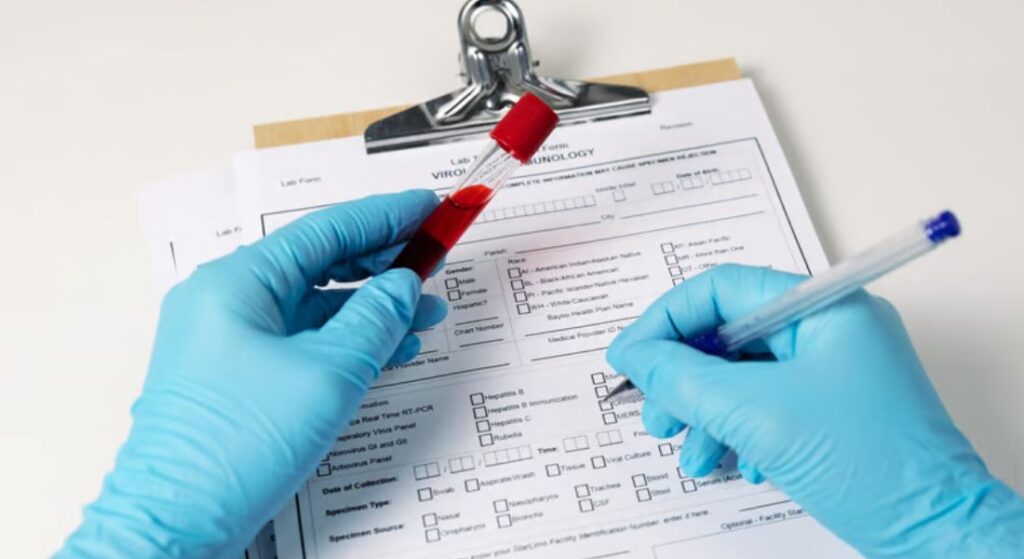
Biochemical recurrence means PSA rises after prostate cancer treatment. After radical prostatectomy, PSA should usually be very low because the prostate gland has been removed. If PSA becomes detectable or continues to rise, doctors may call this biochemical recurrence.
This does not always mean symptoms will appear or that the cancer has visibly returned on scans straight away. It means PSA is giving an early signal that further monitoring or treatment may be needed.
Your specialist may recommend repeat PSA tests, scans, radiotherapy, hormone therapy, or careful observation depending on the PSA level, how quickly it is rising, and your original cancer features. This is why PSA follow-up is so important after surgery.
Surgical Margins and Cancer Control
After surgery, the removed prostate is examined in a laboratory. One important part of the pathology report is the surgical margin. A clear margin means no cancer cells are seen at the edge of the removed tissue. This suggests the cancer may have been fully removed.
A positive margin means cancer cells are found at the edge of the removed tissue. This can increase the risk of PSA rising later, although it does not always mean the cancer will definitely come back. If your report shows a positive margin, your specialist will explain what it means in your case. You may need closer PSA monitoring or additional treatment depending on the full pathology result.
Cancer Stage Affects Success
The stage of prostate cancer has a major effect on surgical success. If the cancer is contained within the prostate, surgery has a better chance of removing it completely. If cancer has started to grow outside the prostate, into the seminal vesicles, or into lymph nodes, the situation becomes more complex.
Surgery may still be useful in selected cases, but the chance of needing further treatment may be higher. Your MRI, biopsy, PSA, and final pathology report all help your team understand the stage. This is why surgery success cannot be judged by operation type alone. It depends heavily on the cancer’s behaviour and extent.
Cancer Grade Also Matters
Along with the stage of your cancer, your cancer grade helps your specialist understand how the disease is likely to behave. You may hear this described as your Gleason score or Grade Group. These results help show whether the cancer appears slower growing or more aggressive.
Lower-grade cancers often grow more slowly and may be less likely to spread. Higher-grade cancers usually need closer monitoring because they can behave more aggressively. Even so, surgery can still be a very effective treatment option for many men with higher-grade disease.
After surgery, your specialist will use this information together with your PSA results and pathology findings to plan your follow-up care. This helps ensure that any future concerns are identified and managed as early as possible.
PSA Level Before Surgery Matters
Your PSA level before surgery can also influence expected outcomes. A lower PSA with favourable biopsy and MRI findings may suggest a lower-risk cancer. A higher PSA may suggest more active or more extensive disease, although PSA must always be interpreted with other test results.
PSA can also be affected by benign prostate enlargement, infection, inflammation, and prostate size. This is why PSA alone does not decide success. Your specialist will combine PSA with MRI, biopsy, examination findings, scans if needed, and your overall health. Together, these details give a clearer picture than one number on its own.
Lymph Node Results Influence Outcome
Some men have lymph nodes removed during prostate cancer surgery, especially if there is a higher risk that the cancer may have spread outside the prostate. Checking these lymph nodes helps your specialist understand how far the cancer may have developed. If the lymph nodes are clear, this can be a reassuring sign that the cancer was still localised.
If cancer is found in the lymph nodes, further treatment may sometimes be recommended after surgery. This may include radiotherapy, hormone therapy, or closer monitoring depending on your situation. Your specialist will explain the most suitable approach based on your results.
Lymph node results are important because they give a clearer picture of whether the cancer was fully contained within the prostate. They also help your specialist plan your follow-up and future treatment more carefully.
Success Is Not Only About Removing Cancer
Cancer control is the main goal of prostate cancer surgery, but it is not the only part of a successful outcome. Your quality of life after treatment also matters greatly. A good recovery is not only about removing the cancer, but also about helping you return to daily life as comfortably as possible.
After surgery, many men worry about side effects such as urinary leakage, erection problems, dry orgasm, fertility changes, and confidence. These issues can affect your relationships, work, emotional wellbeing, and everyday routine. Because of this, it is important that your specialist talks openly with you about both cancer control and functional recovery.
Even when treatment controls the cancer successfully, you may still need support with the side effects that affect your life most. Recovery can take time, and every person’s experience is different. Having the right information and support can help you manage these changes more confidently.
Urinary Control After Surgery
Urinary leakage is one of the most common side effects after prostate cancer surgery. Some men regain control quickly after the catheter is removed. Others take weeks or months. A smaller number may have longer-term leakage.
Several factors influence continence recovery, including age, pelvic floor strength, bladder function before surgery, surgical technique, prostate anatomy, and healing. Pelvic floor exercises can help when done correctly.
If leakage continues, you should ask for support rather than assuming nothing can be done. Success after surgery includes helping you regain confidence and manage urinary symptoms properly.
Erectile Function After Surgery
Erectile function after prostate cancer surgery can vary greatly from one person to another. The nerves involved in erections run very close to the prostate, so if the cancer is not too near these nerves, nerve-sparing surgery may be possible. However, if the cancer is close to them, your surgeon may need to remove more tissue to reduce the risk of leaving cancer behind.
Your recovery can depend on several factors, including your age, erection quality before surgery, diabetes, blood vessel health, cancer location, and whether nerve-sparing surgery was possible. Some men gradually recover erections over time, while others may need support such as tablets, vacuum devices, injections, or other treatments.
Because of this, sexual recovery should be discussed before surgery rather than only afterwards. Understanding the possible changes in advance can help you prepare more realistically for recovery. It also gives you the chance to talk openly about the support and treatment options available to you.
Nerve-Sparing and Success
Nerve-sparing surgery can improve the chance of erectile recovery in suitable patients. However, nerve-sparing is only possible when it is safe from a cancer-control point of view. Cancer control always comes first.
If preserving the nerves would increase the risk of leaving cancer behind, your surgeon may recommend removing tissue more widely. This can be difficult to hear, especially if sexual function is important to you.
But your surgeon should explain why nerve-sparing is or is not suitable in your specific case. A successful operation must balance cancer removal with functional preservation wherever possible.
Retzius-Sparing Surgery and Continence Outcomes
Some men may be offered Retzius-sparing robotic prostate surgery as part of their treatment. This is a specialised robotic technique that approaches the prostate from behind rather than through the front of the pelvis. The aim is to preserve important support structures involved in urinary control.
For selected patients, Retzius-sparing surgery may help with earlier recovery of continence after surgery. However, this approach is not suitable for everyone. Factors such as tumour location, prostate anatomy, cancer stage, and surgeon experience all play an important role in deciding whether it is appropriate for you.
If early urinary control is one of your main concerns, it is worth asking your specialist whether this technique may be suitable in your case. Your surgeon will balance the possible continence benefits with the need to remove the cancer safely and effectively. The best surgical approach will always depend on your individual situation.
Robotic Surgery and Success

Robotic prostate surgery is now widely used for radical prostatectomy. It allows your surgeon to operate through small cuts using precise instruments and a magnified view, which can help with careful dissection around the prostate, bladder, urethra, nerves, and blood vessels. This approach may help reduce blood loss and support recovery after surgery.
However, the robot does not perform the operation on its own. Your surgeon controls the instruments throughout the procedure, so the success of surgery still depends greatly on surgical experience and careful planning. Factors such as your cancer features, anatomy, and overall health also play an important role in the final outcome.
Robotic surgery can be very effective for many men, but it does not remove all risks or side effects. Problems such as urinary leakage, erection changes, or the need for further treatment can still occur in some cases. This is why it is important to have realistic expectations and discuss both the benefits and risks before surgery.
Does Surgery Cure Prostate Cancer?
For some men, prostate cancer surgery can be curative. If the cancer is fully contained within the prostate and removed completely, surgery may remove all of the cancer. In these situations, many men can achieve long-term cancer control after treatment.
However, doctors are usually careful about using the word “cure” because prostate cancer can sometimes return years later. That is why regular PSA monitoring continues after surgery. If your PSA remains undetectable over time, this is generally a reassuring sign.
If PSA levels begin to rise, further treatment may sometimes be needed. This does not always mean the cancer has become advanced, but it does mean closer assessment is required. Surgery can still be highly successful, but long-term follow-up remains an important part of your care.
What Happens If PSA Rises After Surgery?
If PSA rises after surgery, your specialist will look at the pattern. They may repeat the PSA test to confirm the result. They may consider how quickly PSA is rising, what the final pathology showed, whether margins were positive, and whether lymph nodes were involved.
Further imaging may be recommended in some cases. Treatment may include radiotherapy to the prostate bed, hormone therapy, or other approaches depending on the situation. A rising PSA does not mean there are no options. It means your team needs to decide the next step based on your individual risk.
Success May Involve Additional Treatment
Sometimes surgery is only one part of treatment. If the final pathology shows higher-risk features, or if PSA rises later, further treatment may be recommended. This may include radiotherapy, hormone therapy, or close monitoring.
This can feel disappointing, especially if you expected surgery to be the only treatment. But needing additional treatment does not mean the first treatment was pointless. Surgery may still remove the main cancer and provide important information about disease stage and risk. Your specialist can explain whether further treatment is recommended to reduce the chance of recurrence.
How Final Pathology Helps
One advantage of surgery is that the whole prostate is examined after removal. This gives your doctors detailed information that biopsy alone cannot always provide. The pathology report may show the exact grade, tumour extent, surgical margins, seminal vesicle involvement, and lymph node results if nodes were removed.
This information helps predict the risk of recurrence. It also helps decide whether PSA monitoring alone is enough or whether further treatment may be needed. For many men, this extra information is one reason surgery can feel reassuring.
Comparing Surgery With Other Treatments
Surgery is not the only treatment for localised prostate cancer. Radiotherapy and active surveillance may also be suitable depending on the cancer risk group and your health.
Surgery removes the prostate and gives a full pathology report, but it carries risks such as urinary leakage and erectile dysfunction. Radiotherapy avoids an operation, but it can affect the bladder, bowel, erections, and may involve hormone therapy depending on risk.
Active surveillance avoids immediate treatment side effects but requires regular monitoring and the possibility of treatment later. The most successful treatment is the one that fits your cancer and your priorities.
Factors That Improve the Chance of a Good Outcome
Several factors can improve the chance of a good outcome after surgery. Earlier-stage cancer is usually easier to treat successfully with surgery. Lower-grade cancer may have a lower chance of recurrence.
Clear surgical margins are reassuring. Good general health can support recovery. A skilled and experienced surgical team can also influence outcomes.
Following your recovery advice matters too, including catheter care, pelvic floor exercises, walking, avoiding heavy lifting too early, and attending PSA follow-up appointments. Success is not only about the operation. It is also about the care before and after it.
Key Factors That Influence Success After Prostate Cancer Surgery
| Factor | How It Affects Success | What It Means in Practice | Why It Matters |
| Cancer stage | Early-stage cancer improves success rates | Cancer confined within the prostate is easier to remove completely | Lower chance of recurrence and further treatment |
| Cancer grade (Gleason/Grade Group) | Lower grade = better prognosis | Less aggressive cancer is less likely to spread | Helps predict long-term cancer control |
| PSA level before surgery | Lower PSA generally indicates better outcomes | High PSA may suggest more extensive disease | Helps assess risk and treatment planning |
| Surgical margins | Clear margins improve success | No cancer cells at edge of removed tissue | Reduces risk of biochemical recurrence |
| Lymph node involvement | Negative nodes improve prognosis | Cancer has not spread beyond prostate region | Indicates more localised disease |
| Surgeon experience | Higher experience improves outcomes | Skilled surgical technique reduces complications | Impacts both cancer control and side effects |
| Overall health | Better health supports recovery | Fitness, diabetes control, and lifestyle matter | Affects healing and complication risk |
| Nerve-sparing possibility | Increases chance of functional recovery | Nerves preserved when safe to do so | Improves erectile and urinary outcomes |
| Post-operative PSA trend | Stable/undetectable PSA indicates success | Rising PSA may need further assessment | Key long-term monitoring marker |
| Patient adherence to recovery plan | Improves continence and recovery | Pelvic floor exercises, follow-ups, mobility | Directly impacts functional recovery |
Factors That May Make Outcomes More Complex
Some factors can make prostate cancer surgery and recovery more complex. These may include a higher PSA level, higher-grade cancer, cancer that has spread outside the prostate, positive margins, lymph node involvement, or a very large prostate. Other factors such as previous surgery, obesity, diabetes, smoking, poor fitness, and existing urinary or erection problems can also affect outcomes.
However, these factors do not automatically mean surgery will be unsuccessful. They simply mean that recovery, side effects, or long-term cancer control may be more complicated in some cases. Because of this, your follow-up may need to be closer and your expectations should be realistic.
Your specialist should explain which factors apply to your individual situation. This can help you understand your own risks and likely outcomes rather than relying only on general statistics. Having clear information before treatment can help you feel more prepared and informed.
What Success Looks Like in the First Few Months
In the first few months after prostate cancer surgery, success often means healing well and recovering steadily. This may include having your catheter removed safely, seeing your PSA level fall as expected, and gradually improving your urinary control. Recovery during this stage is usually gradual rather than immediate.
You may still feel tired and may still need pads while your bladder control improves. It is also common to experience emotional ups and downs as you adjust to the changes after surgery. If the nerves involved in erections were affected, sexual recovery may also take longer.
This does not mean the surgery has failed. Recovery after prostate cancer surgery happens in stages, and everyone improves at a different pace. Your first few months are usually focused on healing, monitoring your progress, and rebuilding confidence in daily life.
What Success Looks Like Long Term
Long-term success after prostate cancer surgery usually means your PSA remains very low or undetectable and no further cancer activity is seen. It also means regaining as much quality of life as possible over time. Recovery is not only about cancer control, but also about how well you return to normal daily living.
For many men, urinary control improves gradually during the months after surgery. Sexual recovery may take longer and sometimes requires support such as tablets, devices, or other treatments. Some men may also need further treatment later if PSA rises or if the pathology report shows higher-risk features.
Long-term success should be assessed together with your specialist using your PSA trend, symptoms, recovery, and overall wellbeing. It is not based on only one scan, one test, or one number. Looking at the bigger picture over time gives a more accurate understanding of your progress.
Why Follow-Up Is Essential

Follow-up is an important part of successful prostate cancer surgery. After your operation, you will usually have regular PSA tests to check whether the cancer still appears controlled. Your medical team may also ask about urinary leakage, erections, pain, energy levels, emotional wellbeing, and how you are managing daily life.
These appointments are a chance to raise any problems early rather than struggling on your own. If you are having difficulties with continence, sexual function, anxiety, tiredness, or recovery in general, it is important to tell your team. Support and treatment options are often available, but your doctors need to understand what you are experiencing.
Many men feel they should simply accept side effects after surgery, but this is not always the case. Recovery can take time, and some problems improve more with the right support and guidance. Speaking openly during follow-up appointments can help you feel more supported and confident during recovery.
How Often Is PSA Checked After Surgery?
PSA follow-up schedules can vary between hospitals and patients. You may have your first PSA test a few weeks or months after surgery, then regular testing over the following years. The exact timing depends on your specialist’s plan and your pathology results.
If your PSA stays very low, appointments may become less frequent over time. If PSA rises, follow-up may become closer. Your specialist should explain your own schedule clearly. It is important to attend these tests even if you feel well.
Emotional Success Matters Too
Success after prostate cancer surgery is not only medical. It is also emotional. You may feel relieved, anxious, grateful, frustrated, or uncertain at different stages. You may worry before every PSA test.
You may feel less confident because of leakage or erectile changes. These feelings are normal and deserve attention. You do not need to pretend everything is fine if you are struggling. Speaking to your specialist nurse, GP, counsellor, support group, or partner can help. Emotional recovery is part of overall recovery.
Speak to Our Specialist

If you are considering prostate cancer surgery, it is important to understand what success may realistically mean in your individual case. You may need advice about your cancer stage, biopsy grade, PSA level, MRI findings, robotic surgery, nerve-sparing options, continence recovery, erectile function, and long-term follow-up. Having clear information can help you feel more confident about your treatment decisions.
If you are looking for a prostate cancer treatment clinic in London, you can arrange a consultation to discuss whether surgery may be suitable for you. A specialist can explain the likely outcomes based on your diagnosis and overall health. This gives you the chance to ask questions and understand what recovery may involve.
A specialist can also help you compare surgery with other treatment options available to you. Understanding both the potential benefits and possible risks can help you make a decision that feels right for your situation. Personalised advice is important because every prostate cancer diagnosis is different.
FAQs
1. How successful is prostate cancer surgery?
Prostate cancer surgery can be very successful, especially when the cancer is still contained within the prostate. Success is usually measured by cancer control, PSA results after surgery, urinary continence recovery, and preservation of quality of life.
2. What is the success rate of prostate cancer surgery for localised cancer?
For many men with localised prostate cancer, surgery offers a strong chance of long-term cancer control. Outcomes depend on factors such as PSA level, cancer grade, MRI findings, surgical margins, and whether the cancer has spread outside the prostate.
3. Will my PSA become undetectable after prostate cancer surgery?
After the prostate is removed, PSA levels should usually fall to a very low or undetectable level. Regular PSA testing after surgery is important because a rising PSA may suggest biochemical recurrence or the need for further assessment.
4. Does prostate cancer surgery cure cancer completely?
Surgery can be curative for some men if the cancer is fully removed and remains confined to the prostate. However, long-term PSA monitoring is still necessary because prostate cancer can sometimes return years later.
5. What happens if PSA rises after prostate cancer surgery?
If PSA rises after surgery, your specialist may repeat the test, arrange imaging scans, or discuss additional treatment such as radiotherapy or hormone therapy. A rising PSA does not automatically mean the cancer is advanced, but it does require closer evaluation.
6. What are the most common side effects after prostate cancer surgery?
The most common side effects include urinary leakage, erectile dysfunction, dry orgasm, fertility changes, tiredness, and temporary discomfort during recovery. Recovery varies between individuals, and some side effects improve gradually over time.
7. How long does urinary continence recovery take after surgery?
Some men regain urinary control within weeks, while others may take several months. Recovery depends on factors such as age, pelvic floor strength, bladder function before surgery, surgical technique, and healing after the operation.
8. Can erectile function recover after prostate cancer surgery?
Erectile recovery depends on age, erections before surgery, nerve-sparing suitability, diabetes, blood vessel health, and cancer location. Some men recover naturally over time, while others may need tablets, injections, or vacuum devices for support.
9. Is robotic prostate surgery better than traditional surgery?
Robotic prostate surgery allows surgeons to operate with greater precision through small incisions and may reduce blood loss and support recovery. However, outcomes still depend heavily on the surgeon’s experience, cancer stage, and individual patient factors.
10. How often is PSA checked after prostate cancer surgery?
PSA is usually checked regularly after surgery, starting within the first few weeks or months and continuing for years afterwards. The frequency depends on your pathology results, PSA trend, and your specialist’s follow-up plan.
Final Thoughts: Understanding Success After Prostate Cancer Surgery
Prostate cancer surgery can be highly effective for many men, particularly when the cancer is diagnosed early and treated appropriately. However, success is not measured only by removing the cancer. It also involves your PSA results after surgery, urinary continence recovery, erectile function, emotional wellbeing, and your overall quality of life in the months and years ahead. Because every prostate cancer diagnosis is different, the likely outcomes of surgery can vary depending on factors such as cancer stage, biopsy grade, PSA level, MRI findings, lymph node involvement, and your general health.
Making the right treatment decision often means understanding both the potential benefits and the possible long-term effects of surgery. Having clear information before treatment can help you feel more confident about what to expect during recovery and follow-up. Regular PSA monitoring, specialist support, and open discussions about side effects all remain important parts of long-term care after prostate cancer surgery. If you are looking for a prostate cancer treatment clinic in London, you can reach out to us to arrange a consultation and receive personalised advice about your diagnosis, treatment choices, and recovery.
References:
- Wallis, C.J.D., Saskin, R., Choo, R., Herschorn, S., Kodama, R.T., Satkunasivam, R., Cheung, P., Nam, R.K. (2016) Surgery versus radiotherapy for clinically-localized prostate cancer: a systematic review and meta-analysis. Available at: https://www.sciencedirect.com/science/article/pii/S0302283815011604
- Jayadevappa, R., Chhatre, S., Wong, Y.N., Wittink, M.N., Cook, R., Morales, K.H. et al. (2017)
Comparative effectiveness of prostate cancer treatments for patient-centered outcomes: a systematic review and meta-analysis. Available at: https://pmc.ncbi.nlm.nih.gov/articles/PMC5419922/ - Wilt, T.J., Brawer, M.K., Jones, K.M. et al. (2012) Radical prostatectomy versus observation for localized prostate cancer. New England Journal of Medicine, 367, pp. 203–213. Available at: https://pubmed.ncbi.nlm.nih.gov/22808955/
- Chen, S., Wang, X., Li, J., Zhang, Y., Liu, Q. and Huang, Z. (2025) Surgical Treatment for Localized Prostate Cancer: A Narrative Review of Literature, Journal of Clinical Medicine, 14(22), 8144. Available at: https://www.mdpi.com/2077-0383/14/22/8144
- Zhang, L., Müller, G., Rossi, A., Patel, S., Kim, J. and Weber, P. (2023) Functional Impact of Neuro-Vascular Bundle Preservation in High-Risk Prostate Cancer Without Compromising Oncological Outcomes, Cancers, 15(24), 5839. Available at: https://www.mdpi.com/2072-6694/15/24/5839