




Not every patient with prostate cancer requires the same surgical approach. Robotic prostate cancer surgery is a minimally invasive technique that allows the surgeon to remove the prostate with enhanced precision while aiming to reduce complications and support urinary and sexual function recovery where possible. Understanding whether this option is appropriate helps you discuss your choices confidently with your healthcare team.
Patients with localised prostate cancer where the tumour is confined to the prostate are often considered suitable candidates. Your overall health, age, and absence of significant surgical contraindications also play a key role. Each of these factors is carefully assessed to ensure the surgery can be performed safely and effectively.
Other considerations include comorbidities such as diabetes, heart disease, or obesity, which may influence both surgical risk and recovery. Cancer characteristics like tumour size, location, and aggressiveness are also taken into account. Being aware of these details helps you understand why robotic surgery may or may not be recommended in your case.
Having a clear understanding of suitability allows you to engage actively in decision-making. You can ask informed questions, weigh potential benefits and risks, and feel reassured that the recommended surgical plan is tailored to your individual situation. This empowers you to participate fully in your care and recovery journey.
Patients with Localised Prostate Cancer
Robotic prostate surgery is typically recommended for men whose cancer is confined to the prostate. You’ll find that tumours which haven’t spread to surrounding tissues are the best candidates for this minimally invasive approach. This allows the surgeon to remove the cancer precisely while preserving key structures.
If you are suitable for robotic surgery, the minimally invasive approach may help reduce certain risks and support faster early recovery compared with traditional open surgery. Supporting urinary continence and sexual function recovery may be an important potential benefit of this technique, depending on your age, baseline function, cancer location, and nerve-sparing suitability.
Understanding your cancer stage and why robotic surgery may be recommended helps you discuss options clearly with your healthcare team. It allows you to make informed decisions about the approach that best meets your needs.
Good Overall Health
Being in good overall health is important to tolerate prostate surgery safely. You should understand that controlled chronic conditions, such as diabetes or high blood pressure, are usually acceptable if properly managed before the operation. Maintaining wellness supports a smoother procedure and reduces the risk of complications.
Preoperative optimisation, including stabilising blood sugar, managing medications, and addressing other health issues, prepares your body for surgery. This proactive approach allows your surgical team to plan care tailored to your needs.
Focusing on overall health not only improves recovery but also enhances long-term outcomes. When you enter surgery in the best possible condition, it increases the likelihood of a successful procedure and quicker return to normal activities.
Age Considerations
There isn’t a strict age limit for robotic prostate surgery, but younger men often recover more quickly. You should understand that older patients can still benefit from the procedure, though recovery may take longer depending on overall health and functional status.
Surgeons evaluate each patient individually, taking into account age-related factors such as circulation, tissue resilience, and comorbidities. This personalised assessment helps determine whether robotic surgery is suitable and what to expect during recovery.
Being aware of age considerations allows you to set realistic expectations. It ensures you can discuss potential outcomes and recovery timelines confidently with your healthcare team.
Nerve-Sparing Potential
Robotic prostate surgery enables nerve-sparing techniques, which aim to preserve sexual function whenever possible. You may find that men with tumours located away from critical nerves are better candidates for this approach, potentially improving functional outcomes.
Surgeons carefully balance nerve preservation with the need to remove cancer effectively. Prioritising both safety and function ensures that treatment is thorough without unnecessary compromise.
Understanding the potential for nerve-sparing helps you discuss realistic expectations with your healthcare team. It allows you to consider both oncological safety and quality-of-life outcomes when planning surgery.
Previous Abdominal or Pelvic Surgery
If you’ve had prior abdominal or pelvic surgery, it can influence how easily robotic instruments can be used. Scar tissue from earlier procedures may make robotic surgery more technically challenging, though it is often still feasible. Understanding this helps you anticipate possible differences in approach or recovery.
Your surgeon will carefully review any previous operations before planning robotic prostate surgery. This evaluation ensures that the surgical strategy accounts for scar tissue and other anatomical considerations. You can discuss any concerns about how past procedures might affect the current surgery.
Being aware of your surgical history allows for better preparation and informed decision-making. It helps you work with your healthcare team to plan a safe and effective procedure tailored to your needs.
Body Size and Pelvic Anatomy
Your pelvic anatomy and body size can influence the feasibility of robotic prostate surgery. You should know that the dimensions of the pelvis and overall body habitus affect how easily robotic instruments can be manoeuvred. Preoperative imaging is used to assess these factors before planning the procedure.
Adequate space is important for the surgeon to operate safely and precisely. Understanding your individual anatomy allows the team to anticipate challenges and adjust the surgical approach as needed. You can discuss imaging results with your specialist to understand how it may impact your surgery.
Being aware of these anatomical considerations helps set realistic expectations for recovery and outcomes. It ensures that the procedure is tailored to your body, supporting both safety and effectiveness.
Motivation and Recovery Commitment
Your willingness to follow rehabilitation instructions plays a key role in recovery after robotic prostate surgery. Engaging consistently with pelvic floor exercises, medications, and scheduled follow-up appointments helps you achieve the best possible outcomes. Understanding this emphasises the importance of active participation in your care.
Recovery requires patience and dedication, as functional improvements may take weeks or months to become noticeable. Staying motivated and adhering to your personalised plan supports steady progress and reduces the risk of setbacks. You can track small improvements to maintain confidence and momentum.
Being committed to your recovery plan maximises both urinary and sexual function restoration. When you take an active role, you empower yourself to achieve the best long-term results and optimise quality of life after surgery.
Pre-Existing Erectile or Urinary Function
Men who have good erectile and urinary function before surgery generally have a higher likelihood of regaining these abilities afterwards. You should understand that those with pre-existing dysfunction can still benefit from surgery, but expectations for recovery may need to be adjusted.
Specialist counselling helps set realistic goals based on your individual situation. Discussing your baseline function allows your healthcare team to plan rehabilitation strategies tailored to your needs. You can feel more prepared and confident about what to expect.
Being aware of preoperative function enables you to track progress meaningfully during recovery. It also ensures that interventions and support are aligned with your goals for long-term urinary and sexual health.
Cancer Stage and Aggressiveness
The stage and aggressiveness of your prostate cancer are important factors in determining whether robotic surgery is suitable. You should know that men with locally advanced or high-risk disease may need alternative surgical or treatment approaches. Understanding this helps set realistic expectations about the procedure.
Surgeons carefully balance the need for effective cancer control with the goal of preserving urinary and sexual function. This personalised approach ensures that treatment is both safe and optimised for your individual situation. You can discuss these considerations openly with your healthcare team.
Being aware of how cancer characteristics influence surgical options empowers you to make informed decisions. It allows you to participate actively in planning treatment while understanding the likely outcomes and recovery process.
Overall Risk Assessment
Before recommending robotic prostate surgery, your healthcare team performs a thorough risk assessment. This considers heart, lung, kidney, and metabolic health, including diabetes and other chronic conditions. Understanding your overall health helps you see why personalised evaluation is essential.
Patients with manageable surgical risks are usually considered suitable candidates for the procedure. You’ll benefit from careful planning and monitoring to ensure safety during and after surgery. Those with higher risks may require additional precautions or alternative treatment strategies.
Being aware of your individual risk profile empowers you to discuss options confidently with your doctor. It ensures that decisions about surgery are based on both safety and the best chance of effective recovery.
Lifestyle Factors

A healthy diet, regular physical activity, and avoiding smoking can all improve outcomes after prostate surgery. You should understand that these lifestyle habits support healing, reduce complications, and complement medical interventions.
Making gradual, consistent changes helps your body recover more effectively. Even moderate improvements in nutrition or activity levels can enhance circulation, energy, and overall wellbeing.
Focusing on lifestyle optimisation before and after surgery empowers you to take an active role in your recovery. When combined with medical care, these habits contribute to the best possible long-term results.
Collaboration with Specialists
Coordination between urologists, anaesthetists, and nursing teams ensures you receive comprehensive care throughout surgery and recovery. Multidisciplinary planning allows specialists to optimise both safety and functional outcomes. Understanding this teamwork helps you feel more confident in the process.
Team-based management enables careful monitoring of all aspects of your health, from anaesthesia risks to post-operative recovery. You can ask questions and stay informed about each stage of care, which improves your comfort and trust in the team.
Being part of a coordinated approach ensures that surgical and rehabilitation strategies are personalised to your needs. This collaboration supports smoother recovery and maximises the chances of achieving the best long-term results.
Patient Expectations
Knowing what the procedure involves, the potential side effects, and the expected recovery timeline helps you prepare mentally and physically. You should understand that having realistic expectations improves satisfaction and encourages adherence to rehabilitation plans.
Clear communication with your surgical team allows you to ask questions and clarify any uncertainties. This dialogue ensures that you know what to expect at each stage of recovery and feel more in control.
Being informed about likely outcomes empowers you to participate actively in your care. When expectations are clear, you can approach surgery and rehabilitation with confidence and a better understanding of what is achievable.
Recovery Support at Home
Having support at home during the early stages of recovery can make a significant difference. You may rely on family members or caregivers to help with medications, mobility, and wound care. This support helps ensure safety and reduces the risk of complications.
Assistance at home allows you to focus on rest and healing without feeling overwhelmed by daily tasks. You can follow rehabilitation exercises, manage appointments, and maintain nutrition more effectively with help.
Being prepared with a reliable support system gives you confidence and peace of mind. It makes the recovery process smoother and allows you to regain independence gradually while staying safe.
Psychological Preparedness
Prostate surgery and recovery can affect your confidence, intimacy, and overall emotional wellbeing. You may find it helpful to access support services or counselling to navigate these changes. Recognising the emotional aspects of recovery is just as important as addressing physical healing.
Talking openly about concerns with professionals or trusted family members can reduce anxiety and provide reassurance. Emotional support helps you cope with changes and maintain a positive outlook throughout recovery.
Addressing psychological preparedness ensures a more holistic approach to healing. When you care for both your mind and body, recovery becomes more manageable, and long-term wellbeing is supported.
Follow-Up and Monitoring

Regular follow-up visits are essential to track PSA levels, urinary function, and sexual recovery after prostate surgery. You should understand that timely assessments allow your healthcare team to detect any complications early. Monitoring progress closely helps ensure that recovery stays on track.
Structured follow-up also provides an opportunity to adjust medications, exercises, or lifestyle measures as needed. Discussing your concerns during these visits ensures personalised care and guidance. You can feel more confident knowing that changes are addressed promptly.
Being consistent with follow-up supports long-term health and functional outcomes. It empowers you to participate actively in your recovery and maintain overall wellbeing over time.
Advantages for Suitable Candidates
Robotic prostate surgery offers several benefits, including smaller incisions, reduced post-operative pain, and faster early recovery. You may notice that the enhanced precision of the robotic approach allows surgeons to operate with greater accuracy, which can protect important structures.
Some patients may experience improved early functional outcomes, such as urinary continence and sexual function recovery, compared with traditional open surgery. These advantages can make the recovery process smoother and less stressful.
These benefits are most pronounced for men carefully selected as suitable candidates. Understanding why you qualify helps you appreciate the potential advantages and set realistic expectations for your recovery and long-term outcomes.
When Robotic Surgery May Not Be Recommended
Robotic prostate surgery may not be suitable for everyone. You should understand that patients with extensive metastatic disease, severe comorbidities, or complex pelvic anatomy may be advised to consider other options. Recognising these limitations helps you see why alternative approaches might be safer.
In such cases, open surgery or non-surgical treatments may provide better outcomes and lower risk. Discussing your specific health situation with your surgeon allows for an informed choice of the most appropriate intervention. You can feel reassured that decisions are based on both safety and effectiveness.
Individual evaluation is key to determining the best treatment strategy. When your care is personalised, it ensures that your recovery and long-term health are optimised while minimising potential complications.
Contraindications or Limitations for Robotic Prostate Surgery
| Factor / Condition | How It Affects Suitability | Notes / Recommendations |
| Extensive Metastatic Disease | Surgery may not achieve cancer control | Alternative treatments like radiotherapy may be safer |
| Severe Comorbidities | High surgical risk (heart, lung, kidney) | Optimisation or alternative approaches considered |
| Complex Pelvic Anatomy | Difficult robotic access | Surgeon may need alternative surgical method |
| Previous Extensive Abdominal/Pelvic Surgery | Scar tissue may impede robotic instrument use | Surgeon evaluates feasibility; may require open surgery |
| Advanced Age with Frailty | May increase complication risk | Individual assessment required; recovery may be slower |
| Patient Unable to Commit to Recovery Plan | Poor adherence reduces functional outcomes | Rehabilitation and follow-up critical for success |
Importance of Surgeon Expertise
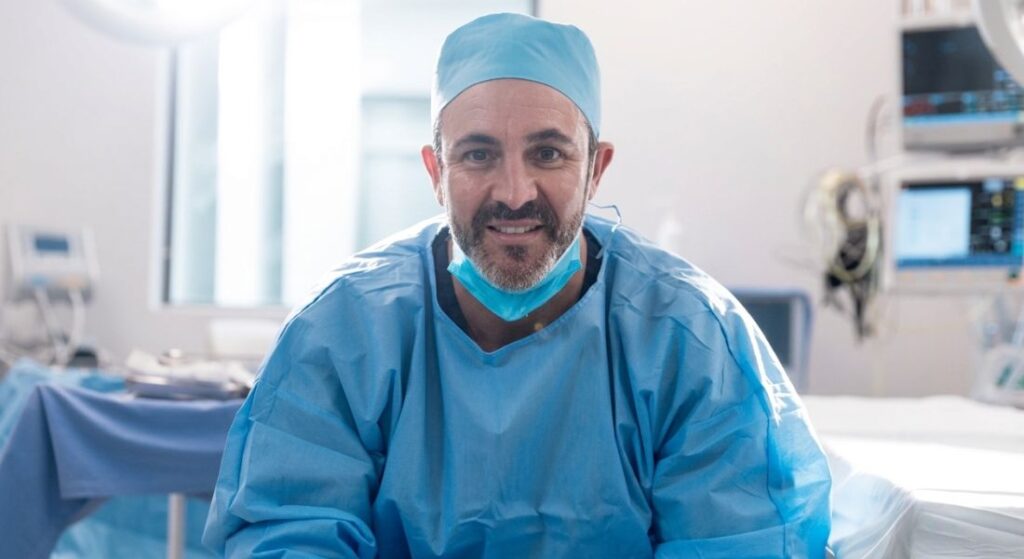
The experience and skill of your surgeon with robotic techniques can have a significant impact on outcomes. You should consider that selecting a centre with experienced surgeons often improves both safety and functional results. Knowing this helps you make informed decisions about where to have surgery.
Surgeons who are skilled in robotic procedures are better able to preserve critical structures while removing the prostate effectively. This expertise supports optimal cancer control and minimises the risk of complications. You can feel more confident when your care team has a strong track record.
Choosing specialist care ensures that both your health and quality of life are prioritised. Expert guidance throughout the procedure and recovery enhances the chances of successful long-term outcomes.
Individualised Decision Making
Every patient’s situation is unique, and treatment decisions should reflect that. You should understand that tumour characteristics, anatomy, overall health, and personal priorities all play a role in determining whether robotic surgery is suitable.
Shared decision-making with your healthcare team allows you to discuss options openly and weigh potential benefits and risks. This collaboration ensures that the chosen approach aligns with your goals and expectations. You can feel confident that your preferences are considered alongside clinical recommendations.
Being part of the decision-making process helps you stay informed and engaged. It ensures that your care is personalised, maximising the chances of both effective cancer control and optimal quality of life.
Long-Term Functional Considerations
Suitability for robotic prostate surgery also depends on the likelihood of regaining urinary continence and sexual function. Preoperative counselling often covers expected recovery timelines and potential interventions, helping set realistic expectations and reduce uncertainty. Understanding these aspects allows you to participate actively in your rehabilitation.
- Active Participation in Recovery: Knowing what is achievable helps you follow exercises, medications, or devices recommended by your healthcare team.
- Optimising Functional Outcomes: Guidance from specialists supports continence and sexual function recovery over the long term.
- Realistic Expectations: Understanding potential outcomes reduces frustration and ensures goals are achievable.
- Patient Education Matters: Being informed empowers you to make the most of available strategies and enhances satisfaction.
Overall, awareness of long-term functional considerations helps improve recovery and satisfaction after robotic prostate surgery. Realistic expectations, patient education, and active participation contribute to better confidence and long-term outcomes.
Patient Education and Engagement

Understanding the procedure and the recovery process helps you engage more effectively with rehabilitation. Knowing why exercises, follow-up appointments, and lifestyle measures are important makes it easier to stay consistent.
Education empowers you to take an active role in your recovery. When you understand each step, you can follow guidance confidently and participate meaningfully in your care.
Being engaged in your rehabilitation supports both functional and emotional outcomes. The more informed and involved you are, the better your chances of achieving optimal results and maintaining confidence throughout recovery.
FAQs:
1. Who is a good candidate for robotic prostate cancer surgery?
Men with localised prostate cancer who are fit enough to undergo surgery are often good candidates for robotic prostate cancer surgery. The procedure is most suitable when the cancer is confined to the prostate and can be removed safely. Your surgeon will also consider your age, overall health, and personal treatment goals before making a recommendation.
2. Can older men have robotic prostate cancer surgery?
Yes. There is no fixed upper age limit for robotic prostate cancer surgery, and many older men undergo the procedure successfully. Rather than age alone, your surgeon will assess your general fitness, medical conditions, and ability to recover from surgery. A personalised assessment helps determine whether the procedure is appropriate.
3. Is robotic surgery suitable for advanced prostate cancer?
It depends on the stage and extent of the cancer. Men with locally advanced prostate cancer may still be candidates in some cases, while those with metastatic disease are often better suited to other treatments. Your healthcare team will recommend the most appropriate approach based on your individual diagnosis.
4. Can I have robotic prostate surgery if I have diabetes or high blood pressure?
Yes. Well-controlled conditions such as diabetes and high blood pressure do not usually prevent robotic prostate surgery. Your medical team will optimise these conditions before surgery to reduce the risk of complications. Good overall health management supports a safer operation and smoother recovery.
5. Does previous abdominal surgery prevent robotic prostate surgery?
Not necessarily. Previous abdominal or pelvic surgery can create scar tissue that may make the operation more technically challenging. However, many men with a history of surgery can still undergo robotic prostate surgery after careful assessment by an experienced surgeon.
6. Will robotic surgery preserve erectile function and urinary continence?
Robotic surgery allows surgeons to perform nerve-sparing techniques when it is safe and appropriate to do so. Preserving these nerves may improve the chances of recovering erectile function and urinary continence after surgery. However, recovery depends on factors such as tumour location, age, and pre-existing function.
7. How is suitability for robotic prostate surgery assessed?
Your specialist will review your PSA levels, biopsy results, imaging scans, medical history, and overall fitness before recommending surgery. Factors such as cancer stage, pelvic anatomy, and other medical conditions are also considered. This comprehensive assessment helps ensure the safest and most effective treatment plan.
8. What if I am not suitable for robotic prostate cancer surgery?
If robotic surgery is not the best option, your specialist will discuss alternative treatments that may better suit your condition. These could include open surgery, radiotherapy, hormone therapy, or active surveillance, depending on the stage and characteristics of your cancer. The goal is to choose the treatment that offers the best balance of cancer control and quality of life.
9. Does my lifestyle affect whether I am suitable for robotic surgery?
Yes. Maintaining a healthy weight, staying physically active, eating a balanced diet, and avoiding smoking can improve your overall fitness for surgery. These lifestyle habits may also reduce complications and support a faster recovery after the procedure. Your healthcare team may recommend lifestyle changes before surgery.
10. Why is choosing an experienced robotic surgeon important?
The experience of the surgeon plays a significant role in both cancer control and functional outcomes after robotic prostate surgery. Experienced surgeons are often better equipped to perform complex procedures, preserve important structures where possible, and manage unexpected challenges during surgery. Choosing a specialist centre can help maximise safety and long-term results.
Final Thoughts: Finding the Right Candidates for Robotic Prostate Cancer Surgery
Robotic prostate cancer surgery offers significant benefits for many men, but the best outcomes depend on careful patient selection and a personalised treatment plan. Factors such as the stage of your cancer, overall health, anatomy, and personal priorities all help determine whether this minimally invasive approach is the right option for you. An experienced specialist can assess your individual circumstances, explain the potential benefits and risks, and recommend the treatment that offers the best balance between effective cancer control and quality of life. If you are considering treatment for robotic prostate surgery clinic in London and would like specialist advice, you can contact us to discuss your options and arrange a consultation tailored to your individual needs.
References:
- Rinaldi, M., Di Lena, S., Amodeo, A., Porreca, A. and Crestani, A. (2025) The role of robot-assisted radical prostatectomy in the management of prostate cancer and future perspectives, Cancers, 17(19), 3122. Available at: https://www.mdpi.com/2072-6694/17/19/3122
- Seo, H.J., Lee, N.R., Son, S.K., Kim, D.K., Rha, K.H. and Lee, S.H. (2016). Comparison of Robot-Assisted Radical Prostatectomy and Open Radical Prostatectomy Outcomes: A Systematic Review and Meta-Analysis. Yonsei Medical Journal, 57(5), 1165–1177. Available at: https://pmc.ncbi.nlm.nih.gov/articles/PMC4960383/
- Haney, C.M., Persad, R., et al. (2023). Robot-assisted Versus Conventional Laparoscopic Radical Prostatectomy: A Systematic Review and Meta-analysis of Randomised Controlled Trials. European Urology Focus. Available at: https://www.sciencedirect.com/science/article/abs/pii/S2405456923001189
- Li, Y., et al. (2024). A Clinical Evaluation of Robotic-Assisted Radical Prostatectomy in Localized Prostate Cancer: A Systematic Review and Network Meta-analysis. Critical Reviews in Oncology/Hematology. Available at: https://www.sciencedirect.com/science/article/pii/S1040842824002579
- Coelho, R.F., Chauhan, S., Palmer, K.J., Rocco, B., Patel, M.B. and Patel, V.R. (2009). Robotic-assisted radical prostatectomy: a review of current outcomes. BJU International, 104(10), pp. 1428–1435. Available at: https://pubmed.ncbi.nlm.nih.gov/19804427/