




Prostate cancer surgery can be performed using either robotic-assisted techniques or traditional open surgery. You should understand the differences between these approaches so you can make informed decisions based on recovery expectations, potential side effects, and overall outcomes. Being aware of what each procedure involves helps you feel more confident when discussing options with your healthcare team.
Robotic surgery is minimally invasive and uses advanced technology to help the surgeon remove the prostate with enhanced precision. For many suitable patients, this may result in smaller incisions, less post-operative discomfort, reduced blood loss, and faster early recovery.
Open surgery, while highly effective for cancer control, involves a larger incision and generally a longer recovery period. You might experience more post-operative discomfort and require extended hospital stay compared with robotic procedures. Understanding these differences helps set realistic expectations for healing and rehabilitation.
When comparing robotic and open surgery, it’s important to consider precision, long-term functional outcomes, and personal health factors. Discussing these considerations with your specialist ensures that the chosen approach aligns with your priorities and medical needs. This empowers you to participate actively in decisions about your care.
Surgical Approach
Open prostate surgery involves a larger incision in the lower abdomen to access the prostate directly. Robotic surgery, on the other hand, uses small keyhole incisions, with instruments controlled by your surgeon from a console. You’ll find that this approach allows more precise movements and reduces tissue trauma.
With robotic surgery, your nerves and surrounding structures can be better preserved, which may improve your recovery experience. You may also notice less pain and quicker early mobility compared with traditional open surgery. Understanding these differences helps you feel more prepared for the procedure.
Knowing how each surgical method works allows you to discuss options confidently with your healthcare team. By understanding what to expect, you can make decisions that best suit your health and personal priorities, ensuring your recovery is as smooth as possible.
Pain and Discomfort
Open prostate surgery may result in more post-operative pain because of the larger incision and greater tissue handling during the procedure. You might notice that initial recovery feels more uncomfortable, and you may need stronger pain relief in the early days. This can also slightly delay your return to normal movement and daily activity.
Robotic surgery generally leads to less post-operative discomfort due to smaller incisions and reduced tissue trauma. You are more likely to feel able to move earlier, which can support quicker recovery and help reduce stiffness after surgery. This often makes the overall recovery experience more manageable.
Pain management is carefully planned for both approaches, and you are supported with appropriate medication and guidance throughout recovery. Your healthcare team monitors your comfort closely to ensure pain is controlled effectively, regardless of the surgical method chosen.
Recovery Expectations – Robotic vs Open Prostate Surgery
| Recovery Aspect | Robotic Surgery | Open Surgery | Notes / Recommendations |
| Early Mobilisation | Within 1–3 days | Often 4–7 days | Smaller incisions and reduced pain support faster movement in robotic cases |
| Urinary Continence | Continence may improve over weeks to months, but recovery varies between patients. | Slower early recovery; may take longer than 6 months | Pelvic floor exercises recommended for both approaches |
| Erectile Function | Gradual recovery over several months to 1 year; may be faster if nerve-sparing feasible | Gradual recovery; may take longer | Rehabilitation, medications, and mechanical aids support recovery |
| Pain & Discomfort | Generally mild, easier to manage | Moderate to high, may require stronger analgesia | Pain management plan provided in both approaches |
| Blood Loss / Transfusion Risk | Lower | Higher | Robotic precision reduces intraoperative bleeding |
| Return to Light Activity | Within 1–2 weeks | Typically 3–4 weeks | Gradual resumption advised for both |
| Full Physical Recovery | Often 6–12 weeks | Often 8–16 weeks | Depends on patient age, health, and adherence to rehab |
Precision and Nerve-Sparing
Robotic surgery offers enhanced precision through high-definition 3D magnification and finely controlled instruments. Compared with open surgery, you may find that the surgeon can operate with greater accuracy in tight pelvic spaces, which helps reduce unnecessary tissue handling. This level of control can be particularly important when working close to delicate structures.
Because of this precision, you are more likely to benefit from careful preservation of the neurovascular bundles that support erectile function, when clinically feasible. Open surgery can also include nerve-sparing techniques, but you may find that visualisation and access in deeper pelvic areas are more limited compared with the robotic approach.
When you compare both methods, you can better understand how surgical precision may influence functional outcomes and recovery. You can discuss with your healthcare team how nerve-sparing applies to your specific case, helping you make a more informed decision about the most suitable approach.
Urinary Continence Recovery
Regaining urinary control is one of the most important recovery goals after prostate surgery, regardless of whether you undergo open or robotic treatment. You may find that this aspect of recovery affects daily confidence and quality of life, especially in the early weeks after surgery.
Robotic surgery is often associated with earlier return of continence in some studies, largely because of reduced tissue trauma and more precise surgical handling. You might notice that recovery feels slightly smoother in the initial phase, although individual outcomes still vary significantly.
Pelvic floor exercises play a key role in recovery for both surgical approaches. When you follow these consistently, you can improve bladder control over time and support a more stable, long-term functional outcome.
Erectile Function Recovery
Recovery of erectile function after prostate surgery largely depends on nerve preservation, your age, and your pre-operative sexual health. You may notice that improvement is gradual, often taking several months to over a year, regardless of the surgical approach.
Robotic surgery may offer an advantage in eligible cases because you benefit from greater precision around the neurovascular bundles, which can help preserve erectile function. You are still likely to need rehabilitation support, but the chances of early nerve recovery may be improved in selected patients.
Open surgery can still achieve comparable long-term outcomes, especially when nerve-sparing techniques are successfully used. You should expect that recovery may take a little longer in some cases, but structured rehabilitation can significantly improve your overall functional results over time.
Blood Loss and Transfusion Risk
Robotic prostate surgery is generally associated with reduced blood loss compared with open surgery. You may find this translates into a more stable immediate post-operative recovery, with fewer fluctuations in haemoglobin levels and less need for intensive early monitoring.
Because of this lower blood loss, the likelihood of needing a blood transfusion is also reduced in robotic procedures. You can often expect a smoother early recovery phase, which may allow earlier mobilisation and discharge in suitable cases.
Open surgery, however, may involve more extensive tissue handling and a larger incision, which can increase bleeding risk. Even so, careful surgical technique and modern perioperative care ensure that you are closely monitored and managed effectively in both approaches.
Incision and Cosmetic Outcomes
Robotic prostate surgery uses several small keyhole incisions that tend to heal quickly and leave minimal scarring. You may notice that these marks become faint over time, which can be reassuring if cosmetic appearance is a concern for you.
Open surgery, by contrast, involves a single larger incision in the lower abdomen. You should expect a more visible scar, which may take longer to settle as healing progresses.
Cosmetic outcomes are not just about appearance but also comfort and personal preference. You may want to consider how scarring, healing time, and body image factor into your decision, alongside the medical outcomes discussed with your surgeon.
Recovery of Physical Activity
After robotic prostate surgery, you may find that you are able to resume light daily activities sooner, such as walking and gentle movement around the house. This earlier mobilisation is often supported by reduced pain and smaller incisions, which can make early recovery feel more manageable.
Even so, you should avoid heavy lifting, strenuous exercise, or intense physical effort until your surgeon confirms it is safe. You may feel ready before your body is fully healed, so gradual progression is important to prevent complications.
With open surgery, recovery of physical activity typically takes longer because of the larger incision and increased tissue healing requirements. You may need a more extended period of rest before returning to normal routines, with activity reintroduced more cautiously over time.
Risk of Complications
Both robotic and open prostate surgery carry potential risks, including infection, bleeding, and temporary changes in urinary or sexual function. You should be aware that these risks are part of any major surgical procedure, regardless of the technique used.
Robotic surgery may help reduce certain risks because of its minimally invasive nature and improved precision. You may benefit from less tissue disruption, which can lower the chances of some complications and support a smoother early recovery.
Open surgery remains a highly effective and established approach, particularly in more complex or advanced cases. Your surgeon will consider your individual condition carefully to ensure you receive the safest and most appropriate treatment option.
Hospital and Home Care Requirements
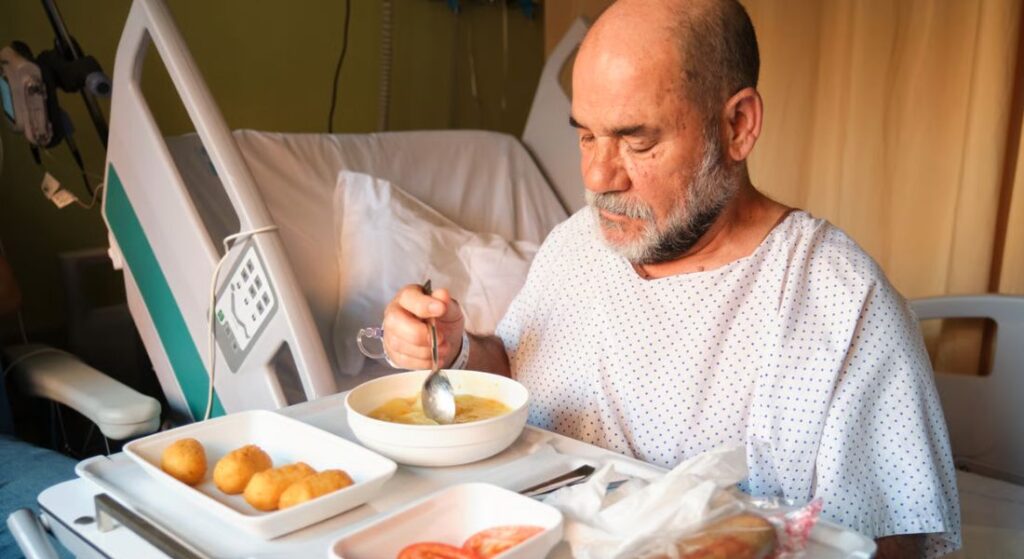
After robotic prostate surgery, you may be discharged earlier compared with open surgery, as recovery in hospital is often quicker and less intensive. This can help you return to familiar surroundings sooner, which many patients find supportive for emotional and physical recovery.
Even after going home, you will still need to manage key aspects of care such as catheter use, wound monitoring, and following post-operative instructions closely. You should take care to follow guidance on hygiene and activity levels to avoid complications during this early recovery phase.
Support from family or caregivers can make this transition much easier for you. You may find that having help with daily tasks, mobility, and routine care allows you to focus more on healing and gradually rebuilding independence.
Psychological Considerations
Surgery and recovery can affect your confidence, emotional wellbeing, and sense of normality, especially when dealing with potential changes in urinary or sexual function. You may find that these adjustments take time to process, regardless of whether you have robotic or open surgery.
Open communication with your partner can help you manage expectations and reduce emotional stress during recovery. You may also benefit from counselling or specialist support services, which can provide practical coping strategies and reassurance.
These psychological effects are a normal part of recovery for many patients, and they apply to both surgical approaches. You should focus on both physical healing and emotional adjustment, as both are important for a full and balanced recovery.
Follow-Up and Long-Term Monitoring

After prostate surgery, regular follow-up appointments are essential to monitor your recovery and long-term health. You will typically have PSA tests, assessments of urinary control, and discussions about sexual function to track how your body is healing over time.
These follow-up visits allow any complications to be identified early, so you can receive timely treatment or adjustments to your care plan. You may find that structured monitoring also helps reassure you as recovery progresses gradually.
This ongoing review is important for both robotic and open surgery patients. You should continue attending scheduled appointments and following medical advice closely to support the best possible long-term outcomes.
Patient Satisfaction
Many patients report high satisfaction after robotic prostate surgery, largely because you may experience smaller incisions, less post-operative pain, and a quicker return to early daily activities. These factors often make the initial recovery period feel more manageable and less disruptive to routine life.
Open surgery can also deliver excellent long-term cancer control and functional outcomes. However, you may find that the early recovery phase feels more demanding, with a longer period needed before returning to normal activity levels.
Your satisfaction with either approach is strongly influenced by how well you understand the procedure beforehand. When you have realistic expectations and clear education about recovery, you are more likely to feel confident and satisfied with your overall experience.
Suitability Considerations
Robotic prostate surgery is generally most suitable if you have localised prostate cancer and are in good overall health. You may benefit most when the disease is confined to the prostate and you do not have significant medical or anatomical complications that could affect surgery.
Open surgery may be recommended if your cancer is more advanced, if you have complex pelvic anatomy, or if you have had previous pelvic operations. In such situations, you may require a more direct surgical approach to ensure safe and effective cancer removal.
Every case is assessed individually to determine the most appropriate treatment for you. This personalised evaluation helps ensure that you receive the safest option with the best balance between cancer control and functional outcomes.
Age and Recovery
Your recovery after prostate surgery can vary depending on your age and overall health. You may notice that younger patients often regain urinary and sexual function more quickly, partly due to better baseline physical resilience and healing capacity.
If you are older, you may experience a slower recovery process and could need more time, support, and structured rehabilitation. This does not prevent good outcomes, but it may mean progress happens more gradually and requires closer follow-up.
These age-related differences apply to both robotic and open surgery. Your healthcare team will take your individual situation into account to help you achieve the best possible recovery at a realistic pace.
Lifestyle Factors and Rehabilitation

Maintaining a healthy lifestyle plays a significant role in your recovery after prostate surgery. You may find that regular physical activity, balanced nutrition, and good sleep all support healing and improve overall wellbeing during the recovery period.
Pelvic floor exercises are especially important for restoring urinary control and can also support sexual function recovery over time. You should follow your rehabilitation plan consistently, as irregular practice may slow progress and reduce effectiveness.
Staying committed to long-term rehabilitation and attending follow-up appointments helps you achieve the best possible outcome. You are more likely to see steady improvements when lifestyle habits and structured exercises are maintained together over time.
Long-Term Cancer Control
Both robotic and open prostate surgery can achieve strong long-term cancer control when performed by experienced surgeons. You can be reassured that the primary goal in both approaches is complete removal of the cancer, and oncological success rates are generally comparable.
The main differences between the two methods are usually seen in early recovery rather than long-term cancer outcomes. You may notice variations in pain levels, hospital stay, and return to normal activity, but these do not typically affect the effectiveness of cancer treatment itself.
Your surgeon’s experience and your individual cancer characteristics play a key role in long-term results. You should focus on choosing an approach that balances effective cancer control with the best possible recovery and quality-of-life outcomes for your situation.
Making the Right Choice
Choosing between robotic and open prostate surgery depends on several factors, including your tumour characteristics, overall health, and the experience of your surgical team. You may also need to consider how each approach aligns with your personal priorities, such as recovery time and potential side effects.
Both procedures are effective for treating prostate cancer, but differences in precision, early recovery, comfort, and functional outcomes may influence your preference. You might find that one option feels more suitable based on how you value these aspects in your recovery journey.
A detailed discussion with your specialist is essential before making a decision. You should feel comfortable asking questions so that you fully understand the benefits and limitations of each approach for your specific situation.
Advantages of Robotic Surgery
Robotic prostate surgery offers a minimally invasive approach with enhanced precision, smaller scars, and generally less post-operative pain. Smaller incisions contribute to a more comfortable early recovery compared with traditional open surgery. Many patients find this approach helps them regain mobility and independence sooner.
- Faster Early Recovery: Minimally invasive techniques often allow a quicker return to light activities and a shorter hospital stay.
- Smaller Scars and Less Pain: Reduced tissue trauma typically results in less discomfort and improved cosmetic outcomes.
- Improved Functional Recovery: Robotic precision can support earlier recovery of urinary continence and sexual function for some patients.
- Protection of Surrounding Structures: Enhanced surgical control helps minimise damage to nearby tissues, potentially improving long-term outcomes.
Overall, robotic surgery combines precision with minimally invasive benefits, often making the early post-operative period more manageable. While individual outcomes vary, many men may experience faster early recovery, less discomfort, and improved functional recovery compared with open surgery.
Advantages of Open Surgery
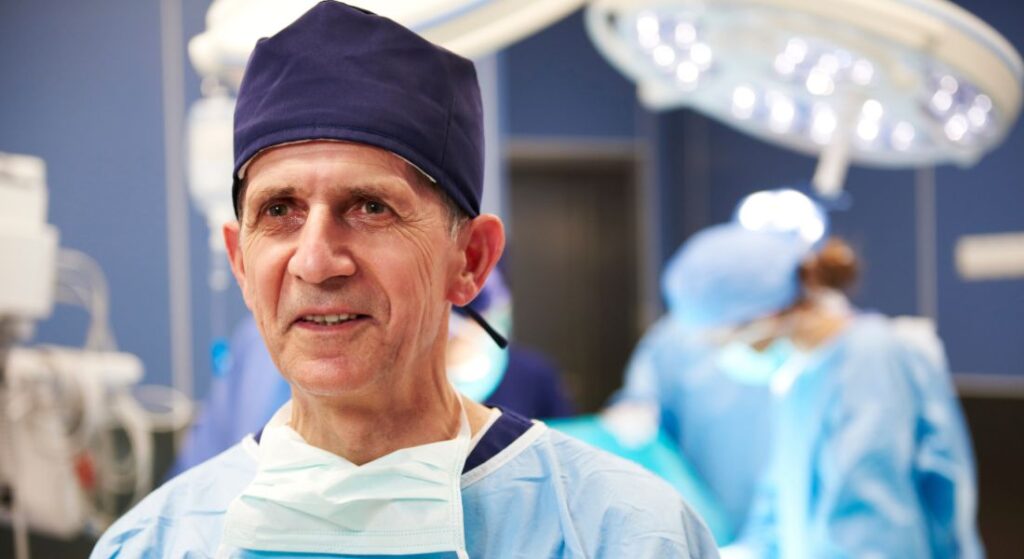
Open prostate surgery is a well-established and proven approach, particularly useful for complex or more advanced tumours. You may find that it is recommended when a direct and wide surgical access is needed to ensure complete cancer removal.
In certain anatomical or medical situations, open surgery may be the safer or more practical option. You benefit from the surgeon having direct tactile control and visibility, which can be important in challenging cases or when previous surgery has altered normal anatomy.
Open surgery provides reliable long-term cancer control when performed by an experienced surgeon. While functional recovery varies, you can still achieve good urinary and sexual outcomes with appropriate rehabilitation and follow-up care.
FAQs:
1. What is the main difference between robotic and open prostate surgery?
Robotic prostate surgery uses small keyhole incisions with robotic instruments controlled by the surgeon, while open surgery involves a single larger abdominal incision. The robotic approach is more minimally invasive, which often leads to less tissue trauma. Both methods aim to remove the prostate effectively, but they differ mainly in technique and recovery experience.
2. Is robotic prostate surgery safer than open surgery?
Both robotic and open surgery are considered safe when performed by an experienced surgeon. Robotic surgery may reduce certain risks such as blood loss and post-operative pain due to its precision and minimally invasive nature. However, open surgery remains a reliable option, especially for more complex or advanced cases.
3. Which surgery has a faster recovery time?
Robotic prostate surgery generally offers a faster initial recovery because it involves smaller incisions and less disruption to surrounding tissue. Many patients leave hospital within one to three days and return to light activities sooner. Open surgery typically requires a longer hospital stay and a more gradual recovery process.
4. Will I experience less pain with robotic surgery?
Most patients report less post-operative pain with robotic surgery compared to open surgery. This is mainly linked to smaller incisions and reduced tissue handling during the procedure. Pain levels still vary between individuals, and both approaches include effective pain management strategies.
5. Does robotic surgery improve erectile function recovery?
Robotic surgery may offer better precision when preserving nerves responsible for erectile function, which can support recovery in eligible patients. However, outcomes depend on factors such as age, overall health, and cancer severity. Open surgery can also achieve good results when nerve-sparing techniques are successfully used.
6. How long does it take to regain urinary control after surgery?
Urinary continence recovery varies from patient to patient and depends on individual healing and surgical technique. Some studies suggest robotic surgery may support earlier return of bladder control due to reduced tissue trauma. Pelvic floor exercises play an important role in recovery for both surgical methods.
7. Are the cancer outcomes different between robotic and open surgery?
Long-term cancer control is generally similar for both robotic and open prostate surgery when performed by skilled surgeons. The key difference lies in recovery speed and side effects rather than cancer cure rates. Your surgeon will recommend the most appropriate option based on your condition.
8. How do I decide which surgery is right for me?
The decision depends on your cancer stage, overall health, anatomy, and personal preferences. Robotic surgery is often preferred for suitable candidates due to quicker recovery, while open surgery may be recommended in more complex cases. A detailed consultation with your specialist is essential to make the right choice.
9. Will I have a visible scar after surgery?
Robotic surgery usually leaves several small scars that fade over time and are less noticeable. Open surgery results in a larger abdominal scar, which may be more visible. Scar appearance can be an important consideration for some patients, but it should be balanced with medical suitability.
10. What should I expect during recovery at home?
After either type of surgery, you will need to follow post-operative instructions carefully, including catheter care and activity restrictions. Support from family or caregivers can make recovery smoother during the first few weeks. Regular follow-up appointments are important to monitor healing and overall progress.
Final Thoughts: Choosing Between Robotic and Open Prostate Surgery
When deciding between robotic and open prostate surgery, it’s important to understand that both approaches are effective in treating prostate cancer. Robotic surgery is often preferred for its minimally invasive nature, offering smaller incisions, less post-operative discomfort, and a potentially quicker recovery. However, open surgery remains a highly reliable option, particularly in more complex or advanced cases where direct access may be beneficial. Your individual diagnosis, overall health, and treatment goals will all play a key role in determining the most suitable approach. If you’re considering a robotic prostate surgery clinic in London and would like specialist advice, you can contact us to discuss your options and arrange a consultation tailored to your individual needs.
References:
- Kim, D.K., Moon, Y.J., Chung, D.Y., Jung, H.D., Jeon, S.H., Kang, S.H., Paick, S. and Lee, J.Y. (2025) Comparison of robot-assisted, laparoscopic, and open radical prostatectomy outcomes: a systematic review and network meta-analysis from KSER update series, Medicina, 61(1), 61. Available at: https://www.mdpi.com/1648-9144/61/1/61
- Coughlin, G.D. et al. (2018) Robot-assisted laparoscopic prostatectomy versus open radical retropubic prostatectomy: 24-month outcomes from a randomised controlled study, The Lancet Oncology, 19(8), pp. 1051–1060. Available at: https://pubmed.ncbi.nlm.nih.gov/30017351/
- Seo, H.J., Lee, N.R., Son, S.K., Kim, D.K., Rha, K.H. and Lee, S.H. (2016) Comparison of robot-assisted radical prostatectomy and open radical prostatectomy outcomes: a systematic review and meta-analysis, Yonsei Medical Journal, 57(5), pp. 1165–1177. Available at: https://pmc.ncbi.nlm.nih.gov/articles/PMC4960383/
- Xu, M.Y., Zeng, N., Ma, S., Hua, Z.J., Zhang, S.H., Xiang, J.C., Xiong, Y.F., Xia, Z.Y., Sun, J.X., Liu, C.Q., Xu, J.Z., An, Y., Wang, S.G. and Xia, Q.D. (2024) A clinical evaluation of robotic-assisted radical prostatectomy (RARP) in localized prostate cancer: a systematic review and network meta-analysis, Critical Reviews in Oncology/Hematology, 204, 104514. Available at: https://www.sciencedirect.com/science/article/pii/S1040842824002579
- Koizumi, A., Narita, S., Nara, T., Takayama, K., Kanda, S., Numakura, K., Tsuruta, H., Maeno, A., Huang, M., Saito, M., Inoue, T., Tsuchiya, N., Satoh, S., Nanjo, H. and Habuchi, T. (2018) Incidence and location of positive surgical margin among open, laparoscopic and robot-assisted radical prostatectomy in prostate cancer patients: a single institutional analysis, Japanese Journal of Clinical Oncology, 48(8), pp. 765–770. Available at: https://academic.oup.com/jjco/article-abstract/48/8/765/5040357