




Feeling unusually tired after your robotic prostate surgery is common. Although your operation uses small incisions, radical prostatectomy is still major pelvic surgery and your body requires considerable energy for internal healing.
Your fatigue may improve gradually over several weeks, but you may continue to have reduced energy for a few months. Your recovery should generally move in the right direction, although your age, general health, sleep, complications and activity level can all affect how quickly your energy returns.
Why Does Surgery Make You Tired?
Your body uses additional energy after surgery to repair tissues and recover from the physical stress of your operation. Your inflammatory and healing responses continue even when your abdominal wounds appear small.
You may therefore find that walking, showering, getting dressed or completing simple household tasks requires more energy than usual. Your stamina should gradually improve as your internal healing progresses.
Does Robotic Surgery Still Count as Major Surgery?
Yes. Your robot-assisted prostatectomy is still major pelvic surgery. Your surgeon removes your prostate and seminal vesicles and reconnects your bladder to your urethra, with substantial healing required inside your pelvis.
Your keyhole approach may reduce blood loss, pain and initial recovery time compared with open surgery, but it does not eliminate postoperative fatigue. You should therefore avoid judging your recovery only by the small size of your skin incisions.
Can Your General Anaesthetic Cause Fatigue?
Yes. Your general anaesthetic can make you feel sleepy, dizzy or less alert during your early recovery. Its direct effects are usually short-lived and generally improve within the first day after your operation.
If your tiredness continues for several weeks, your anaesthetic is unlikely to be the only reason. Your surgery, internal healing, disrupted sleep, reduced activity, medicines and general health may all contribute to your fatigue.
Can Blood Loss Affect Your Energy?

Yes. You will lose some blood during your prostatectomy, although robot-assisted surgery generally results in less blood loss than open surgery. If your haemoglobin becomes low, you may experience increased tiredness and weakness.
You should seek medical advice if your fatigue is accompanied by persistent breathlessness, dizziness, palpitations, unusual pallor or worsening weakness. Your clinical team may decide that you need a blood test rather than assuming that these symptoms are simply part of normal recovery.
Does Poor Sleep Make Your Fatigue Worse?
Yes. Your sleep may be disturbed by discomfort, catheter care, changes to your normal sleeping position, bladder symptoms or anxiety about your recovery.
Repeatedly interrupted sleep can make your daytime fatigue considerably worse. Your sleeping pattern should generally improve as your discomfort settles and your normal routine returns.
Can Your Catheter Make You Feel Tired?
Your catheter does not normally cause fatigue directly, but discomfort, bladder spasms and managing your drainage bag may disturb your sleep or make your daily activities more tiring. These effects may add to the fatigue you already experience while recovering from your surgery.
You should contact your surgical team urgently if your catheter stops draining, falls out or appears blocked, particularly if your bladder feels painfully full. You should not try to flush, remove or reinsert your catheter yourself unless your surgical team has specifically instructed you to do so.
Can Your Pain Medicines Contribute to Fatigue?
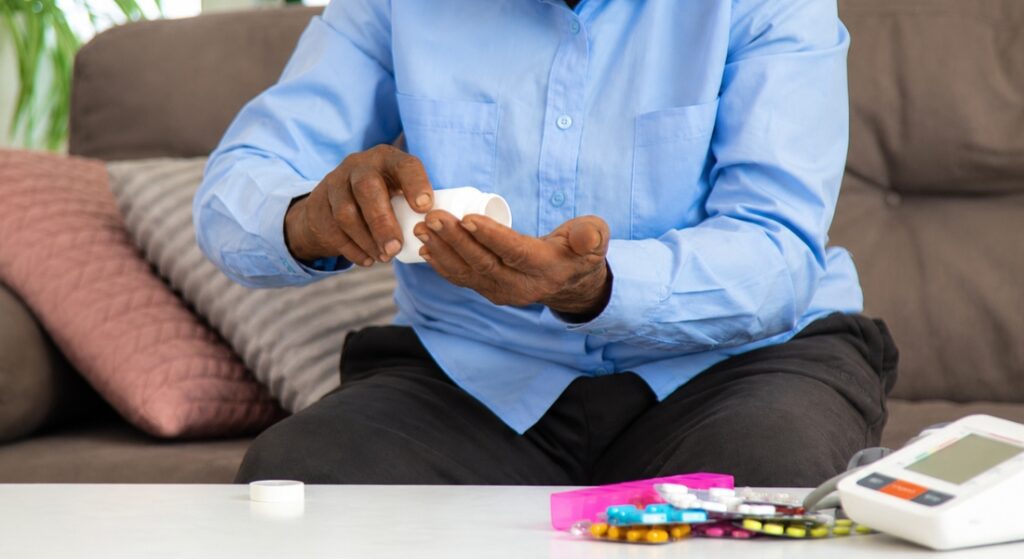
Some of your pain medicines may cause drowsiness, dizziness or reduced concentration. These effects are more likely with certain stronger pain medicines, including opioids.
You should use your pain medicines according to your discharge instructions. If your medicine makes you very sleepy or dizzy, causes other troublesome side effects or you are unsure whether you still need it, you should ask your surgical team, GP or pharmacist for advice.
How Pain Medicines May Affect You
| Type of Effect | What It Means | What To Expect |
| Drowsiness | Medicines can make you feel sleepy or tired | You may need extra rest, especially in the early days |
| Dizziness | You may feel light-headed or unsteady | Take care when standing or walking |
| Reduced alertness | Slower thinking or reaction times | Avoid driving or operating machinery if affected |
| Stronger medications | More potent pain relief (e.g. opioids) | Greater chance of noticeable side effects |
| Short-term use | Pain relief often needed only during early recovery | Symptoms usually improve as medication is reduced |
| Medication adjustment | Doses or types can be changed if needed | Your team can help balance comfort and side effects |
How Long Does Your Fatigue Usually Last?
There is no single timetable for your energy to return. You may notice meaningful improvement during your first few weeks, but some tiredness can continue for several weeks or months after prostate surgery.
Your progress may also vary from day to day. Having one particularly tiring day does not necessarily mean that something is wrong, but your overall trend should gradually improve rather than your fatigue becoming progressively worse.
Should You Rest All Day?
No. You need appropriate rest, but remaining inactive for long periods is not usually recommended. Getting up and moving after surgery supports your circulation and helps reduce your risk of complications such as blood clots.
You should balance periods of rest with gentle activity according to your surgical team’s advice. Your aim is gradual recovery rather than either complete inactivity or pushing yourself until you are exhausted.
How Much Walking Should You Do?

You should begin with short, comfortable walks and gradually increase your activity according to how you feel and the advice from your surgical team. Your activity should reflect your individual recovery rather than a fixed distance or duration.
Your walking should feel manageable rather than exhausting. If you develop increasing pain, dizziness, unusual breathlessness or marked fatigue, you should stop and seek advice when appropriate.
Why Should You Avoid Overdoing Exercise?
Doing too much before your tissues have healed may increase your pain, worsen your fatigue and place unnecessary strain on your recovering abdominal and pelvic tissues.
You should avoid heavy lifting and strenuous activity for the period recommended by your surgical team. Your return to more vigorous exercise should be gradual and based on your individual recovery.
Does Eating Properly Help Your Energy?
Your body needs adequate nutrition while your tissues heal. Eating regular meals containing protein, vegetables, fruit and other nutritious foods can support your recovery and help maintain your strength.
Your appetite may be reduced during your early recovery, so you may find smaller meals easier to manage. Fibre, suitable fluid intake and gentle activity can also help you reduce constipation, which may be worsened by surgery and some pain medicines.
Why Is Hydration Important?
Drinking enough fluids supports your circulation, bowel function and urinary recovery after treatment. It also plays an important role in your overall healing process.
- Circulation support: Adequate hydration helps maintain blood flow and oxygen delivery
- Bowel function: Fluids can reduce the risk of constipation and support regular bowel movements
- Urinary recovery: Good hydration helps keep urine flowing and may reduce irritation
- Energy levels: Dehydration can make you feel weak, dizzy or more tired
- Individual advice: You should follow specific guidance if you have heart or kidney conditions
Staying well hydrated can make recovery smoother and help your body function more effectively. Always follow the advice of your clinical team to ensure your fluid intake is appropriate for your health needs.
Can Emotional Stress Cause Your Fatigue?
Yes. Your recovery can be emotionally demanding as well as physically tiring. You may be worrying about your pathology results, postoperative PSA, urinary control, erections or whether your cancer will require further treatment.
Persistent anxiety, low mood and poor sleep can all contribute to your fatigue. You should speak to your specialist nurse or GP if your emotional health is interfering with your sleep, daily activities or ability to cope with your recovery.
When Can You Return to Work?

Your return to work depends on your energy, urinary control, commute and the physical demands of your job. You may be ready for some work within a few weeks, while you may need around four to six weeks or longer before returning to your usual duties.
You may need additional time if your work involves heavy lifting or strenuous physical activity. You should follow your own surgical team’s advice, and a phased return, shorter hours or temporary lighter duties may help you manage your energy.
When Should Your Fatigue Start Improving?
Your energy should generally improve gradually as your body heals. You may have better and worse days, but activities such as walking, showering and completing everyday tasks should slowly become easier.
You should discuss your fatigue with your clinical team if it is becoming progressively worse, remains severe or does not show a reasonable improvement over time.
When Could Your Tiredness Signal a Problem?
You should contact your clinical team if your fatigue becomes severe, suddenly worsens or is accompanied by fever, worsening pain, persistent vomiting, significant bleeding, increasing wound redness or discharge, persistent dizziness or unusual breathlessness. Your team may need to assess whether your tiredness is related to infection, anaemia, dehydration, medicines or another postoperative problem.
You should seek emergency medical help if you develop chest pain, sudden breathlessness, fainting or painful swelling in one of your legs. These symptoms may indicate a serious complication such as a blood clot and should not be treated as normal postoperative fatigue.
How Can You Rebuild Your Energy?
You should rebuild your activity gradually rather than attempting to return immediately to everything you did before surgery. Short walks, light everyday tasks and regular periods of appropriate rest can help you regain your stamina.
You should also eat regularly, drink according to your clinical advice and aim for a consistent sleeping routine. Your recovery is not a test of how quickly you can return to work or exercise, and you should follow your individual surgical instructions rather than comparing your progress with another patient.
UK Guidance Note
After your radical prostatectomy, you should expect some tiredness while your body heals. Your recovery advice should include gradual mobilisation, appropriate nutrition, catheter care and clear information about the symptoms that require medical review.
You should not assume that severe or worsening fatigue is always caused by normal healing. Your clinical team may need to assess you for problems such as infection, anaemia, dehydration, medication side effects or postoperative complications when your symptoms suggest another cause.
Myth vs Fact
| Myth | What You Should Know |
| Your small incisions mean your body has only undergone minor surgery. | Your radical prostatectomy is major pelvic surgery with substantial internal healing. |
| Your fatigue should disappear when you leave hospital. | Your tiredness may continue for several weeks or months. |
| Your anaesthetic causes all of your long-term fatigue. | Your longer-lasting fatigue usually reflects several factors involved in your recovery. |
| You should stay in bed until your energy returns. | Your gentle movement supports recovery and reduces your blood-clot risk. |
| You should force yourself to walk a fixed distance every day. | Your activity should increase gradually according to your recovery and clinical advice. |
| Your tiredness always means you need more sleep. | Your anaemia, dehydration, infection, medicines or another complication may sometimes contribute. |
| You should return to work as soon as your wounds look healed. | Your internal recovery and energy may take substantially longer than your skin wounds. |
| Your worsening fatigue is always normal after surgery. | Your severe or progressively worsening fatigue should be medically assessed. |
Key Takeaways
- Your fatigue is common after radical prostatectomy and may continue for several weeks or months.
- Your small external wounds do not reflect the amount of healing taking place inside your body.
- Your anaesthetic may make you sleepy or less alert during your early recovery.
- Your blood loss may contribute to fatigue if your haemoglobin falls.
- Your pain medicines may make you sleepy or dizzy depending on which medicines you take.
- Your disrupted sleep, catheter discomfort and emotional stress can worsen your tiredness.
- Your recovery should include both appropriate rest and gentle movement.
- Your activity should increase gradually rather than according to a fixed timetable.
- Your return to work commonly depends on your recovery and job demands rather than a specific date.
- Your severe, worsening or unexplained fatigue should be medically assessed.
Frequently Asked Questions
1. Is it normal for you to feel very tired after robotic prostate surgery?
Yes. Your fatigue is common after robotic prostatectomy because your body is recovering from major surgery. Your tiredness may continue even though your external incisions are small.
2. Why do you feel so tired after prostate surgery?
Your body is repairing tissues and recovering from the physical stress of your operation. Your anaesthetic, sleep disruption, reduced activity, medicines and emotional stress may also contribute.
3. Does robotic surgery cause less fatigue than open surgery?
Your robotic approach may support a faster early recovery than open surgery in some respects, but it does not prevent postoperative fatigue. Your internal tissues still require substantial healing.
4. Can your anaesthetic make you tired after surgery?
Yes. Your general anaesthetic can make you sleepy or less alert during your early recovery. Your fatigue lasting several weeks is more likely to have several causes rather than being due to the anaesthetic alone.
5. How long can your fatigue last after robotic prostate surgery?
Your fatigue may improve noticeably within a few weeks, but reduced energy can continue for several weeks or months. Your overall progress should gradually move towards improvement.
6. Can poor sleep affect your energy after surgery?
Yes. Your discomfort, catheter, urinary symptoms or anxiety may interrupt your sleep and worsen your daytime fatigue.
7. Should you rest all the time when you feel tired?
No. You need appropriate rest, but you should also undertake gentle movement according to your surgical team’s advice. Remaining inactive for prolonged periods can contribute to weakness and increase your blood-clot risk.
8. Can your diet and hydration affect your energy?
Yes. Your body needs adequate nutrition and appropriate fluid intake while you recover. Your dehydration can make you tired or dizzy, but you should follow individual fluid restrictions if these apply to you.
9. When should your fatigue begin to improve?
Your recovery should generally show gradual improvement over time, although you may have better and worse days. You should seek advice if your fatigue remains severe or is becoming progressively worse.
10. When should you be concerned about ongoing fatigue?
You should seek medical advice if your fatigue is severe, worsening or accompanied by fever, significant pain, bleeding, persistent dizziness or unusual breathlessness. You should seek emergency help for chest pain, sudden breathlessness, fainting or a painful swollen leg.
Final Thoughts: Why You Feel Tired After Robotic Prostate Surgery
Feeling tired after robotic prostate surgery is a normal part of your recovery. Even with minimally invasive techniques, your body is healing from major internal changes and using significant energy to repair tissues and restore normal function. Your energy levels should improve gradually over the following weeks as you build up activity, maintain good nutrition and allow time for rest.
If you are considering robotic prostate surgery in London or would like expert advice about your prostate symptoms, PSA changes or treatment options, please contact us at Prostate Clinic London to discuss your first appointment and the next steps.
References
- Ashton, R.E., Tew, G.A., Robson, W.A., Saxton, J.M. and Aning, J.J. (2019) ‘Cross-sectional study of patient-reported fatigue, physical activity and cardiovascular status in men after robotic-assisted radical prostatectomy’, Supportive Care in Cancer, 27(12), pp. 4763–4770. Available at: https://pubmed.ncbi.nlm.nih.gov/30969369/
- British Association of Urological Surgeons (no date) Robotic-assisted radical prostatectomy (RARP). Available at:
https://www.baus.org.uk/patients/information_leaflets/180/roboticassisted_laparoscopic_removal_of_prostate_for_cancer_rarp - Coughlin, G.D. et al. (2018) ‘Robot-assisted laparoscopic prostatectomy versus open radical retropubic prostatectomy: 24-month outcomes from a randomised controlled study’, The Lancet Oncology, 19(8), pp. 1051–1060. Available at:
https://pubmed.ncbi.nlm.nih.gov/30017351/ - National Institute for Health and Care Excellence (2018) Venous thromboembolism in over 16s: reducing the risk of hospital-acquired deep vein thrombosis or pulmonary embolism. NICE guideline NG89. Last updated 13 August 2019 and last reviewed 18 September 2024. Available at: https://www.nice.org.uk/guidance/ng89
- NHS (2024) General anaesthetic. Page last reviewed 29 November 2024. Available at: https://www.nhs.uk/tests-and-treatments/general-anaesthesia/
- NHS (2026) Dehydration. Page last reviewed 1 May 2026. Available at: https://www.nhs.uk/conditions/dehydration/
- NHS (2026) Morphine: medicine for severe pain. Page last reviewed 14 May 2026. Available at: https://www.nhs.uk/medicines/morphine/
- Prostate Cancer UK (2024) Surgery: radical prostatectomy. Updated July 2024. Available at:
https://prostatecanceruk.org/prostate-information-and-support/treatments/surgery - Prostate Cancer UK (2025) Fatigue. Updated September 2025. Available at:
https://prostatecanceruk.org/prostate-information-and-support/living-with-prostate-cancer/fatigue - Royal College of Anaesthetists (2021) How did it all go? – After an anaesthetic. Published 1 March 2021. Available at:
https://www.rcoa.ac.uk/documents/anaesthesia-explained/how-did-it-all-go