



If you smoke and are preparing for prostate cancer surgery, you may wonder whether stopping is really necessary. You may also worry that quitting will add more stress at a time when you are already dealing with your diagnosis and treatment decisions.
Stopping smoking before surgery is strongly recommended because smoking can affect your lungs, circulation, immune system and ability to heal. It may increase your risk of breathing difficulties, infections, wound problems and a slower recovery following your operation.
You should ideally stop several weeks before surgery, but you should not assume that it is too late if your operation is approaching. Even a short smoke-free period reduces your exposure to nicotine and carbon monoxide, while stopping for four weeks or longer may provide greater protection against postoperative complications.
You do not need to feel embarrassed if you have tried to quit before and found it difficult. Nicotine dependence can be powerful, but professional support and stop-smoking treatments can make the process more manageable.
Why Does Smoking Matter Before Prostate Cancer Surgery?
Prostate cancer surgery usually involves removing the prostate gland in an operation called a radical prostatectomy. Depending on your circumstances, it may be performed through open, laparoscopic or robot-assisted surgery.
Regardless of the technique used, your body needs healthy circulation and a reliable oxygen supply to cope with the operation and repair tissues afterwards. Smoking can interfere with these processes because cigarette smoke contains nicotine, carbon monoxide and many other harmful chemicals.
Nicotine causes your blood vessels to narrow, which can reduce blood flow to healing tissues. Carbon monoxide limits the amount of oxygen your blood can carry, leaving less oxygen available to your surgical wounds and internal tissues.
Smoking can also irritate your lungs and affect your immune response. These effects help explain why people who smoke have higher rates of wound, respiratory and infectious complications following surgery.
How Can Smoking Affect Anaesthesia?
Prostate cancer surgery is normally performed under general anaesthesia. This means you will be unconscious while an anaesthetist monitors your breathing, heart rate, blood pressure and oxygen levels.
Smoking may make anaesthesia more complicated because it irritates your airways and increases mucus production. It can also reduce the lungs’ ability to clear mucus, which may make coughing, wheezing and breathing problems more likely during your recovery.
Nicotine can raise your heart rate and blood pressure, while carbon monoxide reduces oxygen delivery. This combination may place additional strain on your heart and lungs while your body is responding to surgery.
Your anaesthetist needs to know whether you smoke, how much you smoke and when you last smoked. This information allows the anaesthetic team to assess your risks and plan your care safely.
Can Smoking Cause Breathing Problems After Surgery?
Healthy lung function remains essential even though prostate surgery does not involve operating directly on your lungs. A general anaesthetic temporarily changes your normal breathing pattern, while pain and reduced movement after surgery can make deep breathing more difficult.
Smoking inflames the airways and affects the small hair-like structures that normally help clear mucus from your lungs. As a result, mucus may collect more easily and increase your risk of coughing, reduced oxygen levels, chest infections or pneumonia.
You may also find it harder to take deep breaths if you already have a smoking-related condition such as chronic obstructive pulmonary disease. Your hospital team may recommend breathing exercises, early mobilisation and appropriate pain relief to reduce these risks.
Evidence suggests that stopping more than four weeks before surgery can reduce respiratory complications, with further benefits possible when you stop for longer. However, stopping for fewer than four weeks has not been shown to make respiratory outcomes worse.
Research Insight: How Long Before Surgery Makes a Difference?
A systematic review and meta-analysis by Wong and colleagues examined whether the length of preoperative smoking cessation affected postoperative respiratory and wound-healing complications. The reduction was greater among those who had stopped for more than eight weeks.
The same review found that stopping for more than three to four weeks was associated with fewer wound-healing complications. Importantly, the available evidence did not show that stopping shortly before surgery increased respiratory complications, so you should not continue smoking because you believe it is “too late” to stop.
How Does Smoking Affect Wound Healing?
Every surgical wound needs a steady supply of blood, oxygen and nutrients to heal properly. This applies to both the visible abdominal incisions and the internal tissues affected during prostate removal.
Nicotine narrows your blood vessels, while carbon monoxide reduces the amount of oxygen transported in your blood. When less oxygen reaches the surgical area, the cells responsible for repairing damaged tissue may not work as efficiently.
Smoking can also affect collagen production and immune function. Collagen helps provide strength to healing tissue, while your immune system helps protect the wound from harmful bacteria.
These effects may contribute to slower healing, wound separation or surgical-site infection. Research has found that wound-healing complications occur more frequently among people who smoke than among those who do not.
Impact of Smoking on Surgical Recovery and Preoperative Cessation Recommendations
| Area Affected | How Smoking Impacts It | Recommended Pre-Surgery Action |
| Lungs & Breathing | Increases airway inflammation, mucus production, cough, and risk of pneumonia | Stop smoking ideally ≥4 weeks before surgery; even a few days’ cessation is beneficial |
| Wound Healing | Nicotine narrows blood vessels; carbon monoxide reduces oxygen delivery; slower tissue repair | Stop smoking ≥4 weeks before surgery to improve healing; longer cessation may provide greater benefit |
| Infection Risk | Reduced immune response and tissue oxygenation increases susceptibility to wound, urinary, and chest infections | Cease smoking before surgery; maintain hygiene and follow perioperative infection protocols |
| Heart & Circulation | Nicotine raises heart rate and blood pressure; carbon monoxide reduces oxygen to tissues | Stop smoking as early as possible; inform anaesthetist to plan safe perioperative monitoring |
| Blood Clots | Increases inflammation, blood viscosity, and clotting risk | Stop smoking before surgery; use preventive measures such as early mobilisation, compression stockings, or blood-thinning medications as advised |
| Urinary Recovery | Persistent coughing may worsen stress on pelvic floor; could temporarily affect continence | Cease smoking; continue pelvic floor exercises pre- and post-operatively |
| Erectile Function | Smoking damages blood vessels, reducing circulation essential for erections | Stop smoking to support vascular health; discuss sexual rehabilitation post-surgery |
Does Smoking Increase the Risk of Infection?
Smoking may make it harder for your body to defend itself against infection. It affects immune cells and reduces oxygen delivery to tissues, both of which are needed for a healthy response to bacteria.
After prostate cancer surgery, possible infections include a wound infection, urinary tract infection or chest infection. Your risk will also depend on factors such as your age, general health, diabetes control and the type of surgery you undergo.
Your clinical team will use precautions such as sterile surgical techniques, careful catheter management and antibiotics when clinically appropriate. Stopping smoking cannot remove every risk, but it may improve the conditions your body needs to heal and fight infection.
A systematic review found that smoking was associated with increased rates of general infections and wound complications after surgery. Smoking-cessation interventions have also been linked with a reduction in surgical-site infections.
Could Smoking Affect Your Heart and Circulation?
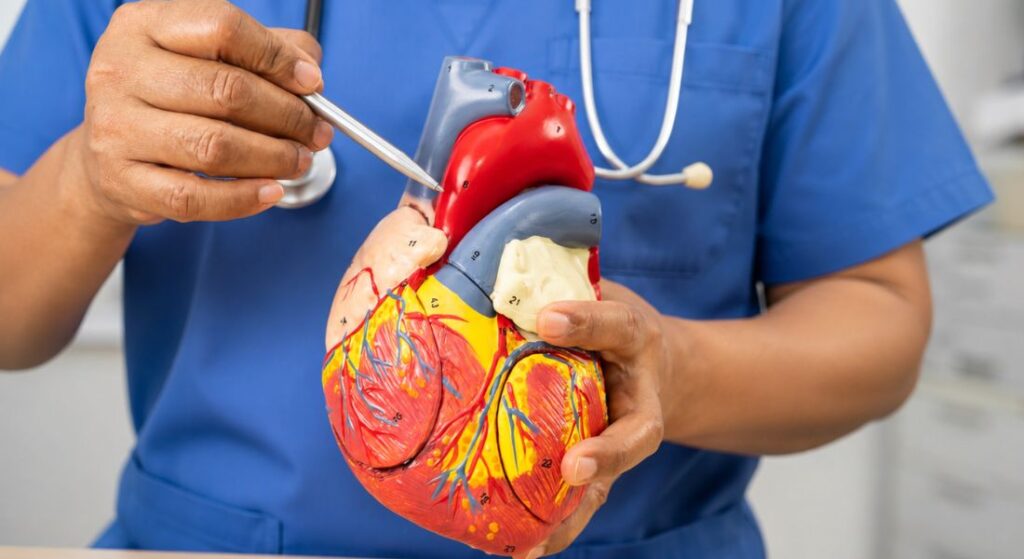
Surgery temporarily places extra demands on your heart and circulatory system. Your anaesthetist will monitor these functions throughout the operation and during the early stages of recovery.
Nicotine can increase your heart rate and blood pressure. Carbon monoxide reduces the amount of oxygen available to your heart, which may make it work harder to supply the rest of your body.
Smoking also contributes to blood vessel damage and cardiovascular disease over time. This may be particularly relevant if you already have high blood pressure, heart disease, poor circulation or a history of stroke.
Stopping smoking does not immediately reverse every long-term effect, but it removes the continuing exposure to nicotine and carbon monoxide. This can help reduce avoidable strain while you are preparing for surgery.
Can Smoking Increase Your Risk of Blood Clots?
Blood clots are a recognised risk after pelvic surgery, particularly when your movement is temporarily reduced. A clot that develops in a deep vein is known as a deep vein thrombosis.
If part of that clot travels to your lungs, it can cause a pulmonary embolism. Symptoms may include sudden breathlessness, chest pain, coughing up blood or an unusually fast heartbeat, and urgent medical assessment is required.
Smoking may contribute to inflammation, blood vessel damage and changes in the way your blood clots. Your overall risk may be higher if you also have obesity, reduced mobility, previous blood clots or another cardiovascular condition.
Your hospital may use blood-thinning medication, compression stockings or inflatable leg devices to reduce your risk. You will also usually be encouraged to begin walking as soon as your clinical team considers it safe.
When Should You Stop Smoking Before Surgery?
You should aim to stop smoking as soon as you know surgery may be part of your treatment. This gives your lungs, circulation, and immune system time to recover from the effects of cigarette smoke.
- Four Weeks Minimum: Stopping at least four weeks before surgery is recommended, as it reduces the risk of post-operative complications.
- Additional Benefits: Quitting for six to eight weeks may further improve lung function and lower respiratory risks.
- Timing with Surgery: Your surgery date should not be delayed unnecessarily; smoking cessation should be planned around your clinical needs.
- Seek Support: Speak with your surgeon or specialist nurse to set a realistic quit date and understand how it fits into your preparation plan.
Overall, stopping smoking before surgery improves your recovery and reduces complications. Planning ahead and getting support can make quitting more achievable and safer.
Evidence Note:
A 2025 systematic review and meta-analysis of cancer surgery studies found that patients who had smoked within four weeks before surgery had higher odds of postoperative complications than those who had stopped for longer. This is population-level evidence rather than a prediction of what will happen to you individually, but it supports stopping as early as reasonably possible while keeping the timing of cancer treatment under specialist review.
Is It Too Late to Stop If Your Surgery Is Soon?
It is not too late to stop if your operation is only days or weeks away. The greatest reductions in some complications are generally associated with longer periods of abstinence, but a shorter smoke-free period may still be worthwhile.
When you stop smoking, your exposure to nicotine and carbon monoxide begins to fall. This can reduce the immediate effects these substances have on your blood vessels, oxygen levels and heart.
You may have heard that stopping shortly before surgery could increase mucus or make chest complications worse. Research has not found reliable evidence that short-term smoking cessation increases postoperative respiratory complications.
Do not continue smoking simply because you believe you have missed the ideal stopping window. Stop as soon as you can and tell your anaesthetist honestly when you last smoked.
| Time without smoking before surgery | What the evidence suggests |
| Days before surgery | Avoids continued exposure to cigarette smoke, nicotine and carbon monoxide; stopping remains preferable to continuing |
| Around 2 to 4 weeks | Recent evidence suggests some postoperative benefits may begin to emerge |
| More than 4 weeks | Stronger evidence of reduced respiratory and wound-related complications |
| Around 8 weeks or longer | Longer cessation may offer further respiratory benefit |
Will Your Surgery Be Cancelled If You Continue Smoking?
Smoking does not automatically mean that you cannot undergo prostate cancer surgery. Your suitability for surgery depends on your cancer, general health, expected treatment benefits and individual level of risk.
Your surgeon and anaesthetist may strongly encourage you to stop and may arrange additional checks if you have breathing, heart or circulation problems. In some cases, an uncontrolled health concern may need to be investigated or treated before surgery can proceed safely.
You should not hide your smoking because you are worried that your operation will be cancelled. Giving accurate information helps your medical team choose appropriate anaesthetic techniques, monitoring and postoperative support.
Decisions about the timing of cancer treatment need to balance surgical risks against the risks of unnecessary delay. Your care should therefore be planned individually rather than based on a blanket rule.
Should You Stop Vaping Before Prostate Surgery?
You should tell your medical team if you vape, even if you no longer smoke cigarettes. Many vaping products contain nicotine, which can narrow blood vessels and affect circulation.
Vapour may also irritate your airways and cause coughing or inflammation. Although the evidence about vaping around surgery is less developed than the evidence about cigarettes, you should not assume that it has no effect on anaesthesia or recovery.
Ask your surgeon, anaesthetist or stop-smoking adviser whether you should stop vaping before your procedure. The advice may depend on whether your vaping product contains nicotine and why you are using it.
If vaping has helped you move away from cigarettes, do not return to smoking. Seek professional support so you can reduce your nicotine exposure without increasing your contact with tobacco smoke.
What About Cigars, Pipes, Shisha or Cannabis?
You should disclose every substance that you smoke or inhale. This includes cigars, pipes, shisha, cannabis and recreational drugs.
These substances may affect your airways, heart rate, blood pressure or response to anaesthetic medicines. Cannabis use may influence anaesthetic planning, so your anaesthetic team should know if you use it.
Your anaesthetist is asking for this information to protect you, not to judge you. Explain what you use, how often you use it and when you last used it.
Do not smoke or use recreational substances on the day of your operation. Follow all instructions from your hospital about fasting, medicines and what you must avoid before arriving.
Preparing for a Personalised Surgical Assessment

Your smoking history is only one part of your preoperative assessment. Your team will also consider your age, fitness, weight, medicines and any existing heart, lung or circulation conditions.
You should mention persistent coughing, breathlessness, chest pain or difficulty exercising. These symptoms may require further assessment before you receive a general anaesthetic.
Being honest about your smoking allows the team to help you reduce your risks. It also gives you an opportunity to request practical cessation support rather than trying to quit without guidance.
Can Nicotine Replacement Therapy Help Before Surgery?
Nicotine replacement therapy can reduce cravings and withdrawal symptoms when you stop smoking. Options include patches, gum, lozenges, inhalators, mouth sprays and nasal sprays.
These products provide nicotine without exposing you to the tar, carbon monoxide and toxic chemicals produced by burning tobacco. For most adults who smoke, properly used nicotine replacement is safer than continuing to smoke cigarettes.
You may achieve better control of cravings by combining a long-acting patch with a faster-acting product, such as gum or a mouth spray. However, you should ask a GP, pharmacist or stop-smoking adviser which products and doses are suitable for you.
Tell your surgical team if you are using nicotine replacement. Some operations have specific requirements relating to nicotine, so you should follow the advice given for your particular procedure.
UK Guidance Note:
NICE recommends encouraging people who smoke to stop before elective surgery and referring them to appropriate stop-smoking support. Support may include behavioural help and suitable stop-smoking treatments, selected according to your circumstances and preferences.
Nicotine replacement therapy provides nicotine without the dangerous chemicals produced by burning tobacco and can help reduce cravings and withdrawal symptoms. Your GP, pharmacist, stop-smoking adviser or surgical team can help you choose an appropriate approach.
Are Stop-Smoking Medicines Available?

Medicines may be available to help you stop smoking, depending on your health, current prescriptions and local NHS services. Your GP, pharmacist or stop-smoking adviser can explain the options currently available to you.
A healthcare professional will need to consider your medical history before recommending treatment. This may include reviewing your kidney function, mental health, previous reactions to medicines and any other tablets you take.
Do not start using someone else’s medication or order unregulated smoking-cessation products online. Treatments are more likely to be safe and effective when they are selected with professional guidance.
Behavioural support combined with an appropriate stop-smoking treatment may improve your chance of quitting. Preoperative programmes that include counselling and medication can also help more people remain smoke-free at the time of surgery.
How Can You Prepare for Your Quit Date?
Choose your quit date as soon as possible, ideally several weeks before your operation. A clear date can help you prepare rather than repeatedly telling yourself that you will stop later. Remove cigarettes, tobacco, ashtrays and lighters from your home, car and workplace. Keeping an emergency packet nearby can make it harder to resist a craving during a stressful moment.
Tell family members or friends that you are stopping before surgery. Ask them not to offer you cigarettes or smoke around you while you are trying to quit. You should also arrange support before your quit date. The NHS provides access to practical quit-smoking information, treatment guidance and local support services.
What Smoking Triggers Should You Expect?
Smoking is often connected to routines rather than nicotine alone. You may automatically reach for a cigarette after eating, while driving, when drinking coffee or during a stressful conversation. Make a list of your usual triggers before you stop. You can then decide how you will respond when each situation occurs.
For example, you could change where you drink your morning coffee, take a short walk after meals or keep sugar-free gum nearby. Small changes can interrupt the familiar pattern that normally leads to smoking.
Alcohol can make cravings harder to resist and weaken your resolve. You may find it helpful to avoid or reduce alcohol while preparing for surgery, particularly during your first smoke-free weeks.
How Can You Manage Nicotine Cravings?
A craving can feel intense, but it usually becomes weaker if you delay acting on it. Try waiting several minutes before making any decision to smoke. During that time, take slow breaths, drink water or move into a different room. A brief walk or conversation with someone supportive may also help the urge pass.
Use your recommended nicotine replacement product as directed rather than waiting until cravings become overwhelming. Do not exceed the advised dose in an attempt to make the symptoms disappear more quickly.
Remind yourself why you are stopping. Protecting your breathing, healing and recovery can provide a clear reason to continue through uncomfortable moments.
What Withdrawal Symptoms Might You Notice?
You may experience irritability, restlessness, poor concentration, low mood or difficulty sleeping after stopping smoking. These symptoms are linked to nicotine withdrawal and usually improve with time.
Your appetite may increase, and you may feel tempted to replace cigarettes with frequent snacks. Keeping healthy snacks available can help you avoid relying heavily on foods that make you feel sluggish.
Coughing can sometimes become more noticeable for a short period after quitting. This may happen as your airways begin clearing mucus more effectively, but you should seek medical advice if you develop severe breathlessness, chest pain or cough up blood.
Tell your medical team if withdrawal symptoms are making it difficult to cope. They may be able to adjust your support or recommend a more suitable treatment.
What If You Smoke During Your Quit Attempt?
A lapse does not mean you have completely failed. Many people need more than one attempt before they stop permanently.
Try not to use one cigarette as a reason to return to regular smoking. Stop again immediately and think about what triggered the lapse.
You may need a stronger treatment plan or additional behavioural support. Contact a pharmacist, GP or stop-smoking adviser rather than assuming that quitting is not possible for you.
Tell your surgical team honestly when you last smoked. Accurate information is more useful for your safety than presenting an idealised version of your smoking history.
Should You Cut Down If You Cannot Stop Completely?
Reducing the number of cigarettes you smoke can lower your exposure to tobacco smoke. However, cutting down does not provide the same benefit as stopping completely.
Some people inhale more deeply or smoke each cigarette more fully when they reduce the number they use. This can limit the expected reduction in harmful chemical exposure.
You can use cutting down as a short step towards a definite quit date. It should not become an indefinite plan that delays complete cessation until after surgery.
Professional support may help you move from reducing to stopping. Even when your operation is close, stopping for a few days is preferable to continuing to smoke until admission.
Should You Stay Smoke-Free on the Day of Surgery?
You should not smoke on the day of your operation. Follow all instructions provided by your hospital about fasting, medicines and arrival times.
Smoking before arriving at hospital exposes your body to nicotine and carbon monoxide at a time when healthy oxygen delivery is particularly valuable. It may also increase airway irritation before a general anaesthetic.
Do not hide it if you smoke on the morning of surgery. Tell the anaesthetist or nursing team so they can assess whether any additional precautions are needed.
You should also avoid vaping, cannabis and other inhaled substances unless your medical team has given you different instructions. Honesty helps your anaesthetic team make safer decisions.
Why Should You Remain Smoke-Free After Surgery?
Your body continues healing for weeks after your operation. Returning to smoking immediately after leaving hospital may affect your wounds, lungs and circulation during this recovery period.
You may also be less mobile than usual during the first few days. Staying smoke-free supports your efforts to reduce breathing difficulties and blood-clot risks while you gradually become more active.
Surgery can provide a strong opportunity to stop permanently because you have already passed through the first smoke-free period. Continued treatment and support may help you protect the progress you have made.
Long-term cessation also benefits your heart, blood vessels and lungs. These benefits matter regardless of your prostate cancer treatment outcome.
Could Smoking Affect Urinary Recovery?
Temporary urinary leakage is common after radical prostatectomy, particularly after your catheter is removed. The speed of recovery varies between individuals.
Current research has not clearly shown that smoking independently delays urinary continence recovery after radical prostatectomy. However, smoking-related coughing may temporarily make leakage more noticeable because coughing increases pressure within your abdomen and places additional strain on the pelvic floor.
Your continence recovery can be influenced by several factors, so continue with the pelvic floor exercise programme and follow-up advice provided by your surgical team. Smoking-related coughing may make urinary leakage more noticeable during recovery, although continence recovery depends on many factors including surgical technique, nerve preservation and pelvic floor rehabilitation. Stopping smoking may reduce persistent coughing over time. You should also follow your clinical team’s instructions about pelvic floor exercises before and after surgery.
Could Smoking Affect Erectile Function?
Erection difficulties are a recognised risk following prostate cancer surgery. This is because the nerves and blood vessels responsible for erections lie close to the prostate. Smoking contributes to blood vessel damage and reduced circulation, which are recognised factors associated with erectile dysfunction. It is also independently associated with erectile dysfunction.
Stopping smoking cannot guarantee that your erections will recover after surgery. However, it removes an additional factor that may affect the health of the blood vessels involved in sexual function. Ask your team about sexual rehabilitation if this is relevant to you. Treatment may include tablets, vacuum devices, injections or other options based on your recovery and medical history.
What Other Steps Can Improve Your Surgical Preparation?
Stopping smoking is one part of preparing your body for prostate cancer surgery. Your team may also recommend improving your activity levels, nutrition and control of existing health conditions.
Regular walking or another suitable form of exercise can help improve your strength and cardiovascular fitness. The type and intensity should reflect your current health and any symptoms you experience.
Eating a balanced diet provides protein, vitamins and energy for healing. You should also follow any specific advice given about weight management, diabetes or alcohol consumption. Pelvic floor exercises may be recommended before surgery to help you learn the correct technique. Your specialist nurse or physiotherapist can explain when to begin and how often to practise.
When Should You Seek Medical Advice Before Surgery?

Tell your preoperative team if you develop a chest infection, fever, worsening cough or significant breathlessness before your operation. These symptoms may need assessment before you receive a general anaesthetic.
You should also report new chest pain, fainting or a sudden reduction in your ability to exercise. Do not assume that these symptoms are simply caused by smoking or anxiety.
If you use inhalers, take them exactly as prescribed unless your medical team tells you otherwise. Bring an up-to-date list of your medicines to your assessment and hospital admission. Seek urgent medical help if you experience severe chest pain, sudden breathing difficulty, cough up blood or develop signs of a stroke. These symptoms should not wait for your planned surgical appointment.
Myth vs Fact:
| Myth | Fact |
| Stopping smoking a few days before surgery is pointless. | Even a short smoke-free period is better than continuing to smoke. |
| Smoking only affects the lungs. | Smoking also affects wound healing, circulation, oxygen delivery and infection risk. |
| Vaping has no effect before surgery. | Nicotine-containing vaping products may still affect circulation and should be discussed with your surgical team. |
| One cigarette before surgery does not matter. | Smoking on the day of surgery exposes your body to nicotine and carbon monoxide when oxygen delivery is especially important. |
Key Takeaways:
- Smoking can affect your breathing, oxygen delivery, circulation, immune response and wound healing.
- Stopping before prostate cancer surgery may reduce respiratory and wound-related complications.
- You should ideally stop at least four to six weeks before your operation, but stopping later is still worthwhile.
- Research suggests that stopping for more than four weeks lowers respiratory risk, while stopping for more than three to four weeks lowers wound-healing risk compared with continuing to smoke.
- Nicotine replacement, medication and behavioural support can make quitting more manageable.
- You should tell your team about cigarettes, vaping, cannabis and any other inhaled substances.
- A lapse does not mean you have failed, but you should restart your quit attempt immediately.
- Remaining smoke-free after surgery supports continued healing and your long-term health.
FAQs:
1. Should you stop smoking before prostate cancer surgery?
Yes. Stopping smoking before prostate cancer surgery is associated with a lower risk of some postoperative complications, although individual outcomes depend on your overall health and type of surgery. The earlier you stop, the greater the potential benefit, but quitting at any stage before surgery is still worthwhile.
2. How long before prostate cancer surgery should you stop smoking?
You should aim to stop at least four weeks before surgery if possible, as this is associated with fewer postoperative complications. Stopping six to eight weeks beforehand may offer additional benefits, but you should never delay cancer treatment without medical advice.
3. Is it worth stopping smoking a few days before surgery?
Yes. Even if your surgery is only a few days away, stopping can reduce your exposure to nicotine and carbon monoxide. While a longer smoke-free period is generally more beneficial, quitting shortly before surgery is still better than continuing to smoke.
4. Will your prostate cancer surgery be cancelled if you smoke?
Not usually. Smoking alone does not automatically prevent you from having surgery. However, your surgeon and anaesthetist need accurate information about your smoking so they can assess your risks and plan your care safely.
5. Can smoking affect your recovery after a radical prostatectomy?
Yes. Smoking may slow wound healing, increase your risk of chest infections and reduce oxygen delivery to healing tissues. It may also make coughing more persistent, which can affect your comfort during recovery.
6. Can you use nicotine replacement therapy before surgery?
In many cases, yes. Nicotine replacement products, such as patches, gum and lozenges, may help you manage cravings without exposing you to the harmful chemicals found in tobacco smoke. Your healthcare team can advise you on the most suitable option for your circumstances.
7. Should you stop vaping before prostate cancer surgery?
You should tell your medical team if you vape and follow their advice about stopping before surgery. Many products contain nicotine, which can affect circulation, while vapour may irritate the airways. Evidence around vaping and surgical outcomes is less developed than the evidence for cigarette smoking, so advice should be personalised.
8. Does smoking increase the risk of blood clots after surgery?
Smoking can affect blood vessels and cardiovascular health and may form part of your overall clot-risk assessment. Your individual risk also depends on factors such as cancer, previous clots, mobility, weight, age and other health conditions. Your hospital will also use measures such as blood-thinning medication, compression stockings and early mobilisation to help reduce this risk.
9. What should you do if you smoke during your quit attempt?
A lapse does not mean your quit attempt has failed. Stop smoking again as soon as possible, identify what triggered the lapse and continue with your quit plan. You should also tell your surgical team honestly when you last smoked.
10. Should you stay smoke-free after prostate cancer surgery?
Yes. Staying smoke-free after surgery supports wound healing, lung function and your overall recovery. It also provides long-term benefits for your heart, blood vessels and general health, making it worthwhile to continue after your operation.
Final Thoughts: How Stopping Smoking Can Support Surgical Recovery
Stopping smoking before prostate cancer surgery can support your breathing, circulation, wound healing and overall recovery. Longer periods without smoking are generally associated with greater benefits, but stopping shortly before surgery remains preferable to continuing to smoke.
Quitting can be difficult, particularly while you are managing a cancer diagnosis. Your surgeon, GP, pharmacist or stop-smoking adviser can help you access behavioural support and appropriate treatment. If you want expert assessment for prostate symptoms, PSA changes, or treatment options, you can contact us at Prostate Clinic London to discuss your first appointment and next steps.
References:
- National Institute for Health and Care Excellence (2021) Tobacco: preventing uptake, promoting quitting and treating dependence (NG209). Available at: https://www.nice.org.uk/guidance/ng209
- Wong, J. et al. (2012) Short-term preoperative smoking cessation and postoperative complications: a systematic review and meta-analysis. Available at: https://pubmed.ncbi.nlm.nih.gov/22187226/
- Wong, C. et al. (2025) ‘Smoking and Complications After Cancer Surgery: A Systematic Review and Meta-Analysis’, JAMA Network Open, 8(3). Available at: https://pubmed.ncbi.nlm.nih.gov/40053349/
- Choe, S.I. and Bracci, P.M. (2022) ‘Confronting the negative impact of cigarette smoking on cancer surgery’, Current Oncology, 29(8), pp. 5454–5463. Available at: https://www.mdpi.com/1718-7729/29/8/463
- Vu, J.V. and Lussiez, A.D. (2023) ‘Smoking cessation for preoperative optimization’, Clinics in Colon and Rectal Surgery, 36(3), pp. 175–183. Available at: https://pmc.ncbi.nlm.nih.gov/articles/PMC10125302/