




If you have sleep apnoea and are preparing for prostate cancer surgery, you may be concerned about whether it increases the risks associated with anaesthesia or recovery. Sleep apnoea does not automatically mean that surgery is not possible, but it is important for your surgical and anaesthetic teams to know about your condition. This allows them to plan your care more safely.
Obstructive sleep apnoea causes repeated narrowing or blockage of the airway during sleep, which can affect breathing and oxygen levels. Anaesthetic medicines, sedatives, and some pain relief medications may further influence breathing patterns after surgery. Because of this, you may require additional assessment and closer monitoring during the peri-operative period.
The safest approach is careful preparation rather than avoiding surgery because of sleep apnoea. Your team will consider factors such as the severity of your condition, whether you use CPAP, your overall health, and any other medical conditions. With appropriate assessment, planning and monitoring, many patients with sleep apnoea may still be suitable for prostate cancer surgery.
Understanding Sleep Apnoea
Sleep apnoea is a condition where your breathing repeatedly stops or becomes restricted during sleep. The most common type is obstructive sleep apnoea, which occurs when the upper airway narrows or closes as the muscles relax. This can affect the quality of your sleep and overall wellbeing.
These breathing interruptions can happen many times throughout the night. Your brain briefly responds by disturbing sleep to help restart normal breathing, although you may not always remember waking up. As a result, you may experience symptoms such as tiredness, poor concentration, or daytime sleepiness.
When preparing for surgery, sleep apnoea is important because it can affect how your body responds to anaesthesia and pain medicines. Your medical team will consider factors such as oxygen levels, breathing patterns, and postoperative monitoring needs. Careful planning helps reduce risks and supports a safer recovery.
Does Sleep Apnoea Prevent Prostate Cancer Surgery?
Having sleep apnoea does not automatically mean that prostate cancer surgery is unsuitable for you. Many patients with well-managed sleep apnoea can undergo surgery safely with appropriate precautions. The key is ensuring that your condition is identified and considered during the planning process.
Your suitability for surgery depends on several factors, including your cancer characteristics, overall fitness, cardiovascular health, weight, and the severity of your sleep apnoea. Your response to treatments such as CPAP may also help your medical team understand your level of risk. A complete assessment allows the right approach to be planned for you.
The assessment helps your team decide whether specific arrangements are needed for anaesthesia, respiratory support, pain relief or post-operative monitoring.
Why Sleep Apnoea Matters During Surgery
During normal sleep, sleep apnoea can cause your airway to narrow repeatedly and interrupt your breathing. Anaesthesia requires extra consideration because some medicines can relax airway muscles and affect your body’s natural breathing responses. This is why your medical team needs to understand your condition before surgery.
Your anaesthetist should know if you have diagnosed or suspected sleep apnoea. This information helps them plan for possible airway challenges and decide whether you need closer monitoring after your operation. Early awareness allows your team to take appropriate precautions.
Planning ahead helps your surgical team consider important factors such as airway management, pain relief, breathing support, and CPAP use. By preparing before surgery, potential risks can be identified and managed more effectively. This supports a safer procedure and smoother recovery for you.
Sleep Apnoea and Surgical Planning: Key Considerations
| Consideration | Why It Matters | Practical Advice / Notes |
| Pre-operative assessment | Identifies severity, CPAP use, and comorbidities | Inform surgical and anaesthetic teams; provide sleep study results if available |
| CPAP use | Maintains airway and oxygenation | Bring your device to hospital if advised; ensure it is functioning properly |
| Suspected sleep apnoea | May influence anaesthesia planning | Screening tools like STOP-Bang help assess risk; further tests may be requested |
| Anaesthesia planning | Sleep apnoea can affect airway and breathing | Anaesthetist may modify medications, positioning, and monitoring |
| Post-operative monitoring | Helps detect respiratory deterioration early and allows prompt treatment | Closer observation, oxygen therapy, and CPAP use as needed |
| Pain management | Opioids may worsen airway obstruction | Opioid-sparing strategies; follow team guidance for safe pain control |
| Obesity / comorbidities | Can increase peri-operative risk | Combined assessment with weight, heart, and metabolic status |
| Overnight stay | May be required depending on severity | Some patients need extended observation; depends on individual risk factors |
| Oxygen support | Ensures adequate oxygenation | Determined by recovery staff based on breathing patterns |
| Communication with care team | Essential for safety | Share symptoms, CPAP compliance, previous anaesthetic experiences, and medications |
Evidence Note: Why Identifying OSA Before Surgery Matters
Obstructive sleep apnoea is important in the peri-operative period because undiagnosed or poorly controlled disease may increase the risk of cardiopulmonary problems around surgery.
This does not mean every patient with OSA will have a complication. The practical value of identifying the condition is that anaesthetic, pain-relief, respiratory-support and monitoring plans can be tailored to the individual’s risk.
Why Pre-Operative Assessment Is Important

Your pre-operative assessment allows your medical team to review your sleep apnoea and overall health before surgery. You may be asked about symptoms such as snoring, breathing pauses during sleep, daytime tiredness, CPAP use, and any previous sleep-study results. This information helps your team understand your condition more clearly.
The assessment will also consider other health conditions that commonly occur alongside sleep apnoea, including obesity, high blood pressure, diabetes, and heart problems. These factors can affect your surgical risk and may require additional planning before your operation. A complete health review helps create a safer treatment approach.
It is important to discuss any symptoms you may have, even if you have not received an official diagnosis. Some people undergoing surgery may have undiagnosed sleep apnoea without realising it. Identifying the condition early allows your team to put suitable precautions in place for your surgery and recovery.
UK Guidance Note: How Sleep Apnoea Is Managed Around Surgery
The Centre for peri-operative Care recommends identifying possible obstructive sleep apnoea before surgery, assessing how well diagnosed OSA is controlled and considering additional peri-operative precautions according to individual risk.
For patients at high risk of undiagnosed OSA, urgent surgery does not necessarily need to be delayed purely for sleep testing. Instead, the team may manage the patient as being at increased OSA risk and arrange appropriate assessment and follow-up. Postoperative planning can include opioid-limiting pain management, CPAP availability and additional monitoring when required.
What If You Already Have a Diagnosis?
If you already know that you have sleep apnoea, it is important to tell your surgical team during your treatment discussions. Do not assume that all details will automatically be available in your hospital records. Sharing this information early helps your team plan your care more effectively.
You may be asked to provide details about your diagnosis, including sleep-study results, the severity of your condition, CPAP settings, and how regularly you use treatment. These details help the anaesthetic team understand your breathing needs and prepare appropriate support. Having accurate information allows safer decision-making before surgery.
Your doctors may also discuss whether your current treatment controls your symptoms well. Consistent use of CPAP and effective symptom management can help your team plan breathing support during recovery. This information allows your care to be adjusted according to your individual needs.
What If Sleep Apnoea Is Only Suspected?
Some patients may not have a formal sleep apnoea diagnosis before surgery but may have symptoms that suggest the condition. These can include loud snoring, pauses in breathing during sleep, choking episodes, morning headaches, or excessive daytime tiredness. Recognising these signs helps your medical team consider appropriate precautions.
Your peri-operative team may use a structured screening tool to assess your risk of having obstructive sleep apnoea. This helps them decide what additional monitoring or preparation may be needed before surgery. Early identification allows your care to be planned more safely.
A suspected diagnosis does not automatically mean that prostate cancer surgery must be delayed. The decision depends on factors such as your cancer urgency, overall health, level of risk, and your team’s clinical assessment. With appropriate planning, you can still receive the treatment you need.
Key Fact: Suspected OSA Is Worth Mentioning Before Major Surgery
You do not need an established diagnosis before telling your surgical team about possible sleep apnoea symptoms.
NICE includes people undergoing pre-operative assessment for major surgery among the groups who may need prioritised assessment by a sleep service. Your team can then decide whether additional testing, treatment or peri-operative precautions are needed.
Understanding the STOP-Bang Assessment
The STOP-Bang questionnaire is a commonly used screening tool that helps identify patients who may be at higher risk of obstructive sleep apnoea. It considers several factors linked to the condition and can support decision-making before surgery. However, it does not confirm a diagnosis on its own.
The assessment looks at features such as snoring, daytime tiredness, witnessed breathing pauses, high blood pressure, body size, age, neck size, and sex. Your results help the medical team understand whether you may need further assessment or additional precautions. This allows your care to be planned more effectively.
A STOP-Bang score is only a screening measure and cannot determine the severity of sleep apnoea. If a confirmed diagnosis is needed, you may require a sleep study to assess your breathing patterns during sleep. This provides more detailed information to guide your treatment and surgical planning.
Key Fact: Screening Is Not the Same as Diagnosis
STOP-Bang can help identify whether you may be at increased risk of obstructive sleep apnoea, but it does not diagnose the condition or reliably tell your team exactly how severe it is.
NICE recommends considering STOP-Bang together with assessment of symptoms and sleepiness. If further assessment is required, a sleep study may be used to confirm the diagnosis and determine severity.
Why the Severity of Sleep Apnoea Matters
Sleep apnoea can vary from mild to severe, and the level of severity can influence how your condition is managed around surgery. It is usually assessed through a sleep study, which looks at how often breathing interruptions occur during sleep. This information helps your medical team understand your individual risk.
If you have mild and well-controlled sleep apnoea, you may need different precautions compared with someone who has severe symptoms or significant oxygen drops. Other health conditions linked to sleep apnoea can also affect surgical planning. Your care plan should be based on your overall health rather than the diagnosis alone.
Your anaesthetist may ask about your most recent sleep assessment and whether your symptoms have changed over time. Any worsening of symptoms or changes in treatment can be important when preparing for surgery. Sharing accurate information helps your team provide safer and more personalised care.
The Role of a Sleep Study
A sleep study records key information about your breathing and sleep patterns, including airflow, breathing effort, oxygen levels, and heart rate. This helps your medical team understand whether sleep apnoea is present and how severe it may be.
- Assessing Sleep Apnoea: The results can help confirm whether sleep apnoea is present and provide information about its severity, which may be relevant to treatment and peri-operative planning.
- Timing of Assessment: Further tests may be recommended depending on your symptoms, treatment urgency, and your healthcare team’s approach.
- Don’t Avoid Discussing Symptoms: Sharing concerns allows your team to plan support and monitoring rather than risking unexpected issues during surgery.
- Safer Surgical Planning: Knowing that sleep apnoea is present can help your team plan airway management, pain relief, respiratory support and monitoring according to your individual risk.
A sleep study can provide useful information about whether OSA is present and how severe it may be. When this information is available before surgery, it can help the team tailor anaesthetic and recovery planning to your individual circumstances.
Why CPAP Treatment Matters
Continuous positive airway pressure, or CPAP, is a common treatment for obstructive sleep apnoea. The device delivers gentle air pressure through a mask to help keep your airway open while you sleep. This can reduce breathing interruptions and improve sleep quality.
If you use CPAP, it is important to let your surgical team know how regularly you use it and whether you have any difficulties with the mask or machine. This information helps your team understand how well your condition is managed and plan appropriate support around surgery. Your CPAP may be continued during the recovery period when clinically suitable.
You should bring your CPAP machine with you if your medical team advises this for your operation. Having access to your usual equipment may allow your prescribed treatment to be continued after surgery when the clinical team considers this appropriate. Good communication about your CPAP treatment allows your team to provide safer and more effective care.
Should You Bring Your CPAP Machine to Hospital?
If you use CPAP for sleep apnoea, you may be advised to bring your own machine and mask with you when you come to hospital. Using equipment that you are already familiar with can make recovery support more comfortable and easier to manage. It also allows your team to continue your usual treatment when appropriate.
Before admission, check the hospital’s instructions and make sure your CPAP machine and accessories are ready. You may need to label your equipment according to hospital requirements. Preparing these details in advance can help avoid delays and ensure everything is available when needed.
Bringing your CPAP machine allows your medical team to support your breathing in line with your usual treatment routine. Discuss any concerns about using your equipment after surgery with your healthcare team. Good preparation helps you feel more confident and supports a smoother recovery.
What If You Do Not Use Your CPAP Regularly?
Some people find CPAP difficult to use because of issues such as mask discomfort, dryness, air leakage, noise, or feelings of claustrophobia. If you have been prescribed CPAP but do not use it regularly, it is important to discuss this with your medical team. This information helps them understand your current level of treatment support.
Your anaesthetist is not asking to judge your CPAP use. They need an accurate understanding of how well your sleep apnoea is being managed before surgery. This allows them to make appropriate decisions about your care and monitoring.
If you are struggling with CPAP, there may be ways to make treatment easier before your operation. Adjusting the mask fit, reviewing settings, or getting additional support can improve comfort and consistency. Better management of sleep apnoea can help you feel more prepared for surgery.
How Sleep Apnoea Can Affect Airway Management
During general anaesthesia, your anaesthetist is responsible for maintaining your airway and supporting your breathing. If you have obstructive sleep apnoea, anaesthesia may require additional airway and breathing considerations because sedative and anaesthetic medicines can reduce upper-airway muscle tone and affect normal breathing responses. This helps your team plan the safest approach for your procedure.
Having sleep apnoea does not mean that airway problems will definitely happen during surgery. It simply means your anaesthetic team may prepare specific equipment and techniques based on factors such as your symptoms, airway features, and previous anaesthetic experiences. This allows them to respond effectively if needed.
It is important to share your sleep apnoea diagnosis before surgery rather than keeping it hidden. The more information your anaesthetist has, the better they can tailor your airway and recovery plan. Good preparation helps support safer anaesthesia and postoperative care.
General Anaesthesia and Sleep Apnoea
Robotic prostate cancer surgery is usually performed under general anaesthesia, meaning you are unconscious during the procedure. During this time, your anaesthetic team manages your breathing and closely monitors your vital signs. This continuous monitoring helps maintain your safety throughout the operation.
Sleep apnoea is particularly important after anaesthesia because some effects of anaesthetic and sedative medicines may continue during recovery. These medicines can influence breathing patterns, which is why your monitoring needs may be adjusted based on your individual risk. Careful observation helps identify and manage any concerns early.
Your anaesthetist will create a plan based on your sleep apnoea, overall health, and surgical needs. Factors such as your weight, heart and lung health, and other medical conditions may also be considered. This personalised approach helps ensure that your anaesthesia and recovery are managed safely.
Why Robotic Surgical Positioning Is Considered
During robotic prostate surgery, your body is carefully positioned to allow the surgeon safe access to the pelvic area. Your anaesthetic team considers how this position may affect your breathing, circulation, and overall stability during the procedure. This planning helps maintain your safety throughout surgery.
Positioning considerations can be especially important if you have conditions such as obesity, sleep apnoea, lung disease, or heart problems. These factors may influence how your body responds during anaesthesia and may require closer monitoring. Your team will plan accordingly to manage any potential concerns.
While you are under anaesthesia, your breathing and vital signs are monitored continuously. The anaesthetic team can adjust ventilation and other aspects of your care based on your individual response. This helps ensure that your surgery is performed as safely as possible.
Sleep Apnoea and Oxygen Levels
Sleep apnoea can cause repeated drops in oxygen levels during sleep. After surgery, your medical team may pay closer attention to your oxygen saturation and breathing patterns. This helps identify any changes that may need support during recovery.
Patients with obstructive sleep apnoea can have a higher risk of breathing-related concerns after an operation. This does not mean complications will definitely occur, but it highlights the importance of appropriate monitoring and preparation. Your team will consider your individual risk factors when planning your care.
Monitoring allows healthcare staff to recognise and manage any breathing issues early. The level and duration of observation will depend on the severity of your sleep apnoea and how you recover after surgery. This personalised approach helps support a safer recovery for you.
Why Pain Medicines Need Careful Planning

Pain relief is an important part of your recovery after prostate surgery. However, some stronger pain medicines, especially opioids, can affect breathing and require careful use if you have sleep apnoea. Your medical team will consider the safest approach to manage your comfort.
Your anaesthetic and surgical teams can create a pain management plan that balances effective relief with respiratory safety. This may include using different types of pain relief together to reduce reliance on stronger medicines when appropriate. A personalised approach helps support a smoother recovery.
You should take prescribed pain relief as advised and not avoid medication because of concerns about side effects. At the same time, you should not take additional sedating medicines without medical guidance. Following your discharge instructions helps you recover safely after surgery.
What Is Opioid-Sparing Pain Management?
Opioid-sparing pain management focuses on reducing the need for opioid medicines by using other suitable pain relief options where appropriate. The approach is personalised and depends on factors such as your surgery, medical history, kidney function, allergies, and overall health. This helps your team provide effective pain control while considering your safety.
For patients with sleep apnoea, limiting unnecessary sedative effects can be particularly important. Your peri-operative team will carefully select pain relief options that are appropriate for your condition and recovery needs. This approach aims to balance comfort with safe breathing management.
You should not compare your pain medication plan with another patient’s prescription. Your treatment may be different because of your sleep apnoea, health conditions, or individual risk factors. Following the advice provided by your medical team helps support a safer recovery.
Clinical Insight: Pain Relief Still Needs to Be Effective
Opioid-sparing pain management does not mean leaving pain untreated. The aim is to use an appropriate combination of pain-relief strategies so that unnecessary opioid exposure is reduced while comfort and recovery are still supported.
For patients with OSA, this can be particularly important because sedating medicines may increase concern about respiratory depression. The exact plan depends on the surgery, medical history and other conditions.
Monitoring in the Recovery Area
After your surgery, you will be taken to a recovery area where trained staff monitor you as the effects of anaesthesia wear off. They will check your breathing, oxygen levels, heart rate, blood pressure, and comfort levels. This close observation helps identify any concerns during the early recovery period.
If you have sleep apnoea, it is important that your recovery team is aware of your condition. Your breathing pattern and response to pain medicines may influence how closely you are monitored after surgery. This allows staff to provide the right level of support for you.
Patients with obstructive sleep apnoea may need enhanced monitoring depending on the severity of the condition and other health factors. Careful assessment helps determine when it is safe for you to move to a less monitored area or go home. Good recovery planning supports a safer postoperative experience.
Post-Operative Monitoring and Support for Patients with Sleep Apnoea
| Monitoring / Support | Why It Matters | Practical Advice / Notes |
| Continuous Oxygen Monitoring | Detects hypoxia early | Staff adjust oxygen delivery as needed; ensures safe recovery |
| CPAP Use | Maintains airway and reduces apnoea events | Bring personal CPAP device; follow instructions for hospital use |
| Respiratory Observation | Detects breathing irregularities | Helps staff recognise breathing abnormalities or respiratory deterioration during recovery |
| Pain Management | Opioids and sedatives can depress breathing | Use opioid-sparing strategies; follow prescribed plan |
| Overnight Stay | Provides extended monitoring for high-risk patients | Severity of sleep apnoea and comorbidities determine need |
| Weight / Positioning Considerations | Obesity or positioning affects airway | Adjust bed and surgical positioning to reduce risk |
| Heart Rate and Blood Pressure Monitoring | Detects cardiovascular stress | Monitored continuously; interventions applied if needed |
| Follow-Up Check | Ensures safe transition home | Assess breathing, oxygen, and CPAP use before discharge |
| Education & Support | Improves self-management post-op | Patients and caregivers instructed on CPAP, oxygen, and warning signs |
UK Peri-Operative Guidance Note
Postoperative monitoring should be based on individual respiratory risk rather than the OSA diagnosis alone.
CPOC guidance advises that patients should recover in an environment where CPAP can be administered safely if needed. Enhanced or higher-level monitoring may be considered for patients at increased risk, and discharge to an unmonitored setting should occur only when the clinical team is satisfied that the risk of respiratory depression has passed.
Will You Need Oxygen After Surgery?
Some patients may need supplemental oxygen after surgery, but this depends on your oxygen levels, breathing pattern, and how you recover from anaesthesia. Your medical team will assess your condition and decide whether oxygen support is needed. The decision is based on your individual recovery rather than the diagnosis of sleep apnoea alone.
Oxygen therapy and CPAP are different types of respiratory support. CPAP helps keep your airway open during breathing, while oxygen therapy increases the amount of oxygen available for your body. Your team will choose the option that is most suitable for your needs.
You should not adjust oxygen equipment or breathing support devices without speaking to hospital staff. If you have any concerns about your breathing or treatment after surgery, discuss them with your care team. This helps ensure that your recovery remains safe and well monitored.
Will You Need an Overnight Stay?
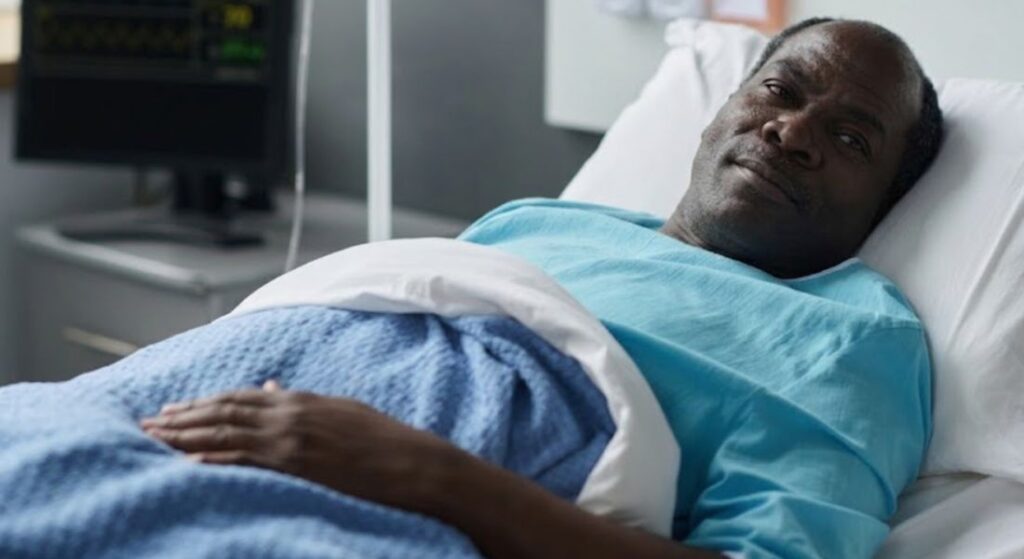
Robotic prostate surgery usually involves a period of hospital observation after the operation. If you have sleep apnoea, it may influence how closely you are monitored and the type of care you need during recovery. Your medical team will consider your individual situation when planning your discharge.
Your planned length of stay will depend on the usual surgical pathway as well as your individual recovery. Sleep apnoea may influence the level or duration of respiratory monitoring you need, particularly if your condition is severe, poorly controlled or associated with other health concerns. This allows staff to monitor breathing, oxygen levels, and your response to pain medicines. It does not mean that every patient with sleep apnoea will require the same level of monitoring.
The decision depends on factors such as the severity of your sleep apnoea, CPAP use, other health conditions, and how well you recover after surgery. Your team will discuss the expected plan with you before the operation. This helps you understand what to expect during your recovery period.
Sleep Apnoea and Obesity
Obstructive sleep apnoea and obesity often occur together, although sleep apnoea can also affect people who are not overweight. If you have both conditions, your medical team will consider how they may influence breathing, positioning, heart health, and recovery after surgery.
Your weight alone does not decide whether prostate cancer surgery is suitable for you. The surgical and anaesthetic teams will assess your overall health, fitness, and any other risk factors before making recommendations. This helps ensure that decisions are based on your complete medical picture.
If weight management is appropriate, you can discuss safe and realistic options with your healthcare team before surgery. Rapid or extreme dieting shortly before an operation is not a replacement for proper preparation. A structured approach can help support your health and recovery.
Sleep Apnoea and High Blood Pressure
Obstructive sleep apnoea can often occur alongside high blood pressure. If you have both conditions, your medical team will review how well your blood pressure is controlled and whether your current medications are suitable before surgery. This helps them understand your overall health risks.
Your team may look at previous blood pressure readings rather than focusing on a single measurement taken in hospital. This provides a more accurate picture of your usual blood pressure levels and supports better surgical planning. Good blood pressure control can help improve your preparation for treatment.
Bringing a complete list of your medications to your assessment is important. This allows your anaesthetic team to understand how your different health conditions are being managed together. Accurate information helps them create a safer and more personalised care plan for you.
Sleep Apnoea and Heart Health
Sleep apnoea can occur alongside heart-related conditions such as abnormal heart rhythms, coronary disease, or heart failure. If you have these conditions, your medical team will consider how they may affect your safety during and after surgery. A careful assessment helps identify any additional support you may need.
During your pre-operative review, you may be asked about symptoms such as chest pain, palpitations, fainting, breathlessness, or changes in your exercise ability. Your team may also review previous heart tests if they are relevant to your care. Additional investigations are only recommended when your symptoms or medical history suggest they are needed.
It is important to tell your healthcare team about any recent changes in your heart-related symptoms. Sharing this information allows them to plan your surgery more safely and make appropriate decisions. Addressing concerns early helps reduce avoidable risks during your treatment.
Sleep Apnoea and Diabetes
Type 2 diabetes and sleep apnoea can occur together, particularly when obesity is also present. If you have both conditions, your medical team will consider factors such as blood sugar control, medications, infection risk, and recovery after surgery. This helps ensure that your care is planned safely.
Your surgical team should know whether you use insulin or other diabetes medications. You may receive specific instructions about managing your treatment, fasting, and medication on the day of surgery. Following this advice helps maintain stable blood sugar levels during the procedure.
Managing multiple health conditions requires careful coordination between your healthcare teams. Your sleep apnoea, diabetes, and other medical factors will be considered together rather than separately. This combined approach helps create a safer and more effective plan for your surgery and recovery.
Preparing at Home Before Admission
Before your surgery, check your CPAP equipment if you have been advised to bring it to hospital. Make sure the mask, tubing, power supply, and other parts are available and working properly. This helps avoid problems when you need to use your usual breathing support.
Follow the instructions provided by your medical team about fasting, medications, arrival time, and what to bring with you. You should not change CPAP settings unless advised by your sleep specialist or healthcare team. Following these steps helps your preparation go smoothly.
It can also be helpful to organise your recovery space at home before admission. Having everything ready can make the first few days after discharge more comfortable while you recover and adjust after surgery. Good preparation allows you to focus more on healing and rest.
What to Tell Your Anaesthetist
Tell your anaesthetist if you have a confirmed diagnosis of sleep apnoea or if you are being assessed for possible symptoms. You should mention whether you use CPAP, how regularly you use it, and whether you still experience symptoms despite treatment. This information helps your anaesthetist plan the safest approach for you.
It is also important to share any previous experiences with anaesthesia, including airway difficulties, severe nausea, breathing problems, or unexpected intensive care admission. These details can help your team understand any possible concerns before surgery. Previous experiences may influence how your anaesthetic is managed.
Provide a complete list of all medications you take, including sedatives, strong pain medicines, and any regular treatments. Accurate information allows your medical team to make safer decisions about your anaesthesia and recovery. Open communication helps ensure that your care is planned around your individual needs.
What Happens After You Go Home?
After you leave hospital, continue using your prescribed sleep apnoea treatment as advised by your healthcare team. Surgery does not treat the underlying sleep disorder, so ongoing management remains important. Following your usual treatment plan can support safer recovery.
Take your pain medicines exactly as instructed and avoid adding sedating medications unless your doctor has advised you to do so. Alcohol can also increase drowsiness and may affect breathing, so follow your team’s guidance during recovery. These precautions help reduce avoidable risks after surgery.
It is helpful if someone supporting you understands your discharge instructions and recovery plan. You may feel tired or drowsy during the early days after your operation, and having support can make things easier. Good preparation at home helps you recover more comfortably.
Warning Signs After Surgery
After discharge, seek medical advice if you experience breathing difficulties, worsening breathlessness, unusual ongoing drowsiness, or any symptoms your surgical team has advised you to report. Do not assume that every change in breathing is simply related to sleep apnoea. Early assessment can help identify problems and ensure appropriate treatment.
You should seek urgent medical attention for symptoms such as chest pain, severe breathing difficulty, fainting, or blue, grey or unusually pale lips or skins. Sudden calf swelling or pain combined with breathlessness can also be a sign of a serious condition. These symptoms should not be ignored.
Your hospital team should provide contact details and guidance before you leave. Keep this information in an easy-to-find place for both you and anyone supporting you during recovery. Knowing who to contact can help you act quickly if concerns arise.
Post-Operative Warning Signs for Patients with Sleep Apnoea
| Symptom / Issue | Why It Matters | Action / Notes |
| Worsening breathlessness | May indicate airway compromise or hypoxia | Seek urgent medical advice immediately |
| Unusual ongoing drowsiness | Could suggest residual sedation affecting breathing | Contact healthcare team promptly |
| Chest pain or palpitations | Cardiovascular concern | Call 999 or seek emergency assessment |
| blue, grey or unusually pale lips or skin | Sign of low oxygen levels | Call 999 |
| Calf swelling with breathlessness | Possible blood clot / pulmonary embolism | Seek immediate medical attention |
| Difficulty using CPAP post-op | May reduce airway support | Inform recovery staff or follow hospital instructions |
| Sudden confusion or severe weakness | Could indicate hypoxia or other complications | Seek urgent evaluation |
| Oxygen saturation drop | Indicates compromised breathing | Monitoring or supplemental oxygen as advised by medical team |
Can Surgery Proceed If Sleep Apnoea Is Untreated?
If your sleep apnoea is untreated or has not yet been diagnosed, it requires careful assessment before surgery. Anaesthesia and some postoperative medicines can affect breathing, so your medical team needs to understand your level of risk. However, possible sleep apnoea does not always mean that necessary surgery must be cancelled.
For urgent procedures, your team may decide that surgery should proceed with appropriate precautions rather than waiting for further investigations. For planned surgery, the timing of assessment and treatment optimisation will depend on factors such as your symptoms, overall health, and the urgency of your cancer treatment. This allows your care to be balanced safely.
Your surgical and anaesthetic teams will make decisions based on your individual circumstances. It is important not to ignore symptoms or avoid prescribed treatment because of concerns about surgery. Sharing accurate information helps your team create the safest possible plan for you.
Moving Through Surgery with a Clear Plan

Sleep apnoea can affect how your anaesthesia and recovery are managed, but it does not automatically prevent you from having prostate cancer surgery. The important steps are recognising the condition, understanding its severity, and creating an appropriate plan before the operation. Careful preparation helps your team manage potential risks effectively.
Your surgical pathway may include airway planning, suitable pain relief choices, CPAP use, oxygen monitoring, and closer observation after surgery. These measures are designed to support your safety and reduce avoidable risks. They do not mean that complications will definitely occur.
Being open with your medical team about your symptoms, CPAP treatment, medications, and previous anaesthetic experiences is important. This information allows your clinicians to make decisions based on your individual needs. Good communication helps you move through surgery with greater confidence and a well-prepared care plan.
Myth vs Fact:
| Myth | Fact |
| Sleep apnoea automatically prevents prostate cancer surgery. | Many patients can undergo surgery with appropriate assessment and planning. |
| STOP-Bang confirms an OSA diagnosis. | It is a screening and risk-assessment tool, not a diagnostic sleep study. |
| Everyone with suspected OSA must delay surgery for testing. | Urgent surgery should not automatically be delayed solely for OSA investigation. |
| CPAP is only important at home. | CPAP use and treatment adherence can be relevant to postoperative planning. |
| Oxygen and CPAP do the same thing. | Oxygen supports oxygenation, while CPAP helps keep the upper airway open. |
| OSA means opioid pain relief can never be used. | Pain management is individualised, often with strategies to limit unnecessary opioid exposure. |
| Every patient with OSA needs intensive care. | Monitoring requirements depend on severity, treatment control, comorbidities and recovery. |
| A good Epworth sleepiness score rules out OSA. | NICE advises not using the Epworth scale alone to decide whether referral is needed. |
Key Takeaways:
- Sleep apnoea does not automatically rule out prostate cancer surgery.
- Tell your surgical and anaesthetic teams about diagnosed or suspected sleep apnoea and any CPAP treatment you use.
- STOP-Bang can help identify increased OSA risk, but it does not diagnose the condition.
- NICE advises considering STOP-Bang alongside broader clinical assessment and not relying on sleepiness scores alone when deciding whether referral is needed.
- People with suspected OSA undergoing pre-operative assessment for major surgery may be prioritised for rapid sleep-service assessment.
- Urgent surgery should not automatically be delayed solely for OSA investigation; higher-risk patients may instead need risk-based precautions and follow-up.
- Pain-relief planning may include opioid-limiting strategies, while CPAP availability and monitoring should be tailored to individual respiratory risk.
- Severe breathing difficulty, blue lips, collapse or serious chest pain requires emergency assessment.
FAQs:
1. Can sleep apnoea prevent prostate cancer surgery?
No, sleep apnoea does not automatically prevent you from having prostate cancer surgery. Your suitability depends on factors such as the severity of your sleep apnoea, overall health, prostate cancer details, and how well the condition is managed.
2. Why is sleep apnoea important before prostate cancer surgery?
Sleep apnoea can affect breathing, oxygen levels, and airway management, especially when anaesthetic medicines and pain relief are used. Knowing about the condition helps your medical team plan safer anaesthesia and recovery care.
3. Should sleep apnoea be mentioned during a pre-operative assessment?
Yes, your surgical and anaesthetic teams should know if you have diagnosed or suspected sleep apnoea. Information about symptoms, CPAP use, previous sleep studies, and treatment effectiveness can help with personalised planning.
4. Can robotic prostate surgery be performed if CPAP is used for sleep apnoea?
Yes, many patients who use CPAP can undergo robotic prostate cancer surgery. Your team may recommend bringing your CPAP machine to hospital and may plan its use during recovery if appropriate.
5. Does untreated sleep apnoea increase risks during prostate surgery?
Untreated sleep apnoea may increase concerns around breathing, oxygen levels, and the effects of anaesthesia and pain medicines. Identifying the condition before surgery allows your team to take suitable precautions.
6. Will sleep apnoea affect the type of anaesthesia used for prostate surgery?
Sleep apnoea may influence anaesthetic planning, including airway management, medication choices, and postoperative monitoring. Your anaesthetist will consider your individual risks rather than using a standard approach for every patient.
7. Is an overnight hospital stay needed after prostate cancer surgery with sleep apnoea?
Some patients with sleep apnoea may need closer observation or an overnight stay after surgery, depending on the severity of the condition, CPAP use, other medical problems, and recovery progress.
8. Can pain medicines affect sleep apnoea after prostate surgery?
Yes, some strong pain medicines, particularly opioids, can affect breathing and may require careful use in people with sleep apnoea. Your medical team will choose pain relief based on your individual needs and safety.
9. Should a CPAP machine be brought to hospital for prostate cancer surgery?
If CPAP has been prescribed, you may be advised to bring your own machine and mask to hospital. Using familiar equipment can help support breathing management during recovery.
10. How can preparation before surgery help when living with sleep apnoea?
Preparation includes informing your healthcare team about sleep apnoea, following CPAP treatment advice, reviewing medicines, and attending pre-operative assessments. Good communication allows your team to plan your surgery and recovery more safely.
Final Thoughts: Preparing Safely for Prostate Cancer Surgery with Sleep Apnoea
Having sleep apnoea does not mean you cannot have prostate cancer surgery. The most important step is making sure your surgical and anaesthetic teams understand your condition, how severe it is, and how it is being managed.
With careful preparation, appropriate monitoring, and personalised planning, many men with sleep apnoea can undergo surgery safely. Sharing details about your CPAP use, symptoms, medications, and any other health conditions allows your team to reduce risks and support a smoother recovery.
If you are considering a prostate surgery clinic in London and would like specialist advice, you can contact us to discuss your options and arrange a consultation tailored to your individual needs.
References:
- National Institute for Health and Care Excellence (NICE) (2021) Obstructive sleep apnoea/hypopnoea syndrome and obesity hypoventilation syndrome in over 16s. NICE guideline NG202. Available at: https://www.nice.org.uk/guidance/ng202
- Centre for Perioperative Care (CPOC) (2023) Perioperative management of obstructive sleep apnoea in adults. Available at: https://cpoc.org.uk/guidelines-and-resources/guidelines/perioperative-management-osa-adults
- National Institute for Health and Care Excellence (NICE) (2019, reviewed 2025) Prostate cancer: diagnosis and management. NICE guideline NG131. Available at: https://www.nice.org.uk/guidance/ng131
- National Institute for Health and Care Excellence (NICE) (2020) Perioperative care in adults. NICE guideline NG180. Available at: https://www.nice.org.uk/guidance/ng180
- Bae, E. et al. (2023) ‘Preoperative risk evaluation and perioperative management of patients with obstructive sleep apnea: a narrative review’, Journal of Dental Anesthesia and Pain Medicine. Available at: https://pmc.ncbi.nlm.nih.gov/articles/PMC10407451/
- Cozowicz, C. et al. (2021) ‘Perioperative management of the patient with obstructive sleep apnea: a narrative review’, Anesthesia and Analgesia. Available at: https://pubmed.ncbi.nlm.nih.gov/33857965/
- Chaudhry, R.A. et al. (2024) ‘Obstructive sleep apnea and risk of postoperative complications after non-cardiac surgery’, Journal of Clinical Medicine. Available at: https://www.mdpi.com/2077-0383/13/9/2538
- Bolden, N. et al. (2020) ‘Postoperative critical events associated with obstructive sleep apnea: results from the SASM OSA Registry’, Anesthesia and Analgesia. Available at: https://pmc.ncbi.nlm.nih.gov/articles/PMC7659468/