




When you are dealing with prostate symptoms or a worrying PSA result, one of the first decisions you may face is where to seek help. In the UK, this usually means choosing between NHS care and private prostate clinics, depending on your situation and how quickly you want assessment.
Both systems are widely used, but they work in different ways. You may find that the NHS follows a more structured referral pathway, while private clinics often provide more direct access to specialist consultation.
Understanding these differences can help you feel more confident about your choice. It also allows you to decide which pathway best matches your needs in terms of timing, convenience, and continuity of care.
How NHS Prostate Care Usually Starts
In the NHS, the pathway typically begins with your GP. You may find that your first step involves discussing symptoms such as urinary changes or a raised PSA result during this appointment.
The GP then decides whether initial tests are needed or whether a referral to a specialist is appropriate. This helps ensure that patients are directed into the correct care pathway based on clinical need.
This step is important because it acts as a gatekeeping process, making sure that investigations and specialist input are arranged in a structured and appropriate way.
The Referral Process in the NHS
If further investigation is required, your GP refers you to a hospital urology department. You may find that this means there is a waiting period before you are seen by a specialist, depending on urgency and local service demand.
This means you do not usually see a specialist immediately. Instead, you move through a structured pathway where referrals are prioritised based on clinical need and available capacity.
The system is designed to manage large numbers of patients safely and ensure that those with more urgent concerns are assessed first. This helps organise care, although it can sometimes mean longer waiting times.
How Private Prostate Care Starts
Private prostate care works differently from the NHS pathway. You can usually contact a clinic directly without needing to go through your GP first, which may make the process feel more straightforward.
You may find that this allows you to book a specialist appointment without waiting for referral approval. This can be helpful if symptoms are causing concern or you want quicker clarity about your condition.
The system is designed to give you more direct access to specialist assessment, so you can move from initial concern to consultation more quickly and efficiently.
NHS vs Private Prostate Care: Key Differences at a Glance
| Factor | NHS Care | Private Prostate Clinic |
| Access to specialist | Requires GP referral first | Direct access to specialist |
| Waiting times | Can vary; often longer for routine cases | Usually seen within days |
| Speed of diagnosis | Step-by-step process across multiple appointments | Faster, more streamlined pathway |
| PSA testing | Arranged via GP, may involve repeat testing | Can be done immediately with specialist review |
| Imaging (MRI) | Dependent on hospital waiting lists | Often arranged quickly |
| Biopsy scheduling | Based on clinical urgency and availability | Typically faster if required |
| Treatment planning | Multidisciplinary, structured pathway | Faster decision-making process |
| Continuity of care | Shared between GP and hospital teams | Often same specialist throughout |
| Cost | Free at point of use | Self-funded (varies by clinic/services) |
| Approach | Structured, guideline-led system | More direct and time-efficient pathway |
Direct Access to Specialists

In private care, you often speak directly to a urologist or prostate specialist at your first appointment. This means you may get quicker access to expert advice without needing several preliminary steps before assessment.
The consultation can focus immediately on your symptoms and concerns, which may help bring clarity sooner. You may also find that it reduces waiting time between concern and specialist review.
This allows faster decision-making based on symptoms and test results, so next steps can be planned without unnecessary delay. The process often feels more direct and efficient as a result.
Waiting Times in the NHS
NHS waiting times can vary depending on location, demand, and clinical urgency. You may be seen quickly if symptoms are considered urgent, while routine appointments or tests can take longer in some areas.
This variation is a natural part of a large public healthcare system. You may find that access depends on prioritisation, available resources, and how busy local services are at the time.
Overall, the system is designed to manage urgent cases first while still providing care for routine concerns. This can sometimes result in different waiting times for different patients.
Waiting Times in Private Clinics
Private clinics usually offer much faster appointments. You can often be seen within days rather than weeks, depending on availability and location. This quicker access can make a significant difference when you are feeling uncertain about symptoms or waiting for answers.
This speed is one of the main reasons people choose private care. You may find that earlier access to a specialist helps reduce anxiety and provides clearer direction at an earlier stage, especially when symptoms are new or changing.
Overall, the shorter waiting time allows you to move more quickly from concern to specialist assessment. This can help you understand what is happening sooner and plan the next steps without unnecessary delay.
Speed of Diagnosis in the NHS
In the NHS, diagnosis may take longer because the process is often divided into multiple stages. You may find that each step is arranged separately, depending on clinical need and local service capacity.
You may need separate appointments for tests, imaging, and specialist review. This staged approach helps ensure investigations are carried out safely and appropriately, but it can also extend the overall timeline.
Each step can involve waiting periods between appointments. As a result, the full diagnostic process may take longer compared with more direct pathways, even though the care remains thorough and structured.
Speed of Diagnosis in Private Care
In private care, the diagnostic process is usually more streamlined. You may find that consultation, testing, and follow-up are organised more closely together, depending on your clinical needs and availability of appointments.
This means results and next steps can often be reviewed within a shorter timeframe. You may also notice that investigations are arranged more quickly, which helps move the process forward without long gaps between stages.
This can reduce uncertainty and anxiety. You may find that getting clearer answers sooner makes it easier to understand your situation and plan what happens next.
PSA Testing in the NHS
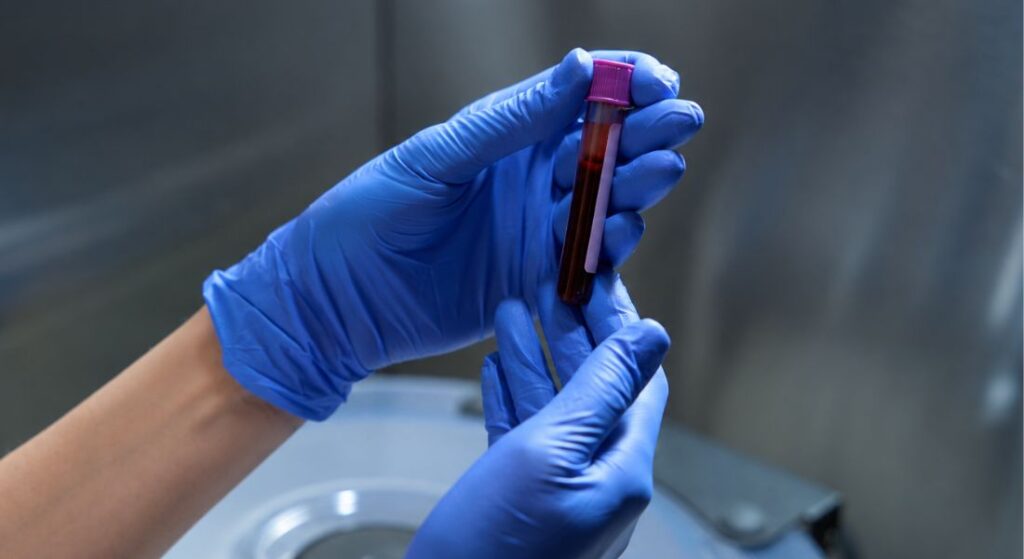
In the NHS, PSA testing is usually arranged through your GP. You may find that the process begins with a routine blood test request, often based on symptoms, age, or clinical risk factors.
If the result is raised, you may be monitored or referred depending on the level of the result and any symptoms present. You may also find that interpretation takes into account trends over time rather than a single reading.
Repeat testing may be scheduled over time to confirm changes and ensure accuracy. This step-by-step approach helps ensure that PSA results are reviewed carefully before any further decisions are made.
PSA Testing in Private Clinics
In private clinics, PSA testing can often be arranged immediately. You may find that the process is quicker, with blood tests organised as part of the same visit or shortly afterwards.
Results are reviewed directly by a specialist, which helps with faster interpretation in the context of your symptoms and medical history. You may also find that this reduces delays in understanding what the result actually means.
This can be useful when results are unclear or worrying. You may feel more reassured knowing that a specialist is reviewing the result promptly and explaining the next steps clearly.
Interpretation of Results
Both NHS and private care use the same medical guidelines when interpreting PSA results and prostate symptoms. You may find that the clinical standards remain consistent, regardless of which pathway you choose.
The main difference is often the speed at which results are reviewed and explained. You may experience longer waiting times in some NHS pathways compared with more immediate specialist feedback in private care.
Private care usually offers faster feedback from a specialist. You may find that this helps you understand results sooner and move more quickly to the next stage of assessment if needed.
Access to Imaging (MRI Scans)
MRI scans are commonly used in both NHS and private systems when prostate concerns need further investigation. You may find that the decision to arrange imaging is based on similar clinical guidelines in both pathways.
In the NHS, MRI availability may depend on waiting lists and local service capacity. You may experience longer waiting times depending on how urgent your case is and how busy the service is at that time.
In private care, scans are often arranged more quickly. You may find this helps speed up diagnosis and reduces the time spent waiting for clearer answers about your condition.
Biopsy Procedures
If a biopsy is needed, both NHS and private pathways follow the same clinical standards. You may find that the procedure itself, including preparation and safety protocols, is consistent across both systems.
The main difference is usually timing and scheduling. You may experience shorter waiting times in private care, while NHS pathways may depend on local availability and clinical urgency.
Private clinics can often arrange biopsies sooner when clinically appropriate. You may find this helps reduce uncertainty and allows faster progression to diagnosis and treatment planning if needed.
Treatment Planning in the NHS
In the NHS, treatment planning follows structured national guidelines. You may find that this helps ensure every patient is assessed using the same evidence-based approach, regardless of where they are treated. It provides consistency and safety in decision-making across different hospitals and regions.
These guidelines mean that care is usually reviewed by more than one specialist before a final plan is confirmed. You may find that this adds reassurance, as decisions are based on a multidisciplinary approach and established clinical standards.
However, the process may involve longer timelines between diagnosis and the start of treatment. This can vary depending on demand, local resources, and how complex your condition is, which may affect how quickly each stage progresses.
Treatment Planning in Private Care
In private care, treatment discussions can often begin sooner because diagnostic tests are usually arranged more quickly. You may find that this helps reduce the time between your initial consultation and receiving a clear management plan.
This earlier access allows decision-making about options such as monitoring, medication, or surgery to happen sooner. You may also find that having faster results helps you feel more informed when considering the next steps.
The clinical approach remains evidence-based, following the same medical guidelines used in NHS care. This ensures that treatment decisions are made safely and appropriately, based on your individual condition.
Prostate Cancer Care Differences
Both NHS and private systems treat prostate cancer using the same medical standards and clinical guidelines. You may find that the overall approach to diagnosis, staging, and treatment remains consistent across both pathways.
Treatment options such as surgery, radiotherapy, and hormone therapy are available in both systems. You may also be offered similar evidence-based choices depending on the stage and risk level of the cancer.
The main difference is usually the speed of access to each stage of care. You may find that private care allows faster progression through investigations and treatment planning, while NHS care follows a more structured and sometimes longer pathway.
BPH and Urinary Symptoms Care
For benign prostate enlargement, both NHS and private systems offer similar treatment options. You may find that care is guided by the same clinical evidence, regardless of where you are treated.
These options can include medication, lifestyle advice, and procedural treatments if symptoms become more severe. You may also find that the choice of treatment depends on symptom severity, prostate size, and overall impact on daily life.
In private care, symptom review may happen more quickly due to faster access to appointments. You may find this helps you understand your condition sooner and move earlier into an appropriate management plan.
Emotional Experience of Waiting
Waiting for answers can be stressful, especially when symptoms are affecting sleep, comfort, or daily routine. You may find that uncertainty feels more difficult when you do not yet know what is causing the problem.
The NHS may involve longer waiting periods at different stages of investigation and treatment. You may experience gaps between appointments while tests are arranged and reviewed, depending on urgency and local demand.
Private care often reduces waiting time, which can ease anxiety for some patients. You may find that quicker access to results and specialist review helps you feel more informed and less uncertain about what is happening.
Continuity of Care in the NHS
In the NHS, care is shared between your GP and hospital teams. You may find that this creates a structured pathway where different stages of assessment and treatment are managed by appropriate specialists.
This system can mean you see different healthcare professionals at different points in your care. You may find that each stage focuses on a specific part of diagnosis or treatment, depending on where you are in the pathway.
Communication between teams is clinically coordinated to ensure information is shared appropriately. You may find that this helps maintain safety and consistency, even when care is delivered across multiple settings.
Continuity of Care in Private Clinics
In private clinics, you often see the same specialist throughout your care journey. You may find that this creates a more consistent experience, as your history and progress are followed by one clinician rather than multiple teams.
This continuity can make the process feel more personal and easier to follow. You may also find that it helps build familiarity and trust, especially when discussing sensitive symptoms or test results.
It also allows direct follow-up with the same doctor. You may find this makes communication clearer, as decisions and updates are managed by someone who already knows your case.
Cost Differences Between Systems
The NHS is publicly funded, so care is free at the point of use. You may find that this makes it more accessible for ongoing assessment and treatment without direct financial cost at each stage.
Private care is self-funded and involves paying for consultations, tests, and procedures. You may find that costs vary depending on the type of assessment, investigations required, and level of specialist involvement.
Cost is often a major factor in decision-making. You may find that people weigh up affordability alongside speed, convenience, and personal preference when choosing between the two systems.
When NHS Care Is Ideal
NHS care is suitable for many patients, especially when symptoms are mild or stable. You may find that it works well for routine assessment, monitoring, and gradual management of long-term prostate conditions.
It also provides structured long-term care for chronic conditions, with access to tests, follow-up, and treatment when needed. You may find that this approach is particularly useful when symptoms are not rapidly changing.
It remains a highly effective and widely used system. You may find that many patients are managed successfully within the NHS, especially when urgency is not a major concern.
When Private Care May Be Preferable
Private care may be preferred when faster answers are needed about symptoms or test results. It can help reduce uncertainty when you are waiting for clarity about PSA levels or urinary symptoms. Many people choose this option when they want quicker access to specialist review and investigation.
- Faster Answers: Private care can provide quicker access to tests and specialist opinions.
- Symptom Impact: It may be helpful when symptoms are affecting sleep, confidence, or daily life.
- PSA Clarification: Quicker review of PSA results can reduce uncertainty and anxiety.
- Second Opinions: Some patients use private care for additional reassurance or alternative views.
Overall, private care may be useful when waiting times are causing stress or delaying clarity. It can help you reach a diagnosis or plan more quickly depending on your situation. The choice often depends on how urgently you need answers and how your symptoms are affecting your daily life.
Using Both Systems Together
Many patients use both NHS and private care at different stages. You may find that combining the two pathways allows you to balance speed, access, and long-term continuity of care.
Some people start privately for faster diagnosis and then continue NHS treatment later. You may find this helpful when initial clarity is needed quickly, followed by ongoing care in a structured public system.
Others begin in the NHS and seek private review for reassurance or a second opinion. Both systems can complement each other, and you may find that using them together helps you move through diagnosis and treatment in a way that suits your needs.
Role of Specialist Clinics

Specialist clinics focus entirely on prostate health and urinary conditions. You may find that this allows for more focused assessment, where symptoms, test results, and concerns are reviewed within a dedicated clinical setting.
For example, Prostate Clinic London provides direct access to specialist assessment and diagnostics. You may find that this helps streamline the process from initial consultation to investigation and follow-up.
These clinics are designed to offer structured evaluation and clear next steps. You may also find that having all prostate-related care managed in one place helps improve clarity and continuity throughout your journey.
FAQs:
1. What is the main difference between a private prostate clinic and NHS prostate care?
The main difference is how you access specialist care and the speed at which investigations are arranged. NHS care usually begins with a GP referral, while private clinics often allow you to book directly with a specialist. Both systems follow the same clinical guidelines and standards of care. The choice often comes down to personal preference, convenience, and waiting times.
2. Do private prostate clinics provide better treatment than the NHS?
Private clinics and the NHS use the same evidence-based medical guidelines when diagnosing and treating prostate conditions. The quality of care is not determined by whether it is private or NHS, but by clinical standards and specialist expertise. The main advantage of private care is often faster access to consultations, tests, and results. Treatment options themselves are usually very similar.
3. Can I see a private prostate specialist without a GP referral?
Yes, in most cases you can book directly with a private prostate specialist without needing a GP referral. This allows you to access specialist advice more quickly if you are concerned about symptoms or PSA results. Some patients still choose to speak with their GP first, but it is generally not a requirement. The process is designed to be straightforward and accessible.
4. Are waiting times shorter at a private prostate clinic?
Private clinics typically offer appointments much sooner than many NHS pathways. Depending on availability, you may be seen within days rather than waiting several weeks for a referral appointment. Investigations such as blood tests and MRI scans may also be arranged more quickly. Faster access can help reduce uncertainty and anxiety while waiting for answers.
5. Can I get a PSA test through a private prostate clinic?
Yes, PSA testing can usually be arranged directly through a private prostate clinic. Results are often reviewed by a specialist who can explain what they mean in the context of your age, symptoms, and medical history. This can provide quicker reassurance or help identify whether further investigation is needed. PSA results are always interpreted alongside other clinical information.
6. What prostate conditions can be assessed in both private and NHS care?
Both private clinics and NHS services assess a wide range of prostate-related conditions. These include enlarged prostate (BPH), raised PSA levels, prostatitis, prostate cancer, urinary symptoms, and urinary retention. The investigations and treatment options available are generally similar in both settings. The main difference is often how quickly you can access them.
7. Can I move between private care and the NHS?
Yes, many men use both private and NHS services at different stages of their care. Some choose private consultations for quicker diagnosis and then continue treatment through the NHS. Others remain within the NHS but seek a private second opinion. The two systems can often work alongside each other depending on your preferences and circumstances.
8. Will I see the same specialist throughout private treatment?
In many private clinics, you are more likely to see the same specialist throughout your assessment, diagnosis, and follow-up care. This can provide greater continuity and help build a stronger doctor-patient relationship. Having one clinician oversee your care may also make communication more straightforward. However, arrangements can vary between clinics.
9. Is private prostate care worth considering for a raised PSA result?
Many men choose private assessment after receiving a raised PSA result because they want quicker interpretation and investigation. A specialist can review the result alongside your symptoms, age, family history, and previous PSA readings. This helps determine whether further tests are needed and can often provide reassurance sooner. Faster access to expert advice is one of the main reasons people choose private care.
10. How do I decide whether NHS or private prostate care is right for me?
The right choice depends on your individual circumstances, priorities, and budget. If you are comfortable with NHS waiting times and your symptoms are stable, NHS care may be entirely appropriate. If you would prefer faster access to specialist assessment and investigations, private care may be worth considering. Discussing your concerns and expectations can help you decide which option best suits your needs.
Final Thoughts: Understanding Your Options for Private Prostate Assessment
Visiting a private prostate clinic is often much simpler than many people expect. In most cases, you do not need a GP referral and can arrange an appointment directly if you are concerned about urinary symptoms, PSA changes, or your overall prostate health. Early assessment can provide clarity, help identify the cause of your symptoms, and ensure that any necessary investigations or treatment are started without unnecessary delays.
Whether your concerns relate to an enlarged prostate, a raised PSA level, urinary symptoms, or prostate cancer screening, specialist assessment allows you to receive personalised advice based on your individual circumstances. Understanding what is causing your symptoms is often the first step towards reassurance and effective management. If you want expert assessment for prostate symptoms, PSA changes, or treatment options, you can contact us at Prostate Clinic London to arrange a consultation and get clear guidance on your symptoms.
References:
- Keall, P.J. et al. (2026) ‘The Kilovoltage Intrafraction Monitoring Real-Time Prostate Cancer Image Guided Radiation Therapy Technology Journey: From Clinical Trials to Your Clinic’, International Journal of Radiation Oncology, Biology, Physics, 125(1), pp. 240–249. Available at: https://www.sciencedirect.com/science/article/pii/S0360301626000830
- Neal et al., (2026) ‘Real-world validation of PinPoint blood tests in the NHS: Multivariable machine learning to predict cancer risk in primary care urgent referrals’, Mayo Clinic Proceedings: Digital Health, In Press, Article 100382. Available at: https://www.sciencedirect.com/science/article/pii/S2949761226000489
- Worthington, J. et al. (2017) ‘A randomised controlled trial to determine the clinical and cost effectiveness of thulium laser transurethral vaporesection of the prostate (ThuVARP) versus transurethral resection of the prostate (TURP) in the National Health Service (NHS) – the UNBLOCS trial: a study protocol for a randomised controlled trial’, Trials, 18(1), p. 179. Available at: https://pubmed.ncbi.nlm.nih.gov/28412960/
- Tamhankar, A.S. et al. (2020) ‘The clinical and financial implications of a decade of prostate biopsies in the NHS: analysis of Hospital Episode Statistics data 2008–2019’, BJU International, 126(1), pp. 133–141. Available at: https://pubmed.ncbi.nlm.nih.gov/32232966/
- Shah, S. et al. (2021) ‘Guy’s and St Thomas’ NHS Foundation active surveillance prostate cancer cohort: a characterisation of a prostate cancer active surveillance database’, BMC Cancer, 21, p. 573. Available at: https://pmc.ncbi.nlm.nih.gov/articles/PMC8135162/