



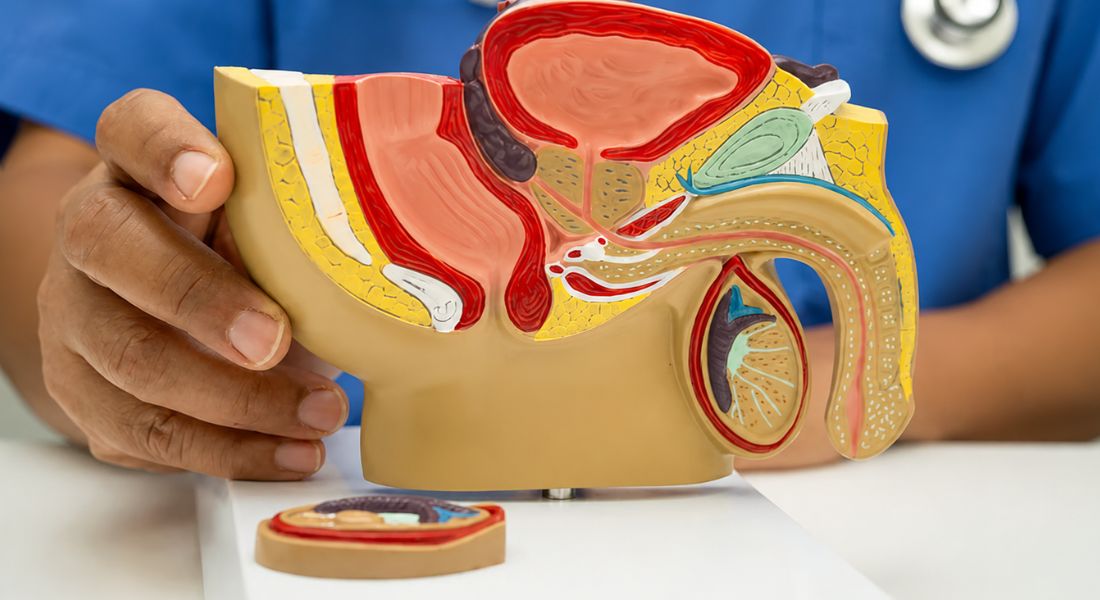
Erectile function is a major concern for men undergoing prostate cancer surgery, and having diabetes can make recovery more challenging. Both the surgery and diabetes can affect the nerves, blood vessels, and tissues involved in erections, which may slow the recovery process or reduce function. Understanding these risks helps you prepare mentally and physically for what to expect.
Diabetes can impact blood flow and nerve health, which are crucial for achieving and maintaining erections. Men with diabetes may experience slower improvement compared with those without the condition. Being aware of this can help you set realistic expectations and avoid unnecessary stress during recovery.
There are strategies to support sexual health after surgery. Your doctor may recommend medications, devices, or supervised rehabilitation to improve function and speed recovery. Early intervention and consistent use of these options can make a noticeable difference over time.
Being informed about how diabetes affects erectile recovery allows you to plan and discuss options with your specialist. Taking a proactive approach helps you manage expectations, stay engaged in your care, and focus on maintaining both health and quality of life.
Diabetes and Vascular Health
Over time, diabetes can damage blood vessels, which may reduce blood flow to the penis. This can make achieving or maintaining erections more difficult, even before surgery.
Keeping blood sugar under control helps minimise vascular damage and supports overall sexual health. Effective management can improve the chances of better erectile function after prostate surgery.
Being proactive with your diabetes care gives your body the best conditions for recovery. It allows you to address underlying factors that could affect long-term sexual function.
Nerve Damage from Diabetes
High blood sugar can affect nerve function over time, a condition known as diabetic neuropathy. This may reduce sensitivity and make it harder for nerves to recover after prostate surgery. Being aware of this helps you understand why recovery might take longer and what challenges to expect.
Knowing the risk of nerve damage allows you and your doctor to plan effective rehabilitation strategies. Targeted exercises, medications, or therapies can support nerve healing and improve overall function. Early planning gives you a better chance of achieving meaningful recovery.
Understanding how diabetes impacts nerves helps set realistic expectations for sexual function after surgery. It also empowers you to take proactive steps, such as monitoring blood sugar and following rehabilitation advice, to optimise outcomes.
Surgery-Induced Erectile Changes
Prostate surgery can impact the neurovascular bundles that are crucial for erections. Even when nerve-sparing techniques are used, these nerves may be temporarily stunned, which can delay the return of normal function. Understanding this helps you set realistic expectations for recovery.
The process of regaining erectile function is gradual and varies between individuals. Some men may notice improvements within a few months, while for others, it can take 12–24 months. Patience and consistency with rehabilitation strategies are key to progress.
Being informed about these changes allows you to approach recovery proactively. You can work with your healthcare team on therapies or exercises that support nerve and vascular healing, improving your chances of a positive outcome.
Combined Effect of Diabetes and Surgery
If you have diabetes, recovery of erectile function after prostate surgery may be slower due to existing changes in blood vessels or nerves. Reduced vascular health, inflammation, and nerve sensitivity all influence how quickly function returns. Understanding these factors helps you set realistic expectations for recovery.
Even with these challenges, there are ways to support healing. Medications, devices, and structured rehabilitation can improve outcomes over time. Working closely with your healthcare team ensures that the right strategies are in place for your situation.
Many men with diabetes can still achieve meaningful improvement, although the timeline and degree of recovery vary from person to person. Staying consistent with treatments and lifestyle measures, and being patient with gradual progress, gives you the best chance of a positive outcome.
Nerve-Sparing Surgery Considerations
Robotic-assisted nerve-sparing surgery can improve precision, increasing the likelihood of preserving erectile function. While diabetes does not automatically rule out nerve-sparing techniques, it may mean that recovery takes longer. Knowing this helps you set realistic expectations before surgery.
Your surgeon will discuss the benefits and limitations of nerve-sparing approaches in your specific case. Understanding how diabetes interacts with surgical recovery allows you to plan ahead and prepare for gradual progress. Clear communication ensures you know what to expect during rehabilitation.
Even if recovery is slower, nerve-sparing surgery combined with proper support can lead to meaningful improvement. Following your doctor’s guidance on exercises, medications, and lifestyle measures helps optimise outcomes and regain function over time.
Importance of Pre-Surgery Optimisation
Getting your blood sugar and overall health under control before surgery can make a significant difference in recovery. Well-managed diabetes supports better wound healing, reduces inflammation, and helps nerves recover more effectively. Being prepared in this way sets the stage for smoother post-operative progress.
Preoperative optimisation also allows your surgical team to plan care that suits your individual needs. Adjustments to medications, diet, and lifestyle can reduce the risk of complications and enhance overall outcomes. Taking these steps gives you greater confidence heading into surgery.
Focusing on preparation before the operation is key to long-term functional success. It ensures your body is ready to heal efficiently and supports the best possible results after treatment.
Post-Operative Blood Sugar Monitoring
During and after surgery, hospital teams keep a close eye on your blood sugar levels to support healing. Stable glucose helps tissues repair efficiently and can aid nerve recovery. Monitoring at this stage reduces the risk of complications and keeps recovery on track.
Once you return home, self-monitoring becomes important. Following your endocrinologist’s guidance on testing times, insulin, or medication adjustments ensures that sugar levels remain within target ranges. Consistent attention helps your body heal effectively while maintaining overall health.
Being proactive with post-operative blood sugar control gives you more confidence during recovery. It supports both wound healing and long-term functional outcomes, making your rehabilitation smoother and safer.
Pelvic Floor Rehabilitation
Pelvic floor exercises are essential for improving urinary control and can also support erectile recovery indirectly. Strengthening these muscles helps enhance blood flow to the pelvic region, which aids healing and function. Performing exercises correctly ensures that you gain the full benefit.
Consistency is key. Regular practice over weeks and months can produce noticeable improvements. Working with a physiotherapist or specialist nurse can help you learn the proper technique and stay motivated. This guidance reduces frustration and maximises results.
Being committed to pelvic floor rehabilitation allows you to regain control and function more effectively. It supports long-term recovery and helps maintain confidence in daily activities and sexual health.
Use of Medications
Medications such as PDE5 inhibitors, including sildenafil or tadalafil, can support erectile recovery after surgery. They work by improving blood flow to the penile tissues, which is especially helpful for men with diabetes. Using these medications as part of a structured plan can enhance the effectiveness of rehabilitation.
It’s important to follow your specialist’s guidance regarding timing, dosage, and safety. Taking the medication correctly ensures you get the best results while minimising potential side effects. Regular communication with your healthcare team helps adjust the approach if needed.
When used alongside exercises and lifestyle measures, medications may support erectile recovery in suitable patients. Being informed and proactive allows you to optimise outcomes and regain sexual function more confidently over time.
Interventions and Tools for Erectile Recovery in Diabetic Patients
| Intervention / Tool | Purpose | How It Supports Recovery | Notes |
| PDE5 Inhibitors (e.g., sildenafil, tadalafil) | Improve blood flow to penile tissue | Enhances oxygenation and tissue health | Take as prescribed; monitor for interactions with other meds |
| Vacuum Erection Devices | Maintain tissue integrity and blood flow | Prevents stiffness and supports nerve recovery | Use consistently under specialist guidance |
| Pelvic Floor Exercises | Strengthen pelvic muscles, improve blood flow | Supports urinary continence and erectile function | Start early, perform correctly with physiotherapist guidance |
| Lifestyle Modifications | Diet, exercise, weight management, avoid smoking/alcohol | Improves vascular and nerve health | Small, consistent changes yield better long-term outcomes |
| Structured Rehabilitation Programs | Combines exercises, medications, and guidance | Provides coordinated, evidence-based support | Helps maintain motivation and adherence |
| Psychological Support | Counselling, support groups, partner involvement | Reduces stress, improves confidence and adherence | Important for mental wellbeing during recovery |
Vacuum Devices
Vacuum erection devices help promote blood flow and maintain tissue health in the penis. They are commonly recommended after nerve-sparing prostate surgery to support recovery. Using these devices correctly can make a meaningful difference in regaining function.
Guidance from your specialist ensures that the device is used safely and effectively. Regular and consistent use, as advised, helps prevent tissue stiffness and supports overall rehabilitation. Understanding the technique and schedule maximises the benefits.
Incorporating vacuum devices into your recovery plan can enhance the chances of restoring erectile function. When combined with other therapies and exercises, they provide a proactive approach to long-term sexual health.
Lifestyle Modifications
Adopting a healthy diet, staying active, and managing your weight all support vascular and nerve health, which is important for recovery after prostate surgery. Avoiding smoking and limiting alcohol intake further enhances your healing potential. These lifestyle measures work alongside medical interventions to improve outcomes.
Small, consistent changes in daily habits can make a noticeable difference over time. Even moderate exercise and balanced meals contribute to better circulation, energy levels, and overall wellbeing. Combining these efforts with rehabilitation strategies strengthens your recovery process.
Focusing on lifestyle modifications allows you to take an active role in your healing. When paired with medical guidance and exercises, these adjustments support long-term functional recovery and overall health.
Psychological Wellbeing
Changes in erectile function after surgery can impact confidence and emotional wellbeing. Feeling anxious or frustrated is normal, but recognising these emotions allows you to address them proactively. Support from partners, counselling, or peer groups can provide reassurance and practical strategies.
Talking openly about your concerns helps maintain intimacy and reduces stress. Professional guidance can offer coping tools and help you navigate recovery challenges more effectively. Sharing experiences with others in similar situations often brings comfort and perspective.
Prioritising mental health is an essential part of overall recovery. When you care for your psychological wellbeing alongside physical rehabilitation, it supports a more complete and satisfying return to normal life.
Monitoring Recovery Progress
Keeping track of erections, urinary function, and general health can help you see how recovery is progressing. Recording these details provides your specialist with valuable information to adjust rehabilitation plans if needed. This approach ensures that any issues are identified early and addressed promptly.
Consistent monitoring also helps you recognise patterns and improvements over time. Seeing gradual progress can be encouraging and motivates you to stay engaged with exercises and lifestyle measures.
By actively tracking recovery, you take a proactive role in your healing. This involvement supports better functional outcomes and helps you and your healthcare team make informed decisions throughout the process.
Impact of Age
Age can influence how quickly erectile function recovers after prostate surgery. Older men, especially those with diabetes, may experience a slower recovery, while younger patients often regain function more quickly. Individual differences mean that timelines can vary significantly from person to person.
Circulation, nerve sensitivity, and tissue elasticity all tend to decline with age, which can affect recovery speed. Understanding these factors helps you and your healthcare team plan realistic rehabilitation goals.
Being aware of the impact of age allows you to approach recovery with patience. Tailoring exercises, medications, and lifestyle strategies to your needs maximises the chances of a positive long-term outcome.
Impact of Diabetes Duration
The length of time you have had diabetes can affect recovery after prostate surgery. Long-standing diabetes may lead to more damage to blood vessels and nerves, which can slow the return of erectile function. Being aware of this helps you set realistic expectations for recovery timelines.
Even with long-term diabetes, proactive management can make a difference. Optimising blood sugar, following rehabilitation exercises, and using supportive therapies all contribute to better outcomes. Early intervention and consistent care improve the chances of meaningful recovery.
Understanding how the duration of diabetes impacts healing allows you to plan more effectively with your healthcare team. It helps guide strategies for rehabilitation, lifestyle adjustments, and ongoing monitoring to maximise long-term function.
Impact of Glycaemic Control
Maintaining well-controlled blood sugar is essential for a smoother recovery after prostate surgery. Good glycaemic control reduces the risk of complications and supports faster wound healing and functional improvement. Knowing your numbers helps you stay proactive in your care.
Conversely, poor blood sugar control can slow recovery and make regaining erectile function more challenging. Fluctuating glucose levels may increase inflammation and affect nerve and tissue repair. Awareness of this risk allows you to take timely steps to stabilise your levels.
Regular monitoring and adjusting medications or lifestyle measures as advised by your healthcare team are key. Staying consistent with these efforts optimises outcomes and helps ensure your recovery progresses safely and effectively.
Importance of Specialist Team

Having a coordinated team of specialists can greatly improve recovery after prostate surgery. Collaboration between urologists, endocrinologists, and sexual health experts ensures that rehabilitation, medications, and follow-up are tailored to your individual needs. This personalised approach addresses both physical and functional aspects of recovery.
Specialist input allows early identification of any issues and timely adjustments to your care plan. Each professional contributes their expertise, which helps manage diabetes, sexual function, and overall health more effectively. You benefit from comprehensive support throughout the healing process.
A team-based approach also supports emotional wellbeing, providing guidance and reassurance along the way. When your care is coordinated, recovery tends to be smoother and outcomes both functional and psychological are optimised.
Timeframe for Recovery
Recovery after prostate surgery is a gradual process and can take several months to over a year. You may notice initial improvements within a few weeks, but regaining full function requires patience and persistence. Understanding this timeline helps you set realistic expectations.
Consistency with exercises, rehabilitation therapies, and lifestyle measures plays a key role in speeding up recovery. Regular effort, even if small, contributes to steady improvements over time. Monitoring progress allows you to see gains and stay motivated.
Being aware of the recovery timeframe helps you plan daily routines and maintain realistic goals. It also encourages a proactive approach, ensuring that each physical or lifestyle-related step supports long-term healing effectively.
Role of Rehabilitation Programs
Structured rehabilitation programs can make a significant difference in recovery after prostate surgery. They often include pelvic floor exercises, sexual function therapies, and counselling to support both physical and emotional wellbeing. Engaging with these programs helps you rebuild function more effectively.
Active participation ensures that exercises and therapies are performed correctly and consistently. Regular guidance from specialists allows adjustments based on your progress, maximising the benefits. Seeing improvement over time can also boost confidence and motivation.
Rehabilitation programs support long-term recovery by addressing multiple aspects of healing simultaneously. When you commit to these interventions, you enhance the likelihood of restoring urinary and sexual function successfully.
Medications for Support
Medications such as phosphodiesterase inhibitors, hormonal therapy adjustments, or topical agents can be used to support erectile recovery after surgery. These treatments are tailored to your medical history and diabetes status to ensure they are appropriate. Using the right medication at the right time can improve outcomes significantly.
Specialist guidance is crucial to ensure safe and effective use. Your healthcare team can advise on dosage, timing, and any potential interactions with other medications. Following their instructions helps maximise benefits while minimising risks.
In combination with exercises and lifestyle strategies, medications play an important role in recovery. Being informed and actively involved allows you to take control of your rehabilitation and optimise long-term sexual function.
Mechanical Aids
Devices such as vacuum erection devices can help maintain blood flow and support tissue health after prostate surgery. They are particularly useful for men with diabetes, who may have vascular limitations affecting erectile function. Using these devices correctly can significantly aid recovery.
- Maintain Penile Tissue: Regular use helps prevent stiffness and preserves tissue health after surgery.
- Consistency Is Key: Following a routine as instructed by your specialist ensures safety and effectiveness.
- Support Overall Rehabilitation: Mechanical aids work best alongside exercises, medications, and lifestyle strategies.
- Enhance Long-Term Outcomes: Appropriate use can proactively support sexual function and optimise recovery over time.
Overall, mechanical aids provide an effective and proactive way to support erectile function after prostate surgery. When combined with guidance from your specialist, they can help improve both short-term rehabilitation and long-term sexual health.
Lifestyle and Exercise Support

Regular low-impact exercise, such as walking or gentle stretching, can boost circulation and support overall health during recovery. Maintaining a healthy weight, keeping blood sugar stable, and avoiding smoking further improve erectile outcomes. These habits complement medical interventions and rehabilitation exercises.
Incorporating lifestyle changes gradually makes them easier to sustain. Consistency in diet, activity, and daily routines strengthens your recovery process over time. Even small adjustments can have a significant impact on healing and function.
Focusing on healthy habits allows you to take an active role in your rehabilitation. By combining lifestyle measures with therapy and specialist guidance, you optimise your chances for long-term recovery and improved quality of life.
Early Recognition of Problems
Keeping an eye on symptoms like pain, persistent numbness, or changes in erectile function is important for timely intervention. For men with diabetes, unusual signs should be reported promptly to avoid complications. Early recognition allows your healthcare team to address issues before they become more serious.
Being attentive to your body helps you distinguish between normal recovery sensations and warning signs. This awareness supports faster and safer healing, giving you confidence in managing your recovery.
Prompt reporting of problems also helps your doctors adjust rehabilitation, medications, or lifestyle guidance as needed. Acting early improves the chances of a smoother recovery and better long-term outcomes.
Patient Engagement and Education
Understanding the recovery process empowers you to take an active role in your care. Knowing the purpose of exercises, medications, and lifestyle measures helps you follow recommendations more effectively. This involvement makes it easier to stay on track with rehabilitation and daily routines.
Being informed allows you to ask questions and make decisions in partnership with your healthcare team. When you understand why each step matters, it’s easier to maintain consistency and motivation. This proactive approach also reduces anxiety about unexpected changes during recovery.
Engaged patients often achieve better functional outcomes and experience a smoother healing journey. Taking ownership of your care helps you maximise results and maintain confidence throughout recovery.
Follow-Up Appointments

Regular follow-up appointments are essential to monitor your erectile recovery and overall health. These visits allow your specialist to assess progress, make adjustments to rehabilitation or medications, and provide guidance as needed. Knowing what to expect at each appointment helps you feel prepared and engaged in your care.
Timely reviews also allow early detection of any complications or setbacks. Addressing issues promptly can prevent delays in recovery and reduce the risk of long-term problems. Your specialist can tailor interventions to your specific needs during each visit.
Staying consistent with follow-up ensures that recovery progresses safely and effectively. It gives you reassurance and confidence that all aspects of your healing are being managed carefully.
Long-Term Management
Even after the initial recovery period, ongoing monitoring of both diabetes and sexual function remains important. Keeping blood sugar under control, continuing healthy lifestyle habits, and attending follow-up appointments all contribute to sustained erectile function. This proactive approach helps maintain overall health and wellbeing.
Long-term management allows your healthcare team to detect any changes early and adjust care plans as needed. Regular check-ins and monitoring support both physical recovery and the maintenance of functional gains over time.
By committing to long-term care, you optimise not only cancer surveillance but also sexual health. Consistent attention to these areas ensures the best possible outcomes and helps preserve quality of life for the future.
FAQs:
1. Does diabetes make erectile dysfunction more likely after prostate cancer surgery?
Yes. Diabetes can affect the blood vessels and nerves needed to achieve and maintain an erection, making erectile dysfunction more likely after prostate cancer surgery. Recovery may also take longer than it does for men without diabetes. Good blood sugar control and early rehabilitation can help improve outcomes.
2. How long does it take to recover erectile function after prostate cancer surgery if I have diabetes?
Recovery varies from person to person and may take several months to over a year. Men with diabetes often experience a slower recovery because of existing nerve or blood vessel damage. Following your rehabilitation programme and maintaining good diabetes control can support gradual improvement.
3. Can nerve-sparing prostate surgery improve erectile function recovery in men with diabetes?
Yes. Nerve-sparing surgery is designed to preserve the nerves responsible for erections whenever it is safe to do so. Although diabetes may slow nerve recovery, preserving these nerves can improve the chances of regaining erectile function. Your surgeon will discuss whether this approach is suitable for your condition.
4. Can controlling blood sugar improve erectile function after surgery?
Yes. Keeping your blood sugar within the recommended range supports healthy blood vessels, reduces inflammation, and promotes nerve healing. Better glucose control may improve the effectiveness of rehabilitation and reduce the risk of long-term erectile dysfunction. It also benefits your overall recovery after surgery.
5. What treatments are available if erections do not return naturally?
Several treatment options are available, including oral medications, vacuum erection devices, penile injections, and structured penile rehabilitation programmes. The most appropriate treatment depends on your overall health and the extent of nerve recovery. Your specialist will recommend a personalised approach based on your needs.
6. Are medications like sildenafil or tadalafil safe for men with diabetes after prostate surgery?
For many men, these medications are safe and can help improve blood flow to the penis. However, they may not be suitable for everyone, particularly those taking certain heart medications or with specific medical conditions. Your doctor will assess whether these medicines are appropriate for you.
7. Can lifestyle changes help improve erectile function recovery?
Yes. Regular exercise, a healthy diet, maintaining a healthy weight, avoiding smoking, and limiting alcohol intake all support better circulation and nerve health. These lifestyle habits can enhance the effects of medical treatments and contribute to improved sexual function over time.
8. Should I use a vacuum erection device after prostate cancer surgery?
A vacuum erection device may be recommended as part of a penile rehabilitation programme. It helps increase blood flow to the penis and may reduce tissue changes while natural erections recover. Your healthcare team will explain when and how to use it safely.
9. Does age affect erectile function recovery if I also have diabetes?
Yes. Older men may experience a slower recovery because ageing and diabetes can both affect blood vessel and nerve health. However, age alone does not determine the outcome, and many men still regain meaningful erectile function. Consistent rehabilitation and medical support remain important at any age.
10. When should I speak to my doctor about erectile problems after surgery?
You should discuss erectile concerns during your routine follow-up appointments or sooner if they are causing distress. Early assessment allows your specialist to recommend appropriate treatments before long-term changes develop. Seeking help promptly often leads to better rehabilitation outcomes.
Final Thoughts: Supporting Erectile Function Recovery with Diabetes
Diabetes can make erectile function recovery after prostate cancer surgery more gradual, but it does not mean that improvement is out of reach. Good blood sugar control, healthy lifestyle habits, early rehabilitation, and regular follow-up with your specialist all play an important role in supporting nerve healing and restoring sexual function. With realistic expectations, personalised treatment, and ongoing medical support, many men achieve meaningful improvements over time. If you would like expert assessment for prostate symptoms, PSA changes, or treatment options, you can contact us at Prostate Clinic London to discuss your first appointment and the next steps in your care.
References:
- Mulhall, J.P., et al. (2010) ‘Erectile dysfunction after radical prostatectomy: prevalence, risk factors and recovery patterns’, Journal of Sexual Medicine. Available at: https://pubmed.ncbi.nlm.nih.gov/20092496/
- Burnett, A.L. and Nehra, A. (2009) ‘Diabetic erectile dysfunction: a critical review of pathophysiology and treatment strategies’, Journal of Andrology. Available at: https://pmc.ncbi.nlm.nih.gov/articles/PMC2948420/
- Cannarella, R., Barbagallo, F., Condorelli, R.A., Gusmano, C., Crafa, A., La Vignera, S. and Calogero, A.E., 2021. Erectile dysfunction in diabetic patients: From etiology to management. Diabetology, 2(3), pp.157–164. Available at: https://www.mdpi.com/2673-4540/2/3/14
- Tal, R., et al. (2017) ‘Post-prostatectomy erectile dysfunction: mechanisms and rehabilitation strategies’, European Urology Focus. Available at: https://www.sciencedirect.com/science/article/pii/S2405456916301690
- Salonia, A. et al. (2018) ‘Recovery of sexual function after radical prostatectomy: impact of comorbidities including diabetes’, European Urology. Available at: https://www.sciencedirect.com/science/article/pii/S0302283818301034