




Recovery after prostate cancer surgery can be affected by many factors, including diabetes. If you have diabetes, you may heal more slowly, face a higher risk of infection, and take longer to regain urinary and sexual function. Knowing this helps you plan ahead and take steps to support your recovery.
Diabetes can affect how your body responds to surgery because high blood sugar can slow the healing process. It may also make you more susceptible to infections and other complications. Knowing these risks allows you to take extra care before and after surgery to support your recovery.
Managing blood sugar effectively is key to improving outcomes. You should work closely with your healthcare team to monitor levels, follow dietary advice, and maintain any prescribed medications. This proactive approach helps your body heal and can reduce the chances of complications.
Being informed about the impact of diabetes allows you to take control of your recovery. With careful monitoring and good self-care, you can support healing, regain function, and feel more confident about your post-surgery journey.
Impact of Blood Sugar on Healing
High blood sugar can slow tissue repair and increase infection risk. Even small changes in glucose levels can affect healing. Keeping your blood sugar stable before and after surgery is key to recovering safely.
Maintaining stable glucose levels is key to supporting recovery. Following your doctor’s advice on diet, medication, and monitoring can help your body heal more effectively. When blood sugar is well managed, it reduces complications and promotes a smoother recovery.
Understanding the impact of glucose on healing helps you take proactive steps. This knowledge allows you to plan ahead and support your recovery in a practical, effective way.
Key Factors Affecting Recovery in Diabetic Patients
| Factor | Influence on Recovery | Notes / Recommendations |
| Blood Sugar Control | Poorly controlled glucose slows wound healing and increases infection risk | Maintain stable glucose with medication, diet, and monitoring |
| Overall Health | Comorbidities such as cardiovascular disease can affect healing | Optimise general health before surgery |
| Pre-Surgery Wound Care & Preparation | Ensures body is ready for surgery | Preoperative optimisation reduces complications |
| Catheter Management | Essential to prevent infection | Follow hospital staff instructions carefully |
| Pelvic Floor Exercises | Supports urinary continence recovery | Guidance from physiotherapist recommended |
| Sexual Function | Nerve-sparing surgery may help, but recovery may be slower | Follow rehabilitation protocols for best outcomes |
| Lifestyle & Nutrition | Adequate diet, hydration, and light exercise | Helps maintain energy and supports healing |
| Infection Risk | Diabetes increases susceptibility | Early recognition and hygiene crucial |
Preoperative Optimisation
Before surgery, your care team will review your diabetes, medications, and overall health. They may adjust your blood sugar control or other treatments to get you ready for surgery. This preparation lowers your risk of complications.
Optimising your health before surgery can make a real difference to recovery. Well-managed blood sugar and careful attention to medications support healing and overall outcomes. Being proactive at this stage sets the foundation for a smoother surgical experience.
Good preoperative preparation gives you confidence going into surgery. It ensures your body is ready to handle the procedure and recover as effectively as possible.
Hospital Recovery Considerations
In the hospital, nurses will monitor your blood sugar and provide routine post-surgery care. They’ll check your catheter, manage pain, and encourage you to move early. This close supervision helps prevent complications, especially if you have diabetes.
- Blood Sugar Monitoring: Keeping glucose levels in check helps prevent complications and supports overall healing.
- Catheter and Pain Management: Staff ensure the catheter is working properly and that pain is controlled for comfort and safety.
- Early Mobilisation: Encouragement to move early supports circulation, reduces risks of complications, and aids recovery.
- Attentive Observation: Any issues are identified and addressed promptly, giving reassurance and smoother recovery.
Overall, Knowing how hospital care works can help you feel confident. Careful monitoring keeps your blood sugar stable and supports a smoother recovery.
Catheter Management and Urinary Recovery
A urinary catheter is usually in place for one to two weeks after surgery. Proper care is important to prevent infection, particularly if you have diabetes. Following the instructions given by hospital staff helps ensure a safe recovery at home.
Proper catheter care helps make daily life easier and reduces infection risk. Clean it regularly and watch for redness, swelling, or discharge. Taking these precautions supports smoother urinary recovery and peace of mind.
Being diligent with catheter care allows you to focus on overall healing. It ensures that your recovery progresses safely and reduces the risk of setbacks.
Wound Care at Home
It’s important to keep your surgical incisions clean, dry, and watch for any signs of infection. If you have diabetes, you should be especially alert for redness, swelling, discharge, or slower-than-expected healing. Monitoring carefully helps catch problems early and supports a safe recovery.
Follow your doctor’s wound care instructions closely. Clean your incision, change dressings as advised, and watch for any changes. Being attentive helps your wound heal safely and more quickly.
Being proactive with wound care gives you confidence in managing your recovery. It ensures your incisions heal well and lowers the chance of setbacks that could slow progress.
Pain and Discomfort
Some discomfort after surgery is normal and to be expected. Robotic-assisted procedures often result in less pain compared with traditional open surgery, but diabetes can sometimes increase inflammation and sensitivity. Discussing pain management strategies with your surgeon and care team helps you stay comfortable.
Knowing what pain is normal helps you spot warning signs early. Follow instructions for medication, positioning, and gentle activity to stay comfortable. Being informed keeps pain manageable and reduces worry.
Having a plan for pain control gives you confidence during recovery. It ensures that discomfort is kept manageable and supports a smoother healing process.
Nutrition and Hydration

A balanced diet and plenty of fluids play a big role in helping your body heal after surgery. Eating high-fibre foods can prevent constipation, which is often a side effect of pain medications, making recovery more comfortable. Staying hydrated also supports overall wellbeing and energy levels during this period.
Eating well keeps blood sugar stable, which is especially important with diabetes. Stable blood sugar supports healing and lowers the chance of complications. Simple choices like including fruits, vegetables, and lean proteins can make a real difference.
Thinking about what and when you eat gives you more control over your recovery. Small, regular meals combined with adequate hydration ensure your body has the fuel it needs to repair itself efficiently. Feeling nourished can make the whole healing process smoother and more manageable.
Pelvic Floor Exercises
Pelvic floor exercises are essential for regaining urinary continence after surgery. Men with diabetes may experience a slightly slower recovery, but consistent practice can significantly improve outcomes. Guidance from a physiotherapist or specialist nurse ensures that exercises are done correctly.
Regularly performing pelvic floor exercises helps strengthen the muscles and supports better bladder control. You’ll notice gradual improvements over time if the exercises are done consistently. Knowing the proper technique reduces frustration and enhances recovery.
Being committed to these exercises gives you confidence in your progress. It helps you regain control more effectively and contributes to a smoother overall recovery.
Sexual Function Recovery
Erectile function can be affected by both surgery and diabetes. Nerve-sparing surgery can help, but recovery may take longer if you have diabetes. Knowing this sets realistic expectations for regaining sexual function.
Your doctor may recommend medications, devices, or supervised rehabilitation to support recovery. Following these strategies can improve function and enhance confidence over time. Knowing your options allows you to take proactive steps for the best possible outcome.
Being informed about sexual function recovery helps you plan and stay patient with the process. It ensures you can approach rehabilitation with realistic goals and support from your care team.
Monitoring Blood Sugar at Home
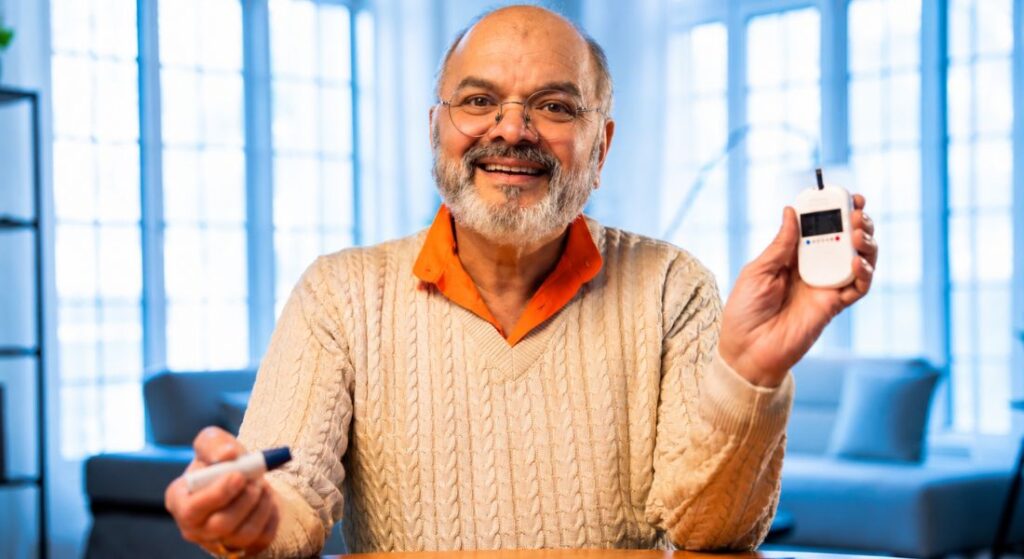
Keeping track of your blood sugar regularly at home is important to ensure levels stay within the target range. Changes in activity or diet after surgery may require adjustments to medications or insulin. By maintaining stable glucose levels, you support healing and lower the risk of complications.
Checking your blood sugar often helps catch spikes or drops early. This lets you take action quickly and feel confident about your recovery. Simple routines like checking at set times each day can make a big difference.
Being proactive with blood sugar management helps you stay in control during recovery. It ensures your body has the best conditions to heal safely and efficiently.
Physical Activity and Exercise
Gentle movement helps after surgery. Short walks around your home or garden improve circulation and digestion, aiding recovery. You don’t need to push yourself small; steps consistently are what matter most.
It’s best to avoid anything strenuous until your surgeon says it’s safe. Overdoing exercise too soon can strain your body and slow recovery. Paying attention to how you feel during activity helps you progress safely.
Regular light activity also boosts your mood and energy levels. Gradually increasing movement over time allows your body to rebuild strength, making the return to normal life smoother and more comfortable.
Managing Infection Risk
Having diabetes can make you more prone to infections after surgery, so it’s important to be extra careful. Keeping your incisions clean and practising good hygiene is the first line of defence. If you notice redness, swelling, discharge, or any unusual changes, it’s best to contact your healthcare team straight away.
Even small signs like a mild fever or discomfort shouldn’t be ignored. Early action can prevent a minor issue from becoming serious, giving you a safer and smoother recovery. Simple steps, like washing hands thoroughly and following wound-care instructions, can make a big difference.
By staying attentive and following advice, you can reduce complications and feel more confident in your healing process. It’s about being proactive rather than reactive, which helps your body recover efficiently.
Lifestyle Adjustments for Recovery
Making small lifestyle adjustments can have a big impact on your recovery. Keeping blood sugar levels stable, avoiding smoking, and eating a nutrient-rich diet all support healing and reduce the risk of complications. These habits give your body the best chance to repair itself effectively.
Consistency matters most. Keeping regular meals, gentle exercise, and good sleep helps your recovery stay on track. Even simple changes can improve long-term functional outcomes.
Approaching recovery with mindful lifestyle choices allows you to take an active role in your healing. Over time, these adjustments help your body regain strength and support lasting wellbeing.
Fatigue and Energy Levels
Feeling tired after surgery is normal, and diabetes can sometimes make fatigue more pronounced. Your body is using a lot of energy to heal, so it’s important to give yourself permission to rest. Short naps or relaxing periods during the day can help recharge your energy.
Gradually resuming daily activities is key. You don’t need to push yourself too quickly start with light tasks and build up as you feel stronger. Paying attention to how your body responds helps prevent overexertion and setbacks.
Monitoring your energy levels over time allows you to plan your days more effectively. Balancing activity with rest supports steady recovery and helps you regain strength safely. This approach ensures your healing process is manageable and sustainable.
Follow-Up Appointments

Regular follow-ups are key. Your doctor checks your incisions, urinary and sexual function, and PSA levels to make sure recovery is on track. These appointments give you a clear picture of how recovery is progressing.
Seeing your doctor at scheduled intervals also allows any complications to be spotted and managed quickly. Even small issues can be addressed before they become serious, giving you reassurance throughout the process.
Keeping up with follow-up visits helps ensure your long-term recovery is safe and effective. It gives both you and your healthcare team confidence that healing is on track.
Emotional Wellbeing
Recovering from surgery while managing diabetes can be stressful, and it’s normal to feel anxious or overwhelmed at times. Sharing your thoughts and concerns with your partner, family, or a counsellor can provide valuable support. Talking openly helps you feel understood and less isolated.
Stress can slow recovery and affect motivation. Relaxation through light exercise, mindfulness, or hobbies helps you stay balanced. Small daily steps to support your mental health contribute to a smoother recovery.
Paying attention to emotional wellbeing is just as important as physical healing. When you address stress early, it enhances overall recovery and helps you regain confidence and energy for everyday life.
Medication Adherence
Taking your medications exactly as prescribed is crucial for a smooth recovery. This includes any diabetes medications, pain relief, and other post-operative prescriptions. Following the plan helps your body heal efficiently and reduces the risk of complications.
It’s a good idea to set reminders or use a pill organiser to make sure doses aren’t missed. If you experience side effects or have concerns about any medication, you should contact your healthcare team promptly.
Consistent adherence allows you to stay on track with recovery and maintain stable blood sugar, manage pain, and support overall healing. Being proactive with medications gives you more control over your post-surgery outcomes.
Managing Expectations
Recovery after surgery doesn’t follow the same timeline for everyone. If you have diabetes, wound healing or regaining full function may take a little longer, but with careful care, most people achieve excellent results. Knowing this helps set realistic expectations and reduces unnecessary worry.
Being patient and understanding that progress may be gradual allows you to focus on steady improvements rather than immediate perfection. Celebrating small milestones along the way can keep motivation high.
Having clear expectations also helps you work closely with your healthcare team. When you understand what’s normal, you can respond appropriately to challenges and stay confident throughout your recovery.
Importance of Multidisciplinary Care

Working with a team of specialists can make a real difference in recovery. Coordination between urologists, endocrinologists, and rehabilitation experts allows for simultaneous monitoring of blood sugar, wound healing, and functional recovery. This team-based approach ensures that every aspect of your health is managed carefully.
For patients with diabetes, having multiple experts involved is especially valuable. Each specialist can focus on their area of expertise while keeping the others informed, reducing the risk of complications.
Being part of a coordinated care plan helps you feel supported and confident in your recovery journey. It ensures that all your needs are addressed, leading to better overall outcomes and smoother healing.
Early Detection of Complications
Noticing changes early can make a big difference in recovery. If you experience fever, unusual pain, urinary problems, or changes at the incision site, it’s important to report them promptly. Acting quickly allows your healthcare team to intervene before problems become serious.
Having clear guidance on what symptoms require attention helps you feel more confident managing your recovery. Knowing when to seek help reduces anxiety and ensures any issues are addressed in time.
Early detection supports a smoother healing process and helps keep your recovery on track. Staying vigilant protects your health and allows for timely treatment if complications arise.
Patient Education and Engagement
Knowing what to expect during recovery allows you to take an active role in your care. Learning about exercises, diet, blood sugar management, and follow-up schedules gives you the tools to support your own healing.
When you understand why each step is important, it becomes easier to stick to routines and make informed decisions. This involvement can boost confidence and reduce anxiety during recovery.
Patients who stay engaged in their care often experience smoother recovery and greater satisfaction with outcomes. Taking responsibility for your health empowers you and helps achieve the best possible results.
Long-Term Recovery Considerations
Regaining urinary continence and sexual function can take several months after surgery. If you have diabetes, recovery may be a little slower, but following rehabilitation exercises and medical advice closely helps improve outcomes. Patience is important steady progress is normal.
Consistency in exercises, medication, and healthy habits makes a noticeable difference over time. Even small, regular efforts contribute to overall recovery and functional improvement.
Approaching long-term recovery with realistic expectations and dedication ensures the best results. Staying committed allows your body to heal fully and helps maintain quality of life in the months following surgery.
FAQs:
1. Can you have prostate cancer surgery if you have diabetes?
Yes. Having diabetes does not usually prevent you from having prostate cancer surgery. Your medical team will assess your overall health and work to optimise your blood sugar levels before the operation. Good diabetes management helps reduce the risk of surgical complications and supports a smoother recovery.
2. Does diabetes increase the risk of complications after prostate cancer surgery?
Yes, diabetes can increase the risk of complications such as infections, slower wound healing, and delayed recovery. High blood sugar levels can affect the body’s natural healing process. Careful monitoring and good glucose control before and after surgery can significantly lower these risks.
3. How can I support my recovery after prostate cancer surgery if I have diabetes?
Maintaining stable blood sugar levels is one of the most important steps you can take during recovery. Follow your prescribed medications, eat a balanced diet, stay hydrated, and gradually increase your physical activity as advised by your surgeon. Attending all follow-up appointments also helps identify and manage any concerns early.
4. Why is blood sugar control so important after prostate cancer surgery?
Blood sugar levels play a major role in how efficiently your body heals after surgery. Poorly controlled diabetes can increase inflammation, delay tissue repair, and raise the likelihood of infection. Keeping glucose levels within your target range supports faster healing and a safer recovery.
5. Will diabetes affect urinary continence recovery?
It can. Some men with diabetes may take slightly longer to regain bladder control because diabetes can affect nerve function and tissue healing. Regular pelvic floor exercises and following your rehabilitation programme can help improve continence over time.
6. Can diabetes delay the recovery of erectile function after surgery?
Yes. Diabetes can affect the nerves and blood vessels responsible for erections, which may make recovery slower after prostate cancer surgery. Nerve-sparing surgery, medications, and penile rehabilitation programmes may help improve long-term outcomes.
7. What signs of infection should I watch for after surgery?
Watch for symptoms such as increasing redness, swelling, warmth, discharge from the incision, fever, chills, or worsening pain. These may indicate an infection that requires prompt medical attention. Contact your healthcare team immediately if you notice any of these warning signs.
8. Is walking recommended after prostate cancer surgery?
Yes. Gentle walking is encouraged soon after surgery because it improves circulation, supports bowel function, and lowers the risk of blood clots. However, strenuous exercise and heavy lifting should be avoided until your surgeon confirms it is safe to resume them.
9. How long does recovery usually take for someone with diabetes?
Recovery varies from person to person and depends on overall health and diabetes control. While some men with diabetes may experience a slightly longer recovery, most continue to improve steadily over several weeks and months. Following your care plan can help achieve the best possible outcome.
10. What can I do to reduce the risk of complications during recovery?
Take all prescribed medications as directed, monitor your blood sugar regularly, and keep your surgical wounds clean and dry. Eat a healthy diet, avoid smoking, and stay physically active within the limits recommended by your healthcare team. Seeking medical advice promptly if any unusual symptoms develop can also help prevent more serious complications.
Final Thoughts: Recovering Well with Diabetes After Prostate Cancer Surgery
Diabetes may make recovery a bit slower, but it doesn’t stop successful outcomes. Keeping blood sugar under control, following your care plan, attending follow-ups, and sticking to healthy habits helps reduce complications and supports long-term recovery. With the right preparation, ongoing medical guidance, and commitment to rehabilitation, most men can achieve excellent results after surgery.
If you would like expert assessment for prostate symptoms, PSA changes, or treatment options, you can contact us at Prostate Clinic London to discuss your first appointment and the next steps in your care.
References:
- Cakmak, S., Canda, A.E., Atmaca, A.F., et al. (2019) ‘Does type 2 diabetes mellitus affect perioperative and functional outcomes after robot-assisted radical prostatectomy?’, Journal of Endourology. Available at: https://pubmed.ncbi.nlm.nih.gov/30648427/
- Pomeshkin, E.V., Shamin, M.V., Bragin-Maltsev, A.I. and Kagan, E.S., 2025. Prediction of erectile dysfunction in patients with localized prostate cancer undergoing radical prostatectomy. Urologiia, (2), pp.56–62. Available at: https://pubmed.ncbi.nlm.nih.gov/40377582/
- Flores, J.M., Thorogood, S., Jenkins, L.C., Miyagi, H., Nelson, C.J., Benfante, N., Schofield, E., Carlsson, S. and Mulhall, J.P., 2024. Does diabetes have a negative impact on erectile function recovery after radical prostatectomy? Urology, 194, pp.327–332. Available at: https://pmc.ncbi.nlm.nih.gov/articles/PMC11625007/
- Drevinskaite, M., Patasius, A., Kincius, M., Urbonas, V. and Smailyte, G., 2021. Retrospective cohort study of androgen deprivation therapy and the risk of diabetes in men with prostate cancer in Lithuania. BMJ Open, 11(7), e045797. Available at: https://pmc.ncbi.nlm.nih.gov/articles/PMC8319979/
- Chou, O.H.I., Lu, L., Chung, C.T., Chan, J.S.K., Chan, R.N.C., Lee, A.Y.H., Dee, E.C., Ng, K., Pui, H.H.H., Lee, S., Cheung, B.M.Y., Tse, G. and Zhou, J., 2025. Comparisons of the risks of new-onset prostate cancer in type 2 diabetes mellitus between SGLT2I and DPP4I users: A population-based cohort study. Diabetes & Metabolism, 51(1), Article 101571. Available at: https://www.sciencedirect.com/science/article/abs/pii/S1262363624000636