



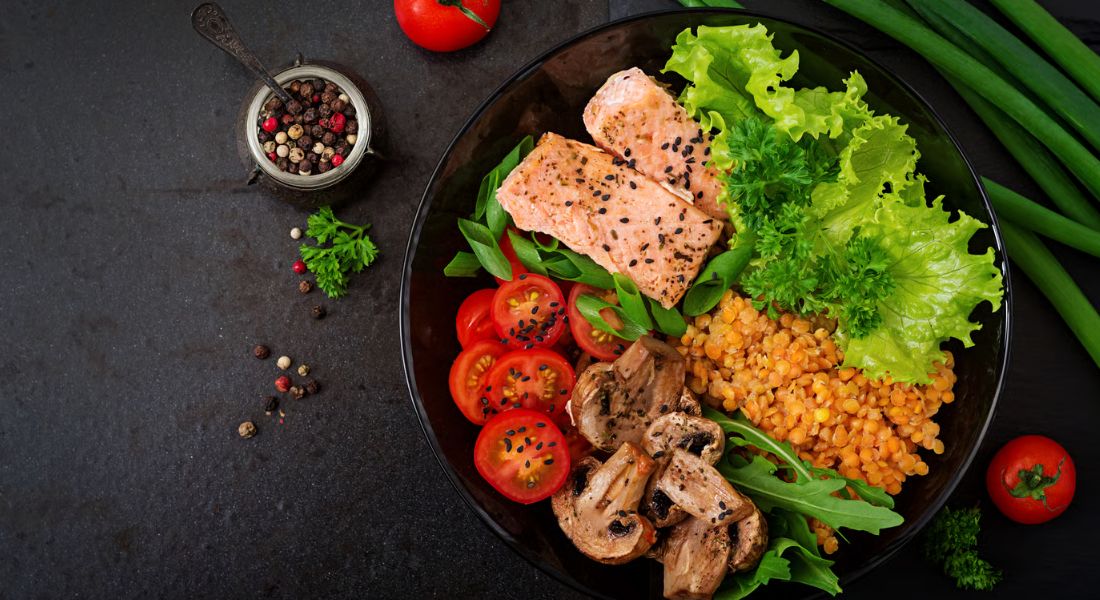
When thinking about prostate health, it is common to look for a single “best” food that can provide protection. You may hear that tomatoes are beneficial, or that green tea, nuts, seeds, oily fish, or vegetables like broccoli may support prostate health. While these foods can certainly be part of a healthy diet, no single food on its own can protect the prostate or prevent disease.
A more effective approach is to focus on your overall eating pattern rather than individual ingredients. A balanced, varied diet supports healthy weight management, heart health, digestion, energy levels, and general wellbeing all of which are closely linked to prostate health over time.
Cancer Research UK explains that, apart from following a generally healthy diet, there is not strong evidence that men with prostate cancer need to specifically eat or avoid particular foods. Instead, the emphasis is placed on maintaining a healthy weight and supporting overall health through long-term lifestyle habits.
So rather than asking, “What single food should I eat for my prostate?”, it is often more useful to ask, “What consistent eating habits can I build that support my long-term health and wellbeing?”
Why Diet Matters for Prostate Health
Diet plays an important role in prostate health, although often in indirect but meaningful ways. It can influence your ability to maintain a healthy weight, support better blood sugar control, reduce the risk of other chronic health conditions, and improve overall wellbeing.
This is particularly relevant because obesity has been linked with a higher risk of more aggressive forms of prostate cancer. The Mayo Clinic notes that people who are obese may have a higher risk of prostate cancer and generally recommends focusing on healthy foods, regular exercise, and weight management as part of prevention and overall health support.
Diet can also have a direct impact on urinary symptoms, especially in men with benign prostate enlargement (BPH). Certain drinks and eating habits may worsen urgency, frequency, or night-time urination in some individuals, making symptom management more difficult.
For this reason, prostate-friendly eating is not only about long-term cancer risk. It is also about improving daily comfort, supporting bladder health, protecting sleep quality, maintaining a healthy weight, and enhancing overall confidence in day-to-day life.
Start With a Plant-Rich Diet
A plant-rich diet is one of the simplest and most sustainable ways to support both prostate health and overall wellbeing. It focuses on increasing the amount of plant-based foods in your daily meals rather than eliminating entire food groups.
This includes vegetables, fruit, beans, lentils, whole grains, nuts, seeds, herbs, and healthy oils. You do not need to become fully vegetarian unless you choose to what matters most is making plant foods a regular and central part of your eating pattern.
Prostate Cancer UK recommends aiming for at least five portions of fruit and vegetables each day, basing meals on high-fibre starchy foods, and including a variety of protein sources as part of a balanced diet. Over time, this approach can support satiety, reduce reliance on processed foods, and make healthy weight management easier.
Prostate-Friendly Foods at a Glance
| Food Group | Examples | Key Nutritional Benefit | How to Include in Diet |
| Vegetables (including cruciferous) | Broccoli, cauliflower, cabbage, kale, Brussels sprouts | Fibre, vitamins, plant compounds that support overall health | Add to stir-fries, curries, soups, or as side dishes |
| Leafy greens | Spinach, lettuce, rocket, watercress, methi | Fibre, micronutrients, low-calorie nutrient density | Use in salads, dals, smoothies, or cooked dishes |
| Fruits (especially berries) | Blueberries, strawberries, apples, oranges, papaya | Antioxidants, fibre, natural sweetness | Eat as snacks, in porridge, yoghurt, or smoothies |
| Beans, lentils & pulses | Lentils, chickpeas, kidney beans, peas | High fibre, plant protein, steady energy release | Add to soups, curries, salads, or replace meat meals |
| Wholegrains | Oats, brown rice, wholemeal bread, quinoa | Supports digestion, weight control, energy balance | Swap refined carbs for wholegrain alternatives |
| Healthy fats | Olive oil, avocado, nuts, seeds | Heart-healthy fats, satiety, nutrient absorption | Use in cooking, dressings, or small snack portions |
| Oily fish | Salmon, mackerel, sardines, trout | Omega-3 fatty acids for overall health | Eat 1–2 times per week if included in diet |
| Nuts & seeds | Walnuts, almonds, flaxseeds, chia seeds | Healthy fats, minerals, fibre | Sprinkle on meals or eat as small snacks |
| Tomatoes | Fresh tomatoes, tomato purée, sauce | Lycopene (plant compound studied in prostate health) | Add to sauces, soups, stews, pasta dishes |
Tomatoes and Lycopene

Tomatoes are one of the most commonly discussed foods for your prostate health. They contain lycopene, a plant compound that gives tomatoes their red colour. Lycopene has been studied for its possible role in prostate health, although it should not be treated as a cure or guaranteed protection.
Tomatoes can still be a useful food for you to include regularly because they are easy to add to meals and fit well into a healthy diet. Cooked tomato products such as tomato sauce, tomato soup, tomato purée, and roasted tomatoes can be especially practical.
Try adding tomatoes to vegetable stews, lentil dishes, wholegrain pasta, soups, omelettes, salads, or grilled fish. The key for you is not just eating tomatoes alone, but including them as part of a balanced pattern with other vegetables and healthy fats.
Broccoli and Cruciferous Vegetables
Broccoli, cauliflower, cabbage, Brussels sprouts, kale, rocket, and bok choy are all known as cruciferous vegetables. These vegetables are naturally rich in fibre, vitamins, minerals, and a range of beneficial plant compounds that contribute to overall nutritional health.
They are especially useful because they help increase the volume and nutrient density of meals without relying on heavily processed or calorie-dense foods. This makes them a practical choice for supporting balanced eating habits and improving overall diet quality.
You can include them in simple, everyday meals without much effort for example, steamed broccoli served with dinner, cabbage added to stir-fries, kale cooked into soups, or cauliflower used in curries or roasted as a side dish. Their versatility makes them easy to incorporate into a wide range of dishes.
You do not need large portions at every meal for them to be beneficial. What matters more is consistency and variety over time, rather than focusing on a single vegetable or forcing yourself to eat the same food every day.
Green Leafy Vegetables
Green leafy vegetables are a valuable part of a prostate-supportive diet because they provide fibre, vitamins, minerals, and a wide range of plant nutrients that support overall health. Common examples include spinach, kale, lettuce, watercress, rocket, coriander, parsley, methi leaves, and other similar greens.
These vegetables are also helpful because they can make meals feel fresher, lighter, and more filling without adding excess calories. This can support better appetite control and make it easier to maintain a balanced eating pattern over time.
You can include leafy greens in many simple ways, such as adding them to soups, dals, curries, salads, smoothies, omelettes, wraps, or side dishes. If raw salads are not appealing, cooked greens are just as beneficial and often easier to tolerate.
The key is to make vegetables practical and enjoyable to include in your daily routine. The aim is not restriction or difficulty, but building a sustainable eating pattern that supports long-term health without making meals feel like a burden.
Berries and Colourful Fruits
Berries are rich in fibre, vitamins, and a range of beneficial plant compounds that support overall nutritional health. Common examples include blueberries, strawberries, raspberries, blackberries, and other similarly colourful fruits.
These fruits can also be a helpful alternative when you want something sweet, as they may reduce the need for sugary snacks while still satisfying cravings in a more nutritious way. This makes them a practical addition to a balanced, prostate-supportive diet.
You can easily include berries in your daily routine by adding them to porridge, yoghurt, smoothies, or simply eating them as a snack on their own. They are versatile and require very little preparation.
If berries are not always affordable or available, other colourful fruits such as oranges, apples, grapes, papaya, pomegranate, kiwi, or guava are excellent alternatives. The most important factor is variety rather than relying on a single “superfood” for benefits.
Oily Fish
Oily fish such as salmon, sardines, mackerel, trout, and herring are rich in omega-3 fatty acids. These fats are commonly associated with heart health and are considered an important part of a balanced, nutrient-rich diet.
For many men, oily fish can also serve as a healthier alternative to processed meats or heavily fried foods. Replacing these less healthy options with fish occasionally can support overall dietary quality and contribute to better long-term health habits.
If you eat fish, it is often suggested to include oily fish around once or twice a week, depending on your individual health needs and dietary preferences. This provides variety while maintaining a balanced approach to nutrition.
If you do not eat fish, it is still entirely possible to follow a healthy, prostate-supportive diet. Plant-based foods such as beans, lentils, nuts, seeds, olive oil, vegetables, and whole grains can provide excellent nutritional support. A good diet should always be flexible enough to fit your culture, budget, and personal preferences.
Nuts and Seeds

Nuts and seeds can be a valuable part of a healthy, prostate-supportive diet when included in sensible amounts. They are nutrient-dense foods that provide healthy fats, fibre, minerals, and plant-based protein, all of which contribute to overall nutritional balance.
Examples include almonds, walnuts, pistachios, pumpkin seeds, sunflower seeds, flaxseeds, chia seeds, sesame seeds, and hemp seeds. These can easily be incorporated into everyday meals without requiring major dietary changes.
They are very versatile in practical use. You can sprinkle seeds over porridge or salads, add nuts to yoghurt, mix ground flaxseed into smoothies, or simply keep a small handful of unsalted nuts as a convenient snack.
However, portion control is important because nuts and seeds are calorie-dense. A small, regular amount is generally more appropriate than large servings, helping you gain nutritional benefits without unintentionally increasing overall calorie intake.
Beans, Lentils and Pulses
Beans, lentils, chickpeas, peas, and other pulses are excellent everyday foods that can play a key role in a balanced, prostate-supportive diet. They are naturally rich in fibre, plant-based protein, minerals, and slow-releasing carbohydrates that help maintain steady energy levels.
These foods are also useful because they can help reduce how often you rely on red or processed meat, without compromising on fullness or nutritional value. This makes them a practical option for improving overall diet quality in a gradual and sustainable way.
You can include them easily in a variety of meals, such as adding lentils to soups, beans to salads, chickpeas to curries, or incorporating dals as a regular part of your diet. They are highly versatile and work well in both traditional and modern cooking styles.
Another advantage is that pulses are generally filling and affordable, which makes them easier to maintain as a long-term habit. A prostate-supportive diet does not need to be expensive or complicated—it should simply be practical, balanced, and sustainable over time.
Wholegrains and High-Fibre Carbohydrates
Wholegrains can play an important role in supporting digestion, healthy weight management, and steady energy levels throughout the day. They provide more fibre and nutrients compared with refined carbohydrate sources.
Good options include oats, brown rice, wholemeal bread, wholegrain pasta, barley, quinoa, millets, and wholegrain cereals. These foods are versatile and can be included in a wide range of everyday meals without requiring major changes to your diet.
High-fibre carbohydrates can also help you feel fuller for longer and support regular bowel movements. This is particularly relevant because constipation can sometimes worsen urinary symptoms by increasing pressure on the bladder.
A simple and practical approach is to swap some refined carbohydrates for wholegrain alternatives where possible. You do not need to eliminate carbohydrates completely focusing on higher-quality choices most of the time is usually enough to make a meaningful difference to overall health.
Olive Oil and Healthy Fats
Olive oil is often included in Mediterranean-style eating. It can be used in salads, cooked vegetables, soups, or simple home-cooked meals. Healthy fats can also come from nuts, seeds, avocado, and oily fish. These are usually better choices than frequent fried foods, processed snacks, and foods high in saturated or trans fats.
Mayo Clinic advises choosing healthy foods such as fruits, vegetables, and whole grains, limiting animal fats, exercising regularly, and maintaining a healthy weight to support prostate cancer risk reduction. This does not mean you must avoid every enjoyable food. It means your everyday fat choices should mostly come from healthier sources.
Green Tea
Green tea is often mentioned in discussions around prostate health because it contains plant compounds known as catechins, which are being studied for their potential health effects. It can be included as part of a balanced diet, particularly if it helps replace sugary drinks or other less healthy beverage choices.
However, green tea should not be considered a treatment for prostate conditions or a substitute for medical care. It is also important to remember that it naturally contains caffeine (unless decaffeinated), which may affect some individuals differently.
If you experience urinary urgency, frequency, or night-time urination, caffeine can sometimes make these symptoms worse. For this reason, green tea may be suitable for some people but less appropriate for others, depending on their bladder sensitivity and overall symptoms.
Water and Sensible Hydration

Water is essential for your overall health, but hydration should be balanced and practical, especially for you if you are experiencing urinary symptoms. Some men reduce their fluid intake too much because they are worried about needing to use the toilet frequently.
However, drinking too little can actually make urine more concentrated, which may irritate your bladder and potentially worsen urinary symptoms in some cases. This is why avoiding dehydration is just as important as managing fluid timing.
A more balanced approach for you is to drink enough fluids during the day while reducing intake in the evening, particularly before bedtime or long journeys if night-time urination or urgency is an issue. The National Institute of Diabetes and Digestive and Kidney Diseases advises that men with BPH may reduce urinary frequency by limiting drinks before outings or sleep, and by reducing alcohol and caffeine intake where appropriate.
This approach helps you maintain good hydration while still giving better control over urinary symptoms, supporting comfort and daily quality of life without unnecessary restriction.
The Mediterranean Diet as a Useful Model
The Mediterranean diet is a useful model for your prostate health because it focuses on your overall pattern of eating rather than any single food. It usually includes vegetables, fruits, wholegrains, beans, lentils, nuts, seeds, olive oil, herbs, and fish.
It tends to limit processed meats, refined snacks, sugary foods, and heavy fried meals. This pattern is practical for you because it is not based on one miracle ingredient. Instead, it is built around simple meals that support heart health, weight control, digestion, and overall wellbeing. For your prostate health, this is a sensible long-term approach that is easier to maintain and more realistic than short-term restrictive diets.
Foods to Limit: Processed Meats
Processed meats are foods worth limiting as part of a prostate-supportive and overall healthy diet. This category includes items such as bacon, sausages, salami, ham, processed burgers, and other ready-to-eat meat products.
These foods are often high in salt, saturated fat, and preservatives, and frequent consumption can make it more difficult to maintain a healthy weight. Since weight management is an important factor in overall health, reducing reliance on processed meats can be a practical dietary step.
You do not need to completely avoid these foods or worry about occasional consumption, but they should not form a regular or daily part of your meals. Instead, they are better kept as occasional choices.
More frequent swaps can include options such as fish, chicken, eggs, beans, lentils, tofu, or vegetable-based meals, which generally provide better nutritional balance and support long-term health goals.
Foods to Limit: High-Fat Processed Foods
High-fat processed foods can make it more difficult to maintain a healthy weight, especially when they are eaten frequently. This category includes fried fast food, crisps, pastries, processed snacks, and many takeaway meals.
These foods are often high in calories but relatively low in essential nutrients compared with whole, minimally processed foods. Over time, regular intake can affect energy balance and make healthy weight management more challenging.
If these foods are a regular part of your diet, gradually reducing how often you eat them can support better weight control, more stable energy levels, and improved overall health.
The Mayo Clinic’s cancer prevention advice recommends focusing on plant-based foods such as fruits, vegetables, whole grains, and beans, while limiting red and processed meats, refined grains, saturated fats, trans fats, and foods high in calories, fats, and added sugars. This is about improving overall dietary patterns rather than strict avoidance. The goal is not perfection. It is about making your usual everyday diet more balanced, more nutrient-richer, and more supportive of long-term health.
Alcohol and Prostate Symptoms
Alcohol can worsen urinary symptoms in some men. It may increase urine production and also irritate the bladder, which can lead to increased frequency, urgency, and a stronger need to urinate.
If you already experience night-time urination, drinking alcohol in the evening may make the problem more noticeable by increasing the likelihood of waking during the night to pass urine. This can further disrupt sleep and overall rest quality.
Reducing alcohol intake can also support other areas of health, including weight management, sleep quality, liver function, and general wellbeing. These benefits can indirectly contribute to better prostate and urinary health as well.
You may not need to stop alcohol completely unless your doctor advises it, but if urinary symptoms are affecting your daily life, reviewing your alcohol intake is often one of the first and most useful lifestyle adjustments to consider.
Caffeine and Urinary Symptoms
Caffeine can have an impact on bladder symptoms in some men. It is found in drinks such as coffee, tea, cola, energy drinks, and even some types of green tea.
The Mayo Clinic advises reducing caffeine and alcohol intake, as these substances can increase urinary frequency and make you feel like you need to urinate more often. It also recommends focusing on a balanced diet rich in fruits and vegetables, along with regular physical activity most days of the week.
If you experience urgency, frequent urination, or night-time urination, it may be helpful to reduce caffeine intake for two to three weeks and observe whether your symptoms improve. This simple trial can sometimes help identify whether caffeine is contributing to your bladder symptoms.
You can replace caffeinated drinks with decaffeinated tea or coffee, herbal teas, or water. While this adjustment does not work for everyone, it is a straightforward and low-risk change that may provide noticeable improvement for some individuals.
Spicy and Acidic Foods
Some men notice that spicy foods, citrus drinks, fizzy drinks, or other acidic foods can irritate the bladder and worsen urinary symptoms. However, this sensitivity is not the same for everyone, and responses can vary widely from person to person.
If you are experiencing urinary symptoms, it can be helpful to keep a short food and drink diary. Recording what you eat and drink, along with when symptoms become worse and how often you wake at night, can make it easier to identify possible personal triggers.
This approach allows you to understand your own pattern rather than making unnecessary restrictions. You do not need to eliminate foods blindly unless you clearly notice a consistent link or your doctor specifically advises dietary changes.
Do Supplements Help Prostate Health?
Supplements are widely marketed for prostate health, and you may come across products containing ingredients such as saw palmetto, zinc, selenium, lycopene, pumpkin seed, or various herbal blends. These are often promoted as supportive options for urinary symptoms or prostate wellbeing.
However, the scientific evidence behind many of these supplements is mixed, and results can vary significantly depending on the product, dose, and individual response. Quality control is also inconsistent, meaning different brands may not contain the same active ingredients or levels.
Cancer Research UK highlights that there is not strong evidence that men with prostate cancer need to specifically eat or avoid certain foods or rely on supplements. Instead, the focus is placed on maintaining a healthy diet and body weight as more important long-term factors for overall health.
It is also important to remember that supplements can sometimes interact with prescribed medications or create a false sense of security, delaying proper medical assessment. For this reason, it is advisable to speak to a doctor before starting any supplement, especially if you have urinary symptoms, a raised PSA, a history of prostate cancer, or are taking regular medication.
Food Cannot Replace Medical Checks
Diet can support overall health, but it cannot diagnose or rule out prostate problems. Eating well may improve general wellbeing, but it does not replace proper medical assessment when symptoms are present.
If you have symptoms such as urinary difficulties, blood in the urine, a raised PSA, prostate pain, unexplained weight loss, bone pain, or repeated infections, it is important to seek medical advice. These signs need investigation to understand the underlying cause.
No food or supplement can confirm or exclude conditions such as BPH, prostatitis, infection, or prostate cancer. Medical tests like PSA assessment, prostate examination, MRI, or biopsy are essential when recommended, so diet should always be seen as supportive rather than a replacement for care.
Best Breakfast Ideas for Prostate Health
A prostate-friendly breakfast does not need to be complicated or restrictive. The focus is simply on starting the day with balanced, nutrient-rich foods that provide fibre, protein, and steady energy.
You could choose porridge topped with berries, ground flaxseed, and a small handful of nuts, or wholegrain toast with avocado and tomatoes. If dairy suits you, yoghurt with fruit and seeds is another simple option that works well for many people.
Depending on your usual eating habits, you might also include savoury options such as vegetable upma, oats chilla, or a vegetable omelette. These meals can be adapted easily to include more vegetables and whole foods.
The main goal is to avoid starting the day with heavily processed or sugary foods, and instead focus on balanced choices that support satiety, energy levels, and overall long-term health.
Best Lunch Ideas for Prostate Health
Lunch can be simple, balanced, and satisfying without needing complicated recipes or strict rules. The aim is to include a good mix of vegetables, protein, and high-fibre carbohydrates to support fullness and steady energy.
You could choose options such as lentil soup with wholegrain bread, a bean salad with olive oil, grilled fish with vegetables, or brown rice with dal and a side salad. These meals naturally combine fibre, protein, and healthy fats, which support overall dietary balance.
Another helpful approach is to build your plate around three key components: vegetables for fibre and nutrients, a protein source such as beans, lentils, fish, eggs, or chicken, and a high-fibre carbohydrate like whole grains. This makes it easier to create balanced meals consistently.
If you eat at work or outside the home, a little planning can make a big difference. Even a simple homemade lunch is usually a better option than relying on processed takeaway foods every day, especially when it comes to long-term health and weight management.
Best Dinner Ideas for Prostate Health
Dinner is a good opportunity to include a balanced mix of vegetables and protein, helping support overall nutrition and long-term health. Keeping meals simple and consistent is often more effective than trying to follow strict rules.
You might choose meals such as a tomato-based vegetable stew, grilled fish with leafy greens, lentil curry with brown rice, chickpea salad, or wholegrain pasta with tomato sauce and vegetables. These options naturally combine fibre, protein, and nutrient-rich ingredients.
It can also help to keep heavy fried foods and very large late-night meals less frequent, especially if you experience night-time urinary symptoms or reflux. Eating earlier in the evening may also support more comfortable digestion and sleep.
If you wake often at night to pass urine, it can be useful to monitor how much fluid you drink close to bedtime. The key is not perfection, but choosing meals that are healthy, practical, and sustainable enough to repeat regularly.
Snack Ideas That Support Better Eating
Snacks can either support your overall diet or gradually work against it depending on what you choose. The aim is to pick options that provide more nutrients and keep you fuller for longer.
Better snack choices include fruit, unsalted nuts, yoghurt, roasted chickpeas, vegetable sticks with hummus, boiled eggs, or a small bowl of sprouts. These options tend to be more filling and nutritionally balanced compared with biscuits, crisps, sweets, and fried snacks.
You do not need to completely avoid treats or follow a strict approach. However, if most of your snacks are highly processed or sugary, making gradual changes can have a meaningful impact over time. Small, realistic swaps are often easier to maintain than strict restrictions and can still lead to noticeable improvements in overall diet quality.
Eating for Weight Control
Weight control is one of the most important ways in which diet can influence your prostate health. Maintaining a healthy weight may help reduce the risk of aggressive or advanced prostate cancer, while also supporting your overall physical and mental wellbeing.
The most effective eating pattern is one that you can realistically follow over the long term. This usually includes adequate protein intake, plenty of fibre from plant-based foods, sensible portion sizes, fewer sugary drinks, reduced intake of highly processed foods, and regular physical activity.
Extreme or highly restrictive diets often fail because they are difficult for you to maintain in everyday life. While they may show short-term results, they are rarely sustainable and can lead to rebound eating patterns over time.
A steady, balanced approach may feel slower, but it is generally more reliable and sustainable for you. Over time, consistent habits are more effective than short bursts of strict dieting when it comes to supporting weight control and long-term health.
Eating When You Have BPH Symptoms
If you have symptoms of benign prostate enlargement (BPH), diet can play a supportive role in improving urinary comfort. Some men may benefit from reducing caffeine, alcohol, fizzy drinks, and large amounts of fluid in the evening, as these can sometimes increase urgency and night-time urination.
Bowel health is also important because constipation can worsen urinary symptoms by increasing pressure on the bladder. A fibre-rich diet that includes vegetables, fruits, whole grains, beans, lentils, nuts, and seeds can help support regular bowel movements and overall digestive function.
While these dietary changes may help, they are not always enough on their own. If symptoms persist or begin to affect sleep, work, travel, or quality of life, it is important to speak to a doctor for proper assessment and guidance.
Eating After a Prostate Cancer Diagnosis
If you have been diagnosed with prostate cancer, it is natural to feel pressure to make immediate and significant changes to your diet. This is a common reaction, as many people look for ways to regain a sense of control during a challenging time.
However, Cancer Research UK explains that there is no strong evidence that men with prostate cancer need to eat or avoid specific foods. Instead, the emphasis is placed on maintaining a healthy, balanced diet that supports overall health, including weight management and general wellbeing.
This means the focus should be on balanced eating patterns rather than strict or fear-based dietary rules. In most cases, a varied diet that includes a range of whole foods is more beneficial than trying to follow overly restrictive plans.
If you are losing weight, struggling with appetite, or beginning treatment, it is important to speak with your medical team. They can advise whether you need personalised support from a dietitian, as nutritional needs may change depending on the type and stage of treatment.
Is Dairy Bad for the Prostate?
Dairy is often discussed online, but the evidence is mixed. Mayo Clinic notes that some studies found the highest intake of milk, cheese, yoghurt and other dairy products was linked with the highest prostate cancer risk, but study results are mixed and the risk linked to dairy is thought to be small.
This does not mean every man must completely avoid dairy. If you eat dairy, choose sensible portions and avoid making high-fat dairy the centre of every meal. If you have specific prostate cancer concerns, ask your doctor or dietitian for personalised advice. Avoid extreme changes based only on internet claims.
Is Red Meat Bad for the Prostate?
Red meat is not something every man must remove completely. However, frequent large portions of red meat and processed meats may make it harder to maintain a healthy overall diet. A sensible approach is to reduce processed meats and vary your protein sources.
Include more fish, beans, lentils, chickpeas, eggs, poultry, tofu, nuts, and seeds. If you eat red meat, keep portions moderate and avoid pairing it constantly with fried sides or refined carbohydrates. This makes the whole meal healthier without making your diet feel extreme.
Is Soy Good or Bad for Prostate Health?
Soy foods include tofu, tempeh, edamame, soy milk, and soybeans. These foods are often discussed in relation to prostate health, and you may come across mixed or conflicting information about their effects.
In general, whole soy foods can be included as part of a balanced diet for many men. They provide plant-based protein and can be a useful alternative to processed or red meats in some meals, supporting a more varied and nutrient-rich eating pattern.
If you enjoy soy, it is usually best to consume it in normal food portions as part of everyday meals, rather than relying on high-dose supplements or concentrated extracts. Whole foods are generally considered a safer and more balanced approach than isolated supplements. If you have a medical condition, are undergoing treatment, or are unsure whether soy is appropriate for you, it is always best to seek advice from your doctor or dietitian.
Do You Need a Special Prostate Diet?
Most men do not need a strict or specialised “prostate diet”. Instead, the most important approach is to follow a healthy, balanced, and sustainable way of eating that can be maintained long term.
This typically includes plenty of vegetables and fruit, high-fibre carbohydrates, healthy fats, adequate protein, and a reduced intake of heavily processed foods. It is also helpful to pay attention to fluid choices if you experience urinary symptoms, as drinks like caffeine and alcohol may influence frequency or urgency in some men.
Rather than focusing on restrictive rules, the goal is to build an eating pattern that supports overall health and can realistically fit into your everyday life. Diets that feel too strict are often difficult to maintain, while simple and flexible habits are more likely to be effective over time.
How to Build a Prostate-Friendly Plate
A simple plate method can make healthy eating easier and more practical without needing to count calories or nutrients. It helps you create balanced meals that support overall health, including prostate health.
Start by filling around half your plate with vegetables or salad. This increases fibre, vitamins, and overall meal volume, which can help with fullness and weight control.
Next, add a quarter of your plate as a protein source, such as fish, lentils, beans, eggs, chicken, tofu, or yoghurt. Then use the remaining quarter for high-fibre carbohydrates like brown rice, wholegrain bread, oats, millets, sweet potato, or wholegrain pasta.
You can also include healthy fats in sensible amounts, such as olive oil, nuts, or seeds. This approach is simple, flexible, and easier to maintain, while naturally supporting better meal balance and long-term health.
Practical Weekly Food Habits
You can support prostate health through a set of simple, repeatable weekly habits rather than complicated rules or strict diets. Consistency is more important than perfection when it comes to long-term results.
Try to eat vegetables every day and include fruit on most days. Aim to use beans or lentils several times a week, as these can easily replace more processed or heavy meat-based meals. If you eat fish, including oily fish a couple of times weekly can also be a helpful habit.
Nuts and seeds can be included in small portions as part of meals or snacks, while processed meats and fried snacks are best limited rather than eaten regularly. If you experience urinary symptoms, reducing caffeine or alcohol may also help improve comfort and sleep quality.
Finally, drink fluids sensibly without unnecessarily restricting water intake. These simple habits may seem small on their own, but when followed consistently over time, they can have a meaningful impact on overall health and wellbeing.
When to Speak to a Doctor

You should speak to a doctor if you experience urinary symptoms such as a weak urine flow, difficulty starting urination, urgency, frequent urination, waking at night to pass urine, dribbling, or a feeling that your bladder is not fully emptying.
You should seek medical advice sooner if you notice more concerning signs such as blood in the urine, fever, pain, repeated urinary infections, sudden inability to pass urine, unexplained weight loss, bone pain, or a raised PSA level.
While diet and lifestyle changes can support overall health, they should never delay proper medical assessment. Nutritional improvements may help with symptoms in some cases, but they cannot identify or rule out underlying conditions. If something feels different, persistent, or worrying, it is always best to get checked by a doctor early.
When Specialist Prostate Assessment May Help
Specialist prostate assessment may be helpful if your symptoms are persistent, worsening, or beginning to affect your quality of life. This is often the point where a more detailed evaluation is needed to understand the underlying cause.
It may also be recommended if your PSA level is raised, your prostate examination is abnormal, or you experience repeated urinary tract infections. In these situations, further investigation can help clarify whether the symptoms are related to BPH, infection, prostatitis, bladder issues, or prostate cancer.
A specialist may suggest a range of tests depending on your symptoms, including urine analysis, PSA monitoring, bladder scans, MRI, cystoscopy, or biopsy where appropriate. These investigations are chosen based on individual risk and clinical findings.
Importantly, you do not need to wait for symptoms to become severe before seeking advice. Early assessment can often reduce anxiety, provide clearer answers, and help you decide on the most appropriate next steps for your care.
Speak to Our Specialist
If you are concerned about prostate health, diet, urinary symptoms, or PSA results, speaking to a specialist can help provide clarity and reassurance. Many men find it useful to discuss their symptoms and concerns with a professional rather than relying on general advice alone.
You may want guidance on which foods support prostate health, whether caffeine could be worsening urinary symptoms, whether your PSA level needs further follow-up, or whether your symptoms are suggestive of BPH or another condition.
A specialist can help you separate evidence-based lifestyle advice from common myths or conflicting information found online. They can also explain when diet and lifestyle changes are sufficient, and when medical tests or treatment may be necessary. You do not have to navigate these concerns alone. Early advice can help you understand your situation more clearly and make more confident decisions about your health.
FAQs:
1. What foods are best for supporting prostate health?
Foods that may support prostate health include tomatoes, broccoli, leafy greens, berries, beans, lentils, whole grains, nuts, seeds, and oily fish. These foods support overall health by improving weight management, heart health, digestion, and nutrient intake. Rather than relying on one “best food,” it is more effective to follow a balanced, varied diet over time.
2. Can any single food prevent prostate problems?
No single food can prevent prostate conditions such as prostate enlargement or prostate cancer. While certain foods like tomatoes or green vegetables are often discussed, there is no strong evidence that one ingredient alone provides protection. A long-term healthy eating pattern is far more important than focusing on specific foods.
3. What is a prostate-friendly diet in simple terms?
A prostate-friendly diet is usually a plant-rich eating pattern similar to the Mediterranean diet. It includes vegetables, fruits, whole grains, legumes, nuts, seeds, and healthy fats like olive oil, with moderate amounts of fish, poultry, or dairy. It also limits processed foods, excess sugar, and unhealthy fats.
4. Are tomatoes really good for prostate health?
Tomatoes contain lycopene, a natural plant compound that has been studied in relation to prostate health. Cooked tomato products such as sauces, soups, and purées may be easier for your body to absorb. However, tomatoes should be seen as part of a healthy diet, not as a treatment or prevention method on their own.
5. Do green vegetables help improve prostate health?
Yes, green vegetables such as broccoli, kale, spinach, cabbage, and Brussels sprouts are rich in fibre, vitamins, minerals, and plant compounds. They support overall health and may contribute to better long-term wellbeing. They are most beneficial when included regularly as part of a varied diet.
6. Is oily fish beneficial for prostate health?
Oily fish like salmon, sardines, mackerel, and trout provide omega-3 fatty acids, which are important for heart health and overall body function. While they are not a direct treatment for prostate conditions, they are considered a healthy protein source that can support a balanced diet and help replace processed meats.
7. Should red meat be avoided for prostate health?
You do not need to completely avoid red meat. However, it is recommended to limit processed meats such as bacon, sausages, and ham, and reduce frequent large portions of red meat. Replacing some meat meals with fish, beans, lentils, or plant-based proteins can improve overall diet quality.
8. Are nuts and seeds good for prostate health?
Nuts and seeds are nutrient-dense foods that provide healthy fats, fibre, protein, and essential minerals. Options like almonds, walnuts, flaxseeds, chia seeds, and pumpkin seeds can be included in small portions as part of a balanced diet. Because they are high in calories, portion control is important.
9. Can diet help with urinary symptoms from BPH?
Diet can help manage urinary symptoms linked to benign prostate enlargement (BPH), but it does not cure the condition. Reducing caffeine, alcohol, and late-evening fluid intake may improve urgency, frequency, and night-time urination. However, persistent symptoms should always be assessed by a doctor.
10. Do I need a special or strict prostate diet?
Most people do not need a strict “prostate diet.” Instead, a flexible and balanced eating pattern focused on whole foods is more effective and sustainable. Long-term habits such as eating more plant foods, maintaining a healthy weight, and reducing processed foods are more important than rigid dietary rules.
Final Thoughts on Best Foods for Prostate Health
Looking after your prostate health is not about following strict rules or relying on a single food or supplement. It is about building steady, realistic habits that support your overall wellbeing over time, including a balanced diet, regular activity, and sensible lifestyle choices.
Small, consistent changes such as improving your diet quality, staying active, managing weight, and being mindful of urinary triggers can all make a meaningful difference when maintained long term. The key is to focus on what you can sustain rather than short-term fixes. If you are concerned about prostate cancer treatment clinic in London, you can get in touch with us to arrange a consultation.
References:
- Applegate, C.C., Rowles, J.L. and Erdman, J.W. (2019) Can Lycopene Impact the Androgen Axis in Prostate Cancer? A Systematic Review of Cell Culture and Animal Studies, Nutrients, 11(3), p. 633. Available at: https://www.mdpi.com/2072-6643/11/3/633
- Ilic, D. et al. (2012) Lycopene for the prevention and treatment of benign prostatic hyperplasia and prostate cancer: a systematic review, Maturitas, 72(4), pp. 269–276. Available at: https://www.sciencedirect.com/science/article/abs/pii/S0378512212001600
- Rowles, J.L. et al. (2017) Increased dietary and circulating lycopene are associated with reduced prostate cancer risk: a systematic review and meta-analysis, Prostate Cancer and Prostatic Diseases. Available at: https://www.sciencedirect.com/science/article/pii/S0965229922000036
- Giovannucci, E. (2007) A Review of Epidemiologic Studies of Tomatoes, Lycopene, and Prostate Cancer Journal of the National Cancer Institute, 99(10), pp. 700–710. Available at: https://pmc.ncbi.nlm.nih.gov/articles/PMC8939370
- Moran, N.E. et al. (2022) Tomatoes, Lycopene, and Prostate Cancer: What Have We Learned from Experimental Models? Journal of Nutrition, 152(6), pp. 1381–1403. Available at: https://pubmed.ncbi.nlm.nih.gov/35278075/