




You can live a full and active life without a prostate. The prostate is not essential for everyday survival, but radical prostatectomy permanently prevents semen ejaculation and natural conception and may affect urinary control, erections and orgasm.
Recovery varies considerably. Your age, general health, urinary and erectile function before surgery, cancer location, surgical technique and whether one or both erection-related nerve bundles can be preserved may all influence your experience.
Why Is the Prostate Removed?
Radical prostatectomy removes the prostate as a treatment for prostate cancer when surgery is considered appropriate. The seminal vesicles are normally removed at the same time.
Pelvic lymph nodes may also be removed when there is a meaningful risk that cancer has reached them. The exact operation depends on the cancer’s location, stage and overall risk.
Can Your Body Function Without a Prostate?
Yes. The prostate mainly produces fluid that forms part of semen, so you can still urinate, exercise, work and carry out normal daily activities without it after recovery.
Surgery changes your urinary and reproductive anatomy, but the prostate itself is not essential for life.
What Is Early Recovery Like?
During the first few days after surgery, it is common to feel tired and to have some abdominal discomfort. You may also notice bruising, bloating and reduced mobility.
Gentle walking is usually encouraged to support circulation and recovery, but you will still need plenty of rest. Heavy lifting and strenuous activity should be avoided while your tissues heal.
Will You Need a Catheter?
A urinary catheter is usually left in place while the connection between your bladder and urethra heals after surgery. The timing of removal varies, although it is commonly removed around one to two weeks after surgery, depending on your healing and the pathway used by your surgical team.
- Healing support: The catheter allows urine to drain while the bladder and urethra connection recovers
- Removal timing: The length of time the catheter stays in place depends on your recovery and your surgeon’s advice
- Catheter care: Your hospital team will explain how to empty the bag and look after the catheter properly
- Warning signs: You should know how to recognise possible blockage, leakage or signs of infection
- Follow-up checks: Your team will advise when the catheter can be safely removed and whether any review is needed
Having a catheter temporarily after surgery is a common part of recovery and helps protect the healing area. Following your care instructions and contacting your healthcare team if you notice problems can support a smoother recovery.
When Should You Seek Urgent Help?
Contact your surgical team immediately if the catheter stops draining, falls out or appears blocked, particularly if your bladder feels painfully full. Do not attempt to remove, flush or reinsert the catheter yourself unless your surgical team has specifically instructed you to do so, because the new connection between the bladder and urethra is still healing.
Fever, worsening pain, foul-smelling urine, large blood clots or increasing redness or discharge from a wound also require prompt advice. Seek emergency help for sudden breathlessness, chest pain or painful swelling in one leg, as these may be signs of a blood clot.
Is Urinary Leakage Normal?
Urinary leakage is common when the catheter is first removed. You may notice leakage when standing, walking, coughing, sneezing, lifting or exercising because surgery temporarily changes the support and control mechanisms around the urethra and urinary sphincter.
Control commonly improves during the following weeks and months, although the recovery time varies. Pelvic floor exercises and absorbent pads can help during this stage, and persistent or severe leakage should be discussed with your clinical team.
Some men continue to have bothersome leakage after a year, and persistent symptoms should be assessed rather than simply accepted.
Does Bladder Control Improve?
Urinary control commonly improves during the weeks and months after catheter removal. Recovery is gradual, and leakage may initially occur with standing, coughing, walking, exercise or other activities that increase abdominal pressure.
Some men continue to have bothersome leakage after a year. Your individual outcome depends on factors including baseline urinary function, age, anatomy, surgical technique and recovery of the urinary sphincter.
How Do Pelvic Floor Exercises Help?

Pelvic floor exercises strengthen the muscles involved in urinary control. Starting them before surgery and restarting them after catheter removal may support earlier continence recovery.
Correct technique is important because repeatedly tightening the wrong muscles may not help. Ask for assessment by a pelvic health physiotherapist or continence specialist if you are uncertain how to perform the exercises or leakage is not improving.
What If Leakage Does Not Settle?
Persistent or troublesome leakage should be assessed to determine whether it is caused mainly by stress incontinence, urinary urgency, narrowing of the urinary tract or another bladder-emptying problem. Management may include supervised pelvic floor muscle training, bladder training when urgency is present, appropriate continence products and treatment of any underlying urinary abnormality.
If severe stress incontinence remains troublesome despite conservative treatment, referral to a specialist continence surgeon is appropriate. An artificial urinary sphincter is an established option, while other procedures may be considered according to the type and severity of leakage, previous treatment and specialist assessment.
What Happens to Erections?
Erection difficulties are common after radical prostatectomy because the nerve bundles involved in erections lie very close to the prostate. Even when they are preserved, temporary injury and inflammation can prevent normal erections during early recovery.
Improvement may continue for up to two years or longer, but previous erectile function is not always regained. Age, baseline erections, other health conditions and whether one or both nerve bundles were preserved influence the outcome.
What Is Nerve-Sparing Surgery?
Nerve-sparing surgery aims to preserve one or both nerve bundles involved in erections. It may be considered when their location in relation to the cancer makes preservation oncologically appropriate.
Cancer control takes priority, and a nerve bundle may need to be removed when cancer is close to or involving it. Nerve preservation improves the possibility of erectile recovery but cannot guarantee it.
Can Erectile Dysfunction Be Treated?

Treatments for erectile dysfunction include PDE5 inhibitor tablets, vacuum erection devices, penile injections and, in selected cases, a penile prosthesis. The most appropriate option depends on your nerve-sparing status, general health, recovery and preferences.
Penile rehabilitation aims to support blood flow, maintain penile tissue and enable sexual activity during recovery. Evidence does not show that any programme can guarantee the return of unassisted natural erections.
Treatment Options for Erectile Dysfunction
| Treatment Option | How It Works | When It May Help | Important Considerations |
| Tablets | Medicines improve blood flow to help achieve erections | Often used during recovery after surgery | Effectiveness depends on nerve function and health |
| Vacuum erection devices | Creates suction to increase blood flow into the penis | Can support erections and penile rehabilitation | Requires regular use and correct technique |
| Penile injections | Medicine is injected to produce an erection | Used when tablets are not effective | Requires guidance from a healthcare professional |
| Penile implants | A device is surgically placed to create erections | Considered when other treatments are unsuccessful | Usually discussed after other options |
| Penile rehabilitation | Uses treatments to support blood flow and penile tissue health | May begin after surgery as advised | Timing depends on your individual recovery |
| Personalised treatment plan | Combines your health, recovery and preferences | Helps choose the most suitable option | Your specialist can guide your choices |
Can You Still Have an Orgasm?
Many men can still experience orgasm after radical prostatectomy, even without an erection. However, orgasm may feel weaker, stronger, shorter, delayed or different from before surgery, and some men have difficulty reaching orgasm.
Urine leakage during orgasm is known as climacturia. Some men also experience urine leakage during sexual arousal, known as arousal incontinence. These problems may improve with time, and pelvic floor muscle training, emptying your bladder before sex or specialist sexual-health support may help if they remain troublesome.
Will You Still Ejaculate?

You will no longer release semen after radical prostatectomy because the prostate and seminal vesicles have been removed and the sperm-carrying tubes have been disconnected. This permanent change is commonly called a dry orgasm.
Orgasm and sexual pleasure may still be possible, but natural conception is no longer possible after the operation.
How Does Surgery Affect Fertility?
Radical prostatectomy permanently prevents natural conception because no semen is ejaculated. Your testes may continue producing sperm, but the sperm can no longer leave your body through ejaculation.
If having biological children may be important, ask about sperm storage before surgery. Fertility options should be discussed before treatment because sperm banking is simpler before the operation.
Does Prostate Removal Lower Testosterone?
Removing your prostate does not usually stop testosterone production because testosterone is mainly made by your testes. Your beard growth, voice and other male characteristics should not change simply because your prostate has been removed.
Your testosterone levels may decrease if you also receive hormone therapy as part of your prostate cancer treatment. This is a separate treatment effect and should be discussed with your specialist.
How Can Surgery Affect Intimacy?
Urinary leakage, erection difficulties and changes to orgasm can affect your confidence and relationships after surgery. You and your partner may need time to adjust, and open communication can help you manage these changes together.
Intimacy does not have to depend only on penetrative sex, and exploring different ways to maintain closeness can be helpful. Sexual counselling or specialist nursing support may also help if these changes are causing you distress.
When Can You Exercise Again?
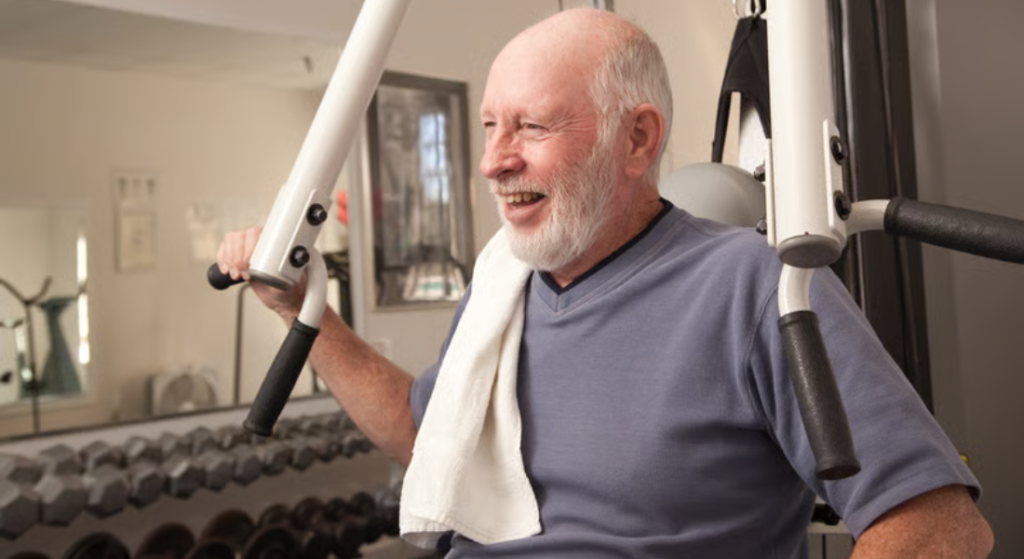
Gentle walking is normally encouraged soon after surgery. Strenuous exercise, cycling and heavy lifting should be avoided until the surgical team confirms that the internal and external wounds have healed sufficiently.
Many men gradually return to broader exercise after approximately six weeks, while heavy lifting or cycling may require a longer break. Follow the instructions from your own surgical unit rather than relying on a fixed timetable.
When Can You Return to Work?
Return to work depends on your energy, urinary control, travel requirements and the physical demands of your job. Some men return to office-based duties after approximately four to six weeks, while physically demanding work may require longer.
A gradual return or temporary adjustment of duties may be helpful. Your surgical team should advise you according to your recovery and any complications.
Will You Still Need Cancer Monitoring?
Regular follow-up remains necessary after radical prostatectomy. PSA should fall to a very low or undetectable level, although the precise reporting threshold depends on the laboratory assay used.
NICE recommends the first post-treatment PSA test no earlier than six weeks after treatment. PSA should then be checked at least every six months during the first two years and at least annually afterwards, with an individualised plan if the result rises or other concerns develop.
Myth vs Fact
| Myth | Fact |
| You cannot live normally without a prostate. | The prostate is not essential for survival, and many men return to active lives. |
| Everyone becomes permanently incontinent. | Leakage is common initially but often improves substantially during recovery. |
| Nerve-sparing surgery guarantees normal erections. | It improves the possibility of recovery but cannot guarantee it. |
| An erection should return immediately after surgery. | Recovery can take many months and may remain incomplete. |
| You cannot have an orgasm without a prostate. | Orgasm may still be possible, although it may feel different. |
| Dry orgasm means you are infertile only temporarily. | Loss of ejaculation and natural fertility is permanent after radical prostatectomy. |
| Prostate removal stops testosterone production. | Testosterone is mainly produced by the testes. |
| Surgery means cancer monitoring is finished. | Regular PSA testing remains essential. |
Key Takeaways
- Radical prostatectomy normally removes the prostate and seminal vesicles.
- A catheter remains in place while the new join between the bladder and urethra heals.
- Urinary leakage is common immediately after catheter removal and often improves gradually.
- Pelvic floor exercises may support continence recovery when performed correctly.
- Erectile recovery may take many months and is not guaranteed.
- Nerve-sparing surgery is possible only when it does not compromise cancer treatment.
- Orgasm may still be possible, but ejaculation permanently stops.
- Natural conception is no longer possible after surgery.
- Treatments are available for persistent urinary leakage and erectile dysfunction.
- Regular PSA monitoring remains necessary after prostate removal.
Frequently Asked Questions
1. Can you live a normal life without a prostate?
You can live a full and active life without a prostate. Radical prostatectomy permanently prevents ejaculation and natural conception and may cause urinary or erectile changes, but treatment and rehabilitation support are available.
2. Why is the prostate removed?
Radical prostatectomy removes the prostate and seminal vesicles to treat suitable prostate cancer. Pelvic lymph nodes may also be removed when there is a meaningful risk of cancer involvement.
3. Will you need a catheter after prostate removal?
A catheter is normally required while the join between the bladder and urethra heals. It is commonly removed after approximately one to two weeks, but the exact timing depends on the surgical pathway and your recovery.
4. Is urinary leakage normal after prostate surgery?
Yes. Urinary leakage is common after the catheter is removed. You may notice leakage when coughing, sneezing, standing or exercising, but bladder control often improves gradually as your muscles and nerves recover.
5. Does bladder control improve after prostate removal?
Urinary control often improves gradually during the months after surgery. Some men continue to experience longer-term leakage and should be offered specialist continence assessment rather than simply accepting it.
6. Can pelvic floor exercises help after prostate removal?
Pelvic floor exercises can support continence recovery when they are performed correctly. They are often started before surgery and restarted after catheter removal according to the clinical team’s advice.
7. What happens to erections after prostate removal?
Erection difficulties are common because the relevant nerve bundles lie close to the prostate. Recovery may continue for up to two years or longer, but previous erectile function is not always regained.
8. Can you still have an orgasm after prostate removal?
Many men can still experience orgasm, even without an erection. The sensation may change, and some men experience arousal incontinence or urine leakage during orgasm, known as climacturia.
9. Will you still ejaculate after prostate removal?
Ejaculation permanently stops after radical prostatectomy because the prostate and seminal vesicles are removed and sperm can no longer enter the urethra. This also means natural conception is no longer possible.
10. Will you still need prostate cancer monitoring after surgery?
Regular PSA testing is required after surgery. NICE recommends testing no earlier than six weeks after treatment, at least every six months for two years and at least annually after that.
Final Thoughts: Life After Prostate Removal
Living without a prostate is possible, and many men return to active, fulfilling lives after radical prostatectomy. However, prostate removal can cause lasting changes, including dry orgasms, possible changes in erections and a period of adjustment while urinary control recovers.
Your recovery depends on factors such as your health, age, cancer characteristics and the type of surgery performed. With appropriate follow-up, pelvic floor support and treatments when needed, many men achieve good quality of life after prostate removal. If you have questions about recovery, urinary symptoms, sexual function or treatment options, you can contact us at Prostate Clinic London to discuss your concerns with our specialist team.
References
- Asker, H., Yilmaz-Oral, D., Oztekin, C.V. and Gur, S. (2022) ‘An update on the current status and future prospects of erectile dysfunction following radical prostatectomy’, The Prostate, 82(12), pp. 1135–1161. Available at: https://pubmed.ncbi.nlm.nih.gov/35579053/
- Bhatt, N.R., Biers, S., Sahai, A., Belal, M., Kozan, A., Kujawa, M. et al. (2025) ‘British Association of Urological Surgeons consensus document on post-prostatectomy incontinence–stress urinary incontinence’, BJU International, 135(6), pp. 887–901. Available at: https://pubmed.ncbi.nlm.nih.gov/40171684/
- Clavell-Hernández, J., Martin, C. and Wang, R. (2018) ‘Orgasmic dysfunction following radical prostatectomy: review of current literature’, Sexual Medicine Reviews, 6(1), pp. 124–134. Available at: https://pubmed.ncbi.nlm.nih.gov/29108976/
- Fode, M., Serefoglu, E.C., Albersen, M. and Sønksen, J. (2017) ‘Sexuality following radical prostatectomy: is restoration of erectile function enough?’, Sexual Medicine Reviews, 5(1), pp. 110–119. Available at: https://pubmed.ncbi.nlm.nih.gov/27566909/
- Gacci, M., De Nunzio, C., Sakalis, V., Rieken, M., Cornu, J.-N. and Gravas, S. (2023) ‘Latest evidence on post-prostatectomy urinary incontinence’, Journal of Clinical Medicine, 12(3), article 1190. Available at: https://pubmed.ncbi.nlm.nih.gov/36769855/
- National Institute for Health and Care Excellence (2019) Prostate cancer: diagnosis and management. NICE guideline NG131. Last updated 15 December 2021 and last reviewed 13 August 2025. Available at: https://www.nice.org.uk/guidance/ng131
- Prostate Cancer UK (2024) Surgery: radical prostatectomy. Updated July 2024. Available at: https://prostatecanceruk.org/prostate-information-and-support/treatments/surgery
- Prostate Cancer UK (2025) Pelvic floor muscle exercises. Updated April 2025. Available at: https://prostatecanceruk.org/prostate-information-and-support/living-with-prostate-cancer/pelvic-floor-muscle-exercises
- Prostate Cancer UK (2025) Urinary problems after prostate cancer treatment. Updated February 2025. Available at: https://prostatecanceruk.org/toolkits/urinary-problems-and-prostate-cancer
- Prostate Cancer UK (2026) Getting back on track: 10 steps to help with urinary and erectile problems after surgery. Published 2 March 2026. Available at: https://prostatecanceruk.org/prostate-information-and-support/health-hub-articles/2026/01/urinary-and-erectile-problems-after-surgery
- Zhou, L., Chen, Y., Yuan, X., Zeng, L., Zhu, J. and Zheng, J. (2023) ‘Preoperative pelvic floor muscle exercise for continence after radical prostatectomy: a systematic review and meta-analysis’, Frontiers in Public Health, 11, article 1186067. Available at: https://pubmed.ncbi.nlm.nih.gov/37588123/