




When you are considering prostate cancer surgery, success can mean more than simply removing the cancer. You may also be thinking about how the treatment could affect your urinary continence, sexual function, and overall quality of life after recovery. Understanding these different aspects of success can help you make a more informed treatment decision.
Robotic prostate cancer surgery is designed to balance effective cancer control with the preservation of important functions whenever it is safe to do so. The advanced technology allows your surgeon to operate with a high level of precision, which may help reduce damage to surrounding nerves and tissues. For you, this can influence both your recovery experience and your long-term outcomes.
Knowing how robotic surgery performs in terms of cancer removal, continence recovery, and erectile function can help you understand what to expect from treatment. While outcomes vary depending on individual circumstances, robotic surgery has become widely used because of its strong track record across these key measures of success.
What Robotic Surgery Involves
During robotic prostate cancer surgery, your surgeon may use the Da Vinci robotic system to perform the procedure with a high level of precision and control. Although robotic technology is involved, every movement of the instruments is directed by your surgeon in real time. If you are considering this treatment, it is important to know that the technology enhances surgical capability rather than replacing the surgeon’s expertise.
The system provides your surgeon with a magnified, high-definition 3D view of the prostate and surrounding anatomy. Special wristed instruments can move with greater flexibility than the human hand, allowing delicate dissection within the confined space of the pelvis. For you, this enhanced visualisation and precision can support a more accurate surgical approach.
This advanced technology helps your surgeon balance effective cancer removal with the preservation of important nerves and tissues whenever it is oncologically safe to do so. By improving precision around critical structures, robotic surgery aims to support both strong cancer control and better functional outcomes for you after treatment.
Defining Cancer Control Success
When you undergo prostate cancer surgery, the primary goal is the complete removal of the cancer. From an oncological perspective, success means that the tumour has been removed effectively and that there is no evidence of significant residual cancer remaining after the procedure.
One of the key ways your specialist assesses surgical success is by monitoring your PSA (prostate-specific antigen) levels after surgery. Following complete prostate removal, your PSA should fall to a very low or undetectable level. For you, consistently low PSA levels during follow-up are an important indicator that the cancer has been successfully treated.
Robotic prostate cancer surgery provides the precision needed to support these cancer control goals. The enhanced visualisation and instrument control allow your surgeon to perform meticulous dissection and tumour removal while maintaining a strong focus on oncological safety. This helps ensure that your treatment prioritises effective cancer control alongside the preservation of important surrounding structures whenever appropriate.
Continence Outcomes
For many patients, urinary continence is one of the most important measures of success after prostate cancer surgery. If you are considering robotic prostate surgery, you may understandably want to know how the procedure could affect your bladder control during recovery and in the long term.
The precision of robotic surgery may help your surgeon preserve tissues and structures involved in urinary control whenever it is safe and appropriate to do so. The minimally invasive approach also helps reduce unnecessary tissue trauma around the bladder and urinary sphincter. For you, this may support a smoother and faster recovery of continence following surgery.
Most patients experience gradual improvement in bladder control over the weeks and months after their operation. Recovery timelines vary between individuals, but many men see continence improve over the following months. Your specialist will provide guidance on pelvic floor exercises and rehabilitation strategies to help optimise your recovery.
Erectile Function Preservation
For many men, preserving erectile function is an important consideration when evaluating the success of prostate cancer surgery. If you are considering robotic prostate surgery, you may be concerned about how treatment could affect your sexual function and quality of life after recovery.
The precision of robotic surgery allows your surgeon to perform nerve-sparing techniques whenever it is oncologically safe to do so. These techniques are designed to protect the neurovascular bundles that play a key role in erectile function. For you, preserving these nerves may improve the chance of erectile function recovery over time, although sexual function can still be affected after surgery.
Recovery of erectile function varies from person to person and depends on factors such as your age, preoperative erectile function, overall health, and commitment to rehabilitation. While some men notice improvement within months, others may take longer to recover. Your specialist may recommend medications or rehabilitation programmes to support recovery and help you achieve the best possible outcome.
Factors That Influence Success
The success of robotic prostate cancer surgery depends on several factors that are unique to your individual situation. While robotic technology provides important advantages, outcomes are also influenced by aspects such as your tumour size, cancer location, tumour aggressiveness, age, overall health, and the experience of your surgeon.
These factors can affect both cancer control and functional recovery after surgery. For you, this means that recovery of urinary continence, erectile function, and long-term cancer outcomes may differ from those experienced by another patient with a different clinical profile. Understanding these influences can help you develop realistic expectations about your treatment and recovery.
Before your surgery, your specialist will discuss how these factors apply to your case and what outcomes you can reasonably expect. For you, having this information in advance can support informed decision-making and help you prepare for both the benefits and potential challenges of recovery.
Factors Influencing Success of Robotic Prostate Cancer Surgery
| Factor | How It Influences Success | Notes / Patient Considerations |
| Tumour Size and Aggressiveness | Larger or more aggressive tumours may require careful dissection | Oncological safety prioritised over nerve preservation |
| Cancer Location | Tumour proximity to nerves affects nerve-sparing feasibility | Determines potential erectile function preservation |
| Patient Age | Younger patients generally recover function faster | Older age may slow continence and erectile recovery |
| Preoperative Health | Existing health conditions (e.g., diabetes, cardiovascular disease) can affect recovery | Optimising overall health supports better outcomes |
| Baseline Urinary & Sexual Function | Preoperative continence and erectile function predict recovery speed | Patients with good baseline function often regain function faster |
| Surgeon Experience | High-volume, experienced robotic surgeons may be associated with better outcomes | Improves cancer control, continence, and sexual function |
| Hospital / Clinic Expertise | Specialist centres with structured pathways support better results | Access to rehabilitation, experienced teams, and protocols ensures consistency |
| Minimally Invasive Approach | Robotic surgery reduces tissue trauma | Supports faster recovery, less blood loss, and shorter hospital stay |
| Nerve-Sparing Techniques | Precision nerve preservation improves functional outcomes | Only performed if oncologically safe |
| Post-operative Rehabilitation | Structured rehab for continence and sexual function | Consistent follow-up and patient engagement improve long-term results |
Surgeon Experience
One of the most important factors influencing the success of robotic prostate cancer surgery is the experience of your surgeon. While robotic technology provides advanced tools and precision, the quality of your outcome is still closely linked to the skill, training, and expertise of the person performing the procedure.
Research suggests that higher surgeon experience and higher procedure volume are associated with better outcomes in robotic prostate surgery. For you, this can mean improved cancer control as well as better preservation of urinary continence and erectile function after surgery. Experienced surgeons are often more adept at handling complex anatomy, performing nerve-sparing techniques, and managing challenging cases.
Choosing a specialist centre with a dedicated robotic prostate surgery programme can therefore have a meaningful impact on your long-term results. By selecting an experienced surgical team, you may increase your chances of achieving both effective cancer treatment and the best possible functional recovery.
Hospital and Clinic Expertise
The expertise of the hospital or clinic where you receive treatment can play an important role in the success of your robotic prostate cancer surgery. Specialist centres with dedicated robotic surgery programmes typically provide access to experienced surgeons, specialised nursing teams, and well-established clinical pathways designed to support every stage of your care.
A comprehensive programme covers much more than the operation itself. Before surgery, you will undergo detailed assessments and treatment planning. During your procedure, you benefit from an experienced surgical team and advanced robotic technology. After surgery, your recovery is supported through structured follow-up, continence care, and rehabilitation programmes. For you, this coordinated approach can help optimise both cancer control and functional recovery.
Specialist centres also tend to have established protocols that promote consistency, safety, and high-quality care. By choosing a clinic with extensive experience in robotic prostate surgery, you may benefit from a treatment pathway specifically designed to achieve the best possible outcomes for you both during and after surgery.
Preoperative Patient Assessment

A thorough assessment before your robotic prostate cancer surgery is an important step in predicting likely outcomes and planning the most appropriate treatment approach. If you are preparing for surgery, this evaluation helps your specialist understand both the characteristics of your cancer and your overall health.
Your assessment may include PSA testing, MRI imaging, biopsy results, and a review of your medical history. Your specialist will also evaluate your baseline urinary continence and erectile function before surgery. For you, this information provides a clearer picture of what recovery and long-term outcomes may look like after treatment.
Using these findings, your surgical team can develop a treatment plan tailored specifically to your needs. This personalised approach helps ensure that your surgery is planned with both effective cancer control and functional preservation in mind. For you, a carefully designed surgical strategy can contribute to safer treatment and better overall outcomes.
Minimally Invasive Technique Advantages
One of the reasons robotic prostate cancer surgery is considered highly successful is its minimally invasive nature. Unlike traditional open surgery, your procedure is performed through several small keyhole incisions rather than a large abdominal cut. This approach helps reduce the physical impact of surgery on your body.
Because the incisions are smaller, you may experience less bleeding, reduced post-operative discomfort and a smoother early recovery. The precise robotic instruments also help minimise unnecessary tissue trauma during the operation. For you, these benefits can support a smoother recovery and a quicker return to normal daily activities.
These advantages may contribute to improved patient satisfaction and better functional recovery in suitable patients. By reducing the burden of recovery while maintaining effective cancer treatment, robotic surgery aims to help you achieve both strong clinical results and a better overall quality of life.
Postoperative Recovery and Monitoring
After your robotic prostate cancer surgery, recovery is monitored carefully through a structured follow-up programme. Regular appointments allow your specialist to assess how well you are healing and ensure that your recovery is progressing as expected. If you have undergone surgery, these reviews are an important part of achieving the best possible long-term outcome.
One of the key aspects of follow-up is PSA testing. Your PSA levels will be checked periodically to confirm that the cancer remains under control and to identify any signs of recurrence at the earliest possible stage. For you, this ongoing monitoring provides reassurance and allows prompt action if any concerns arise.
Your follow-up appointments will also track your recovery of urinary continence and sexual function. By monitoring these areas closely, your specialist can recommend rehabilitation strategies or additional support where needed. For you, this structured approach helps optimise recovery while ensuring that both cancer control and quality of life remain a priority.
Short-Term Success Rates
The short-term success of robotic prostate cancer surgery is usually measured by cancer control and early functional recovery. Your specialist will monitor key indicators after surgery to evaluate how well the treatment has worked and how your recovery is progressing. Understanding these measures helps you track early signs of success.
- Postoperative PSA Levels: Achieving a very low or undetectable PSA within a few weeks indicates that the prostate and cancer have been effectively removed.
- Early Urinary Continence Recovery: Initial leakage is common, but gradual improvement during the first few months shows progress in regaining bladder control.
- Pelvic Floor Support: Exercises and rehabilitation can help strengthen muscles and support continence recovery.
- Regular Specialist Follow-Up: Ongoing monitoring allows your team to assess recovery, address any issues, and reinforce early success.
Overall, short-term success after robotic surgery involves both effective cancer removal and the beginning of functional recovery. Tracking PSA and continence progress gives reassurance and helps guide your rehabilitation in the early months after surgery.
Long-Term Success Rates
The long-term success of robotic prostate cancer surgery is measured by durable cancer control and the preservation of important functions over time. Your specialist will monitor not only early recovery but also urinary continence, sexual function, and ongoing cancer status in the years following surgery. This broader view helps assess overall treatment effectiveness and quality of life.
- Ongoing PSA Monitoring: Consistently low or undetectable PSA levels over time indicate sustained cancer control.
- Urinary Continence: Maintaining bladder control in the long term is a key measure of functional success after surgery.
- Sexual Function Recovery: Continued improvement in sexual function can occur over months and years, especially with rehabilitation support.
- Quality of Life: Following pelvic floor exercises, rehabilitation programmes, and specialist guidance contributes to overall wellbeing and long-term outcomes.
Overall, long-term success combines effective cancer control with preservation of function and quality of life. Ongoing follow-up and adherence to rehabilitation strategies help maximise both health and daily living after robotic prostate surgery.
Advantages Over Open Surgery
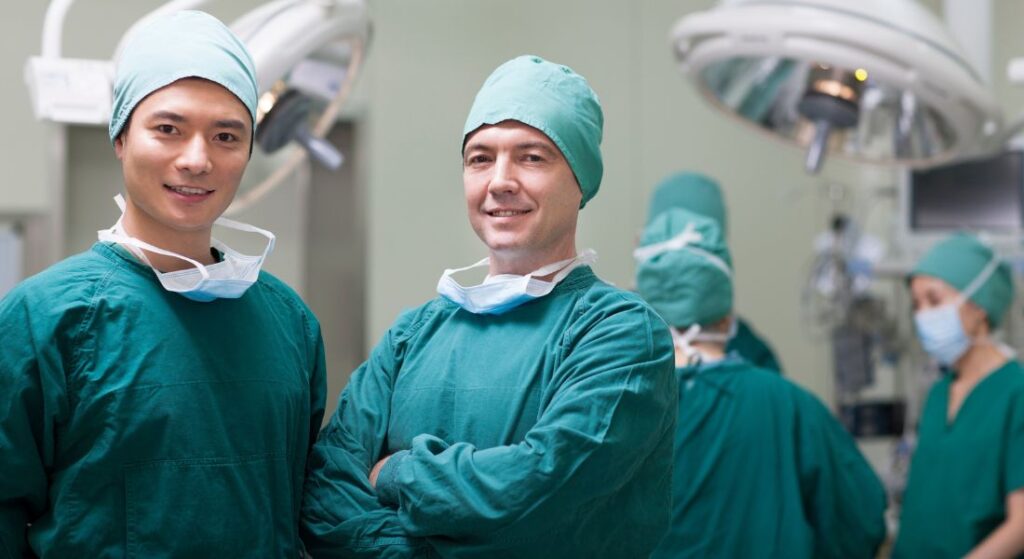
When compared with traditional open prostate surgery, robotic prostate cancer surgery offers several advantages that may improve both your surgical experience and recovery. Instead of a large abdominal incision, your surgeon operates through small keyhole incisions using advanced robotic instruments and high-definition 3D visualisation.
The robotic system provides your surgeon with magnified vision and highly precise instrument control, allowing delicate movements around important nerves, blood vessels, and surrounding tissues. For you, this can help reduce unnecessary tissue trauma while supporting effective cancer removal and preservation of key functions.
Because the procedure is less invasive, you may experience less postoperative pain, reduced blood loss, and a faster return to normal activities. Many patients also spend less time in hospital following robotic surgery. For you, these benefits can contribute to a smoother recovery and improved quality of life after treatment.
Handling Complex Cases
Robotic prostate cancer surgery can be particularly valuable when you have challenging anatomy or more complex disease characteristics. The advanced robotic system allows your surgeon to work with a high degree of precision, even in situations where traditional surgical approaches may be more difficult.
The pelvis is a confined space containing important nerves, blood vessels, and other delicate structures. Using magnified 3D vision and highly flexible robotic instruments, your surgeon can perform careful tissue dissection within these tight anatomical areas. For you, this can help ensure that surgery is carried out as accurately and safely as possible.
This level of flexibility and control helps your surgeon balance effective cancer removal with the preservation of important functions whenever it is oncologically safe to do so. Even in more complex cases, robotic technology can support strong cancer control while reducing the risk of unnecessary damage to surrounding tissues. For you, this may improve both treatment outcomes and long-term quality of life.
Rehabilitation and Support
Your recovery does not end when the surgery is completed. Postoperative rehabilitation plays an important role in improving the overall success of your robotic prostate cancer treatment and helping you regain important functions as quickly as possible.
To support your recovery, your specialist may recommend pelvic floor exercises, medications, or other rehabilitation strategies designed to improve urinary continence and erectile function. For you, these interventions can help strengthen the muscles involved in bladder control and support the gradual return of sexual function after surgery.
Starting rehabilitation early and following your programme consistently can have a significant impact on your long-term results. By actively participating in your recovery plan, you may improve both functional outcomes and overall quality of life. For you, ongoing support and rehabilitation are important components of achieving the best possible outcome after robotic prostate cancer surgery.
Patient Age and Health Factors
Age and overall health can have a significant influence on recovery after robotic prostate cancer surgery. While the procedure can be highly effective across a wide range of patients, outcomes often vary depending on individual health status and physical condition before treatment.
In general, younger and healthier patients tend to recover more quickly and may experience faster improvements in urinary continence, erectile function, and overall wellbeing. Good baseline fitness can support healing and help the body adapt more effectively after surgery. Your general health before treatment is therefore an important factor when assessing likely recovery outcomes.
Pre-existing conditions such as diabetes, cardiovascular disease, or other chronic health issues may slow functional recovery and affect rehabilitation progress. Discussing these factors with your specialist before surgery can help establish realistic expectations and provide a clearer understanding of what recovery may involve for you.
Nerve-Sparing Decision Making
The decision to perform nerve-sparing robotic prostate surgery depends on several factors, including the location, size, and aggressiveness of the tumour. Before your surgery, your specialist will assess whether the nerves surrounding the prostate can be preserved safely without compromising cancer control. This evaluation helps determine the most appropriate approach for your treatment.
When appropriate, preservation of one or both neurovascular bundles can improve the likelihood of recovering erectile function after surgery. These delicate nerves play a key role in sexual function, making their preservation an important consideration if maintaining erectile function is a priority for you. The extent of nerve-sparing possible will vary according to your individual cancer characteristics.
Throughout the procedure, your surgeon carefully balances nerve preservation with oncological safety. The priority is always effective cancer removal, but when conditions allow, robotic precision can help maximise functional preservation while maintaining optimal treatment outcomes. This approach is designed to provide the best possible balance between cancer control and quality of life for you after surgery.
Benefits of Specialist Clinics

Choosing a specialist clinic for robotic prostate cancer surgery can provide access to experienced teams, established treatment pathways, and comprehensive support throughout your care. Specialist centres focus specifically on prostate conditions, allowing them to offer a high level of expertise in diagnosis, treatment planning, surgery, and recovery.
Before surgery, you will typically undergo detailed assessments to evaluate your cancer, overall health, and functional status. During treatment, experienced robotic surgeons and dedicated clinical teams work together to deliver care using well-developed protocols designed to support optimal outcomes. This structured approach helps ensure consistency and quality at every stage of treatment.
Specialist clinics also provide ongoing rehabilitation and follow-up after surgery. For example, Prostate Clinic London offers robotic prostate surgery alongside detailed assessment, surgical expertise, and recovery support tailored to individual needs. This continuity of care can help maximise both cancer control and long-term quality of life outcomes.
Continence Preservation Techniques
One of the advantages of robotic prostate cancer surgery is its ability to support continence preservation through precise surgical techniques. During your procedure, the surgeon works carefully around the bladder neck and urethral sphincter, which are important structures involved in urinary control.
The enhanced visualisation and precision of the robotic system help minimise unnecessary trauma to these delicate tissues. For you, this can reduce the risk of postoperative urinary leakage and support a faster return to normal bladder function during recovery. Preserving these structures is an important consideration when aiming for the best possible functional outcome.
Achieving these benefits depends on careful surgical planning and technique. Your surgeon will balance effective cancer removal with the preservation of continence-related structures whenever it is safe to do so. This approach helps maximise the likelihood of successful recovery while maintaining strong cancer control.
Managing Expectations
When considering robotic prostate cancer surgery, it is important to understand that success can vary from one patient to another. Outcomes are influenced by factors such as cancer characteristics, overall health, age, and baseline urinary and sexual function. Having realistic expectations before treatment can help you approach recovery with greater confidence and understanding.
Although robotic surgery offers important advantages, complete preservation of erectile function and urinary continence cannot be guaranteed in every case. Recovery timelines also vary, with some patients regaining function more quickly than others. Understanding these possibilities can help you prepare for the recovery process and the rehabilitation that may be required.
Discussing your goals, priorities, and concerns with your specialist before surgery is an important part of treatment planning. These conversations help ensure that expectations are realistic and tailored to your individual circumstances. In many cases, a clear understanding of likely outcomes contributes to greater satisfaction with the overall treatment experience.
Multidisciplinary Approach
Many specialist prostate cancer centres use a multidisciplinary approach to ensure that patients receive comprehensive care throughout their treatment journey. This team often includes urologists, radiologists, pathologists, specialist nurses, physiotherapists, and other healthcare professionals who work together to support decision-making and treatment planning.
By combining expertise from different medical disciplines, your care can be tailored to your individual diagnosis, treatment goals, and recovery needs. This collaborative approach helps ensure that every aspect of your treatment is considered, from preoperative assessment and surgical planning to rehabilitation and long-term follow-up.
A multidisciplinary team also supports both oncological and functional outcomes by providing coordinated care at every stage. For you, this means access to a broader range of expertise and support, helping to optimise cancer control, recovery, and overall quality of life after robotic prostate cancer surgery.
Early Detection and Surgical Planning
Early diagnosis plays an important role in the success of robotic prostate cancer surgery. If your prostate cancer is identified at an earlier stage, your specialist has more opportunities to plan treatment carefully and select the most appropriate surgical approach for your individual circumstances.
Before surgery, you will undergo detailed assessments that may include PSA testing, imaging, and biopsy review. These findings help your surgical team understand the characteristics of your cancer and develop a treatment plan tailored to your needs. Careful planning before your procedure is an important part of achieving the best possible outcome.
The precision of robotic systems allows your surgeon to target the prostate accurately while working carefully around surrounding nerves, blood vessels, and other important structures. For you, this can improve the likelihood of successful cancer control while reducing the risk of complications and supporting a smoother recovery after surgery.
Advantages in Quality of Life

One of the key reasons many patients choose robotic prostate cancer surgery is its potential to support a better quality of life after treatment. Faster recovery, improved preservation of urinary continence, and better sexual function outcomes can all contribute to a more positive long-term experience following surgery.
Because robotic surgery is minimally invasive, patients are often able to return to normal activities sooner and with less disruption to daily life. You may experience less postoperative discomfort and a quicker return to work, exercise, and other routine activities compared with more invasive surgical approaches.
The combination of effective cancer treatment and functional preservation makes robotic surgery an attractive option for many men. For you, these benefits may help support both physical recovery and overall wellbeing, allowing a smoother transition back to normal life after treatment.
FAQs:
1. What is the success rate of robotic prostate cancer surgery?
The success of robotic prostate cancer surgery is measured by several factors, including cancer control, urinary continence, and preservation of erectile function. Many patients achieve excellent outcomes, particularly when surgery is performed by an experienced specialist. Individual results depend on factors such as cancer stage, overall health, and age.
2. How effective is robotic surgery at removing prostate cancer?
Robotic surgery can be highly effective for suitable patients with localised prostate cancer. The advanced technology allows surgeons to perform precise dissection and achieve clear surgical margins where possible. Most patients experience a significant drop in PSA levels after successful treatment.
3. Does robotic prostate surgery improve continence outcomes?
Robotic surgery is designed to minimise trauma to the structures involved in urinary control. This can help support faster recovery of continence compared with some traditional surgical approaches. Many patients see bladder control improve over the first few months after surgery, although recovery varies.
4. Can robotic surgery help preserve erectile function?
When appropriate, surgeons may use nerve-sparing techniques during robotic prostate surgery. Preserving these nerves can improve the likelihood of recovering erectile function after treatment. Recovery varies from person to person and may continue for many months after surgery.
5. What factors influence the success of robotic prostate surgery?
Several factors can affect outcomes, including tumour size, cancer aggressiveness, patient age, general health, and surgeon experience. Pre-existing urinary or sexual function may also influence recovery. Your specialist will assess these factors when discussing expected results.
6. Is robotic prostate surgery more successful than open surgery?
Robotic surgery may offer several advantages, including enhanced visualisation, greater precision, reduced blood loss and faster early recovery in suitable patients. Cancer control outcomes are generally comparable to those achieved with open surgery. The minimally invasive nature of robotic surgery may also support better functional recovery for some patients.
7. How important is surgeon experience in achieving good results?
Surgeon experience is one of the most important factors influencing success rates. High-volume robotic surgeons may be associated with better outcomes in cancer control, continence recovery and erectile function preservation. Choosing a specialist centre can therefore make a significant difference.
8. How long does it take to know if the surgery has been successful?
Initial success is often assessed through PSA testing in the weeks following surgery. Undetectable or very low PSA levels generally indicate that the cancer has been effectively removed. Long-term success is evaluated through ongoing monitoring and follow-up appointments.
9. Can robotic surgery be successful in complex prostate cancer cases?
Robotic technology can be particularly beneficial in challenging cases due to its precision and enhanced visualisation. It allows surgeons to operate effectively within the confined space of the pelvis. However, outcomes will still depend on the extent and characteristics of the cancer.
10. What can I do to improve my recovery and long-term outcome?
Following your specialist’s advice is essential for achieving the best possible results. Pelvic floor exercises, attending follow-up appointments, and participating in rehabilitation programmes can support recovery. Maintaining a healthy lifestyle may also contribute to improved long-term outcomes and quality of life.
Final Thoughts: Looking Ahead After Robotic Prostate Cancer Surgery
Robotic prostate cancer surgery has changed the way many cases of localised prostate cancer are treated, offering a combination of precise cancer removal and improved preservation of important functions such as urinary continence and erectile function. While no surgical procedure can guarantee identical results for every patient, robotic technology provides surgeons with enhanced visualisation and greater control, helping to achieve excellent oncological and functional outcomes.
Factors such as your age, overall health, cancer stage, and the expertise of your surgeon all play a role in determining the success of treatment. Having a clear understanding of these factors can help you make informed decisions and set realistic expectations for your recovery journey. If you are considering treatment at a robotic prostate surgery clinic in London and would like specialist advice, you can contact us to discuss your options and arrange a consultation tailored to your individual needs.
References:
- Mian, A.H. et al. (2024) ‘Recent advances and future horizons in robotic radical prostatectomy’, Journal of Clinical Medicine. Available at: https://pmc.ncbi.nlm.nih.gov/articles/PMC10815957/
- Sridhar, A.N. et al. (2017) ‘Surgical techniques to optimise early urinary continence recovery post robot-assisted radical prostatectomy for prostate cancer’, Current Urology Reports. Available at: https://pmc.ncbi.nlm.nih.gov/articles/PMC5514172/
- Nahas, W.C. et al. (2024) ‘Perioperative, oncological, and functional outcomes between robot-assisted laparoscopic prostatectomy and open radical retropubic prostatectomy’, Journal of Urology. Available at: https://pubmed.ncbi.nlm.nih.gov/38723593/
- Novara, G. et al. (2012) ‘Systematic review and meta-analysis of perioperative outcomes and complications after robot-assisted radical prostatectomy’, European Urology. Available at: https://pubmed.ncbi.nlm.nih.gov/22749853/
- Ficarra, V. et al. (2012) ‘Systematic review and meta-analysis of studies reporting potency rates after robot-assisted radical prostatectomy’, European Urology. Available at: https://www.sciencedirect.com/science/article/pii/S0302283812006306