




Robotic prostate cancer surgery has become widely used over the last decade as surgical technology and patient care have continued to improve. Many patients are interested in this approach because it combines surgical precision, minimally invasive techniques, and the potential for a smoother recovery. If you are considering treatment for prostate cancer, understanding these benefits can help you make a more informed decision.
The robotic approach allows your surgeon to operate with enhanced control and visualisation while working through small incisions. This can help reduce trauma to surrounding tissues and support the preservation of important structures whenever it is safe to do so. This may support a smoother recovery experience and better functional outcomes, depending on your individual condition and surgical plan.
Knowing the advantages of robotic surgery can also help you understand why it is often recommended instead of traditional open surgery. While every patient is different, the goal is to provide effective cancer treatment while minimising the impact on your quality of life. Your specialist can explain how these benefits may apply to your individual circumstances.
What Robotic Surgery Involves
During robotic prostate cancer surgery, your surgeon may use the Da Vinci robotic system to perform the procedure from a specialised console in the operating theatre. Although robotic technology is involved, every movement of the instruments is controlled directly by your surgeon in real time. If you are considering this treatment, it is important to understand that the robot does not operate independently.
The system provides your surgeon with a magnified, high-definition 3D view of the surgical area, allowing important anatomical structures to be seen in exceptional detail. It also offers highly precise instrument control through robotic arms that can move with greater flexibility than the human hand. For you, this enhanced visualisation and control can support a more accurate surgical approach.
These capabilities enable delicate dissection around critical structures such as nerves, blood vessels, and continence-related tissues. By working with greater precision, your surgeon can aim to minimise unnecessary tissue trauma while safely removing the cancer. This is one of the key reasons why robotic surgery has become widely used in prostate cancer treatment.
Minimally Invasive Approach
One of the main benefits of robotic prostate cancer surgery is that it uses a minimally invasive approach. Unlike traditional open surgery, which usually requires a larger abdominal incision, robotic surgery is performed through several small keyhole incisions. If you are considering surgery, this difference can have a significant impact on your recovery experience.
Because the incisions are smaller, there is generally less disruption to the surrounding tissues during the operation. This can help reduce postoperative pain and discomfort while lowering the physical stress placed on your body. This can often make the early recovery period more comfortable.
Smaller wounds also tend to heal more quickly and leave less noticeable scarring than a large surgical incision. As a result, you may be able to return to normal activities sooner, depending on your individual recovery progress. These advantages make the minimally invasive nature of robotic surgery an important consideration for many patients.
Surgical Precision
One of the key advantages of robotic prostate cancer surgery is the exceptional precision it provides. Robotic instruments allow controlled, accurate movements with greater flexibility than the human hand, enabling your surgeon to work effectively within the confined pelvic space.
- Delicate Tissue Preservation: Enhanced precision helps protect nerves, muscles, and tissues that support urinary continence and sexual function when it is safe to do so.
- Reduced Trauma: Accurate dissection minimises unnecessary damage to surrounding organs and tissues during cancer removal.
- Improved Functional Outcomes: Preserving important structures may improve the chances of continence recovery and erectile function recovery after surgery.
- Enhanced Oncologic Control: Greater visibility and control allow your surgeon to focus on removing cancer while carefully balancing tissue preservation.
Overall, the precision of robotic surgery supports safer, more effective cancer removal while protecting important functions. This combination of control, visibility, and accuracy is a major reason many patients benefit from robotic techniques.
Enhanced Visualisation
One of the major advantages of robotic prostate cancer surgery is the enhanced visualisation it provides. The robotic system gives your surgeon a magnified, high-definition 3D view of the prostate and surrounding anatomy. If you are undergoing this procedure, this improved visibility helps your surgeon see important structures in far greater detail than is possible with many traditional surgical approaches.
The enhanced view allows your surgeon to identify delicate nerves, blood vessels, and other critical tissues more clearly during the operation. This is particularly important when working in the confined space of the pelvis, where precision is essential. For you, this can support better preservation of structures that contribute to urinary continence and sexual function.
Better visualisation also helps your surgeon perform more accurate and controlled dissection throughout the procedure. By clearly distinguishing between healthy tissue and the area being treated, the operation can be carried out more safely and effectively. This combination of clarity and precision is one of the key reasons robotic surgery has become widely adopted in prostate cancer treatment.
Nerve-Sparing Capabilities
One of the most important advantages of robotic prostate cancer surgery is its ability to support nerve-sparing techniques during prostate removal. The enhanced precision and visualisation provided by the robotic system allow your surgeon to work carefully around the neurovascular bundles that run alongside the prostate. If you are considering surgery, this may be an important factor when discussing treatment options.
When it is oncologically safe to do so, your surgeon may preserve these delicate nerves while removing the prostate. Protecting these delicate nerves may improve the chance of erectile function recovery after surgery, although recovery varies from person to person. For you, this approach aims to balance effective cancer treatment with the preservation of quality of life.
This benefit is particularly important if you are concerned about sexual function following treatment. Although recovery varies between individuals and depends on factors such as age and preoperative function, nerve-sparing surgery may improve long-term outcomes. Your specialist will discuss whether a nerve-sparing approach is suitable for your specific situation.
Preservation of Continence
Maintaining urinary continence is an important goal of robotic prostate cancer surgery. Urinary control depends on the careful preservation of the urinary sphincter and the surrounding tissues that support normal bladder function. If you are preparing for surgery, protecting these structures is a key consideration during the procedure.
The precision of the robotic system allows your surgeon to work more accurately around these delicate anatomical structures. By minimising unnecessary tissue trauma, robotic surgery may help preserve the mechanisms responsible for urinary control more effectively than traditional open surgery. For you, this can support a smoother recovery of bladder function after treatment.
Many patients experience gradual improvement in continence over the weeks and months following surgery. While recovery timelines vary, Robotic techniques may support earlier continence recovery in suitable patients, although urinary control can still take time to improve. Your specialist will discuss your individual expectations based on your health, anatomy, and treatment plan.
Reduced Blood Loss
One of the recognised benefits of robotic prostate cancer surgery is reduced blood loss during the operation. The precision of the robotic instruments allows your surgeon to identify, control, and seal blood vessels with a high degree of accuracy. If you are considering robotic surgery, this can contribute to a safer and more controlled procedure.
Because intraoperative bleeding is typically lower, the likelihood of requiring a blood transfusion is also reduced. Less blood loss places less stress on your body and may help support a smoother postoperative recovery. This may reduce the risk of problems linked to significant bleeding during surgery.
Reduced bleeding also helps maintain a clearer surgical field throughout the procedure. With improved visibility, your surgeon can identify important nerves, blood vessels, and surrounding tissues more easily. This enhanced clarity supports the precision and safety that are key advantages of robotic prostate cancer surgery.
Shorter Hospital Stay
Because robotic prostate cancer surgery is performed using a minimally invasive approach, you may spend less time in hospital compared with traditional open surgery. Smaller incisions and reduced tissue trauma often allow your body to recover more quickly in the immediate postoperative period. If you are considering treatment options, a shorter hospital stay can be an important practical benefit.
Many patients are encouraged to begin gentle movement soon after surgery, which helps support circulation, recovery, and overall wellbeing. Faster mobilisation, combined with effective pain management, often contributes to an earlier discharge from hospital. For you, this can mean returning to the comfort of your home sooner while continuing your recovery.
A shorter inpatient stay may also reduce disruption to your daily routine, family responsibilities, and work commitments. Although recovery timelines vary from person to person, many patients appreciate the convenience and flexibility that comes with a quicker return to normal life. Your specialist will advise you on the expected length of stay based on your individual circumstances.
Faster Recovery and Return to Normal Activities
One of the key benefits of robotic prostate cancer surgery is the potential for a faster recovery compared with traditional open surgery. Because the procedure is performed through small keyhole incisions, there is generally less tissue trauma and postoperative discomfort. If you are undergoing treatment, this can help make the recovery process more manageable.
Many patients regain mobility and independence sooner following robotic surgery. Activities such as walking, climbing stairs, and managing daily tasks can often be resumed earlier, provided they are undertaken within the limits recommended by the healthcare team. For you, this may mean a quicker return to normal routines and greater confidence during recovery.
A faster recovery can also have a positive impact on your overall quality of life. Spending less time restricted by pain or reduced mobility allows you to focus on returning to work, family activities, and personal interests. While recovery varies between individuals, the ability to resume normal activities sooner is a meaningful advantage of the robotic approach.
Reduced Pain and Discomfort
One of the benefits you may notice after robotic prostate cancer surgery is reduced postoperative pain compared with traditional open surgery. Because your surgeon operates through small keyhole incisions rather than a large abdominal cut, there is generally less disruption to the surrounding muscles and tissues.
The combination of smaller incisions and highly precise surgical dissection helps minimise unnecessary tissue trauma during your procedure. For you, this can mean less inflammation, less discomfort, and a more comfortable recovery during the first few weeks after surgery.
Reduced pain can also make it easier for you to move around, rest comfortably, and return to normal daily activities. As a result, you may feel more confident managing your recovery at home while gradually regaining your independence. This improvement in comfort is one of the reasons many patients choose the robotic approach.
Lower Risk of Complications
One of the advantages of robotic prostate cancer surgery is that the enhanced precision of the robotic system can help reduce the risk of complications during your procedure. Your surgeon is able to perform highly controlled movements while working around delicate anatomical structures, which supports a safer surgical approach.
The magnified 3D view and precise instrument control help your surgeon avoid unnecessary injury to surrounding tissues. For you, this may reduce the risk of complications such as infection, bleeding, or damage to nearby structures including the bladder and bowel.
By improving accuracy throughout the operation, robotic surgery can also contribute to more predictable surgical outcomes. While no procedure is completely free from risk, robotic surgery may reduce certain risks, particularly those linked with larger wounds, blood loss, and slower early recovery. This focus on precision and safety is one of the key reasons robotic surgery has become widely adopted in prostate cancer treatment.
Improved Functional Outcomes
One of the key goals of robotic prostate cancer surgery is to preserve the nerves and tissues that support urinary continence and sexual function. When it is safe to do so, your surgeon can use the precision of the robotic system to minimise damage to these important structures during the procedure.
For you, preserving these anatomical structures may improve the likelihood of maintaining bladder control and recovering erectile function after surgery. While recovery varies between individuals, these functional outcomes are often just as important as successful cancer treatment when considering your long-term quality of life.
Better functional results can have a significant impact on your confidence, independence, and overall wellbeing after surgery. By balancing effective cancer removal with tissue preservation, robotic surgery aims to help you achieve the best possible outcome both medically and functionally.
Functional and Quality-of-Life Outcomes of Robotic Prostate Surgery
| Outcome | Robotic Surgery | Traditional Open Surgery | Notes |
| Urinary Continence | May support earlier continence recovery in suitable patients | Recovery may take longer in some patients | Pelvic floor exercises are often recommended |
| Erectile Function | Nerve-sparing may be easier in suitable cases | Nerve preservation may be more challenging in some cases | Recovery can take months and varies widely |
| Pain and Discomfort | Often reduced due to smaller incisions | May be greater due to a larger incision | Pain is usually managed with medication |
| Blood Loss | Usually lower | May be higher | Transfusion risk may be reduced with robotic surgery |
| Hospital Stay | Often shorter | May be longer | Depends on recovery and hospital protocol |
| Return to Normal Activities | May be quicker | May take longer | Recovery varies between individuals |
| Cosmetic Outcome | Smaller scars | Larger abdominal scar | May improve patient satisfaction |
| Complication Risk | May reduce some wound-related risks | Wound-related recovery may take longer | Surgeon experience remains important |
| Patient Experience | Often positive due to comfort and recovery | Can vary depending on recovery | Expectations should be discussed before surgery |
Oncological Effectiveness
The primary goal of robotic prostate cancer surgery is to remove the cancer effectively while preserving important surrounding structures whenever it is safe to do so. The precision of the robotic system allows your surgeon to perform meticulous dissection and cancer removal while maintaining a strong focus on oncological safety.
Research has shown that robotic prostate surgery can provide cancer control outcomes comparable to those achieved with traditional open surgery. For you, this means that choosing a robotic approach does not compromise the effectiveness of your cancer treatment when performed by an appropriately experienced surgical team.
In addition to effective cancer removal, you may also benefit from the advantages associated with minimally invasive surgery, such as reduced pain, faster recovery, and improved functional outcomes. This combination of strong cancer control and the potential for fewer side effects is one of the reasons robotic surgery has become a widely used treatment option for prostate cancer.
Precision in Challenging Anatomy
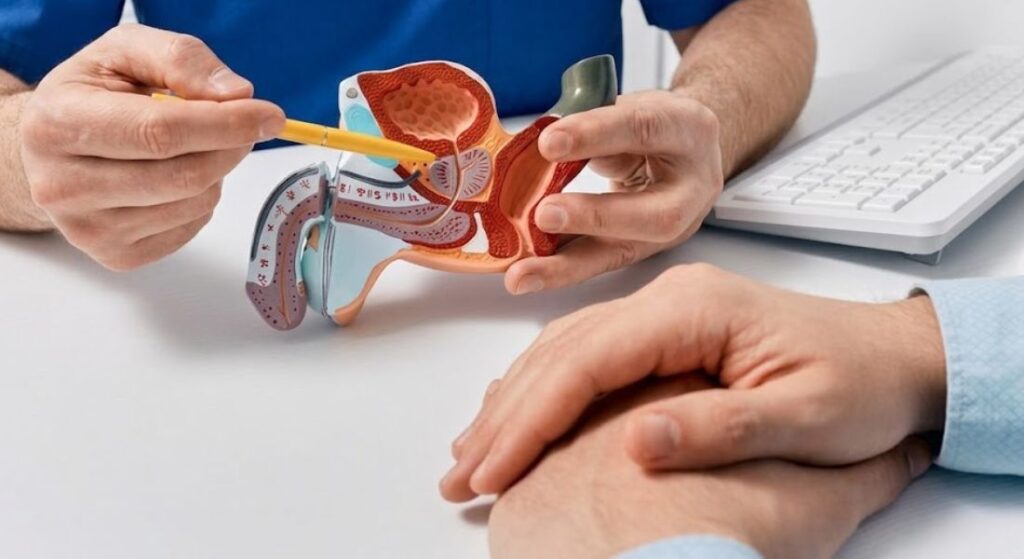
Robotic prostate cancer surgery is particularly effective in areas of the body where space is limited, such as the pelvis. The robotic system allows your surgeon to operate with enhanced precision in these tight anatomical spaces, where traditional surgical access can be more challenging.
The combination of magnified 3D vision and highly flexible instruments enables your surgeon to navigate around delicate structures with greater control. For you, this means that even in complex or anatomically difficult cases, the procedure can still be performed with a high level of accuracy.
This precision is important in ensuring that cancer is removed as completely as possible while maintaining safety. Even when anatomy is challenging or the disease is more advanced, robotic surgery can support a careful and controlled approach to treatment.
Surgeon’s Ergonomics and Focus
During your robotic prostate cancer surgery, your surgeon operates from a console in a seated, ergonomically designed position. This reduces physical strain and fatigue, especially during long or complex procedures, allowing your surgeon to stay fully focused on your operation.
Because your surgeon is working in a comfortable and stable position, they are able to maintain a higher level of concentration throughout your procedure. For you, this can help support more consistent precision, particularly during delicate steps such as nerve-sparing and tissue preservation.
This improved focus and control are especially important in your surgery, where even small movements can impact important structures around the prostate. By reducing fatigue and enhancing accuracy, robotic systems help support safer and more precise outcomes for you.
Access to Advanced Imaging Integration
Some robotic prostate cancer surgery systems allow integration of preoperative imaging into the procedure. This means that scans such as MRI or other diagnostic images can be used to guide your surgeon during the operation, helping to improve accuracy and surgical planning.
By combining imaging data with the robotic platform, your surgeon can better visualise the exact location of the tumour and surrounding structures. For you, this can support more precise dissection and a more targeted approach to removing cancerous tissue while protecting healthy areas where possible.
Real-time visual guidance during surgery can also improve your surgeon’s confidence and accuracy. This enhanced level of detail helps ensure that important anatomical structures are identified and preserved whenever it is safe to do so, contributing to both effective cancer treatment and better functional outcomes for you.
Patient Experience
When you undergo robotic prostate cancer surgery, the overall patient experience is often improved due to the minimally invasive nature of the procedure. Smaller incisions, reduced postoperative pain, and a faster initial recovery can make your journey through surgery feel more manageable and less physically demanding.
Knowing that your surgeon is using a technique designed to prioritise both cancer control and functional outcomes can also help reduce anxiety before and after the procedure. For you, this reassurance can make it easier to approach surgery with confidence and a clearer understanding of what to expect.
Many patients report a positive experience with robotic surgery, often because of smaller incisions, reduced discomfort, and a quicker early recovery. This is often linked to quicker recovery, improved comfort, and the ability to return to normal activities sooner. For you, these combined benefits can contribute to a more positive overall surgical experience.
Consistency of Outcomes
Robotic prostate cancer surgery can support controlled and precise surgical movements through a stable robotic platform. However, outcomes still depend heavily on surgeon experience, case complexity, and the wider care pathway.
This controlled approach may support more predictable outcomes, especially when surgery is performed by an experienced robotic surgeon. For you, this means that the surgical approach is designed to follow a structured and carefully controlled process, which may contribute to more reliable results.
Consistency is particularly strong in high-volume centres where surgeons regularly perform robotic prostate procedures. In these settings, experience combined with robotic technology can further support stable and high-quality outcomes. For you, this can provide additional reassurance that your treatment is being delivered within a well-established and refined surgical pathway.
Follow-Up and Rehabilitation

After your robotic prostate cancer surgery, follow-up care plays an important role in supporting your recovery and long-term health. Your specialist will regularly monitor PSA levels to assess cancer control, while also reviewing your urinary continence and sexual function as part of your overall recovery.
Because robotic surgery is minimally invasive, it often allows for earlier assessment of your recovery progress. This means your care team can identify any issues sooner and guide you through targeted rehabilitation strategies. For you, this can help ensure that your recovery plan is adjusted to your individual needs.
Structured follow-up appointments also ensure that any concerns are addressed promptly and that additional support is provided when needed. This may include pelvic floor therapy, medication, or other interventions to support functional recovery. For you, this ongoing care helps optimise both your physical recovery and long-term outcomes.
When It May Be Recommended
Robotic prostate cancer surgery is often recommended for patients who are looking for a minimally invasive approach with the potential for faster recovery and improved functional outcomes. If you are considering treatment options, this technique may be discussed as a suitable choice depending on your individual circumstances.
It is often preferred in cases where preserving urinary continence and erectile function is an important priority. The precision of the robotic system allows your surgeon to carefully work around delicate nerves and tissues, which may support better functional recovery when compared with more invasive surgical approaches.
However, the decision is always personalised. Factors such as your tumour location, stage of cancer, and overall health are carefully assessed before recommending surgery. For you, this ensures that the chosen treatment plan is tailored specifically to your needs and offers the most appropriate balance between cancer control and quality of life.
Choosing a Specialist Centre

Choosing an experienced specialist centre is an important step in achieving the best possible outcome from robotic prostate cancer surgery. If you are considering treatment, the expertise of your surgical team and the quality of the hospital environment can significantly influence both surgical success and recovery.
A specialist centre typically offers a dedicated team of surgeons, anaesthetists, and nursing staff who are experienced in robotic prostate procedures. For you, this means your care is managed by professionals who regularly perform these operations and are familiar with every stage of the treatment pathway.
For example, Prostate Clinic London provides access to skilled surgeons and a comprehensive robotic prostate surgery programme, including preoperative assessment, surgical care, and structured follow-up. Choosing a centre with this level of expertise can help ensure your treatment is delivered safely and with a strong focus on both cancer control and quality of life outcomes.
Advantages Over Traditional Surgery
Compared with traditional open or standard laparoscopic prostate surgery, robotic prostate cancer surgery offers several important advantages. If you are considering treatment, one of the main differences is that robotic surgery is performed through small keyhole incisions rather than a single large abdominal cut, which can make a significant difference to your recovery experience.
The robotic system also provides your surgeon with improved precision and enhanced 3D visualisation. This allows for more controlled movements and better access to the surgical area, particularly in the confined space of the pelvis. For you, this increased accuracy may support improved preservation of important structures involved in urinary and sexual function.
Patients may experience reduced post-operative pain, fewer wound-related issues, and a faster early recovery compared with more invasive techniques. These benefits can contribute to better quality-of-life outcomes after surgery. For you, these combined advantages are a key reason why robotic surgery is increasingly chosen and widely adopted.
Patient Education and Expectation Management

Understanding both the benefits and limitations of robotic prostate cancer surgery is an important part of your treatment journey. If you are considering this procedure, being well-informed helps you feel more prepared and confident about each stage of your care.
Your specialist will guide you through what to expect in terms of recovery timelines, urinary continence, erectile function, and overall cancer outcomes. This includes explaining that recovery can vary from person to person and that some functions may take weeks or months to improve. For you, this information helps create a clearer and more realistic picture of the healing process.
Being properly educated about the procedure also helps you set realistic expectations and reduces anxiety before and after surgery. When you understand what is normal during recovery, you are better able to manage your progress and engage with rehabilitation effectively. This support is an important part of achieving the best possible outcome for you.
FAQs:
1. Is robotic prostate cancer surgery better than open surgery?
Robotic prostate cancer surgery offers several advantages over traditional open surgery, including smaller incisions, reduced blood loss, and faster recovery. The robotic system also provides enhanced visualisation and greater precision. However, the most suitable approach for you will depend on your cancer, overall health, and surgeon’s recommendation.
2. How long does it take to recover from robotic prostate surgery?
Most patients recover more quickly after robotic surgery than after open surgery. You can usually begin walking shortly after the procedure and return to many daily activities within a few weeks. Full recovery timelines vary depending on your individual circumstances and overall health.
3. Will robotic surgery help preserve erectile function?
Robotic surgery can support nerve-sparing techniques that aim to protect the nerves responsible for erectile function. If your cancer allows for nerve preservation, this may improve your chances of maintaining sexual function after surgery. Recovery can still take time and varies between individuals.
4. Does robotic prostate surgery reduce the risk of urinary incontinence?
Robotic surgery allows surgeons to work with a high degree of precision around structures involved in urinary control. This can help minimise damage to the urinary sphincter and surrounding tissues. Many patients experience a quicker return of continence compared with traditional surgical approaches.
5. Is robotic prostate cancer surgery safe?
Robotic prostate surgery is considered a safe and well-established treatment option when performed by experienced surgeons. The minimally invasive approach may reduce the risk of certain complications and promote a smoother recovery. As with any surgery, there are still risks that should be discussed with your specialist.
6. How long will I stay in hospital after robotic prostate surgery?
Most patients spend a shorter time in hospital following robotic surgery compared with open surgery. Many people are discharged within one to two days, depending on their recovery progress. Your surgeon will advise you based on your individual situation.
7. Does robotic surgery remove cancer as effectively as open surgery?
Research suggests that robotic prostate surgery can provide cancer control outcomes comparable to open surgery when performed by an experienced surgical team. The procedure allows precise removal of the prostate while preserving important surrounding structures where possible. Your treatment plan will always be tailored to your specific cancer characteristics.
8. Will I have less pain after robotic prostate surgery?
Many patients report less pain and discomfort after robotic surgery because the procedure uses smaller incisions and causes less tissue trauma. This often reduces the need for stronger pain medication during recovery. You may also find it easier to resume normal activities sooner.
9. Am I a suitable candidate for robotic prostate cancer surgery?
Suitability depends on several factors, including the stage of your cancer, your general health, and your treatment goals. Your specialist will assess your medical history, imaging results, and other clinical findings. Together, you can decide whether robotic surgery is the most appropriate option for you.
10. Why is surgeon experience important in robotic prostate surgery?
The surgeon’s experience plays a significant role in achieving the best possible outcomes. Experienced robotic surgeons are often better able to preserve nerves, minimise complications, and optimise cancer control. Choosing a specialist centre can help ensure you receive expert care throughout your treatment journey.
Final Thoughts: Robotic Prostate Surgery and Your Treatment Options
If you are considering robotic prostate surgery, understanding the potential benefits can help you make a more informed treatment decision. From greater surgical precision and reduced blood loss to faster recovery and improved functional outcomes, robotic techniques offer several advantages for many patients. However, the most appropriate treatment for you will depend on factors such as your cancer stage, overall health, and personal priorities. Seeking advice from an experienced specialist can help you understand your options and choose the approach that best meets your individual needs.
If you are considering treatment at a specialist robotic prostate surgery clinic in London and would like expert advice, you can contact us to discuss your options and arrange a consultation tailored to your individual needs.
References:
- Ploussard, G. et al. (2014) ‘Pelvic lymph node dissection during robot-assisted radical prostatectomy: Efficacy, limitations, and complications: A systematic review of the literature’, European Urology, 65(1), pp. 7–16. Available at: https://pubmed.ncbi.nlm.nih.gov/23582879/
- Ficarra, V. et al. (2012) ‘Systematic review and meta-analysis of studies reporting urinary continence recovery after robot-assisted radical prostatectomy’, European Urology, 62(3), pp. 405–417. Available at: https://www.sciencedirect.com/science/article/pii/S030228381200629X
- Montorsi, F. et al. (2012) ‘Best practices in robot-assisted radical prostatectomy: Recommendations of the Pasadena consensus panel’, European Urology, 62(3), pp. 368–381. Available at: https://www.sciencedirect.com/science/article/pii/S0302283812006410
- Jo, S.B. and Kim, J.W. (2025) ‘Recent advances in radical prostatectomy: A narrative review of surgical innovations and outcomes’, Cancers. Available at: https://www.mdpi.com/2072-6694/17/5/902
- Tohi, Y. et al. (2025) ‘Nerve-sparing robotic-assisted radical prostatectomy based on the absence of prostate imaging-reporting and data system ≥3 or biopsy Gleason pattern ≥4 in the peripheral zone’, Cancers. Available at: https://www.mdpi.com/2072-6694/17/6/962