




Many men diagnosed with prostate cancer also have diabetes. Having diabetes does not automatically prevent you from having prostate cancer surgery, but it does mean your treatment needs careful planning before, during, and after the operation. With good preparation and appropriate medical support, many men with diabetes have successful surgery and recover well.
Diabetes can affect blood sugar control, wound healing, infection risk, and the way your body responds to surgery. Because of this, your surgical team will assess your overall health, review your medications, and work to keep your blood sugar as stable as possible throughout your treatment. These steps help reduce the risk of complications and support a smoother recovery.
The type of surgery recommended, your recovery time, and your follow-up care will be tailored to your individual situation. Your surgeon, anaesthetist, and diabetes specialist may work together to make sure your treatment plan is both safe and effective. This coordinated approach helps optimise both cancer treatment and diabetes management.
This article explains how diabetes can influence prostate cancer surgery, including preoperative assessment, blood sugar management, surgical planning, recovery, and long-term postoperative care. It also outlines practical steps you can take to support healing and achieve the best possible outcome.
Understanding Diabetes in Surgical Patients
Diabetes affects blood sugar control and metabolism, which can influence how your body responds to surgery. When blood sugar levels are unstable, the body may find it harder to heal and recover smoothly. This is why diabetes needs careful attention before, during, and after an operation.
High or uncontrolled blood sugar can increase the risk of complications such as infection, poor wound healing, and delayed recovery. It may also affect energy levels, immune response, and overall surgical recovery. Careful monitoring helps reduce these risks.
Good preoperative management can help make surgery safer and support better outcomes. Your healthcare team may review your medications, blood sugar levels, and general health before surgery. This planning helps prepare your body for treatment and recovery.
Prostate Cancer Surgery Overview
Prostate cancer surgery is an operation to remove the prostate gland. It may be performed using minimally invasive robotic techniques or traditional open surgery, depending on your cancer, anatomy, and overall health. Your surgeon will recommend the approach that is safest and most suitable for your situation.
The main goal of surgery is to remove the cancer as effectively as possible. At the same time, your surgeon will try to preserve urinary continence and sexual function where it is safe to do so. This balance is an important part of prostate cancer surgery planning.
Surgical planning is tailored to each patient rather than using one standard approach for everyone. Your tumour characteristics, general health, diabetes control, previous surgery, and personal recovery needs may all be considered. This personalised planning helps support safer treatment and better recovery outcomes.
Why Diabetes Matters
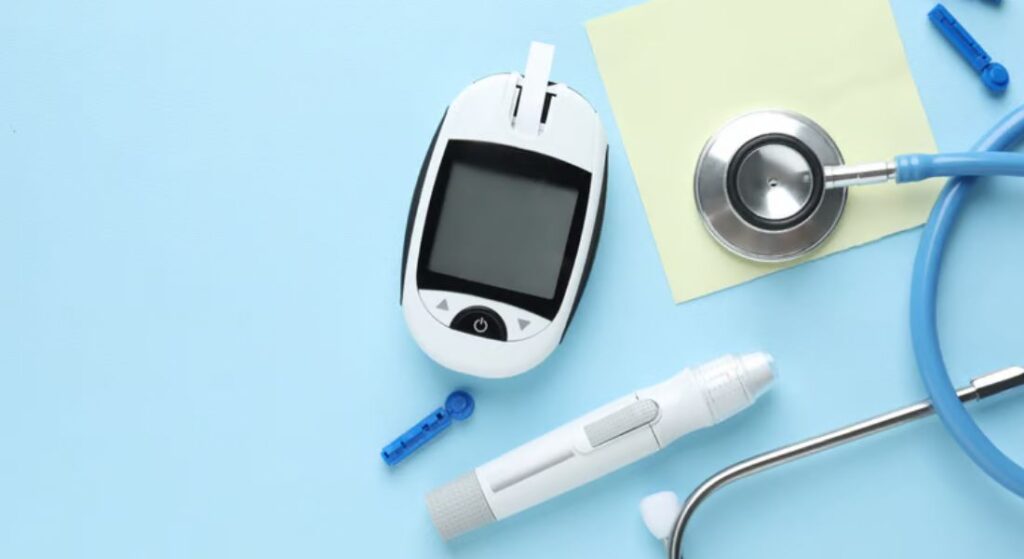
Diabetes makes pre-surgery assessment especially important. Your surgical team needs to understand your blood sugar control, medications, and overall health before planning the procedure. This helps them prepare for surgery in the safest possible way.
Blood sugar fluctuations can affect tissue healing, immune function, and recovery after surgery. If blood sugar is too high or unstable, there may be a greater risk of infection, slower wound healing, or other complications. Careful planning can help reduce these risks.
Your surgical team will take your diabetes into account when preparing your treatment plan. They may work with your diabetes specialist to adjust medication, monitor glucose levels, and support safer recovery. This joined-up approach helps make your surgery and healing process more carefully managed.
How Diabetes Affects Prostate Cancer Surgery
| Area Affected | Impact of Diabetes | Clinical Importance |
| Blood sugar control | May fluctuate due to stress, fasting, surgery | Requires close perioperative monitoring |
| Wound healing | Can be slower in poorly controlled diabetes | Increases need for careful wound care |
| Infection risk | Higher risk if glucose is uncontrolled | Antibiotics and hygiene become more important |
| Immune response | May be weakened by high glucose levels | Slower recovery from surgical stress |
| Recovery speed | May be slightly delayed | Requires longer monitoring in some cases |
Preoperative Assessment
Before surgery, your surgeon will review your blood sugar control, medications, and overall health. This helps them understand how well prepared your body is for the operation. It also allows the team to identify any risks that may need attention before surgery.
Your assessment may include blood tests, ECGs, and a review with your diabetes care team. Your medication plan may also be checked, especially if any tablets or insulin doses need to be adjusted around the time of surgery. These steps help make the procedure safer.
The goal is to optimise your health before the operation begins. Better preparation can reduce the risk of complications, support wound healing, and help you recover more smoothly. Your team will guide you through what needs to be done before surgery.
Glycaemic Control Before Surgery
Maintaining stable blood sugar before surgery is very important. Good glycaemic control helps prepare your body for the operation and supports safer recovery afterwards. Your surgical team may want your diabetes to be as well controlled as possible before proceeding.
Your endocrinologist or diabetes specialist may adjust your medications or insulin dose before surgery. This is done to reduce the risk of blood sugar becoming too high or too low during the surgical period. You should follow their instructions carefully and avoid changing medication on your own.
Better blood sugar control is linked with lower infection risk and improved wound healing. It can also support your energy levels, immune response, and overall recovery. Careful planning before surgery gives your body the best chance of healing smoothly.
Medication Management
Some diabetes medications may need to be paused or adjusted around the time of surgery. This is because fasting, anaesthetic, reduced food intake, stress, and recovery can all affect your blood sugar levels. Your healthcare team will review your medicines before the operation.
Your team will explain which medications you should continue and which ones you may need to stop temporarily. You should not make changes on your own unless your doctor or diabetes specialist has advised you to do so. Clear instructions help keep your blood sugar safer during the surgical period.
Careful medication management helps reduce the risk of blood sugar becoming too low or too high during and after surgery. It also supports wound healing, energy levels, and overall recovery. If you are unsure about any medication, ask your healthcare team before your operation day.
Choosing Surgical Technique
Minimally invasive surgery, such as Da Vinci robotic prostate surgery, is often preferred when it is suitable. For patients with diabetes, smaller incisions may help reduce wound discomfort and may support a smoother early recovery. However, suitability always depends on your individual condition.
Open surgery may still be required in more complex cases. This can depend on tumour position, previous surgery, anatomy, or other medical factors. Your surgeon will recommend the approach that gives the safest and most effective cancer treatment.
The choice of surgical technique depends on your tumour characteristics, anatomy, overall health, and your surgeon’s experience. Diabetes is an important consideration, but it is only one part of the decision. Your specialist will explain which option is most appropriate for you and why.
Nerve-Sparing Considerations
If your cancer position and stage allow, nerve-sparing surgery may be performed to help preserve sexual function. The nerves involved in erections run very close to the prostate, so your surgeon must decide whether they can be safely protected. Cancer control always remains the main priority.
Robotic surgery can support nerve-sparing by giving the surgeon a magnified view and allowing very precise movements. This may help them work carefully around the nerves, blood vessels, and nearby tissues. However, whether nerve-sparing is possible depends on your individual cancer and anatomy.
Having diabetes does not automatically mean nerve-sparing cannot be done. However, diabetes can affect blood vessels, nerves, and healing, which may influence sexual recovery after surgery. Your specialist can explain what is realistic for your situation and what support may help recovery.
Hospital Stay

Patients with diabetes sometimes have a slightly longer initial hospital stay after prostate surgery. This allows the medical team to monitor blood sugar levels, wound healing, urinary function, and general recovery more closely. Staying longer does not always mean there is a problem; it may simply be part of safer recovery planning.
Early mobilisation, regular monitoring, and nursing care are important during this stage. Your team may encourage gentle movement when it is safe, while also checking your catheter, pain levels, wounds, and glucose control. These steps help reduce the risk of complications and support steady healing.
The hospital team may also coordinate with your diabetes specialists to optimise your care. This can include reviewing medication, monitoring blood sugar changes, and adjusting advice based on your recovery. A joined-up approach helps make your hospital stay safer and prepares you for recovery at home.
Hospital Recovery-Diabetes vs Non-Diabetes
| Factor | Patients with Diabetes | Patients without Diabetes |
| Blood sugar monitoring | Frequent checks required | Routine monitoring only |
| Infection risk | Slightly higher | Lower baseline risk |
| Length of stay | May be slightly longer in some cases | Usually shorter |
| Wound monitoring | More intensive observation | Standard care |
| Medication adjustments | Often required | Less likely |
Urinary Catheter Management
A urinary catheter is commonly used for one to two weeks after prostate surgery. It helps drain urine while the new join between the bladder and urethra heals. Your specialist will tell you how long the catheter is likely to stay in place based on your surgery and recovery.
Proper catheter care is important to reduce the risk of infection, especially if you have diabetes. You should keep the area clean, empty the bag as advised, avoid pulling on the tube, and watch for problems such as pain, blockage, leakage, or cloudy urine. Good hygiene and stable blood sugar can both support safer recovery.
Before you leave hospital, the nursing team will show you how to manage the catheter at home. They will explain how to empty the bag, change between day and night bags if needed, and when to seek medical advice. Clear guidance can help you feel more confident while recovering at home.
Pain and Discomfort
Post-operative discomfort is normal after prostate surgery, especially during the first few days of recovery. With robotic surgery, pain is often less than with open surgery because the cuts are smaller and there is usually less tissue disruption. Even so, you may still feel soreness, bloating, or discomfort around the wound areas.
Your pain management will be carefully monitored while you are in hospital. Your nurses and doctors can adjust pain relief if needed, and you may be given medication to continue at home. It is important to take pain relief as advised rather than waiting until discomfort becomes difficult to manage.
Stable blood sugar can support healing and may help reduce inflammation during recovery. Better glucose control can also help your body respond more effectively after surgery. If pain becomes severe, worsening, or unusual, you should contact your healthcare team for advice.
Infection Prevention
Diabetes can increase the risk of infection, so careful hygiene and regular monitoring are important after surgery. You should follow your wound care and catheter care instructions exactly as advised by your healthcare team. Keeping the area clean and watching for changes can help reduce avoidable risks.
In some cases, antibiotics may be prescribed to help reduce the risk of post-operative infection. You should take them exactly as directed and complete the course unless your doctor tells you otherwise. Good blood sugar control can also support your body’s ability to fight infection and heal properly.
You should contact your healthcare team promptly if you develop a fever, increasing redness, swelling, wound drainage, worsening pain, or feel generally unwell. These signs may need medical review, especially if you have diabetes. Early treatment can help prevent infection from becoming more serious and support a safer recovery.
Wound Healing
Wound healing may be slower in some patients with diabetes because high blood sugar and changes to the small blood vessels can affect the body’s natural healing process. This does not mean you will have problems, but it does mean your recovery may need a little more time and careful monitoring. Keeping your diabetes well controlled can help support the healing process.
It is important to follow your wound care instructions carefully after surgery. Keeping the incision clean and dry, taking medications as prescribed, and maintaining good blood sugar control can all help reduce the risk of infection and support better healing. If you are unsure how to care for your wound, ask your healthcare team for advice.
Check your incision sites every day for any signs of redness, swelling, discharge, increasing pain, or separation of the wound. Early recognition of these changes allows your medical team to assess and treat any problems promptly. Reporting concerns early can help prevent complications and support a smoother recovery.
Urinary Continence Recovery
Temporary urinary leakage is common after prostate surgery, especially after the catheter is removed. You may notice leakage when standing, coughing, walking, bending, or lifting. This can feel frustrating, but it is a normal part of recovery for many men.
Pelvic floor exercises can support continence recovery when they are started at the right time and done correctly. Your specialist nurse or physiotherapist can guide you on the proper technique and how often to practise. Consistency is important, as improvement usually happens gradually.
Diabetes does not prevent urinary continence recovery, but it may slightly influence the timing for some men. Healing, nerve function, bladder control, and overall fitness can all affect progress. If leakage is not improving or is affecting your confidence, speak to your healthcare team for further support.
Erectile Function Recovery
Nerve-sparing surgery may help preserve sexual function, but recovery can take time. If you have diabetes, erectile function may return more slowly because diabetes can affect the nerves and blood vessels involved in achieving an erection. Every man’s recovery is different, so it is important to be patient.
Your specialist may recommend treatments to support recovery, such as medication, vacuum erection devices, or a structured penile rehabilitation programme. These options are designed to encourage healing and improve long-term outcomes where appropriate. Your treatment plan will depend on your individual situation and the type of surgery you have had.
Patience and following your post-operative guidance are important throughout the recovery process. Improvements may continue for many months after surgery, so try not to judge your progress too early. If you have concerns about sexual recovery, speak to your specialist, who can discuss the most suitable support and treatment options.
Blood Sugar Monitoring Post-Surgery
After surgery, hospital staff will monitor your blood sugar regularly to help prevent complications. Surgery, anaesthetic, stress, changes in eating, and reduced activity can all affect glucose levels. Careful monitoring allows your team to respond quickly if your blood sugar becomes too high or too low.
Once you return home, self-monitoring remains important if this is part of your diabetes care plan. You should follow the advice given by your diabetes team and keep regular follow-up appointments with your endocrinologist or diabetes nurse. If your readings become unusual or difficult to control, you should seek medical advice.
Stable blood sugar can support wound healing, energy levels, and overall recovery. It may also help reduce the risk of infection after surgery. Good glucose control, medication adherence, healthy eating, and regular communication with your care team can all help you recover more safely.
Diet and Hydration

A balanced diet and adequate hydration are important for both diabetes management and post-surgery healing. Eating regular, nourishing meals can support energy levels, blood sugar control, and tissue repair. Your care team may give you specific dietary advice based on your recovery and diabetes plan.
High-fibre foods can help reduce the risk of constipation after surgery. Constipation is common during recovery and may be made worse by reduced movement, changes in appetite, and pain medications. Foods such as vegetables, fruits, whole grains, and pulses may help, along with enough fluids.
Good nutrition plays a key role in your recovery and overall wellbeing. Try to avoid extreme diets during this period and focus on steady, balanced choices. If you are unsure what to eat, ask your doctor, diabetes nurse, or dietitian for guidance.
Physical Activity
Gentle movement is usually encouraged soon after surgery to support your recovery. Short walks can help improve circulation, reduce stiffness, and lower the risk of complications such as blood clots. You should follow your medical team’s advice about when and how to start moving.
Strenuous activity, heavy lifting, and high-intensity exercise should be avoided in the early recovery period. Your body needs time to heal internally, even if you begin to feel better on the outside. Doing too much too soon can increase discomfort and slow your progress.
Safe rehabilitation is about consistency and gradual progression. Start slowly, increase activity only when advised, and listen to your body as you recover. If you are unsure whether an activity is safe, ask your surgeon or specialist nurse before doing it.
Managing Medications at Home
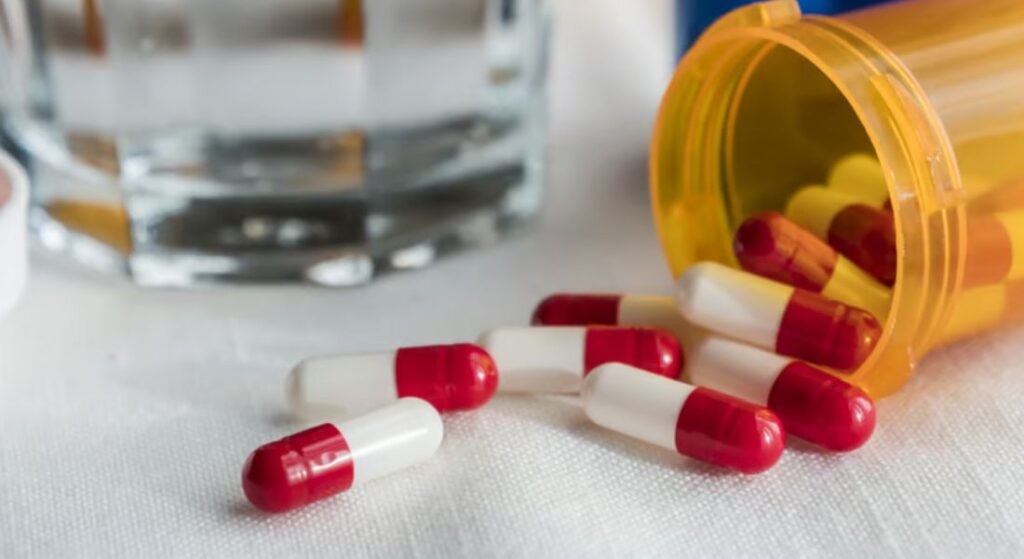
Your medication plan may be adjusted after surgery to support your recovery at home. This may include changes to diabetes medications, pain relief, antibiotics, blood thinning medication, or other prescribed treatments. It is important to follow your care team’s instructions carefully.
You should take all medicines exactly as advised and avoid changing doses without medical guidance. This is especially important for diabetes medication, as blood sugar levels can change during recovery due to reduced activity, appetite changes, pain, or stress. If you are unsure about any medicine, ask your healthcare team before making changes.
Your care team will usually provide a clear schedule before you leave hospital. This should explain what to take, when to take it, and what side effects or warning signs to watch for. Following this plan can help you manage recovery safely and confidently at home.
Follow-Up Appointments
Regular follow-up with your urologist and diabetes specialist helps make sure your recovery is on track. After prostate surgery, your body needs monitoring for healing, urinary control, blood sugar stability, and overall wellbeing. These appointments give your healthcare team the chance to review your progress and adjust your care if needed.
PSA testing, urinary function checks, sexual recovery assessment, and wound monitoring are often part of ongoing care. Your diabetes specialist may also review your blood sugar levels, medication, and any changes needed during recovery. This combined approach helps ensure both your prostate surgery recovery and diabetes management are properly supported.
You should raise any concerns promptly during follow-up, even if they seem small. Early attention to pain, leakage, catheter issues, wound changes, or blood sugar problems can help prevent complications and support better outcomes. Regular communication with your team can help you recover with greater confidence.
Emotional Support
Recovering from prostate surgery while also managing diabetes can feel stressful at times. You may be dealing with physical healing, blood sugar control, medication routines, urinary changes, and emotional pressure all at once. It is normal to feel overwhelmed during this stage.
Support from family, friends, partners, or carers can make recovery feel more manageable. Counselling services or support groups may also help if you are feeling anxious, low, or struggling to stay motivated with rehabilitation. Talking openly can reduce pressure and help you feel less alone.
Feeling supported can improve your overall recovery and quality of life. Emotional reassurance can make it easier to follow medical advice, attend appointments, and stay consistent with healthy habits. With the right support, you can move through recovery with more confidence.
Lifestyle Adjustments for Recovery
Lifestyle adjustments can play an important role in recovery after prostate surgery, especially if you have diabetes. Maintaining healthy blood sugar, avoiding smoking, limiting alcohol, and staying gently active can all support healing. These steps help your body recover more steadily and reduce avoidable strain.
Healthy lifestyle choices may also lower the risk of complications and support better long-term functional outcomes. Good blood sugar control can help wound healing, while gentle exercise can improve circulation, energy, and mobility. Avoiding smoking and limiting alcohol can further support your overall recovery and long-term health.
Small daily changes can make a significant difference over time. You do not need to make extreme changes all at once, but consistency matters. Following your medical team’s advice and building healthy habits gradually can help you recover with greater confidence.
Long-Term Health Monitoring
Men with diabetes who have undergone prostate surgery need ongoing monitoring for both metabolic health and cancer-related follow-up. This may include blood sugar control, medication review, PSA testing, urinary function, wound healing, and general recovery progress. Regular reviews help your healthcare team identify concerns early and adjust your care when needed.
Close collaboration between your urologist, endocrinologist, GP, and other healthcare professionals helps make your care more complete. Your diabetes management should be considered alongside your prostate surgery recovery, especially because blood sugar control can affect healing and overall wellbeing. This joined-up approach helps reduce confusion and supports safer decision-making.
A team-based approach can improve both short-term recovery and long-term health outcomes. It helps you receive clearer guidance, more personalised support, and better monitoring after surgery. With regular follow-up and good communication, you can manage your recovery and long-term health with greater confidence.
Managing Expectations
Recovery is different for every man, and having diabetes may mean healing or functional recovery takes a little longer. This can include wound healing, urinary control, energy levels, or sexual recovery after treatment. It does not mean your recovery is failing; it simply means your body may need more time and careful support.
Understanding these possible challenges can help you set realistic expectations from the beginning. Following your medical team’s guidance on blood sugar control, medication, activity, diet, and follow-up appointments can support a smoother recovery. Knowing what to expect can also reduce anxiety and help you feel more in control.
Most men can still achieve excellent cancer control and good functional outcomes with the right care. A personalised treatment and recovery plan can help manage diabetes-related risks while supporting prostate cancer treatment. Regular communication with your healthcare team is key to staying on track.
FAQs:
1. Can you have prostate cancer surgery if you have diabetes?
Yes, you can. Having diabetes does not prevent prostate cancer surgery. However, it does mean your surgical team will take extra care to stabilise blood sugar and reduce the risk of complications before, during, and after the operation.
2. Why does diabetes matter for prostate cancer surgery?
Diabetes can affect healing, immune response, and infection risk. Because of this, it becomes an important factor when planning and managing surgery for prostate cancer. Good blood sugar control significantly improves surgical safety and recovery outcomes.
3. Will special tests be required before surgery if a person has diabetes?
Yes, most patients with diabetes undergo additional preoperative assessment. This may include blood tests to check glucose control (such as HbA1c), kidney function, and overall fitness for surgery. Your diabetes care team may also be involved in optimisation before the procedure.
4. Does diabetes increase surgical risks?
Yes, but the risks can be managed. Poorly controlled diabetes may increase the likelihood of infection, delayed wound healing, and slower recovery. However, with good glycaemic control and careful monitoring, most patients undergo surgery safely.
5. Can robotic prostate surgery still be performed in patients with diabetes?
Yes. In fact, minimally invasive techniques such as robotic surgery are often preferred because they involve smaller incisions, less tissue trauma, and potentially faster recovery. Diabetes does not prevent you from having robotic-assisted surgery.
6. How is blood sugar managed during prostate surgery?
During hospital admission, your blood sugar is closely monitored. Insulin or other medications may be adjusted temporarily to maintain stable glucose levels. This helps reduce complications and supports safe healing after surgery for prostate cancer.
7. Will diabetes affect my recovery after surgery?
It can influence recovery speed. People with diabetes may experience slightly slower wound healing or a higher risk of infection. However, good blood sugar control, proper wound care, and following medical advice can help ensure a smooth recovery.
8. Do diabetic patients stay longer in hospital after surgery?
Sometimes. Some patients with diabetes may stay an extra day or two for closer monitoring of blood sugar levels, catheter care, and wound healing. However, discharge timing still depends on individual recovery rather than diabetes alone.
9. How does diabetes affect wound healing after prostate surgery?
High blood sugar can reduce circulation and slow tissue repair, which may delay healing. Keeping glucose levels well-controlled before and after surgery greatly improves healing outcomes and reduces the risk of infection.
10. What can be done to improve recovery if a person has diabetes?
Maintaining stable blood sugar, following your medication plan, eating a balanced diet, staying hydrated, and gradually increasing physical activity all support recovery. Regular follow-ups with both your urologist and diabetes specialist are also essential for the best outcomes.
Final Thoughts: Prostate Cancer Surgery and Diabetes – What You Should Know
Having diabetes does not prevent you from undergoing prostate cancer surgery, but it does mean that your treatment journey needs to be carefully planned and closely monitored. Good blood sugar control before, during, and after surgery plays a key role in reducing complications such as infection, delayed wound healing, and prolonged recovery time. With the right preparation and coordinated care between your urology and diabetes teams, most patients can still achieve excellent surgical outcomes.
Recovery after prostate cancer surgery may vary slightly in men with diabetes, but consistent glucose management, adherence to post-operative instructions, and regular follow-ups can significantly improve healing and long-term results. A personalised approach ensures that both cancer control and metabolic health are managed effectively together. If you want expert assessment for prostate symptoms, PSA changes, or treatment planning options, you can contact us at Prostate Clinic London to discuss your first appointment and next steps tailored to your individual situation.
References:
- Cakmak, S., Canda, A.E., Atmaca, A.F., et al. (2019) Does type 2 diabetes mellitus have an impact on continence recovery after robot-assisted radical prostatectomy? Journal of Endourology. Available at: https://pubmed.ncbi.nlm.nih.gov/30648427/
- Leung, V. and Ragbir-Toolsie, K. (2017) Perioperative management of patients with diabetes, Health Services Insights, 10. Available at: https://pmc.ncbi.nlm.nih.gov/articles/PMC5692120/
- Spampinato, S.F., Caruso, G.I., De Pasquale, R., Sortino, M.A. and Merlo, S. (2020) The treatment of impaired wound healing in diabetes: looking among old drugs, Pharmaceuticals, 13(4), p. 60. Available at: https://www.mdpi.com/1424-8247/13/4/60
- Zhu, W., Xia, L., Qiao, D., et al. (2023) Wound infection in robotic-assisted radical prostatectomy compared with retropubic radical prostatectomy: A meta-analysis, International Wound Journal. Available at: https://pmc.ncbi.nlm.nih.gov/articles/PMC10588328/
- Sebranek, J.J., Lugli, A.K., Coursin, D.B. and Schmeltz, L.R. (2013) Glycaemic control in the perioperative period, British Journal of Anaesthesia, 111(suppl_1), pp. i18–i34. Available at: https://academic.oup.com/bja/article/111/suppl_1/i18/229267