



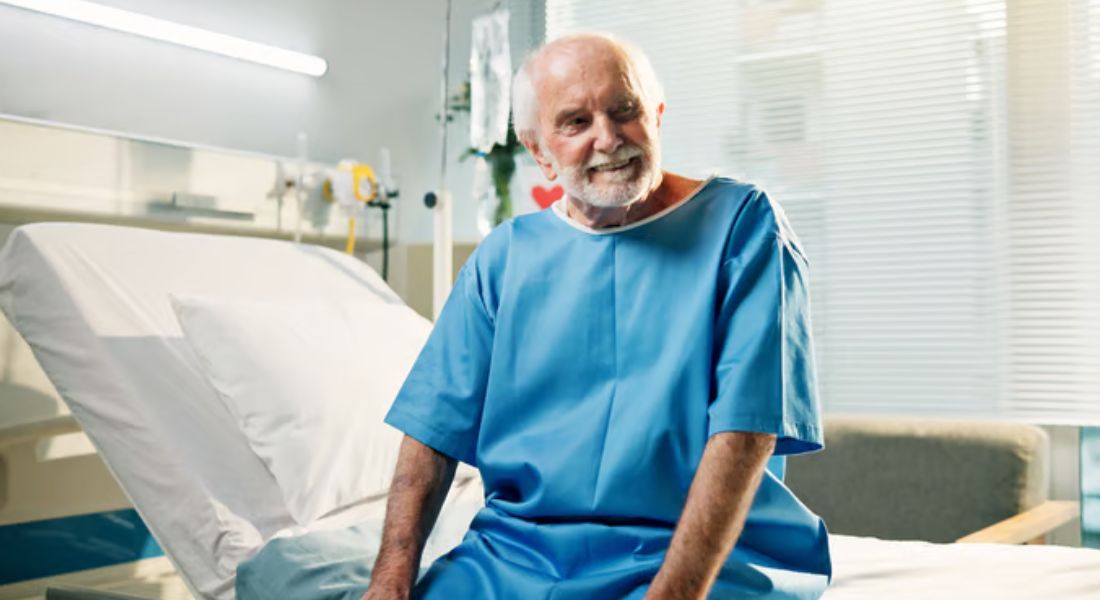
+Hospital stay after prostate cancer surgery is usually quite short, especially if you have robotic or keyhole surgery. Most men are able to go home quickly once they are stable, comfortable, and recovering well after the operation.
If you have robotic prostate cancer surgery, you may only stay in hospital for one night. However, your stay can sometimes be longer depending on your general health, how smoothly your surgery goes, the type of surgical approach used, or if extra monitoring is needed.
Cancer Research UK explains that most people usually spend just one night in hospital after prostate cancer surgery. Even though this sounds quick, it is important to understand that your recovery continues for several weeks once you are back at home.
If you are preparing for surgery, it is completely normal to have questions about discharge, catheters, and what the first few days at home will feel like. You may also wonder when you can move around normally, when you can eat and drink comfortably, and how much support you will need in the early recovery period.
Even though your hospital stay is short, your body still needs time to heal properly after a major operation called a radical prostatectomy. This is an important reminder that leaving hospital is only the beginning of your recovery, not the end of it.
Why Hospital Stay Can Vary
Hospital stay after prostate cancer surgery can vary from person to person. Some men may go home the day after surgery, while others may need to stay for two or more nights if they require extra pain control, mobility support, catheter care, or closer monitoring.
Prostate Cancer UK explains that hospital stay is usually between one and five days, depending on the type of surgery. Robotic and keyhole surgery often allow a shorter stay than open surgery, but this can still vary based on your individual situation.
Your age, fitness, medical conditions, surgery complexity, lymph node removal, pain levels, and mobility all play a role in discharge timing. The aim is not to leave hospital quickly, but to leave when it is safe and you are ready for recovery at home.
Typical Hospital Stay After Robotic Prostate Surgery
After robotic prostate cancer surgery, many patients stay in hospital for one night. This means you may have surgery on one day and go home the following day if recovery is straightforward.
Robotic surgery uses small cuts and robotic instruments controlled by the surgeon. The smaller cuts may help with early recovery compared with open surgery, although the operation inside is still major surgery.
Before discharge, your team will check that your pain is controlled, your catheter is draining properly, you can move safely, and you understand your home care instructions. You may still feel tired, sore, or slightly bloated when you leave. That does not mean you are fully recovered. It simply means you are safe to continue recovery at home.
Hospital Stay After Open Surgery
Open prostate cancer surgery may involve a longer hospital stay. This is because open surgery uses a larger incision, so early recovery may take more time. You may need more wound monitoring, pain control, and mobility support before going home.
The exact length of stay depends on your health, the operation, and your hospital’s pathway. Some patients still recover well and go home within a few days. Others may need longer if there are complications or if extra support is needed. Your surgeon should explain what is realistic for your planned approach before the operation.
What Happens Immediately After Surgery?
After your surgery, you will wake up in the recovery area where specialist nurses will be looking after you closely. They will monitor you as the anaesthetic wears off and make sure you are stable and comfortable.
During this early stage, your team will check your breathing, blood pressure, pulse, pain level, catheter, wounds, and urine output. You may feel sleepy, cold, thirsty, sore, or a little confused for a short time, which is completely normal after a major operation.
You may also have a drip, oxygen mask, urinary catheter, dressings, and sometimes a small drain in place. Once the recovery team is happy that you are stable, you will be moved back to the ward, and this early monitoring is an important part of your safe recovery.
The First Night in Hospital
The first night in hospital after prostate cancer surgery is mainly focused on monitoring, comfort, and early recovery. Your nurses will check your observations regularly, including your wounds, catheter drainage, urine colour, pain levels, and overall wellbeing.
You may be encouraged to start drinking fluids when it is safe, and in some cases, you may be helped to sit out of bed or take a short walk if your medical team feels you are ready. These early steps are important for supporting circulation and recovery.
It is completely normal to feel tired, sore, and a bit uncomfortable during this time. You may also feel emotional, as the operation is over but recovery has only just begun, and it can take time to adjust.
Try not to judge your progress too early, as the first night is mainly about safety and stabilising your condition. Your body is still in the very early stages of healing, so the focus is on steady, supported recovery rather than rapid progress.
Pain Control Before Discharge
Your pain should be manageable before you go home. You may feel soreness around the abdominal wounds, bloating from keyhole surgery gas, or catheter irritation. Some men feel shoulder-tip discomfort after robotic or keyhole surgery because of the gas used during the operation.
Your team will give you pain relief and explain how to take it at home. Do not pretend you are comfortable if you are not. Good pain control helps you breathe deeply, move around safely, sleep better, and recover with more confidence. If pain is worsening instead of improving, tell your nurse or doctor before discharge.
Catheter After Prostate Cancer Surgery
Most men go home with a catheter after prostate cancer surgery. A catheter is a thin tube that drains urine from the bladder into a bag while the join between the bladder and urethra heals.
Cancer Research UK explains that the urinary catheter usually stays in for 7 to 10 days after radical prostatectomy, and your nurse will show you how to look after it before you leave hospital.
Cambridge University Hospitals also explains that after robotic prostatectomy, the catheter needs to stay in place for about a week to allow healing of the urethra. The catheter can feel strange, but it is a normal part of recovery.
Learning Catheter Care Before You Go Home
Before you are discharged from hospital, your nurse will usually show you how to manage your catheter at home. This includes how to empty the catheter bag, attach a night bag, keep the tube secure, and avoid pulling or twisting it.
You may be given a smaller leg bag for daytime use and a larger drainage bag for night-time. Your team should also explain what is normal, such as mild blood staining in the urine, and what warning signs need medical attention.
Problems like a blocked catheter, heavy bleeding, large clots, severe pain, fever, or ongoing leakage should be reported. Before you leave hospital, make sure you know who to contact if you have any catheter issues at home.
Will the Catheter Be Removed Before Discharge?
Usually, the catheter is not removed before you leave hospital, and most men go home with it still in place. It is normally removed later at a follow-up appointment once your surgeon is satisfied that healing is progressing well.
This appointment is often called a trial without catheter (TWOC) and usually takes place around one to two weeks after surgery, depending on your recovery and your surgeon’s plan. At this visit, your team will check that you are able to pass urine properly after the catheter is removed.
It is also common to experience some urine leakage at first after the catheter comes out. This is a normal part of recovery after prostate cancer surgery and usually improves gradually over time as the bladder control strengthens.
What Checks Are Done Before Discharge?
Before you leave hospital, your team will want to make sure you are recovering as expected and feel ready to continue your recovery at home. This is not about rushing you out of hospital, but about making sure you can leave safely and confidently.
They will usually check things such as your pain levels, catheter drainage, wounds, urine colour, blood pressure, temperature, and ability to move around comfortably. They will also make sure you understand your medicines, catheter care, activity restrictions, and follow-up appointments.
If there is anything you are unsure about, this is a good time to ask questions. Having clear instructions before you leave can help you feel more prepared for the first few days of recovery at home.
What Doctors Check Before You Go Home
| Area Checked | What the Team Looks For | Why It Matters |
| Pain control | Pain manageable with oral medication | Ensures comfort at home |
| Catheter function | Urine draining properly | Prevents urinary complications |
| Mobility | Able to walk safely on ward | Reduces risk of blood clots |
| Wound condition | No excessive bleeding or infection signs | Ensures proper healing |
| Vital signs | Stable blood pressure, pulse, temperature | Confirms medical stability |
| Urine output | Clear or expected post-op changes | Detects early complications |
| Understanding of care | Knows catheter/wound care steps | Supports safe self-management |
Going Home After One Night
Going home after just one night in hospital can feel surprisingly quick, and it is normal if you feel a mix of relief and uncertainty. You may be glad to leave the hospital environment, but at the same time feel a bit nervous about managing your catheter and continuing recovery at home.
You do not need to feel fully recovered before discharge. The key point is that you are medically stable, your pain is under control, and you are safe to continue healing in your own home with the right support in place.
Before you leave, your team should provide clear written instructions along with contact details in case you need advice or reassurance. It is important to keep these documents somewhere easy to access, so you are not searching for information when you need it most.
Having someone stay with you, or at least check in regularly during the first few days, can make a real difference. This support can help you manage daily tasks more easily while you adjust to the catheter, move more slowly, and begin your early recovery at home.
Why Some Patients Stay Longer
Some patients need a longer hospital stay. This may happen if pain is not well controlled, mobility is difficult, the catheter is not draining properly, there is more bleeding than expected, or the medical team wants extra monitoring.
You may also stay longer if you have other health problems such as heart disease, breathing problems, diabetes, frailty, or reduced mobility. If lymph nodes were removed or the surgery was more complex, your team may also prefer longer observation.
A longer stay does not always mean something has gone wrong. Sometimes it simply means your team wants to make sure you are recovering safely before you go home.
Discharge With a Drain
Some patients may go home with a surgical drain after prostate cancer surgery. This is a small tube that helps remove extra fluid from the operation area while your body is healing. Not everyone needs a drain, as it depends on the type of surgery and your surgeon’s usual practice.
In some cases, the drain may be removed before you leave hospital if the fluid level is low enough and your recovery is going well. If it needs to stay in place longer, your team will explain clearly how it will be managed and when it will be removed.
It is important not to worry if your experience is different from another patient’s. Recovery plans can vary, and your care is always tailored to your individual surgery and healing progress.
Walking Before Discharge
Before you go home, your team will usually encourage you to start gentle walking. Cancer Research UK explains that nurses often encourage movement soon after surgery, and most people who are normally mobile are up and walking around the ward quite soon after the operation.
Walking is important because it helps reduce stiffness, supports blood circulation, and may lower the risk of blood clots. You should start slowly and take your time, rather than trying to push yourself too quickly.
If you feel dizzy, weak, or in pain while walking, it is important to tell your nurse straight away. Being able to walk safely and comfortably is one of the key signs that you are ready to continue your recovery at home.
Eating and Drinking Before Discharge
After prostate cancer surgery, you will usually start eating and drinking gradually as your body recovers. It is common to feel bloated or have a reduced appetite at first, especially due to anaesthetic, pain relief medicines, and the gas used during keyhole surgery.
Your team will often encourage you to drink fluids regularly, particularly while the catheter is in place, unless you have been advised to limit your intake for another medical reason. Staying hydrated can support recovery and help your urinary system function properly.
It is also important to avoid constipation, as straining can feel uncomfortable after surgery. Your team may suggest fibre, increased fluids, gentle walking, or stool-softening medicines if needed to keep your bowels moving comfortably.
If you feel very sick, are unable to keep fluids down, or notice severe abdominal swelling, you should inform your medical team before discharge. These symptoms may need further assessment before you go home safely.
Wound Care at Home
Before you are discharged from hospital, your medical team will explain how to look after your wounds at home. If you have had robotic surgery, you will usually have several small cuts on your abdomen, while open surgery leaves a larger incision that may take longer to heal.
Depending on your procedure, your wounds may be closed with dressings, surgical glue, stitches, or clips. You should be clearly told when it is safe to shower, how to gently clean the area, and what activities to avoid during early recovery.
It is important to watch for signs of infection, such as increasing redness, warmth, swelling, pain, or any pus or fluid coming from the wound. You should also contact your team if you develop a fever or feel generally unwell, as early advice can help prevent complications.
Medicines After Discharge

You may be sent home with medicines. These may include pain relief, blood-thinning injections or tablets, antibiotics in selected cases, laxatives or stool softeners, and any regular medicines you need to restart.
Your team should explain what to take, when to take it, and what side effects to watch for. If you take blood thinners, ask clearly when to restart them. Do not restart or stop important medicines unless your doctor has advised you. If you are unsure, call the hospital team, GP, or pharmacist for guidance.
What to Expect in the First Few Days at Home
The first few days at home are often a mix of relief and adjustment. You may feel tired, sore, bloated, and slower than usual. You may feel awkward moving around with the catheter. You may notice mild blood staining in the urine, especially after walking more.
You may have reduced appetite or constipation. These things can be part of early recovery, but symptoms should gradually improve. Rest, gentle walking, fluids as advised, catheter care, and pain relief can help. Do not try to return to normal too quickly.
When to Seek Medical Advice After Discharge
You should contact your hospital team or seek urgent advice if you develop worrying symptoms. These include fever, chills, worsening pain, heavy bleeding, large clots, catheter blockage, catheter falling out, inability to pass urine after catheter removal, chest pain, breathlessness, calf swelling, wound infection, severe abdominal swelling, or feeling suddenly very unwell.
These symptoms may not always mean something serious, but they need medical attention. Keep your discharge paperwork and emergency contact numbers easy to find. If you are unsure whether something is normal, it is safer to ask.
Catheter Problems at Home
Catheter problems can feel worrying, especially if it is your first time managing one. You should seek advice if the catheter stops draining, urine leaks heavily around the tube, you develop severe bladder pain, or the catheter falls out.
You should also call your team if the urine becomes very bloody with clots or if you feel feverish. Make sure the tube is not kinked and the bag is below bladder level so urine can drain properly. Do not pull or try to remove the catheter yourself. It should be removed by trained staff at the planned appointment.
Blood in the Urine at Home
Some blood in the urine can happen after prostate cancer surgery, and it may become more noticeable after walking or moving around. Light blood staining is quite common, especially while the catheter is still in place or around the time it is removed.
However, heavier bleeding, large clots, a blocked catheter, or worsening pain should always be checked by your medical team. These symptoms may need prompt assessment to make sure everything is healing properly.
If you are ever unsure about the colour or appearance of your urine, it is best to contact your hospital team for advice. It is always safer to ask early rather than wait until a problem becomes more serious, such as a blocked catheter.
Catheter Removal Appointment
Your catheter removal appointment is an important step. It is usually arranged before or soon after you leave hospital. The catheter may be removed around one to two weeks after surgery, although timing depends on your surgeon’s protocol and your healing.
After the catheter is removed, you may be asked to drink fluids and pass urine so the team can check that you are emptying safely. You may leak urine at first, which is common. You should bring pads or ask your team what to prepare.
Urinary Leakage After Catheter Removal
Urinary leakage is very common after your catheter is removed following prostate cancer surgery. You may notice leaks when standing, coughing, laughing, walking, bending, or lifting, especially in the early stages of recovery.
Cancer Research UK explains that bladder control problems are likely after radical prostatectomy, although this usually improves gradually over time. Some men see improvement within a few weeks, while others may take several months, and a smaller number may need longer-term support.
Pelvic floor exercises can help when they are done correctly and consistently, as they strengthen the muscles that control urine flow. Your specialist team can guide you on how to do these properly to get the best results.
If your leakage is heavy, not improving, or affecting your confidence and daily life, it is important to speak to your specialist nurse or doctor. Support is available, and you do not need to manage these symptoms on your own.
Pelvic Floor Exercises After Discharge
Pelvic floor exercises are commonly recommended after prostate cancer surgery to help improve urinary control. These exercises strengthen the muscles that support your bladder and help you control urine flow more effectively during recovery.
Your medical team may teach you how to do these exercises either before your operation or after your catheter is removed. Learning the correct technique is very important, as doing them properly ensures you are activating the right muscles rather than relying on surrounding areas.
A common mistake is tightening the stomach, thighs, or buttocks, but this does not effectively target the pelvic floor. If you are unsure whether you are doing them correctly, you should ask your specialist nurse or a pelvic health physiotherapist for support and guidance.
Consistency matters, but quality is more important than quantity. Doing fewer exercises with the right technique is far more effective than doing many repetitions incorrectly. Over time, regular practice can help improve bladder control and support your overall recovery.
Activity Restrictions After Discharge

Even if you only stay in hospital for one night, you still need to be careful once you are back at home. Your body is still healing internally, so it is important to follow the activity advice given by your medical team.
You will usually be advised to avoid heavy lifting, strenuous exercise, cycling, and any intense abdominal activity for a period of time. Walking is encouraged, but it should be gentle at first and increased slowly as your strength improves.
You should also follow your team’s guidance on returning to driving, work, sexual activity, and exercise. Do not compare your recovery with others, as healing depends on your age, fitness, surgery type, and overall progress.
Returning to Work After Hospital Discharge
Going home from hospital does not mean you are ready to return to work straight away. Most people need several weeks before going back, and the timing depends on your type of job and how your recovery is going.
If you have a desk-based job, you may be able to return sooner than someone doing physical work. However, fatigue, catheter care, urinary leakage, reduced concentration, and follow-up appointments can all still affect when you feel ready.
If your job involves lifting, driving, long periods of standing, or manual labour, you will usually need more time before returning safely. Your body needs enough time to heal properly before you increase physical strain.
It is important to ask your surgeon or specialist nurse what is realistic for your specific role. Planning a safe and gradual return to work is always better than rushing, as it helps protect your recovery and long-term outcome.
Emotional Adjustment After Going Home
Leaving hospital after prostate cancer surgery can bring mixed emotions. You may feel relieved to be back home, but also anxious about catheter care, urinary leakage, PSA results, side effects, and whether your recovery is progressing as it should.
This reaction is very common and completely understandable. Cancer treatment affects more than just your physical health, and it can also influence your confidence, sleep, mood, relationships, and daily routine in ways you may not expect.
It is important to speak openly with your partner, family, GP, specialist nurse, or support team if you are feeling overwhelmed or unsure. Sharing how you feel can help you get reassurance, guidance, and practical support during recovery.
Follow-Up After Hospital Discharge

Follow-up is a very important part of your recovery after prostate cancer surgery. You will usually have an appointment to remove your catheter, followed by regular check-ups with your surgical team over the coming months and years.
You will also have PSA blood tests after surgery. Because the prostate has been removed, your PSA is expected to fall to a very low or undetectable level. Your specialist will explain when your first test should take place and what results they expect to see, depending on your individual situation.
These follow-up appointments are not only focused on cancer control, but also on how you are recovering in everyday life. You may be asked about urinary leakage, erectile function, pain, wound healing, emotional wellbeing, and your progress with daily activities.
They are also an opportunity for you to raise any concerns and get support if something is not improving as expected. Regular follow-up helps your team monitor your recovery closely and make sure you are getting the right care at each stage.
How to Prepare Before Surgery for Discharge
You can make your discharge and early recovery much easier by preparing before your prostate cancer surgery. Planning ahead helps reduce stress and allows you to focus on resting and healing when you get home.
Arrange transport home in advance, as you should not drive yourself after surgery. It is also helpful to prepare loose, comfortable clothing that will not put pressure on your catheter or abdominal wounds, making movement easier in the early days.
It is sensible to stock up on simple meals, pads, and any supplies recommended by your medical team. Having everything ready at home means you will not need to worry about shopping or unnecessary tasks while you are recovering.
If possible, arrange for someone to stay with you or check in regularly during the first few days after discharge. A calm and safe home environment, with easy access to essentials, can make your transition from hospital to home feel much smoother and more comfortable.
Speak to Our Specialist

If you are preparing for prostate cancer surgery, it can be helpful to understand the hospital stay and discharge process before your operation. Knowing what to expect can make the experience feel less overwhelming and more manageable.
You may want advice about robotic surgery, catheter care, hospital recovery, discharge timing, urinary leakage, follow-up appointments, and what life may look like in the first few weeks at home. Having clear information can help you feel more prepared for each stage.
If you are looking for a prostate cancer clinic in London, you can arrange a consultation to discuss your diagnosis, treatment plan, expected hospital stay, and recovery in detail. A specialist can explain what is most likely in your individual case.
Understanding what happens before you leave hospital can reduce uncertainty and help you feel more confident about your recovery journey. It also allows you to plan ahead and focus more on healing once your surgery is complete.
FAQs
1. How long do you stay in hospital after prostate cancer surgery?
Most patients stay in hospital for around 1–2 nights after robotic (keyhole) prostate cancer surgery if recovery is straightforward. For open surgery, the stay may be slightly longer, usually between 2–5 days depending on pain control, mobility, and overall recovery progress. The exact duration varies from person to person based on health and surgical outcome.
2. Can I go home the day after prostate cancer surgery?
Yes, many patients who undergo robotic prostate cancer surgery are able to go home the following day. This is usually possible if their pain is well managed, they are able to move safely, and there are no complications such as excessive bleeding or catheter issues. However, discharge is always based on medical safety rather than a fixed timeline.
3. Why do some patients stay longer in hospital after surgery?
Some patients need a longer hospital stay if their recovery is slower or more complex. This may be due to difficulty with pain control, reduced mobility, catheter drainage issues, bleeding, or underlying health conditions such as diabetes, heart disease, or frailty. In some cases, surgeons may also recommend extra monitoring after more complex procedures.
4. Will I have a catheter when I leave hospital?
Yes, in most cases you will be discharged with a urinary catheter still in place. This catheter allows urine to drain while the connection between the bladder and urethra heals properly. It is usually kept in place for around 7–10 days, depending on your surgeon’s plan. You will be shown how to manage and care for it before leaving hospital.
5. Is it normal to feel tired after being discharged?
Yes, feeling tired after discharge is completely normal. Your body is still recovering from major surgery and the effects of anaesthesia, pain medication, and reduced activity levels in hospital. Fatigue can last for several weeks, and energy levels usually improve gradually with rest, hydration, and gentle movement.
6. What happens before I am discharged from hospital?
Before discharge, your medical team will carry out several important checks to ensure you are safe to go home. These include monitoring your vital signs, pain levels, wound condition, catheter function, and ability to walk, eat, and drink. They will also confirm that you understand your medications, catheter care, and follow-up plan before you leave.
7. Do I need help at home after leaving hospital?
Yes, it is strongly recommended to have some support at home for the first few days after discharge. You may need help with meals, movement, catheter management, and general daily tasks while your body adjusts to recovery. Having someone around can also provide reassurance and help you feel more comfortable during the early recovery stage.
8. What pain should I expect after going home?
After discharge, you may experience mild to moderate discomfort around incision sites, abdominal bloating (especially after keyhole surgery), and catheter-related irritation. Some patients also experience shoulder-tip pain due to gas used during robotic surgery. Pain should gradually improve with prescribed medication and should not get worse over time.
9. When can I return to normal activities after discharge?
Light activities such as walking are encouraged soon after surgery, but full recovery takes time. You should avoid heavy lifting, strenuous exercise, and driving for several weeks, depending on your surgeon’s advice. Returning to work and normal routines should be gradual and based on how your body is healing, not a fixed timeline.
10. When should I seek medical help after leaving hospital?
You should seek medical advice if you develop warning signs such as fever, chills, worsening pain, heavy bleeding, blood clots in urine, catheter blockage or dislodgement, chest pain, shortness of breath, or signs of wound infection. If you are ever unsure about your symptoms, it is always safer to contact your hospital team or GP for guidance.
Final Thoughts: Understanding Hospital Stay After Prostate Cancer Surgery
A hospital stay after prostate cancer surgery is usually short, especially with modern robotic techniques, but it is important to remember that this is only the first step in your recovery journey. Most patients go home within 1–2 days once they are medically stable, but healing continues for several weeks after discharge. Your recovery at home will involve managing a catheter, gradually improving mobility, controlling pain, and adapting to temporary changes such as fatigue and urinary symptoms.
It is also important to understand that everyone’s experience is different. Factors such as your overall health, type of surgery, cancer stage, and how quickly your body responds to treatment can all influence how long you stay in hospital and how your early recovery progresses. Regular follow-up, PSA testing, and support from your specialist team play a key role in ensuring a safe and steady recovery. If you are looking for a prostate cancer clinic in London, you can reach out to us to arrange a consultation and receive personalised advice about your diagnosis, treatment choices, and recovery.
References:
- Zhang, L., Müller, G., Rossi, A., Patel, S., Kim, J. and Weber, P. (2023) Functional Impact of Neuro-Vascular Bundle Preservation in High-Risk Prostate Cancer, Cancers. Available at: https://www.mdpi.com/2072-6694/15/24/5839
- Jayadevappa, R., Chhatre, S., Wong, Y.N., Wittink, M.N., Cook, R., Morales, K.H. et al. (2017) Comparative effectiveness of prostate cancer treatments for patient-centered outcomes: a systematic review and meta-analysis. Available at: https://pmc.ncbi.nlm.nih.gov/articles/PMC5419922/
- Xia, L., Sperling, C.D., Taylor, B.L., Talwar, R., Chelluri, R.R., Raman, J.D. et al. (2020) Associations between Hospital Volume and Outcomes of Robot-Assisted Radical Prostatectomy. Available at: https://pubmed.ncbi.nlm.nih.gov/31846391/
- Pellissier, J., et al. (1994) Early hospital discharge after radical retropubic prostatectomy: Impact on cost and complication rate. Available at: https://www.sciencedirect.com/science/article/abs/pii/S0090429594802114
- Licht, M.R. and Klein, E.A. (1994) Early hospital discharge after radical retropubic prostatectomy: impact on cost and complication rate. Available at: https://pubmed.ncbi.nlm.nih.gov/7974944/