



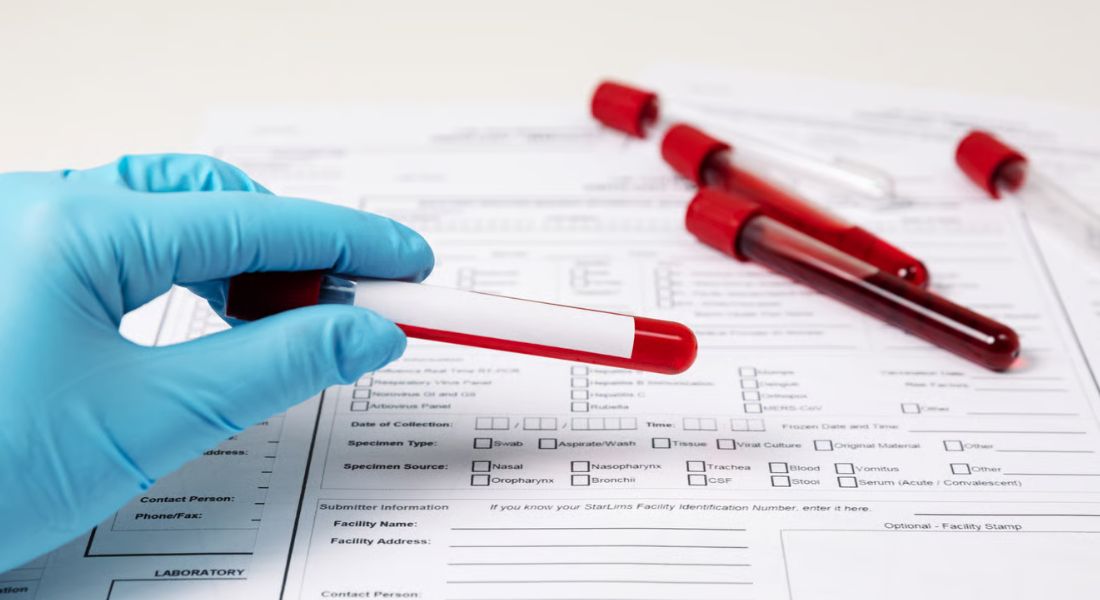
Getting a high PSA test result can feel unsettling, especially if it was part of a routine check or done because of urinary symptoms. It is very common for your mind to jump straight to prostate cancer when you see a higher-than-expected number, but a raised PSA does not automatically mean cancer is present.
PSA levels can rise for many different reasons, not just cancer. These include benign prostate enlargement, infection, inflammation, recent ejaculation, vigorous exercise, and sometimes prostate cancer. The NHS explains that if your PSA is raised, you may be offered a repeat test to see whether it stays high, and if it does, your GP may consider referral for further investigations such as MRI or biopsy.
In many cases, the first step is simply to repeat the test and see if the level changes over time. This helps doctors understand whether the rise was temporary or persistent. It is also why PSA results are always interpreted alongside your symptoms, age, and medical history.
A high PSA result is not the final answer, but rather a signal that more careful checking may be needed. It is a starting point for understanding what is happening, not a conclusion on its own.
First, Try Not to Panic
First, try not to panic if you receive a high PSA result. It is completely understandable to feel worried, but panic can make the situation feel more overwhelming than it needs to be. PSA is a helpful test, but it is not a perfect one. It can suggest that something may be happening in or around the prostate, but it cannot tell you exactly what the cause is.
Because of this, our specialist will usually look at the full picture rather than focusing on the PSA number alone. They may consider your age, any symptoms you have, your family history, ethnicity, previous PSA results, medications, recent infections, and any temporary factors that could have influenced the reading.
This broader assessment helps ensure that your result is interpreted in the right context. It also explains why two men with similar PSA levels may not always receive the same advice or follow-up plan, as individual risk factors and circumstances can be very different.
What Is PSA?
PSA stands for prostate-specific antigen. It is a protein produced by cells in the prostate gland. A small amount of PSA normally passes into the bloodstream, and a PSA blood test measures how much is present.
A higher-than-expected PSA can sometimes be linked to prostate cancer, but it is important to understand that PSA is produced by both normal and cancerous prostate cells. Cancer Research UK explains that PSA is made by both types of cells, and that prostate cancer testing may involve a combination of PSA testing, prostate examination, MRI scans, and biopsy rather than relying on PSA alone.
Because of this, the PSA test needs careful interpretation. A raised result is not a diagnosis of cancer on its own. Instead, it is a signal that further assessment may be needed to understand what is causing the change. In simple terms, a high PSA is a clue rather than a conclusion. It helps our specialist decide whether further investigation is necessary, based on your overall health and risk factors.
Why Your PSA May Be Rechecked
One of the first things that may happen after a high PSA result is a repeat PSA test. This is because PSA levels can fluctuate. BAUS explains that if your PSA is raised, our specialist may repeat the blood test to confirm that the value is still above normal limits before arranging further investigations.
This repeat test can be reassuring if the level comes back down. It can also be useful if the first result may have been affected by a temporary factor, such as infection, inflammation, recent ejaculation, cycling, or another cause. Our specialist may advise you to wait before repeating the test, depending on your situation.
Common Causes of a Raised PSA Level
| Cause | What It Is | How It Affects PSA | Typical Notes |
| Benign prostate enlargement (BPH) | Non-cancerous growth of the prostate with age | Increases PSA due to larger prostate size | Very common in older men |
| Prostatitis | Inflammation of the prostate (sometimes infection-related) | Can significantly raise PSA temporarily | May include pain, fever, urinary symptoms |
| Urinary tract infection (UTI) | Infection in the urinary system | Can cause short-term PSA rise | PSA usually returns to normal after treatment |
| Recent ejaculation | Sexual activity within 24–48 hours | Temporary mild increase in PSA | Easily avoidable before testing |
| Vigorous exercise (cycling) | Pressure/impact on prostate area | May slightly increase PSA | Often advised to avoid before testing |
| Catheter or prostate procedure | Medical instrumentation or manipulation | Temporary PSA rise | PSA may take weeks to settle |
| Prostate cancer | Malignant growth in the prostate | Can increase PSA (not always) | Requires further tests for confirmation |
Preparing for a Repeat PSA Test
If our specialist recommends a repeat PSA test, it is a good idea to ask how you should prepare beforehand. Taking a few simple steps can help make the result more accurate and easier to interpret.
Certain factors can temporarily raise PSA levels. The National Cancer Institute notes that infection or inflammation of the prostate, recent prostate biopsy, vigorous exercise such as cycling, and ejaculation can all cause a short-term increase in PSA. Because of this, you may be advised to avoid ejaculation and vigorous exercise for around 48 hours before your test.
It is also important to tell our clinical team if you have had any recent urinary symptoms, fever, pelvic pain, catheter use, prostate procedures, or a urinary infection. These details help our clinical team understand whether anything may have influenced the result.
Sharing this information ensures your PSA test is interpreted in the right context, making the result more reliable and useful for deciding the next steps in your care.
Our Clinical Team May Ask About Symptoms
After a high PSA result, our clinical team will usually ask about any urinary symptoms you may have noticed. This helps them understand whether the change in PSA could be linked to a common, non-cancerous cause or whether further investigation is needed.
They may ask if you are passing urine more often, waking at night to urinate, experiencing a weak flow, difficulty starting urination, dribbling, or a feeling that your bladder is not fully emptying. These symptoms can be seen in benign prostate enlargement, infection, inflammation, and sometimes prostate cancer.
You may also be asked about other symptoms such as pain, fever, blood in the urine, unexplained weight loss, bone pain, or repeated urinary infections. These questions are not meant to worry you, but to help build a clearer clinical picture.
It is important to answer as honestly as possible, even if the symptoms feel personal or uncomfortable to talk about. Our clinical team asks these questions to guide the next steps and ensure you receive the most appropriate care and investigation.
You May Have a Urine Test

A urine test may be arranged if infection is possible. A urinary infection can raise PSA and may also cause symptoms such as burning when passing urine, cloudy urine, strong-smelling urine, fever, or needing to urinate more often.
If infection is found, our doctor may treat it first and repeat the PSA after the infection has settled. This can help avoid unnecessary worry from a PSA result that may have been temporarily raised. You should not assume that infection is the cause without being checked, but it is one of the common things doctors may consider.
You May Be Offered a Prostate Examination
Our doctor may offer a prostate examination, also called a digital rectal examination or DRE. This involves the doctor gently feeling the prostate through the back passage with a gloved finger. It is usually quick, although it can feel uncomfortable or embarrassing.
The aim is to check whether the prostate feels enlarged, smooth, firm, irregular, or hard. Cancer Research UK explains that a GP may arrange a prostate examination and PSA blood test to help decide whether referral to a specialist is needed.
A normal-feeling prostate does not completely rule out cancer. An abnormal-feeling prostate does not automatically mean cancer either. It is one piece of the assessment, not the whole answer.
Age and Risk Factors Matter
Your PSA result is usually interpreted together with your age and personal risk factors. This is because PSA levels naturally tend to rise as the prostate gets larger with age, so the same number may be seen differently in younger and older men.
Your risk may also be influenced by your family history. For example, having a father or brother with prostate cancer can increase your likelihood of developing the condition. Ethnicity is another factor, as Black men are known to have a higher risk of prostate cancer compared to some other groups.
Doctors will also look at your previous PSA results if they are available. A stable PSA over time is often viewed differently from a PSA that is rising steadily or quickly, even if the actual numbers are similar.
This is why context is so important when interpreting PSA. The result is never looked at in isolation, but always alongside your individual risk factors and medical history to give a clearer and more accurate assessment.
You May Be Referred to a Urologist

If your PSA remains high, or if our specialist is concerned because of your symptoms, examination, or risk factors, you may be referred to a urologist. A urologist is a specialist who deals with the prostate, bladder, kidneys, and urinary system.
Being referred does not mean you definitely have cancer. It means your result needs specialist assessment. Our specialist may review your PSA history, repeat tests, examine you, arrange imaging, or discuss whether a biopsy is needed. For many men, referral is the stage where the uncertainty starts to become clearer.
MRI Scan After a High PSA Result
An MRI scan is now a very common next step after a raised PSA result. Instead of rushing straight to a biopsy, many men are offered an MRI first so doctors can take a closer, more detailed look at the prostate. Prostate Cancer UK explains that this approach is now widely used, and a biopsy is usually only needed if the scan shows something unusual.
From what Cancer Research UK explains, an MRI can help doctors spot any areas that look different, decide whether a biopsy is needed at all, and if it is, guide exactly where the samples should be taken from. It can also give a bit more information about nearby areas, like lymph nodes in the pelvis, which helps build a clearer overall picture.
Even so, it is important to remember that an MRI on its own doesn’t give every answer. It’s more like adding extra detail to the PSA test and other checks, helping your doctor make a more informed and careful decision about what happens next.
What Happens During a Prostate MRI?
A prostate MRI scan uses magnets and radio waves to create detailed images of the inside of your body, particularly the prostate area. It helps doctors look more closely at the prostate and identify any areas that may need further investigation.
During the scan, you will usually lie on a table that moves into the MRI machine. The scanner can be quite noisy while it is working, so you will often be given ear protection or headphones to make it more comfortable. It is important to lie as still as possible so that clear images can be taken.
In some cases, you may be given an injection of contrast dye. This depends on the type of scan and local hospital practice. The contrast helps improve the clarity of certain images so the radiologist can assess the prostate more accurately.
If you feel anxious in enclosed spaces, it is important to tell the MRI team before your scan. They can explain each step, answer your questions, and support you during the process to help you feel more at ease.
Understanding MRI Results
MRI results usually describe whether there are any areas in the prostate that look suspicious or whether everything appears normal. This helps your specialist decide what the next best step should be in your care.
If the MRI is reassuring and your overall risk is low, you may not need an immediate biopsy. In this situation, our specialist may suggest ongoing PSA monitoring instead, to keep an eye on any future changes over time.
If the MRI shows a suspicious area, a targeted biopsy may be recommended. This allows doctors to take samples specifically from the area of concern, rather than collecting random samples from across the prostate. Our specialist should explain your MRI results in clear and simple language, so you understand what has been found and what it means for the next steps in your assessment.
What If the MRI Is Normal?
A normal or low-suspicion MRI can be reassuring, but it does not always mean that no further action is needed. Our specialist will still consider your PSA level, age, symptoms, prostate examination findings, family history, and whether your PSA continues to change over time.
In some cases, you may be advised to continue monitoring rather than having immediate further tests. This is because MRI is very helpful, but it is not perfect, and doctors still need to look at the full clinical picture before making decisions.
NICE-related BAUS guidance notes that for people with a raised PSA and a low-suspicion MRI who have not had a biopsy, repeat PSA testing at around 3 to 6 months may be recommended. If there is ongoing concern or rising PSA, a biopsy may still be considered.
This is why follow-up is important even when the MRI result is reassuring. Ongoing monitoring helps ensure that any changes are picked up early and managed appropriately if needed.
What If the MRI Shows Something Suspicious?
If the MRI shows a suspicious area, our specialist may recommend a prostate biopsy. This can feel worrying, but it is important to understand that it does not mean cancer is definitely present. It simply means that more detailed information is needed to understand what the area represents.
A biopsy involves taking small samples of tissue from the prostate so they can be examined under a microscope. This is the only test that can confirm whether prostate cancer cells are present or not. It provides a clearer and more definitive answer than PSA or MRI alone.
If cancer is found, the biopsy also gives important information about how the cells look under the microscope. This helps doctors determine whether the cancer is low, intermediate, or higher risk, which is essential for deciding the most appropriate treatment or monitoring plan.
Although the word “biopsy” can feel intimidating, it is a key step in getting certainty. It helps move from suspicion to a clear diagnosis, so you and our specialist can make informed decisions about the next stage of care.
What Is a Prostate Biopsy?
A prostate biopsy involves taking small samples of tissue from the prostate. The samples are sent to a laboratory and checked by a pathologist. There are different biopsy methods, and Our specialist should explain which one is recommended for you.
Some biopsies are done through the skin between the scrotum and anus, called the perineum. Others may be done through the rectum, although practice varies. You may be given local anaesthetic, sedation, or other pain relief depending on the method and hospital pathway. Our clinical team should explain how to prepare, what to expect, and what symptoms to watch for afterwards.
Why a Biopsy May Be Needed
A biopsy may be needed because PSA and MRI cannot always give the full answer. PSA tells doctors that the prostate may need attention. MRI can show areas that look suspicious. But only a biopsy can confirm whether cancer cells are present.
If cancer is found, the biopsy can also help determine the grade of the cancer. This helps our specialist understand how likely it is to grow or spread. That information is important because not all prostate cancers behave in the same way. Some may be monitored carefully. Others may need treatment.
Possible Side Effects of Biopsy
A prostate biopsy is a commonly used investigation, but like any medical procedure, it can have some side effects. Most men recover without serious problems, but it is still important to know what to expect afterwards.
Prostate Cancer UK notes that side effects from a biopsy can include pain, infection, and bleeding. These effects are usually temporary, but they can feel uncomfortable in the days following the procedure. Some men may also feel generally sore or unsettled for a short period of time.
It is also common to notice blood in the urine, semen, or from the back passage, depending on the type of biopsy performed. This can be worrying if you are not expecting it, but it is often a known and short-term effect of the procedure.
Our clinical team should explain what is normal after a biopsy and what symptoms need urgent attention. You should seek medical advice if you develop fever, chills, heavy bleeding, difficulty passing urine, or feel significantly unwell, as these may need prompt assessment.
Will Everyone With a High PSA Need a Biopsy?
No, not everyone with a high PSA will need a biopsy. A raised PSA is just one piece of the puzzle, and on its own it doesn’t automatically mean you’ll need an invasive test.
In some situations, the PSA level may drop when it is repeated, or there may be a clear reason for the rise such as infection or inflammation. A reassuring MRI can also make a big difference, and in many cases it means a biopsy isn’t needed straight away, especially if your overall risk looks low.
A biopsy is usually only considered if the PSA stays raised, the MRI shows something suspicious, or your overall risk factors suggest further checking is needed. It really comes down to the full picture, not just a single number on a report.
What Happens After the Biopsy Results?
If you have a biopsy, our specialist will explain the results once they are available. If no cancer is found, you may still need PSA monitoring, especially if your PSA remains high or MRI showed an area of concern. If cancer is found, your specialist will explain the type, grade, and risk level.
You may also need further scans in some cases to check whether the cancer is contained within the prostate or has spread. NHS guidance explains that if you are told you have prostate cancer, more tests may include CT, MRI, PET, or bone scans to help the specialist team decide what treatment is needed. Not every patient needs every scan. Our clinical team will recommend tests based on your individual results.
If Prostate Cancer Is Diagnosed
If prostate cancer is diagnosed, your specialist will take you through the next steps in a clear and structured way. It can feel overwhelming at first, but you will not be expected to make decisions straight away without proper information and support.
Depending on the type and risk level of the cancer, treatment options may include active surveillance, surgery, radiotherapy, hormone therapy, or a combination of these. Some prostate cancers grow very slowly and may not need immediate treatment, while others may need to be treated sooner to prevent them from progressing.
You should never feel rushed into making a decision. It is completely appropriate to take time to understand each option properly, including the benefits, risks, possible side effects, and how treatment might affect your daily life.
Asking questions is an important part of the process. Your specialist is there to help you understand your choices so you can make a decision that feels right for your situation and personal priorities.Top of FormBottom of Form
If Cancer Is Not Found
If your tests do not show prostate cancer, that can definitely be reassuring, and for many men it is a relief. However, it does not always mean the follow-up process is completely finished.
If your PSA is still raised or continues to change over time, our specialist may still recommend ongoing monitoring. Even a negative biopsy or a reassuring MRI does not always mean you will never need another PSA test in the future.
In some cases, our specialist may suggest repeat PSA testing, another MRI later on, or further assessment if new symptoms develop. This can sometimes feel frustrating, especially when you were hoping for a clear “all done” answer.
However, follow-up is mainly about safety and reassurance. It helps our clinical team keep an eye on things over time and make sure that nothing important is missed as your situation evolves.
Why You May Need Repeat PSA Monitoring
Repeat PSA monitoring helps our specialist understand the pattern of your results over time. A single PSA test only gives a snapshot, but when several results are compared, it becomes clearer whether the level is stable, going down, or slowly rising.
This pattern is important because different trends can suggest different things. For example, a PSA that returns to normal after an infection is usually managed differently from a PSA that continues to rise without a clear reason. Looking at change over time often gives more useful information than one isolated result.
Our specialist may also consider something called PSA density, which compares your PSA level to the size of your prostate. This helps make the interpretation more accurate, especially when the prostate is naturally enlarged. MRI scans can sometimes help by giving a clearer estimate of prostate size and supporting more personalised assessment.
You do not need to understand all the technical details behind these measurements. What matters most is that you ask our specialist what your PSA trend means for you specifically, so you have a clear and simple understanding of your situation.
Waiting for Results Can Be Difficult
Waiting for results after a high PSA test can feel really difficult. Physically, you may feel completely fine, but mentally it can feel like you are stuck in uncertainty. That mix of “nothing is happening right now” but still waiting for answers is something many men find quite stressful.
It is very normal to feel this way. The waiting period for repeat blood tests, MRI appointments, biopsy dates, or final results is often one of the most emotionally challenging parts of the whole process. The uncertainty can sometimes feel heavier than the actual tests themselves.
During this time, try to avoid getting caught up in worst-case scenarios online, as that often increases anxiety rather than reducing it. It can help to write down your questions, follow the plan given by our specialist, and contact our clinical team if you are unsure about timing or symptoms.
You do not have to deal with the worry on your own. Speaking to someone you trust, or simply sharing how you feel, can make the waiting period feel more manageable and less overwhelming.
What You Can Ask Our Specialist
It can help to go into appointments with questions prepared. You may want to ask: What was my PSA level? Is it high for my age? Could anything have temporarily raised it? Should I repeat the test? Do I need a urine test?
You can also ask whether you need a prostate examination, MRI scan, referral to a urologist, or biopsy. If you are referred, ask what the specialist will be checking and how long results may take.
If biopsy is discussed, ask why it is recommended, what type of biopsy you will have, and what risks you should know about. Clear questions can make the process feel less overwhelming.
What You Should Tell Our Clinical Team

Our clinical team needs the full picture. Tell them if you have urinary symptoms, pelvic pain, fever, blood in the urine, difficulty passing urine, or repeated infections.
Mention if you cycled, exercised heavily, or ejaculated shortly before the PSA test. Tell them about any recent catheter use, prostate examination, cystoscopy, biopsy, or urology procedure.
You should also mention medicines, supplements, family history of prostate cancer, and whether you are worried because of previous results. These details can change how your PSA result is interpreted.
Do Not Ignore a High PSA Result
A high PSA result should always be followed up, even though it does not automatically mean cancer. It is simply a signal that something may be affecting the prostate and needs a closer look to understand the cause properly.
The aim of follow-up is to work out whether the rise is temporary, linked to a benign condition, or something that needs further investigation. Ignoring the result is not advisable, as it could delay diagnosis if a significant problem is present.
At the same time, it is also important not to jump to the worst conclusions. Many raised PSA results are caused by non-cancerous conditions, and unnecessary fear can make the process more stressful than it needs to be.
The safest and most helpful approach is calm, structured follow-up. This means repeating the test if advised, attending any referrals, asking questions, and making sure you understand each step before moving forward.
Speak to Our Specialist

If you have had a high PSA result, speaking to a prostate specialist can really help you understand what the next steps might be. It is normal to feel uncertain at this stage, especially when you are trying to make sense of what the result actually means for you.
You may want guidance on whether your PSA needs to be repeated, whether an MRI scan or biopsy is needed, or whether your result is concerning for your age and risk factors. You might also have questions about urinary symptoms or family history, and how all of this fits together.
A specialist will look at your whole situation rather than focusing on a single PSA number. This broader view often makes the picture clearer and helps reduce unnecessary worry, while still ensuring nothing important is missed.
You do not have to interpret a high PSA result on your own. Getting the right advice can help you feel more informed, calmer, and more prepared for whatever comes next.
FAQs:
1. Does a high PSA result mean I have prostate cancer?
Not necessarily. A raised PSA can be caused by many conditions, including benign enlargement, infection, inflammation, or Prostate cancer. It is a warning sign, not a diagnosis, and needs further assessment.
2. What happens first after a high PSA result?
The first step is usually a repeat blood test to confirm whether the level is still raised. Doctors may also review symptoms, medical history, and possible temporary causes before deciding on further investigations.
3. Why is a repeat PSA test important?
PSA levels can fluctuate due to factors like infection, ejaculation, exercise, or inflammation. Repeating the test helps confirm whether the rise is persistent or temporary before moving to scans or specialist referral.
4. What conditions can cause a high PSA level?
Common causes include Benign prostatic hyperplasia (non-cancerous enlargement), Prostatitis (inflammation), Urinary tract infection, recent ejaculation, cycling, or prostate cancer.
5. Will I need an MRI scan after a high PSA?
Many men are offered a prostate scan using MRI scan to look for suspicious areas. It helps decide whether a biopsy is needed and guides where tissue samples should be taken if required.
6. Do all men with a high PSA need a biopsy?
No. A biopsy is only recommended if PSA remains raised, MRI shows something suspicious, or overall risk is high. Many men avoid biopsy if repeat tests or MRI results are reassuring.
7. What is a prostate biopsy and why is it done?
A biopsy takes small tissue samples from the prostate to check under a microscope. It is the only way to confirm or rule out Prostate cancer and determine its grade or risk level.
8. What symptoms may be checked after a high PSA result?
Doctors may ask about urinary symptoms such as weak flow, frequent urination, or night-time urination. They may also ask about blood in urine, pain, fever, or weight loss to assess possible underlying causes.
9. What is PSA and what does it measure?
Prostate-specific antigen (PSA) is a protein made by prostate cells. A blood test measures its level, but it cannot confirm cancer on its own and must be interpreted alongside other tests.
10. What happens if no cancer is found after tests?
If no cancer is detected, you may still need monitoring if PSA remains raised. This can include repeat blood tests, follow-up scans, or ongoing review to ensure any changes are detected early.
Final Thoughts: Understanding Your PSA Result and Next Steps
A high PSA result can feel worrying, but it is important to remember that it is only an early indicator, not a diagnosis. Many factors can influence PSA levels, and most men will need further checks such as repeat testing, MRI scans, or specialist review before any clear conclusion is reached. Taking a structured, step-by-step approach helps ensure that any underlying issue is identified accurately while avoiding unnecessary anxiety.
The most important thing is not to ignore the result and not to assume the worst. Careful follow-up allows your specialist to understand the full picture and guide you towards the most appropriate next step for your situation. If you are considering raised PSA evaluation, you can get in touch with us for a consultation.
Reference:
- Ahmed, H.U., El-Shater Bosaily, A., Brown, L.C. et al. (2017) Diagnostic accuracy of multi-parametric MRI and TRUS biopsy in prostate cancer, New England Journal of Medicine, 378(19), pp. 1767–1777. Available at: https://pmc.ncbi.nlm.nih.gov/articles/PMC4495493/
- Kasivisvanathan, V., Rannikko, A.S., Borghi, M. et al. (2018) MRI-targeted or standard biopsy for suspected prostate cancer, New England Journal of Medicine, 378(19), pp. 1767–1777. Available at: https://pubmed.ncbi.nlm.nih.gov/31022301/
- Matuszczak, M., Schalken, J.A. and Salagierski, M. (2021) Prostate cancer liquid biopsy biomarkers clinical utility in diagnosis and prognosis, Cancers, 13(13), 3373. Available at: https://www.mdpi.com/2072-6694/13/13/3373
- Visser, W.C.H., de Jong, H., Melchers, W.J.G. et al. (2020) Commercialized blood, urinary- and tissue-based biomarker tests for prostate cancer diagnosis and prognosis, Cancers, 12(12), 3790. Available at: https://www.mdpi.com/2072-6694/12/12/3790
- Hansen, N.L., Barrett, T., Kesch, C. et al. (2016) Multicentre evaluation of MRI in prostate cancer diagnosis and staging, BJU International. Available at: https://pmc.ncbi.nlm.nih.gov/articles/PMC4986294/