




In this article, robotic prostate surgery refers to robot-assisted radical prostatectomy, in which the prostate is removed and the bladder is reconnected to the urethra. After robotic prostate surgery, eating well can support your recovery following anaesthesia, major pelvic surgery, catheter use and reduced activity. You do not usually need a strict or complicated diet, but your body benefits from food and fluids that help with healing, energy, and comfort. A steady return to normal eating is often the goal.
Your hospital team will advise when you can begin drinking and eating. Some recovery pathways introduce clear fluids first, followed by food within a few hours when nausea is controlled and it is clinically appropriate. Early hydration and regular meals containing enough calories and protein are commonly encouraged during recovery.
The most suitable approach is usually a balanced diet that is gentle on your digestion, includes good sources of protein, and supports regular bowel movements. You should also maintain adequate fluid intake if advised. Your own surgical team’s guidance is essential, especially if you have other health conditions such as diabetes, kidney disease, heart conditions, bowel problems, food allergies, or specific dietary restrictions.
UK Guidance Note
After major surgery, UK hospital recovery advice commonly focuses on gradually returning to normal eating, maintaining hydration, preventing constipation, and ensuring adequate nutrition for healing. Your own dietary advice may differ depending on your health conditions, medications, and recovery progress.
Start With What Your Hospital Allows
Immediately after robotic prostate surgery, you may not feel ready for a full meal. Anaesthesia, pain relief, the gas used during keyhole surgery, and general tiredness can all reduce your appetite in the early hours and days.
Your healthcare team will usually guide you through a gradual return to eating. This often starts with small sips of water, followed by clear fluids, and then light foods if you tolerate them well. This gradual approach may make eating and drinking easier while nausea, bloating or reduced appetite settles.
Do not worry if you eat very little on the first day. The priority is to follow your team’s advice, stay hydrated when it is safe to do so, and avoid forcing yourself to eat if you feel unwell. Your appetite often improves as the effects of anaesthesia, pain relief and the operation begin to settle.
Return to Normal Eating Gradually
Many men can return to a normal diet quite quickly after robotic prostate surgery. However, “normal” in the early stage should mean simple, nourishing, and easy-to-digest meals rather than large or heavy portions. Your digestive system may still be adjusting after surgery.
Smaller, more frequent meals are often easier to tolerate than one large meal. You may notice bloating or a slower bowel for a few days, which can make heavy foods uncomfortable. Eating little and often can help you maintain energy without overloading your system.
Start with gentle, familiar foods and build up gradually. Options such as toast, soup, yoghurt, porridge, scrambled eggs, rice, or other simple meals are usually a good place to begin. As your appetite improves, you can slowly return to your usual diet.
Focus on Protein for Healing
Protein contributes to tissue repair, wound healing, immune function and the maintenance of muscle strength during recovery. If you have kidney disease or another condition affecting protein requirements, ask your healthcare team or dietitian for personalised advice before making significant changes to your diet.
Including enough protein can provide your body with the nutrients needed to support recovery and tissue repair. Good sources of protein include eggs, fish, chicken, turkey, lean meat, yoghurt, milk, tofu, lentils, beans, nuts and other pulses. Choose options that suit your usual diet and are easy for you to tolerate while your appetite is returning.
If your appetite is reduced, try to include protein in smaller portions more frequently rather than relying on large meals. For example, you might have yoghurt with breakfast, eggs or beans at lunch, and fish, chicken, tofu or lentils at your evening meal. Spreading protein intake throughout the day can make it easier to maintain your nutritional intake during recovery.
| Nutritional Goal | Why It Matters During Recovery | Helpful Food Choices |
| Support wound healing and tissue repair | Protein provides building blocks that your body uses to repair tissues after surgery and support recovery. | Eggs, fish, chicken, turkey, lean meat, yoghurt, milk, tofu, beans, lentils |
| Maintain muscle strength and energy | Adequate protein and calories help reduce weakness and support your return to normal activities. | Meat, fish, eggs, dairy products, nuts, pulses, potatoes, rice, pasta, bread, oats |
| Support bowel function and reduce constipation risk | Fibre-rich foods can support regular bowel movements, especially when combined with appropriate fluid intake and gentle movement. | Fruit, vegetables, oats, wholemeal bread, brown rice, beans, lentils, pulses |
| Maintain hydration | Appropriate fluid intake supports hydration, bowel function and catheter drainage unless your healthcare team has advised fluid restriction. | Water, milk, clear soups, diluted squash, suitable fluids recommended by your healthcare team |
| Choose easy-to-tolerate foods when appetite is low | Smaller, simple meals can help you maintain nutrition when you feel tired or less hungry after surgery. | Yoghurt, porridge, scrambled eggs, soup, smoothies, soft fruits, rice dishes, simple protein meals |
Do Not Forget Calories
It is common to focus on eating “healthy foods” after surgery, but you also need enough overall energy to support healing. Calories provide the fuel your body needs for recovery, including tissue repair, immune function, and regaining strength.
Persistently inadequate food intake may contribute to weakness, tiredness, weight loss and loss of muscle strength. Dizziness can have several causes after surgery and should not automatically be attributed to diet. Having regular meals and snacks throughout the day can help maintain your energy levels while your appetite gradually improves.
Aim for regular meals and snacks where possible, adapting the portion size and frequency to your appetite, along with adequate protein and calories. Even simple additions like snacks between meals can make a difference while you rebuild your intake.
Eat Fibre to Help Prevent Constipation
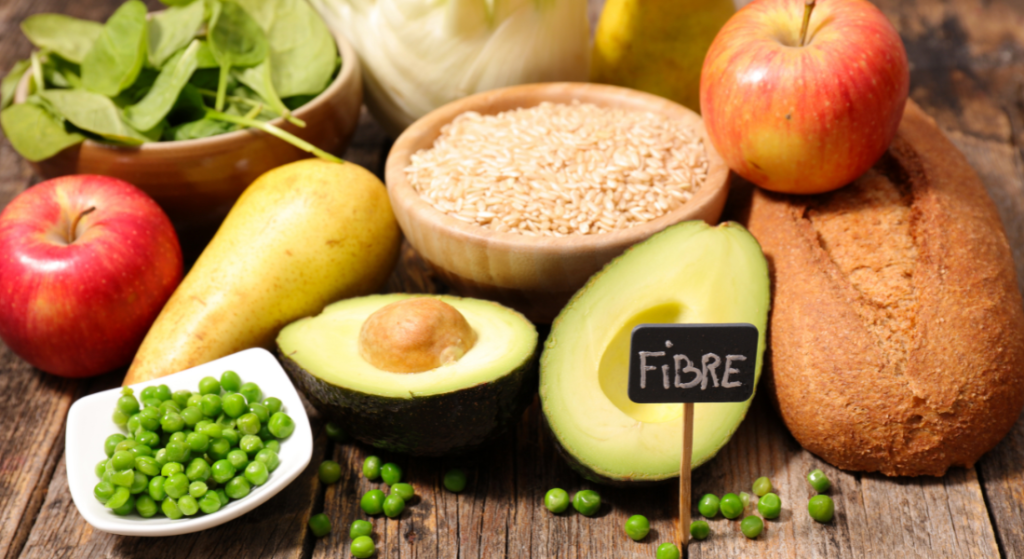
Constipation is common after robotic prostate surgery. Anaesthesia, reduced movement, pain relief medication, lower fluid intake, and changes in routine can all slow your bowel in the days after surgery.
Including fibre in your diet can help support digestion and reduce the risk of constipation. Good sources include wholemeal bread, brown rice, oats, fruit, vegetables, beans, and pulses. These foods can contribute to softer, more regular bowel movements when combined with adequate fluids and gentle activity.
It is best to introduce fibre gradually, especially if your digestion feels sensitive. Increasing fibre too quickly can lead to wind, bloating, or abdominal discomfort. Pair fibre with adequate fluid intake (if advised by your healthcare team) to help it work effectively.
Choose Gentle High-Fibre Foods
After surgery, some high-fibre foods may feel easier on your digestion than others. You may find options such as porridge, wholemeal toast, soft fruit and cooked vegetables easier to tolerate. Introduce beans, lentils and wholegrain rice gradually if they increase wind or bloating.
Foods like raw salads, large portions of beans, or very spicy high-fibre meals may cause wind, bloating, or discomfort in the early stages. This does not mean these foods are unhealthy, but your body may need time before tolerating them comfortably again.
If a particular food makes you feel bloated or uncomfortable, it is reasonable to reduce or avoid it for a few days and then reintroduce it gradually. Your diet during recovery should support your bowel function without causing unnecessary discomfort.
Drink Enough Fluids
Fluids are important after robotic prostate surgery because they help maintain urine flow, support digestion, and reduce the risk of constipation. Staying well hydrated is particularly helpful while you have a catheter, as it can assist with urine drainage and comfort.
Some UK hospital guidance advises approximately two to two-and-a-half litres of fluid each day while the catheter is present, provided you have not been advised to restrict fluids. Follow the specific amount recommended by your own team. However, your fluid needs depend on factors such as kidney function, heart health, medications and your surgical team’s advice.
This general advice may not apply if you have conditions such as kidney disease, heart failure, low sodium levels, or other reasons to restrict fluids. You should always follow the specific guidance given by your own doctor or healthcare team.
Water Is Usually the Best Main Drink
Water is usually the simplest and most suitable drink during recovery. It keeps you hydrated without adding caffeine, alcohol, carbonation or excess sugar, which some people may choose to limit if they worsen symptoms such as bloating, bladder irritation or reflux.
You can also include other fluids such as milk, diluted squash, herbal teas, or clear soups if these feel comfortable for you. The main goal is to maintain good hydration throughout the day rather than relying on one type of drink alone.
Dark or strong-smelling urine can occur when urine is concentrated, but it may also have other causes. Contact your healthcare team if the change persists or occurs with fever, pain, reduced catheter drainage, cloudy urine or feeling unwell.
Balance Fibre With Fluid
Fibre works best when you also drink enough fluids. Without adequate hydration, increasing fibre can make constipation worse rather than improving it, especially in the early stages of recovery.
Fibre absorbs water as it moves through your digestive system. With enough fluid, it helps soften stools and supports smoother, more comfortable bowel movements.
Simply adding foods like bran, oats, or fibre supplements without increasing your fluid intake can lead to bloating or harder stools. It is usually best to increase fibre and fluids together, unless your healthcare team has advised you to limit fluids.
Avoid Straining on the Toilet
Your diet should support regular, comfortable bowel movements so you can avoid straining. Straining increases abdominal and pelvic pressure and may worsen pain, wound discomfort, haemorrhoids or catheter-related discomfort.
Constipation after surgery can be linked to low fibre intake, not drinking enough fluids, reduced movement, changes in routine, and certain medications. Supporting your bowel with adequate fluids, gradually increasing fibre, and responding promptly when you feel the urge to open your bowels can help reduce the risk.
If you have been prescribed stool softeners or laxatives, take them exactly as directed. Do not wait until constipation becomes severe before seeking advice, as early management is usually easier and more effective.
Be Careful With Opioid Painkillers

Some stronger painkillers, particularly opioids, can slow your bowel and lead to constipation. This can feel more uncomfortable after pelvic surgery, especially while you still have a catheter in place.
If you are prescribed opioid pain relief, your healthcare team may also recommend laxatives or stool softeners. It is best to take these as advised rather than waiting until constipation becomes difficult to manage.
Do not stop your prescribed pain medication suddenly without medical advice. If you feel your pain relief is contributing to constipation or discomfort, speak to your nurse, GP, pharmacist or surgical team so they can adjust your treatment safely.
Eat Fruit That Supports Bowel Function
Fruit can be a helpful part of your recovery diet, providing fibre, fluids, vitamins, and natural sugars that support energy and digestion. A variety of fruit can contribute fibre and fluid to your diet. Prunes, pears, apricots and some other fruits also contain sorbitol, which may help bowel regularity in some people.
Some fruits contain natural compounds such as sorbitol that may support bowel regularity in some people. Including a variety of fruits in your diet can support bowel function while also contributing to overall nutrition.
Choose fruits that you tolerate well. If raw fruit causes bloating or discomfort, you may find it easier to eat stewed fruit, tinned fruit in juice, or smaller portions until your digestion settles.
Include Vegetables Every Day
Vegetables are an important part of your recovery diet, providing fibre, vitamins, minerals and fluid to support healing and digestion. In the first few days after surgery, cooked vegetables are often easier to tolerate than raw options.
Choices such as carrots, courgettes, spinach, peas, broccoli, sweet potato, and squash can all be included. Soups and stews can be particularly helpful if your appetite is low, as they are gentle, hydrating, and easy to eat.
Focus on gradually building variety rather than trying to eat perfectly from the start. Even small additions, such as mixing vegetables into soup, pasta, rice, or scrambled eggs, can help support your recovery.
Choose Wholegrains When You Can
Wholegrains can support bowel function and provide a steady source of energy during recovery. Options such as porridge oats, wholemeal bread, brown rice, wholegrain cereals, wholewheat pasta, and oatcakes can be useful additions to your meals.
A balanced diet that includes foods from all the main food groups is generally recommended, and many people do not get enough fibre in their usual diet. Including wholegrains can help improve your overall fibre intake as your recovery progresses.
If wholegrains cause bloating or gas at first, try smaller portions and build up gradually. Your digestive system may need a little time to adjust after surgery.
Use Simple Meals in the First Week
The first week after surgery is not the time to make food complicated. Simple, familiar meals are usually easier to prepare, eat, and tolerate while your body is recovering.
Examples include porridge with fruit, soup with wholemeal bread, scrambled eggs on toast, yoghurt with oats, chicken and rice, fish with potatoes, or lentil stew. These options can provide a good balance of protein, carbohydrates, fluids, and fibre without feeling too heavy.
If someone is able to help prepare meals for you, it is sensible to accept the support. Fatigue, managing a catheter, and disrupted sleep can make cooking more difficult than expected in the early stages of recovery.
Avoid Very Heavy or Greasy Foods Early On
Very fatty or fried foods can feel uncomfortable in the early stages after surgery. They may worsen bloating, indigestion, nausea, or reflux while your digestive system is still settling.
Foods such as chips, burgers, and heavily fried meals can be harder to digest for some people. Choosing lighter cooking methods, such as grilling, baking or steaming, may make meals easier to tolerate.
You do not need to avoid all fats. Healthier sources such as olive oil, avocado, nuts, yoghurt and oily fish can still be part of a balanced diet if they suit you.
Be Cautious With Spicy Foods

Spicy foods do not affect everyone in the same way. Some men can tolerate them, while others may notice heartburn, reflux, loose stools, urgency or abdominal discomfort during recovery. If spicy foods worsen your symptoms, reduce them temporarily and try reintroducing them gradually once your digestion has settled.
Limit Fizzy Drinks if You Feel Bloated
Bloating is common after robotic prostate surgery because the gas used during keyhole surgery and slower bowel movement can temporarily affect your digestion. Fizzy drinks can add extra gas to your digestive system, which may make bloating, discomfort or abdominal pressure feel worse.
You do not necessarily need to avoid carbonated drinks permanently, but it may be helpful to reduce them during the early recovery period if they increase discomfort. Choosing still drinks, such as water, may feel more comfortable while your digestion is settling.
If you decide to reintroduce fizzy drinks, do so gradually and pay attention to how your body responds. If they cause increased bloating, reflux, or discomfort, it may be better to limit them for longer.
Be Sensible With Caffeine
Coffee and other caffeinated drinks do not need to be avoided by everyone, but they may worsen heartburn, reflux, bladder urgency or digestive discomfort in some people, particularly during early recovery.
You do not necessarily need to stop caffeine completely, but consider reducing it if it worsens bladder urgency, bladder spasms, reflux or sleep disturbance.
Avoid Alcohol in the Early Recovery Period
Alcohol is usually best avoided in the early stages after surgery unless your healthcare team has advised it is safe. Alcohol may worsen dehydration, sleep, balance and bladder symptoms and can interact with medicines such as opioid painkillers, sedatives, antibiotics or anticoagulants.
Drinking alcohol may also increase the risk of falls, particularly if you are feeling tired, managing a catheter, or taking medicines that cause drowsiness. In some men, it can worsen constipation or irritate the bladder.
It is important to ask your healthcare team when alcohol is safe for you personally. This is especially relevant if you are taking pain medication, antibiotics, blood thinners, or have liver-related conditions.
Do Not Use Diet to Replace Medical Follow-Up
A healthy diet can support your recovery, but it does not replace essential aspects of your care such as catheter management, wound care, PSA monitoring, pathology review, or follow-up appointments. No specific food or diet can confirm cancer removal or prevent every possible complication.
Eating well may help improve energy levels and support healing after treatment, but it should be seen as one part of your overall recovery plan rather than a substitute for medical care.
Be cautious of claims that certain foods, supplements, or restrictive diets can cure prostate cancer. Your long-term health and cancer monitoring depend on regular follow-up with your specialist team and following their advice.
Avoid Extreme Restrictive Diets During Healing
It is common to feel motivated to improve your diet after cancer surgery. While positive changes can support long-term health, very restrictive approaches immediately after surgery can leave you lacking essential nutrients such as calories, protein, iron, and calcium.
Very-low-calorie diets, fasting and restrictive detox plans may make it difficult to obtain enough energy, protein, fluid, vitamins and minerals during recovery. They may also worsen constipation if they reduce overall food intake and fluid consumption.
If you are considering weight loss, it is usually best to discuss the timing with your healthcare team. The early recovery period should focus on healing and regaining strength, with gradual and sustainable lifestyle changes introduced later.
Be Careful With Supplements
You may wonder whether vitamins, herbal remedies, protein powders, or “immune-boosting” products can speed up your recovery. While some supplements may be safe, others can interact with medications or affect bleeding risk, particularly after surgery.
Taking high doses is not necessarily better and can sometimes cause harm. In most cases, a balanced, varied diet is a safer and more reliable way to support healing than relying on multiple supplements without guidance.
This is especially important if you take anticoagulants or other regular medicines or have kidney disease, as some supplements may interact with treatment or be unsuitable for you.
Eat for Steady Energy
Tiredness is common after robotic prostate surgery, and your body needs consistent fuel to heal. Eating regular meals can help maintain your energy levels throughout the day.
Try to include a balance of protein, carbohydrates, and fruit or vegetables at each meal. For example, eggs with toast and fruit, fish with potatoes and vegetables, or lentils with rice and yoghurt can provide a steady source of nutrients and energy.
If your appetite is low, smaller snacks can be easier to manage than large meals. Options such as yoghurt, cheese and crackers, peanut butter on toast, soup, boiled eggs, smoothies, or a small handful of nuts can help you maintain your intake without feeling overwhelmed.
Support Wound Healing With a Balanced Diet
Your wounds and deeper tissues need the right nutrients to repair effectively. Protein, calories, vitamins, minerals and fluids all contribute to the healing process and overall recovery.
A balanced diet that includes a wide variety of foods can help support this. Aim to include fruit and vegetables, starchy foods, protein sources, dairy or alternatives, and healthier fats in appropriate proportions across your meals.
You do not need to focus on individual nutrients unless a healthcare professional has identified a specific deficiency. Instead, try to eat regular, varied meals and seek dietetic advice if you are struggling with appetite or food intake during recovery.
Research Insight
Evidence from surgical nutrition research suggests that adequate energy and protein intake can support wound healing, immune function and recovery after major operations. Nutritional needs vary between individuals, so personalised advice may be needed if you have reduced appetite, weight loss or existing medical conditions.
Plan Around Catheter Life

While your catheter is in place, eating and drinking can feel a little different. You may worry that drinking more will fill the bag quickly, or that bowel movements will be uncomfortable during this time.
Try not to restrict fluids unless your healthcare team has advised you to do so. Following your recommended fluid intake can keep urine less concentrated and support catheter drainage.
It is also helpful to choose foods that reduce the risk of constipation, as straining can feel uncomfortable with a catheter. Including fibre, staying well hydrated, keeping gently active (such as walking), and using any prescribed laxatives can all support more comfortable bowel movements.
What If You Feel Sick or Lose Your Appetite?
Mild nausea or a reduced appetite can occur after anaesthesia and when taking certain painkillers. During this time, small, simple meals are often easier to manage while your stomach settles.
Foods such as toast, crackers, soup, rice, bananas, yoghurt, porridge, or small portions of plain protein can be gentler on your digestion. It can also help to sip fluids regularly rather than drinking large amounts in one go.
Contact your healthcare team if you are unable to keep fluids down, are vomiting repeatedly, have severe abdominal pain, cannot pass wind or stool, or feel increasingly unwell. These symptoms should not be managed with diet alone and may require medical attention.
What If You Have Diabetes, Kidney Disease, or Heart Problems?
Diet and fluid advice may need to be tailored if you have conditions such as diabetes, kidney disease, heart failure, high blood pressure, swallowing difficulties, bowel disease, or significant weight loss. General guidance on fluids, fibre, potassium-rich foods, or protein may not be suitable for everyone.
People with specific medical conditions are usually advised to seek personalised guidance from their doctor or a registered dietitian, as individual needs can vary depending on treatment, medication and overall health.
It is important not to copy another patient’s diet plan if you have a medical condition. The safest and most effective approach is one that is adjusted to your individual health needs and recovery.
When to Ask for Dietetic or Medical Help
It is important to seek advice if you are struggling with your recovery or unsure about your diet. Ask for help if you are losing weight without trying, cannot eat enough, feel persistently nauseated, are constipated despite treatment, have diarrhoea, or feel weak and light-headed. You should also seek guidance if you are unsure how much fluid is appropriate for you.
Contact your surgical team, GP or NHS 111 promptly if you have repeated vomiting, severe abdominal pain, fever, signs of wound infection, a catheter that stops draining, heavy bleeding or new one-sided calf pain or swelling. Call 999 for chest pain, sudden severe breathlessness, coughing up blood, collapse or other life-threatening symptoms. These symptoms are not related to diet alone and require prompt medical assessment. If you have diabetes and cannot eat normally after surgery, seek advice about managing insulin or other glucose-lowering medicines.
Myth vs Fact
| Myth | Fact |
| You need a strict diet after robotic prostate surgery. | Most people can gradually return to a balanced diet containing protein, fibre, fluids and enough energy to support recovery. |
| Certain foods can cure prostate cancer after surgery. | No food or diet can replace medical treatment or guarantee a cancer outcome. |
| Eating less helps the body heal faster after surgery. | Your body needs sufficient energy and nutrients to support healing and regain strength. |
| You should drink less to avoid filling your catheter bag. | Unless your team advises fluid restriction, appropriate hydration supports catheter drainage and bowel function. |
| Supplements are always helpful after surgery. | Some supplements interact with medicines or may be unsuitable after surgery, so discuss them with your healthcare team. |
Key Takeaways
- A balanced diet with enough protein, calories and fluids can support recovery after robotic prostate surgery.
- Eating smaller meals more frequently may be easier when appetite is reduced.
- Fibre and fluids can help prevent constipation, but both should be increased gradually.
- Avoid restrictive diets and unproven supplements unless advised by a healthcare professional.
- Your dietary needs may differ if you have conditions such as kidney disease, diabetes or heart problems.
Frequently Asked Questions
1. When can normal eating start after robotic prostate surgery?
Normal eating often resumes within the first few days, although this varies. Your team may begin with fluids before allowing food when you are clinically ready. Start with small, manageable meals and gradually return to your usual diet as nausea and bloating settle.
2. Is there a special diet to follow after surgery?
You do not usually need a strict diet. Aim for balanced meals containing protein, fibre, appropriate fluids and enough energy to support recovery. Smaller meals and snacks may be easier if your appetite is reduced.
3. Which foods help with recovery the most?
Protein-rich foods contribute to tissue repair and the maintenance of muscle strength. Useful options include eggs, fish, chicken, yoghurt, tofu, lentils and beans. Try to include a protein source in meals and snacks where possible.
4. How can constipation be prevented after surgery?
Introduce fibre gradually through foods such as oats, fruit, vegetables and wholegrains, and maintain the fluid intake recommended by your healthcare team. Gentle walking and prescribed laxatives may also help. Contact your team if constipation persists or causes significant discomfort.
5. Is it normal to have a low appetite?
A reduced appetite is common during the first few days because of anaesthesia, pain relief, fatigue or nausea. Small, frequent meals may be easier. Seek advice if your appetite does not improve or you are unable to maintain adequate food and fluid intake.
6. How much fluid should be consumed each day?
Some UK hospital guidance recommends approximately two to two-and-a-half litres of fluid daily while a catheter is present. However, your individual needs depend on your kidney function, heart health, medications and other medical conditions, so follow your own team’s instructions.
7. Are there foods to avoid during early recovery?
Fatty, fried or heavily spiced foods may worsen nausea, bloating, reflux or diarrhoea in some people. Choose lighter meals initially and reintroduce other foods gradually according to your tolerance.
8. Can caffeine and fizzy drinks be consumed?
Caffeine and fizzy drinks do not need to be avoided by everyone, but they may worsen bladder urgency, spasms, reflux or bloating. Reduce them temporarily if they cause symptoms and make water or another suitable still drink your main source of fluid.
9. Is alcohol safe after surgery?
Alcohol is generally best avoided during early recovery, particularly while you are taking pain relief, antibiotics, anticoagulants or medicines that cause drowsiness. Ask your healthcare team when it is appropriate for you to resume drinking alcohol.
10. When should medical advice be sought about diet?
Seek advice if you cannot eat or drink adequately, have persistent nausea, vomiting, constipation or diarrhoea, lose weight unintentionally or feel increasingly weak. Contact your surgical team promptly for fever, wound problems, catheter blockage or heavy bleeding. Call 999 for chest pain, sudden severe breathlessness, coughing up blood or collapse.
Final Thoughts: Supporting Smooth and Steady Recovery
Recovering from robotic prostate surgery involves more than the procedure itself. Nutrition, hydration and daily habits can support your strength, comfort and overall recovery. Paying attention to what you eat and drink can help maintain your strength, support bowel function, and reduce the risk of common post-operative issues such as constipation or fatigue.
It is important to take a balanced and flexible approach to your diet, introducing foods gradually based on your tolerance and following any personalised advice given by your clinical team. Small, consistent efforts in your daily routine can make a meaningful difference to your comfort and recovery experience.
If you are looking for a robotic prostate surgery clinic in London, you can reach out to us to arrange a consultation and receive personalised advice about your diagnosis, treatment options, and recovery plan tailored to your individual needs.
References:
- University College London Hospitals NHS Foundation Trust (2026) Robotic prostatectomy. Last updated 4 March 2026. Available at: https://www.uclh.nhs.uk/patients-and-visitors/patient-information-pages/robotic-prostatectomy
- Cambridge University Hospitals NHS Foundation Trust (2024) Robotic radical prostatectomy: pre- and post-operative information. Approved 10 May 2024. Available at: https://www.cuh.nhs.uk/patient-information/robotic-radical-prostatectomy/
- Cambridge University Hospitals NHS Foundation Trust (2023) Robotic radical prostatectomy: frequently-asked questions. Approved 2 May 2023. Available at: https://www.cuh.nhs.uk/patient-information/robotic-radical-prostatectomy-frequently-asked-questions/
- Royal National Orthopaedic Hospital NHS Trust (2026) A patient’s guide to eating well before and after surgery. Page last updated 29 January 2026. Available at: https://www.rnoh.nhs.uk/patients-and-visitors/patient-information-guides/eating-well-before-and-after-surgery-patients-guide
- Royal National Orthopaedic Hospital NHS Trust (2025) A patient’s guide to management of constipation following surgery. Page last updated 26 November 2025. Available at: https://www.rnoh.nhs.uk/patients-and-visitors/patient-information-guides/management-constipation-following-surgery