




Age alone does not automatically exclude you from robotic prostate cancer surgery. Many older patients are still considered suitable candidates if they are otherwise in good health. The decision is based on overall clinical assessment rather than age alone.
If you are being assessed for surgery, your specialist will look closely at your general fitness and medical history. Factors such as heart health, lung function, mobility, and existing medical conditions play an important role in determining suitability. This helps ensure the safest possible approach for you.
Robotic surgery may still be offered to older men when the benefits outweigh the risks. If you are otherwise medically stable, age is often less important than your ability to recover well from the procedure. Your surgeon will explain whether surgery is appropriate in your specific case.
A personalised assessment is always carried out before any decision is made. You will usually receive clear guidance on expected outcomes and recovery based on your individual health profile. This ensures you have realistic expectations before proceeding.
What Robotic Surgery Involves
Robotic prostate surgery uses the da Vinci system to remove the prostate through a minimally invasive technique. If you are undergoing this procedure, it is performed using small incisions and highly precise robotic instruments controlled by the surgeon.
This approach may help reduce tissue trauma compared with traditional open surgery. You may find that this results in less post-operative discomfort and a more controlled surgical experience.
The technique can be particularly beneficial for older patients who may have a slower recovery tolerance. Your specialist will assess whether this approach is suitable based on your overall health and individual circumstances.
Pre-operative Health Assessment
Before robotic prostate surgery, clinicians carry out a detailed assessment of your overall health. If you are being considered for surgery, this usually includes checks on cardiovascular health, lung function, kidney function, and any existing medical conditions.
Your current medications and general physical resilience are also carefully reviewed. This helps ensure that any potential risks are identified and managed appropriately before the procedure.
This comprehensive evaluation plays a key role in determining whether you are suitable for surgery. You may find that it also helps clarify what outcomes and recovery process you can reasonably expect.
Evidence Note:
Research and geriatric oncology guidance support the idea that age alone should not decide whether an older man can have prostate cancer treatment. The International Society of Geriatric Oncology recommends that older men with prostate cancer should be assessed according to their individual health status, including comorbidities, functional ability and frailty, rather than chronological age alone. For you, this means your surgeon is not simply asking, “How old are you?” They are asking, “How fit are you, how aggressive is the cancer, and are the likely benefits of surgery greater than the risks?”
| Assessment area | Why it matters before surgery | What it may mean for you |
| Heart and lung health | Surgery and anaesthesia place temporary strain on the body | Further tests or optimisation may be needed before surgery |
| Kidney function | Helps guide medication, fluids and anaesthetic planning | Abnormal results may change peri-operative care |
| Frailty and mobility | Frailty can affect recovery speed and complication risk | Rehabilitation or a different treatment option may be discussed |
| Current medications | Blood thinners and other medicines may affect surgical planning | Some medicines may need adjusting before surgery |
| Baseline continence | Pre-existing urinary symptoms can affect recovery expectations | Pelvic floor support may be especially important |
| Baseline erectile function | Sexual recovery depends partly on pre-surgery function | Nerve-sparing and rehabilitation options can be discussed |
| Cancer risk | Determines whether surgery is likely to offer meaningful benefit | Surgery is considered alongside radiotherapy, monitoring or other options |
Clinical Tip:
For older men, the key question is not simply whether robotic surgery is technically possible. The more important question is whether surgery is likely to improve cancer control while still allowing a safe recovery and acceptable quality of life. This is why a careful pre-operative assessment is so important.
PSA and Cancer Evaluation
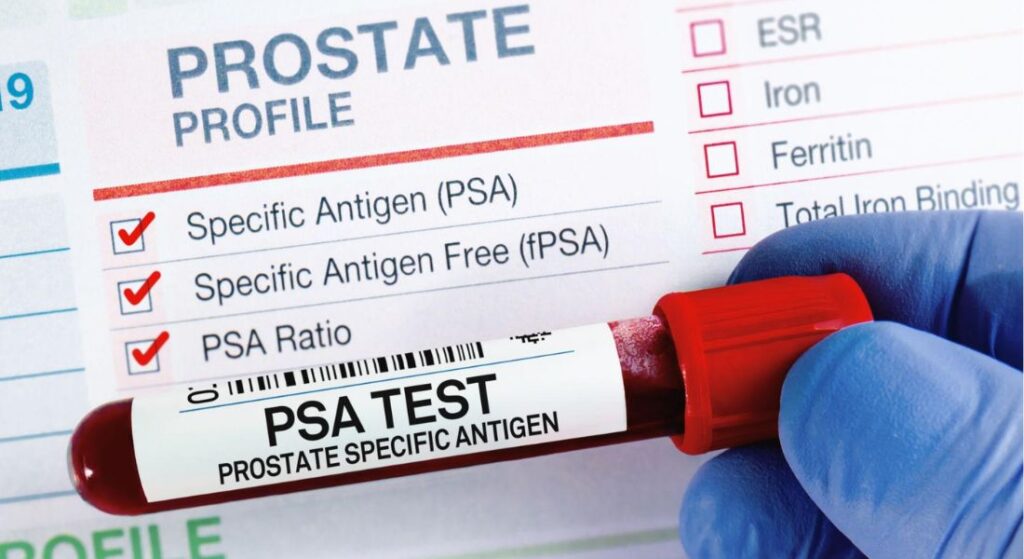
Before robotic prostate surgery, PSA measurements, imaging scans, and biopsy results are reviewed to understand the nature of the cancer. If you are undergoing assessment, these tests help build a clear picture of how the disease is behaving.
This information is used to determine the extent of the prostate cancer and guide the surgical plan. It also helps the clinical team decide the most appropriate approach for your individual situation.
The overall goal is to achieve effective cancer control while maintaining patient safety. You may find that these investigations also help clarify what outcomes and treatment pathway are most suitable for you.
UK Guidance Note:
In the UK, prostate cancer decisions are usually based on cancer stage, grade, PSA level, imaging findings, biopsy results, overall health and patient preferences. NICE guidance on prostate cancer covers diagnosis, staging, treatment options, adverse effects and follow-up after treatment. This means your decision should consider both cancer control and the possible impact of treatment on urinary, sexual and general wellbeing.
Minimally Invasive Benefits for Older Patients
Robotic prostate surgery may reduce tissue trauma and bleeding through its minimally invasive approach. If you are undergoing this procedure, smaller incisions help reduce overall surgical stress on the body.
Reduced incision size may help lower the risk of wound-related complications and supports earlier mobilisation after surgery. You may find that this makes the initial recovery period feel more manageable compared with open surgery.
These benefits may contribute to shorter hospital stays and potentially lower complication risks in suitable patients. Your specialist will consider your age and overall health when advising whether this approach is most suitable for you.
Nerve and Tissue Preservation
Robotic prostate surgery allows for highly precise nerve- and tissue-sparing techniques. If you are undergoing surgery, this precision helps surgeons work carefully around delicate structures during the procedure.
Preserving these nerves and surrounding tissues may support recovery of urinary control and sexual function when it is safe to do so. You may find that outcomes are influenced by how much nerve preservation is possible in your individual case.
Even in older men, careful surgical dissection may support better functional recovery in suitable cases. Your specialist will assess whether nerve-sparing techniques are appropriate based on cancer location and overall safety.
Postoperative Recovery Considerations
Recovery after robotic prostate surgery may be slightly longer in older patients compared with younger men. If you are in this group, your body may take more time to regain strength and return to normal activity.
Careful monitoring for complications and following a structured rehabilitation plan are important during this phase. You may find that gradual progress, rather than rapid improvement, is more realistic and expected.
Specialist guidance plays a key role in ensuring a safe and steady recovery process. Your care team will support you with tailored advice to help you recover at a suitable pace for your individual condition.
Recovery Considerations for Older Men Undergoing Robotic Prostate Surgery
| Consideration | Impact on Recovery | Support / Recommendation |
| Overall health | Other medical conditions can slow recovery | Optimise health before surgery |
| Baseline function | Pre-existing urinary or erectile issues affect expectations | Pelvic floor rehab and realistic planning |
| Surgical approach | Robotic surgery may reduce tissue trauma | Supports earlier mobilisation in suitable patients |
| Hospital stay | Older men may need closer observation | Safe discharge planning is important |
| Rehabilitation | Recovery may be more gradual | Physiotherapy and continence support may help |
| Follow-up | Ongoing monitoring detects issues early | PSA, continence and recovery should be reviewed |
Continence Recovery
Maintaining urinary control after robotic prostate surgery is an important aspect of recovery and overall quality of life. If you are recovering from surgery, regaining continence is often a key focus in the weeks following the procedure.
Older men may require additional support during this process, including pelvic floor exercises and structured rehabilitation programmes. You may find that consistent practice of these exercises can help improve bladder control over time.
Robotic techniques may support earlier continence recovery in some patients, although outcomes vary depending on age, baseline urinary function, surgical technique, and rehabilitation. Your specialist will guide you on the most appropriate rehabilitation plan based on your individual progress and needs.
Erectile Function Considerations
Erectile function after robotic prostate surgery can be influenced by pre-existing age-related changes. If you are older, it is common to already have some reduction in erectile strength, which can affect recovery expectations.
Nerve-sparing techniques may still help preserve sexual function where appropriate. You may find that recovery takes longer, and additional support such as medication or devices may be recommended during rehabilitation.
Individualised treatment plans are important for optimising outcomes in sexual function. Your specialist will tailor guidance based on your baseline function and the extent of nerve preservation possible.
Pain Management
Robotic prostate surgery is generally associated with less post-operative pain due to its minimally invasive approach and smaller incisions. If you are undergoing this procedure, this often results in a more comfortable early recovery period compared with traditional surgery.
Pain control strategies are tailored to your overall health, age, and individual needs. You may find that a personalised approach helps keep discomfort well managed while supporting safe recovery.
Effective pain management also supports early mobility and overall comfort after surgery. Your specialist team will monitor your progress and adjust treatment to ensure you recover as smoothly as possible.
Hospital Stay Duration

After robotic prostate surgery, the hospital stay is usually around one to three days, depending on how quickly recovery progresses. If you are an older patient, a slightly longer stay may sometimes be recommended, particularly if other medical conditions are present.
This extended monitoring helps ensure that recovery is stable and any potential issues are identified early. You may find that this added supervision provides reassurance during the initial post-operative period.
Early mobilisation and close specialist monitoring are important during your hospital stay. Your care team will guide you step by step to reduce risks and support a safe discharge when appropriate.
Surgeon Experience Matters
Surgeon experience plays an important role in outcomes after robotic prostate surgery, particularly for older patients. If you are being treated, an experienced robotic surgeon can help tailor the procedure to your individual health needs and surgical risk profile.
High-volume surgeons are often better placed to adapt techniques that minimise complications and support smoother recovery. You may find that this expertise contributes to greater confidence in both the procedure and the expected outcomes.
Choosing a skilled surgical team is essential for safety and long-term functional results. Your care pathway will typically be guided by specialist judgement to ensure the most appropriate approach for your situation.
Risks and Precautions
Older patients undergoing robotic prostate surgery may face a slightly increased risk of cardiovascular complications or slower healing. If you are being assessed for surgery, these risks are carefully considered as part of your overall care plan.
Specialist evaluation helps identify potential concerns early so that appropriate precautions can be put in place. You may find that this thorough assessment provides a clearer understanding of how your individual health factors influence surgical safety.
A comprehensive pre-operative evaluation is essential in determining whether surgery is suitable. Your specialist team will use this information to balance potential benefits against any risks in your specific case.
When Robotic Surgery May Not Be Suitable
Robotic prostate surgery may not be the best option if the risks of surgery or anaesthesia are too high, if frailty is significant, or if other medical conditions make recovery unsafe. It may also be less suitable if the prostate cancer is unlikely to cause problems during your expected lifetime, or if another treatment such as radiotherapy, hormone therapy or active surveillance offers a better balance of benefit and risk.
This does not mean you are being denied treatment because of age. It means your care team is weighing up the safest and most effective option for your individual situation. In some cases, avoiding surgery may be the better medical decision.
Benefits Compared to Open Surgery
Robotic prostate surgery may offer advantages over open surgery, including smaller incisions, reduced blood loss and a smoother early recovery in suitable patients. If you are considering treatment options, these benefits can make the recovery process more manageable.
These advantages are particularly important for older men who may have reduced physiological reserve. You may find that a less invasive approach places less strain on the body during healing.
Shorter recovery times and lower complication risks may also support overall safety in carefully selected patients. Your specialist will consider your age and health profile when recommending the most appropriate surgical approach.
Early Mobilisation and Rehabilitation
Gentle activity and structured pelvic floor exercises play an important role in supporting recovery after robotic prostate surgery. If you are in the early stages of rehabilitation, these measures can help restore function more effectively over time.
Specialist guidance ensures that any exercises you follow are appropriate for your age, fitness level, and overall health. You may find that a tailored plan makes recovery safer and more comfortable.
Early mobilisation is also important for reducing the risk of complications such as blood clots. Your care team will encourage you to increase activity gradually to support a steady and safe recovery process.
Individualised Recovery Plan
Recovery after robotic prostate surgery is usually tailored to your overall health and personal circumstances. Your specialist team considers factors such as age, medical history, and baseline function to plan a safe and effective recovery pathway. A structured, personalised plan helps you stay confident and reassured during healing.
- Tailored to Health Status: Older patients or those with additional health conditions may progress more gradually, and this is accounted for in planning.
- Structured Support: A defined recovery plan provides guidance on activity, rehabilitation, and follow-up to optimise outcomes.
- Regular Monitoring: Your specialist team adjusts the plan as needed based on your progress and recovery milestones.
- Achieving Successful Outcomes: Even with a slower pace, appropriate support and guidance can help you reach your recovery goals safely.
Overall, an individualised recovery plan ensures your post-operative care is personalised, responsive, and aligned with your progress. This approach supports both safety and confidence throughout the healing process.
Multidisciplinary Support
Older patients undergoing robotic prostate surgery often benefit from a multidisciplinary team approach involving urologists, physiotherapists, and continence specialists. If you are receiving care through this pathway, each specialist contributes to different aspects of your recovery.
This coordinated approach helps ensure comprehensive support, covering both surgical healing and functional outcomes such as continence and mobility. You may find that having multiple experts involved provides more structured and balanced care.
Collaborative management may support overall safety and patient satisfaction. Your care team works together to adjust your recovery plan based on your progress and individual needs.
Follow-Up Appointments
Structured follow-up appointments are an important part of recovery after robotic prostate surgery. If you are in follow-up care, your PSA levels, urinary control, and overall healing will be regularly monitored.
Specialist review helps detect any complications early so they can be managed promptly. You may find that this close monitoring provides reassurance as you progress through recovery.
Regular visits also support ongoing rehabilitation and help build confidence in your recovery journey. Your care team will adjust advice and support based on how well you are healing over time.
Lifestyle and Health Optimisation

A healthy diet, regular gentle exercise, and good management of any chronic conditions all play an important role in recovery after robotic prostate surgery. If you are preparing for or recovering from surgery, these habits can help support your overall healing process.
Older patients may benefit from additional guidance to optimise health both before and after surgery. You may find that small, consistent lifestyle adjustments make a meaningful difference to energy levels and recovery progress.
This proactive approach can improve both surgical outcomes and long-term quality of life. Your specialist team will often provide tailored advice to help you stay on track during recovery.
Setting Realistic Expectations
Recovery after robotic prostate surgery may take longer in older men, and functional outcomes can vary depending on individual health and baseline function. If you are preparing for surgery, it is important to understand that recovery timelines are not the same for everyone.
Having realistic expectations can help reduce stress and make it easier to stay engaged with rehabilitation. You may find that knowing what is typical at each stage of recovery helps you feel more prepared and in control.
Patient education plays a key role in building confidence and long-term satisfaction. Your specialist team will usually guide you through what to expect so you can approach recovery with clear and balanced understanding.
Psychological Considerations
Older men may feel anxious about undergoing robotic prostate surgery and the recovery process. If you are in this situation, it is natural for concerns about outcomes, function, and recovery time to arise.
Support from family, counselling services, and specialist education can play an important role in improving emotional wellbeing. You may find that having clear information and reassurance helps reduce uncertainty and stress.
Addressing psychological factors is an important part of successful recovery alongside physical healing. Your care team can help support both your emotional and functional recovery throughout the treatment journey.
Advantages of Robotic Surgery for Older Patients
Robotic prostate surgery offers high precision, minimal invasiveness, and reduced blood loss, which can be particularly beneficial for older patients. If you are considering this procedure, these features may help make the surgery less physically demanding on the body.
Functional preservation and a smoother early recovery may be important potential advantages in this group. You may find that these benefits support a smoother return to daily activities and improve overall comfort during recovery.
In carefully selected patients, these potential advantages may outweigh age-related risks. Your specialist will carefully assess your overall health to determine whether robotic surgery is the most suitable option for you.
Specialist Clinic Role

Consulting a dedicated specialist clinic ensures you receive a personalised assessment and structured support throughout your treatment journey. If you are being considered for robotic prostate surgery, this approach can help tailor care to your individual health and needs.
For example, Prostate Clinic London offers robotic surgery with clearly defined pathways designed to support older patients. You may find that this structured care helps make decision-making and recovery more straightforward.
Specialist clinics also provide coordinated follow-up and rehabilitation support. This ensures that your recovery is closely monitored and adjusted according to your progress.
Long-Term Functional Outcomes
Older men can still achieve good cancer control following robotic prostate surgery, along with satisfactory continence and, in some cases, recovery of erectile function. If you are an older patient, your long-term outcomes often depend more on overall health and baseline function than age alone.
Structured rehabilitation and ongoing specialist guidance play an important role in improving long-term results. You may find that consistent follow-up and adherence to recovery advice significantly support functional improvement over time.
Age alone should not automatically deter you from considering robotic surgery as a treatment option. Your specialist will assess your individual suitability and help you understand the most realistic expectations for cancer control and recovery.
Research Insight:
A study of robotic radical prostatectomy in men over 74 reported a 1-year continence rate of 82% and a potency rate of 36%. These results show that carefully selected older men can recover meaningful urinary and sexual function after surgery, although outcomes vary depending on baseline health, nerve-sparing feasibility and rehabilitation. For patients, this reinforces why individual assessment is more useful than age alone when discussing expected recovery.
Myth vs Fact:
| Myth | Fact |
| Older men cannot have robotic prostate surgery. | Age alone does not automatically rule out surgery. Overall health, cancer stage and fitness matter more. |
| If you are over 75, surgery is always too risky. | Some men over 75 are fit enough for surgery, while some younger men may not be suitable because of health issues. |
| Robotic surgery removes all risk. | Robotic surgery may reduce tissue trauma and bleeding, but risks still need careful assessment. |
| Recovery is the same for every older patient. | Recovery depends on fitness, frailty, continence, erectile function, cancer complexity and rehabilitation. |
| A slower recovery means surgery has failed. | Older men may simply need more time and structured support to recover safely. |
Key Takeaways:
- Age alone does not automatically exclude you from robotic prostate cancer surgery.
- Surgeons assess overall fitness, frailty, heart and lung health, kidney function, medications and mobility before recommending surgery.
- PSA, MRI, biopsy results and cancer stage help determine whether surgery is likely to offer meaningful cancer control.
- Older men may recover more gradually, especially if they have other medical conditions or reduced baseline function.
- Robotic surgery may offer benefits such as smaller incisions, reduced blood loss, less pain and earlier mobilisation in suitable patients.
- Continence and erectile function outcomes depend on baseline function, nerve-sparing feasibility, surgical technique and rehabilitation.
- A personalised treatment decision should balance cancer control, surgical safety, recovery expectations and quality of life.
FAQs:
1. How does a surgeon decide if an older man is fit for robotic prostate surgery?
Surgeons assess overall fitness rather than age alone. This includes heart, lung, and kidney function, along with general mobility and medical history. PSA levels, imaging, and biopsy results are also reviewed. Together, these factors determine whether surgery is safe and appropriate for you.
2. Is recovery harder for older men after robotic prostate surgery?
Recovery can sometimes be slower in older men, mainly due to reduced physical resilience or other health conditions. However, many still recover well with proper support and rehabilitation. Robotic surgery’s minimally invasive nature helps reduce strain on the body. Individual recovery varies widely.
3. Can older men return to normal activities after surgery?
Yes, most older men can return to normal daily activities, although the timeline may be longer. Light activities are usually resumed within weeks, with gradual progression. Full recovery depends on your overall health and adherence to rehabilitation. Your specialist will guide you safely.
4. Does robotic surgery reduce complications in older patients?
Robotic surgery may help reduce certain risks because it uses smaller incisions and may be associated with less bleeding and reduced tissue trauma. This can be particularly beneficial for older patients with lower physiological reserve. However, risks are never eliminated completely. Careful preoperative assessment is still essential.
5. Will older men need longer rehabilitation after surgery?
Some older men may require extended rehabilitation to regain continence and strength. Pelvic floor exercises and structured follow-up are often very important. Progress may be gradual but steady with consistent effort. Specialist guidance helps optimise recovery.
6. Can pre-existing health conditions affect surgical outcomes?
Yes, conditions such as diabetes, heart disease, or respiratory issues can influence recovery. These may slow healing or affect continence and overall recovery speed. Doctors assess and manage these risks before surgery. Proper optimisation can improve outcomes significantly.
7. Is anaesthesia safe for older men during robotic surgery?
Anaesthesia is generally safe, but it is carefully tailored based on your health status. Preoperative assessments help minimise risks and ensure safety during surgery. Anaesthetists closely monitor you throughout the procedure. Your overall fitness plays a key role in risk reduction.
8. How does robotic surgery support better recovery in older patients?
Robotic surgery uses high-precision instruments and smaller incisions, which may reduce tissue trauma. This may support less pain, earlier mobilisation and shorter hospital stays in suitable patients. These benefits are particularly helpful for older patients. They support a smoother recovery process overall.
9. Can older men still benefit from nerve-sparing techniques?
Yes, nerve-sparing techniques may still be used in older men if it is safe from a cancer perspective. This can help support recovery of urinary and sexual function. However, outcomes depend on individual health and baseline function. Expectations are tailored accordingly.
10. What is the most important factor for success in older patients?
Overall health and surgeon experience are two of the most important factors. A skilled surgeon can adapt techniques to reduce risk and improve outcomes. Good preoperative preparation and rehabilitation also play a key role. Age alone is not the deciding factor in success.
Final Thoughts: Robotic Prostate Cancer Surgery in Older Men
Age on its own is not a barrier to robotic prostate cancer surgery, and many older men can achieve good outcomes when they are carefully assessed and appropriately selected. What matters most is your overall health, medical fitness, and how well your body is likely to tolerate surgery and recovery. With modern robotic techniques, many risks are reduced, making it a viable and often safe option even for older patients.
Recovery and functional outcomes can vary, but with structured rehabilitation, specialist monitoring, and a personalised care plan, many older men go on to regain good quality of life and cancer control. If you have been diagnosed with prostate cancer and would like specialist advice in London on whether robotic surgery may be suitable for your age, overall health and treatment goals, you can contact us to arrange a consultation.
References:
- Yamada, Y., Taguchi, S. and Kume, H. (2022) ‘Surgical tolerability and frailty in elderly patients undergoing robot-assisted radical prostatectomy: A narrative review’, Cancers. Available at: https://www.mdpi.com/2072-6694/14/20/5061
- Valenzi, F.M. et al. (2025) ‘Single-port versus multi-port robotic radical prostatectomy in elderly patients’, Cancers. Available at: https://www.mdpi.com/2072-6694/17/11/1857
- Ubrig, B. et al. (2018) ‘Outcome of robotic radical prostatectomy in men over 74’, Journal of Endourology. Available at: https://pmc.ncbi.nlm.nih.gov/articles/PMC5813731/
- Nishikawa, M. et al. (2017) ‘Safety and feasibility of robot-assisted radical prostatectomy for clinically localized prostate cancer in elderly Japanese patients’, Investigative and Clinical Urology. Available at: https://pmc.ncbi.nlm.nih.gov/articles/PMC5357968/
- Leyh-Bannurah, S.R. et al. (2022) ‘Feasibility of robot-assisted radical prostatectomy in men at senior age ≥75 years’, Aging Male. Available at: https://pubmed.ncbi.nlm.nih.gov/34957914/