



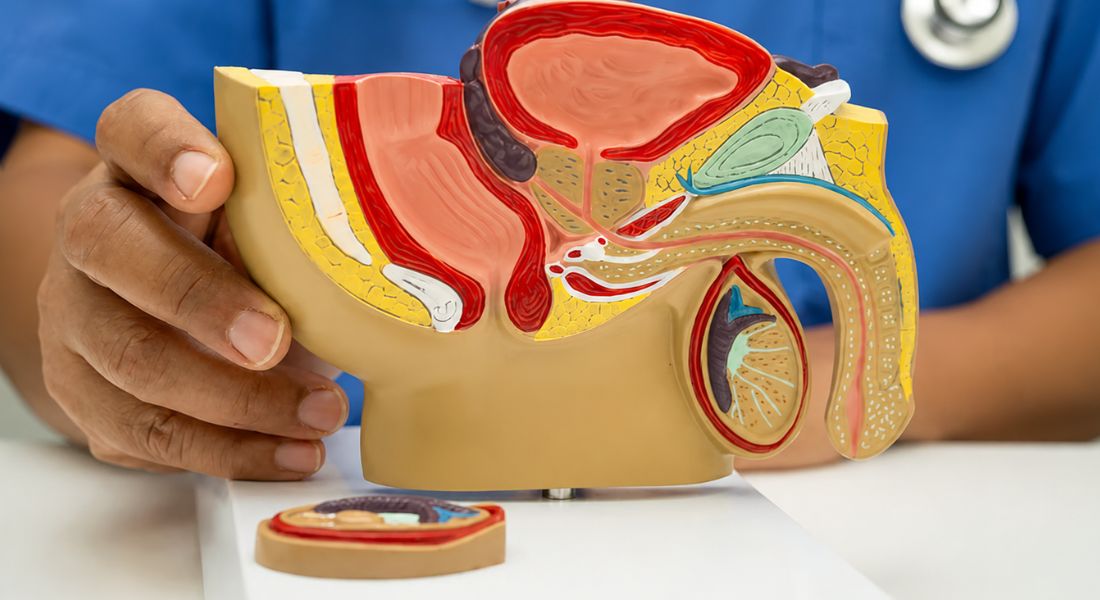
If you are considering robotic prostate cancer surgery, you may hear about a technique called Retzius-sparing robotic prostatectomy. This approach aims to preserve the structures at the front of the bladder and prostate that support urinary function. The goal is to help improve the speed of urinary continence recovery after surgery.
Research on Retzius-sparing surgery has increased over the last decade. Studies, including randomised trials and meta-analyses, suggest that this technique may improve early return of urinary control compared with standard robotic prostatectomy. However, researchers are still studying questions around patient selection, long-term outcomes, and cancer margin safety in certain cases.
For you, it is important to understand that Retzius-sparing surgery is not automatically the best option for everyone. The technique may provide meaningful benefits for selected patients when it is performed by an experienced surgical team. Your surgeon can help you understand whether this approach fits your cancer characteristics and treatment goals.
What Is Retzius-Sparing Robotic Prostate Surgery?
Retzius-sparing robotic prostate surgery is a type of robot-assisted radical prostatectomy used to treat prostate cancer. The aim is to remove the prostate while avoiding disruption to the space of Retzius, which is located at the front of the bladder and prostate. This approach focuses on preserving important structures involved in urinary control.
During a standard anterior approach, your surgeon usually reaches the prostate through the space at the front of the bladder. With a Retzius-sparing approach, the prostate is accessed from behind instead. This allows your surgeon to preserve more of the front support anatomy during the operation.
The main reason this technique has gained attention is its potential effect on continence recovery. By protecting these supporting structures, Retzius-sparing surgery may help some men regain urinary control sooner after catheter removal. However, the results can vary depending on your individual anatomy, cancer features, and surgical experience.
What Is the Space of Retzius?
The space of Retzius is an area located behind the pubic bone and in front of the bladder. It contains important tissues that help support the pelvic structures. If you are learning about Retzius-sparing surgery, understanding this area helps explain why the technique may affect recovery.
During prostate surgery, this space is important because it contains structures linked to urinary control. These include ligaments, connective tissues, and support around the bladder neck and urethra. Protecting these structures may help maintain the natural support system involved in continence.
Retzius-sparing surgery aims to avoid disturbing this area during prostate removal. The idea is that preserving more of the surrounding anatomy may allow urinary control to return sooner after surgery. However, recovery can still depend on your individual health, anatomy, and healing process.
Why Continence Recovery Matters So Much
Urinary leakage is one of the main concerns you may have before prostate cancer surgery. Although bladder control often improves with time, early leakage can affect your confidence, daily routine, sleep, work, and emotional wellbeing. Understanding what to expect can help you prepare for recovery.
Many men want effective cancer treatment while also reducing the impact of side effects. If you are considering surgery, improvements in quality of life after treatment may be an important part of your decision. This is why techniques that may support faster continence recovery continue to receive attention.
Retzius-sparing surgery became an area of interest because early studies suggested that urinary control could return sooner after the operation. For you, a quicker recovery may make the first few months after surgery easier and help you return to normal activities with greater confidence.
Clinical Tip: Prepare Your Pelvic Floor Before Surgery
Pelvic-floor muscle exercises may help you understand and correctly activate the muscles involved in urinary control before your operation. Ask your surgical team when to begin, whether you would benefit from assessment by a pelvic-health physiotherapist and when exercises should restart after catheter removal.
More exercise is not always better if the technique is incorrect. A specialist physiotherapist can check that you are contracting the correct muscles without holding your breath or overusing your abdominal and buttock muscles. If urinary leakage remains troublesome after surgery, NICE supports referral to specialist continence services.
What Is Standard Anterior Robotic Prostatectomy?
Standard anterior robotic prostatectomy is the more commonly used approach for robotic prostate cancer surgery. In this technique, your surgeon reaches the prostate through the front area near the bladder before removing the gland. It is a well-established method with a long history of use.
This approach can provide excellent cancer control and functional outcomes when performed by an experienced surgical team. It also gives your surgeon clear access to important areas, including the prostate, lymph nodes, bladder neck, and surrounding tissues. These factors make it a trusted option for many patients.
However, accessing the prostate through the space of Retzius may affect some of the supporting structures involved in urinary control. Retzius-sparing surgery was developed to reduce disruption to this area. The aim is to preserve more anatomy that may help support earlier continence recovery.
What Was the Main Research Question?
The main research question has been whether Retzius-sparing robotic prostatectomy can improve urinary continence recovery compared with standard robotic prostate surgery. The key question is whether the technique helps urinary control return sooner without compromising cancer removal.
Researchers also needed to understand whether these continence benefits come with any compromise in cancer control. Your surgeon must always prioritise removing the cancer safely, so improved recovery should not come at the expense of effective treatment.
For this reason, studies have looked at both functional and cancer-related outcomes. These include continence recovery, positive surgical margins, biochemical recurrence, erectile function, complications, and overall quality of life after surgery.
What Did Early Studies Suggest?

Early studies suggested that Retzius-sparing surgery may help men regain urinary control sooner after catheter removal. Some research reported higher early continence rates compared with standard robotic prostatectomy. For you, this raised the possibility of a smoother recovery in the first weeks and months after surgery.
These findings increased interest in the technique among prostate cancer surgeons. Researchers wanted to understand whether preserving the structures at the front of the bladder could make a meaningful difference to recovery. The focus was not only on faster continence but also on maintaining safe cancer outcomes.
However, many early studies came from specialist centres with highly experienced surgeons. This meant the results needed to be confirmed through stronger comparative research. Further studies were needed to understand how widely the benefits could apply to patients like you.
What Did the Randomised Trial by Dalela and Colleagues Show?
A key randomised study by Dalela and colleagues compared Retzius-sparing robot-assisted radical prostatectomy with standard robotic prostatectomy. The study found that men who underwent the Retzius-sparing approach achieved urinary continence earlier and reported less bother from urinary symptoms. If you are concerned about recovery after surgery, these findings may be particularly relevant.
The importance of this study is that randomised trials provide stronger evidence than many retrospective studies. They help create a fairer comparison between treatment approaches and reduce some of the bias that can affect research findings. This gives you more confidence when looking at the potential benefits of a surgical technique.
The results supported the idea that preserving the space of Retzius may improve early urinary recovery. However, researchers continued to study which patients are most likely to benefit. Your individual anatomy, cancer characteristics, and surgical factors will still influence the outcome.
Evidence Note: Findings From the Dalela Randomised Trial
The Dalela study was a single-centre randomised trial comparing Retzius-sparing robotic prostatectomy with the standard anterior approach. One week after catheter removal, approximately 71% of men in the Retzius-sparing group were continent compared with 48% in the standard-surgery group. Continence in the Retzius-sparing group increased to approximately 83% at one month and 95% at three months.
The study also found less urinary-function-related bother following Retzius-sparing surgery. However, the participants mainly had low- or intermediate-risk localised prostate cancer, and the trial was performed by an experienced surgical team at one centre. The results therefore support earlier continence recovery but do not guarantee the same outcomes for every patient or centre.
What Did Meta-Analyses Find About Continence?
Meta-analyses combine results from multiple studies to provide a wider understanding of the available evidence. Multiple systematic reviews and meta-analyses report faster early continence recovery after Retzius-sparing robotic prostatectomy. The size and persistence of this benefit vary because the included studies differ in patient selection, surgeon experience, continence definitions and follow-up periods.
However, this does not mean that every patient will regain urinary control at the same speed. Recovery depends on several factors, including your anatomy, pre-surgery urinary function, surgical technique, and healing process. The evidence shows a general trend across groups of patients rather than a guarantee for each individual.
The most consistent benefit appears to be during the early recovery period after surgery. Some studies suggest that the difference between techniques may become smaller over time as more men regain continence. Your long-term outcome will still depend on your individual circumstances.
Does Retzius-Sparing Improve Long-Term Continence?
The strongest evidence for Retzius-sparing surgery relates to faster early continence recovery after prostatectomy. Over the longer term, the differences between Retzius-sparing and standard robotic surgery are less consistent because many men improve with time. If you are considering surgery, it is important to understand both the early and long-term expectations.
Some reviews have reported continued continence benefits at later follow-up points, while others suggest that the main advantage occurs during the first few months after surgery. Recent comparisons have indicated that the early benefit may be most noticeable within the first three months. More research is still helping to clarify the longer-term differences.
Even if long-term continence rates become similar, earlier recovery can still be important. Regaining bladder control sooner may help you return to daily activities, work, and social situations with greater confidence. For many men, the speed of recovery is an important part of their overall treatment experience.
What Does “Immediate Continence” Mean?
Immediate continence usually refers to urinary control soon after the catheter is removed following prostate surgery. However, different studies may define this outcome in different ways. If you are comparing research results, understanding these definitions is important.
Some studies consider a patient continent only if they use no pads at all. Others allow the use of one safety pad, which can affect how results are reported. This difference can make comparisons between studies more challenging.
When you look at continence outcomes, it is important to understand how researchers measured recovery. A patient described as “continent” in one study may not have exactly the same level of urinary control as a patient in another. This helps you interpret the evidence more accurately.
Why Definitions Matter in the Evidence
Continence results can appear different depending on how researchers define urinary control. A no-pad definition is stricter than one that allows the use of a safety pad. If you are reading study results, understanding these differences can help you interpret the findings more clearly.
Pad use is only one measure of recovery. Patient-reported outcomes are also important because they show how leakage affects confidence, daily activities, urgency, and overall quality of life. These experiences can vary even among men with similar pad usage.
The best research looks at both objective measures and your personal experience after surgery. Recovery is not only about the number of pads you use each day. It is also about how comfortable and confident you feel returning to your normal routine.
What About Cancer Control?
Cancer control is always the main priority during radical prostatectomy. If you are considering Retzius-sparing surgery, it is important to understand that improving recovery should never come at the expense of safely removing the cancer.
Some studies suggest that Retzius-sparing surgery can achieve similar cancer outcomes in carefully selected patients. However, other research has raised concerns about positive surgical margins in certain situations, such as specific tumour locations or more advanced disease.
This is why choosing the right surgical approach for your situation is important. A technique that may offer benefits for one patient may not be the safest option for another. Your surgeon will consider your cancer characteristics, imaging, and overall health before recommending the most appropriate approach.
What Is a Positive Surgical Margin?
A positive surgical margin means that cancer cells are present at the cut edge of the tissue removed during surgery. It may indicate that microscopic cancer remains, although it does not mean that recurrence is certain. If you are having prostate cancer surgery, this is one of the factors your team will monitor carefully.
A positive margin does not always mean that the cancer will return. However, it may be linked with a higher risk of recurrence and may require closer PSA monitoring or additional treatment in some cases. Your follow-up plan will depend on your individual pathology results.
When researchers study Retzius-sparing surgery, positive surgical margins are an important outcome to assess. The technique must provide recovery benefits while still allowing your surgeon to remove the cancer safely. This balance is central to deciding whether the approach is suitable for you.
Why Anterior Tumours Need Careful Assessment

Anterior prostate tumours require careful evaluation, especially when considering Retzius-sparing surgery. Some studies have shown higher rates of positive surgical margins in anterior tumours, so careful planning is essential.
- Not Automatically Unsuitable: Anterior tumours aren’t always inappropriate for Retzius-sparing surgery, but the risks need to be assessed individually.
- Importance of MRI and Biopsy: MRI localisation and biopsy results help determine tumour extent and guide surgical planning.
- Surgeon Expertise: The surgeon’s experience and ability to perform an adequately wide anterior excision are crucial for safety and effectiveness.
- Comprehensive Assessment: Decisions should consider MRI findings, cancer stage, biopsy results, and surgical skill to choose the safest approach.
Overall, anterior tumours require detailed assessment to balance cancer control with the benefits of Retzius-sparing surgery. Personalised evaluation ensures the best outcomes for each patient.
What About Higher-Risk Prostate Cancer?
Retzius-sparing surgery has mainly been studied in carefully selected patients with suitable cancer characteristics. If you have higher-risk prostate cancer, the decision requires extra care because cancer control becomes an even greater priority. Some specialist centres may offer this approach, but it needs thorough planning.
In higher-risk cases, your surgeon may need to consider wider tissue removal, lymph node assessment, or a more cautious approach around the prostate. The aim is always to remove the cancer effectively while avoiding unnecessary risks. Your individual MRI, biopsy results, and cancer stage will help guide this decision.
Some pooled analyses have reported a tendency towards higher positive surgical margin rates among patients found to have pathological stage pT3 disease. Because final pathological stage is confirmed after surgery, pre-operative MRI, biopsy findings and clinical risk are used to estimate this possibility when planning the operation.
Does Retzius-Sparing Affect Erectile Function?
Most research on Retzius-sparing surgery focuses on urinary continence rather than erectile function. If you are considering this approach, it is important to understand that erection recovery depends on several factors. These include nerve preservation, your age, pre-surgery erections, overall health, and the location of the cancer.
Some studies have explored whether Retzius-sparing surgery improves erectile outcomes. However, current meta-analyses have not shown a consistent advantage compared with standard robotic prostatectomy. One review found no significant difference in erectile function preservation between the two approaches.
For you, this means Retzius-sparing should not be viewed mainly as an erectile-function technique. Its strongest evidence-based benefit relates to earlier urinary continence recovery. Your surgeon will consider nerve-sparing options separately based on your individual cancer and recovery goals.
How Does Nerve-Sparing Fit In?
Nerve-sparing and Retzius-sparing are two different surgical approaches, although they may be used together in suitable patients. Nerve-sparing focuses on protecting the neurovascular bundles that play an important role in erectile function. If you are considering surgery, understanding the difference between these techniques can help you have clearer discussions with your surgeon.
Retzius-sparing focuses on preserving the structures at the front of the bladder and prostate that support urinary control. Your surgeon may perform Retzius-sparing with or without nerve-sparing, depending on your cancer location and what is safest. The right approach will be based on your individual circumstances.
These two techniques both relate to quality of life after surgery, but they protect different functions. Your surgeon should explain each decision separately so you understand how urinary recovery and erectile function are being considered during treatment.
Standard vs Retzius-Sparing Robotic Prostatectomy
| Feature | Standard anterior approach | Retzius-sparing approach |
| Surgical access | Through the front of the bladder and prostate | From behind the bladder |
| Space of Retzius | Opened during surgery | Largely preserved |
| Main evidence-based advantage | Established technique with broad applicability | Faster early continence recovery in selected patients |
| Nerve-sparing | Can be performed when cancer location allows | Can also be performed when cancer location allows |
| Erectile recovery | Depends mainly on nerve preservation and baseline function | No consistent independent advantage shown |
| Margin considerations | Familiar access for wider anterior excision | Extra caution may be needed with some anterior or pT3 tumours |
| Lymph-node dissection | Can be performed | Can also be performed, sometimes through additional access |
| Learning curve | Widely established | More technically demanding |
| Best choice | Depends on cancer, anatomy and team experience | Depends on cancer, anatomy and team experience |
Is Retzius-Sparing Technically More Difficult?
Retzius-sparing robotic prostatectomy is a technically demanding procedure. It uses a posterior approach, which means your surgeon works from a different angle compared with the standard anterior technique. This requires a strong understanding of the anatomy around the prostate and bladder.
Because of this, surgical experience plays an important role in achieving good outcomes. Results from specialist centres with experienced surgeons may not always be the same in every setting. If you are considering this approach, the expertise of your surgical team is an important factor.
Like many advanced surgical techniques, Retzius-sparing has a learning curve. You should feel comfortable asking your surgeon about their experience with the procedure and how they decide whether it is suitable for you. Understanding these factors can help you make a more informed treatment decision.
Why Patient Selection Is Important
Retzius-sparing surgery is not the right option for every man. Your suitability depends on factors such as cancer location, tumour stage, prostate size, previous procedures, anatomy, urinary function, and whether lymph node dissection is needed.
A man with a small, organ-confined tumour may be a suitable candidate, while someone with a more complex or advanced cancer may need a different approach. Your MRI, biopsy results, and other pre-operative assessments help your surgeon decide what is safest.
The goal is not simply to choose the newest or most advanced technique. It is about selecting the operation that best fits your cancer and recovery priorities. Your surgeon should help you understand why a particular approach is recommended for your situation.
How MRI Helps With Planning

Modern prostate MRI plays an important role in planning prostate cancer surgery. It can help your surgeon understand where the tumour is located and whether there are signs that cancer may be close to or extending beyond the prostate capsule. This information helps guide the choice of surgical approach.
MRI findings are particularly important when considering Retzius-sparing surgery. The position and extent of the tumour can influence whether this technique is likely to be suitable for you. Careful assessment before surgery helps your surgeon balance recovery benefits with cancer safety.
MRI is not a perfect test and cannot show every detail of the cancer. However, when combined with your PSA level, biopsy results, clinical examination, and surgical expertise, it provides valuable information for treatment planning. This helps create a more personalised approach to your surgery.
What If You Have a Large Prostate?
A larger prostate can make prostatectomy more technically challenging. It may affect access, visibility, bladder neck reconstruction, and the precision needed during surgery. If you have a larger prostate, these factors may be considered when planning your operation.
Retzius-sparing surgery may still be possible for some men with larger prostates. However, your suitability will depend on your anatomy, cancer characteristics, and your surgeon’s experience with the technique. Careful planning is important to achieve the safest outcome.
Your surgeon should explain how prostate size may affect the potential benefits and risks of Retzius-sparing surgery. Every patient is different, so choosing the right approach for you is more important than assuming one technique is always suitable.
What If You Need Lymph Node Removal?
Some men need pelvic lymph node dissection during prostate cancer surgery, particularly when there are higher-risk features. This procedure helps your surgeon check whether cancer has spread to nearby lymph nodes. If you need this assessment, it becomes an important part of your overall treatment plan.
Retzius-sparing surgery can be combined with lymph node dissection in experienced centres. However, the need for lymph node removal may influence how the operation is planned and performed. Your surgeon will consider these factors when deciding the most appropriate approach.
The need for lymph node dissection highlights why your cancer risk category is important. Surgical planning should focus on treating the cancer effectively, not only on improving continence recovery. For you, the best approach is the one that balances cancer control with your quality-of-life goals.
What About Previous Abdominal or Pelvic Surgery?
Previous abdominal or pelvic surgery can sometimes cause scar tissue or changes in your anatomy. These factors may affect access during robotic prostatectomy and can influence surgical planning. If you have had previous procedures, your surgeon will need to consider how they may affect the operation.
Retzius-sparing surgery may still be possible after earlier operations in selected cases. Your suitability will depend on the type of surgery you had, your imaging results, and any expected scar tissue. A careful assessment helps your surgeon decide the safest approach for you.
Before surgery, you should tell your surgeon about any previous abdominal, pelvic, hernia, bowel, bladder, or prostate procedures. Having this information allows your surgical team to prepare properly. It also helps reduce avoidable risks during the operation.
What Are the Possible Advantages for Patients?
The main potential advantage of Retzius-sparing surgery is faster recovery of urinary control after prostate cancer surgery. If you are recovering from treatment, earlier continence may mean less pad use and greater confidence in your daily activities.
By preserving the space of Retzius, the technique aims to reduce disruption to the structures that support bladder control. Some studies have also reported improvements in urinary symptoms and early quality of life after surgery. These benefits may be particularly meaningful during the early stages of recovery.
For suitable patients, Retzius-sparing surgery may help make the first weeks and months after treatment easier. However, your surgeon must always balance these potential benefits with the need to remove the cancer safely. The right approach depends on your individual cancer and recovery priorities.
What Are the Possible Disadvantages?
Retzius-sparing surgery has some potential limitations, including technical complexity and the need for significant surgical experience. Some studies have also raised concerns about positive surgical margins in certain tumour locations or more advanced cancers. If you are considering this approach, understanding these factors is important.
The technique may not be suitable when the cancer location requires wider removal of tissue at the front of the prostate. Your surgeon may recommend a different approach if it provides safer cancer clearance for your situation. The decision should always be based on your individual cancer features.
Retzius-sparing surgery is not a shortcut or a guaranteed improvement for every patient. It is a specialist technique that requires careful planning and experience. For you, the most important factor is choosing the approach that offers the safest balance between cancer control and recovery.
What Do Recent Reviews Say Overall?
Recent reviews generally suggest that Retzius-sparing surgery can improve early continence recovery after prostate cancer surgery. This benefit has been reported across several comparative studies. If you are considering this approach, faster recovery of urinary control may be an important part of your decision.
However, research also highlights the need to consider cancer safety carefully. Some studies have raised concerns about positive surgical margins in certain situations, particularly with anterior tumours or more advanced disease. Your surgeon will need to assess whether the potential benefits outweigh any risks for your case.
Overall, Retzius-sparing surgery appears to be a valuable option for selected patients. It should not be viewed as automatically better for everyone. The most appropriate approach depends on your cancer characteristics, anatomy, and recovery goals.
How Should You Interpret the Evidence?
When you read that a technique improves continence, it is important to understand what was measured and when it was assessed. Early continence, three-month recovery, and twelve-month outcomes can show different results. If you are comparing studies, looking at these details helps you understand the evidence more clearly.
You should also consider whether the patients in the research are similar to you. Outcomes can vary depending on your age, cancer risk, tumour location, prostate size, urinary function before surgery, and the surgeon’s experience.
Research can help guide your treatment decisions, but it cannot replace a personalised assessment. Your surgeon will consider your individual cancer and your recovery goals when recommending the most suitable approach for you.
UK Guidance Note
NICE NG131 does not make a specific recommendation that Retzius-sparing prostatectomy should replace the standard anterior approach for every patient undergoing radical prostatectomy. Treatment decisions should be based on your cancer characteristics, general health, preferences and a balanced discussion of cancer control and treatment-related side effects.
NICE also states that people experiencing adverse effects of prostate cancer treatment should have access to appropriate specialist services. These may include continence services, pelvic-floor physiotherapy, erectile-dysfunction care and psychosexual support.
For you, this means discussion of Retzius-sparing surgery should include not only the operation itself but also your expected continence recovery, pelvic-floor preparation, catheter care, PSA follow-up and support if leakage persists.
Choosing Specialist Retzius-Sparing Care

Retzius-sparing surgery requires specialist experience and careful patient selection. If you are considering this approach, your consultation should explain why the technique may or may not be suitable for your individual cancer situation.
A specialist discussion about Retzius-sparing robotic prostate surgery in London should include your MRI findings, tumour location, continence expectations, margin safety, and your surgeon’s experience. Understanding these factors helps you make a more informed decision about your treatment.
You should leave your consultation with a clear understanding of the possible benefits and limitations. The best choice is not simply the newest or most advanced technique. It is the approach that fits your cancer characteristics, anatomy, and recovery goals.
What Is the Main Lesson From the Evidence?
The evidence suggests that Retzius-sparing robotic prostate surgery can improve early urinary continence recovery in selected patients. This is the most consistent benefit shown across many studies. If you are considering this approach, earlier bladder control may be an important part of your recovery expectations.
However, the research also highlights why careful decision-making is essential. Your surgeon must consider cancer control first, especially if the tumour is located at the front of the prostate, is higher risk, or is close to the prostate surface.
The main message is that Retzius-sparing surgery is a valuable development, but it is not the right solution for everyone. When it is used for suitable patients by an experienced team, it may help improve quality of life while still focusing on safe and effective cancer treatment.
Myth vs Fact
| Myth | Fact |
| Retzius-sparing surgery guarantees immediate continence. | It improves early continence rates across groups, but some men still experience leakage. |
| It is always better than standard robotic surgery. | The safest approach depends on tumour location, stage, anatomy and surgical experience. |
| Retzius-sparing and nerve-sparing mean the same thing. | Retzius-sparing focuses mainly on urinary support structures; nerve-sparing focuses on erectile-function nerves. |
| A positive surgical margin means cancer has definitely been left behind. | It means cancer cells are present at the cut surface and may increase recurrence risk, but recurrence is not inevitable. |
| Retzius-sparing surgery clearly improves erections. | Current evidence does not show a consistent erectile-function advantage. |
| The technique is unsuitable for every anterior tumour. | Some studies report higher margin risk in anterior disease, but suitability requires individual assessment. |
| A larger prostate automatically rules out the procedure. | There is no single size cut-off; anatomy, cancer location and surgeon experience matter. |
| Earlier continence means long-term continence will always be better. | Long-term differences may become smaller as patients in both groups recover. |
Key Takeaways
- Retzius-sparing robotic prostatectomy approaches the prostate from behind and preserves the space at the front of the bladder.
- Its most consistent evidence-based benefit is faster early urinary continence recovery.
- Randomised trials and meta-analyses generally support faster continence recovery during the first weeks and months.
- Continence percentages cannot be compared reliably unless the study definition, timing and pad criteria are known.
- Long-term continence differences are less consistent and depend partly on how continence is defined.
- Retzius-sparing surgery has not shown a consistent independent benefit for erectile-function recovery.
- Cancer control must remain the main priority when selecting the surgical approach.
- Some studies report higher positive-margin concerns in anterior tumours and pathological stage pT3 disease.
- Short-term biochemical recurrence findings are generally reassuring, but longer follow-up is needed.
- The technique is technically demanding and outcomes depend on surgeon and centre experience.
- The safest approach should be chosen according to your MRI, biopsy findings, tumour location, prostate anatomy and personal priorities.
FAQs:
1. What is Retzius-sparing robotic prostate surgery?
Retzius-sparing robotic prostate surgery is a technique used during robot-assisted radical prostatectomy to remove the prostate while preserving the space of Retzius. By approaching the prostate from behind, the surgeon aims to protect structures that support urinary control. This may help some men regain continence sooner after surgery.
2. What does the evidence show about Retzius-sparing prostate surgery?
Research suggests that Retzius-sparing robotic prostatectomy can improve early urinary continence recovery compared with standard robotic surgery. Studies and meta-analyses show the greatest benefit is usually seen in the first few months after surgery. However, the technique is not automatically better for every patient.
3. Does Retzius-sparing surgery improve long-term continence?
The strongest evidence supports faster early return of urinary control after surgery. Over time, differences between Retzius-sparing and standard approaches may become smaller as many men continue to recover. Your individual recovery depends on factors such as age, anatomy, baseline urinary function and surgical experience.
4. Is Retzius-sparing robotic surgery safe for prostate cancer control?
Cancer control remains the priority during any prostate cancer operation. Comparative studies generally report reassuring short-term recurrence outcomes in selected patients, but positive-margin concerns remain in some tumour locations and pathological stages, and longer follow-up is needed.
5. Who may benefit most from Retzius-sparing prostatectomy?
Retzius-sparing surgery may be particularly beneficial for men where faster continence recovery is a priority and the cancer location allows safe use of the technique. Patients with suitable anatomy and organ-confined disease may be considered good candidates. Your surgeon will assess your MRI, biopsy results and overall health before recommending an approach.
6. Does Retzius-sparing surgery improve erectile function?
Retzius-sparing surgery is mainly designed to improve urinary continence rather than erectile function. Erectile recovery depends more on nerve-sparing, your erections before surgery, age and general health. Retzius-sparing and nerve-sparing are separate surgical decisions that may be combined when appropriate.
7. Are there any disadvantages of Retzius-sparing robotic surgery?
The technique is technically more demanding and requires specific surgical experience. It may not be suitable for men with certain tumour locations, particularly when the tumour’s anterior location or suspected extracapsular extension may require a wider excision. The potential continence benefits must always be balanced against safe cancer removal.
8. Can Retzius-sparing surgery be used for all prostate cancer patients?
No, not every man is suitable for this approach. Factors such as tumour position, cancer stage, prostate size, previous surgery and the need for lymph node removal can affect the decision. Your surgeon should recommend the technique that best matches your individual cancer characteristics.
9. How does MRI help decide whether Retzius-sparing surgery is appropriate?
MRI helps show where the tumour is located and whether there are signs of cancer extending beyond the prostate. This information is important because tumour position can affect the safety of preserving certain structures. MRI findings are considered alongside biopsy results, PSA levels and surgical expertise.
10. Should you choose Retzius-sparing robotic prostate surgery?
Retzius-sparing surgery may offer meaningful benefits for selected men, especially regarding earlier urinary continence recovery. However, it is not simply a newer version that is always better than standard surgery. The right choice depends on your cancer details, recovery priorities and the experience of your surgical team.
Final Thoughts: Understanding the Evidence Behind Retzius-Sparing Robotic Prostate Surgery
Retzius-sparing robotic prostatectomy can help selected men regain urinary control sooner after surgery. Randomised trials and systematic reviews generally support an early continence advantage compared with the standard anterior robotic approach, although the size of the benefit varies according to how continence is defined and when it is measured.
The technique is not automatically more suitable for every patient. Your MRI findings, tumour location, pathological risk, prostate anatomy, previous procedures and the experience of the surgical team all need to be considered. Particular care may be required when wider anterior removal is needed or when the cancer appears to extend beyond the prostate.
If you are considering Retzius-sparing robotic prostate surgery in London, you can contact us at Prostate Clinic London to discuss appointment arrangements, the evidence behind the procedure and whether it may be appropriate for your cancer characteristics.
References:
- National Institute for Health and Care Excellence (NICE) (2019, last updated 2021; reviewed 2025) Prostate cancer: diagnosis and management. NICE guideline NG131. Available at: nice.org.uk/guidance/ng131
- NHS (no date) Treatment for prostate cancer. Available at: nhs.uk/conditions/prostate-cancer/treatment
- Prostate Cancer UK (2026) Getting back on track: 10 steps to help with urinary and erectile problems after surgery. Available at: prostatecanceruk.org/prostate-information-and-support/…/urinary-and-erectile-problems-after-surgery
- Cancer Research UK (no date) Problems after prostate cancer surgery. Available at: cancerresearchuk.org/about-cancer/…/problems-after-prostate-surgery
- Dalela, D. et al. (2017) ‘A pragmatic randomised controlled trial examining the impact of the Retzius-sparing approach on early urinary continence recovery after robot-assisted radical prostatectomy’, European Urology, 72(5), pp.677–685. Available at: pubmed.ncbi.nlm.nih.gov/28483330
- Barakat, B., Othman, H., Gauger, U. et al. (2022) ‘Retzius sparing radical prostatectomy versus robot-assisted radical prostatectomy: which technique is more beneficial for prostate cancer patients? A systematic review and meta-analysis’, European Urology Focus, 8(4), pp.1060–1071. Available at: pubmed.ncbi.nlm.nih.gov/34429272
- Gong, W., Yan, J., Cui, Y., Zhang, D. and Ma, Y. (2025) ‘Comparison of efficacy of Retzius-sparing radical prostatectomy versus standard radical prostatectomy in the treatment of prostate cancer: a systematic review and meta-analysis’, Frontiers in Oncology. Available at: frontiersin.org/journals/…/full
- Lambert, E. et al. (2023) ‘Is it safe to switch from a standard anterior to Retzius-sparing approach for robot-assisted radical prostatectomy?’, Current Oncology, 30(3), pp.3447–3460. Available at: pubmed.ncbi.nlm.nih.gov/36975474
- Oshima, M. et al. (2023) ‘Retzius-sparing robotic prostatectomy is associated with higher positive surgical margin rate in anterior tumors, but not in posterior tumors, compared to conventional anterior robotic prostatectomy’, Prostate International, 11(1), pp.13–19. Available at: pubmed.ncbi.nlm.nih.gov/36910901