



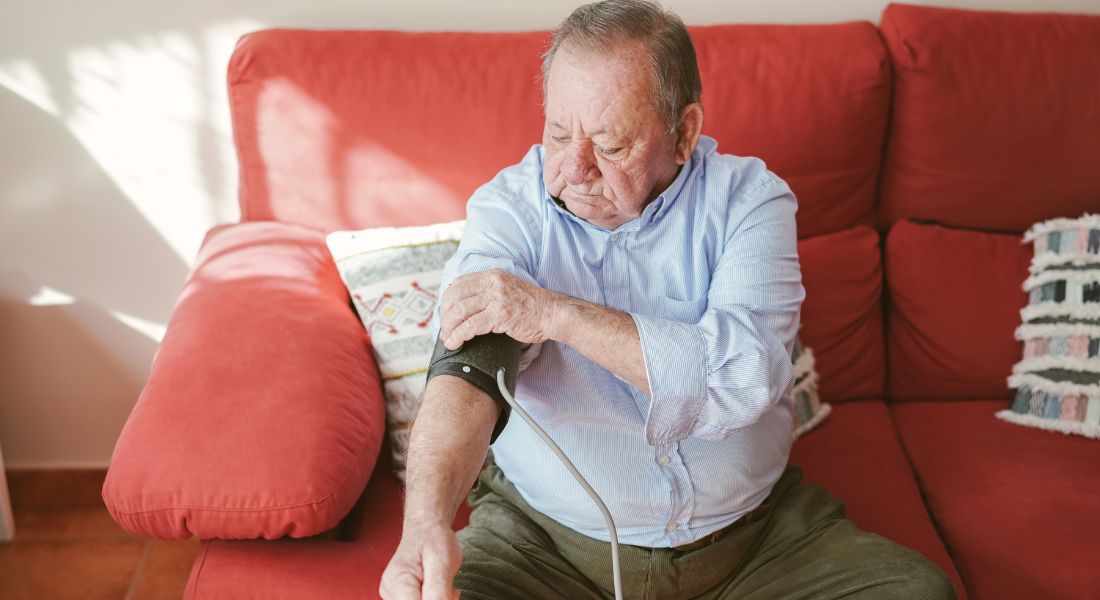
If you have been diagnosed with prostate cancer and also have high blood pressure, you may wonder whether hypertension could affect your ability to have surgery. Having high blood pressure does not automatically mean that prostate cancer surgery is unsuitable for you. Many men with controlled hypertension can still be considered for surgery after appropriate assessment of their blood pressure, cardiovascular health, other medical conditions and overall fitness for anaesthesia.
High blood pressure is a common condition, particularly as you get older, and it does not automatically prevent you from having surgery. Your medical team will assess how well your blood pressure is controlled, whether you have any related heart or vascular conditions, and how your overall health may influence anaesthesia and recovery.
The focus is usually on preparation rather than the diagnosis itself. By reviewing your medications, optimising blood pressure control, and monitoring you carefully before and after the procedure, your surgical team can help reduce avoidable peri-operative risk and support recovery.
Understanding High Blood Pressure Before Surgery
High blood pressure, also known as hypertension, occurs when the force of blood against your artery walls remains consistently higher than recommended. Over time, poorly controlled blood pressure can affect important organs such as your heart, kidneys, and blood vessels.
Before prostate cancer surgery, your medical team will look at more than just your blood pressure reading. They will assess whether your hypertension is well controlled, whether it has caused any health complications, and whether you have other cardiovascular risk factors that may affect your care.
If your blood pressure is stable and well managed, it is usually less concerning than untreated or severely elevated hypertension. This is why you will undergo a detailed pre-operative assessment to help your team plan surgery with your individual risks in mind.
Does High Blood Pressure Mean You Cannot Have Surgery?
Having high blood pressure does not automatically mean you cannot have prostate cancer surgery. Many men with hypertension successfully undergo surgery after their condition has been assessed and, where necessary, optimised before the procedure.
Your surgeon and anaesthetist will review your blood pressure alongside your overall health, medical history, current medications, and fitness for anaesthesia. This helps them understand any potential risks and plan your care appropriately.
The decision is always individual. By carefully assessing your specific situation, your medical team can determine the safest approach while ensuring you receive the most appropriate treatment for your prostate cancer.
Why Blood Pressure Is Checked Before Prostate Surgery
Before prostate cancer surgery, you will usually attend a pre-operative assessment to evaluate your overall health. This allows your medical team to identify any conditions that may need attention before the operation takes place.
Blood pressure monitoring is an important part of this assessment. Your team will check whether your hypertension is well controlled and whether any medication adjustments or further investigations may be needed before surgery.
The purpose of these checks is not to create unnecessary delays. Instead, they help ensure you are as well prepared as possible for surgery and reduce avoidable risks during and after the procedure.
How Hypertension Can Affect Surgical Planning
High blood pressure can influence how your anaesthetic team plans your care before and during prostate cancer surgery. Blood pressure levels may naturally change during an operation because of anaesthesia, medications, pain responses, and the body’s reaction to surgery.
Your anaesthetist will review your medical history and create a plan to monitor and manage your blood pressure throughout the procedure. This helps maintain stability while the surgical team focuses on treating your prostate cancer.
A well-planned approach can help the team anticipate and manage peri-operative blood pressure changes and cardiovascular risks. The aim is not to prevent every change in blood pressure but to ensure any changes are recognised and managed appropriately.
The Importance of Controlling Blood Pressure Before Surgery
If your blood pressure is not well controlled, your medical team may recommend improving it before your prostate cancer surgery. This may involve reviewing your medications, identifying contributing factors, or arranging further assessment to help achieve more stable readings.
For many men, improving blood pressure control is simply part of the normal preparation process before surgery. It does not usually mean that treatment for your prostate cancer cannot go ahead.
Your doctors will carefully balance the need to treat your cancer promptly with the importance of reducing surgical risks. By optimising your blood pressure beforehand, they can help make the procedure and recovery as safe as possible.
Evidence Note:
Current UK hypertension guidance recommends interpreting elevated clinic blood pressure in context. Repeat clinic measurements, ambulatory blood pressure monitoring and home blood pressure monitoring may be used where appropriate, alongside assessment of cardiovascular risk and target-organ damage. Before planned surgery, these findings can contribute to the wider pre-operative assessment rather than allowing one isolated elevated reading to determine the entire treatment plan.
What Happens During Your Pre-Operative Assessment

Your pre-operative assessment is designed to give the medical team a clear picture of your overall health before surgery. During this appointment, your medical history, current medications, previous operations, and existing health conditions will be reviewed.
You may also have blood pressure measurements, blood tests, and other investigations depending on your age, general health, and the type of prostate cancer surgery being planned. These checks help identify any issues that may need attention before the operation.
This assessment is also a valuable opportunity for you to ask questions. If you have concerns about how your blood pressure could affect surgery or recovery, your surgeon or anaesthetist can explain what to expect and how any risks will be managed.
What Your Team May Review Before Surgery
| Assessment area | Why it matters |
| Recent BP readings | Shows whether control is stable over time |
| Home or ambulatory readings | Can provide context when clinic readings are unexpectedly high |
| Medication list | Helps plan safe peri-operative medication management |
| Kidney function | Hypertension can be associated with renal disease, and kidney health affects peri-operative care |
| Cardiovascular history | Previous heart disease or stroke can affect surgical risk assessment |
| Diabetes and other conditions | Overall comorbidity matters more than hypertension in isolation |
| Functional capacity | Helps assess how well you may tolerate surgery and recovery |
| Cancer characteristics | Surgical timing must balance cancer treatment needs with medical optimisation |
Why Your Medication List Matters
If you have high blood pressure, you may take one or more medications each day to keep it under control. It is important that your surgical team knows exactly what you take, including the medication names, doses, and when you usually take them.
Your doctors will review these medications as part of your surgical planning. Your peri-operative medicine plan will depend on the specific medicine you take, the reason it was prescribed and your individual clinical circumstances. Follow the instructions provided by your surgical and anaesthetic teams rather than making changes yourself.
You should never stop or alter your blood pressure medication without medical advice. By sharing an accurate medication list and following the guidance you receive, you can help your team manage your blood pressure safely before, during, and after surgery.
Clinical Tip: Do Not Follow Generic Medication Advice Online
Different blood pressure medicines can require different peri-operative plans, and the correct approach may also depend on why you take the medicine. Bring an accurate medication list, including doses and timing, to your pre-operative assessment. Follow the specific instructions given by your surgical and anaesthetic teams and do not stop, skip or restart medicines based only on general online advice.
Can Blood Pressure Medication Affect Anaesthesia?
Your anaesthetic team will carefully review all of your medications before surgery, including those used to control high blood pressure. Some medicines can influence how your body responds to anaesthesia, so understanding your treatment plan is an important part of preparation.
When planning your anaesthetic, the team will consider factors such as your blood pressure, heart health, kidney function, and any other medical conditions you may have. This helps ensure that your care is tailored to your individual needs.
Taking blood pressure medicines does not in itself prevent surgery, but your peri-operative medicine plan should be reviewed individually. This gives your anaesthetist the information needed to create the safest and most appropriate plan for you.
What Blood Pressure Level Is Too High for Surgery?
There is no single blood pressure reading that automatically determines whether you can or cannot have prostate cancer surgery. Your medical team will consider your blood pressure levels alongside your overall health, medical history, and the type of procedure being planned.
If your blood pressure is very high, additional assessment or treatment may be recommended before elective surgery goes ahead. In some situations, readings above approximately 180/110 mmHg may require further review to ensure it is safe to proceed.
A single reading does not always tell the whole story. If your blood pressure is slightly higher than usual during an assessment, your team will look at the wider picture, including previous readings and other health factors, before making any decisions about your care.
Managing Anxiety About Surgery and Blood Pressure
It is common for your blood pressure to rise temporarily when you feel anxious, particularly during medical appointments or hospital visits. This is often referred to as the “white coat” effect and does not always reflect your usual blood pressure levels.
Your medical team understands that a single reading may not provide a complete picture. They will often consider your previous blood pressure measurements, home readings if available, and your overall health before drawing conclusions.
If you feel worried about surgery, it is important to let your team know. They can answer your questions, explain the process, and help you feel more informed, which may reduce anxiety and make the experience less stressful for you.
Key Fact: One Clinic Reading Is Not Always the Full Picture
NICE recommends repeating elevated clinic blood pressure measurements. When confirming hypertension, ambulatory blood pressure monitoring may be offered in appropriate situations, with home blood pressure monitoring used when ABPM is unsuitable. This is particularly useful when clinic readings do not appear consistent with the wider blood pressure pattern. Home monitoring should use an appropriate validated device and follow the measurement instructions provided by your healthcare team.
How Your Heart Health Is Considered Before Surgery
When you are preparing for prostate cancer surgery, your doctors look at more than just your blood pressure readings. They will assess your overall cardiovascular health, including whether you have conditions such as heart disease, previous strokes, kidney disease, or diabetes.
This wider assessment helps your medical team understand your individual level of surgical risk. Even if two patients have similar blood pressure levels, their overall health may affect how surgery and anaesthesia are planned.
By reviewing your complete medical picture, your surgical and anaesthetic teams can develop an approach that is tailored to your needs. This helps ensure you receive the safest possible care before, during, and after your operation.
Can Robotic Prostate Surgery Be Performed With Hypertension?
Controlled hypertension does not automatically exclude you from consideration for robotic prostate cancer surgery
Your suitability for robotic surgery will depend on several factors, including the characteristics of your prostate cancer, your overall fitness, blood pressure control, and any other medical conditions you may have. Your surgical and anaesthetic teams will assess these factors carefully before making recommendations.
If your blood pressure is well managed, it is often possible to proceed with treatment as planned. Your doctors will explain whether robotic surgery is appropriate for you and what steps may be needed to optimise your health before the operation.
The goal is always to choose the most appropriate treatment based on your cancer diagnosis, blood pressure control and overall health. Careful assessment helps ensure that both your prostate cancer and your hypertension are managed appropriately throughout the surgical journey.
Preparing Your Body Before Surgery
Preparing for prostate cancer surgery can help support a smoother recovery and reduce the risk of complications. Before your operation, it is important to take your prescribed medications as directed, follow medical advice, and maintain healthy daily habits wherever possible.
If you have high blood pressure, keeping it well controlled is an important part of your preparation. Your medical team may review your treatment plan and ensure that your blood pressure is stable before surgery takes place.
Following appropriate pre-operative health advice can help prepare you for surgery and recovery. By following your team’s recommendations, you can help your body cope more effectively with the physical demands of surgery and the recovery period that follows.
The Role of Exercise Before Surgery

Regular physical activity can help support your cardiovascular health, fitness, and overall wellbeing before prostate cancer surgery. Staying active may also improve your body’s ability to cope with the demands of surgery and recovery.
You do not need to begin an intense exercise programme before your operation. For many men, activities such as walking, light cycling, or other moderate forms of exercise may be appropriate, although your doctor can advise what is suitable for you.
Improving your fitness gradually can provide benefits both before and after surgery. Staying appropriately active before surgery may support your general fitness and functional recovery. The type and intensity of exercise should be appropriate for your health, existing cardiovascular conditions and treatment timetable.
Maintaining a Healthy Diet Before Surgery
A balanced diet can play an important role while you are preparing for prostate cancer surgery. Eating a variety of nutritious foods helps support your overall health, maintain energy levels, and prepare your body for recovery after the procedure.
If you have high blood pressure, your doctor may discuss dietary habits that can help support better blood pressure control. Alongside your prescribed treatment, a balanced diet can support your general health during surgical preparation and recovery.
You do not need to make dramatic or restrictive dietary changes before surgery. Instead, focus on practical improvements that you can maintain consistently, and speak with your healthcare team if you have any questions about nutrition or blood pressure management.
What Happens to Blood Pressure During Surgery?
During prostate cancer surgery, your blood pressure is monitored closely by the anaesthetic team throughout the procedure. This allows them to track changes in real time and respond quickly if adjustments are needed.
Blood pressure can naturally rise or fall during an operation due to factors such as anaesthesia, medications, fluid balance, and the body’s response to surgery. These changes are expected, which is why continuous monitoring forms an important part of your care.
Having high blood pressure does not mean your blood pressure will automatically become unsafe during surgery. Your anaesthetist will use monitoring and appropriate treatments to help keep your blood pressure as stable as possible and support your safety throughout the operation.
How Anaesthetists Manage Hypertension During Surgery
Your anaesthetist plays a key role in managing your blood pressure throughout prostate cancer surgery. They continuously monitor your vital signs and can adjust medications, fluids, or other aspects of your care if changes in blood pressure occur.
Before the operation, your anaesthetist will review your medical history, current medications, and any health conditions related to hypertension. This helps them understand your individual needs and plan the most appropriate anaesthetic approach for you.
Careful preparation and close monitoring allow your blood pressure to be managed alongside other important aspects of your anaesthetic care. This supports a safe and stable environment throughout the procedure.
Managing High Blood Pressure Around Prostate Surgery
| Consideration | Why It Matters | Patient Action / Notes |
| Blood Pressure Control | Well-controlled BP reduces peri-operative cardiovascular risk | Continue prescribed medication; follow advice from surgical and anaesthetic team |
| Medication Review | Some BP medications may interact with anaesthesia | Bring full medication list; never stop or adjust doses without guidance |
| Home Monitoring | Provides a fuller picture of blood pressure patterns | Record readings if advised; share with your medical team |
| White-Coat Effect | Clinic readings may be temporarily elevated due to anxiety | Do not panic; repeat or home readings help provide context |
| Cardiovascular Assessment | Heart disease, stroke, or vascular issues affect surgical risk | Share complete history and any test results with team |
| Kidney Function | Hypertension may impact renal health and peri-operative management | Bring recent lab results if available |
| Functional Capacity | Indicates how well you may tolerate surgery | Report mobility, exercise tolerance, and fatigue to your team |
| Recovery Planning | Hypertension can influence post-op monitoring | Attend follow-ups; adhere to BP management and lifestyle guidance |
| When Surgery May Be Delayed | Very high or uncontrolled BP can increase risk | Cooperate with optimisation plan; understand that delays improve safety |
Recovery Immediately After Prostate Surgery
After your prostate cancer surgery, your blood pressure will continue to be monitored as part of your recovery care. This period is important because your body is adjusting to both the operation and the effects of anaesthesia.
Several factors can influence your blood pressure after surgery, including pain, stress, medications, fluid balance, and your body’s natural healing response. Your healthcare team will keep a close eye on these changes and manage them when necessary.
While monitoring your blood pressure, the team will also focus on other aspects of your recovery. This includes supporting wound healing, helping you regain mobility, monitoring urinary function, and ensuring that your overall recovery is progressing as expected.
Managing Blood Pressure During Recovery
Once you return home after prostate cancer surgery, continuing to manage your blood pressure remains an important part of recovery. Although your operation treats prostate cancer, you will still need ongoing treatment and monitoring for hypertension.
You should continue taking your blood pressure medicines exactly as advised by your healthcare team. If your medication schedule changes after surgery, make sure you understand when you should restart treatments and whether any adjustments are needed.
Keeping your blood pressure well controlled can support both recovery and long-term health. By attending follow-up appointments and following the advice provided, you can help your body recover while also protecting your future cardiovascular health.
Does High Blood Pressure Increase Recovery Time?
High blood pressure on its own does not necessarily mean you will have a longer recovery after prostate cancer surgery. Many men with well-controlled hypertension recover within the expected timeframe following treatment.
Your recovery will depend on several factors, including your age, overall fitness, the type of surgery performed, your cancer treatment plan, and any other medical conditions you may have. Your healthcare team will consider all of these factors when monitoring your progress.
If your blood pressure is well managed and you follow the advice provided during recovery, hypertension alone does not determine recovery time. Maintaining good blood pressure control can help support healing and your overall health after surgery.
The Importance of Pain Control After Surgery
Pain after prostate cancer surgery can temporarily affect your blood pressure and overall comfort. Managing it effectively is a key part of your recovery and helps you stay active and supported as you heal.
- Guidance from Your Team: Your healthcare team will explain how to use any prescribed pain relief safely and effectively.
- Staying Comfortable and Active: Following advice on pain management can help you move more easily and support your recovery.
- Seek Help if Needed: If you have significant or poorly controlled pain at home, contact your healthcare team promptly.
- Early Support Matters: Getting advice early helps prevent unnecessary discomfort and ensures any concerns are assessed properly.
Overall, good pain control is central to a smooth recovery. Staying in touch with your healthcare team and following their guidance helps you heal safely and comfortably.
Watching for Blood Pressure Changes at Home

If you already have high blood pressure, monitoring your readings at home after surgery may be helpful. Home monitoring can provide a clearer picture of how your blood pressure is behaving during recovery and away from the hospital setting.
Regular readings can help you and your healthcare team assess whether your blood pressure remains well controlled. It is important to follow any monitoring advice provided and record measurements consistently if you have been asked to do so.
If you notice persistently high readings or develop symptoms such as chest pain, severe headaches, breathlessness, or dizziness, you should seek medical advice promptly. Reporting concerns early can help ensure that any problems are assessed and managed appropriately.
When Should Surgery Be Delayed?
In some situations, your surgery may need to be postponed temporarily if your blood pressure is significantly elevated or another medical condition requires further assessment or treatment. The decision is made to improve safety rather than to prevent treatment from going ahead.
A delay does not necessarily mean that your prostate cancer treatment plan has changed or that surgery is no longer an option. In many cases, the goal is simply to optimise your health before the procedure.
By improving blood pressure control or addressing other medical concerns, you can help reduce avoidable surgical risks. Once your condition is better managed, your team can reassess you and plan surgery as safely as possible.
Working With Your GP Before Surgery
Your GP can play an important role in helping to manage high blood pressure before prostate cancer surgery. They may review your current medications, monitor your blood pressure, and help address any issues that could affect your fitness for surgery.
If adjustments to treatment are needed, your GP can often support these changes before your operation takes place. This can help improve blood pressure control and ensure you are as well prepared as possible for the procedure.
Good communication between your GP, surgeon, and anaesthetic team is valuable throughout the planning process. When everyone has a clear understanding of your health, it becomes easier to coordinate care and support a safer surgical journey.
High Blood Pressure and Long-Term Health After Surgery
Although prostate cancer surgery may be behind you, managing high blood pressure remains important for your long-term health. Good blood pressure control can help protect your heart, blood vessels, kidneys, and overall wellbeing in the years ahead.
For many men, a cancer diagnosis becomes an opportunity to take a broader look at their health. You may find that focusing on healthy habits after treatment helps support both recovery and future cardiovascular health.
Regular medical reviews, taking prescribed medications as directed, and making sustainable lifestyle choices can all make a positive difference. By continuing to manage your blood pressure effectively, you can support your long-term health beyond the surgical period.
Choosing a Specialist Prostate Cancer Surgery Team

When considering prostate cancer surgery, it is important to choose a team that understands your complete medical picture. Your cancer diagnosis is only one part of the assessment, and other health conditions can also influence treatment planning and recovery.
A specialist prostate cancer surgeon will consider factors such as your blood pressure, heart health, current medications, and overall fitness for surgery. This broader approach helps ensure that treatment decisions are based on both the cancer itself and your general health.
By working with an experienced surgical team, you can feel more confident that potential risks have been carefully assessed and that your treatment plan has been tailored to your individual needs.
Understanding That Hypertension Is Manageable
Being diagnosed with high blood pressure alongside prostate cancer can understandably feel overwhelming. However, these two conditions can often be managed together, allowing many men to proceed with treatment safely and confidently.
The goal is not only to treat the cancer but also to ensure that your overall health is considered throughout the surgical journey. Careful planning helps reduce risks and supports coordinated and individually planned care.
With appropriate assessment, effective blood pressure management, and good communication between your healthcare professionals, you can often move forward with prostate cancer surgery safely. Many men with hypertension successfully undergo treatment and recover well with the right support in place.
Preparing Mentally for Surgery
Preparing for prostate cancer surgery involves more than physical health. It is natural to have concerns about your cancer diagnosis, blood pressure, anaesthesia, and the recovery process, particularly when several health issues need to be considered at the same time.
Understanding what to expect before, during, and after surgery can help reduce uncertainty and make the experience feel more manageable. Many men find that having clear information allows them to feel better prepared for treatment.
If you have worries or unanswered questions, speak openly with your healthcare team. By discussing your concerns and understanding how your conditions are being managed, you can approach surgery with greater confidence and peace of mind.
Moving Forward After Surgery
Having high blood pressure does not automatically prevent prostate cancer surgery. In most cases, the key considerations are how well your blood pressure is controlled and how your overall health is assessed before treatment.
Your surgical team will work to balance effective cancer treatment with your safety at every stage of the process. Careful planning, monitoring, and ongoing communication help ensure that both your prostate cancer and hypertension are managed appropriately.
After surgery, continuing to follow medical advice remains important. By keeping your blood pressure under control, attending follow-up appointments, and maintaining healthy habits, you can support your recovery while also protecting your long-term health and wellbeing.
Myth vs Fact:
| Myth | Fact |
| High blood pressure automatically rules out prostate cancer surgery. | Many men with well-controlled hypertension can undergo surgery after appropriate assessment. |
| One high reading means surgery must be cancelled. | The wider pattern, previous readings, home or ambulatory measurements and overall health may all be considered. |
| Everyone must reach exactly the same BP before surgery. | Current peri-operative guidance uses thresholds within a broader individual assessment. |
| You should stop BP medication before an operation. | Medication instructions are individual; never stop treatment without advice. |
| Robotic surgery removes cardiovascular risk. | Robotic surgery remains major surgery requiring anaesthesia and proper medical assessment. |
| White-coat effects mean a high clinic reading can always be ignored. | An unexpectedly high reading still needs appropriate review and interpretation. |
| Once prostate surgery is finished, hypertension is less important. | Long-term blood pressure management remains important for cardiovascular and kidney health. |
Key Takeaways:
- High blood pressure alone does not automatically prevent prostate cancer surgery.
- The important factors include how well your blood pressure is controlled, your overall cardiovascular health and any evidence of related organ damage.
- A single elevated clinic reading does not always represent your usual blood pressure.
- Current UK peri-operative guidance uses recent clinic, home and ambulatory readings to support decisions about planned surgery.
- Very high or persistently elevated blood pressure may require additional assessment and optimisation before elective surgery proceeds.
- Your blood pressure medicines should be reviewed before surgery, but you should never change them without individual medical advice.
- Blood pressure is monitored during surgery and during early recovery.
- Good pain control, appropriate mobilisation and correct medication use can support recovery.
- Severe hypertension accompanied by serious symptoms may require urgent assessment rather than routine monitoring.
- Your surgeon, anaesthetist and GP may all contribute to optimising your health before surgery.
FAQs:
1. Can you have prostate cancer surgery if you have high blood pressure?
Yes, many men with high blood pressure can still have prostate cancer surgery if their condition is well managed. Your surgical team will assess your blood pressure control, overall health, heart function, medications, and fitness for anaesthesia before making a decision. Controlled hypertension alone does not usually prevent surgery.
2. Does high blood pressure increase the risks of prostate cancer surgery?
High blood pressure may increase certain surgical risks if it is poorly controlled or linked with other health problems such as heart disease or kidney issues. However, careful pre-operative assessment and blood pressure management can help reduce these risks. Your medical team will create a plan based on your individual health rather than your blood pressure reading alone.
3. What blood pressure level may delay prostate cancer surgery?
There is no single blood pressure number that automatically means surgery cannot go ahead. Very high readings, such as around 180/110 mmHg or above, may require further assessment before planned surgery. Your doctors will consider your overall health, previous readings, and any related medical conditions before making a decision.
4. Should you stop taking blood pressure medication before prostate surgery?
You should not stop or change your blood pressure medication unless your healthcare team advises you to do so. Some medicines may need to be continued, adjusted, or temporarily changed around surgery depending on your individual situation. Your surgeon and anaesthetist will provide specific instructions before your operation.
5. How is blood pressure monitored during prostate cancer surgery?
Your anaesthetic team will monitor your blood pressure closely throughout the operation. Blood pressure can naturally change during surgery due to anaesthesia, medications, fluids, and the body’s response to the procedure. Monitoring allows your team to identify changes quickly and manage them safely.
6. Can you have robotic prostate cancer surgery if you have hypertension?
Yes, many men with controlled hypertension can be considered for robotic prostate cancer surgery. Your suitability will depend on factors such as your cancer diagnosis, overall fitness, blood pressure control, and other medical conditions. Your surgical team will assess whether robotic surgery is appropriate for your individual circumstances.
7. Can high blood pressure affect recovery after prostate cancer surgery?
High blood pressure alone does not necessarily mean you will have a longer recovery after prostate cancer surgery. Recovery depends on factors such as your age, fitness level, surgical approach, and overall health. Keeping your blood pressure controlled and following recovery advice can support a smoother healing process.
8. What should you do to prepare for prostate surgery if you have high blood pressure?
Before surgery, focus on keeping your blood pressure well controlled by taking prescribed medication, attending medical reviews, and following your healthcare team’s advice. Maintaining a healthy diet, staying appropriately active, and sharing an accurate medication list can also help your team prepare for your operation. Good preparation can improve your safety during surgery and recovery.
9. Can anxiety before surgery cause your blood pressure to rise?
Yes, stress and anxiety can temporarily increase your blood pressure, especially during hospital appointments. This is sometimes called the white coat effect, and your medical team will consider your usual readings rather than relying on one measurement alone. Sharing any concerns with your team can help them understand your overall situation.
10. Who manages high blood pressure before and after prostate cancer surgery?
Your care may involve several healthcare professionals, including your prostate surgeon, anaesthetist, and GP. They work together to review your medications, monitor your blood pressure, and address any health concerns before and after surgery. This coordinated approach helps ensure your prostate cancer treatment is planned safely alongside your hypertension management.
Final Thoughts: Managing High Blood Pressure While Planning Prostate Cancer Surgery
Having high blood pressure does not automatically mean that prostate cancer surgery is not an option. In many cases, men with well-controlled hypertension can undergo surgery safely after a thorough assessment of their overall health, medications, and cardiovascular risk factors. Careful planning before the operation, close monitoring during surgery, and appropriate follow-up afterwards all help support a safe treatment journey and recovery.
The most important step is ensuring that your treatment plan is tailored to your individual needs rather than based on a diagnosis of hypertension alone. Open discussions with your surgeon, anaesthetist, and GP can help address concerns, optimise your health before surgery, and ensure you understand what to expect.
If you are considering treatment with a specialist team providing prostate cancer surgery in London as part of a comprehensive and personalised treatment approach, our team at Prostate Clinic London can assess your individual circumstances and discuss the most appropriate options for your care.
References:
- National Institute for Health and Care Excellence (NICE) (2019, reviewed 2025) Prostate cancer: diagnosis and management. NICE guideline NG131. Available at: https://www.nice.org.uk/guidance/ng131
- National Institute for Health and Care Excellence (2019, updated 2026) ‘Hypertension in adults: diagnosis and management’, NICE Guideline NG136. Available at: https://www.nice.org.uk/guidance/ng136
- National Institute for Health and Care Excellence (2020) ‘Perioperative care in adults’, NICE Guideline NG180. Available at: https://www.nice.org.uk/guidance/ng180
- Sanders, R.D. et al. (2019) ‘Perioperative Quality Initiative consensus statement on preoperative blood pressure, risk and outcomes for elective surgery’, British Journal of Anaesthesia, 122(5), pp. 552–562. Available at: https://pubmed.ncbi.nlm.nih.gov/30853232/
- Sessler, D.I. et al. (2019) ‘Perioperative Quality Initiative consensus statement on intraoperative blood pressure, risk and outcomes for elective surgery’, British Journal of Anaesthesia, 122(5), pp. 563–574. Available at: https://pubmed.ncbi.nlm.nih.gov/30916006/
- Tait, A. and Howell, S.J. (2021) ‘Preoperative hypertension: perioperative implications and management’, BJA Education, 21(11), pp. 426–432. Available at: https://pmc.ncbi.nlm.nih.gov/articles/PMC8520037/