




Pelvic floor muscle exercises can play an important role in helping you regain urinary control after robotic radical prostatectomy. Your pelvic floor works together with your remaining urinary sphincter mechanisms to help control leakage when you cough, stand, walk or exercise.
Correct technique and regular practice matter more than simply performing large numbers of contractions. If you develop stress urinary incontinence after prostatectomy, NICE recommends supervised pelvic floor muscle training and advises continuing it for at least three months before other treatment options are considered.
What Are the Pelvic Floor Muscles?
Your pelvic floor is a group of muscles supporting your bladder and bowel. These muscles also help you control urine and contribute to sexual function.
Prostate surgery can temporarily weaken or disrupt this control system. Strengthening your pelvic floor can help you regain better urinary control during recovery.
Why Are They Important After Prostate Surgery?
After your prostate is removed, your urinary sphincter and pelvic floor have to provide more of the control needed to prevent leakage. This can make pelvic floor muscle strength particularly important during your recovery.
Strengthening these muscles can therefore support continence recovery. Regular, correctly performed exercises can help you regain better control over your urine.
Should You Start Exercises Before Surgery?
When possible, learning the exercises before surgery can be useful. It allows you to identify the correct muscles before postoperative discomfort and urinary leakage begin.
Some NHS services specifically recommend starting pelvic floor training before prostate surgery. Learning the correct technique beforehand can make it easier for you to restart the exercises during recovery.
Should You Exercise While the Catheter Is In?

You should not normally perform pelvic floor exercises while your urinary catheter remains in place. This gives your urethra and surrounding tissues time to heal without unnecessary strain.
- Catheter in place: Avoid pelvic floor exercises unless your surgical team specifically advises you to continue
- Healing period: Allowing your tissues to recover can help avoid unnecessary pressure around the urinary tract
- After removal: UCLH advises restarting pelvic floor exercises once your catheter has been removed
- Clinical guidance: Follow the specific exercise instructions provided by your surgical team
- Gradual recovery: Restarting exercises at the appropriate time can help you work towards improving urinary control
Your recovery instructions may vary depending on the type of surgery you have had and your individual circumstances. If you are unsure when to restart pelvic floor exercises, ask your surgical team for specific advice.
When Should You Restart After Surgery?
You can usually restart your pelvic floor exercises once your catheter has been removed and your clinical team has confirmed that you can begin. Urinary leakage is common at this stage, so you should not interpret early leakage as evidence that the exercises are failing.
You should return to the technique you learned before surgery and build your programme according to the instructions from your surgeon, specialist nurse or pelvic health physiotherapist. Your muscles need both effective contraction and complete relaxation between repetitions.
How Do You Find the Right Muscles?
Imagine trying to stop yourself passing wind while also stopping urine flow. You should feel the muscles around your back passage and urethra tighten and lift.
Your abdomen, thighs and buttocks should remain as relaxed as possible. You should focus on lifting and squeezing your pelvic floor muscles rather than tightening the surrounding muscles.
Should You Stop Urine Mid-Flow to Practise?
You can occasionally use the sensation of stopping urine flow to help recognise the muscles involved, but you should not repeatedly stop and start your urine as a pelvic floor exercise. Doing this regularly can interfere with normal bladder emptying.
You should perform your normal exercises away from the toilet with your bladder empty or comfortable. If you still cannot identify a clear squeeze and lift, you should ask a pelvic health physiotherapist or continence specialist to assess your technique.
How Do You Perform a Slow Contraction?
You should tighten and lift your pelvic floor muscles, maintain the contraction for as long as you can comfortably manage, and then relax completely. Your starting hold may be only a few seconds, and you can gradually build towards longer controlled contractions as your strength and endurance improve.
You should follow the programme given by your physiotherapist or surgical team rather than forcing yourself to reach a particular number immediately. Your ability to relax fully between contractions is as important as the squeeze itself.
Why Are Quick Contractions Useful?
Your quick contractions train the pelvic floor to respond rapidly when pressure suddenly increases. You tighten firmly, release completely and allow a brief period of relaxation before repeating the contraction.
You can also contract your pelvic floor immediately before and during activities such as coughing, sneezing, standing or lifting. This anticipatory contraction is often called “the knack” and may help you reduce stress leakage during everyday movement.
How Often Should You Exercise?
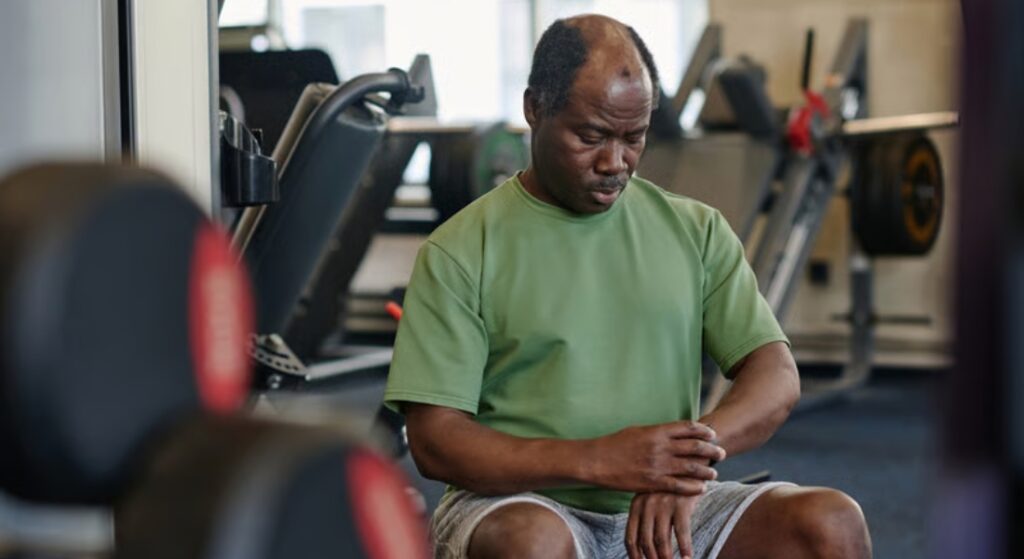
Your exercise programme should be tailored to your current pelvic floor strength, endurance and technique. NHS programmes commonly combine repeated longer holds with shorter contractions several times during the day, but the exact number of repetitions varies between services.
You should prioritise consistent, well-controlled contractions rather than trying to complete as many as possible. If your muscles tire and your technique deteriorates, you should rest rather than continuing with weak or poorly controlled squeezes.
Can You Do Too Many Exercises?
Yes. Your pelvic floor muscles can become fatigued if you repeatedly contract them without adequate relaxation. Continuing when your technique has deteriorated is unlikely to give you additional benefit and may make it harder for you to perform an effective contraction.
You should fully release your pelvic floor after each contraction and follow your individual programme. If you are unsure whether you are exercising too much or too little, your pelvic health physiotherapist can assess your strength and adjust the programme.
Should Your Stomach and Buttocks Move?
Try not to tighten your stomach, buttocks or thighs while exercising. These muscles can take over when the pelvic floor itself is weak.
You should keep your stomach, thighs and buttocks relaxed while concentrating on your pelvic floor. This can help you focus on using the correct muscles.
Should You Hold Your Breath?
No. Continue breathing normally throughout each contraction.
Holding your breath can increase abdominal pressure and make it harder to isolate the correct pelvic floor muscles.
What Is “The Knack”?
“The knack” means tightening your pelvic floor immediately before an activity likely to cause leakage. This could include coughing, sneezing, standing up or lifting something light.
Practising this response can help reduce stress urinary leakage during everyday activities. You can use “the knack” as part of your normal pelvic floor exercises and when preparing for movements that may increase pressure on your bladder.
How Long Should You Continue?
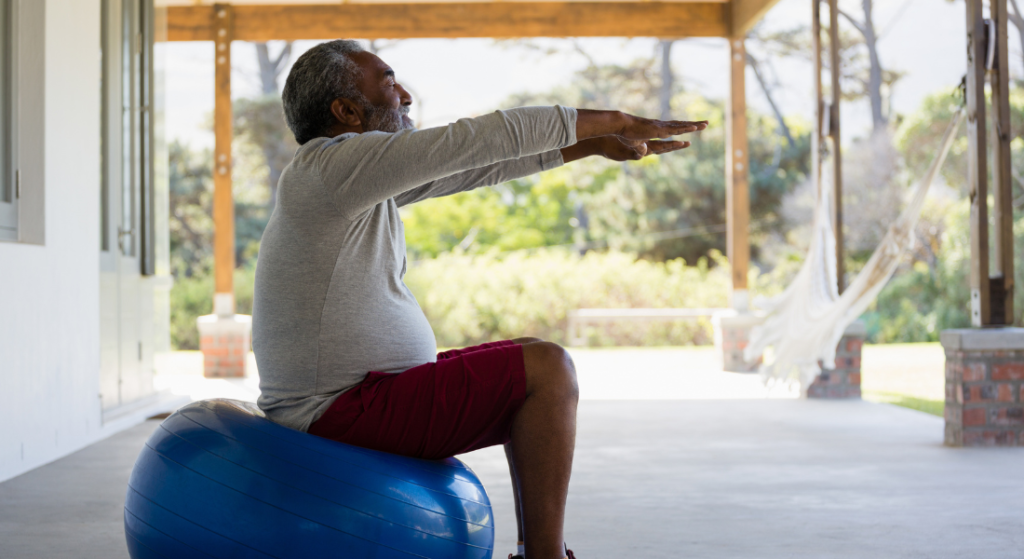
Pelvic floor recovery takes time, and you may need to continue your exercises for several months. NICE recommends supervised pelvic floor muscle training for at least three months before considering other treatments for post-prostatectomy stress incontinence.
How Long to Continue Pelvic Floor Exercises
| Time or Situation | What It Means | What To Expect |
| First few weeks | Your pelvic floor muscles are beginning to recover | Continue exercises as advised |
| Up to three months | NICE recommends supervised training for at least this period | Improvement may continue gradually |
| Beyond three months | Some men continue improving after this point | Your clinician may recommend continuing exercises |
| Continence still improving | Recovery has not yet reached its full potential | Longer-term exercises may be beneficial |
| Ongoing symptoms | Leakage continues despite training | Discuss further treatment options with your clinical team |
| Specialist guidance | Your surgeon or pelvic health physiotherapist reviews your progress | Follow their advice on when to continue or adjust exercises |
When Should Continence Improve?
Your urinary control will usually improve gradually rather than immediately after your catheter is removed. Many men notice substantial improvement during the first few months, but your individual recovery depends on factors including your pre-operative continence, age, anatomy and details of your surgery.
You may continue improving for many months, so early leakage does not mean that your incontinence will be permanent. You should nevertheless tell your clinical team if your leakage is severe, worsening or not improving as expected so that other causes and additional support can be considered.
Can Your Pelvic Floor Exercises Help Your Erections?
Your pelvic floor muscles contribute to sexual function, and pelvic floor training may help some men with erection problems after prostate cancer treatment. However, the evidence for improving your erections after radical prostatectomy is less certain than the evidence for helping your urinary control.
Your erectile recovery also depends strongly on your erections before surgery, your age, your general health and whether your erectile nerves could be preserved. You should therefore discuss appropriate penile rehabilitation and erectile-dysfunction treatment with your clinical team rather than relying on pelvic floor exercises alone.
When Should You See a Physiotherapist?
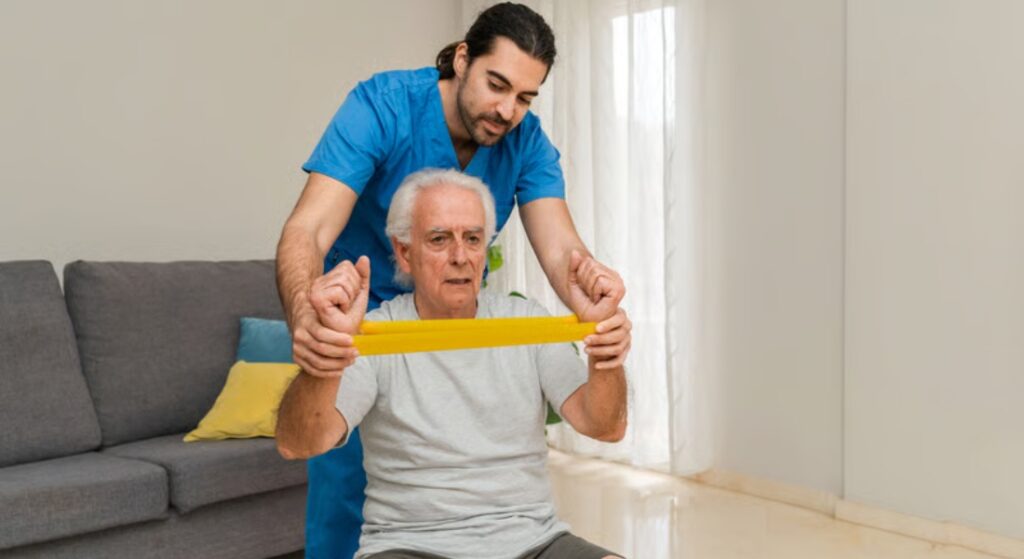
You should ask for specialist pelvic health physiotherapy if you cannot identify the correct muscles, are unsure about your technique or continue to have troublesome leakage. A physiotherapist can assess whether you can contract and relax the pelvic floor effectively and can adapt your exercises to your current strength and symptoms.
NICE recommends supervised pelvic floor muscle training for stress urinary incontinence caused by prostatectomy. You should also have access to specialist continence assessment when urinary symptoms remain troublesome after prostate cancer treatment.
What If Your Exercises Do Not Stop Your Leakage?
If your significant stress urinary leakage continues despite appropriate pelvic floor rehabilitation, you should have a specialist continence assessment rather than simply increasing your exercises indefinitely. Your assessment can determine the severity and pattern of your leakage and whether you need further investigations or treatment.
If your stress incontinence has not responded adequately to conservative treatment, your specialist may consider an artificial urinary sphincter. Your other surgical options depend on the severity of your leakage, your previous treatments and your individual suitability.
When Should You Seek Medical Advice About Leakage?
You should contact your clinical team if your leakage suddenly becomes much worse, you develop increasing urinary urgency or frequency, you have pain or burning when passing urine, or you are worried that you are not emptying your bladder properly. These symptoms may require assessment rather than a change in your pelvic floor programme.
You should seek prompt medical advice if you develop fever or feel systemically unwell with urinary symptoms. If you are unable to pass urine after your catheter has been removed, you should contact your surgical team or seek urgent medical assessment rather than repeatedly attempting pelvic floor exercises.
UK Guidance Note
NICE recommends supervised pelvic floor muscle training if you develop stress urinary incontinence after prostatectomy and advises continuing your exercises for at least three months before moving to other treatment options. You should also have access to specialist continence assessment if your urinary symptoms remain troublesome.
Your individual recovery programme may differ between prostatectomy centres, particularly in the number and duration of contractions you are asked to perform. You should therefore follow the programme given by your surgeon, specialist nurse or pelvic health physiotherapist rather than combining several different exercise schedules.
Frequently Asked Questions
1. Why are pelvic floor exercises important after your robotic prostate surgery?
Your pelvic floor helps support urinary control after your prostate has been removed. Correctly performed exercises can help you strengthen and coordinate these muscles during continence recovery.
2. Should you start pelvic floor exercises before your prostate surgery?
Yes, when your surgical team recommends this. Learning the correct technique before your operation can make it easier for you to restart the exercises after your catheter has been removed.
3. Can you perform pelvic floor exercises with your catheter in place?
You should not normally perform them while your postoperative urinary catheter remains in place. You should restart after catheter removal according to the instructions from your surgical team.
4. How do you identify your pelvic floor muscles?
You can imagine trying to prevent yourself from passing wind while also stopping urine. You should feel a squeeze and lift around your back passage and urethral area without strongly tightening your buttocks, thighs or abdomen.
5. Should you stop your urine flow to practise pelvic floor exercises?
No. You may occasionally use this sensation to identify the correct muscles, but you should not routinely exercise by repeatedly stopping and restarting your urine because this can interfere with normal bladder emptying.
6. Do you need both slow and quick pelvic floor contractions?
Your programme will usually include contractions that build endurance and quicker contractions that train your muscles to respond rapidly. Your pelvic health professional can tell you how many of each are appropriate for you.
7. What is “the knack”?
You tighten your pelvic floor immediately before and during an activity that increases abdominal pressure, such as coughing, sneezing or standing. This may help you reduce leakage during the activity.
8. How often should you perform your exercises?
You should follow the individual programme given by your surgeon or pelvic health physiotherapist. Regular, well-controlled contractions with complete relaxation are preferable to excessive repetitions performed with poor technique.
9. How long can your continence continue to improve after surgery?
Your urinary control may improve over several months, and some men continue to make progress for considerably longer. You should seek specialist advice if your leakage remains troublesome or is not improving as expected.
10. What happens if your pelvic floor exercises do not control the leakage?
You should have a specialist continence assessment if significant leakage persists despite appropriate rehabilitation. Depending on your symptoms, your specialist may discuss additional investigations, continence treatments and, for intractable stress incontinence, surgical options such as an artificial urinary sphincter.
Key Takeaways
- You can learn your pelvic floor exercises before surgery when your clinical team recommends this.
- You should normally pause your exercises while your urinary catheter remains in place.
- You can usually restart your exercises once your catheter has been removed and your surgical team agrees.
- You should practise both controlled longer contractions and quicker contractions according to your individual programme.
- You should breathe normally and avoid unnecessarily tightening your buttocks, thighs or abdomen.
- You should not repeatedly stop your urine mid-flow as an exercise.
- You can tighten your pelvic floor before coughing, sneezing or standing to help reduce stress leakage.
- You may need several weeks or months before you notice substantial improvement.
- You should seek pelvic health physiotherapy if you are unsure whether you are using the correct muscles.
- You should have persistent troublesome incontinence assessed rather than simply increasing the number of exercises you perform.
Final Thoughts: Pelvic Floor Exercises After Robotic Prostate Surgery
Pelvic floor rehabilitation can help you regain urinary control after robotic radical prostatectomy, but improvement usually takes time. You should concentrate on correct technique, regular practice and complete relaxation rather than trying to perform excessive numbers of contractions.
If you are looking for a robotic prostate surgery clinic in London, you can contact us at Prostate Clinic London to arrange a consultation and receive personalised advice about your treatment and recovery.
References
- Bhatt, N.R., Biers, S., Sahai, A., Belal, M., Kozan, A., Kujawa, M., MacLennan, S., Moore, J., Nadeem, M., Osman, N., Pakzad, M., Doherty, R. and Hashim, H. (2025) ‘British Association of Urological Surgeons (BAUS) consensus document on post-prostatectomy incontinence-stress urinary incontinence’, BJU International, 135(6), pp. 887–901. Available at: https://pubmed.ncbi.nlm.nih.gov/40171684/
- Cambridge University Hospitals NHS Foundation Trust (2023) Robotic radical prostatectomy: frequently-asked questions. Approved 2 May 2023. Available at: https://www.cuh.nhs.uk/patient-information/robotic-radical-prostatectomy-frequently-asked-questions/
- Cambridge University Hospitals NHS Foundation Trust (2024) Robotic radical prostatectomy: pre- and post-operative information. Approved 10 May 2024. Available at: https://www.cuh.nhs.uk/patient-information/robotic-radical-prostatectomy/
- Milios, J.E., Ackland, T.R. and Green, D.J. (2019) ‘Pelvic floor muscle training in radical prostatectomy: a randomized controlled trial of the impacts on pelvic floor muscle function and urinary incontinence’, BMC Urology, 19(1), article 116. Available at: https://pmc.ncbi.nlm.nih.gov/articles/PMC6858748/
- National Institute for Health and Care Excellence (2010) Lower urinary tract symptoms in men: management. Clinical guideline CG97. Last updated 3 June 2015 and last reviewed 19 December 2024. Available at: https://www.nice.org.uk/guidance/cg97
- Prostate Cancer UK (2025) Pelvic floor muscle exercises. Updated April 2025. Available at: https://prostatecanceruk.org/prostate-information-and-support/living-with-prostate-cancer/pelvic-floor-muscle-exercises
- Prostate Cancer UK (2025) Urinary problems after prostate cancer treatment. Updated February 2025. Available at: https://prostatecanceruk.org/prostate-information-and-support/living-with-prostate-cancer/urinary-problems
- University College London Hospitals NHS Foundation Trust (2026) Robotic prostatectomy. Page last updated 4 March 2026. Available at: https://www.uclh.nhs.uk/patients-and-visitors/patient-information-pages/robotic-prostatectomy
- Wong, C., Louie, D.R. and Beach, C. (2020) ‘A systematic review of pelvic floor muscle training for erectile dysfunction after prostatectomy and recommendations to guide further research’, The Journal of Sexual Medicine, 17(4), pp. 737–748. Available at: https://pubmed.ncbi.nlm.nih.gov/32029399/
- Yang, J.-M., Ye, H., Long, Y., Zhu, Q., Huang, H., Xie, H.-Y., Luo, Y., Zhong, Y.-B., Chen, J. and Wang, M.-Y. (2023) ‘Effect of pelvic floor muscle training on urinary incontinence after radical prostatectomy: an umbrella review of meta-analysis and systematic review’, Clinical Rehabilitation, 37(4), pp. 494–515. Available at: https://pubmed.ncbi.nlm.nih.gov/36305082/
- Zhou, L., Chen, Y., Yuan, X., Zeng, L., Zhu, J. and Zheng, J. (2023) ‘Preoperative pelvic floor muscle exercise for continence after radical prostatectomy: a systematic review and meta-analysis’, Frontiers in Public Health, 11, article 1186067. Available at: https://pmc.ncbi.nlm.nih.gov/articles/PMC10425962/
- National Institute for Health and Care Excellence (2019) Prostate cancer: diagnosis and management. NICE guideline NG131. Last updated 15 December 2021 and last reviewed 13 August 2025. Available at: https://www.nice.org.uk/guidance/ng131