




If you are considering robotic prostate cancer surgery, it is natural to think beyond the operation itself and focus on the years that follow treatment. Many patients want to understand what life may look like in the long term, including their health, recovery, and overall quality of life. Looking ahead can help you develop realistic expectations about the journey after surgery.
Long-term outcomes involve several important factors rather than a single measure of success. Cancer control, PSA monitoring, urinary continence, sexual function, emotional wellbeing, and the ability to return to normal activities can all influence how you feel about the results of treatment. Each of these areas may improve at a different pace over time.
Your individual outcome will depend on a range of factors, including the stage and grade of your cancer, whether it was confined to the prostate, your age, overall health, and your urinary and sexual function before treatment. Surgical planning and technique can also play an important role. For this reason, long-term expectations should always be discussed in the context of your specific diagnosis and circumstances rather than based on general assumptions.
Understanding What a Long-Term Outcome Really Means
When doctors talk about long-term outcomes after robotic prostate cancer surgery, they are often referring to both cancer control and quality of life. These two areas are closely linked, but they do not always mean the same thing. Understanding this distinction can help you develop a clearer picture of what successful treatment may look like.
From a cancer perspective, your medical team will monitor PSA levels over time and assess whether any further treatment is needed. After the prostate has been removed, PSA is expected to remain at a very low level. Regular monitoring helps identify any changes that may require additional investigation or follow-up.
From a quality-of-life perspective, you may be more concerned about urinary control, sexual function, energy levels, exercise, work, relationships, and overall confidence. These aspects of recovery can have a significant impact on daily life long after surgery. A balanced discussion about long-term outcomes should consider both cancer results and how you feel physically and emotionally in the years ahead.
Cancer Outcomes Depend on Your Individual Disease
Robotic prostate cancer surgery is offered when removal of the prostate is considered an appropriate treatment option. While the robotic technique plays an important role in how the operation is performed, long-term cancer outcomes are influenced primarily by the characteristics of the cancer itself. This is why results can vary significantly between patients.
Factors such as your cancer grade, stage, PSA level before surgery, surgical pathology findings, margin status, and lymph node involvement all contribute to future monitoring and risk assessment. These details help specialists evaluate the likelihood of recurrence and determine the most appropriate follow-up plan. The information obtained after surgery is often particularly important in guiding long-term care.
For this reason, two men who have undergone the same procedure may have very different recovery journeys and monitoring schedules. Rather than comparing yourself with someone else’s experience, it is more helpful to focus on your own pathology results and PSA trends. These provide the most meaningful information about your individual outlook after treatment.
Research Insight:
Long-term research on robot-assisted radical prostatectomy suggests that the procedure can provide effective cancer control for selected patients with localised prostate cancer. Post-operative disease severity, including pathology findings, remains important when assessing recurrence risk.
The Importance of the Pathology Report
After the prostate has been removed, it is examined in detail by specialists in a laboratory. This analysis provides more comprehensive information than was available from the biopsy alone. The findings help build a clearer understanding of the cancer and its behaviour.
The pathology report may include information about the final cancer grade, the extent of cancer within the prostate, whether it had spread beyond the prostate capsule, and whether there were any concerns at the surgical margins. If lymph nodes were removed during surgery, those results may also influence future treatment decisions and follow-up planning. These details play an important role in assessing long-term outlook.
Your surgeon should review the report with you and explain the findings in straightforward language. Although there is no need to understand every medical term, it is helpful to know whether the results are considered reassuring or whether closer monitoring may be recommended. This discussion can help you better understand your situation and what to expect moving forward.
What Influences My Long-Term Outcome?
| Factor | Main outcome affected | Why it matters |
| Cancer stage | Cancer control and further treatment | Disease beyond the prostate may require closer monitoring |
| Cancer grade | Recurrence risk | Higher-grade disease generally needs more careful surveillance |
| Surgical margins | PSA monitoring and recurrence assessment | Margin findings form part of postoperative risk assessment |
| Lymph node involvement | Cancer monitoring and treatment planning | Positive nodes can influence long-term management |
| Age | Continence and erectile recovery | Recovery potential differs between individuals |
| Pre-operative urinary function | Continence expectations | Existing bladder symptoms can affect recovery |
| Pre-operative erectile function | Sexual recovery | Baseline function is important when discussing expectations |
| Nerve-sparing feasibility | Erectile recovery | Preservation depends primarily on oncological safety |
| Rehabilitation and support | Functional recovery and quality of life | Early access to appropriate support can address ongoing concerns |
PSA Monitoring After Surgery
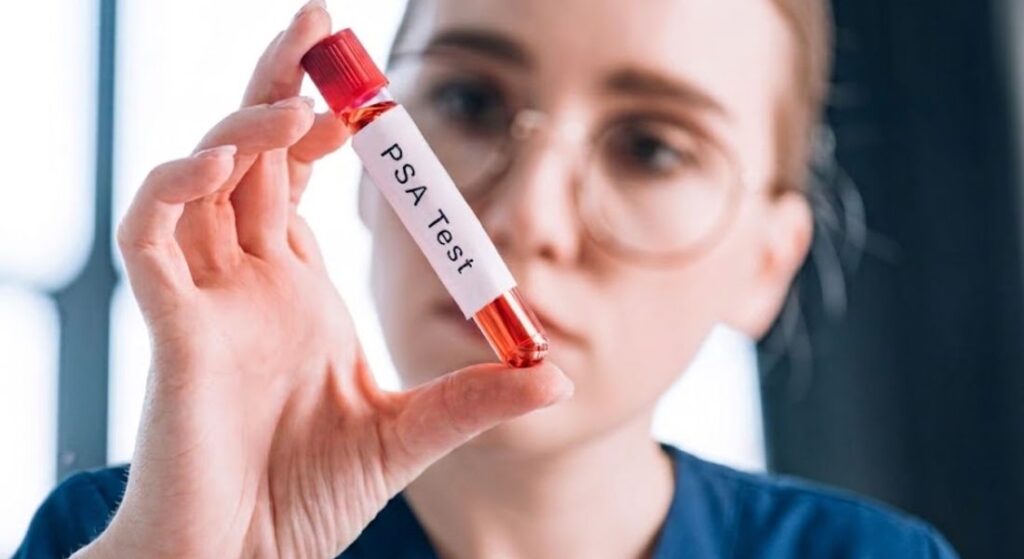
PSA monitoring is one of the most important aspects of long-term follow-up after radical prostatectomy. Because the prostate gland has been removed, PSA levels are generally expected to fall to a very low or undetectable level following surgery. Regular PSA testing provides important information about long-term cancer control and can help identify biochemical recurrence before symptoms develop. Your physical recovery, including continence and sexual function, is assessed separately during follow-up.
Your medical team will arrange PSA blood tests at appropriate intervals after treatment. The timing of these tests can vary depending on factors such as your pathology results, initial cancer risk, PSA history, and the follow-up pathway used by your healthcare provider. Monitoring plans are tailored to individual circumstances rather than following a single schedule for every patient.
While PSA results are important, it is best not to focus too heavily on a single test result in isolation. Your specialist will assess each value in the context of previous PSA readings and your overall clinical picture. Looking at trends over time often provides a more accurate understanding of what the results mean for your ongoing care.
UK Follow-Up Note:
NICE recommends checking PSA no earlier than six weeks after radical treatment, at least every six months for the first two years, and at least annually thereafter. NICE also allows consideration of remote follow-up after an initial monitoring period for patients with stable PSA and no significant treatment complications.
What Happens If PSA Begins to Rise?
A rising PSA after prostate removal does not automatically mean that symptoms will develop or that immediate treatment is required. Instead, it is a signal that your specialist needs to review the pattern carefully and decide whether further assessment is necessary. Understanding this can help you feel more informed if changes are seen during follow-up.
Several factors are taken into account when interpreting a rising PSA. These include how quickly the level is changing, the actual PSA value, the timing of the rise, your original pathology results, and any previous treatments. Together, these details help guide decisions about whether further intervention is needed and what form it may take.
If additional treatment is required, options such as radiotherapy or, in some cases, systemic therapy may be considered depending on your overall situation. The key advantage of regular monitoring is that any changes can be identified early. This is why ongoing PSA testing remains important, even when you feel well and have no symptoms.
Long-Term Urinary Continence
Urinary control is one of the main concerns you may have before prostate cancer surgery. It is common for you to experience some leakage in the early period after your catheter is removed. However, your continence can continue to improve gradually over the following months.
The speed of your recovery can vary from person to person. Factors such as your age, bladder function before surgery, pelvic floor strength, anatomy, surgical technique, and overall health can all influence your progress. This means your recovery journey may look different compared to someone else having the same procedure.
Long-term continence should be seen as a gradual recovery process rather than an immediate outcome. You should not judge your final result in the first few weeks after surgery. According to BAUS consensus guidance, continence may continue improving throughout the first year and, for some men, beyond this period after prostate surgery.
Why Early Leakage Does Not Predict the Final Result
The first few days after catheter removal can feel challenging for you, and it is normal to experience urinary leakage during this time. You may need several pads a day, which can understandably feel worrying. However, this early stage does not reflect your long-term outcome.
Early leakage does not necessarily predict how much control you will have in the months ahead. Your urinary system is adjusting after surgery, and the muscles responsible for continence need time to recover. As your body heals, you may gradually notice improvements in bladder control.
Recovery often happens in small, steady steps rather than all at once. You may find yourself using fewer pads or staying dry for longer periods as time goes on. Even small improvements, such as reduced leakage during walking or movement, are positive signs that you are recovering well.
The Role of Pelvic Floor Exercises
Pelvic floor exercises can support your recovery after prostate surgery when you perform them correctly. These exercises help strengthen the muscles that control urine flow. If you practise them regularly, you may notice gradual improvements in your bladder control.
It is important for you to focus on doing the exercises with the right technique rather than simply increasing the number of repetitions. If you are unsure whether you are engaging the correct muscles, a pelvic health physiotherapist or specialist nurse can guide you. Getting this right can make a real difference to your progress.
Consistency is important, but doing more is not always better for you. You should follow the programme recommended by your clinical team. If you are not seeing the expected improvement, it is important to ask for support rather than continuing without guidance.
What If Leakage Continues Long Term?
Some men may continue to experience urinary leakage beyond the usual recovery period after prostate surgery. If this happens to you, it is important to know that you do not have to simply live with the problem. Further assessment can help identify the cause and guide the next steps in your care.
A specialist evaluation will look at the type and severity of your leakage. You may be asked about how many pads you use, any bladder symptoms, and whether additional tests are needed. This helps your clinical team understand your condition more clearly and decide the most appropriate management plan for you.
Post-prostatectomy incontinence has well-established treatment pathways that can support you. Options may include conservative approaches such as pelvic floor rehabilitation, as well as surgical treatments for selected cases. Your specialist will discuss the most suitable options with you based on your individual situation.
Clinical Tip: Persistent Leakage Can Be Assessed and Treated
If urinary leakage remains troublesome after the expected recovery period, ask for a structured assessment rather than continuing indefinitely without support. Management may include reviewing the type and severity of leakage, pelvic floor rehabilitation and, for selected men, surgical treatment options.
The 2025 BAUS consensus document specifically addresses the assessment and management of post-prostatectomy stress urinary incontinence, reinforcing that persistent leakage has recognised clinical pathways rather than being something patients should simply accept.
Long-Term Erectile Function
Sexual function is an important part of your long-term recovery after prostate cancer surgery. Erections can be affected because the nerves responsible for erectile function are located very close to the prostate. Even with careful surgical techniques, these nerves may be temporarily affected and need time to recover.
Even when nerve-sparing surgery is possible for you, the nerves may still take months to regain function. This recovery process can vary from person to person and may be gradual rather than immediate. According to Cancer Research UK, erection difficulties are a recognised and common side effect following prostate cancer surgery.
Your long-term erectile function depends on several important factors. These include your age, erectile strength before surgery, overall health, and conditions such as diabetes or cardiovascular disease. Lifestyle factors like smoking, as well as whether one or both nerve bundles were preserved, can also influence your recovery and final outcome.
Patient Perspective:
Erection problems are common after radical prostatectomy, including after robotic surgery. Cancer Research UK explains that surgery can affect the nerves needed for erections and that erectile function may improve over time for some men, while difficulties may remain permanent for others. This is why long-term sexual outcomes should be discussed in terms of probability and recovery potential rather than guarantees.
How Nerve-Sparing May Influence Erectile Recovery
Nerve-sparing during prostate surgery involves preserving the nerve bundles responsible for erectile function. Bilateral nerve-sparing preserves nerves on both sides, while unilateral nerve-sparing preserves only one side to ensure safe cancer removal. These decisions are carefully made to balance cancer control with functional outcomes.
- Bilateral Nerve-Sparing: Preserving both sides may improve the likelihood of erectile recovery when it is safe and appropriate for your cancer.
- Unilateral Nerve-Sparing: Preserving only one side may reduce recovery potential, though some improvement is still possible over time.
- Factors Influencing Recovery: Age, pre-operative erectile function, general health, and time since surgery all affect individual outcomes.
- Discuss Your Outcome: Understanding exactly what was achieved during your surgery helps set realistic expectations and guides rehabilitation planning.
Overall, nerve-sparing status plays a key role in erectile recovery after prostate surgery. Open discussion with your surgeon ensures you understand your personal results and helps plan effective rehabilitation strategies.
Why Erectile Recovery Can Take Time
Erectile recovery after prostate surgery often takes longer than your general physical recovery. You may feel physically well and healed in a relatively short time, but this does not always mean that erectile function will return at the same pace. This difference can feel frustrating for you, especially in the early months after surgery.
Nerve recovery can be gradual and may take considerable time. The nerves involved in erections may take several months to gradually regain function after being affected by surgery. Progress is often slow and steady, rather than immediate, so you may notice small changes over time rather than sudden improvement.
Some men may experience partial erections during recovery before achieving sufficient firmness for sexual activity. Others may need ongoing treatment support, such as medication or rehabilitation, for a longer period. In some cases, erectile dysfunction may persist, and your specialist will discuss appropriate management options with you.
Sexual Rehabilitation After Surgery
After prostate surgery, you may be offered support to help with erectile recovery. Treatment options can include oral medications, vacuum erection devices, injections, or other therapies depending on your health and response. These options are selected based on what is most suitable for you and your individual recovery needs.
The term penile rehabilitation is used to describe strategies that support erectile tissue while nerve function is recovering. Evidence for specific programmes can vary, so your plan should be tailored rather than following a one-size-fits-all approach. This means your treatment is designed around your condition and how your body responds over time.
It is important not to feel embarrassed when discussing sexual recovery with your clinical team. Sexual function is an important part of your quality of life, and addressing it openly helps you access the right support. When you talk honestly about your concerns, you can receive clearer guidance and more realistic expectations for your recovery.
Changes in Ejaculation and Orgasm
After radical prostatectomy, you will no longer ejaculate semen in the same way because the prostate and seminal vesicles are removed during the operation. This is a permanent change, and it is important for you to understand this before surgery. Knowing this in advance can help you adjust more easily after your procedure.
You may still experience orgasm, but the sensation can feel different from what you were used to before surgery. Some men notice very little change in pleasure, while others feel differences in intensity, timing, or overall comfort. These variations are normal and depend on your individual recovery and response.
These changes can take time for you to adjust to both physically and emotionally. It is helpful to discuss them openly before surgery so you and your partner have a clear understanding. Sexual recovery after prostate surgery involves more than erections, and awareness of these changes can support you in adapting more confidently.
Fertility After Prostate Removal
After radical prostatectomy, natural fertility changes permanently because semen is no longer ejaculated. This is an important consideration for you, particularly if you may want to have biological children in the future. Understanding this early helps you make informed decisions before treatment.
Fertility planning should ideally take place before your surgery. Your specialist can discuss options such as sperm storage or refer you to a fertility clinic when this is relevant to you. This ensures you have time to consider all available choices.
It is easy for fertility concerns to be overlooked while you are focused on cancer treatment. However, discussing this with your clinical team early gives you a clearer understanding of your options. This allows you to plan ahead with more confidence and avoid missing important opportunities.
Long-Term Quality of Life

Quality of life after robotic prostate cancer surgery is highly personal. Two men with similar medical outcomes may describe their recovery very differently. This is because your priorities, relationships, work, and expectations all shape how you experience life after treatment, and what matters most to you.
For you, returning to sport or physical activity may be a key goal after surgery. Someone else may prioritise sexual recovery, urinary confidence, travel, or returning to work. Your own definition of recovery plays a major role in how satisfied you feel with the overall outcome.
It is important for you to think about what quality of life means to you before surgery and during follow-up. When you share your priorities clearly, your clinical team can better understand what matters most to you. This helps ensure your recovery plan is aligned with your needs and focused on what is most important to you.
Returning to Work and Normal Routine
Many men gradually return to work and normal daily activities after recovery from robotic prostate cancer surgery. However, the timing will vary depending on your occupation, energy levels, bladder control, and overall recovery. Your personal circumstances will play a key role in deciding when it feels right for you to return.
If you have desk-based work, you may find it easier to resume duties sooner compared to physically demanding jobs. Roles involving lifting, construction, prolonged standing, or heavy activity may require a longer recovery period. You may also need to consider practical factors such as access to toilets and managing pads discreetly during the early stages of recovery.
In the longer term, the goal is for you to return to the activities that matter most when your body is ready. A gradual return to work can often be more manageable than trying to resume full duties immediately. This step-by-step approach can help you rebuild confidence and adjust comfortably back into your normal routine.
Exercise and Physical Activity in the Long Term
Once you have recovered and your surgical team has cleared you, regular physical activity can become an important part of your long-term health and wellbeing. You can gradually return to walking, gym workouts, swimming, cycling, or other forms of exercise depending on your recovery progress. The pace of return should always be guided by medical advice tailored to you.
The timing for returning to heavier exercise will depend on your healing and the specifics of your operation. It is important for you not to push too quickly, as starting intense activity before internal tissues have fully healed can lead to discomfort or setbacks. A gradual and steady approach is usually safer and more effective for you.
In the longer term, regular activity can support cardiovascular health, weight management, muscle strength, mood, and overall confidence. You should aim to choose forms of exercise that you genuinely enjoy, as this makes it easier to stay consistent. A sustainable routine will always be more beneficial for you than an extreme programme that is difficult to maintain.
Emotional Recovery Can Take Longer Than Expected
You may expect to feel fully relieved once surgery is completed, but emotional recovery can take longer than physical healing. Some men continue to feel anxious about PSA results, cancer recurrence, continence, erections, relationships, and the future. These feelings are common and can persist even when your physical recovery is going well.
This does not mean you are coping badly. A cancer diagnosis and treatment can create ongoing uncertainty that does not disappear immediately after you leave hospital. It is normal for you to need time to process what has happened and adjust to life after treatment.
Talking openly can make a significant difference to how you cope. You may find it helpful to speak with your partner, family, GP, specialist nurse, counsellor, or patient support services. Having the right support around you can help you feel more understood and better able to manage emotional changes during recovery.
The Effect on Relationships
Prostate cancer surgery can affect relationships in ways that are not always openly discussed. Issues such as urinary leakage, changes in erections, tiredness, and reduced confidence can all influence intimacy and communication between you and your partner. These changes are a normal part of recovery, but they can feel challenging at times.
You may feel tempted to avoid the subject because you worry about disappointing your partner. Your partner may also feel unsure about how to start the conversation without upsetting you. This can create distance if concerns are not addressed openly.
Honest communication can help reduce misunderstandings and bring you closer together during recovery. Intimacy does not only mean sexual activity, and it can take different forms while you are healing. You may also find that specialist sexual support helps both of you adjust and feel more confident navigating these changes together.
The Importance of Ongoing Follow-Up

Long-term follow-up remains important even after your early recovery from surgery feels complete. Your follow-up care will usually include regular PSA blood tests and opportunities to discuss any ongoing functional concerns. This helps ensure that your recovery is progressing as expected.
According to Prostate Cancer UK, follow-up typically begins within the first few months after treatment. The frequency of your appointments is then adjusted over time based on your individual situation. This structured approach helps your clinical team monitor your progress closely.
It is important for you to attend all follow-up appointments even when you feel well. PSA changes can sometimes occur before you notice any symptoms, so regular monitoring remains an important part of follow-up. These appointments also give you the chance to discuss bladder control, sexual function, and emotional wellbeing with your care team.
What Influences Long-Term Cancer Monitoring?
Your long-term monitoring plan will depend on the specific details of your cancer and surgical results. If you have more favourable, contained disease, your follow-up may be less intensive compared to someone with higher-risk features. This is because your individual risk profile guides how closely you need to be monitored.
Your specialist will consider several important factors when planning your follow-up care. These include margin status, cancer grade, pathological stage, lymph node involvement, and your PSA trend after surgery. Together, these details help determine how often you need to be reviewed and whether any additional treatment may be necessary for you.
It is important not to compare your follow-up schedule with other patients. Different monitoring plans usually reflect differences in clinical findings rather than differences in the quality of care you receive. Your care is tailored to your situation, ensuring that your follow-up is appropriate for your specific risk level.
What Happens If Further Treatment Is Needed?
Some men may need additional treatment after prostate surgery if the pathology results or a later rise in PSA suggests ongoing disease activity. This situation can feel worrying for you, but it does not mean that your original surgery was unsuccessful or without benefit. It simply reflects the need for further management in your individual case.
The type of further treatment will depend on your specific circumstances. Options may include radiotherapy, hormone therapy, or a combination of both in selected situations. Your specialist will carefully assess your results to decide which approach is most appropriate for you.
You should be given a clear explanation of why additional treatment is being recommended. It is also important for you to understand the expected benefits, possible side effects, and alternatives. You should have time to ask questions so you can make informed decisions about the next stage of your care.
Why Surgical Experience Matters to Long-Term Outcomes
Robotic technology is an advanced tool, but the surgeon is ultimately responsible for planning and performing your operation. Long-term outcomes depend on several factors, including cancer biology, your individual health, surgical technique, and postoperative care. This combination plays an important role in your overall recovery.
Experience is particularly important when working near delicate structures such as the urinary sphincter, bladder connection, blood vessels, and nerve bundles. Careful surgical planning helps balance complete cancer removal with the preservation of important functions. This is especially relevant for you when considering continence and sexual recovery outcomes.
If you are comparing treatment options at a specialist robotic prostate surgery clinic in London, it is important to ask how your specific cancer characteristics affect the procedure. You should also understand what outcomes are realistic in your case, including cancer control, continence, sexual function, and follow-up support. A thorough consultation should help you feel informed and confident about your treatment pathway.
Setting Realistic Expectations for Life Years After Surgery

Many men would like a clear prediction of exactly how they will feel years after prostate surgery. However, it is not possible for any surgeon to guarantee a specific outcome for cancer control, continence, or sexual function. Your recovery experience will depend on a combination of personal and medical factors.
What your specialist can do is assess your individual risk and likely recovery based on the information available about you. This helps you understand the possible range of outcomes and prepare for areas that may take longer to improve. It allows you to make a more informed decision about your treatment.
The long-term journey after robotic prostate cancer surgery often involves adaptation as well as physical healing. Regular follow-up, early support for any functional concerns, and open communication with your care team all play an important role for you. Having realistic expectations can help you adjust more confidently and move forward after treatment.
Myth vs Fact:
| Myth | Fact |
| A low PSA means every aspect of recovery is complete. | PSA monitors cancer control; urinary, sexual and emotional recovery need separate assessment. |
| Leakage in the first weeks predicts permanent incontinence. | Early leakage does not determine the final long-term result, and continence can improve over time. |
| Nerve-sparing surgery guarantees erections will return. | Nerve preservation can support recovery, but age, baseline function, health and recovery time also matter. |
| A rising PSA always means immediate treatment is needed. | PSA trends, doubling time, pathology and other clinical factors guide decisions about further treatment. |
| Robotic surgery determines the entire cancer outcome. | Cancer stage, grade, pathology and PSA response are major determinants of long-term oncological outcomes. |
| Recovery ends after the first few months. | Some functional and emotional aspects of recovery can continue evolving for much longer. |
Key Takeaways:
- Long-term success after robotic prostate cancer surgery includes both cancer control and quality of life.
- Your pathology report and postoperative PSA trend are central to understanding your individual cancer outlook.
- NICE recommends PSA monitoring at least every 6 months for the first 2 years after radical treatment and at least annually thereafter.
- Urinary control usually improves gradually, and persistent leakage can be assessed and treated through established clinical pathways.
- Erectile recovery varies considerably and depends on factors including pre-operative function, age, health and whether nerve-sparing was oncologically appropriate.
- Ejaculation and natural fertility are permanently affected after radical prostatectomy, although orgasm may still be possible.
- Emotional wellbeing, relationships, return to work and confidence are legitimate parts of long-term recovery, not secondary concerns.
- Some men require additional treatment after surgery, and PSA monitoring helps identify when further assessment may be appropriate.
- Long-term outcomes should be discussed in the context of your own cancer, health and priorities rather than compared directly with another patient’s experience.
FAQs:
1. What are the long-term cancer control outcomes after robotic prostate cancer surgery?
Long-term cancer control depends largely on the stage, grade, and extent of the prostate cancer at the time of treatment. Many men achieve excellent cancer control following robotic prostatectomy, particularly when the disease is confined to the prostate. Regular PSA monitoring remains essential because it helps detect any signs of recurrence at an early stage.
2. How often will I need PSA tests after surgery?
PSA testing forms a key part of long-term follow-up after robotic prostate cancer surgery. Your specialist will recommend a schedule based on your pathology results and individual risk factors. Monitoring may continue for many years to ensure any changes are identified promptly.
3. Can urinary continence continue improving years after surgery?
Most improvements in urinary control occur during the first year after surgery, but some men may continue to notice gradual improvements beyond this period. Recovery varies depending on age, baseline bladder function, surgical factors, and pelvic floor strength. Ongoing pelvic floor exercises and specialist support may help optimise continence outcomes.
4. Will erectile function return after robotic prostatectomy?
Erectile recovery varies considerably from person to person. Factors such as age, erectile function before surgery, overall health, and whether nerve-sparing surgery was possible can influence recovery. While some men regain useful erections within months, others may require longer-term rehabilitation or additional treatments.
5. What happens if my PSA starts to rise after surgery?
A rising PSA does not automatically mean the cancer has returned in a clinically significant way. Your specialist will assess PSA trends alongside your pathology findings and overall health. Additional investigations or treatments may be considered if further assessment suggests recurrence.
6. Can I return to normal activities after robotic prostate cancer surgery?
Many men return to work, exercise, travel, and other daily activities after recovering from surgery. The timeline varies depending on the nature of your job, fitness level, and recovery progress. Most patients gradually resume their usual routines while following medical advice about activity levels.
7. How does robotic prostate surgery affect sexual function long term?
In addition to erectile changes, surgery can affect ejaculation and fertility permanently because the prostate and seminal vesicles are removed. Many men can still experience orgasm, although sensations may feel different. Discussing sexual rehabilitation and recovery expectations with your specialist can be helpful.
8. What factors influence long-term outcomes after surgery?
Long-term outcomes are influenced by several factors, including cancer stage, tumour grade, pathology findings, age, general health, and pre-operative urinary and sexual function. Surgical technique and postoperative care also play important roles. This is why outcomes can differ significantly between individuals.
9. Is additional treatment sometimes needed after robotic prostatectomy?
Yes, some patients may require further treatment if pathology findings indicate a higher risk of recurrence or if PSA levels rise later. Additional treatments may include radiotherapy, hormone therapy, or other specialist interventions. Your care team will explain any recommendations based on your specific situation.
10. Why is long-term follow-up important after robotic prostate cancer surgery?
Long-term follow-up helps monitor cancer control, assess recovery, and address any ongoing concerns related to urinary, sexual, or emotional wellbeing. Regular appointments allow your specialist to identify potential problems early and provide appropriate support. Continuing follow-up is an important part of achieving the best possible long-term outcome.
Final Thoughts: Long-Term Outcomes of Robotic Prostate Cancer Surgery
The long-term outcomes of robotic prostate cancer surgery extend far beyond the operation itself. While cancer control remains a primary goal, long-term success is also measured by factors such as urinary continence, sexual function, emotional wellbeing, and your ability to return to the activities that matter most to you. Recovery and adaptation can continue for many months, and regular follow-up plays an important role in monitoring your progress and addressing any concerns that arise along the way.
It is important to remember that every patient’s journey is unique. Factors such as cancer characteristics, overall health, age, and pre-operative function can all influence long-term results. Rather than comparing your experience with someone else’s, focus on understanding your individual outlook and recovery goals. If you are looking for a robotic prostate surgery clinic in London, you can reach out to us to arrange a consultation and receive personalised advice about your diagnosis, treatment choices, and recovery.
References:
- National Institute for Health and Care Excellence (NICE) (2019) Prostate cancer: diagnosis and management. NICE guideline NG131. Available at: https://www.nice.org.uk/guidance/ng131
- Cancer Research UK (no date) Problems after prostate cancer surgery. Available at: https://www.cancerresearchuk.org/about-cancer/prostate-cancer/treatment/surgery/problems-after-prostate-surgery
- Prostate Cancer UK (no date) Follow-up after prostate cancer treatment. Available at: https://prostatecanceruk.org/prostate-information-and-support/treatments/follow-up-after-treatment
- Bhatt, N.R. et al. (2025) British Association of Urological Surgeons consensus document on post-prostatectomy incontinence-stress urinary incontinence, BJU International, 135(6), pp.887–901. Available at: https://pubmed.ncbi.nlm.nih.gov/40171684/
- Spirito, L. et al. (2024) ‘Long-term oncological outcomes after nerve-sparing robot-assisted radical prostatectomy for high-risk localized prostate cancer: A single-center, two-arm prospective study’, Diagnostics, 14(8), 803. Available at: https://www.mdpi.com/2075-4418/14/8/803
- Kim, D.K. et al. (2025) ‘Comparison of robot-assisted, laparoscopic, and open radical prostatectomy outcomes: A systematic review and network meta-analysis from KSER Update Series’, Medicina, 61(1), 61. Available at: https://www.mdpi.com/1648-9144/61/1/61
- Geraghty, K., Keane, K. and Davis, N. (2024) ‘Systematic review on urinary continence rates after robot-assisted laparoscopic radical prostatectomy’, Irish Journal of Medical Science, 193(3), pp. 1603–1612. Available at: https://pmc.ncbi.nlm.nih.gov/articles/PMC11128392/
- Yamashita, K. et al. (2023) ‘Predictors of long-term urinary incontinence after robot-assisted laparoscopic prostatectomy’, Research and Reports in Urology, 15, pp. 387–393. Available at: https://pmc.ncbi.nlm.nih.gov/articles/PMC10455970/
- Diaz, M. et al. (2015) ‘Oncologic outcomes at 10 years following robotic radical prostatectomy’, European Urology, 67(6), pp. 1168–1176. Available at: https://pubmed.ncbi.nlm.nih.gov/24996687/