




If you are considering a PSA test, you may have come across different opinions about its benefits and limitations. You may have heard that PSA screening can help detect prostate cancer earlier, but you may also have concerns about unnecessary investigations and treatments.
Much of this discussion has been influenced by the European Randomized Study of Screening for Prostate Cancer, known as the ERSPC Trial. This is one of the largest and longest-running randomised studies into prostate cancer screening, helping doctors understand how PSA testing may affect your health.
The ERSPC showed that organised PSA screening can reduce the risk of dying from prostate cancer, but it also highlighted that screening can find cancers that may never have caused you symptoms or affected your lifespan. The findings support a more personalised approach, where your individual risks, preferences and circumstances are considered rather than applying the same screening decision to everyone.
What Was the ERSPC Trial?
The ERSPC was a large European research programme created to find out whether regularly inviting people for PSA testing could reduce deaths from prostate cancer. Understanding this trial can help you see why PSA screening has been studied so extensively and how it has influenced current approaches.
Recruitment began in the early 1990s, with research centres across several European countries taking part, including the Netherlands, Sweden, Finland, Belgium, Spain, Italy, France and Switzerland. The main analysis included around 162,000 men aged between 55 and 69, who were randomly assigned either to a PSA screening group or a control group that was not routinely invited.
Randomisation helped researchers create two broadly similar groups so they could compare outcomes more accurately. This allowed them to assess whether differences in prostate cancer deaths were linked to the screening invitation rather than factors such as your age, general health or other background risks.
Why Was Such a Large Trial Needed?
PSA testing became more widely used during the late 1980s and early 1990s because it appeared to offer a simple way to detect prostate cancer before symptoms developed. However, researchers still needed to understand whether finding more cancers would actually help you live longer or reduce prostate cancer deaths.
Not all prostate cancers behave in the same way. Some can grow aggressively and may spread without early detection, while others grow so slowly that they may never cause problems during your lifetime.
This meant screening could have both benefits and disadvantages for you. The ERSPC was designed to find out whether detecting cancer earlier provided enough benefit to outweigh the additional diagnoses, biopsies, anxiety and treatments linked with PSA screening.
What Is a PSA Test?
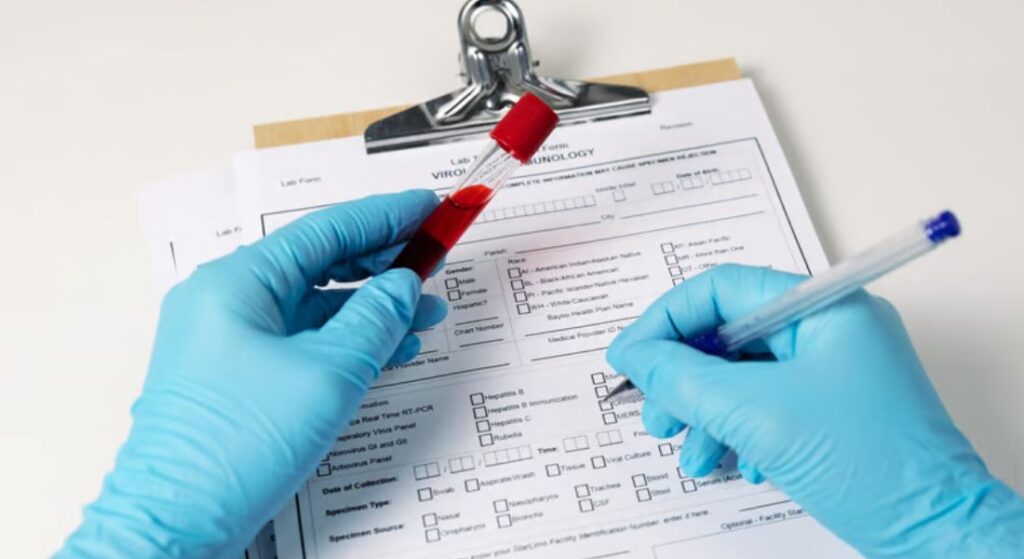
PSA stands for prostate-specific antigen, which is a protein produced by prostate tissue and measured through a simple blood test. If you have a PSA test, the result can provide useful information, but it cannot tell you on its own whether you have prostate cancer.
A raised PSA level can be linked to prostate cancer, but it is not a cancer-specific marker. Your PSA level may also be affected by conditions such as benign prostate enlargement, inflammation, a urine infection, ejaculation, cycling, strenuous exercise or recent prostate procedures.
This means your PSA result needs to be considered alongside other factors, including your age, symptoms, prostate size, family history, prostate examination findings and overall risk. The ERSPC looked at a screening pathway that started with PSA testing, rather than a blood test that could accurately diagnose cancer by itself.
How Did Screening Work in the ERSPC?
Screening methods varied slightly between the countries and research centres involved in the ERSPC. In many parts of the trial, you would have been invited for a PSA test approximately every four years, although some centres used shorter intervals depending on their approach.
A PSA level of around 3.0 ng/ml was commonly used as the point where further investigation was recommended, and during the early years, this often led directly to a prostate biopsy. The control group did not receive scheduled screening invitations, although some men may still have had PSA tests through their usual healthcare.
The screening methods reflected medical practice at the time, before tools such as multiparametric MRI, PSA density, modern risk calculators, targeted biopsies and active surveillance became widely used. This is important because the potential harms reported in the original study may not fully reflect what you could experience with today’s more personalised diagnostic pathways.
What Did the First ERSPC Results Show?
The first major ERSPC results were published in 2009 after a median follow-up of around nine years. The study showed that being invited for PSA-based screening was linked to a 20% relative reduction in prostate cancer deaths, providing the first large randomised evidence that screening could help save lives.
However, when you look at the absolute benefit, the difference was much smaller than the 20% figure may initially suggest. The reduction was around 0.71 fewer prostate cancer deaths for every 1,000 men included in the screening programme, meaning you need to consider both the benefits and limitations of screening.
At that stage, around 1,410 men needed to be invited for screening to prevent one prostate cancer death, and about 48 additional cancers needed to be diagnosed for one life to be saved. These findings showed you that PSA screening could provide a real benefit, but they also highlighted the number of people who may experience further tests and possible treatment for each death prevented.
What Is the Difference Between Relative and Absolute Risk?
Relative and absolute risk can make the same result sound very different. A 20% relative reduction means that the prostate cancer death rate in the screening group was one-fifth lower than the rate in the control group. It does not mean that 20 out of every 100 screened men avoided dying from prostate cancer.
The absolute difference in the original analysis was fewer than one prostate cancer death per 1,000 men. Both figures were correct, but they answered different questions.
| Measure | What it tells you |
| Relative risk reduction | How much lower the prostate cancer death rate was in one group compared with the other |
| Absolute risk reduction | The actual difference in prostate cancer deaths between the two groups |
| Number needed to invite | How many people needed to be offered screening to prevent one prostate cancer death |
| Number needed to diagnose (NND) | How many additional cancers were diagnosed in relation to each prostate cancer death prevented |
Relative figures are useful when researchers compare outcomes. Absolute figures may be more helpful when you are trying to understand what the findings could mean for an individual screening decision.
Did the Benefit Become Clearer with Longer Follow-Up?
Yes. Prostate cancer can develop and progress slowly, which means you may need to look at screening results over many years before the full impact becomes clear. Long-term follow-up is important because early results may not show the complete benefit of a screening programme.
At 13 years, the ERSPC continued to show a significant reduction in prostate cancer mortality, with the absolute difference increasing to around 1.28 fewer deaths per 1,000 participants. At this stage, around 781 men needed to be invited for screening and 27 additional cancers needed to be diagnosed to prevent one prostate cancer death.
The 16-year follow-up also supported the finding that repeated PSA screening could reduce prostate cancer mortality. These results show you why cancer screening studies can be difficult to assess in the early years, as the potential benefits may only become clearer after a much longer period.
What Did the 23-Year Follow-Up Find?

A major long-term ERSPC analysis was published in 2025 after a median follow-up of 23 years. The study found that prostate cancer mortality was 13% lower among men invited for screening compared with those in the control group, showing a potential long-term benefit that you may want to consider when understanding PSA screening.
The absolute reduction was approximately 0.22%, which represents around 2.2 fewer prostate cancer deaths for every 1,000 men invited for screening. Researchers estimated that one prostate cancer death was prevented for every 456 men invited, and one death was prevented for around every 12 additional cancers diagnosed.
Although the relative reduction was smaller than in some earlier analyses, the overall benefit increased over the longer follow-up period because more deaths occurred in both groups over time. These findings support that PSA-based screening can save lives, while also showing you that the full effect of screening may only become clear after following large groups for more than two decades.
How Did the Findings Change Over Time?
The following table summarises several important ERSPC reporting points. Figures should be interpreted as estimates from different stages of follow-up rather than as guarantees for an individual person.
| Follow-up report | Relative reduction in prostate cancer mortality | Approximate number needed to invite | Approximate additional diagnoses per death prevented |
| 2009, around 9 years | 20% | 1,410 | 48 |
| 2014, 13 years | 21% | 781 | 27 |
| 2019, 16 years | Around 20% | Approximately 570 to 628, depending on the analysis | 18 |
| 2025, 23 years | 13% | 456 | 12 |
The table illustrates two key points. The mortality benefit persisted, and the number needed to invite fell as the follow-up period became longer.
However, the table does not show that every additional diagnosis represented unnecessary treatment. Some cancers detected through screening were clinically significant and may have required treatment, while others represented overdiagnosis.
Did PSA Screening Detect More Prostate Cancers?
Yes. PSA screening increased the number of prostate cancers diagnosed, with the 23-year analysis showing that the cumulative incidence of prostate cancer was around 30% higher in the screening group compared with the control group. For you, this means screening was able to identify more cancers, including some at an earlier stage.
Some of these additional diagnoses represented a benefit because screening could detect cancer before you developed symptoms or before the disease had spread beyond the prostate. However, not every cancer found through screening would have affected your health during your lifetime.
This is known as overdiagnosis, and it is different from a false-positive PSA result. A false-positive screening result occurs when a test suggests a possible concern, but further assessment does not identify prostate cancer, whereas overdiagnosis means a real cancer is found that may never have caused you harm.
Why Is Overdiagnosis a Concern?
Once cancer has been diagnosed, it can be emotionally difficult to think of it as harmless. You may understandably feel that it should be removed or treated straight away, even if the cancer is unlikely to cause problems during your lifetime.
Historically, many people diagnosed through PSA screening underwent surgery or radiotherapy. While these treatments can be appropriate and potentially curative, they can also cause long-term effects that may affect your bladder, bowel and sexual function.
If a cancer would never have progressed, these side effects may expose you to harm without providing a survival benefit. This is why screening programmes are judged on more than the number of cancers they detect, and why the ERSPC supports a more targeted approach rather than testing and treating everyone automatically.
Does a Diagnosis Always Lead to Treatment?
A diagnosis of prostate cancer does not always mean that you will need treatment straight away. Modern care increasingly separates the decision to diagnose cancer from the decision to treat it, giving you more time to consider the most appropriate approach for your situation.
If you are diagnosed with low-risk localised prostate cancer, your specialist may recommend active surveillance rather than immediate treatment. This means you will be monitored with regular PSA tests, clinical reviews, MRI scans and, when appropriate, repeat biopsies.
Treatment can then be offered if there is evidence that the cancer is changing or becoming more clinically significant. Active surveillance aims to preserve the opportunity for curative treatment while helping you avoid unnecessary treatment and the side effects that can come with it.
How Is PSA Screening Different Today?
The PSA blood test has not become a perfect test for prostate cancer, but the way clinicians respond to the result has changed significantly. Today, your specialist will look at the PSA result in the context of your overall health and individual risk factors rather than relying on a single number.
A modern assessment may consider your age, general health, previous PSA results, family history and inherited genetic factors. It can also include your ethnic background, prostate examination findings, prostate size, PSA density, MRI results and your personal preferences and life expectancy.
In some cases, your PSA test may be repeated if there is a possible temporary reason for a raised level, such as a urine infection or recent activity that could have affected the result. This more personalised approach aims to reduce unnecessary biopsies while still giving you the opportunity to identify clinically significant prostate cancer at an earlier stage.
What Role Does MRI Play After a Raised PSA?
Multiparametric MRI has become an important part of the UK diagnostic pathway for suspected prostate cancer. If you are referred because your PSA is raised or there are other concerns, an MRI can help identify whether any suspicious areas are present within the prostate.
The scan can also help your specialist decide whether a biopsy is needed and where tissue samples should be taken. NICE advises that you should not automatically be offered a biopsy based on your PSA level alone, as several factors need to be considered.
Your MRI results are assessed alongside examination findings, family history, other medical conditions and any previous biopsy results. Although MRI is highly useful, it is not perfect, and your specialist may still recommend monitoring or a biopsy if other risk factors remain concerning despite a reassuring scan.
Does the ERSPC Prove That Everyone Should Be Screened?

The ERSPC trial showed that organised PSA-based screening can reduce deaths from prostate cancer. However, it did not prove that screening every eligible person would gain more benefit than potential harm, and whether screening is right for you depends on your individual circumstances.
When a national screening programme is considered, several factors need to be assessed beyond whether a test can prevent some deaths. These include false-positive results, overdiagnosis, biopsy complications, treatment side effects, anxiety, costs, healthcare resources and the overall effect on quality of life that you may experience.
Your decision about PSA screening may also differ from a recommendation made for the wider population. The ERSPC supports an informed and targeted approach, meaning you should have the opportunity to discuss the potential benefits and risks with your doctor rather than undergo automatic testing.
What Is the Current UK Position?
You may have heard different opinions about PSA screening, which is why the UK National Screening Committee reviewed the evidence again during 2025 and 2026. The UK National Screening Committee does not currently recommend a population-wide PSA screening programme because the balance between potential benefits and harms remains uncertain for most men.
Men with certain higher-risk genetic factors, including some people with pathogenic BRCA2 variants, may be considered for targeted PSA monitoring under specialist guidance. This is currently the only group for whom the committee recommended targeted screening.
You should also know that the committee did not recommend targeted screening for other higher-risk groups at that time. However, this position could change as new evidence emerges from studies such as the UK’s TRANSFORM trial.
Can You Ask for a PSA Test Without Symptoms?
You can speak with your GP about having a PSA test even if you do not have any symptoms. Your GP should explain the possible benefits, limitations and consequences so that you can make an informed decision about whether testing is right for you.
Routine PSA testing is not offered to everyone through a national NHS screening programme. However, current NHS guidance states that targeted routine testing is available for some people with qualifying BRCA2-associated risk, and you can still ask for a PSA discussion if you have concerns about your prostate health.
Your personal circumstances can make a difference to how useful PSA testing may be for you. Factors such as your age, family history, ethnicity, genetic risk and overall health should all be considered, and you should seek medical advice rather than relying on a one-off community test without a clear follow-up plan.
What Are the Potential Benefits of PSA Screening?
PSA screening may help identify prostate cancer before you notice any symptoms. If you are considering a PSA test, it is worth remembering that early prostate cancer often causes no obvious signs.
The potential benefits include finding clinically significant cancer while it is still localised, which may give you a wider range of treatment options and reduce the risk of metastatic disease. A PSA test can also provide you with a baseline PSA level and allow closer monitoring if your risk of prostate cancer is higher than average.
The ERSPC found that PSA screening can reduce the long-term risk of death from prostate cancer. However, you should be aware that this benefit may take many years to become fully apparent, so the decision to have screening needs careful consideration.
What Are the Potential Disadvantages?
A PSA test is simple, but the screening pathway can sometimes lead to unnecessary worry or further tests. Understanding the possible disadvantages can help you decide whether screening is right for you.
- A raised PSA may not be caused by cancer. Benign prostate enlargement, inflammation and urinary infections can all increase PSA levels and lead to further tests.
- The process can cause anxiety. Waiting for repeat tests, an MRI scan or a biopsy can be stressful and create uncertainty.
- Additional tests may not always be necessary. Some men have a normal PSA despite significant cancer, while others undergo imaging or biopsy that does not find cancer.
- Tests and treatment can have side effects. A biopsy can cause infection, bleeding or discomfort, and treatment for low-risk cancer may affect urinary, sexual or bowel function.
The benefits of screening are often greater for men at higher risk of significant prostate cancer. However, it may be less beneficial if other serious health conditions are more likely to affect overall health.
What Does a Raised PSA Actually Mean?

A raised PSA means that more prostate-specific antigen than expected has been detected in your blood. You should remember that this does not necessarily mean you have prostate cancer.
Your PSA level can be raised for several reasons, including benign prostate enlargement, prostatitis, a urine infection, recent ejaculation, cycling, vigorous exercise, urinary retention or a recent prostate procedure. Prostate cancer is one possible cause, but it is not the only explanation.
Your doctor may suggest repeating the test if a temporary cause is suspected. If your PSA remains raised or there are other concerning findings, you may be referred for specialist assessment and an MRI, as NICE advises that MRI and biopsy decisions should consider your overall clinical picture rather than your PSA level alone.
How Should You Prepare for a PSA Test?
You can reduce the chance of a misleading PSA result by following the preparation advice given by your doctor. A few simple steps before the test can help make the result more accurate.
Some NHS guidance advises avoiding ejaculation and activities such as vigorous exercise or cycling before a PSA test, as these may temporarily increase PSA levels. You should also tell your doctor if you have a urine infection or have recently recovered from one.
You should mention if you take medicines such as finasteride or dutasteride, as these can lower PSA levels. Your clinician needs this information to interpret the result correctly and decide whether any further assessment is needed.
Frequently Asked Questions:
1. What was the main finding of the ERSPC Trial?
The ERSPC Trial found that organised PSA screening can reduce the risk of dying from prostate cancer. However, it also showed that screening leads to additional cancer diagnoses, including some cancers that may never have caused symptoms or shortened a person’s life.
2. What does ERSPC stand for?
ERSPC stands for the European Randomized Study of Screening for Prostate Cancer. It is one of the largest and longest-running studies investigating the benefits and risks of PSA screening.
3. Did the ERSPC Trial prove that everyone should have PSA screening?
No. The trial showed that PSA screening can save lives, but it did not conclude that every man should be routinely screened. The balance between benefits and harms varies depending on individual risk factors and personal circumstances.
4. How much did PSA screening reduce prostate cancer deaths?
The long-term findings showed that prostate cancer mortality was lower among men invited for PSA screening. After 23 years of follow-up, the study estimated that around one prostate cancer death was prevented for every 456 men invited for screening.
5. What is overdiagnosis in prostate cancer screening?
Overdiagnosis means finding a genuine prostate cancer that would never have caused symptoms or affected life expectancy. This is important because some men may undergo treatment and experience side effects for a cancer that would otherwise have remained harmless.
6. Why is PSA screening controversial?
PSA screening is controversial because it can detect life-threatening cancers early but can also lead to false-positive results, unnecessary biopsies, overdiagnosis and treatment-related side effects such as urinary, sexual and bowel problems.
7. How is prostate cancer screening different today compared with the ERSPC era?
Modern assessment often includes additional tools such as multiparametric MRI, PSA density, risk calculators and active surveillance strategies. These developments aim to reduce unnecessary biopsies and treatment while still identifying clinically significant cancers.
8. Does a raised PSA mean I have prostate cancer?
No. A raised PSA level does not automatically mean you have prostate cancer. PSA can also be increased by benign prostate enlargement, inflammation, infection, recent ejaculation, cycling and other non-cancerous factors.
9. Can I ask my GP for a PSA test if I do not have symptoms?
Yes. You can discuss PSA testing with your GP even if you do not have symptoms. Your doctor should explain the possible benefits, limitations and potential consequences of testing so that you can make an informed decision.
10. What impact has the ERSPC Trial had on prostate cancer screening today?
The ERSPC provided the first strong evidence that PSA screening can reduce prostate cancer deaths while also highlighting the problem of overdiagnosis. Its findings have helped shape modern, risk-based approaches to prostate cancer screening and early detection.
Final Thoughts: What the ERSPC Trial Means for PSA Screening Today
The ERSPC Trial changed the way doctors and researchers think about prostate cancer screening. It showed that PSA screening can reduce the risk of dying from prostate cancer, particularly when people are followed over many years. At the same time, it highlighted the challenges of overdiagnosis and unnecessary treatment, reinforcing the importance of carefully balancing the potential benefits and harms of testing.
Today, PSA testing is no longer viewed as a one-size-fits-all approach. Decisions about screening should take into account your age, family history, overall health, personal preferences and individual risk factors. Modern diagnostic pathways, including MRI and more personalised assessment strategies, are helping clinicians identify men who are most likely to benefit from further investigation while reducing unnecessary procedures. If you have a raised PSA evaluation, concerns about prostate cancer risk or questions about PSA testing, you can get in touch with us for a consultation.
References:
- Schröder, F.H., Hugosson, J., Roobol, M.J., et al. (2014) ‘Screening and prostate cancer mortality: Results of the European Randomised Study of Screening for Prostate Cancer (ERSPC) at 13 years of follow-up’, The Lancet, 384(9959), pp.2027–2035. Available at: https://pubmed.ncbi.nlm.nih.gov/25108889/
- UK National Screening Committee (2026) Screening for prostate cancer recommendation. Available at: https://view-health-screening-recommendations.service.gov.uk/prostate-cancer/
- National Institute for Health and Care Excellence (NICE) (2019, updated 2025) Prostate cancer: diagnosis and management (NG131). Available at: https://www.nice.org.uk/guidance/ng131
- Roobol, M.J., de Vos, I.I., Månsson, M., et al. (2025) ‘European Study of Prostate Cancer Screening 23-Year Follow-up’, New England Journal of Medicine, 393(17), pp.1669–1680. Available at: https://pubmed.ncbi.nlm.nih.gov/41160819/
- Hugosson, J., Roobol, M.J., Månsson, M., et al. (2019) ‘A 16-yr follow-up of the European Randomized Study of Screening for Prostate Cancer’, European Urology, 76(1), pp.43–51. Available at: https://pubmed.ncbi.nlm.nih.gov/30824296/
- Eckersberger, E., Finkelstein, J., Sadri, H. and Margreiter, M. (2009) ‘Screening for prostate cancer: A review of the ERSPC and PLCO trials’, Reviews in Urology, 11(3), pp.127–133. Available at: https://pmc.ncbi.nlm.nih.gov/articles/PMC2777060/
- NHS (n.d.) PSA test. Available at: https://www.nhs.uk/tests-and-treatments/psa-test/
- NHS (n.d.) Prostate cancer. Available at: https://www.nhs.uk/conditions/prostate-cancer/