




If you are comparing treatment options, both Da Vinci robotic prostate surgery and open surgery are well-established and effective approaches for treating prostate cancer. The main goal of both procedures is to safely remove the prostate gland while achieving strong long-term cancer control.
Robotic surgery uses a minimally invasive technique, where your surgeon operates through small keyhole incisions using robotic instruments controlled from a console. In contrast, open surgery involves a single larger incision in the lower abdomen, allowing direct physical access to the prostate.
These differences in surgical approach can influence your experience in several ways, including precision, blood loss, post-operative pain, and recovery time. Robotic surgery is often associated with enhanced magnified visualisation and more refined instrument movements, while open surgery provides direct access and traditional tactile feedback for the surgeon.
Your recovery may also differ depending on the approach. Robotic surgery often allows for a shorter hospital stay and a quicker return to light daily activities, whereas open surgery may involve a longer initial recovery period. However, both options can be highly effective when performed by an experienced surgeon, and the most suitable choice for you will depend on your individual medical factors and your clinician’s guidance.
Surgical Approach
If you are considering prostate surgery, it helps to understand how the two main approaches differ in technique. Open prostate surgery involves a single larger incision in your lower abdomen to directly access the prostate gland. This traditional approach allows your surgeon to work with direct visibility and manual control of the surgical area.
Robotic surgery, on the other hand, is minimally invasive and uses several small keyhole incisions through which specialised robotic instruments are inserted. These instruments are controlled by your surgeon from a console, allowing highly precise movements within a confined space.
This approach enables highly accurate dissection in tight pelvic areas while reducing trauma to surrounding tissues. The minimally invasive nature of robotic surgery may also contribute to reduced blood loss and support a smoother early recovery.
Da Vinci Robotic Prostate Surgery vs Open Surgery
| Factor | Da Vinci Robotic Surgery | Open Surgery |
| Surgical approach | Minimally invasive using small keyhole incisions | Traditional open incision in lower abdomen |
| Precision | High precision with magnified 3D vision and robotic control | High precision with direct manual control and tactile feedback |
| Incisions | Several small incisions | One large incision |
| Blood loss | Generally lower | Generally higher |
| Hospital stay | Usually shorter (1–3 days) | Usually longer (several days) |
| Early pain | Typically less post-operative pain | Often more early discomfort |
| Early recovery | Faster return to light activities | Slower initial recovery period |
| Scarring | Small, less visible scars | Larger, more visible scar |
| Nerve-sparing potential | Enhanced visualisation may support nerve preservation | Possible but more technically challenging in some cases |
| Return to activity | Earlier return to daily activities | Longer recovery before normal activity |
| Equipment | Robotic-assisted technology | Standard surgical instruments |
| Suitability | Ideal for many localised cases | Often used in complex or advanced cases |
Hospital Stay and Early Recovery
If you are comparing recovery between robotic and open prostate surgery, you will notice that the hospital stay is often different due to the nature of each approach. Open surgery usually requires a longer stay in hospital, often several days, because the larger incision and greater tissue disruption mean your body needs more time for initial healing.
Robotic surgery, on the other hand, generally allows you to go home sooner, often within one to three days. Because it is minimally invasive, you are likely to experience less post-operative pain and reduced physical trauma, which can help you get moving earlier.
As a result, you may find the early recovery period feels more comfortable and manageable after robotic surgery. However, your individual recovery can still vary depending on your overall health, the complexity of your surgery, and how your body responds afterwards.
Pain and Discomfort
If you are comparing the two approaches, you may find that open surgery can involve more pain in the early recovery period. This is mainly because of the larger incision and the greater degree of tissue handling involved, which can lead to a longer period of initial discomfort while your body heals.
Robotic surgery typically results in less post-operative pain, as it uses smaller keyhole incisions and causes reduced physical trauma to surrounding tissues. Because of this minimally invasive approach, you may experience a more comfortable early recovery.
Pain relief is provided for you after both types of surgery to help manage discomfort and support healing. However, in general, you may find recovery feels smoother and less physically demanding with robotic surgery.
Surgical Precision

If you are comparing the two approaches, you may find that robotic surgery offers enhanced precision through magnified 3D vision and highly controlled instruments. This allows your surgeon to operate with greater accuracy, especially in confined anatomical spaces, while improving visualisation of delicate structures during the procedure.
The robotic system also enables finer, steadier movements by reducing natural hand tremors and improving overall control. This can be particularly helpful when your surgeon is working around critical nerves and blood vessels in complex pelvic anatomy.
Open surgery, while still highly effective and widely performed, relies on direct manual access and your surgeon’s tactile feedback. Although experienced surgeons achieve excellent outcomes, precision in deeper or more confined pelvic areas may be comparatively more limited due to the nature of the open approach.
Nerve-Sparing Options
If you are undergoing prostate surgery, nerve-sparing techniques are designed to preserve the delicate neurovascular bundles that control erectile function. This is an important consideration for you, as it can have a significant impact on post-operative sexual function and overall quality of life.
Robotic surgery often provides enhanced magnification and precision, which can make nerve-sparing more technically achievable in suitable patients. The improved visual control may help your surgeon identify and preserve these critical structures more accurately during the procedure.
Open surgery can also allow for nerve-sparing approaches, but the technique may be more challenging depending on tumour location, anatomy, and the extent of disease. In both approaches, the success of nerve preservation depends heavily on your individual clinical factors and your surgeon’s experience, which ultimately plays a key role in recovery of sexual function.
Urinary Continence Recovery
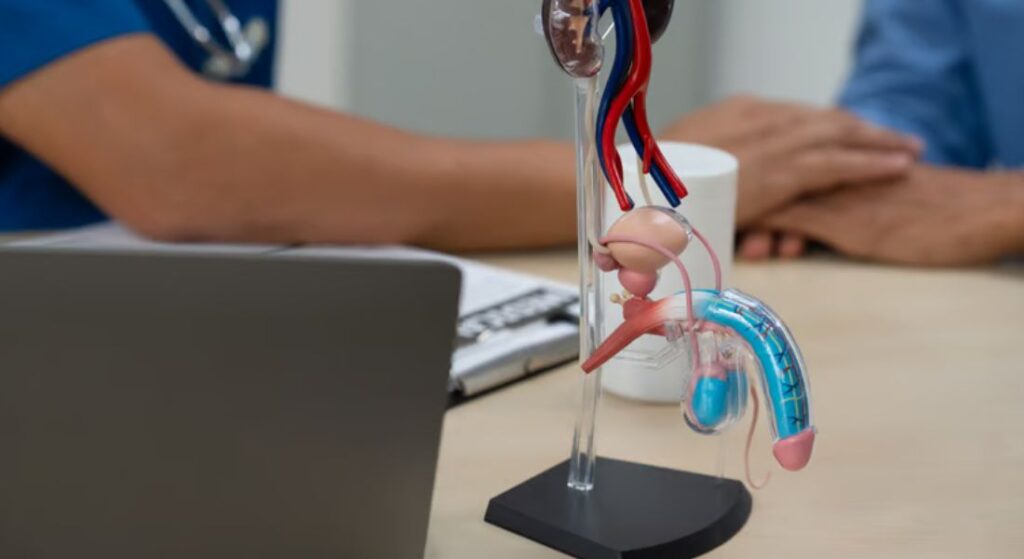
If you are having prostate surgery, it is normal for both robotic and open procedures to temporarily affect your urinary control. This happens because your bladder and the surrounding structures need time to heal and adjust after the operation. In the early stages of recovery, you may notice some degree of leakage, which is a common and expected part of the healing process.
Some studies suggest that robotic surgery may help you regain urinary continence a little sooner, potentially due to the greater precision of the technique and reduced tissue disruption. However, your individual recovery can vary quite a bit depending on factors such as your age, baseline bladder function, and the complexity of your surgery.
Open surgery also provides good long-term continence outcomes, although you may find that bladder control takes slightly longer to recover in some cases because the procedure is more invasive. Regardless of which approach you have, regular pelvic floor exercises are strongly recommended, as they help you strengthen the relevant muscles and support a faster, more reliable return of urinary control.
Incision and Cosmetic Outcomes
If you are considering prostate surgery, you may notice a clear difference in the type of incisions used between robotic and open procedures. Robotic surgery typically involves several small “keyhole” incisions, which usually result in minimal scarring. These tiny scars are often less noticeable over time and tend to heal relatively quickly, which may be important for you if you are concerned about cosmetic outcomes.
In contrast, open surgery requires a single larger incision in your lower abdomen. This results in a more visible scar, which can take longer to heal and will gradually fade over time. The final appearance can vary depending on your individual healing process and skin type.
While cosmetic results may matter to you, they are only one part of the overall decision. Factors such as surgical safety, cancer control, recovery time, and long-term functional outcomes remain the most important considerations when choosing the most appropriate surgical approach for you.
Blood Loss and Transfusion Risk
If you are considering robotic prostate surgery, you may find that it is generally associated with reduced blood loss. This is largely due to its minimally invasive approach and the highly precise control of the surgical instruments. Because your surgeon operates through smaller incisions with enhanced visualisation, the procedure can often be carried out with greater accuracy, which may help minimise bleeding.
As a result, you may also have a lower likelihood of needing a blood transfusion compared with open surgery. This can be an important factor for you if you prefer to avoid transfusion-related risks or have specific medical considerations.
Open surgery, while still safe and highly effective, can involve greater blood loss because of the larger incision and more direct tissue handling. However, experienced surgeons use well-established techniques to carefully control bleeding and maintain patient safety throughout the procedure.
Recovery of Physical Activity

If you undergo robotic prostate surgery, you will often find that you can return to light physical activities sooner. Because the procedure is minimally invasive, you are likely to experience less post-operative pain and reduced tissue disruption, which can make early movement and basic daily tasks feel more manageable during the initial recovery phase.
However, even after robotic surgery, it is still important for you to follow restrictions on heavy lifting, vigorous exercise, and strenuous physical activity in the early weeks. These guidelines are essential to protect internal healing and reduce the risk of complications while your body recovers.
If you have open surgery, you will typically need a longer period of rest before returning to your usual daily routines or exercise. Because the procedure is more invasive, your body requires additional time to heal before you can gradually rebuild strength and safely increase your activity levels.
Potential Complications
If you are considering prostate surgery, it is important for you to understand that both robotic and open procedures carry potential risks, as with any major surgery. These may include infection, bleeding, blood clots, and temporary or longer-term changes in urinary or sexual function. Being aware of these risks can help you make a more informed decision about your treatment.
Robotic surgery may help reduce some of these risks in certain patients because of its minimally invasive approach and enhanced precision. Smaller incisions and improved visualisation can support reduced blood loss and may lower the likelihood of some post-operative complications.
Open surgery, while more invasive, remains a highly effective and reliable treatment option for you. In some complex cases, it may even be preferred because it provides direct access and tactile control for the surgeon. Regardless of the approach, careful surgical technique and proper post-operative care are essential in helping to reduce complications and support your recovery.
Erectile Function Recovery
If you are having prostate surgery, recovery of erectile function will depend on several factors, including your age, baseline sexual function, overall health, and whether nerve-sparing techniques are possible in your case. Robotic surgery may offer improved visualisation and precision, which can support nerve preservation in suitable patients and potentially improve the chances of recovery.
Open surgery can also be performed using nerve-sparing techniques, depending on the complexity of your case and your surgeon’s assessment. However, you may find that recovery of erectile function can be more variable and sometimes takes longer due to the more invasive nature of the procedure.
In both approaches, erectile function does not usually return immediately. The nerves responsible for erections can take time to recover from surgical trauma, and improvement may occur gradually over several months or even longer. This recovery process is highly individual, and your experience may differ significantly from others.
Rehabilitation strategies such as medications, vacuum erection devices, or other supportive therapies are often recommended regardless of the surgical method. These can play an important role in supporting your long-term recovery and helping to improve functional outcomes over time.
Fertility Considerations
If you are considering prostate surgery, it is important for you to understand that both robotic and open procedures involve removal of the prostate gland and seminal vesicles. This results in permanent changes to fertility, meaning natural conception is no longer possible after either type of surgery.
Although ejaculation is no longer produced after the operation, you will usually still be able to experience orgasm. However, this is typically described as a “dry” orgasm, since semen is no longer released during sexual activity.
If maintaining the option of having biological children is important to you, sperm banking should be discussed with your specialist before surgery. This allows samples to be preserved in advance, giving you potential future fertility options through assisted reproductive techniques.
Psychological and Emotional Impact
If you are undergoing prostate surgery, it is important for you to recognise that the experience can have a significant emotional and psychological impact. The recovery period may affect your confidence, intimacy, and overall mental wellbeing. It is completely normal for you to experience a range of emotions, including anxiety about recovery outcomes and changes in bodily function.
Robotic surgery may help reduce anxiety for some patients, as it is often associated with smaller incisions, less visible scarring, and a potentially quicker early recovery. These factors can offer reassurance for you if you are particularly concerned about the physical impact and healing process.
However, your emotional response can vary widely depending on your personal expectations, overall health, and the strength of your support system. Open communication, counselling, and involving your partner or support network can all play an important role in helping you manage emotional wellbeing during recovery.
Supportive care is equally important after both robotic and open surgery. When both your psychological and physical recovery are addressed together, it can help you adapt more confidently and support a better overall quality of life throughout the healing process.
Follow-Up and Long-Term Monitoring
Regular follow-up is an essential part of recovery after both robotic and open prostate surgery. These appointments allow your medical team to closely monitor PSA levels, assess urinary continence, and evaluate sexual function over time.
Ongoing monitoring helps ensure that any potential complications are identified early and managed promptly. It also provides an opportunity to track your recovery progress in a structured and reassuring way, especially during the months when improvements are still developing.
Many specialist clinics offer organised follow-up plans that guide you through each stage of recovery. This structured support helps optimise long-term outcomes and ensures you receive the right care and advice as your healing continues.
Patient Experience and Comfort
If you are considering prostate surgery, you may find that robotic surgery is often associated with a smoother early recovery experience. This is largely due to its minimally invasive nature. Smaller incisions typically lead to less visible scarring, reduced initial discomfort, and a quicker return to light daily activities for you.
Open surgery, while still highly effective, may involve a more intensive early recovery period. You may experience greater post-operative discomfort, a larger incision, and a longer adjustment phase as your body heals from a more invasive procedure.
However, your overall experience is not determined by the surgical technique alone. Your individual health status, pain tolerance, age, and overall recovery capacity all play an important role in how you respond after surgery.
Surgeon Expertise and Choice
Surgeon expertise plays a critical role in the success of both robotic and open prostate surgery. The skill, experience, and clinical judgment of your surgeon often have a greater impact on outcomes than the choice of surgical technique itself.
In some complex or advanced cases, open surgery may be preferred as it allows direct access and tactile feedback, which can be important for certain anatomical or disease-related factors. In other situations, robotic surgery may offer advantages such as enhanced precision, improved visualisation, and potentially quicker early recovery.
Ultimately, the most appropriate approach depends on a careful assessment of your individual condition. A detailed discussion with a specialist ensures that the decision is tailored to your specific case, helping you choose the option that offers the safest and most effective outcome.
Cost Considerations

Cost is an important factor when comparing robotic and open prostate surgery. The overall expense can vary depending on the hospital, surgeon, and healthcare system, so it is helpful to understand what contributes to the total cost.
- Higher Initial Cost for Robotic Surgery: Robotic procedures often cost more due to advanced technology, specialised equipment, and the infrastructure required.
- Lower Procedure Cost for Open Surgery: Open surgery is usually less expensive in terms of the operation itself.
- Recovery-Related Costs: Open surgery may involve a longer hospital stay and recovery period, which can increase indirect costs such as time off work.
- Insurance and Coverage Differences: What is covered by insurance or treatment packages can significantly affect your overall out-of-pocket expenses.
- Long-Term Financial Planning: Considering both direct and indirect costs helps you make a more informed decision about your treatment.
Overall, cost is not just about the procedure itself but also the broader recovery and support process. Understanding the full financial picture helps you plan your treatment more effectively and avoid unexpected expenses.
Recovery Timelines
If you are having robotic prostate surgery, you may find that it allows a quicker return to light activities. This is mainly because the minimally invasive approach reduces initial surgical trauma and can support faster early healing for you. However, it is important to understand that full recovery particularly in terms of continence and sexual function still takes time and can vary significantly from person to person.
Even after robotic surgery, improvements in bladder control and erectile function may take several months, and in some cases up to a year or longer. Your recovery will depend on factors such as your age, overall health, nerve preservation during surgery, and your pre-surgery function.
If you have open surgery, you may experience a slightly longer initial recovery period due to the more invasive nature of the procedure. However, over the long term, many patients still achieve similar functional outcomes regardless of which surgical approach is used.
Because of this, it is helpful for you to view recovery as a gradual process rather than a quick endpoint, with ongoing improvements continuing well beyond the early post-operative phase.
Importance of Rehabilitation
The importance of rehabilitation cannot be overstated after either robotic or open prostate surgery. Recovery is not only about healing from the procedure itself, but also about actively supporting your body as it regains urinary control, sexual function, and overall strength.
Pelvic floor exercises play a key role in improving bladder control, while erectile function rehabilitation can help support long-term sexual recovery. Alongside this, maintaining healthy lifestyle habits such as balanced nutrition, regular gentle activity, and good hydration can further aid the healing process.
Specialist guidance throughout rehabilitation is essential to ensure exercises are performed correctly and progress is monitored appropriately. This helps maximise recovery outcomes, manage expectations realistically, and support a smoother transition back to normal daily life.
Making the Right Choice
Making the right choice between robotic and open surgery depends on several important factors, including the stage of your cancer, your individual anatomy, the experience of your surgeon, and your personal preferences regarding recovery and outcomes. Each patient’s situation is unique, so the most suitable option can vary from person to person.
Both robotic and open surgery are well-established and effective treatments for prostate cancer. The main differences lie in the surgical approach, with robotic surgery typically being minimally invasive, while open surgery involves a more traditional technique with direct access to the prostate.
Factors such as recovery time, precision, potential blood loss, and post-operative comfort may influence your decision. A detailed discussion with your specialist will help you understand these nuances clearly and choose the approach that best aligns with your medical needs and personal priorities.
FAQs:
1. What is the main difference between Da Vinci robotic prostate surgery and open surgery?
Robotic prostate surgery is minimally invasive and uses several small keyhole incisions through which robotic instruments are inserted and controlled by the surgeon. Open surgery, on the other hand, requires a single larger incision in the lower abdomen to directly access the prostate. The key difference lies in precision, invasiveness, and recovery impact.
2. Is robotic prostate surgery safer than open surgery?
Both robotic and open prostate surgeries are considered safe and widely used for treating prostate cancer. Robotic surgery may offer advantages such as reduced blood loss, smaller incisions, and less tissue trauma. However, overall safety and outcomes depend more on the surgeon’s experience and the patient’s specific condition rather than the technique alone.
3. Which surgery has a faster recovery time?
Robotic prostate surgery generally allows a faster initial recovery, with most patients leaving hospital within 1–3 days. Open surgery usually requires a longer hospital stay and a slower early recovery due to the larger incision. However, full recovery timelines for both procedures can still extend over several weeks to months.
4. Will I experience less pain with robotic surgery?
In most cases, patients report less post-operative pain after robotic surgery because the procedure uses smaller incisions and causes less disruption to muscles and tissues. Open surgery may involve more initial discomfort due to the larger abdominal incision. Pain is manageable in both cases with medication, but robotic surgery often feels smoother during early recovery.
5. Does robotic surgery improve the chances of preserving nerves?
Robotic surgery offers enhanced visualisation and precision, which can make nerve-sparing techniques easier in suitable patients. This may improve the chances of preserving erectile function. However, nerve preservation is also possible in open surgery, and the final outcome depends heavily on tumour location, anatomy, and surgical expertise.
6. How long does it take to regain urinary control after surgery?
Recovery of urinary continence varies from patient to patient. Some men regain control within weeks, while others may take several months. Robotic surgery may support slightly quicker early recovery for some patients, but pelvic floor exercises and rehabilitation play a crucial role in improving bladder control after both types of surgery.
7. Are cancer outcomes different between robotic and open surgery?
Long-term cancer control outcomes are generally similar between robotic and open prostate surgery when performed by experienced surgeons. Both methods aim to completely remove the cancerous prostate tissue. The key factor influencing success is not the technique itself, but the skill and experience of the surgical team.
8. Will I have a visible scar after surgery?
Robotic prostate surgery results in several small keyhole scars that are usually less noticeable and tend to heal more discreetly over time. Open surgery leaves a single larger scar on the lower abdomen, which is more visible and may take longer to fade. Cosmetic differences may be important for some patients when choosing a procedure.
9. Can I return to normal activities quickly after surgery?
Patients who undergo robotic surgery often return to light daily activities sooner due to reduced pain and quicker initial recovery. However, both procedures require a gradual return to full activity, and heavy lifting or strenuous exercise is restricted for several weeks. Full recovery depends on individual healing and overall health.
10. How do I decide between robotic and open prostate surgery?
Choosing between robotic and open surgery depends on multiple factors including cancer stage, prostate anatomy, overall health, and surgeon recommendation. Robotic surgery may offer advantages in recovery and precision, while open surgery may still be preferred in complex or advanced cases. A detailed consultation with a specialist is essential to make the most appropriate decision.
Final Thoughts: Choosing Between Robotic and Open Prostate Surgery
When comparing Da Vinci robotic prostate surgery and open surgery, it becomes clear that each approach has its own strengths, and neither is universally better for every patient. The right choice depends on individual clinical factors such as cancer stage, anatomy, overall health, and, just as importantly, the experience of the surgeon performing the procedure.
Robotic surgery often stands out for its minimally invasive nature, smaller incisions, reduced blood loss, and the potential for a smoother early recovery. On the other hand, open surgery remains a highly effective and trusted approach, particularly in more complex cases where direct access may be preferred. In both situations, the primary goal remains the same: effective cancer control and long-term health outcomes.
What matters most is having a detailed, honest discussion with a specialist who can guide you based on your specific circumstances rather than general comparisons alone. Recovery, continence, and quality of life outcomes can be optimised with the right surgical plan, follow-up care, and rehabilitation support. If you are considering Da Vinci robotic prostate surgery in London and would like specialist advice, you can contact us to discuss your options and arrange a consultation tailored to your individual needs.
References:
- Kim, D.K., Moon, Y.J., Chung, D.Y., Jung, H.D., Jeon, S.H., Kang, S.H., Paick, S. and Lee, J.Y. (2025) Comparison of robot-assisted, laparoscopic, and open radical prostatectomy outcomes: a systematic review and network meta-analysis from KSER update series, Medicina, 61(1), 61. Available at: https://www.mdpi.com/1648-9144/61/1/61
- Wang, J., Hu, K., Wang, Y., Wu, Y., Bao, E., Wang, J., Tan, C. and Tang, T. (2023) Robot-assisted versus open radical prostatectomy: a systematic review and meta-analysis of prospective studies, Journal of Robotic Surgery, 17(6), pp. 2617–2631. Available at: https://pubmed.ncbi.nlm.nih.gov/37721644/
- Cao, L., Yang, Z., Qi, L. and Chen, M. (2019) Robot-assisted and laparoscopic vs open radical prostatectomy in clinically localised prostate cancer: perioperative, functional, oncological and cost outcomes, Asian Journal of Urology, 6(3), pp. 303–323. Available at: https://pmc.ncbi.nlm.nih.gov/articles/PMC6709105/
- Coughlin, G.D., Yaxley, J.W., Chambers, S.K., Occhipinti, S., Samaratunga, H., Zajdlewicz, L., Dunglison, N., Williams, S., Lavin, M.F., Gardiner, R.A. and Smith, D.P. (2018) Robot-assisted laparoscopic prostatectomy versus open radical retropubic prostatectomy: 24-month outcomes from a randomised controlled study, The Lancet Oncology, 19(8), pp. 1051–1060. Available at: https://www.sciencedirect.com/science/article/pii/S1470204518303577
- Koizumi, A., Narita, S., Nara, T., Takayama, K., Kanda, S., Numakura, K., Saito, M., Inoue, T., Habuchi, T. and Mitsuzuka, K. (2018) Incidence and location of positive surgical margin among open, laparoscopic and robot-assisted radical prostatectomy in prostate cancer patients, Japanese Journal of Clinical Oncology, 48(8), pp. 765–770. Available at: https://academic.oup.com/jjco/article-abstract/48/8/765/5040357