




When you are referred to a prostate clinic for the first time, it is completely normal to feel unsure about what the visit will involve. Many people assume it is only about prostate cancer, but that is not the case. A specialist prostate clinic manages a wide range of urinary and prostate-related conditions, many of which are common and not cancer-related.
A large part of the work involves helping you understand urinary symptoms, interpreting PSA results, and managing conditions that affect daily comfort, sleep, and quality of life. You may also find that symptoms you have been living with for some time finally get a clearer explanation and plan.
To make things easier to understand, it helps to look at the main conditions that are usually assessed and treated in a prostate clinic in a structured way. This can give you a clearer idea of what the clinic is designed to do and what kind of help you may receive.
Understanding the Role of a Prostate Clinic
A prostate clinic focuses on diagnosing, treating, and monitoring conditions that affect the prostate gland and urinary system in men. The prostate sits just below the bladder and plays an important role in urine flow and reproductive health. Because of its position, even small changes in the prostate can affect how you pass urine.
The clinic is designed to bring together symptoms, blood tests, imaging, and specialist examination into one clear assessment. You may find that different pieces of information are reviewed together so the specialist can build a complete picture of what is happening.
Instead of guessing what might be going on, the aim is to understand the cause properly and guide treatment based on evidence. This helps ensure decisions are clear and any tests or treatments are right for you.
Benign Prostatic Hyperplasia (BPH)
One of the most common conditions seen in a prostate clinic is benign prostatic hyperplasia, often called BPH or an enlarged prostate. This is a non-cancerous condition where the prostate gradually increases in size, usually with age. As it grows, it can press on the urethra and affect the flow of urine.
You may notice changes such as a weaker urine stream, difficulty starting urination, or waking up multiple times at night to pass urine. These symptoms can develop slowly over time, so you may not always notice how much they are affecting your routine until they become more troublesome.
Although BPH is not cancer, it can still have a significant impact on daily life and sleep quality. Treatment depends on how severe your symptoms are and how much they affect you. Options may include monitoring, medication, or procedures if symptoms become more bothersome over time.
Raised PSA Levels
A raised PSA blood test is another very common reason for referral to a prostate clinic. PSA stands for prostate-specific antigen, which is a protein produced by prostate cells. Higher levels in the blood can sometimes suggest that something is changing within the prostate.
However, a raised PSA does not automatically mean cancer. It can also be linked to benign enlargement, infection, inflammation, or even recent physical activity such as cycling or ejaculation. This is why a single result on its own is not enough to make a diagnosis.
At a prostate clinic, PSA results are never interpreted in isolation. They are reviewed alongside symptoms, age, examination findings, and sometimes imaging. You may find that the specialist looks at how your PSA has changed over time rather than focusing on one number.
The aim is to understand whether the change is harmless or whether it needs further investigation, so that the right next step can be planned for your situation.
Prostate Cancer
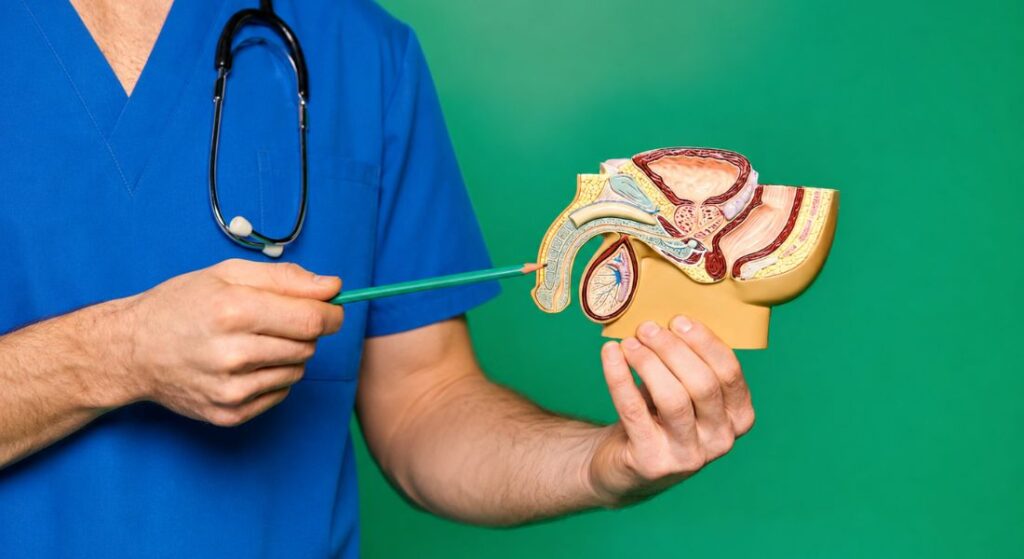
Prostate cancer is one of the more serious conditions managed in a prostate clinic, but it is important to understand that not all prostate cancers behave in the same way. Some grow very slowly and may not need immediate treatment, while others may require more active intervention depending on their features.
At a prostate clinic, you will usually be guided through diagnosis, staging, and treatment planning in a structured and step-by-step way. This may include MRI scans, biopsy procedures, and detailed discussions about what the results mean.
You may also be given time to consider treatment options such as surgery, radiotherapy, or monitoring, depending on your individual situation. The focus is always on balancing cancer control with quality of life, including urinary and sexual function, so that decisions are tailored to your needs.
Prostatitis
Prostatitis refers to inflammation of the prostate gland. It may be caused by infection or may occur without a clear bacterial cause. In some cases, the exact trigger is not always easy to identify, which is why specialist assessment can be helpful.
You may experience symptoms such as discomfort in the pelvic area, pain when passing urine, or sometimes flu-like symptoms in more acute cases. In chronic prostatitis, symptoms may come and go over time, which can feel frustrating and unpredictable.
A prostate clinic can help identify the type of prostatitis you may have and guide appropriate treatment. This may include antibiotics if infection is suspected, or other symptom management strategies to help reduce pain and improve daily comfort.
Lower Urinary Tract Symptoms (LUTS)
Lower urinary tract symptoms, often shortened to LUTS, is a general term used for a group of urinary problems commonly seen in men. When you notice symptoms like frequent urination, urgency, weak flow, or waking at night, you may not realise they all fall under this single term. You may feel confused by the changes, especially when they affect daily routines and sleep.
LUTS is not a disease in itself, but a description of symptoms that can have different underlying causes. You may find that the same symptoms can come from the prostate, bladder changes, infection, or other medical conditions, which is why proper assessment is important.
A prostate clinic works to identify what is driving the symptoms. You may be assessed for benign prostate enlargement, bladder issues, infection, or other causes depending on your history and test results. Understanding the root cause matters because treatment is guided by what is actually responsible for your symptoms, rather than the symptoms alone.
LUTS Symptoms and Possible Underlying Causes
| Symptom | What You May Notice | Possible Underlying Causes |
| Frequent urination | Passing urine more often than usual during the day | Enlarged prostate (BPH), overactive bladder, urinary infection, diabetes, excess fluid intake |
| Urgency | Sudden, strong urge to pass urine that is difficult to delay | Overactive bladder, prostate enlargement, bladder irritation, infection |
| Weak urine flow | Reduced strength or slow stream when passing urine | BPH, urethral narrowing (stricture), bladder weakness, obstruction |
| Difficulty starting urination | Delay or straining before urine begins to flow | Prostate enlargement, bladder outlet obstruction, neurological issues |
| Nocturia (night-time urination) | Waking up multiple times at night to pass urine | BPH, fluid intake timing, bladder overactivity, heart or sleep-related factors |
| Dribbling after urination | Leakage of urine after finishing | Incomplete bladder emptying, prostate enlargement, weak pelvic floor |
| Feeling of incomplete emptying | Sensation that bladder is not fully empty | Bladder outlet obstruction, enlarged prostate, weak bladder muscle |
Urinary Retention
Urinary retention is a condition where the bladder does not empty properly, or in more severe cases, cannot empty at all. You may notice it developing suddenly or gradually over time, and the experience can vary depending on the cause.
When it happens suddenly, you may find it painful and need urgent treatment. In chronic retention, the problem can develop more slowly, so you may not always realise that the bladder is not emptying fully. You might just feel ongoing discomfort or a persistent need to pass urine.
Common causes include an enlarged prostate, medication side effects, or a blockage in the urinary tract. A prostate clinic will usually assess bladder function using scans and flow tests so you can understand how well urine is being emptied and what is causing the problem.
Blood in the Urine (Haematuria)
Seeing blood in the urine, also called haematuria, can be alarming, and it always needs medical investigation. You may notice it once or more than once, but even a single episode should be taken seriously and checked properly.
It does not automatically mean cancer, but it should never be ignored. In many cases, blood in the urine can be linked to infection, prostate enlargement, stones, or other bladder-related conditions that are treatable once identified.
A prostate clinic will usually arrange tests such as urine analysis, imaging, and sometimes cystoscopy to help find the cause. The aim is to rule out anything serious while also identifying any underlying condition that can be treated effectively.
Erectile Dysfunction Related to Prostate Health
Erectile dysfunction is another condition often discussed in a prostate clinic, especially when it occurs alongside urinary symptoms or after prostate treatment. You may notice changes in erections gradually, or sometimes more suddenly after a diagnosis or procedure, and it can understandably affect confidence as well as physical function.
It can be linked to age, blood flow changes, medication, psychological factors, or prostate-related conditions. In some cases, it may also develop after prostate surgery or cancer treatment, depending on the type of procedure and individual recovery.
A prostate clinic usually takes a structured approach to this issue. You may be offered a combination of medication, lifestyle advice, and rehabilitation strategies depending on the underlying cause. The focus is not only on physical function but also on restoring confidence and improving quality of life.
Overactive Bladder Symptoms
Some men experience symptoms of an overactive bladder, which can include sudden urgency and frequent urination. You may notice that these urges come on quickly and feel difficult to control, which can be disruptive during work, travel, or daily activities.
This condition may exist on its own or alongside benign prostate enlargement. In some cases, you may find that both bladder and prostate factors are contributing to the symptoms, which can make them feel more unpredictable.
A prostate clinic helps work out whether the bladder itself is overactive or whether prostate-related blockage is playing a role. Treatment may include bladder training, medication, or lifestyle adjustments depending on the diagnosis, with the aim of improving control and quality of life.
Post-Prostate Surgery Care

Men who have undergone prostate surgery for cancer or other conditions often need ongoing follow-up in a prostate clinic. You may find that recovery does not finish immediately after the operation, but continues gradually over weeks and months.
Common areas of follow-up include urinary control, erectile function, PSA monitoring, and overall recovery progress. You may notice that some improvements happen quickly, while others take more time and require ongoing support.
Each person’s recovery timeline is different, so regular review helps ensure that any issues are identified and managed early. The aim is to support both physical recovery and emotional adjustment after treatment, so you can regain confidence and quality of life step by step.
Diagnostic Assessment and Testing
A key part of any prostate clinic is diagnostic assessment, where tests and examinations are used to understand what is happening inside the body rather than relying on symptoms alone. This process helps your specialist build a clear and accurate picture of your prostate and urinary health. Each test provides different information, and together they help guide the next steps in diagnosis and treatment.
- PSA Blood Test: Measures prostate-specific antigen levels, which can help indicate prostate changes but must be interpreted alongside other findings.
- Physical Examination and Imaging: A prostate examination and scans such as MRI help assess prostate size, structure, and any suspicious areas.
- Urine and Bladder Tests: These checks can identify infection, inflammation, or bladder function issues that may contribute to symptoms.
- Biopsy When Needed: In some cases, a biopsy is performed to check for signs of prostate cancer and confirm a diagnosis.
Overall, diagnostic testing is essential for understanding prostate health in detail. Each result adds another piece to the overall picture, helping your specialist interpret symptoms more accurately. When combined, these tests support clearer decision-making and a more appropriate treatment plan tailored to your condition.
Monitoring and Active Surveillance
Not all prostate conditions require immediate treatment. In many situations, careful monitoring may be the most appropriate approach, especially when symptoms are mild or changes are slow.
This is often the case with slow-growing prostate cancers and early or mild benign prostate enlargement (BPH). You may find that symptoms are present but not severe enough to require active treatment straight away.
Monitoring may include regular PSA tests, repeat scans, and symptom reviews over time. The aim is to track any changes so that action can be taken if and when it becomes necessary. This approach helps avoid unnecessary treatment while still keeping your condition under close supervision, so nothing important is missed.
Medication Management

Many prostate conditions can be managed with medication rather than surgery. You may be offered medicines that relax the prostate muscles, reduce prostate size, or improve bladder function, depending on your symptoms and diagnosis.
Medication is often the first step for conditions such as benign prostate enlargement (BPH) or overactive bladder symptoms. You may notice improvements gradually, and it can take some time to find the most suitable option for you.
A prostate clinic reviews how well the treatment is working and whether any side effects are occurring. You may find that adjustments are made along the way to improve comfort and effectiveness. The aim is to achieve the best possible balance for long-term symptom control.
Lifestyle and Symptom Support
Lifestyle changes can also play an important role in managing prostate-related symptoms. You may find that small adjustments to daily habits can make a noticeable difference, especially when symptoms affect sleep or comfort.
These may include changes to fluid intake, reducing caffeine, and adjusting the timing of evening drinks to help reduce night-time urination. You might also notice that simple routines, when done consistently, can help improve symptom control over time.
Although lifestyle changes do not cure prostate conditions, they can significantly improve day-to-day comfort. A prostate clinic often works with you to identify which changes are most relevant to your situation, so you can manage symptoms in a practical and realistic way.
Anxiety and Symptom Awareness
Many men feel anxious when they first notice urinary changes or receive a PSA result. You may find yourself worrying about what the symptoms could mean, especially when they are new or unfamiliar. This is a very common and understandable reaction.
A prostate clinic plays an important role in providing clarity and reassurance through proper assessment and diagnosis. You may find that simply understanding what is actually happening helps reduce a lot of the worry.
In many cases, symptoms turn out to be due to benign conditions rather than anything serious. The aim of specialist review is to give you clear answers so that uncertainty is replaced with a proper understanding of your situation.
Long-Term Follow-Up Care
Some prostate conditions require long-term follow-up rather than one-off treatment. This is common in conditions such as benign prostate enlargement (BPH), prostate cancer monitoring, and ongoing PSA tracking.
Regular review helps ensure that any changes are detected early and managed appropriately. You may find that symptoms, test results, and treatment plans are adjusted over time so that care continues to match your current situation.
Long-term follow-up also allows your specialist to respond if symptoms change, improve, or worsen. In many cases, ongoing care is just as important as the initial diagnosis, as it helps maintain stability and quality of life over the longer term.
When You Should Seek Specialist Assessment
You should consider a prostate clinic assessment if you notice persistent urinary changes, difficulty passing urine, repeated night-time urination, or a rising PSA level. These symptoms may develop gradually, so you may not always realise how much they are affecting your daily life.
Blood in the urine, ongoing pelvic discomfort, or erectile changes alongside urinary symptoms are also important reasons to seek review. You may find that a combination of symptoms gives a clearer indication that further assessment is needed.
Early assessment helps identify the cause and prevents symptoms from becoming more disruptive. It also allows you to understand what is happening sooner, so that appropriate treatment or reassurance can be provided.
The Value of Specialist Care
A prostate clinic brings together different aspects of prostate health into one focused service. Instead of looking at symptoms in isolation, you may find that urinary, hormonal, and prostate-related issues are assessed together to build a more complete picture of your health.
This joined-up approach helps improve the accuracy of diagnosis and the effectiveness of treatment. You may notice that decisions are based on how different findings relate to each other, rather than on a single test or symptom.
It also ensures that you receive clear explanations rather than uncertainty. The aim is to help you understand what is happening and why tests or treatments are needed, so you can feel more confident about the next steps.
Accessing Specialist Support

If you are considering specialist assessment, you may choose to attend a dedicated prostate clinic for further evaluation and support. Specialist services such as Prostate Clinic London can provide assessment and management for a wide range of prostate and urinary conditions.
You may find that attending a specialist clinic helps bring together your symptoms, PSA results, and any previous tests into one clear review. This can make it easier to understand what is happening and what the next steps should be.
The aim of specialist support is to provide clarity, appropriate investigation, and a structured plan for diagnosis or treatment where needed, so you can move forward with greater confidence and understanding.
FAQs:
1. What is the most common condition treated at a prostate clinic?
One of the most common conditions seen at a prostate clinic is benign prostatic hyperplasia (BPH), also known as an enlarged prostate. This condition becomes more common as you get older and can affect how easily you pass urine. Symptoms often include a weak urine stream, increased frequency, and waking up at night to urinate. Treatment depends on how much the symptoms are affecting your daily life.
2. Does a raised PSA level always mean prostate cancer?
No, a raised PSA level does not automatically mean you have prostate cancer. PSA can also increase because of an enlarged prostate, prostatitis, urinary infections, or other non-cancerous conditions. A specialist will assess your PSA result alongside your age, symptoms, examination findings, and any imaging results. This helps determine whether further investigation is necessary.
3. Can a prostate clinic help with urinary symptoms?
Yes, urinary symptoms are one of the main reasons men attend a prostate clinic. Symptoms such as urgency, frequent urination, difficulty starting, or a weak flow can have several possible causes. A specialist can investigate the underlying reason and recommend appropriate treatment. Early assessment can often improve symptoms and quality of life.
4. What is prostatitis and how is it treated?
Prostatitis is inflammation of the prostate gland and may be caused by infection or other factors. Symptoms can include pelvic pain, discomfort when passing urine, urinary frequency, and sometimes flu-like symptoms. Treatment depends on the type of prostatitis and may involve antibiotics, pain management, or other supportive measures. A specialist assessment can help identify the most suitable approach.
5. When should I visit a prostate clinic?
You should consider seeing a specialist if you have persistent urinary symptoms, a raised PSA level, blood in your urine, or ongoing pelvic discomfort. Erectile dysfunction combined with urinary symptoms may also warrant assessment. Early evaluation can help identify the cause and provide reassurance or treatment where needed. You do not need to wait until symptoms become severe before seeking advice.
6. What tests might be performed at a prostate clinic?
Tests vary depending on your symptoms and medical history. Common investigations include PSA blood tests, urine tests, prostate examinations, MRI scans, bladder scans, and flow rate studies. In some cases, a prostate biopsy may be recommended. These tests help build a complete picture of your prostate health and guide treatment decisions.
7. Can a prostate clinic help if I have erectile dysfunction?
Yes, prostate clinics often assess erectile dysfunction, particularly when it occurs alongside urinary symptoms or following prostate treatment. Erectile difficulties can have many causes, including prostate-related conditions, medication, blood vessel problems, or hormonal changes. Your specialist will investigate the underlying cause and discuss suitable treatment options. The goal is to improve both physical function and overall quality of life.
8. Is surgery always needed for prostate conditions?
No, many prostate conditions can be managed without surgery. Medication, lifestyle adjustments, active surveillance, and minimally invasive treatments are often effective depending on the diagnosis. Surgery is usually considered when symptoms are severe or when other treatments have not provided sufficient benefit. Your specialist will discuss the most appropriate options for your individual situation.
9. What happens if prostate cancer is diagnosed?
If prostate cancer is diagnosed, your specialist will explain the stage and risk level of the cancer and discuss the available treatment options. Depending on the findings, treatment may include active surveillance, surgery, radiotherapy, or other therapies. Not all prostate cancers require immediate treatment. Decisions are made based on balancing cancer control with maintaining quality of life.
10. How often will I need follow-up appointments?
The frequency of follow-up depends on your condition and treatment plan. Some men may only require occasional reviews, while others need regular PSA monitoring, scans, or symptom assessments. Long-term follow-up is particularly important for prostate cancer surveillance and ongoing management of BPH. Regular reviews help ensure any changes are identified and managed promptly.
Final Thoughts: Getting the Right Prostate Assessment at the Right Time
Many prostate and urinary conditions are common and treatable, and they do not always indicate something serious. However, persistent symptoms or changes in PSA levels should not be ignored, as early assessment can often provide clarity and reassurance.
A specialist assessment brings together your symptoms, test results, and medical history to understand what is most likely causing your concerns. This helps ensure decisions are clear and right for you.
If you are experiencing urinary symptoms, a raised PSA, or simply want a clearer understanding of your prostate health, you can contact us at Prostate Clinic London to arrange a consultation and discuss the next steps.
References:
- Kania, E., Nowak, A., Kowalski, P. and Wolski, J. (2025) ‘Advances and challenges in prostate cancer diagnosis’, Cancers, 17(13), p. 2137. Available at: https://www.mdpi.com/2072-6694/17/13/2137
- Rebez, G., Martini, A., Ferrara, F. and Bianchi, S. (2024) ‘Targeted prostate biopsy: how, when, and why? A review’, Diagnostics, 14(17), p. 1864. Available at: https://www.mdpi.com/2075-4418/14/17/1864
- Ahmed, H.U., El-Shater Bosaily, A., Brown, L.C. et al. (2017) ‘Diagnostic accuracy of multi-parametric MRI and TRUS biopsy in prostate cancer (PROMIS trial)’, The Lancet, 389(10071), pp. 815–822. Available at: https://pubmed.ncbi.nlm.nih.gov/28110982/
- Mobley, D., Feibus, A. and Baum, N. (2015) ‘Benign prostatic hyperplasia and lower urinary tract symptoms’, Current Opinion in Urology, 25(1), pp. 1–7. Available at: https://pubmed.ncbi.nlm.nih.gov/25823641/
- Lepor, H. (2004) ‘Evaluating men with benign prostatic hyperplasia’, Reviews in Urology, 6(Suppl 1), pp. S8–S15. Available at: https://pmc.ncbi.nlm.nih.gov/articles/PMC1472850/