




Yes, Some men live for 20 years or longer after a prostate cancer diagnosis, particularly when the cancer is localised, lower risk or responds well to treatment. However, there is no current UK-wide 20-year survival figure, and individual outcomes vary considerably.
Your individual outlook depends on factors such as the stage of the cancer, Grade Group, PSA level, age, general health and response to treatment. Survival statistics can provide useful context, but they cannot predict exactly what will happen to one person.
Your specialist can explain how the features of your cancer affect your prognosis and which treatment or monitoring options may be suitable. Understanding these details can help you make decisions based on your individual situation rather than general survival figures.
What Are the Overall UK Survival Figures?
Prostate cancer survival is generally high across the UK. Around 95 out of every 100 men survive their cancer for at least one year, approximately 85 out of every 100 survive for five years or longer, and around 80 out of every 100 survive for ten years or more.
These are net survival estimates based on men diagnosed in England and Wales between 1971 and 2018 and followed up to 2019. Scotland and Northern Ireland have similar populations and healthcare systems, so Cancer Research UK uses these figures as a general UK estimate. Because the data cover diagnoses made over many years, they do not represent a precise forecast for someone receiving modern care today.
The figures combine men with different stages, Grade Groups, health conditions and treatments. They should therefore be interpreted alongside your stage, Grade Group, PSA level, age and general health rather than used to predict whether one individual will live for 20 years.
Net survival estimates the proportion of men who survive prostate cancer after allowing for deaths that would be expected from other causes. It is not the same as the percentage of all diagnosed men who are still alive.
Why the Stage at Diagnosis Matters
The stage of prostate cancer describes where the cancer is located and whether it has spread beyond the prostate. Cancer that remains within or close to the prostate usually has a more favourable outlook than cancer that has spread to distant parts of the body.
Available stage-specific figures are for men diagnosed in England between 2013 and 2017. Almost all men with stage 1 or stage 2 prostate cancer survived for at least five years, compared with around 95% of men with stage 3 disease and approximately 50% of men with stage 4 disease. Stage 4 is a broad category that can include spread into nearby organs or lymph nodes as well as spread to distant parts of the body.
These historical figures describe groups of men rather than predicting an individual outcome. Your Grade Group, PSA level, general health, extent of disease and response to treatment also influence your long-term outlook.
The Grade Group Helps Predict Cancer Behaviour
Your Grade Group describes how abnormal your prostate cancer cells look under a microscope and helps indicate how the cancer may behave. Grade Group 1 is usually the least aggressive, while Grade Group 5 is more likely to grow or spread and may need more active treatment.
A lower-grade cancer may remain stable for many years and may not affect your lifespan, while a higher-grade cancer may require earlier or more intensive treatment even if it appears contained. Your specialist will consider your Grade Group alongside your PSA level, MRI findings, stage and biopsy results to understand your overall situation.
Understanding PSA Levels

| Aspect | What It Means | Why It Matters | What to Expect |
| PSA test role | Blood test measuring prostate-specific antigen levels | Supports diagnosis and monitoring of prostate cancer | Used alongside other clinical results |
| Interpreting PSA levels | A higher PSA at diagnosis may be associated with higher-risk or more extensive cancer, but PSA can also be raised for non-cancerous reasons. | Helps guide further tests and treatment decisions | Results are not used in isolation |
| Non-cancer causes | PSA can rise due to enlarged prostate, infection or inflammation | Prevents misinterpretation of results | Additional tests may be needed |
| Monitoring over time | PSA is used during diagnosis and follow-up. It may also be checked during some treatments to assess how the cancer is responding. | Shows trends rather than single values | Regular testing may be recommended |
| Changes in PSA | Rising or falling levels can indicate different clinical scenarios | Helps assess treatment response or need for review | Repeat tests may be advised |
| Next steps | Further imaging or biopsy may be needed if PSA changes | Ensures accurate understanding of your condition | Your specialist will guide investigations |
Who May Be Offered Active Surveillance?
Active surveillance is offered to suitable men with Cambridge Prognostic Group 1 localised prostate cancer. Men with CPG 2 disease may be offered a choice between active surveillance, radical prostatectomy and radical radiotherapy. In selected CPG 3 cases, active surveillance may be considered when immediate radical treatment is not chosen.
Treatment decisions should be made through discussion with the specialist team and should consider cancer risk, general health, life expectancy, possible treatment side effects and personal priorities. Active surveillance is not suitable for every man with localised prostate cancer.
What Did the 15-Year ProtecT Trial Show?
The UK ProtecT trial followed 1,643 men with localised prostate cancer who were assigned to active monitoring, radical prostatectomy or radiotherapy. After a median follow-up of 15 years, prostate cancer mortality was low, with no statistically significant difference between the three groups.
Prostate cancer caused death in 3.1% of men assigned to active monitoring, 2.2% assigned to surgery and 2.9% assigned to radiotherapy. However, metastases developed in 9.4% of the active-monitoring group, compared with 4.7% after surgery and 5.0% after radiotherapy. Clinical progression and the use of long-term hormone therapy were also more common after active monitoring.
More than one-third of the participants had intermediate-risk or high-risk disease when contemporary classifications were applied. The trial also used a mainly PSA-led monitoring approach that began before modern MRI-based active surveillance became established. Its findings should therefore not be interpreted as showing that monitoring is suitable for every man or that all three approaches have identical outcomes.
Radiotherapy Can Offer Lasting Control
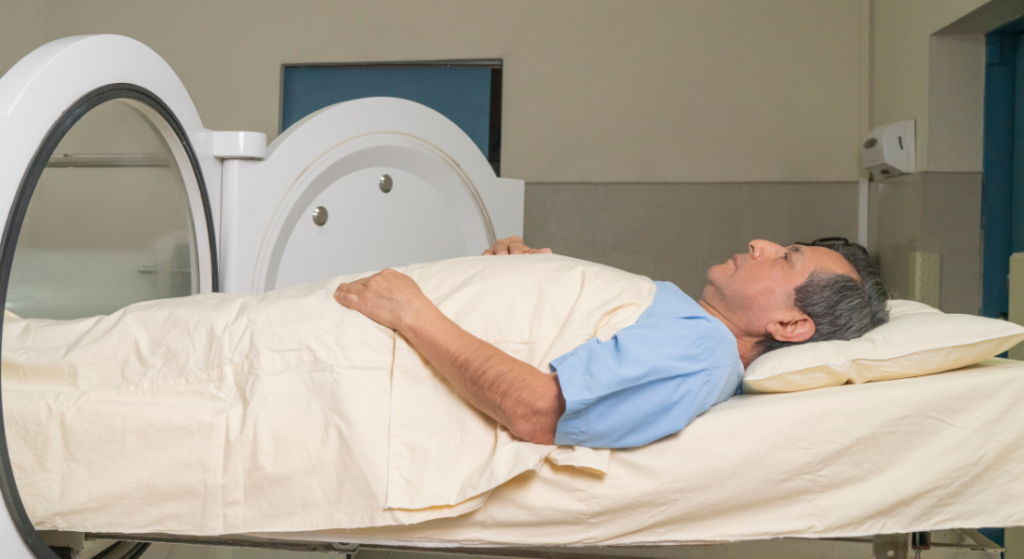
Radiotherapy uses high-energy radiation to damage and destroy prostate cancer cells. Your treatment plan may include external beam radiotherapy or brachytherapy, based on factors like stage, grade, prostate size, urinary function and overall health. For many men, radiotherapy offers long-term cancer control, but your outcome will depend on your individual diagnosis and response to treatment.
What Does Metastatic Prostate Cancer Mean for Long-Term Survival?
Metastatic prostate cancer has spread from the prostate to another part of the body, most commonly the bones or distant lymph nodes. It is usually not considered curable, but treatment may control the cancer, relieve symptoms and help some men live longer.
Some men respond to treatment for several years, while others have cancer that progresses more quickly. Long-term survival is generally less likely after a metastatic diagnosis than with localised prostate cancer, although outcomes vary considerably and continue to improve as treatments develop.
Your outlook will depend on where the cancer has spread, how much cancer is present, your general health and how well the disease responds to treatment. Your oncology team is best placed to explain what current treatments may mean for you.
When New Symptoms Need Urgent Assessment
Contact your cancer team promptly if you develop persistent or worsening bone or back pain, increasing urinary symptoms, unexplained weight loss or fatigue that does not improve. These symptoms can have several causes and do not necessarily mean that the cancer has progressed, but they should be assessed.
Call 999 or attend A&E immediately if new back or neck pain is accompanied by weakness or numbness in your arms or legs, difficulty walking or new loss of bladder or bowel control. These may be signs of metastatic spinal cord compression, which is an oncological emergency requiring immediate assessment and treatment.
Do not wait for your next planned appointment if these neurological symptoms develop. Follow any emergency instructions provided by your cancer team, particularly if you have advanced prostate cancer or known cancer in the bones.
Healthy Habits Support Long-Term Wellbeing

No diet, supplement or exercise programme can guarantee that prostate cancer will remain stable or replace treatment recommended by your clinical team.
- Realistic expectations: No lifestyle change can replace medical treatment or guarantee cancer outcomes
- Balanced diet: Eating a varied and nutritious diet can support your overall health and energy levels
- Regular activity: Staying physically active can help maintain strength, mobility and general wellbeing
- Weight management: Maintaining a healthy weight may support recovery and reduce other health risks
- Avoiding risks: Limiting alcohol and not smoking can improve your overall health and resilience
What Does Prostate Cancer Recurrence Mean?
Prostate cancer can return after surgery or radiotherapy. It may first be detected through a rising PSA level before symptoms develop or cancer can be seen on a scan. This is known as biochemical recurrence.
A rising PSA does not show on its own how quickly the cancer will progress. Your team will consider factors such as the PSA doubling time, the interval since treatment, the original Grade Group, pathology results and imaging findings.
Depending on these results, you may be offered monitoring, radiotherapy, hormone therapy or another treatment. The most appropriate approach will depend on your previous treatment, where the cancer is thought to be, how quickly the PSA is rising, imaging findings, your general health and your preferences. Biochemical recurrence does not automatically mean that the cancer is immediately life-threatening.
Age and General Health Influence Long-Term Survival
Your overall health plays an important role in your outlook, not just the prostate cancer itself. Conditions such as heart disease, diabetes or reduced physical fitness can influence which treatments are suitable for you and how well you may tolerate them.
If you are otherwise healthy, long-term cancer control may be especially important because you are likely to live longer with the condition. Your specialist will balance the risks from the cancer with your general health to recommend the most appropriate approach for you.
Ask for a Personalised UK Prognosis

Your specialist can provide a more individualised explanation of your prognosis by considering your age, PSA level, Grade Group, stage, biopsy findings, general health and treatment options. You can ask whether your cancer is localised, locally advanced or metastatic and whether the aim of treatment is cure, long-term control or symptom relief.
Predict Prostate is a UK prognostic tool for men who have recently been diagnosed with non-metastatic prostate cancer, have not yet started treatment and may reasonably be considering either conservative management or radical treatment. It provides estimated survival outcomes at ten and fifteen years.
The tool cannot predict exactly what will happen to you and must not be used when metastatic disease has been identified. Its estimates should support a discussion with your specialist rather than replace an individual clinical assessment.
Myth vs Fact
| Myth | Fact |
| A prostate cancer diagnosis always shortens your life considerably. | Many prostate cancers grow slowly, and some may never affect life expectancy. |
| Living for 20 years is only possible without treatment. | Men may live for decades with active surveillance or after treatment, depending on the cancer and their general health. |
| A high PSA result tells you exactly how long you will live. | PSA is only one part of the assessment and must be considered with the Grade Group, stage, scans and biopsy findings. |
| Surgery always provides better survival than radiotherapy. | For many men with localised prostate cancer, both treatments can offer long-term control, and the most appropriate option depends on individual circumstances. |
| Monitoring means the cancer is being ignored. | Active surveillance is a structured programme designed to detect clinically important changes while treatment remains an option. |
| Prostate cancer recurrence always means the cancer is immediately life-threatening. | Recurrence may first appear as a rising PSA and can progress slowly. Further monitoring or treatment may still be available. |
| Advanced prostate cancer cannot be treated. | Advanced prostate cancer is usually not curable, but treatments can control the disease, manage symptoms and help men live longer. |
Key Takeaways
- Long-term survival is most common when the cancer is localised or slow-growing.
- Stage, Grade Group, PSA level, age and general health all affect prognosis.
- Survival statistics describe groups of men and cannot predict one person’s lifespan.
- Active surveillance can be appropriate for selected lower-risk prostate cancer.
- Metastatic prostate cancer is usually treated with the aim of long-term control rather than cure.
- A specialist can provide a more personalised prognosis using clinical information and appropriate UK tools.
Frequently Asked Questions
1. Can you live 20 years with prostate cancer?
Many men live for 20 years or longer after being diagnosed with prostate cancer, particularly when the disease is localised or slow-growing. However, no statistic can predict one person’s lifespan, and your outlook will depend on the features of your cancer and your general health.
2. What affects how long you can live with prostate cancer?
Your outlook depends on factors such as stage, Grade Group, PSA level, overall health and how your cancer responds to treatment. These factors help your specialist estimate your long-term prognosis.
3. Is prostate cancer always life-threatening?
No. Some prostate cancers grow slowly and may never cause serious problems or affect life expectancy. Other cancers are more aggressive and require treatment, which is why your stage, Grade Group and other test results are important.
4. Does early diagnosis improve your chances of long-term survival?
When prostate cancer is diagnosed while it is still localised, long-term survival is generally very high and several management options may be available. However, diagnosis at an earlier stage does not guarantee a particular outcome, and your prognosis also depends on the Grade Group, PSA level, general health and other clinical findings.
5. Can you live many years without treatment?
Some men with lower-risk localised prostate cancer remain on active surveillance for many years without needing radical treatment. This is only appropriate while the cancer remains suitable for monitoring and you continue attending the tests recommended by your team. These usually include regular PSA tests and reviews and may include MRI scans or a repeat biopsy when needed.
6. What if your prostate cancer has spread?
Advanced prostate cancer is usually not considered curable, but modern treatments can often control it, reduce symptoms and help men live longer. The length of control varies considerably between individuals.
7. Does treatment guarantee long-term survival for you?
No treatment can guarantee long-term survival. Surgery, radiotherapy and other treatments may provide long-term control or reduce the risk of progression, but the expected benefit depends on your diagnosis and general health.
8. Can your cancer return after treatment?
Yes, prostate cancer can return, often detected by a rising PSA level. However, this does not always mean it will become life-threatening quickly, and further treatment may be available.
9. Why is regular follow-up important?
Regular follow-up helps your clinical team monitor PSA levels, assess treatment response and investigate possible recurrence or progression. It also allows treatment-related side effects to be identified and managed.
10. What can you do to support your long-term health?
You can support your health by staying active, eating well, maintaining a healthy weight and following medical advice. While this does not control the cancer itself, it can improve your overall wellbeing.
Final Thoughts: Long-Term Survival With Prostate Cancer
Many men live for 20 years or longer after a prostate cancer diagnosis, particularly when the cancer is localised, slow-growing or responds well to treatment. However, there is no single survival figure that can predict how long one person will live.
Your stage, Grade Group, PSA level, general health and response to treatment provide a more useful picture than general survival statistics alone. Structured monitoring, appropriate treatment and regular follow-up may help manage the cancer while supporting your long-term health and quality of life.
If you are considering prostate cancer surgery in London and would like specialist advice, you can contact us to discuss your options and arrange a consultation tailored to your individual needs.
References
- Cancer Research UK (2025) Follow up after prostate cancer treatment. Last reviewed 11 July 2025. Available at: https://www.cancerresearchuk.org/about-cancer/prostate-cancer/treatment/follow-appointment
- Cancer Research UK (2025) Survival for prostate cancer. Last reviewed 11 June 2025. Available at: https://www.cancerresearchuk.org/about-cancer/prostate-cancer/survival
- Cancer Research UK (2025) Treatment if your prostate cancer comes back. Last reviewed 9 July 2025. Available at: https://www.cancerresearchuk.org/about-cancer/prostate-cancer/treatment/if-your-prostate-cancer-comes-back
- Cancer Research UK (2025) Treatment options for prostate cancer. Last reviewed 18 June 2025. Available at: https://www.cancerresearchuk.org/about-cancer/prostate-cancer/treatment/decisions-about-your-treatment
- Hamdy, F.C., Donovan, J.L., Lane, J.A. et al. (2023) ‘Fifteen-year outcomes after monitoring, surgery, or radiotherapy for prostate cancer’, The New England Journal of Medicine, 388(17), pp. 1547–1558. Available at: https://pubmed.ncbi.nlm.nih.gov/36912538/
- National Institute for Health and Care Excellence (2019) Prostate cancer: diagnosis and management. NICE guideline NG131. Last reviewed 13 August 2025. Available at: https://www.nice.org.uk/guidance/ng131
- NHS (2025) Treatment for prostate cancer. Last reviewed 31 July 2025. Available at: https://www.nhs.uk/conditions/prostate-cancer/treatment/
- Prostate Cancer UK (2023) What is my outlook? Updated August 2023. Available at: https://prostatecanceruk.org/prostate-information-and-support/just-diagnosed/what-is-my-outlook
- Prostate Cancer UK (2024) Follow-up after prostate cancer treatment: What happens next? Updated March 2024. Available at: https://prostatecanceruk.org/prostate-information-and-support/treatments/follow-up-after-treatment
- Prostate Cancer UK (2024) Surgery: radical prostatectomy. Updated July 2024. Available at: https://prostatecanceruk.org/prostate-information-and-support/treatments/surgery
- Prostate Cancer UK (2025) Diet and prostate cancer. Last updated March 2025. Available at: https://prostatecanceruk.org/prostate-information-and-support/living-with-prostate-cancer/your-diet-and-physical-activity
- Prostate Cancer UK (2025) Living with advanced prostate cancer. Updated April 2025. Available at: https://prostatecanceruk.org/prostate-information-and-support/advanced-prostate-cancer/living-with-advanced-prostate-cancer
- University of Cambridge (no date) Predict Prostate: an individualised prognostic model for men newly diagnosed with non-metastatic prostate cancer. Available at: https://prostate.predict.cam/
- National Institute for Health and Care Excellence (2023) Spinal metastases and metastatic spinal cord compression. NICE guideline NG234. Available at: https://www.nice.org.uk/guidance/ng234
- Thurtle, D.R. et al. (2019) ‘Individual prognosis at diagnosis in non-metastatic prostate cancer: Development and external validation of the PREDICT Prostate multivariable model’, PLOS Medicine, 16(3), e1002758. Available at: https://journals.plos.org/plosmedicine/article?id=10.1371%2Fjournal.pmed.1002758