




If you have a transperineal prostate biopsy, you can often go home on the same day and return to light everyday activities relatively quickly. Your recovery can vary depending on the anaesthetic used, the number of samples taken, your urinary symptoms and how you feel after the procedure.
Most side effects improve within a few days, although some can last longer. Blood in your semen can remain noticeable for several weeks and does not necessarily mean that something has gone wrong.
How Quickly Can You Go Home?
If you have a transperineal prostate biopsy, you will usually have the procedure as a day case and go home on the same day. Many centres discharge you once you are clinically well and able to pass urine satisfactorily, although the exact discharge checks vary according to the anaesthetic and local pathway.
Your hospital will also give you specific aftercare instructions to follow at home. Make sure you understand when to contact your clinical team if you develop any problems after the biopsy.
What Should You Expect on the First Day?
After your prostate biopsy, you may notice some tenderness or bruising around your perineum and mild discomfort when passing urine. These effects are usually temporary as the tissues begin to recover.
It is sensible to take things easy for the rest of the day and follow your clinic’s discharge instructions. Your healthcare team will tell you what activities to avoid and when you can return to your usual routine.
How Long Does Soreness Last?
After a transperineal prostate biopsy, soreness around the biopsy area commonly lasts for a few days. You may notice bruising, tenderness or a dull ache where the biopsy needles passed through your perineum.
The discomfort should gradually improve as you recover. If your pain becomes severe, gets worse or does not start to settle, contact your healthcare team for advice.
| Recovery Aspect | Typical Timing | What You May Notice | When to Seek Advice |
| Soreness | A few days | Tenderness or dull ache | Severe or worsening pain |
| Blood in urine | Usually several days; some centres advise that it can remain visible for up to around 10 days to 2 weeks | Small amounts of pink/red urine | Heavy bleeding, large clots, inability to urinate or bleeding that is not settling |
| Blood in semen | Several weeks | Red, brown or rust-coloured semen | Bleeding that is worsening rather than clearing, lasts longer than your clinic advised, or occurs alongside pain, fever or other concerning symptoms |
| Heavy exercise | Avoid for at least the initial recovery period advised by your clinic; 48 hours is used by some NHS centres | Gradual return once comfortable | Stop and seek advice if activity causes increasing pain or significant bleeding |
When Can You Return to Normal Activities?
After a transperineal prostate biopsy, you can usually return to light daily activities relatively quickly if you feel well enough. However, you should avoid doing too much too soon while your body recovers.
You may be advised to avoid heavy physical activity for the first couple of days after your biopsy. Follow the specific activity guidance from your hospital, as your recovery and restrictions may vary.
Can You Take Painkillers?
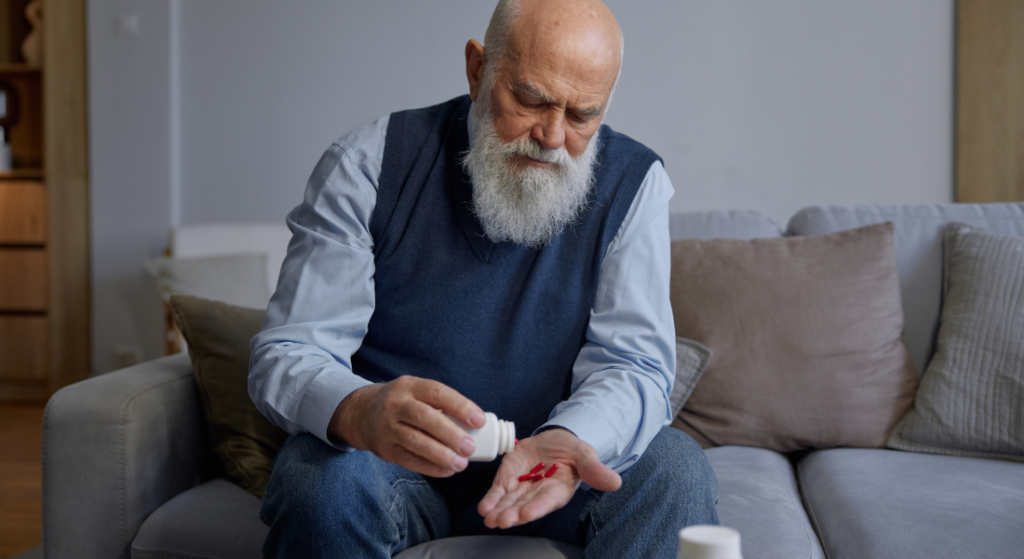
If you have soreness after your prostate biopsy, simple pain relief such as paracetamol may help, provided it is suitable for you. This can make mild discomfort easier to manage while the biopsy area heals.
Follow the medication instructions given by your clinical team, including any advice about medicines you should avoid. If you are unsure which painkiller is suitable for you, ask your healthcare team before taking it.
When Can You Return to Work?
When you can return to work after a prostate biopsy depends on how you feel and how physically demanding your job is. Some men can resume lighter duties quickly, while jobs involving lifting, prolonged standing or strenuous activity may require a longer recovery period.
- Desk-Based Work: You may be able to return to a non-physical job relatively quickly if you feel comfortable and well enough.
- Physical Work: Jobs involving heavy lifting or strenuous activity may require more time away to avoid increasing pain or bleeding.
- Monitor Your Symptoms: Persistent soreness, bleeding or urinary discomfort may mean you need additional recovery time before returning.
- Follow Your Clinic’s Advice: Your hospital’s specific instructions should take priority because restrictions can vary according to your procedure and recovery.
You should avoid pushing yourself to return before you feel ready, particularly if your work places physical pressure on the biopsy area. A gradual return can help you resume your usual routine without unnecessarily aggravating your symptoms.
When Can You Exercise Again?
You should avoid strenuous exercise immediately after your prostate biopsy because it may increase discomfort or bleeding. Many NHS services recommend avoiding heavy physical activity for around 48 hours, although you may be advised to wait longer depending on your biopsy and recovery.
You can gradually return to your usual exercise once you feel comfortable and your clinical team has advised that it is safe. If exercise causes pain or bleeding, stop and allow yourself more time to recover.
How Long Can Blood Stay in Your Urine?
After a prostate biopsy, you may notice a small amount of blood in your urine. This is common and can sometimes continue for several days, with some NHS guidance noting that it may last for up to around two weeks.
The bleeding should gradually reduce as you recover rather than become heavier. If you notice heavy or persistent bleeding, large blood clots or other concerning symptoms, contact your healthcare team for advice.
How Long Can Blood Stay in Your Semen?
After a prostate biopsy, you may notice blood in your semen for longer than you expect. Your semen may appear red, brown, or rust-coloured, and this can sometimes continue for several weeks or, less commonly, a few months.
- Red or Pink Semen: You may initially notice fresh blood making your semen appear red or pink.
- Brown or Rust-Coloured Semen: As the blood gets older and clears, your semen may become brown or rust-coloured.
- Can Last Several Weeks: Blood in your semen often takes longer to disappear than blood in your urine and may persist for several weeks.
- Occasionally Lasts Longer: In some men, blood in the semen can continue for a few months before returning to its usual appearance.
Blood in your semen after a prostate biopsy is usually temporary and does not necessarily mean that something is wrong. If you are concerned about persistent bleeding or develop other symptoms, speak to your healthcare professional for advice.
Is Bruising Normal?
Yes. If you have a transperineal prostate biopsy, you may notice some bruising around your perineum. The area may also feel tender or sore where the biopsy needles passed through the skin.
The bruising should gradually fade as the small needle-entry sites heal. If the bruising becomes severe, spreads significantly or is accompanied by increasing pain or swelling, contact your healthcare team for advice.
When Can You Start Cycling?

Cycling puts direct pressure on your perineum, where the biopsy needles passed through during a transperineal procedure. You may therefore need to avoid cycling during the initial recovery period, particularly while you still have soreness or bleeding.
Follow the specific advice given by the team that performed your biopsy. If you still have soreness or bleeding, it is sensible to wait until these symptoms have settled before cycling.
Can Passing Urine Feel Uncomfortable?
After a prostate biopsy, you may notice mild stinging or discomfort when you pass urine. This can last for a few days while temporary inflammation around your prostate and urinary tract settles.
The discomfort should gradually improve as you recover. If it becomes severe, gets worse or is accompanied by a fever or difficulty passing urine, contact your healthcare team promptly.
When Can You Have Sex Again?
After a prostate biopsy, advice about sexual activity varies between centres. Some guidance allows you to have sex or masturbate once you feel comfortable, while other centres recommend waiting until significant bleeding or discomfort has settled. Follow the specific instructions given by your clinical team. If you receive anal sex, Prostate Cancer UK advises waiting about two weeks, or until any pain or discomfort from the biopsy has settled, before having anal sex again.
You may notice blood in your semen when you first have sex or masturbate after the biopsy. This can remain visible for several weeks and does not necessarily mean there is a problem.
When Can You Drive?
When you can drive depends on the type of anaesthetic you received and your recovery. If you had sedation, UCLH advises that you should not drive for 24 hours, while the advice may differ after a local anaesthetic.
You should only drive when you feel fully alert and can safely control your vehicle. Always follow the specific driving advice given by your hospital or clinical team.
Can You Have Difficulty Passing Urine?
Yes, you may find it harder to pass urine after a prostate biopsy because temporary swelling can affect urine flow. You may notice a weaker stream, increased difficulty starting or a feeling that your bladder has not emptied fully.
If you suddenly cannot pass urine at all, you should seek prompt medical assessment. You may need a catheter temporarily to help your bladder empty safely.
What Signs Could Suggest an Infection?
You may notice burning when passing urine, increased urinary frequency, cloudy or strong-smelling urine or a fever if an infection develops after a prostate biopsy. You may also experience shivering or feel generally unwell.
Serious infection is uncommon, but you should seek prompt medical advice if you develop these symptoms. Early assessment allows you to receive appropriate treatment if an infection is confirmed.
Evidence Note
Modern prostate biopsies are increasingly performed through the perineal skin rather than passing the biopsy needle through the rectum. One important advantage is a lower risk of serious infection, although infection has not been eliminated completely.
BAUS identifies bleeding and temporary reduction in urinary flow among the common effects of transperineal biopsy, while current UCLH guidance estimates infection at around 1 in 100 and sepsis as very rare. Your individual risk and recovery can also vary with the number of samples taken, prostate size, anaesthetic and medical history.
How Much Should You Drink?

After a transperineal prostate biopsy, your hospital may advise you to drink plenty of fluids while you recover. For example, UCLH recommends around eight glasses of water each day for the first two days.
Drinking enough can help you stay hydrated and keep your urine flowing while mild bleeding settles. If you have been given a fluid restriction for another medical condition, follow the advice from your healthcare team instead.
When Should You Seek Urgent Medical Advice?
You should seek urgent medical advice if you develop heavy bleeding, large blood clots, cannot pass urine, develop a fever or shivering, or feel significantly unwell. These symptoms are not usually part of a straightforward recovery and may need prompt assessment.
If you are arranging a specialist prostate biopsy in London, you can ask your clinical team for clear recovery advice and emergency contact details before leaving the clinic. This helps you know exactly what to do if you develop worrying symptoms.
Myth vs Fact
| Myth | Fact |
| You should feel completely normal the day after a prostate biopsy. | Many men resume light activities quickly, but soreness, bruising and urinary symptoms can remain for several days. |
| Any blood in your urine means something has gone wrong. | Small amounts of urinary bleeding are common after biopsy, although heavy bleeding or large clots require assessment. |
| Blood in the semen should disappear within a few days. | Haematospermia can remain visible for several weeks and occasionally for up to a few months. |
| If your pain is worsening, you should simply wait longer. | Severe or increasing pain is not a normal sign of straightforward recovery and should be discussed with your clinical team. |
| You can exercise normally as soon as you leave hospital. | Heavy exercise is commonly restricted for at least the first 48 hours, although instructions vary between centres. |
| Drinking more fluid will prevent every complication. | Hydration can support recovery but cannot prevent urinary retention, infection or significant bleeding. |
| Infection cannot occur after a transperineal biopsy. | The risk is lower than with older transrectal approaches but infection and sepsis can still occur. |
| Being unable to pass urine is an expected side effect that can wait. | Complete urinary retention requires urgent assessment and may need temporary catheterisation. |
When Will You Receive Your Results?

Your physical recovery may be mostly complete before you receive your biopsy results. You may receive your pathology results within one to two weeks, although the exact timing can vary between hospitals.
Your results will show whether cancer cells were found in the biopsy samples. If cancer is detected, the pathology report can also provide important information about its characteristics and help your specialist discuss the next steps with you.
Key Takeaways
- Transperineal prostate biopsy is commonly performed as a day-case procedure, although discharge arrangements vary with the anaesthetic and individual recovery.
- Mild perineal discomfort and urinary stinging commonly improve over several days.
- Perineal bruising can remain visible for a few weeks even after soreness improves.
- Small amounts of blood in the urine are common, but duration varies between centres; heavy bleeding or large clots need assessment.
- Blood in semen commonly lasts several weeks and can occasionally remain visible for a few months.
- Heavy physical activity is commonly restricted during the first couple of days, but return to exercise and cycling should follow your clinic’s instructions.
- Driving advice depends on the anaesthetic; UCLH advises no driving for 24 hours after sedation.
- Acute inability to pass urine requires urgent assessment and may occur even after you have returned home.
- Fever, shivering, severe or worsening pain, feeling significantly unwell, heavy bleeding or blood clots require prompt medical attention.
- Your own discharge instructions take priority over general online recovery timelines because biopsy technique, anaesthetic, medicines and individual risks differ.
Frequently Asked Questions
1. How long does it take to recover from a prostate biopsy?
Most men can return to light everyday activities fairly quickly after a transperineal prostate biopsy. Soreness, bruising and mild urinary discomfort usually settle within a few days, although blood in the semen can remain visible for several weeks.
2. Can you go home on the same day as a prostate biopsy?
Yes. A transperineal prostate biopsy is commonly performed as a day-case procedure, so you can usually go home once you are able to pass urine normally and your clinical team is satisfied with your recovery.
3. How long does soreness last after a prostate biopsy?
Tenderness or a dull ache around the perineum commonly lasts for a few days. Bruising can also occur where the biopsy needles entered and should gradually improve as the area heals.
4. When can you return to work after a prostate biopsy?
This depends on your job and how you feel after the procedure. You may be able to return to non-physical work relatively quickly if you feel well enough, while physically demanding work may require a longer break.
5. When can you exercise after a prostate biopsy?
You should avoid strenuous exercise immediately after the biopsy because it may increase bleeding. Several NHS services recommend avoiding heavy physical activity for around 48 hours, although your own clinic may advise a different recovery period.
6. How long should you wait before cycling?
Cycling can put direct pressure on your perineum, where the biopsy needles pass through during a transperineal procedure. You may need to avoid it during the initial recovery period and follow your clinic’s advice, particularly if you still have soreness or bleeding.
7. How long can you have blood in your urine or semen?
A small amount of blood in your urine may last for several days and sometimes up to around two weeks. Blood in your semen can last considerably longer and may remain visible for several weeks or, in some cases, a few months.
8. When can you have sex after a prostate biopsy?
You can generally resume sexual activity once you feel comfortable, although some services recommend waiting until bleeding or discomfort has settled. If you receive anal sex, Prostate Cancer UK advises waiting about two weeks, or until pain or discomfort from the biopsy has settled. You may still notice blood in your semen for several weeks afterwards, which is a common temporary effect after biopsy.
9. Can you have difficulty passing urine after a prostate biopsy?
Yes. Temporary swelling of the prostate can occasionally make it difficult to pass urine. If you suddenly cannot urinate, seek prompt medical assessment because a catheter may be needed until the swelling improves.
10. When should you seek medical help after a prostate biopsy?
Contact your medical team urgently if you develop heavy bleeding, significant blood clots, are unable to pass urine, develop a fever or shivering, or feel significantly unwell. These symptoms may indicate a complication such as infection or urinary obstruction and should not be ignored.
Final Thoughts: Recovering After a Prostate Biopsy
Recovery after a prostate biopsy is usually straightforward, with most men returning to light activities within a short time. Temporary soreness, bruising, urinary discomfort and blood in the urine or semen can occur as your prostate and surrounding tissues heal, but these effects should gradually improve.
If you are considering a prostate biopsy in London or need advice about recovery after your procedure, speaking with one of our experienced specialists can help you understand what to expect. With appropriate preparation, clear aftercare advice and prompt medical attention if concerning symptoms develop, you can approach your recovery with greater confidence and peace of mind.
References:
- British Association of Urological Surgeons (2024) ‘Transperineal prostate biopsies’. BAUS Patient Information. Available at: https://www.baus.org.uk/patients/information_leaflets/112/transperineal_prostate_biopsies
- University College London Hospitals NHS Foundation Trust (2025) ‘Transperineal biopsy of the prostate’. UCLH. Available at: https://www.uclh.nhs.uk/patients-and-visitors/patient-information-pages/transperineal-biopsy-prostate
- Frimley Health NHS Foundation Trust (2026) ‘Transperineal prostate biopsy’. Frimley Health NHS Foundation Trust. Available at: https://www.fhft.nhs.uk/patients-and-visitors/patient-information-library/transperineal-prostate-biopsy
- University Hospitals Plymouth NHS Trust (2025) ‘Local anaesthetic transperineal biopsy of the prostate’. University Hospitals Plymouth NHS Trust. Available at: https://www.plymouthhospitals.nhs.uk/display-pil/pil-local-anaesthetic-transperineal-biopsy-of-the-prostate-8622/
- Prostate Cancer UK (2025) ‘Prostate biopsy’. Prostate Cancer UK. Available at: https://prostatecanceruk.org/prostate-information-and-support/prostate-tests/prostate-biopsy