




You may worry that a prostate biopsy will be very painful, but your experience can vary. Many men feel mainly pressure or mild discomfort, although some parts of the procedure may cause brief pain.
Local anaesthetic is commonly used during transperineal biopsies to reduce discomfort. Knowing what to expect can help you feel more prepared and understand which sensations are normal during the procedure.
Does a Prostate Biopsy Hurt?
If you have a prostate biopsy, you may experience discomfort or pain, but the intensity varies between people and at different stages of the procedure. Some men mainly notice pressure or mild discomfort, while others find parts of the biopsy more painful.
Your experience can depend on the biopsy technique, the type of anaesthetic used and your individual sensitivity. If you are uncomfortable during the procedure, tell your clinical team so they can help you stay as comfortable as possible.
What Happens Before the Biopsy Begins?
Before your biopsy begins, your healthcare team will explain the procedure and help you get into the correct position. You will also have an opportunity to ask questions if you are unsure about any part of the process.
An ultrasound probe is then gently placed into your rectum so your doctor can see your prostate. Gel is used to make insertion easier, although you may still notice some pressure as the probe is positioned.
What Does the Local Anaesthetic Feel Like?
If you have a prostate biopsy under local anaesthetic, you may feel a brief sharp or stinging sensation when the anaesthetic is injected. This usually lasts only a short time, and the area should become numb as the anaesthetic takes effect.
- Brief Stinging Sensation: You may feel a short-lived sharp or stinging sensation when the local anaesthetic is injected.
- Numbness: As the anaesthetic starts working, your perineum and the area around your prostate should become much less sensitive.
- Pressure or Movement: You may still notice some pressure, movement, or a sensation of the biopsy being performed even though the area is numb.
- Let Your Doctor Know: If you feel significant pain during the procedure, tell your healthcare professional so they can check the anaesthetic and make you more comfortable.
Although you may still be aware of some sensations during the biopsy, local anaesthetic is used to reduce pain and make the procedure more comfortable for you.
Research Insight
Research suggests that the local anaesthetic injection can be one of the more uncomfortable parts of a transperineal biopsy. Pain varies considerably between individuals and according to the anaesthetic technique used, so you should tell your clinical team if you experience significant discomfort rather than assuming you need to tolerate it.
Which Type of Biopsy Is Commonly Used?

If you need a prostate biopsy, your specialist may recommend a transperineal approach, which takes samples through the skin between your scrotum and anus. The transperineal approach is an established option in UK prostate biopsy practice and can often be performed as an outpatient procedure.
| Biopsy & Pain Aspect | What You May Feel | Pain Relief | What to Expect |
| Local Anaesthetic | Brief stinging, then numbness | Local anaesthetic | Pressure may still be felt |
| Ultrasound Probe | Pressure or mild discomfort | Lubricating gel | Probe guides the biopsy |
| Biopsy Samples | Brief pressure or sharp sensation | Numbed area | Several samples may be taken |
| After the Biopsy | Mild soreness or bruising | Simple pain relief, if suitable | Usually improves over a few days |
You will usually have a local anaesthetic to numb the area before the biopsy. Your healthcare team will explain the procedure and discuss the most suitable approach for you.
Why Can You Still Feel Pressure When the Area Is Numb?
Local anaesthetic is designed to reduce pain, but you may still notice pressure or movement during your biopsy. Feeling these sensations does not necessarily mean that the anaesthetic has stopped working.
You may become more aware of pressure when the ultrasound probe is moved or when samples are taken. If a sensation becomes painful rather than simply uncomfortable, you should tell your clinical team.
What Does the Ultrasound Probe Feel Like?
If you have a transperineal prostate biopsy, an ultrasound probe will be inserted into your rectum to help your doctor see your prostate. You may feel some pressure or discomfort as the probe is positioned, but lubricating gel is used to make insertion easier.
The probe remains in place while your doctor guides the biopsy needles and collects tissue samples. If you feel significant discomfort, let your clinical team know so they can help you stay as comfortable as possible.
Are Multiple Samples Taken?
If you have a prostate biopsy, your doctor will usually take several small tissue samples from different areas of your prostate. This helps your healthcare team examine suspicious areas as well as other relevant parts of the gland.
The number of samples can vary depending on your MRI findings, prostate size and the biopsy technique being used. Your specialist will explain what to expect before your procedure.
Does Each Sample Hurt?
If you have a prostate biopsy under local anaesthetic, you may notice the clicking sound and pressure of each sample more than actual pain. Once the anaesthetic is working, most of the area should be well numbed.
Your experience can still vary, and you may feel a brief sharp sensation during some samples. If you feel uncomfortable or the pain is more than you expected, tell your clinical team.
How Long Does the Discomfort Last?
Most of the sensations you notice during a prostate biopsy occur only while a particular part of the procedure is being performed. For example, the anaesthetic injection may sting briefly, while individual biopsy samples may cause short periods of pressure.
The procedure is usually short, although the exact time can vary between centres. UCLH advises that a transperineal prostate biopsy usually takes around 20 to 30 minutes.
What If the Biopsy Becomes Too Painful?
If your prostate biopsy becomes too painful, tell your doctor or clinical team straight away. You do not need to silently tolerate significant pain, and the team can pause the procedure and assess your discomfort.
If the biopsy cannot be completed comfortably under local anaesthetic, your specialist may discuss a different anaesthetic approach. Your comfort and safety should be considered throughout the procedure.
Who Might Need a General Anaesthetic?
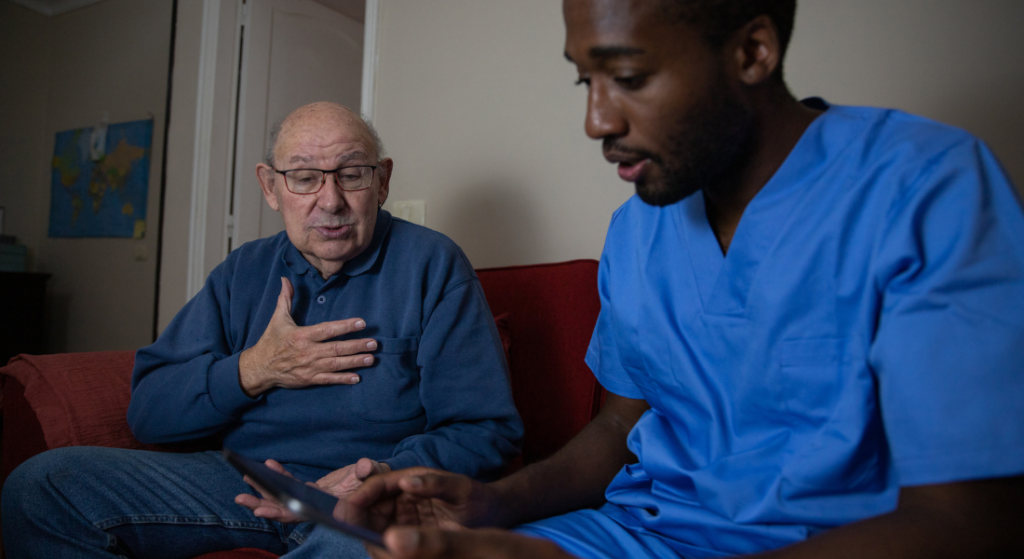
If you are having a prostate biopsy, the choice of anaesthetic will depend on your individual circumstances. Your previous experience with procedures, the type and extent of biopsy needed and whether you can comfortably tolerate an outpatient procedure may all be considered.
Your urologist will discuss the available options with you before the biopsy. They can explain the benefits and risks of each approach and recommend the most suitable anaesthetic for you.
Can Sedation Be Used?
If you feel anxious about your prostate biopsy, sedation may be available in some centres or circumstances to help you feel relaxed or drowsy during the procedure. How awake or aware you remain can depend on the type and depth of sedation used.
Your specialist can discuss whether sedation is suitable for you before your biopsy. Availability and the type of sedation offered can vary between hospitals.
Can a Prostate Biopsy Be Done Under General Anaesthetic?
Some transperineal prostate biopsies can be performed under general anaesthesia, in which case you are unconscious during the procedure. A spinal anaesthetic is different because it numbs the lower part of your body while you may remain awake. Sedation may sometimes be given alongside spinal anaesthesia to help you feel more relaxed.
Many transperineal biopsies can be performed under local anaesthetic as an outpatient procedure, while spinal or general anaesthesia may be considered in selected circumstances. Your healthcare team will discuss the most suitable option with you beforehand.
Will You Feel Sore Afterwards?
After a transperineal prostate biopsy, you may notice some soreness, bruising or tenderness around your perineum. This is usually mild and should gradually improve over the next few days.
You may also notice some discomfort when sitting or moving around. If your pain becomes severe, gets worse or does not start to settle, contact your healthcare team for advice.
Can Passing Urine Sting Afterwards?
After a prostate biopsy, you may notice mild stinging or discomfort when you pass urine. This is usually temporary and should settle quickly as you recover from the procedure.
If the pain becomes severe, gets worse or is accompanied by a fever or difficulty passing urine, contact your medical team promptly. These symptoms may need further assessment.
Can Painkillers Help Afterwards?

If you have soreness after your prostate biopsy, simple pain relief such as paracetamol may help, provided it is suitable for you. Your discomfort should usually improve as the biopsy site heals.
Follow the medication advice given by your clinical team, including any instructions about doses or medicines to avoid. Do not take additional medicines without checking if you are unsure whether they are suitable for you.
What Happens When the Local Anaesthetic Wears Off?
As the local anaesthetic wears off, you may become more aware of mild soreness or tenderness around your perineum. You might notice this particularly when you sit down, walk around or change position.
The discomfort should usually become easier over the following days rather than steadily getting worse. Follow the pain-relief advice given by your healthcare team and contact them if your symptoms become severe.
How Well Is a Transperineal Biopsy Tolerated?
If you are having a transperineal biopsy, many procedures can be completed under local anaesthetic without the need for general anaesthesia, although your experience can vary. You may notice pressure, movement or brief discomfort, and some stages of the procedure may feel more uncomfortable than others.
Your clinical team should explain what you are likely to feel and discuss the available pain-relief or anaesthetic options with you beforehand. If you experience significant discomfort during the biopsy, let them know rather than feeling that you need to tolerate it.
Can Anxiety Make the Procedure Feel Worse?
If you feel anxious before your prostate biopsy, you may become more aware of discomfort or tense your muscles during the procedure. It is completely reasonable to tell your clinical team if you are particularly nervous.
Knowing what will happen, asking questions beforehand and discussing your pain-control options can help you feel more prepared. Your team can also explain what you are likely to feel at each stage of the biopsy.
Can You Go Home the Same Day?

Many transperineal biopsies performed under local anaesthetic are outpatient procedures, so you can usually go home the same day once you can pass urine normally. If you have sedation, you may need additional observation and someone to take you home.
Before you leave, your healthcare team will explain what you may notice during recovery and when you should seek medical advice. You should follow the discharge instructions given by your biopsy centre, as these may vary depending on the anaesthetic used.
How Can You Prepare for a More Comfortable Biopsy?
Before your prostate biopsy, follow your clinic’s instructions about medicines, food, fluids and when to arrive. It can also help to ask whether you will have local anaesthetic, sedation or general anaesthetic so you know what to expect.
If you are considering specialist prostate biopsy services in London, you can discuss the biopsy approach and pain-relief options with your specialist during your consultation. Let your clinical team know about any concerns you have so they can help you prepare.
When Is Pain After a Biopsy Concerning?
After your prostate biopsy, mild soreness should gradually improve over the following days. Contact your healthcare team if your pain becomes severe, gets worse or does not settle as expected.
If you become confused, develop severe breathing difficulty or become severely unwell, call 999 for emergency medical help. These symptoms may indicate a complication that needs assessment.
Key Takeaways
- Prostate biopsy pain varies between individuals.
- Local anaesthetic is commonly used for transperineal biopsy.
- The anaesthetic injection itself may briefly sting.
- You may still feel pressure despite the area being numb.
- You should report significant pain during the procedure.
- Soreness afterwards is usually temporary.
- Severe or worsening pain, fever, urinary retention or heavy bleeding require prompt medical assessment.
Frequently Asked Questions
1. Does a prostate biopsy hurt?
A prostate biopsy can cause some discomfort, but it should not normally involve severe continuous pain. Many men experience only mild discomfort, although individual experiences vary depending on the biopsy technique, anaesthetic and personal sensitivity.
2. What does the local anaesthetic feel like?
You may feel a brief sharp or stinging sensation when the local anaesthetic is injected. It then numbs the perineal tissues and the area around the prostate to reduce pain during the biopsy.
3. Will you feel anything during the biopsy?
You may still notice pressure, movement or brief sensations even when the area is numb. Some men mainly notice the pressure and clicking sound of the biopsy device rather than significant pain.
4. Does taking each biopsy sample hurt?
You may feel a brief sharp sensation when the needle takes a tissue sample, although local anaesthetic should reduce the discomfort. The experience varies from person to person, and some men may feel sharper sensations than others.
5. What does the ultrasound probe feel like?
The ultrasound probe is gently inserted into your rectum to allow your doctor to see the prostate and guide the biopsy. You may notice some pressure or discomfort, although lubricating gel is used to make insertion easier.
6. What if the biopsy becomes too painful?
Tell your doctor or clinical team if you are experiencing significant pain. They can pause the procedure, assess the cause of your discomfort and discuss whether additional pain relief or a different anaesthetic approach is appropriate.
7. Can you have sedation or general anaesthetic for a prostate biopsy?
Yes. Although many transperineal biopsies are performed under local anaesthetic, sedation, spinal anaesthesia or general anaesthesia may be used in selected circumstances. Your urologist can discuss which option is most suitable for you.
8. Will you be sore after a prostate biopsy?
You may experience some soreness, bruising or tenderness around the perineum after a transperineal biopsy. This usually settles over the following few days, although you should contact your medical team if the discomfort becomes severe or continues to worsen.
9. Can it hurt when you urinate after a biopsy?
Mild stinging or discomfort when passing urine can occur temporarily after a prostate biopsy. Contact your healthcare team if urinary pain is severe, worsening or accompanied by fever or difficulty passing urine.
10. When is pain after a prostate biopsy concerning?
Mild soreness should gradually improve rather than become worse. Seek prompt medical advice if you develop severe or worsening pain, fever, shivering, difficulty passing urine, heavy bleeding or feel significantly unwell after the procedure.
Final Thoughts: Understanding Prostate Biopsy Discomfort
A prostate biopsy can cause some discomfort or brief pain, but the experience varies considerably between individuals. Local anaesthetic is commonly used for transperineal biopsy, while sedation or other forms of anaesthesia may be considered in selected circumstances. Knowing what to expect and discussing your pain-control options beforehand can also help you feel better prepared for the procedure.
If you are considering a prostate biopsy in London, our team at Prostate Clinic London can explain how the biopsy is performed, discuss the available anaesthetic options and let you know what to expect during recovery. A consultation can also help you understand how discomfort is managed before, during and after the procedure.
References:
- Adans-Dester, G. et al. (2025) ‘Transperineal Prostate Biopsy Under Local Anaesthesia, Tolerability, and Functional Outcomes: A Prospective, Monocentric, and Single-Operator Study’, Journal of Clinical Medicine. Available at: https://www.mdpi.com/2077-0383/14/12/4377
- Wang, S.T-L. et al. (2024) ‘Tolerability of Transperineal Prostate Biopsy Under Local Anaesthetic Using Pre-Emptive Over-the-Counter Analgesia: An Interventional Study in Patients with Abnormal Clinical Prostate Findings’, Société Internationale d’Urologie Journal. Available at: https://www.mdpi.com/2563-6499/5/6/65
- Hong, A. et al. (2022) ‘Outpatient transperineal prostate biopsy under local anaesthesia is safe, well tolerated and feasible’, ANZ Journal of Surgery. Available at: https://pmc.ncbi.nlm.nih.gov/articles/PMC9314011/
- Mac Curtain, B.M. et al. (2025) ‘Transperineal prostate biopsy with freehand technique under local anaesthetic: A systematic review and meta-analysis’, BJUI Compass. Available at: https://pmc.ncbi.nlm.nih.gov/articles/PMC11977404/
- Stefanova, V. et al. (2019) ‘Transperineal Prostate Biopsies Using Local Anesthesia: Experience with 1,287 Patients. Prostate Cancer Detection Rate, Complications and Patient Tolerability’, The Journal of Urology. Available at: https://pubmed.ncbi.nlm.nih.gov/30835607/
- Walia, A. et al. (2026) ‘Painless Transperineal MRI/US Fusion Prostate Biopsy: Reality or Myth? The T-PAIN (Transperineal Prostate-Analgesic Innovation) Study’, Journal of Endourology. Available at: https://pubmed.ncbi.nlm.nih.gov/42159173/
- Berquin, C. et al. (2023) ‘Transperineal vs. transrectal prostate biopsies under local anesthesia: A prospective cohort study on patient tolerability and complication rates’, Urologic Oncology. Available at: https://www.sciencedirect.com/science/article/pii/S1078143923001953
- Myrga, J.M. et al. (2023) ‘Patient Reported Outcomes of Transperineal Prostate Biopsy With Tumescent Local Anesthesia’, Urology. Available at: https://www.sciencedirect.com/science/article/abs/pii/S0090429523008038
- National Institute for Health and Care Excellence (2023) Transperineal biopsy for diagnosing prostate cancer. HealthTech guidance HTG680. Available at: https://www.nice.org.uk/guidance/htg680
- University College London Hospitals NHS Foundation Trust (2025) Transperineal biopsy of the prostate. Available at: https://www.uclh.nhs.uk/patients-and-visitors/patient-information-pages/transperineal-biopsy-prostate