




A prostate cancer grade may appear to change after a repeat biopsy, specialist pathology review or radical prostatectomy. A higher result is called upgrading, while a lower result is called downgrading.
This difference does not necessarily mean that the cancer has biologically changed. It may reflect sampling of a different area, examination of more tissue or variation in how borderline microscopic growth patterns are interpreted.
What Does Prostate Cancer Grade Mean?
Your prostate cancer grade describes the microscopic growth patterns found in the cancer tissue. A higher Grade Group generally indicates patterns associated with a greater risk of growth, spread or recurrence.
Your specialist considers the grade alongside your PSA level, clinical stage, imaging, cancer extent and other findings. The Grade Group alone cannot predict exactly how your cancer will behave or determine which treatment is most appropriate.
How Is the Grade Determined?
A pathologist determines the grade by examining prostate tissue collected during a biopsy or surgery. The microscopic growth patterns are used to calculate a Gleason score and assign a Grade Group from 1 to 5.
A biopsy samples selected areas of the prostate and therefore provides an estimate of the cancer’s overall grade. The result is interpreted alongside your PSA level, clinical stage, MRI and other clinical findings.
What Is Grade Upgrading?
Grade upgrading means that a later examination of your prostate tissue finds a higher Grade Group than your original biopsy. For example, your Grade Group 1 result may become Grade Group 2 or 3 after further testing.
This can change your estimated risk because the later assessment has identified higher-grade microscopic patterns than were reported originally. Your treatment recommendations may also change based on the updated findings.
What Is Grade Downgrading?

Grade downgrading occurs when a repeat biopsy, specialist pathology review or radical prostatectomy specimen is assigned a lower Grade Group than the original biopsy. For example, a biopsy reported as Grade Group 3 may be classified as Grade Group 2 when more tissue is examined.
Downgrading does not necessarily mean that the cancer has biologically become less aggressive. The original biopsy may have sampled a small higher-grade area, or differences in tissue sampling and pathological interpretation may explain the change.
Reclassification and Progression Are Different
Reclassification means that later testing provides a different or more complete assessment of cancer that may already have been present. This may happen when a repeat biopsy samples an area missed initially, a specialist reviews borderline pathology or the whole prostate is examined after surgery.
Biological progression means that the cancer develops more aggressive features over time. However, when a later biopsy shows a higher Grade Group, it may be difficult to determine whether this represents true progression or higher-grade cancer that was present but not captured by the original biopsy.
Does Upgrading Mean the Cancer Suddenly Became Aggressive?
Not necessarily. A higher-grade area may have already been present in your prostate but was not collected in your original biopsy sample.
Your biopsy only examines selected areas of your prostate rather than the entire gland. A later result may therefore provide a more complete picture of your cancer rather than showing a sudden change in its behaviour.
Can the Cancer Truly Progress?
Prostate cancer may develop more aggressive features over time, particularly during long periods of monitoring. However, a higher Grade Group on repeat biopsy does not by itself prove that biological progression has occurred.
The higher-grade pattern may have been present but missed during the original biopsy. Your medical team will compare the new pathology with your PSA trend, MRI findings, cancer extent and previous biopsy results before deciding what the change means.
Understanding Possible Cancer Progression

| Aspect | What It Means | Possible Explanation | How Doctors Assess It |
| True cancer progression | Cancer develops more aggressive features over time | Some prostate cancers can become more aggressive during monitoring | Reviewed through changes in PSA, MRI and biopsy findings |
| Higher Grade Group later | A repeat biopsy reports a higher grade than before | May reflect biological progression or previously unsampled higher-grade cancer | Compared with earlier pathology, PSA trends, MRI findings and cancer extent |
| Missed higher-grade cancer | More aggressive cancer may not have been sampled initially | Initial biopsy may not capture every area of the prostate | MRI findings and repeat biopsies help provide more information |
| PSA changes | PSA levels may rise during follow-up | Can indicate changes that need further assessment | Interpreted alongside other clinical findings |
| MRI changes | Imaging may show new or growing suspicious areas | Provides information about possible tumour changes | Helps guide further investigation |
| Overall assessment | No single result confirms progression alone | Doctors combine multiple sources of information | Supports a more accurate understanding of cancer behaviour |
Why Can a Biopsy Miss Higher-Grade Cancer?
Your prostate cancer may not be evenly distributed throughout your gland. Different areas of your prostate can contain different Gleason patterns or Grade Groups.
A biopsy may collect tissue from a lower-grade area while missing a region containing Gleason pattern 4 or pattern 5. This can lead to a higher Grade Group being found on a later examination.
Does MRI Reduce the Risk of Missing It?
Multiparametric MRI can identify suspicious areas and guide targeted tissue sampling. Combining targeted samples with systematic biopsy may improve the detection of clinically significant cancer compared with relying on non-targeted sampling alone.
MRI and targeted biopsy do not eliminate grading differences. Some higher-grade areas may not be visible on MRI, while targeted sampling may collect a particularly aggressive part of a tumour that represents only a small proportion of the cancer.
Can MRI Show That the Grade Has Changed?
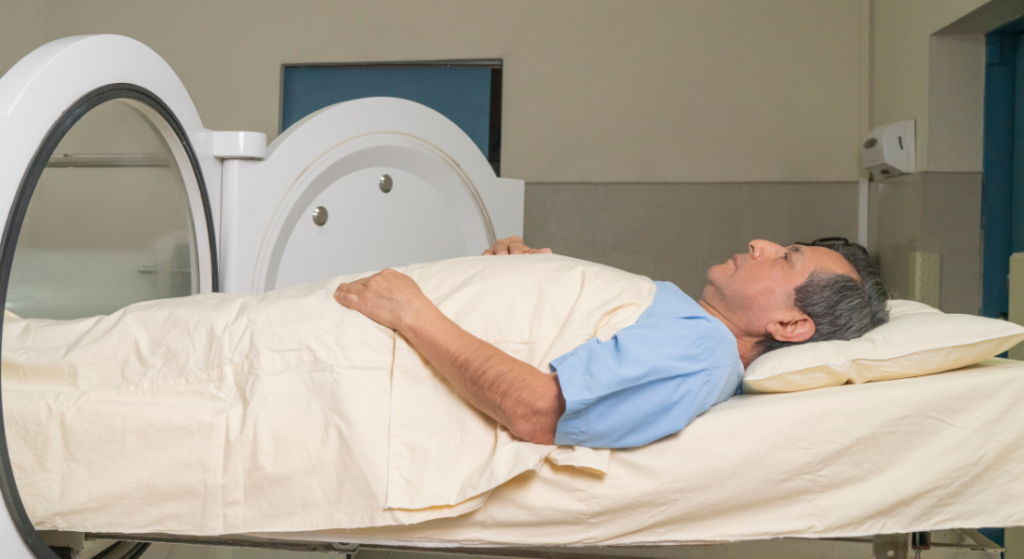
MRI may show changes in the size or appearance of a prostate lesion, but it cannot determine whether the Grade Group has changed. Grade requires microscopic examination of prostate tissue.
Your MRI findings can help your medical team decide whether you need another biopsy. It can also guide them towards areas that may require targeted sampling.
Why May the Grade Change After Surgery?
A prostate biopsy examines only selected tissue samples, whereas radical prostatectomy allows the pathologist to assess the prostate much more extensively. Surgery may therefore reveal cancer patterns that were not captured during the biopsy.
The surgical pathology result is generally a more complete assessment of the cancer’s grade, stage and extent. A different result usually reflects the greater amount of tissue available rather than the cancer suddenly changing between biopsy and surgery.
Is Upgrading After Surgery Common?
Differences between your biopsy grade and surgical grade are recognised in prostate cancer care. Some men are found to have a higher Grade Group after prostatectomy, while others may have a lower Grade Group.
Your individual risk cannot be predicted from average percentages alone. Your biopsy findings, MRI results, PSA level and other clinical factors help estimate your likelihood of upgrading.
Can Different Biopsy Samples Have Different Grades?
Different biopsy samples may contain different Gleason patterns or Grade Groups because prostate cancer can vary within one tumour or between separate tumours in the same prostate. Your pathology report may therefore list several individual findings.
The scores should not simply be averaged, and the highest Grade Group should not always be interpreted without considering how much cancer was present and where it was found. The pathologist and multidisciplinary team use clinical judgement to identify the most appropriate overall result for treatment planning.
Can a Pathology Review Change the Grade?

A specialist uropathology review may change the Gleason score or Grade Group when the distinction between patterns is difficult, when only a small amount of pattern 4 or 5 is present or when unusual features require clarification.
A review may be particularly useful when a small grading difference would change eligibility for active surveillance or affect the choice of treatment. It does not mean that the first pathologist was necessarily careless, as some microscopic patterns involve genuine interpretative difficulty.
What Happens During Active Surveillance?
Your active surveillance programme uses PSA tests, MRI scans, clinical reviews and repeat biopsies when appropriate. These checks help your medical team monitor how your prostate cancer is behaving over time.
- PSA monitoring: Regular PSA tests help track changes that may suggest your cancer is becoming more active
- MRI scans: Imaging can help identify changes within the prostate and guide decisions about further assessment
- Clinical reviews: Your specialist will review your results, symptoms and overall health during follow-up appointments
- Repeat biopsies: Additional tissue samples may be taken when needed to reassess your cancer grade and activity
- Treatment decisions: If significant changes are found, your treatment options can be reviewed while curative treatment may still be possible
The aim of active surveillance is to avoid or delay treatment and its possible side effects while the cancer remains suitable for monitoring. If the results suggest clinically important progression or reclassification, your medical team will reassess whether treatment with curative intent should be offered.
Does a Rising PSA Prove the Grade Has Increased?
No. A rise in your PSA does not prove that your prostate cancer Grade Group has increased. Your PSA can change because of cancer growth, benign prostate enlargement, inflammation or other factors.
A concerning PSA pattern may lead your medical team to arrange another MRI or biopsy. Examination of prostate tissue can establish the Grade Group in the newly sampled tissue, but a different result may still reflect reclassification rather than proven biological progression.
What Does Upgrading Mean for Your Prognosis?
A higher Grade Group generally indicates a greater likelihood of progression, spread or recurrence. However, the effect on your individual prognosis depends on the size of the change and the rest of your clinical findings.
An upgrade does not show that the cancer has already spread. Your specialist will reassess your PSA, clinical stage, imaging, cancer extent and general health before discussing whether monitoring or treatment recommendations should change.
Myth vs Fact
| Myth | Fact |
| A higher grade means the cancer suddenly became aggressive. | A previously missed higher-grade area may have been found. |
| A lower grade means the cancer has improved. | Downgrading may reflect different sampling or pathological interpretation. |
| A biopsy examines the entire prostate. | It samples selected areas and provides an estimate of the overall grade. |
| MRI can confirm that the grade has changed. | MRI can identify suspicious changes, but grading requires tissue examination. |
| A rising PSA proves that the Grade Group has increased. | PSA can change for several reasons and normally leads to further assessment. |
| The highest biopsy score always determines treatment by itself. | Cancer extent, location, PSA, stage, imaging and pathology context are also considered. |
| A surgical grade difference means the biopsy was wrong. | Surgery provides much more tissue and may give a more complete assessment. |
| Pathologists always assign exactly the same grade. | Borderline or complex patterns may be interpreted differently by experienced specialists. |
Key Takeaways
- A biopsy provides an estimate of the prostate cancer grade.
- Different parts of the prostate may contain different cancer patterns.
- Upgrading means that a later tissue assessment shows a higher Grade Group.
- Downgrading means that a later assessment shows a lower Grade Group.
- A changed result may reflect sampling rather than true biological change.
- MRI can guide a biopsy but cannot determine the Grade Group.
- PSA or MRI changes do not prove that the grade has increased.
- Examination of the whole prostate after surgery provides a more complete pathological assessment.
- A specialist pathology review may change the reported grade in selected cases.
- Treatment decisions should consider grade, PSA, stage, imaging and cancer extent together.
Frequently Asked Questions
1. Can a Prostate Cancer Grade Change Over Time?
A prostate cancer grade may appear to change after repeat biopsy, specialist pathology review or surgery. The difference may reflect true progression, more complete tissue sampling or a different interpretation of the microscopic patterns.
2. Does Upgrading Mean the Cancer Suddenly Became More Aggressive?
Not necessarily. A higher-grade area may have already been present in your prostate but was not collected in your original biopsy sample. A later result may provide a more complete picture of your cancer rather than showing a sudden change in its behaviour.
3. Can Prostate Cancer Truly Progress to a Higher Grade?
Prostate cancer may develop more aggressive features over time, but a later higher grade does not prove this has happened. A higher-grade area may already have been present but missed during the original biopsy.
4. Why Can a Biopsy Miss Higher-Grade Prostate Cancer?
Your prostate cancer may not be evenly distributed throughout your gland. Different areas of your prostate can contain different Gleason patterns or Grade Groups, meaning a biopsy may collect tissue from a lower-grade area while missing a higher-grade region.
5. Can MRI Reduce the Risk of Missing Higher-Grade Cancer?
MRI can identify suspicious areas and guide targeted biopsy, which may improve the detection of clinically significant cancer. It cannot detect every higher-grade area or determine the Grade Group without tissue examination.
6. Why May the Grade Change After Prostate Surgery?
Your biopsy examines only small samples of your prostate tissue, while radical prostatectomy allows your pathologist to examine the entire removed prostate. This can reveal cancer patterns that were not included in your original biopsy.
7. Can Different Biopsy Samples Have Different Grades?
Different biopsy samples can show different grades because prostate cancer may vary within the gland. The results should be interpreted according to the amount, location and microscopic appearance of cancer rather than simply being averaged.
8. Can a Pathology Review Change the Prostate Cancer Grade?
A specialist pathology review may change the Grade Group when the distinction between cancer patterns is difficult. Review can be particularly useful when the result would affect eligibility for surveillance or treatment.
9. Does a Rising PSA Prove That the Cancer Grade Has Increased?
No. A rise in your PSA does not prove that your prostate cancer Grade Group has increased. PSA can change because of cancer growth, benign prostate enlargement, inflammation or other factors.
10. What Does Prostate Cancer Grade Upgrading Mean for Your Prognosis?
Upgrading generally indicates a less favourable risk profile, but it does not mean the cancer has spread. Its significance depends on the new Grade Group, PSA, stage, imaging, cancer extent and general health.
Final Thoughts: Prostate Cancer Grade Changes
A prostate cancer Grade Group may differ after repeat biopsy, specialist pathology review or surgery because each assessment examines different tissue or interprets borderline microscopic patterns. A higher or lower result does not necessarily mean that the cancer has suddenly become more or less aggressive, but it may provide a more complete understanding of its likely behaviour.
If you are looking for prostate cancer surgery in London, you can reach out to us to arrange a consultation and receive personalised advice about your diagnosis, treatment choices, and recovery.
References
- Ahdoot, M., Wilbur, A.R., Reese, S.E., Lebastchi, A.H., Mehralivand, S., Gomella, P.T. et al. (2020) ‘MRI-targeted, systematic, and combined biopsy for prostate cancer diagnosis’, The New England Journal of Medicine, 382(10), pp. 917–928. Available at: https://pubmed.ncbi.nlm.nih.gov/32130814/
- Chen, B., Talwar, R., Schwartz, L.E., Terlecki, R.P., Guzzo, T.J. and Kovell, R.C. (2021) ‘Second opinion pathologic review in the management of prostate cancer’, The Canadian Journal of Urology, 28(1), pp. 10530–10535. Available at: https://pubmed.ncbi.nlm.nih.gov/33625343/
- Epstein, J.I., Egevad, L., Amin, M.B., Delahunt, B., Srigley, J.R. and Humphrey, P.A. (2016) ‘The 2014 International Society of Urological Pathology consensus conference on Gleason grading of prostatic carcinoma: definition of grading patterns and proposal for a new grading system’, The American Journal of Surgical Pathology, 40(2), pp. 244–252. Available at: https://pubmed.ncbi.nlm.nih.gov/26492179/
- Goel, S., Shoag, J.E., Gross, M.D., Al Hussein Al Awamlh, B., Robinson, B., Khani, F. et al. (2020) ‘Concordance between biopsy and radical prostatectomy pathology in the era of targeted biopsy: a systematic review and meta-analysis’, European Urology Oncology, 3(1), pp. 10–20. Available at: https://pubmed.ncbi.nlm.nih.gov/31492650/
- Mac Curtain, B.M., Daly, K., Calpin, G. et al. (2025) ‘Reclassification of prostate cancer on first confirmatory prostate biopsy in men under active surveillance: a systematic review and meta-analysis’, Central European Journal of Urology, 78(2), pp. 125–136. Available at: https://pubmed.ncbi.nlm.nih.gov/40873874/
- National Institute for Health and Care Excellence (2019) Prostate cancer: diagnosis and management. NICE guideline NG131. Last updated 15 December 2021 and last reviewed 13 August 2025. Available at: https://www.nice.org.uk/guidance/ng131
- Prostate Cancer UK (2025) MRI scan. Updated June 2025. Available at: https://prostatecanceruk.org/prostate-information-and-support/prostate-tests/mri-scan
- Prostate Cancer UK (2025) Prostate biopsy. Updated June 2025. Available at: https://prostatecanceruk.org/prostate-information-and-support/prostate-tests/prostate-biopsy
- Prostate Cancer UK (2026) Active surveillance. Updated May 2026. Available at: https://prostatecanceruk.org/prostate-information-and-support/treatments/active-surveillance
- Schoots, I.G., Nieboer, D., Giganti, F., Moore, C.M., Bangma, C.H. and Roobol, M.J. (2018) ‘Is magnetic resonance imaging-targeted biopsy a useful addition to systematic confirmatory biopsy in men on active surveillance for low-risk prostate cancer? A systematic review and meta-analysis’, BJU International, 122(6), pp. 946–958. Available at: https://pubmed.ncbi.nlm.nih.gov/29679430/