




Walking is one of the simplest and most helpful activities after robotic prostate surgery. It supports your circulation, reduces stiffness, improves bowel function, and helps you regain confidence after anaesthesia, catheter placement, and time in hospital. Gentle movement can also support your overall recovery.
You are often encouraged to start walking soon after surgery, sometimes while you are still in hospital. Many patients are encouraged to begin walking on the day of surgery or shortly afterwards, depending on their condition and hospital recovery pathway.
There is no fixed walking distance that is suitable for everyone after surgery. You should begin with short, frequent walks and gradually increase the time and distance as your strength improves. Your progress will depend on factors such as your energy levels, pain, catheter comfort, wound healing, and continence. A slow and steady approach is usually the safest way to rebuild activity.
Why Walking Is Encouraged After Surgery
Walking helps you restart normal movement after a major operation. Although robotic surgery uses small incisions, your body has still experienced anaesthesia, pelvic surgery, bladder reconstruction, and catheter placement. These changes mean you need time and gentle activity to recover safely.
Gentle movement activates the muscles in your legs and helps maintain circulation. Sitting upright, walking and completing any recommended breathing exercises may also support your lung recovery after anaesthesia.
Walking also helps you regain independence during recovery. Being able to move safely around the hospital ward and later around your home can improve your confidence. Small steps in activity can become important milestones as you continue healing.
Walking Is Different From Exercise Training
After robotic prostate surgery, you should think of walking as part of your recovery rather than a form of fitness training. The aim is gentle movement to support recovery, not to improve fitness, speed or endurance. Early walking is about supporting healing and preventing too much inactivity.
A slow walk around your room, corridor, home, or garden may be enough during the early days. You do not need to focus on reaching a specific step count straight away. Instead, pay attention to how your body responds and increase gradually when you feel ready.
If you were very active before surgery, it can feel frustrating to reduce your usual exercise level. However, taking a slower approach helps protect deeper healing tissues while keeping your body active. A gradual return is usually safer than trying to regain fitness too quickly.
UK Guidance Note
UK recovery guidance generally encourages patients to begin moving as soon as it is safe after major surgery. Early mobilisation is an important part of enhanced recovery programmes because it helps reduce the effects of prolonged bed rest and supports a gradual return to normal activity.
After robotic prostate surgery, your healthcare team will usually encourage gentle movement while considering factors such as your pain levels, catheter, blood pressure, mobility and overall recovery.
Your walking plan should be personalised rather than based on a fixed target. The aim is to increase activity gradually while allowing your body time to heal.
The First Walk in Hospital
Your first walk will usually happen with support from nursing staff or physiotherapists. They will check that you are alert enough, your blood pressure is stable, your pain is controlled, and your catheter and any other equipment are safe to move with. This helps ensure your first movement is as safe as possible.
You may feel light-headed, weak, bloated, or uncomfortable when you first stand up. These feelings can happen after anaesthesia and major surgery. Your body needs time to adjust after being in bed and undergoing a significant procedure.
You should not rush this stage of recovery. Even a short walk with support is a positive step forward. Taking a few careful steps is still progress and helps your body begin returning to normal movement.
How Much Should You Walk on the First Day?
On the first day after surgery, your walking will usually be brief and supervised. You may be encouraged to sit out of bed, stand, and take a short walk if your care team confirms it is safe. The focus is on getting your body moving gently rather than covering a certain distance.
The aim of early walking is gentle mobilisation, not exercise training. Moving soon after surgery can support recovery, but you should always follow the advice of your clinical team. They will consider your condition, pain levels, catheter, and overall progress.
If you feel dizzy, nauseated, breathless, or unusually weak while walking, you should tell the staff. They can help you rest and decide when it is appropriate to try again. Listening to your body helps you recover safely.
Walking With a Catheter
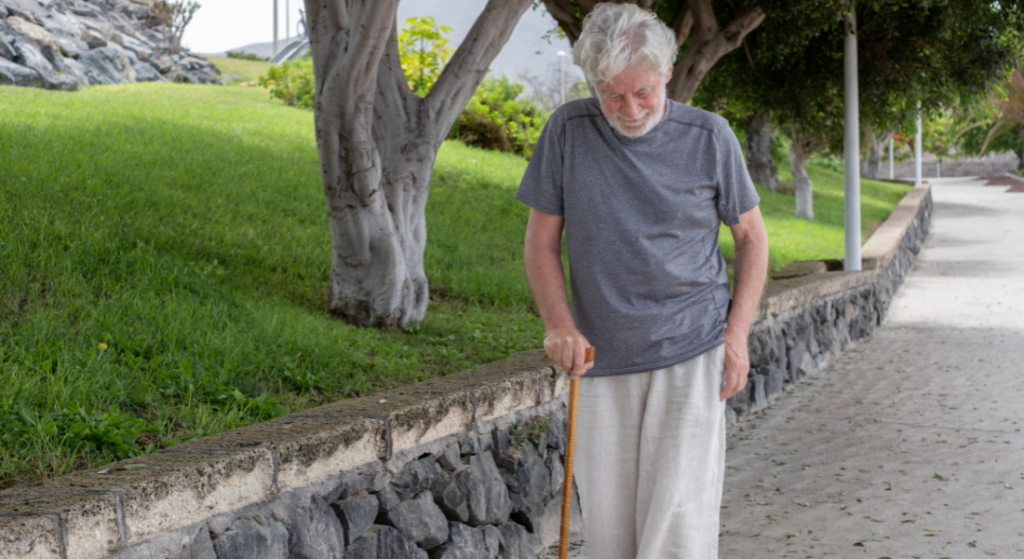
Most men go home with a urinary catheter after robotic prostate surgery. You can usually continue gentle walking, but you need to take care when managing the catheter tubing and drainage bag. Protecting the catheter helps prevent discomfort and allows safer movement during recovery.
Before you leave hospital, your nurse should show you how to secure the catheter and position the drainage bag correctly. The bag should not pull, swing heavily, or become too full while you are walking. Proper support can make movement more comfortable and reduce the risk of accidental tugging.
You should start with short walks while you become familiar with moving around with the catheter. If you feel pulling, discomfort, or pain at the tip of your penis, stop and check that the tubing and bag are positioned properly. Making small adjustments can help you walk more comfortably.
How Much Walking Should You Do in the First Few Days at Home?
In the first few days at home, short and frequent walks are usually the best approach. You can walk around your home every few hours while you are awake and gradually add short outdoor walks when you feel steady. Regular gentle movement is often more helpful than trying to walk for long periods.
You do not need to cover a long distance straight away. Walking for a few minutes several times a day may be more realistic than completing one long walk. Your aim should be to keep your body moving without placing too much demand on your healing tissues.
The right amount of walking should leave you feeling gently active rather than completely exhausted. If you need to sleep for several hours afterwards or notice worsening pain, you may have done too much. Reduce the amount and build up more gradually as your recovery improves.
A Practical Early Walking Pattern
A sensible early walking pattern is to move little and often throughout the day. This may include walking around your home, going to the bathroom, walking to the kitchen, or taking short walks along a hallway or in your garden. These small movements all contribute to your recovery.
As your confidence and strength improve, you can gradually increase your walking time by a few minutes at a time. Small, steady increases are usually safer than suddenly doubling your distance or pushing yourself too hard. Your aim should be consistent progress rather than quick results.
Your recovery may not feel the same every day. Some days you may feel stronger, while others may feel slower because of poor sleep, catheter irritation, bowel changes, or fatigue. Adjust your activity based on how you feel and give your body time to heal.
Should You Count Steps?
Step counts can be motivating, but they can also create unnecessary pressure during recovery. After robotic prostate surgery, your main focus should be healing safely rather than reaching a specific number of steps. Your body needs time to recover from the operation.
If you already use a step counter, you can use it as a gentle guide rather than a strict target. The way you feel is more important than the number shown on your watch or phone. Recovery should be based on your symptoms, comfort, and progress.
A lower number of steps with steady improvement is better than pushing for a high step count and developing problems afterwards. Pain, bleeding, severe fatigue, or catheter discomfort are signs that you may need to reduce activity. Listening to your body helps you recover safely.
When Can You Walk Outside?
Many men can begin short outdoor walks soon after discharge if they feel steady and their catheter is secured properly. It is best to choose flat, familiar routes and avoid crowded areas during the first few outings. This allows you to build confidence while keeping the activity manageable.
Walking with someone during your first outdoor trips can be helpful. This is especially useful if you feel weak, are taking pain medication, or feel unsure about managing the catheter bag outside. Having support can make your first walks feel safer and more comfortable.
In the early stages, you should avoid hills, uneven surfaces, long distances, and extreme weather conditions. The goal is not to test your fitness or walk as far as possible. The priority is safe, comfortable movement while your body continues to heal.
How Walking Helps Bloating and Wind Pain
Robotic prostate surgery uses gas to create space inside your abdomen during the operation. After surgery, you may feel bloated or notice discomfort around your abdomen or shoulder tip as your body gradually absorbs the gas. These symptoms can be uncomfortable but often improve with time.
Walking can help your bowel start working normally again and may ease trapped wind. Gentle movement encourages digestion and can reduce the feeling of bloating during recovery. This is one reason why short walks are often encouraged after robotic surgery.
You may still need time, fluids, and appropriate bowel care while your body heals. If bloating becomes severe or is associated with vomiting, worsening pain, or difficulty passing wind, you should contact your healthcare team. These symptoms may require further advice or assessment.
How Walking Helps Reduce Blood Clot Risk
Walking is an important part of recovery after robotic prostate surgery because it helps improve circulation and reduce the risks linked with staying inactive for too long. Gentle movement encourages blood flow and supports your body’s natural recovery process.
- Supports blood circulation: Walking activates your calf muscles, helping blood move back towards your heart.
- Reduces prolonged inactivity: Regular gentle movement is one part of lowering the risk associated with remaining still for long periods.
- Supports early recovery: Staying mobile may also help reduce stiffness and some chest complications linked with prolonged bed rest.
- Works alongside other measures: You may also need blood-thinning injections, compression stockings or another preventive measure.
- Follow your discharge instructions: Continue any prescribed clot-prevention treatment even when you are walking regularly.
Walking is only one part of preventing blood clots after surgery and does not replace any treatment recommended by your surgical team. Your recovery plan will be tailored to your individual needs to help you regain movement safely.
Evidence Note
Enhanced recovery after surgery programmes commonly include early mobilisation alongside pain management, hydration, nutrition and other elements of postoperative care. Research suggests that these combined programmes may help some patients regain mobility sooner and may support bowel recovery.
However, the available studies do not identify one walking distance, duration or step count that is suitable for every man after robotic prostate surgery. They also do not show that walking alone is responsible for every benefit associated with enhanced recovery.
The most appropriate approach is to begin supported movement when it is clinically safe and increase ordinary walking gradually according to your symptoms, stability and individual discharge plan.
How Walking Supports Lung Recovery

After general anaesthesia, your lungs may be more vulnerable to shallow breathing and chest complications. Spending long periods in bed can reduce natural movement and make it harder to take deep breaths. Sitting upright, practising deep breathing, and walking gently can support your lung recovery.
Walking encourages deeper breathing and helps you gradually return to normal activity after anaesthesia. Combined with breathing exercises and other recovery measures, it can support lung recovery.
You should seek urgent medical advice if you become unusually breathless, develop chest pain, cough up blood, or feel faint. These symptoms should not be assumed to be a normal part of recovery. Prompt assessment is important if you notice concerning changes.
How Walking Helps Bowel Function
Constipation is common after robotic prostate surgery. Factors such as anaesthesia, pain medication, reduced appetite, dehydration, and lower activity levels can slow down your bowel function. This can make you feel uncomfortable during the early stages of recovery.
Walking helps stimulate bowel movement and encourages your digestive system to become active again. Gentle movement can also reduce the discomfort and stiffness that may come from sitting or lying down for long periods. This is another reason why regular short walks are often recommended.
If you become constipated, you should avoid straining when passing stool. Drink fluids as advised, include fibre in your diet if it is suitable for you, and use stool softeners or laxatives only if recommended by your healthcare team. Managing constipation safely can support a smoother recovery.
Walking While You Still Feel Tired
Feeling tired after robotic prostate surgery is very common. Your body is using energy to heal, while factors such as disrupted sleep, catheter discomfort, pain, and changes to your normal routine can also affect your energy levels. Recovery can take time, even if your wounds appear small.
You should still try gentle walking if your healthcare team has advised it is safe. Keep your walks short and manageable rather than pushing yourself to do too much. Several small walks throughout the day are often better than one longer walk that leaves you exhausted.
Rest is an important part of recovery and should be balanced with movement. Walking and resting are not opposites; they work together to help your body heal. Listening to your energy levels can help you stay active without overdoing it.
How Much Walking Is Too Much?
Walking may be too much if it causes worsening abdominal pain, increased pelvic pressure, heavier bleeding, dizziness, severe fatigue, wound pulling, catheter discomfort, or urinary symptoms that do not improve. These signs may mean your body needs more time to recover. It is important to pay attention to how you feel during and after activity.
You should not push through symptoms after major surgery. Recovery walking should feel manageable and should not leave you feeling significantly worse the following day. The aim is to support healing, not challenge your limits.
If symptoms improve after resting, reduce the distance or frequency of your walks and build up more slowly. If symptoms are severe, persist or become worse over time, you should contact your surgical team for advice.
Clinical Tip: Use Your Recovery Response, not a Step Target
A step counter cannot tell you whether your abdominal wall, pelvic tissues or bladder-to-urethra connection are ready for more activity. Check how your body responds during the walk, later the same day and the following morning.
- During the walk: You should be able to breathe comfortably and move without dizziness, sharp pain or significant catheter pulling.
- Immediately afterwards: Mild tiredness may be expected, but pain or pelvic pressure should not continue increasing.
- Later that day: Look for heavier bleeding, worsening leakage, severe fatigue or increased wound discomfort.
- The next morning: You should not feel substantially worse because of the previous day’s walking.
- When symptoms increase: Reduce the duration or frequency and return to the previous comfortable level.
- When warning signs develop: Stop and seek medical advice for heavy bleeding, chest pain, breathlessness, fainting, calf swelling, fever, severe pain or catheter blockage.
The right amount of walking is the amount you can tolerate without developing concerning or progressively worsening symptoms.
What If You See Blood in the Urine After Walking?
A small amount of blood in your urine can occur during recovery after robotic prostate surgery, and increased activity may sometimes make it more noticeable. However, heavy bleeding, blood clots, or urine that becomes increasingly red should not be ignored. Monitoring these changes is important during your recovery.
If your urine becomes more blood-stained after walking, you should stop the activity and rest. Drink fluids if your healthcare team has advised that this is safe for you. If the bleeding settles quickly, it may indicate that you need to reduce your activity level and build up more gradually.
You should seek medical advice if bleeding is heavy, continues to worsen, or occurs with clots, fever, pain, catheter blockage, or feeling unwell. You should not continue walking through bleeding. Taking a break and getting advice when needed helps protect your recovery.
Walking Before Catheter Removal
Before your catheter is removed, walking should remain gentle and controlled. The catheter helps protect the healing join between your bladder and urethra, so you should avoid movements that pull on the tubing or create unnecessary strain. Taking care during this stage supports safer healing.
Short walks are usually encouraged, but activities such as running, deep squats, cycling, gym workouts, heavy lifting, and long-distance walking are generally not suitable at this stage unless your surgical team advises otherwise. Your body is still recovering internally, even if you feel more mobile.
Your main focus should be safe movement, correct catheter care, staying hydrated, managing your bowels, and protecting your wounds. Walking may feel easier after catheter removal, but the deeper surgical tissues are still healing. Continue increasing your activity gradually and follow your team’s restrictions on lifting, cycling, running and structured exercise.
Walking After Catheter Removal
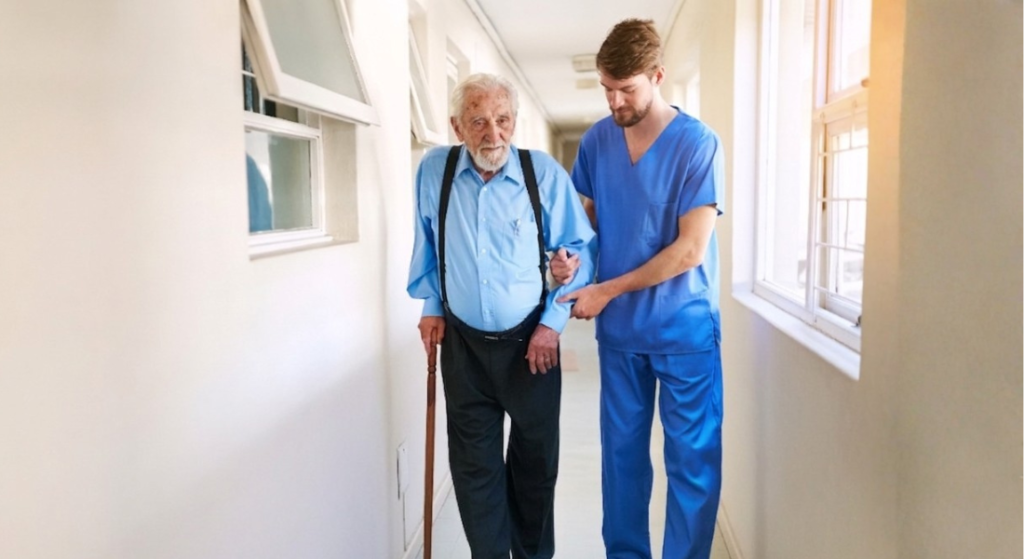
After your catheter is removed, walking often becomes more comfortable, but you may notice urinary leakage during movement. Leakage can occur when you stand, walk, cough, sneeze, or change position. This is a common part of recovery for many men after prostate surgery.
You should not stop walking simply because leakage occurs. Use continence pads if advised and restart pelvic floor exercises when your healthcare team confirms it is safe. Gentle movement remains an important part of rebuilding strength and confidence after surgery.
If walking significantly increases leakage, reduce the intensity and build up more gradually. You do not need to stop all activity, but you may need to adjust your pace. A pelvic health physiotherapist or specialist nurse can provide support if continence recovery feels challenging.
Should You Walk Every Day?
Most men are encouraged to do some gentle walking each day after robotic prostate surgery, unless their healthcare team advises otherwise. Daily movement can support recovery and help you gradually rebuild your strength. UCLH advises including gentle exercise, such as walking, as part of recovery after robotic prostatectomy.
Walking every day does not mean you need to cover the same distance or follow the same routine. Some days you may feel stronger, while other days you may need shorter walks because of tiredness, discomfort, or slower recovery. Adjusting your activity based on how you feel is important.
Consistency is usually more valuable than intensity during recovery. Regular short walks are often better than pushing yourself too hard on one day and needing extra rest afterwards. A steady approach can help you remain active while allowing your body time to heal.
When Can You Increase Distance?
You can usually increase your walking distance when your current level feels comfortable, your pain is well controlled, your wounds are healing, and you are not experiencing worsening bleeding or catheter problems. Your body should feel ready for more activity rather than being pushed into it. Recovery should progress at a pace that feels manageable.
A gentle increase may involve adding a few extra minutes to one walk or including another short walk during the day. Avoid making sudden increases in distance, as doing too much too quickly can lead to discomfort or setbacks. Small improvements over time are usually safer.
If you were very active before surgery, your fitness and confidence may return quickly. However, your internal tissues, pelvic floor, and abdominal areas still need time to heal. Being fit before surgery can help your recovery, but it does not mean your body has healed immediately.
Walking in Week Two
By the second week after robotic prostate surgery, many men can gradually increase their walking, especially once the catheter has been removed. However, recovery is different for everyone, and some men may still need shorter walks due to fatigue, urinary leakage, bladder irritation, or wound discomfort. You should increase activity based on your own progress rather than a fixed timeline.
Some men may feel ready to increase their activity after two weeks, but higher-impact exercise such as jogging is usually introduced later and only when healing has progressed and the surgical team confirms it is appropriate.
For many men, steady walking remains the most suitable form of exercise at this stage. If walking still feels challenging, you do not need to move on to jogging or more demanding activities. Continuing with comfortable, regular walks can still support your recovery and help rebuild your strength.
Walking in Weeks Three and Four
During weeks three and four after robotic prostate surgery, walking often becomes easier and more comfortable. You may be able to spend longer periods outdoors, manage stairs with greater confidence, and return to more light daily activities. Your progress should still depend on how your body is healing.
This stage is usually not the time for heavy lifting or vigorous exercise unless your surgical team has confirmed it is safe. Walking remains a lower-impact way to stay active while your internal tissues continue to recover. Sudden increases in activity can place unnecessary strain on healing areas.
If your recovery is progressing well, you can gradually increase your walking pace and distance. However, if you notice worsening pain, increased leakage, or significant fatigue, reduce your activity for a few days and allow your body more time to adjust. Recovery is not always a straight line, and small setbacks can happen.
Recommended Walking Progression After Robotic Prostate Surgery
| Time After Surgery | Typical Walking Goals | Key Considerations |
| Day 0 to 1 (Hospital) | Short supervised walks around ward | Nurse/physio support, watch for dizziness, pain, catheter safety |
| Days 2 to 3 (Hospital/Home) | Short frequent walks indoors, 3–5 minutes at a time | Avoid overexertion, listen to your body, manage catheter/tubing |
| Days 4 to 7 (Home) | Gentle walks around home or garden | Focus on comfort, increase duration gradually, prevent stiffness |
| Week 2 | Increase walking distance and duration | Monitor fatigue, urinary leakage, abdominal discomfort |
| Weeks 3 to 4 | Longer indoor/outdoor walks; light stair use | Avoid heavy lifting; adjust for soreness or fatigue |
| Weeks 4 to 6 | Regular walks; introduce light aerobic activity if cleared | Gradual increase; monitor wounds and catheter site |
| After 6 Weeks | Brisk walking or return to pre-surgery activity levels | Only if fully healed; follow surgeon’s guidance |
Walking After Four to Six Weeks
From four to six weeks after robotic prostate surgery, many men feel more confident with daily walking. You may be able to take longer walks or begin light aerobic activity if your recovery is progressing well and your surgeon agrees. Your return to activity should still be based on your individual healing.
Some hospitals allow light lifting from around four weeks, but the timing varies. Follow the restrictions provided by your own surgical team, particularly if your wounds are uncomfortable or your operation was more complex.
Walking can continue to be an important part of your exercise routine while you gradually return to normal activities. You do not need to rush back into intense training simply because you can walk further. A steady increase in activity is usually safer and more sustainable.
When Can Walking Become Brisk Walking?
You can usually introduce brisk walking once normal walking feels comfortable and does not worsen your symptoms. For some men, this may be possible after the first few weeks, while others may need more time depending on their recovery, continence, pain levels, and overall healing. Your own progress should guide when you increase intensity.
During brisk walking, you should still be able to talk comfortably. If you are struggling to breathe, holding your breath, feeling increased pelvic pressure, or noticing discomfort, slow down and return to a gentler pace. Your body should feel challenged but not strained.
Brisk walking is still a lower-impact activity compared with running or high-intensity exercise. It can be a useful step between early recovery walks and returning to more structured exercise. Increasing gradually helps you stay active while allowing your body to continue healing.
What About Hills and Stairs?
Hills and stairs make walking more demanding because they require greater effort from your legs, abdominal muscles, and pelvic area. They can also increase your breathing rate and may feel more challenging during the early stages of recovery. You should build up to them gradually rather than adding them too soon.
Start with flat surfaces before introducing hills into your walking routine. When using stairs, take your time, use the handrail for support, and avoid carrying heavy items while climbing. These simple precautions can help reduce unnecessary strain.
If hills or stairs cause pelvic discomfort, wound pulling, increased leakage, or unusual fatigue, return to flatter and easier walks for a while. Your body may need more time before higher-effort walking feels comfortable. Gradual progression is usually safer than pushing through symptoms.
Walking and Pelvic Floor Recovery
Walking and pelvic floor recovery are linked, but they serve different purposes. Walking helps improve your overall mobility, circulation, energy levels, and confidence after surgery. Pelvic floor exercises, on the other hand, specifically target the muscles involved in urinary control.
After your catheter is removed, pelvic floor exercises are usually restarted when your healthcare team advises it is safe. These exercises can support continence recovery after prostate surgery, but correct technique is important. If you are unsure whether you are doing them properly, ask your specialist nurse or pelvic health physiotherapist for guidance.
If you notice urine leakage while walking, it may be a sign that your pelvic floor muscles are still recovering. This is common after prostate surgery and does not mean you are doing something wrong. However, if leakage is not improving or is affecting your confidence, you should seek support from your healthcare team.
Walking If You Had Lymph Nodes Removed
If pelvic lymph nodes were removed during your robotic prostate surgery, you may still be encouraged to walk as part of your recovery. However, your recovery may feel more demanding, and some men may experience increased tiredness, pelvic discomfort, or swelling.
Your surgeon will advise whether lymph node removal changes your individual recovery plan. Walking can support circulation and help you stay mobile, but you should avoid increasing activity too quickly. A gradual approach allows your body more time to adjust after the additional procedure.
You should contact your healthcare team if you notice new or worsening leg swelling, groin swelling, calf pain, or a feeling of heaviness on one side. These symptoms need assessment to identify the cause and ensure you receive appropriate advice.
Warning Signs During or After Walking

You should stop walking and seek medical advice if you develop chest pain, shortness of breath, fainting, heavy bleeding, severe abdominal pain, fever, a wound opening, or a catheter that stops draining. These symptoms should not be ignored, as they may indicate a complication that needs assessment.
Seek urgent medical advice if you develop one-sided calf swelling, warmth, redness, or pain. These can be signs of a blood clot. If you experience sudden breathlessness, chest pain, or collapse, seek emergency help because a clot can travel to the lungs and become serious.
You should also contact your surgical team if walking repeatedly causes worsening blood in your urine, severe leakage, dizziness, or pain that does not improve with rest. Walking should support your recovery, not consistently make your symptoms worse. Getting advice early can help prevent small concerns from becoming bigger problems.
How to Make Walking Easier
Wear loose, comfortable clothing that does not rub against your wounds or pull on your catheter. Supportive shoes with good grip are usually a better choice than slippers or footwear that does not provide enough stability, especially when walking outdoors.
Plan shorter routes with places where you can sit and rest if needed. Make sure your catheter bag is secure before you start walking and empty it if required. Avoid walking so far that you feel exhausted or struggle to return home comfortably.
Creating a simple routine can make walking easier to manage. You may find it helpful to walk after meals or at set times during the day. Regular, gentle movement can become a natural part of your recovery without making you feel pressured to achieve too much too soon.
Myth vs Fact
| Myth | Fact |
| You should walk as far as possible after robotic prostate surgery | Recovery is about gradual progress, not covering long distances quickly. |
| More steps always mean faster recovery | Increasing too quickly may worsen pain, bleeding, fatigue or catheter discomfort. |
| Small robotic incisions mean you can exercise normally straight away | Robotic surgery uses small incisions, but it is still a major operation requiring healing time. |
| You should avoid walking while you have a catheter | Gentle walking is usually encouraged while the catheter is in place when managed correctly. |
| A specific number of steps is required after surgery | There is no universal step target. Your symptoms and recovery should guide activity. |
| Urinary leakage means you should stop walking | Mild leakage can occur after catheter removal and does not usually mean activity should stop. |
| If you feel better quickly, your body has fully healed | Internal tissues continue healing even when you feel more active. |
| Walking replaces blood clot prevention medication | Walking supports recovery but does not replace prescribed clot prevention measures. |
Key Takeaways
- Walking is usually encouraged soon after robotic prostate surgery because it supports circulation, mobility and overall recovery.
- There is no fixed walking distance that applies to every patient. You should start with short, comfortable walks and gradually increase activity.
- Walking with a catheter is usually safe when the tubing and drainage bag are managed correctly.
- Regular gentle movement can help reduce stiffness, support bowel function and improve confidence during recovery.
- Your symptoms, energy levels and healing progress are more important than reaching a specific step count.
- Walking should be combined with other recovery measures, including wound care, catheter management, pelvic floor rehabilitation and follow-up appointments.
- Increasing activity too quickly can cause discomfort, bleeding, fatigue or worsening symptoms, so progress should be gradual.
- Always follow the advice given by your own surgical team because recovery timelines vary between individuals.
- Hospital timelines for jogging, aerobic activity and lifting vary, so your own discharge instructions should take priority.
FAQs:
1. When should walking start after robotic prostate surgery?
Most men are encouraged to begin gentle walking soon after surgery, often within the first day if their medical team considers it safe. Early movement helps support circulation, lung function and overall recovery. The exact timing depends on individual progress and recovery needs.
2. How much walking is recommended during the first week?
Short, frequent walks are usually recommended during the first week. Walking around the home several times a day is often easier to tolerate than attempting one long walk. The amount should feel comfortable and not leave you excessively tired or in pain.
3. Is it safe to walk with a catheter in place?
Yes, gentle walking is usually encouraged while the catheter remains in place. Care should be taken to secure the tubing and drainage bag properly to prevent pulling or discomfort. If walking causes pain or catheter problems, medical advice should be sought.
4. Can walking help reduce the risk of blood clots?
Yes, walking supports circulation and is one part of reducing the risk of blood clots after surgery. It works alongside other measures such as compression stockings or blood-thinning medication when these are recommended.
5. Should walking continue if urinary leakage occurs?
Mild urinary leakage during walking is common after catheter removal and does not usually mean activity should stop. Gentle walking remains an important part of recovery. If leakage worsens significantly, reducing intensity and seeking advice from the healthcare team may be helpful.
6. When can outdoor walking begin?
Many men can start short outdoor walks soon after returning home if they feel steady and comfortable. Flat, familiar routes are usually the best choice initially. Distance and duration can be increased gradually as recovery progresses.
7. Is a daily step target necessary after surgery?
No specific step target is required during recovery. The focus should be on comfortable, regular movement rather than achieving a particular number of steps. Recovery is best guided by symptoms, energy levels and overall progress.
8. When can walking become brisk walking?
Brisk walking can usually be introduced once normal walking feels comfortable and does not worsen symptoms. This may be possible after several weeks, depending on healing, continence recovery and fitness levels. Any increase in intensity should be gradual.
9. What signs suggest too much walking is being done?
Worsening pain, increased bleeding, severe fatigue, dizziness, catheter discomfort or increased pelvic pressure may indicate that activity levels are too high. If symptoms improve with rest, reducing walking distance or frequency may help. Persistent or severe symptoms should be reviewed by a healthcare professional.
10. How long should walking remain part of recovery?
Walking can remain an important part of recovery for several weeks after robotic prostate surgery. It helps rebuild strength, supports circulation and encourages a gradual return to normal activities. Many men continue using walking as a safe form of exercise even after their initial recovery period.
Final Thoughts: Walking Your Way Towards Recovery
Walking is an important part of recovery after robotic prostate surgery, but there is no single distance, duration or step target that suits everyone. Begin with brief, comfortable walks and increase gradually according to your energy, pain, catheter comfort, wound healing and urinary symptoms.
Gentle movement can support circulation, mobility, bowel function and confidence. However, it does not replace prescribed blood-thinning injections, compression stockings, catheter care, pelvic-floor rehabilitation or medical follow-up.
If you would like personalised guidance from an experienced robotic prostate surgery clinic in London, you can contact our team to arrange a consultation and discuss your treatment options, recovery expectations, and ongoing care.
References:
- National Institute for Health and Care Excellence (NICE) (2020, updated 2023) Venous thromboembolic diseases: diagnosis, management and thromboprophylaxis (NG89). London: NICE. Available at: https://www.nice.org.uk/guidance/ng89
- University College London Hospitals NHS Foundation Trust (UCLH) (no date) Robotic prostatectomy. Available at: https://www.uclh.nhs.uk/patients-and-visitors/patient-information-pages/robotic-prostatectomy
- Tazreean, R. et al. (2022) ‘Early mobilization in enhanced recovery after surgery pathways: current evidence and recent advancements’, Journal of Comparative Effectiveness Research, 11(2), pp. 121–129. Available at: https://pubmed.ncbi.nlm.nih.gov/35045757/
- Cambridge University Hospitals NHS Foundation Trust (2023) Robotic radical prostatectomy: frequently asked questions. Approved 2 May 2023. Available at: https://www.cuh.nhs.uk/patient-information/robotic-radical-prostatectomy-frequently-asked-questions/
- British Association of Urological Surgeons (BAUS) (2024) Robotic-assisted laparoscopic removal of the prostate for cancer (RARP). London: BAUS. Available at: https://www.baus.org.uk/patients/information_leaflets/180/roboticassisted_laparoscopic_removal_of_prostate_for_cancer_rarp