




In this article, robotic prostate surgery refers to robot-assisted radical prostatectomy, in which the prostate is removed and the bladder is reconnected to the urethra. Exercise is an important part of recovery after robotic prostate surgery, but timing matters. Gentle movement can support circulation and mobility, while returning to demanding activity too quickly may strain healing tissues.
Most men are encouraged to start gentle walking soon after surgery, then gradually build up activity over the following weeks. UK hospital guidance commonly encourages early mobilisation to support circulation, mobility and recovery, but you should follow the specific instructions given by your hospital team.
Your exact return to exercise depends on your operation, catheter plan, wound healing, fitness before surgery, whether lymph nodes were removed, and whether there were any complications. The safest approach is to progress steadily rather than trying to return to your previous exercise level immediately.
Exercise Should Start Gradually
You should think of exercise after robotic prostate surgery as a staged process. Your body needs time to heal internally, even if the small keyhole wounds appear neat on the outside. Deeper abdominal and pelvic tissues and the surgical join require time to heal. Being patient at this stage supports safer healing.
In the early period, gentle walking is usually the best form of activity. You can slowly increase the distance and frequency as your energy levels improve. Short, regular walks may be easier to tolerate than one long walk that leaves you exhausted. This helps build strength without placing strain on healing tissues.
Returning too quickly to gym workouts, running, cycling or heavy lifting may cause increased pain, wound discomfort, fatigue or unnecessary strain on healing tissues. Build your activity gradually and reduce the intensity if symptoms worsen.
The First 24 Hours After Surgery
In hospital, your team will usually help you sit out of bed and begin moving when it is safe. This may happen on the same day as your surgery or the following day, depending on your recovery. Early movement is carefully guided to ensure your safety. Your care team will monitor how you respond.
At this stage, movement is gentle and closely supervised. You may be helped to stand, take a few steps, and walk short distances. Staff will check your blood pressure, pain levels, dizziness, catheter, and wounds during this time. These checks help ensure you are stable while moving.
You should not try to exercise on your own before your nurses advise it is safe. Even though early walking is helpful, it must be done carefully. If you feel light-headed, weak, or unsteady, you should wait for assistance. Supervised movement reduces the risk of falls while you are weak or unsteady.
Walking in the First Few Days
Walking is usually the main recommended activity during the first few days after robotic prostate surgery. Short, regular walks may be easier to manage than one long walk that leaves you exhausted. This approach helps you stay active without overexertion. It also supports steady recovery.
You may begin by walking around the ward, then progress to moving around your home. As your strength improves, you can try short walks outside. If you feel breathless, dizzy, very tired, or uncomfortable, you should slow down and rest. Listening to your body is important during this stage.
Gentle walking may help relieve some of the bloating and shoulder discomfort associated with the gas used during keyhole surgery.
Exercise While the Catheter Is In
While your catheter is in place, your activity will usually be limited to gentle walking and light daily movement. The catheter is there to protect the new connection between your bladder and urethra. Because of this, you should move carefully and avoid anything that might disturb it. Keeping activity gentle reduces the risk of pulling the catheter or placing unnecessary strain on healing tissues.
You should avoid movements that involve repeated bending, deep squatting, heavy lifting, cycling, running, or stretching the catheter tubing. Sudden or forceful movements may cause discomfort if they pull on the catheter tubing. It is important to stay aware of how your body feels during activity. Slowing down when something feels uncomfortable can help prevent problems.
Your nurse should show you how to secure the catheter and drainage bag before you go home. Proper support reduces the risk of accidental pulling and makes walking easier. Wearing comfortable clothing can also help keep everything in place. Securing the catheter and drainage bag correctly can make gentle movement more comfortable.
Avoid Pelvic Floor Exercises With the Catheter In Unless Advised Otherwise
Pelvic floor exercises are an important part of recovery after radical prostatectomy, but timing matters. Some surgical teams advise pausing them while the catheter remains in place and restarting them after catheter removal.
Follow the instructions provided by your own team, as individual protocols may vary. If you were shown the exercises before surgery, ask when you should resume them rather than restarting them automatically.
After Catheter Removal
Many people feel more comfortable moving around once the catheter has been removed. However, this does not mean all exercise is immediately safe or appropriate. You may also notice some urinary leakage when standing, walking, coughing, or changing position, which is common during early recovery.
Catheter removal commonly takes place around 7 to 14 days after robotic prostate surgery, although timing varies according to healing and local practice. Follow the date arranged by your own surgical team.
Once the catheter is out, you can usually restart pelvic floor exercises if your team advises it. Begin gradually and concentrate on correct technique rather than completing a large number of repetitions straight away. Pelvic floor muscle training may support continence recovery, although improvement varies between individuals.
Pelvic Floor Exercises After Surgery
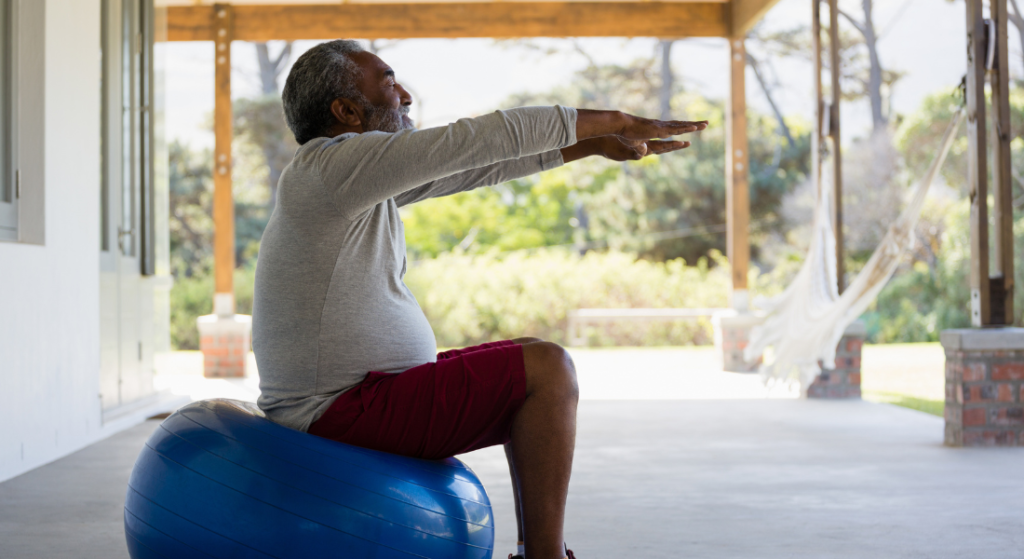
Pelvic floor exercises help strengthen the muscles that control your bladder. Pelvic floor exercises are commonly recommended after radical prostatectomy and may support continence recovery, although improvement varies between individuals.
These exercises work by targeting the muscles that support the bladder and urethra. After surgery, these muscles may be weaker or need retraining to function effectively again. Training these muscles may help reduce leakage and improve confidence during daily activities.
If you are unsure whether you are doing the exercises correctly, it is important to ask for help. A specialist nurse or pelvic health physiotherapist can guide you on proper technique. Correct practice is more effective than simply doing a high number of repetitions.
Research Insight
Research suggests that pelvic floor muscle training after radical prostatectomy may support recovery of urinary continence. However, the timing, technique and expected improvement vary between individuals, so exercises should be performed according to guidance from your healthcare team.
How Much Walking Should You Do Early On?
There is no single “correct” distance for walking after surgery. Some people are able to walk around the house several times a day soon after discharge, while others need shorter, slower walks. Your starting point depends on how you feel and how your body is recovering.
A helpful approach is to walk little and often rather than pushing for long distances. You can gradually increase how far and how often you walk, provided this does not worsen pain or cause marked fatigue, dizziness or fresh or increasing bleeding. Steady progress is safer than sudden increases in activity.
It is important not to compare your progress with others. Recovery varies widely depending on factors such as age, fitness, sleep, pain levels, catheter comfort, and the details of your surgery. Focus on your own gradual improvement rather than someone else’s timeline.
When Can You Walk Outside?
Many people can begin short outdoor walks within the first week after returning home. This depends on feeling steady on your feet and being comfortable managing the catheter if it is still in place. It is best to choose flat, familiar routes and avoid busy or crowded areas at first.
Having someone accompany you for your first few walks can be helpful. This is especially important if you feel weak, are taking pain medication, or are unsure about managing your catheter bag outside. A bit of support can make the experience more comfortable and reassuring.
Early recovery activity should leave you feeling gently active, not completely drained for the rest of the day. Short, manageable walks are preferable to activity that leaves you exhausted.
When Can You Climb Stairs?
Many people can climb stairs carefully after going home, but it is important to take it slowly. Use the handrail for support and avoid carrying anything heavy while going up or down. Moving at a steady, controlled pace reduces the risk of strain or imbalance.
Stairs can feel more tiring than expected because they use both your leg and abdominal muscles. If you still have a catheter, make sure the tubing is secure and the drainage bag is properly supported so it does not pull or cause discomfort during movement.
If you feel dizzy, breathless, or weak while on the stairs, stop immediately and ask for help. It is always safer to prioritise stability and rest rather than trying to push through discomfort.
When Can You Jog?
Jogging should wait until your early healing is stable and your surgical team agrees that it is appropriate. Some patients may be able to introduce gentle jogging later in recovery, but there is no universal timeframe. Your wounds, symptoms, continence, fitness and surgical team’s advice should guide when you restart.
This does not mean you should automatically start jogging at two weeks. If you still have pain, wound concerns, urinary leakage, fatigue, catheter-related issues, bleeding, or any complications, it is sensible to wait longer. Your recovery timeline is individual.
When you do restart, begin cautiously with short intervals at a slow pace. Pay attention to how your body responds. If jogging leads to increased leakage, pain, bleeding, or pelvic discomfort, stop and reduce the intensity and allow more recovery time before trying again.
When Can You Do Aerobic Exercise?
Light aerobic exercise can usually be introduced gradually after the early recovery phase. This might include brisk walking, gentle treadmill sessions, light cross-trainer use, or other low-impact activities that do not strain your body.
Some patients may be able to introduce gentle aerobic activity after the early recovery phase, but timing varies depending on healing, symptoms and advice from your surgical team.
A simple way to judge your effort is the “talk test.” You should be able to speak comfortably while exercising. If you are gasping, straining, or feeling pressure in your pelvis, the intensity is likely too high. Reduce the intensity and follow the progression advised by your surgical team.
When Can You Lift Weights?

Weight training requires caution after robotic prostate surgery because internal tissues need time to heal, even when the external incisions appear small. Returning to heavy lifting too soon may increase pressure on the abdomen and healing areas.
- Allow time for healing: Your abdominal wall and deeper tissues need time to recover after surgery. Lifting heavy weights too early may cause discomfort or place unnecessary strain on healing areas.
- Follow your recovery timeline: Some guidance may allow light lifting after several weeks, but your own surgical team will advise when it is appropriate. Recovery times vary depending on your procedure and progress.
- Start with lighter weights: When you return to exercise, begin with much less resistance than you used before surgery. Gradually increasing intensity allows your body to adjust safely.
- Avoid pressure-building exercises: Holding your breath during lifting can increase abdominal pressure. Heavy squats, deadlifts, presses and intense core exercises may need to be delayed.
- Increase gradually: Build your strength slowly and stop if you experience pain, discomfort or unusual symptoms. Your surgeon’s advice should guide when and how you progress.
Although you may feel ready to resume weight training, internal healing continues for some time after surgery. A gradual return to exercise can help protect your recovery and reduce the risk of unnecessary strain.
What Gym Activities Should You Avoid at First?
Returning to the gym depends on the type of activity you plan to do. Gentle treadmill walking is very different from heavy lifting, rowing, cycling, or abdominal workouts. You should consider what your session involves rather than focusing only on the location. Begin with low-impact activity if your surgical team agrees that your recovery is progressing appropriately.
Some guidance suggests avoiding gym-based exercise for the first few weeks, especially if it involves strain or intensity. Heavier lifting and more vigorous workouts are often delayed for longer to allow proper healing. Your timeline may vary depending on your recovery and any symptoms you experience. It is important to follow your surgical team’s advice.
The safest approach is to return in stages rather than all at once. Begin with light cardio and simple movements before gradually increasing intensity. You can build up further after your follow-up appointment if your recovery is progressing well. A phased return allows you to assess how your pain, wounds, continence and energy respond.
When Can You Swim?
Swimming should wait until your catheter has been removed and your surgical team confirms that the wounds are closed, dry and sufficiently healed for water exposure. You should not enter swimming pools, hot tubs or open water while the catheter remains in place.
Swimming before the wounds have closed fully may expose healing skin to irritation or infection. The appropriate timing varies according to your wound closure, dressings and recovery progress, so follow the instructions provided by your surgical team.
When Can You Cycle?
Cycling often requires a more cautious return than walking because the saddle places pressure on your perineum and pelvic area. This pressure can cause discomfort after prostate surgery and may irritate healing tissues. Your body needs time to recover before returning to this type of activity. A gradual approach is usually safer.
You should generally avoid cycling while your catheter is still in place. Outdoor cycling also carries a risk of falls, which can be harmful during the early recovery period. Even if you feel ready, your internal healing may not be complete. Waiting until your team advises it is important.
You should ask your surgeon when cycling is appropriate for your situation. When you restart, begin with short sessions and low resistance. A pressure-relieving or appropriately fitted saddle may improve comfort, but it does not replace advice about when cycling is safe to restart. Stop if you notice pelvic pain, bleeding, or worsening urinary symptoms.
When Can You Do Core Exercises?
Core exercises should usually be delayed after robotic prostate surgery because they place pressure on your abdominal wall and pelvic floor. Activities such as sit-ups, crunches, planks, leg raises, heavy twisting, and intense abdominal workouts can put too much strain on healing tissues. Early recovery is the time to allow your body to repair properly.
Even if your skin wounds appear healed, the deeper abdominal layers may still be recovering. This is why restrictions around heavy lifting and vigorous exercise are important. Internal healing takes longer than what you can see from the outside. Restarting demanding abdominal exercises too early may cause pain or place unnecessary pressure on healing tissues.
When you restart core exercises, you should begin with gentle movements and controlled breathing rather than high-pressure exercises. Focus on gradual strengthening instead of intensity. If you are unsure how to begin safely, a physiotherapist can help you introduce abdominal strengthening gradually.
When Can You Play Golf?
Golf may seem like a gentle activity, but the swing involves twisting, abdominal pressure, and rotation through your pelvis. Carrying clubs can also place additional strain on your healing muscles. These movements may be more demanding than they appear during early recovery. This is why a cautious return is important.
Some UK hospital guidance permits a gradual return to golf after approximately four weeks, but your own instructions may differ, depending on your recovery. Starting with putting or short practice sessions is usually more sensible than immediately playing a full round. Carrying a heavy golf bag should also be avoided until your strength has improved. Gradual progression helps reduce unnecessary strain.
You should ask your surgeon when golf is suitable for your situation. This is especially important if you had lymph node removal, wound problems, or ongoing urinary leakage. You should not ignore pain simply because the activity feels familiar. Paying attention to your body helps support a safer return.
When Can You Return to Tennis, Football, or Contact Sport?
Sports that involve sudden movements, sprinting, twisting, falls, impact, or physical contact should usually be delayed for longer after surgery. Activities such as tennis, football, rugby, squash, and martial arts can place significant strain on healing tissues. These movements may increase pressure on your abdominal and pelvic areas. Allowing enough time for recovery is important before returning to high-intensity sports.
High-impact and contact sports often require a longer recovery period than walking or gentle aerobic exercise. Some guidance recommends avoiding vigorous exercise for longer periods before gradually returning to normal activity. Your own recovery timeline may depend on your healing, fitness level, and any complications. Your surgical team can provide advice specific to you.
When you return to sport, you should start gradually with gentle drills and shorter sessions. Avoid jumping straight into competitive play or intense training. Stop if you experience pain, bleeding, worsening urinary leakage, or pelvic pressure. A slow return helps protect your recovery and reduce the risk of setbacks.
Why Heavy Lifting Can Be Risky
Heavy lifting increases pressure inside your abdomen, which can place strain on your healing wounds and pelvic floor. It may also affect the deeper tissues involved in your surgery. Even if your incisions look small from the outside, internal healing is still taking place. Avoiding unnecessary strain helps support recovery.
Heavy lifting may also increase the risk of developing a hernia near an incision site. This is especially important where a slightly larger cut was used to remove the prostate specimen. Allowing sufficient healing time may reduce unnecessary abdominal strain. Patience during recovery is important.
Heavy lifting is not limited to gym weights. Everyday activities such as carrying shopping bags, lifting suitcases, moving furniture, gardening, doing DIY work, or picking up children can also create strain. You should ask for help with these tasks during the early recovery period. Gradually returning to heavier activities is usually safer.
How to Build Activity Week by Week

The following is an illustrative progression rather than a fixed exercise schedule. Your surgical team may advise a slower or faster return depending on your operation and recovery. In the first week after surgery, your activity is usually focused on short walks and basic daily tasks. Your main priorities should be moving safely, managing your catheter if you have one, eating well, staying hydrated, and allowing your body to rest. Gentle movement is encouraged, but you should avoid pushing yourself too far.
During weeks two to four, you can often begin increasing your walking gradually if your recovery is progressing well. Some people may start gentle aerobic activity when their surgical team confirms it is suitable. Pelvic floor exercises are usually restarted after catheter removal when advised by your healthcare team. Building consistency is more important than increasing intensity quickly.
From approximately four to six weeks, some people may be able to introduce light lifting or more structured low-impact exercise. Heavier lifting, demanding abdominal exercises and high-impact or vigorous sport may remain restricted for longer. Increase activity gradually and ask your surgical team before returning to demanding exercise. Recovery timelines vary between individuals, so your surgical team’s advice should always take priority.
Example Recovery Milestones (Individual Advice May Differ)
| Recovery Stage | Typical Activities | Key Considerations |
| Day 0 to 1 (Hospital) | Short assisted walks around the ward | Supervised by staff; monitor blood pressure, dizziness, pain, catheter safety |
| Days 2 to 3 (Hospital/Home) | Gentle walking indoors, light daily movement | Keep walks short and frequent; avoid overexertion; manage catheter tubing |
| Days 4 to 7 | Walking indoors and short outdoor walks | Flat surfaces; gradually increase duration; listen to your body |
| Week 2 | Increase walking distance, gentle stairs if cleared | Avoid heavy lifting; monitor urinary leakage and fatigue |
| Weeks 3 to 4 | Increasing walking and gentle low-impact activity if advised | Continue pelvic floor exercises if cleared; avoid high-impact movements |
| Weeks 4 to 6 | Light resistance exercises (weights, bands) | Start with low load; avoid straining bladder/abdominal area |
| Around 6 weeks and beyond (if cleared) | Gradual return to jogging, moderate gym sessions | Only with surgeon’s clearance; monitor for pain, leakage, bleeding |
| Later in recovery, depending on your progress | Return to high-impact or contact sports | Introduce progressively; consider lymph node removal or complications |
Clinical Note:
Recovery timelines differ between hospitals and patients. Any timeframes in this article are general examples rather than personal clearance to exercise. Follow your own discharge instructions, particularly if you had lymph nodes removed, experienced complications or still have pain, bleeding, wound problems or a catheter.
What If Exercise Makes Leakage Worse?
Urinary leakage is common after catheter removal and can become more noticeable during activity. Exercise may reveal leakage because movements such as walking, standing, coughing, or lifting place extra demand on your pelvic floor muscles. This does not always mean something is wrong with your recovery. It can be part of the adjustment process after surgery.
If you notice increased leakage during exercise, you should reduce the intensity and allow your body more time to adapt. You may need to delay activities such as jogging, gym workouts, or high-impact exercise while focusing on pelvic floor recovery. Gradual progress is usually more effective than pushing through symptoms.
You should not stop walking completely unless your healthcare team advises you to do so. Instead, adjust your activity level so you can continue moving without putting too much strain on your recovery. Finding the right balance helps support both mobility and continence improvement.
What If You See Blood in the Urine After Exercise?
A small amount of blood staining may occur during early recovery, particularly while the catheter is present or as you become more active. However, fresh or increasing bleeding, large clots, solid debris or a catheter that stops draining require prompt medical advice.
If you notice blood after exercise, stop the activity, rest and follow the fluid advice provided by your surgical team. Contact the team promptly if the bleeding does not settle, becomes heavier or is accompanied by clots, pain, fever or reduced catheter drainage.
If you notice fresh or increasing bleeding, stop the activity and contact your healthcare team for advice. This may be a sign that your current activity level is too demanding for your stage of recovery. Reducing the intensity and allowing more recovery time may help avoid additional irritation or bleeding. Listening to your body is an important part of recovery.
How Pain Should Guide You
Some mild soreness is expected after robotic prostate surgery, especially around your wounds, abdomen, pelvis, or catheter area. Feeling some discomfort does not always mean there is a problem. However, exercise should not cause sharp, increasing, or ongoing pain. Your activity level should remain within what your body can tolerate.
Pain that improves after resting may simply mean you have done slightly more than your body is ready for. You should reduce the intensity and allow yourself more recovery time. If pain becomes severe, continues to worsen, or occurs with swelling, fever, bleeding, or feeling unwell, you should seek medical advice.
You should avoid using strong pain medication to push through exercise. Pain relief is intended to help you move safely during recovery. It should not be used to hide warning signs from your body. Listening to pain signals can help you avoid setbacks and support better healing.
Exercise and Blood Clot Prevention
Gentle movement is important after robotic prostate surgery because major pelvic surgery can increase the risk of blood clots. Walking helps improve circulation and is often encouraged soon after the operation. Regular light movement can support your recovery and reduce the risks associated with prolonged inactivity. You should increase activity gradually based on your comfort and medical advice.
Some people may also be prescribed blood-thinning injections or advised to wear compression stockings after surgery. These measures are used to reduce the risk of clots during the recovery period. You should follow your prescribed plan carefully, even if you feel well. Preventive treatments are an important part of safer recovery.
Seek urgent advice from your surgical team, GP or NHS 111 if you develop new one-sided calf pain, warmth, redness or swelling. Call 999 for chest pain, sudden severe breathlessness, coughing up blood, collapse or other life-threatening symptoms.
Exercise If You Feel Very Tired
Fatigue is common after robotic prostate surgery. Your body uses a lot of energy for healing, while factors such as anaesthesia, disturbed sleep, catheter discomfort, and emotional stress can also contribute. Feeling more tired than usual during recovery is not unusual. You should give yourself time to rebuild your energy levels.
You should still try gentle movement if your healthcare team has advised it is safe. Keep your activity sessions short and manageable rather than pushing yourself too far. Several short walks throughout the day may be better than one longer walk that leaves you exhausted. Resting between activities is an important part of recovery.
If your tiredness feels extreme, continues to worsen, or occurs with symptoms such as fever, breathlessness, chest pain, dizziness, or feeling very unwell, you should seek medical advice. Do not assume that every symptom is simply part of normal recovery. Checking concerning changes early can help identify problems quickly.
When to Stop Exercising and Get Advice
Stop exercising and contact your surgical team promptly if you develop heavy bleeding, worsening abdominal or pelvic pain, fever, wound opening, increasing wound redness, a catheter that stops draining or new one-sided calf pain or swelling. Call 999 for chest pain, sudden severe breathlessness, coughing up blood, collapse or other life-threatening symptoms.
You should contact your healthcare team if exercise causes ongoing pelvic pain, worsening urinary leakage, new testicular swelling, or symptoms that do not improve with rest. Recovery should gradually move in the right direction rather than becoming progressively worse. Paying attention to changes in your body can help you respond early.
If you are unsure whether a symptom is serious, you should ask for advice. It is better to have concerns checked rather than ignore possible warning signs. Early guidance can help ensure that concerning symptoms are assessed promptly. Your recovery should always be supported by your surgical team.
Getting Professional Help with Rehabilitation

Some people benefit from physiotherapy after prostate surgery, especially if urinary leakage, pelvic floor technique, reduced fitness, or confidence with exercise becomes a concern. A pelvic health physiotherapist can help you understand how to exercise correctly. This support can help you rebuild strength without placing unnecessary strain on your body.
Pelvic floor exercises can play an important role in improving urinary control after radical prostatectomy. If you are unsure whether you are using the correct muscles, professional guidance can be helpful. Learning the right technique is often more effective than simply increasing the number of exercises you do.
You may also benefit from a structured exercise plan if you were very active before surgery. Returning to activities such as running, lifting, cycling, or sport is often easier when you progress gradually. A personalised rehabilitation plan can help you regain confidence while supporting a safer recovery.
Myth vs Fact
| Myth | Fact |
| Robotic surgery means you can return to exercise immediately because the incisions are small. | Robotic prostate surgery uses smaller keyhole incisions, but deeper tissues and the bladder-to-urethra connection still need time to heal. Exercise should be increased gradually to avoid unnecessary strain. |
| If you feel well after surgery, you can restart your normal workouts straight away. | Feeling better does not always mean your body has fully recovered internally. Your return to exercise should depend on healing, symptoms, and your surgical team’s advice. |
| You should avoid all movement after robotic prostate surgery. | Gentle movement and walking are usually encouraged soon after surgery to support circulation, mobility and recovery. However, strenuous activities should be delayed until it is safe. |
| Pelvic floor exercises are not important after prostate surgery. | Pelvic floor exercises are commonly recommended after catheter removal and may support continence recovery. Correct technique and timing are important. |
| Lifting weights is safe as soon as you leave hospital. | Heavy lifting can increase pressure inside your abdomen and strain healing tissues. You should wait until your surgical team confirms that weight training is appropriate. |
| Cycling is safe once you feel comfortable sitting down. | Cycling places pressure on the perineum and pelvic area, which may cause discomfort during recovery. You should only restart cycling when your surgeon advises it is suitable. |
| More exercise always means faster recovery. | Increasing activity too quickly can lead to pain, fatigue, bleeding or increased urinary symptoms. A gradual return allows your body to adapt safely. |
| Urine leakage during exercise means something is wrong. | Leakage can be common after catheter removal, especially during activities that increase pressure on pelvic floor muscles. Adjusting activity and continuing rehabilitation may help improve control over time. |
| You can return to sports once your wounds look healed. | External wounds may heal before deeper tissues have fully recovered. High-impact sports involving running, twisting or contact should be restarted only when your recovery allows. |
| Everyone follows the same exercise timeline after robotic prostate surgery. | Recovery varies between individuals depending on factors such as fitness level, catheter removal, healing progress and whether complications occurred. Your personalised recovery plan should guide your return to exercise. |
Key Takeaways
- Gentle walking is usually encouraged soon after robotic prostate surgery to support mobility and circulation.
- Exercise should increase gradually because internal healing takes longer than external wound healing.
- Avoid heavy lifting, high-impact exercise and activities that cause pain, bleeding or increased urinary symptoms until your team advises they are safe.
- Pelvic floor exercises may support continence recovery when restarted at the appropriate time.
- Recovery varies between individuals, so follow your own surgical team’s advice rather than comparing your progress with others.
FAQs:
1. When can you start walking after robotic prostate surgery?
Gentle walking is usually encouraged soon after robotic prostate surgery, often while you are still in hospital. Short, frequent walks can support circulation, mobility and recovery, but the distance should be increased gradually based on how your body feels.
2. How much exercise is safe after robotic prostate surgery?
The amount of exercise you can do depends on your healing, energy levels, catheter status and any complications after surgery. Starting with light activities such as walking and slowly increasing intensity is usually the safest approach.
3. When can you return to the gym after robotic prostate surgery?
A return to the gym should be gradual and depends on the type of exercise involved. Light cardio may be introduced earlier, while heavy weights, intense workouts and abdominal exercises usually need to wait until your surgical team confirms they are safe.
4. Can you lift weights after robotic prostate surgery?
Heavy lifting should be avoided during the early recovery period because it can increase abdominal pressure and strain healing tissues. When returning to weights, start with lighter loads and increase gradually according to your surgeon’s advice.
5. When can you restart pelvic floor exercises after surgery?
Pelvic floor exercises are often restarted after the catheter has been removed and when your surgical team confirms it is appropriate. Correct technique is important, and a pelvic health physiotherapist can provide guidance if needed.
6. Can you cycle after robotic prostate surgery?
Cycling usually requires a more cautious return because the saddle can place pressure on the pelvic area and perineum. You should wait until your surgeon advises that cycling is suitable and restart gradually with shorter sessions.
7. When can you swim after robotic prostate surgery?
Swimming should usually be avoided until the catheter has been removed and your wounds are fully healed. Your surgical team can confirm when water-based activities are safe based on your recovery progress.
8. Can exercise make urinary leakage worse after prostate surgery?
Exercise may temporarily increase urinary leakage, especially during activities that place pressure on the pelvic floor. Adjusting the intensity, continuing pelvic floor rehabilitation and gradually building activity can help improve control over time.
9. When should you stop exercising after robotic prostate surgery?
You should stop exercising and seek medical advice if you experience heavy bleeding, worsening pain, fever, wound problems, catheter blockage or symptoms of a blood clot. Exercise should support recovery, not cause increasing discomfort or new symptoms.
10. Will exercise help recovery after robotic prostate surgery?
Yes. A gradual return to physical activity can support circulation, strength, mobility and overall recovery. The key is to increase activity slowly and follow the personalised advice provided by your surgical team.
Final Thoughts: Returning to Exercise After Robotic Prostate Surgery
Returning to exercise after robotic prostate surgery should be a gradual process that allows your body time to heal. Gentle walking is usually encouraged early in recovery, while activities such as running, cycling, weight training, swimming, and high-impact sports should be introduced carefully based on your symptoms, healing progress, and your surgical team’s advice. Taking a steady approach can help you rebuild strength without placing unnecessary strain on healing tissues.
Every person’s recovery timeline is different. Your return to exercise may depend on factors such as catheter removal, continence recovery, wound healing, fitness levels, and whether you had any additional procedures during surgery.
If you are looking for a robotic prostate surgery clinic in London, you can contact our team to discuss your treatment options and receive personalised guidance on your recovery journey.
References
- Szczygielska, D. et al. (2022) ‘The effectiveness of pelvic floor muscle training in men after radical prostatectomy measured with the insert test’, International Journal of Environmental Research and Public Health, 19(5), article 2890. Available at: https://pmc.ncbi.nlm.nih.gov/articles/PMC8910379/
- Park, J. et al. (2018) ‘Effects of progressive resistance training on post-surgery incontinence in men with prostate cancer’, Journal of Clinical Medicine, 7(9), article 292. Available at: https://pmc.ncbi.nlm.nih.gov/articles/PMC6162607/
- Razdan, S. et al. (2023) ‘Impact of exercise on continence in prostate cancer patients post robotic assisted radical prostatectomy: a systematic review’, American Journal of Clinical and Experimental Urology, 11(4), pp. 320–327. Available at: https://pmc.ncbi.nlm.nih.gov/articles/PMC10461030/
- Yang, J.-M. et al. (2023) ‘Effect of pelvic floor muscle training on urinary incontinence after radical prostatectomy: an umbrella review of meta-analysis and systematic review’, Clinical Rehabilitation, 37(4), pp. 494–515. Available at: https://pubmed.ncbi.nlm.nih.gov/36305082/
- University College London Hospitals NHS Foundation Trust (UCLH) (2026) ‘Robotic prostatectomy’. Page last updated 4 March 2026. Available at: https://www.uclh.nhs.uk/patients-and-visitors/patient-information-pages/robotic-prostatectomy
- Cambridge University Hospitals NHS Foundation Trust (2024) ‘Robotic radical prostatectomy: pre- and post-operative information’. Approved 10 May 2024. Available at: https://www.cuh.nhs.uk/patient-information/robotic-radical-prostatectomy/
- Gloucestershire Hospitals NHS Foundation Trust (2024) ‘Robotic assisted laparoscopic radical prostatectomy’. Review due January 2027. Available at: https://www.gloshospitals.nhs.uk/your-visit/patient-information-leaflets/robotic-assisted-laparoscopic-radical-prostatectomy/