




If you have chronic kidney disease and have been diagnosed with prostate cancer, you may wonder whether surgery is still an option for you. In many cases, the answer is yes. Whether surgery is suitable depends on the severity of your kidney disease, your overall health, and the characteristics of your prostate cancer. A thorough assessment helps your medical team determine the safest approach for your situation.
Having chronic kidney disease does not automatically prevent you from undergoing prostate cancer surgery. However, it does mean that your surgical and anaesthetic teams need to understand your kidney function carefully before treatment. They may review your medications, monitor your blood pressure, and arrange additional blood tests to assess and reduce the risk of further kidney injury. This planning helps ensure that you receive the most appropriate care.
You may also require specialised fluid management and, in some cases, input from a kidney specialist before surgery. These precautions are intended to reduce avoidable stress on your kidneys and support appropriate monitoring during and after the procedure. With careful preparation and monitoring, many patients with chronic kidney disease may still be suitable for prostate cancer surgery. The goal is to manage your cancer effectively while minimising risks to your overall health.
Understanding Chronic Kidney Disease
Chronic kidney disease, often called CKD, is a condition in which your kidneys have reduced function over a prolonged period. It can range from mild kidney impairment to more advanced disease requiring specialist care. In some cases, you may have few or no symptoms, especially in the early stages.
Your kidneys help remove waste products, regulate fluid balance, maintain electrolyte levels, and support blood pressure control. When kidney function is reduced, surgery and anaesthesia require additional planning. This helps protect your kidneys from further stress during treatment.
The effect of CKD is different for every patient. Your surgical risk depends on your level of kidney function, whether your condition is stable, and any other health problems you may have. A careful assessment helps your medical team plan the safest approach for you.
Does Kidney Disease Mean Surgery Is Not Possible?
Having chronic kidney disease does not automatically mean you cannot have prostate cancer surgery. Many patients with reduced kidney function can still undergo surgery safely after careful assessment and preparation. The key is understanding how your kidneys are functioning and whether your condition is stable.
The decision is based on several factors, including your cancer stage, overall fitness, heart health, and kidney function. Your medical team will weigh the potential benefits of surgery against any risks associated with your condition. This helps ensure that the most appropriate treatment plan is recommended for you.
Every patient is different, and CKD can affect people in different ways. Mild, stable kidney disease may require only routine precautions, while more advanced disease may need additional specialist input and monitoring. A personalised assessment allows your team to plan your care as safely as possible.
Why Kidney Function Matters Before Surgery

Your kidney function is an important consideration before any major operation. Surgery can place temporary stress on the body through changes in blood pressure, fluid balance, blood loss, and the use of certain medications. These factors can affect how well your kidneys work during and after the procedure.
If you already have chronic kidney disease, your kidneys may be more vulnerable to additional stress. This can increase the risk of acute kidney injury around the time of surgery, particularly if your kidney function is significantly reduced. Understanding your kidney health helps your medical team identify any potential risks in advance.
Having CKD does not mean that kidney injury will definitely occur. Instead, it highlights the importance of careful planning, monitoring, and management before, during, and after surgery. These precautions help protect your kidney function and support a safer recovery.
What Is Checked During Pre-Operative Assessment?
Before surgery, your medical team will review your medical history, current medications, allergies, and any previous operations. They will also discuss your chronic kidney disease and any other health conditions that could affect anaesthesia or recovery. This helps ensure that your treatment plan is tailored to your individual needs.
Kidney function tests are an important part of the assessment process. These commonly include measurements of creatinine, estimated glomerular filtration rate (eGFR), and electrolyte levels. The results provide valuable information about how well your kidneys are working before surgery.
You may also require additional tests depending on your age, symptoms, and overall health. These investigations help identify any issues that should be addressed before the operation. Careful pre-operative planning allows your team to reduce risks and support a safer surgical experience for you.
| Assessment area | Why it matters before prostate cancer surgery |
| Creatinine | Helps assess current kidney function and compare changes with previous results |
| eGFR | Helps indicate the level of kidney filtration and supports risk assessment |
| Urine ACR | Provides additional information about kidney damage and CKD risk |
| Previous kidney results | Helps distinguish stable CKD from a recent deterioration |
| Electrolytes | Identifies abnormalities such as potassium disturbances that may affect peri-operative care |
| Blood pressure | CKD and hypertension often occur together and both influence overall risk |
| Diabetes control | Diabetes can affect kidney health, healing and peri-operative management |
| Medication list | Some medicines require dose review or temporary peri-operative adjustment |
| Fluid status | Both dehydration and fluid overload can create problems in susceptible patients |
| Urinary obstruction | Obstruction may contribute to worsening kidney function and may need separate assessment |
Understanding Creatinine Levels
Creatinine is a waste product that is measured through a blood test and is commonly used to assess your kidney function. Higher creatinine levels may indicate that your kidneys are not filtering waste as efficiently as they should. However, the result is interpreted alongside factors such as your age, muscle mass, and overall health.
Your surgical team will usually look at trends in your creatinine levels rather than focusing on a single result. A stable creatinine level over time may be less concerning than a sudden increase shortly before surgery. This helps provide a clearer picture of how well your kidneys are functioning.
If your creatinine level has changed significantly, additional investigations may be needed before your operation. Factors such as dehydration, infection, certain medications, or urinary problems can sometimes affect the result. Identifying and addressing these issues can help make surgery safer for you.
What Does eGFR Mean?
Estimated glomerular filtration rate, or eGFR, is a measurement used to estimate how effectively your kidneys are filtering waste from your blood. It is usually reported alongside your creatinine level and provides a broader picture of your kidney function. Your eGFR helps clinicians understand how well your kidneys are working.
Chronic kidney disease is partly classified according to eGFR levels and other signs of kidney damage. By reviewing these results, your medical team can assess the severity and stability of your condition. This information is important when planning treatment and monitoring your overall kidney health.
Your eGFR also helps the peri-operative team prepare for surgery. A lower eGFR may influence medication choices, fluid management, and the level of monitoring you require before and after the operation. In some cases, specialist kidney advice may be recommended to help optimise your care.
| GFR category | eGFR, ml/min/1.73 m² | General description |
| G1 | 90 or above | Normal or high filtration, but CKD requires other evidence of kidney damage |
| G2 | 60 to 89 | Mild reduction; CKD requires other evidence of kidney damage |
| G3a | 45 to 59 | Mild to moderate reduction |
| G3b | 30 to 44 | Moderate to severe reduction |
| G4 | 15 to 29 | Severe reduction |
| G5 | Under 15 | Kidney failure |
Key Fact: Kidney Assessment Is Broader Than eGFR Alone
Your eGFR is an important measure of kidney function, but it is not the only factor used to assess chronic kidney disease.
NICE recommends classifying CKD using both your GFR category and your urine albumin-to-creatinine ratio, known as ACR. ACR measures albumin in the urine and can provide additional information about kidney damage and future risk.
For surgery, your medical team will consider the overall pattern of your kidney disease, including previous results, stability over time, associated health conditions and any evidence that kidney function is changing.
Why Previous Kidney Results Are Useful
Previous kidney blood test results can provide important information before your surgery. They help your medical team understand whether your kidney function has remained stable or if there have been any recent changes. This allows them to assess your overall risk more accurately.
A single abnormal result is often easier to interpret when it can be compared with earlier tests. A long-term, stable reduction in kidney function may have different implications from a sudden decline. Looking at trends over time helps your team make more informed decisions about your care.
If possible, make sure your healthcare providers have access to your previous kidney test results. Your GP, kidney specialist, and surgical team may need to share information to build a complete picture of your health. This can help ensure that your treatment is planned as safely as possible.
When a Nephrologist May Be Involved
A nephrologist is a doctor who specialises in diagnosing and managing kidney disease. If you have chronic kidney disease, you may already be under the care of a nephrologist, although some patients are managed primarily by their GP. Their expertise can be valuable when planning surgery and recovery.
Your surgical team may seek specialist kidney advice if your kidney disease is advanced, your kidney function is unstable, or you have electrolyte abnormalities. A nephrologist can also help with decisions about medications, fluid management, and strategies to protect your kidneys during surgery. This additional input helps ensure that your care is carefully coordinated.
Being referred to a nephrologist does not mean that surgery cannot go ahead. In many cases, it simply provides an extra layer of assessment and planning for a more complex medical situation. This collaborative approach helps your healthcare team manage potential risks and support the safest possible outcome for you.
Clinical Insight: Specialist Kidney Input Is Based on the Whole Pattern
Not every person with CKD needs a new nephrology referral before surgery. The need for specialist input depends on factors such as the severity and stability of CKD, the risk of kidney disease progression, albumin in the urine, rapid changes in kidney function and other complications.
NICE referral criteria therefore look beyond one isolated creatinine or eGFR result. For surgical planning, existing nephrology involvement and recent kidney information may be especially valuable when disease is advanced or unstable.
Reviewing Your Medicines Before Surgery

If you have chronic kidney disease, reviewing your medicines before surgery is particularly important. Reduced kidney function can affect how some drugs are processed, and certain medicines may need dose adjustments or temporary changes to reduce risks during and after the operation.
- Provide a Complete List: Include prescription drugs, over-the-counter treatments, painkillers, vitamins, and supplements to ensure your team has a full picture.
- Bring an Up-to-Date Record: Having a current medication list helps clinicians plan your care safely and identify any potential issues.
- Follow Professional Guidance: Never stop medications on your own; your surgeon, anaesthetist, GP, or kidney specialist will advise on any necessary changes.
- Support Safe Surgery: Adhering to this guidance helps protect your kidney function and ensures a safer surgical experience.
Overall, a thorough medication review before surgery is crucial for people with kidney concerns. Accurate information and following professional instructions help reduce complications and support a smooth recovery.
Blood Pressure Medicines and Kidney Disease
High blood pressure and chronic kidney disease often occur together, making blood pressure management an important part of surgical preparation. If you have both conditions, maintaining stable blood pressure can help support kidney function and reduce potential risks during and after surgery. Careful planning helps ensure that you are in the best possible condition before the operation.
Some blood pressure medications can affect kidney blood flow and may require special consideration around the time of surgery. The most appropriate approach depends on the medication you take, your kidney function, your blood pressure levels, and the anaesthetic plan. These factors are assessed individually to ensure that treatment is tailored to your needs.
It is important that you follow the instructions provided by your medical team regarding any medication changes. General advice cannot replace personalised recommendations when chronic kidney disease is present. By following professional guidance, you can help support a safer surgical experience and recovery.
Diabetes and Kidney Function
Diabetes is one of the most common causes of chronic kidney disease and can add another layer of complexity to surgical planning. If you have diabetes, blood sugar control is an important consideration before and after surgery. Stable glucose levels can help support wound healing, reduce infection risk, and contribute to a smoother recovery.
If you use insulin or other diabetes medications, you may receive specific instructions about fasting and medication management on the day of surgery. These recommendations are designed to keep blood sugar levels as stable as possible throughout the procedure. Your medical team should explain these arrangements clearly before admission.
When diabetes, kidney disease, and prostate cancer are present together, careful coordination of care becomes particularly important. Your treatment plan should take all of these factors into account rather than focusing on a single condition. This approach helps ensure that you receive safe, personalised care that supports your overall health.
Why Electrolytes Are Checked
Your kidneys play a key role in maintaining the balance of electrolytes like potassium and sodium. If kidney function is reduced, these levels can become abnormal, so checking electrolytes before surgery helps your medical team assess your kidney health.
- Safety of Anaesthesia: Significant electrolyte changes can affect your heart and muscles, making monitoring essential before surgery.
- Routine Pre-Operative Assessment: Electrolyte measurements are part of standard checks to identify any concerns early.
- Addressing Abnormal Results: If a test shows an imbalance, your team may repeat it or treat the underlying cause before surgery.
- Reducing Surgical Risks: Managing electrolytes beforehand helps lower avoidable risks and supports a safer operation for you.
Overall, checking electrolytes ensures your kidney function is well understood and helps your team plan a safe and effective surgery.
Anaesthesia With Chronic Kidney Disease
General anaesthesia can be used for many patients with chronic kidney disease, but careful planning may be required. CKD can affect fluid balance, cardiovascular health, and how certain medicines are processed by the body. This means your anaesthetist will review your kidney function, medications, blood pressure, and other health conditions before surgery.
Your anaesthetic plan will be tailored according to your individual health needs and level of kidney function. If you have any previous problems with anaesthesia or recent changes in your health, it is important to share this information with your team. This helps the anaesthetist prepare the safest approach for your operation.
Good communication before surgery can make a significant difference to your care. Providing complete information about your medical history allows your anaesthetic team to anticipate potential concerns. With careful preparation and monitoring, many patients with CKD can undergo anaesthesia safely.
Why Fluid Balance Matters During Surgery
Fluid management is an important consideration when you have reduced kidney function. Too little fluid can affect blood flow to your kidneys, while too much fluid may cause problems for some patients. Careful monitoring helps maintain the right balance during surgery.
Your anaesthetic team will monitor your circulation and provide intravenous fluids based on your individual needs. The aim is to maintain appropriate circulation and organ perfusion while avoiding both inadequate fluid replacement and fluid overload. This approach helps protect your kidneys throughout the procedure.
Fluid requirements are different for every patient. Your kidney function, heart health, blood loss, urine output, and how your surgery progresses will all influence fluid management decisions. A personalised approach allows your team to provide safer and more effective care.
Maintaining Blood Pressure During Surgery
Your kidneys rely on a steady blood supply to function properly. During surgery, significant changes in blood pressure can affect kidney perfusion and may increase stress on reduced kidney function. This is why maintaining stable circulation is an important part of your care.
Your anaesthetic team will closely monitor your blood pressure and cardiovascular status throughout the procedure. They can adjust anaesthesia, fluids, or other treatments when needed to maintain stability. This careful approach is particularly important if you have CKD alongside other conditions such as heart disease.
Monitoring does not stop immediately after surgery and may continue during your recovery period if required. The aim is to reduce unnecessary stress on your kidneys while supporting safe healing. Careful blood pressure management helps your team provide a safer surgical experience for you.
Understanding the Risk of Acute Kidney Injury
Acute kidney injury, or AKI, is a sudden reduction in kidney function that can develop over a short period. It is different from chronic kidney disease, although having CKD can make you more vulnerable to AKI during major surgery or serious illness. Understanding this risk helps your medical team plan appropriate precautions.
Factors such as dehydration, infection, low blood pressure, urinary obstruction, and certain medications can contribute to AKI. If you have CKD, your team will consider these risks when preparing your treatment plan. Careful monitoring and prevention strategies can help reduce avoidable kidney stress.
After surgery, your medical team may monitor kidney function through blood tests such as creatinine and check urine output when needed. Early detection of any changes allows the cause to be investigated and treatment started promptly. This helps support your recovery and protect your kidney health.
Evidence Note: Why CKD Changes Peri-Operative Planning
NICE recommends assessing the risk of acute kidney injury before surgery. Chronic kidney disease is an important risk factor, particularly when eGFR is below 60 ml/min/1.73 m².
Risk assessment also considers other factors such as diabetes, heart failure, age, liver disease and medicines that may worsen kidney injury. For patients, this means surgical planning is based on the complete medical picture rather than one kidney test result.
How Doctors Reduce the Risk of Kidney Injury
Reducing the risk of kidney injury involves several steps before, during, and after surgery. Your medical team will consider factors such as your CKD stage, medications, fluid balance, blood pressure, and overall health. Careful planning helps minimise avoidable stress on your kidneys.
Your team may monitor kidney function through blood tests and other assessments when needed. They will also focus on maintaining good circulation, preventing dehydration, and managing any infections or other health concerns. These measures help identify potential problems early and support safer recovery.
There is no single treatment that completely removes the risk of kidney complications during surgery. Instead, your care depends on a coordinated approach involving careful assessment, monitoring, and timely management. This personalised planning helps protect your kidney function throughout the surgical journey.
Monitoring and Management During and After Surgery
| Monitoring / Management | Purpose | Key Notes / Actions |
| Blood Pressure | Helps the team maintain appropriate circulation and kidney perfusion | Continuous monitoring during surgery; adjust medications as needed |
| Fluid Balance | Helps avoid both inadequate circulating volume and fluid overload | Personalised intravenous fluids based on kidney function, heart status, and urine output |
| Urine Output | Evaluates kidney function and catheter patency | Early detection of obstruction or acute kidney injury |
| Electrolytes | Detect potassium, sodium, and other imbalances | Regular blood tests; correct abnormalities promptly |
| Creatinine & eGFR | Tracks kidney function | Compare with baseline; monitor for sudden changes post-operative |
| Pain-Relief Management | Review and adjust medicines that may affect kidney function | Adjust doses for reduced kidney function; avoid NSAIDs if risk is high |
| Infection Monitoring | Prevent additional stress on kidneys | Monitor wounds, catheters, and signs of systemic infection |
| Specialist Input | Nephrologist involvement if CKD is advanced or unstable | Coordinates medication, dialysis, and fluid strategies |
| Imaging Contrast Considerations | Safe imaging planning | Assess kidney function and urgency; contrast not automatically prohibited |
Can Robotic Prostate Surgery Be Considered With CKD?
Robotic prostate cancer surgery may be an option for some patients with chronic kidney disease. Your suitability depends on factors such as the stage of your cancer, kidney function, overall health, and how well you can tolerate surgery and anaesthesia. A detailed assessment helps your team decide whether this approach is appropriate for you.
The procedure uses small abdominal incisions and robotic instruments controlled by the surgeon. Although robotic surgery is minimally invasive, it still requires careful planning when you have CKD. Your kidney function, medications, and other health conditions will be considered before proceeding.
Your urologist and anaesthetist will weigh the potential benefits of surgery against the possible risks related to your health. In more complex situations, input from a kidney specialist may also be recommended. The aim is to create a treatment plan that supports both effective cancer care and your overall wellbeing.
Can Kidney Disease Affect the Choice of Cancer Treatment?
Chronic kidney disease can sometimes influence discussions about prostate cancer treatment, but the impact depends on the severity of your condition and your overall health. Your cancer stage, grade, expected treatment benefits, age, and personal preferences are also important factors. Kidney disease is considered as part of the overall picture rather than the only deciding factor.
For some patients, surgery may still be an appropriate option, while others may benefit from different treatment approaches. Your medical team will consider the balance between effective cancer control and your ability to tolerate treatment safely. A personalised assessment helps identify the most suitable option for your situation.
You should have the opportunity to understand why a specific treatment has been recommended. Discuss how your kidney disease may affect your options and ask whether alternative treatments have been considered. Being informed helps you make decisions that align with your health needs and preferences.
Imaging Contrast and Kidney Function
Some imaging tests use contrast agents, and your kidney function may be considered when planning these investigations. The approach depends on the type of scan, the contrast agent being used, and the severity of your kidney impairment. Careful assessment helps ensure that imaging is performed safely.
Your radiology and medical teams should know if you have chronic kidney disease before contrast is given. They may review your recent kidney blood tests and decide whether any additional precautions are needed. This helps them make informed decisions based on your individual health.
Having CKD does not automatically mean you cannot have contrast imaging. Your team will consider the potential benefits of the scan alongside your level of kidney risk. The final decision is personalised and based on what is most appropriate for your care.
UK Guidance Note: CKD Does Not Automatically Prevent Contrast Imaging
Kidney function is considered when iodine-based contrast imaging is planned, but having CKD does not automatically mean that you cannot receive contrast.
NICE advises that there is a small but increased risk of acute kidney injury when eGFR is below 30 ml/min/1.73 m². For non-urgent imaging, recent kidney function results can help guide decisions and any precautions that may be needed.
In an emergency, clinically important imaging should not be delayed simply because contrast-associated kidney risk is being considered. The benefits and risks need to be assessed in the context of the individual situation.
Urinary Obstruction and Kidney Function
Urinary tract obstruction can sometimes affect kidney function by preventing normal urine flow. Since the prostate surrounds part of the urethra, prostate problems may occasionally occur alongside urinary symptoms and kidney concerns. Identifying these issues early can help protect your kidney health.
Your medical team may assess whether problems such as poor bladder emptying or obstruction are contributing to changes in kidney function. This may involve additional tests or investigations depending on your symptoms and clinical findings. Understanding the cause helps guide the most appropriate treatment approach.
A change in kidney blood tests does not always mean that chronic kidney disease is getting worse. Other factors, including urinary obstruction, infection, dehydration, or medication effects, can also influence kidney function. Finding the underlying cause allows your doctors to provide the right care for you.
Monitoring Urine Output After Surgery
Urine output can provide useful information about kidney function and fluid balance after surgery. Following radical prostatectomy, the team will also check that the urinary catheter is draining correctly, because reduced drainage may reflect a catheter problem rather than reduced urine production alone.
After radical prostatectomy, you will usually have a urinary catheter while the connection between your bladder and urethra heals. The catheter allows urine to drain properly during the early stages of recovery. Your team will monitor this process as part of your post-operative care.
If your urine output becomes lower than expected, your doctors will investigate the possible cause. This may include checking the catheter, reviewing fluid balance, assessing circulation, or monitoring kidney function. Early assessment helps your team address any issues promptly and support a safer recovery.
Post-Operative Blood Tests
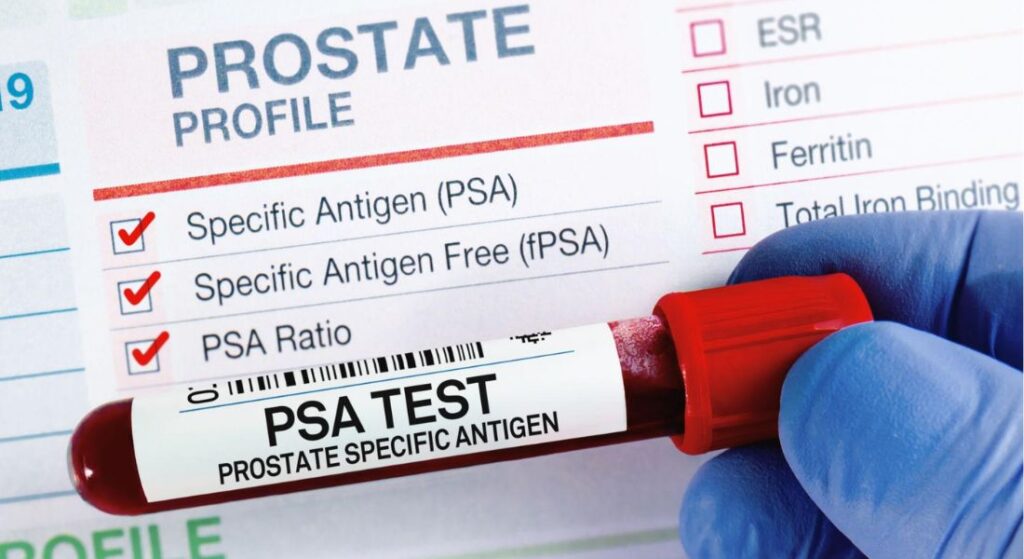
After surgery, you may have blood tests to monitor kidney function, electrolyte levels, blood count, and other important health markers. If you have chronic kidney disease, your medical team may recommend closer monitoring compared with patients who have normal kidney function. These checks help identify any changes early.
Your doctors will usually compare your postoperative results with your previous kidney function levels. A small temporary change may have a different meaning from a significant or ongoing decline in kidney function. Looking at trends over time helps your team understand what is happening.
The frequency of blood tests depends on your individual condition and recovery progress. Monitoring allows your medical team to respond quickly if any concerns develop. This approach helps support your recovery while protecting your kidney health.
Pain Relief and Kidney Disease
Pain control is an important part of recovery after prostate cancer surgery, but chronic kidney disease can affect which medicines are most suitable. Some pain relief options may need adjustment because reduced kidney function can change how your body processes certain medications. Your medical team will consider your kidney health and other conditions when planning pain management.
Your pain relief plan may be different from another patient’s because treatment needs to be personalised. The choice of medication and dosage will depend on your kidney function, overall health, and recovery needs. Careful selection helps manage pain while reducing unnecessary risks to your kidneys.
You should check with your healthcare team before taking any over-the-counter painkillers after surgery. Medicines that are commonly available may not always be suitable if you have CKD. Following professional advice helps ensure that your recovery remains safe and well managed.
Clinical Tip: Check Before Taking Over-the-Counter Anti-Inflammatories
Do not assume that an over-the-counter painkiller is automatically suitable because it is available without prescription.
Medicines in the NSAID group, including drugs such as ibuprofen and naproxen, can be important considerations when kidney function is reduced. Your postoperative pain plan should take account of your kidney function, other medicines and overall health.
Follow the pain-relief plan provided by your clinical team and check before adding any over-the-counter medicine yourself.
Avoiding Dehydration During Recovery
Maintaining the right level of hydration can support your recovery after surgery, but fluid needs are different for every patient. If you have CKD, the amount of fluid you need may depend on your kidney function, heart health, and overall condition. Your medical team will provide guidance based on your individual needs.
You should follow the fluid advice given by your healthcare team rather than drinking excessive amounts. Too little fluid can contribute to dehydration, while too much may cause problems for some patients with kidney or heart conditions. Finding the right balance helps support your recovery.
If you experience vomiting, diarrhoea, fever, or difficulty keeping fluids down after discharge, contact your healthcare team. These issues can affect your hydration levels and may place additional stress on your kidneys. Early advice can help prevent complications and support safer recovery.
Infection Prevention and Kidney Health
Infection can place extra stress on your body and may increase the risk of kidney problems, particularly if you have chronic kidney disease. Preventing and treating infections early is an important part of protecting your kidney function after surgery. Your medical team will take steps to reduce infection risks during your recovery.
You should follow the advice provided about wound care and catheter hygiene after discharge. Contact your healthcare team if you develop symptoms such as fever, chills, increasing wound redness, discharge, or worsening urinary problems. Early assessment helps ensure that any infection is treated promptly.
If you have CKD, it is especially important not to ignore signs that you are becoming unwell. Delaying medical advice can make recovery more difficult and may place additional stress on your kidneys. Seeking support early helps your team manage problems before they become more serious.
When to Seek Medical Advice During Recovery
| Problem | Symptoms that need attention |
| Possible dehydration | Repeated vomiting, diarrhoea or inability to keep fluids down |
| Possible infection | Fever, chills, worsening wound redness or discharge |
| Urinary problem | Catheter blockage, unexpectedly poor drainage or worsening urinary symptoms |
| Significant deterioration | Feeling rapidly more unwell, new confusion or severe weakness |
| Breathing or fluid concern | New or worsening breathlessness or significant swelling |
| Reduced urine output | Unexpected substantial reduction in urine drainage, particularly with other symptoms |
Returning to Your Usual Kidney Medicines
Your medication plan may change temporarily around the time of surgery. Before you leave hospital, make sure you understand which medicines you need to restart, when to take them, and whether any doses have been adjusted. Clear instructions can help you manage your recovery safely at home.
You should not assume that every medicine will return to your previous schedule immediately. Factors such as your kidney function, blood pressure, fluid balance, and recovery progress may affect when certain medications are restarted. Your healthcare team will advise what is most appropriate for you.
If your medication changes are complicated, ask for written instructions before discharge. This can help you avoid confusion and take your medicines correctly during recovery. Keeping an updated medication list can also make future appointments easier.
When Dialysis Needs Special Planning

If you receive dialysis, prostate cancer surgery usually requires additional planning and coordination. Factors such as dialysis timing, fluid balance, electrolyte levels, and medication management need to be carefully considered before and after the operation. This helps reduce potential risks and supports a smoother recovery.
Your kidney specialist, anaesthetist, and surgical team should work closely together when planning treatment. Advanced kidney disease can affect how your body responds to surgery and anaesthesia, making multidisciplinary care particularly important. Careful communication between specialists helps ensure that all aspects of your health are considered.
Dialysis does not automatically rule out surgery, but treatment decisions are usually more complex and require careful multidisciplinary assessment. The decision will depend on your prostate cancer, overall health, expected benefits of treatment, and personal goals. A personalised assessment helps determine whether surgery is the most appropriate option for you.
Preparing for Recovery With Chronic Kidney Disease
Before surgery, make sure your medical team has complete information about your kidney history, recent blood tests, medications, and any specialist care you receive. Good communication helps your team understand your health needs and reduce avoidable risks. This preparation allows for safer planning before your operation.
Follow the specific instructions provided by your healthcare team about fasting, medicines, fluids, and hospital admission. Advice can vary depending on your kidney function and overall health, so personalised guidance is important. Taking the correct steps before surgery can help support a smoother recovery.
After your operation, attend follow-up appointments and complete any recommended blood tests. Monitoring your recovery allows your team to identify changes in kidney function or other concerns early. This ongoing care helps support a safer recovery after prostate cancer treatment.
Myth vs Fact:
| Myth | Fact |
| CKD automatically rules out prostate cancer surgery. | Many patients can still be considered after individual risk assessment. |
| Creatinine is the only kidney result that matters. | eGFR, ACR, trends over time and the wider clinical context are also important. |
| One low eGFR result tells the whole story. | Trends and the reason for any change need to be considered. |
| CKD means contrast imaging is always prohibited. | Contrast decisions are based on individual risk, imaging urgency and kidney function. |
| Everyone with CKD needs the same fluid intake after surgery. | Fluid advice depends on kidney function, heart health and clinical status. |
| All over-the-counter painkillers are safe after surgery. | Some medicines, particularly NSAIDs, need caution when kidney injury risk is present. |
| Dialysis automatically makes prostate surgery impossible. | Selected patients may still be considered after complex multidisciplinary assessment. |
| A temporary creatinine rise always means permanent CKD progression. | Acute kidney injury and other reversible causes may need to be considered. |
Key Takeaways:
- Chronic kidney disease does not automatically prevent prostate cancer surgery.
- Surgical suitability depends on cancer characteristics, kidney health, overall fitness and other medical conditions.
- Kidney assessment should consider more than creatinine alone.
- NICE classifies CKD using both GFR and ACR categories.
- CKD, particularly with eGFR below 60 ml/min/1.73 m², is an important peri-operative AKI risk factor.
- Previous kidney results can help distinguish stable CKD from a recent deterioration.
- Medicine review is important because reduced kidney function can affect dosing and some medicines may increase kidney risk.
- NSAIDs may be unsuitable for some people with CKD or an increased risk of peri-operative kidney injury, depending on kidney function, fluid status, other medicines and the clinical situation.
- Contrast imaging is not automatically prohibited in CKD; the decision depends on kidney function, the type and urgency of imaging and the clinical benefit.
- Fluid advice should be individualised rather than based on a universal recommendation to drink large amounts.
- Patients with advanced or unstable kidney disease may need specialist nephrology input.
- Dialysis patients need coordinated planning between surgical, anaesthetic and kidney teams.
FAQs:
1. Can mild chronic kidney disease affect eligibility for prostate cancer surgery?
Many people with mild, stable chronic kidney disease can still undergo prostate cancer surgery. Your surgical team will assess your kidney function alongside your overall health and cancer characteristics. Careful planning helps reduce potential risks during treatment.
2. Will chronic kidney disease increase the risk of surgical complications?
Chronic kidney disease can increase the risk of certain complications, including acute kidney injury and fluid balance problems. However, these risks vary depending on the severity of kidney disease and other medical conditions. Thorough pre-operative assessment helps identify and manage potential concerns.
3. Why are kidney blood tests important before prostate surgery?
Kidney blood tests help your medical team understand how well your kidneys are functioning before treatment. Results can guide decisions about medications, anaesthesia, fluid management, and postoperative monitoring. Previous results are often reviewed to assess whether kidney function is stable.
4. Can robotic prostate surgery be performed in patients with chronic kidney disease?
Yes, many patients with chronic kidney disease can still be considered for robotic prostate cancer surgery. Suitability depends on factors such as kidney function, overall fitness, and cancer characteristics. The decision is always based on an individual assessment.
5. Should a kidney specialist be involved before surgery?
Some patients may benefit from input from a nephrologist, particularly if kidney disease is advanced or unstable. A kidney specialist can help optimise treatment plans and advise on medication and fluid management. This additional support may help the surgical and anaesthetic teams plan care around more complex kidney-related risks.
6. Can chronic kidney disease affect recovery after prostate surgery?
Recovery may require closer monitoring when chronic kidney disease is present. Your healthcare team may pay particular attention to hydration, kidney blood tests, medications, and signs of infection. Many patients recover well when appropriate precautions are taken.
7. Are certain pain relief medicines unsuitable for people with kidney disease?
Some pain medications may not be appropriate for people with reduced kidney function. Your medical team will recommend pain relief options that are suitable for your individual circumstances. It is important to avoid starting new medications without professional advice.
8. How can kidney health be protected during and after surgery?
Protecting kidney health often involves maintaining appropriate hydration, monitoring blood pressure, reviewing medications, and checking kidney function when necessary. Early recognition of any changes allows prompt treatment. Following medical advice closely can support recovery.
9. Can dialysis patients still be considered for prostate cancer surgery?
Some patients receiving dialysis may still be candidates for prostate cancer surgery. Treatment planning is usually more complex and requires close coordination between surgical, anaesthetic, and kidney specialists. The decision depends on overall health, cancer status, and expected benefits of treatment.
10. What questions should I ask before surgery if I have chronic kidney disease?
Useful questions include how kidney disease may affect the operation, whether additional tests are needed, how medications should be managed, and what monitoring will take place after surgery. Understanding the plan can help you feel more prepared and informed before treatment.
Final Thoughts: Prostate Cancer Surgery and Chronic Kidney Disease Can Often Be Managed Together
Having chronic kidney disease does not automatically mean that prostate cancer surgery is no longer an option. What matters most is understanding your level of kidney function, identifying any additional health concerns, and creating a treatment plan that carefully balances cancer control with surgical safety. With thorough pre-operative assessment, medication review, fluid management, and appropriate monitoring, many patients with chronic kidney disease can successfully undergo prostate cancer surgery.
If you have concerns about how kidney disease may affect your treatment options, it is important to discuss them with an experienced specialist. Consultation with Prostate Clinic London can help you understand how your kidney health, cancer diagnosis, and overall wellbeing may influence surgical planning, recovery, and long-term outcomes, allowing you to move forward with greater confidence and clarity.
References:
- National Institute for Health and Care Excellence (NICE) (2021) Chronic kidney disease: assessment and management. NICE guideline NG203. Available at: https://www.nice.org.uk/guidance/ng203
- National Institute for Health and Care Excellence (NICE) (2019, updated 2024) Acute kidney injury: prevention, detection and management. NICE guideline NG148. Available at: https://www.nice.org.uk/guidance/ng148
- National Institute for Health and Care Excellence (NICE) (2019, reviewed 2025) Prostate cancer: diagnosis and management. NICE guideline NG131. Available at: https://www.nice.org.uk/guidance/ng131
- National Institute for Health and Care Excellence (NICE) (2020) Perioperative care in adults. NICE guideline NG180. Available at: https://www.nice.org.uk/guidance/ng180
- Douville, N.J. et al. (2024) ‘Perioperative acute kidney injury: diagnosis, prediction, prevention, and treatment’, Anesthesiology. Available at: https://pmc.ncbi.nlm.nih.gov/articles/PMC11620328/
- Ning, C. et al. (2019) ‘Post-surgical outcomes of patients with chronic kidney disease and end stage renal disease undergoing radical prostatectomy: 10-year results from the US National Inpatient Sample’, BMC Nephrology, 20, 278. Available at: https://pmc.ncbi.nlm.nih.gov/articles/PMC6651956/