



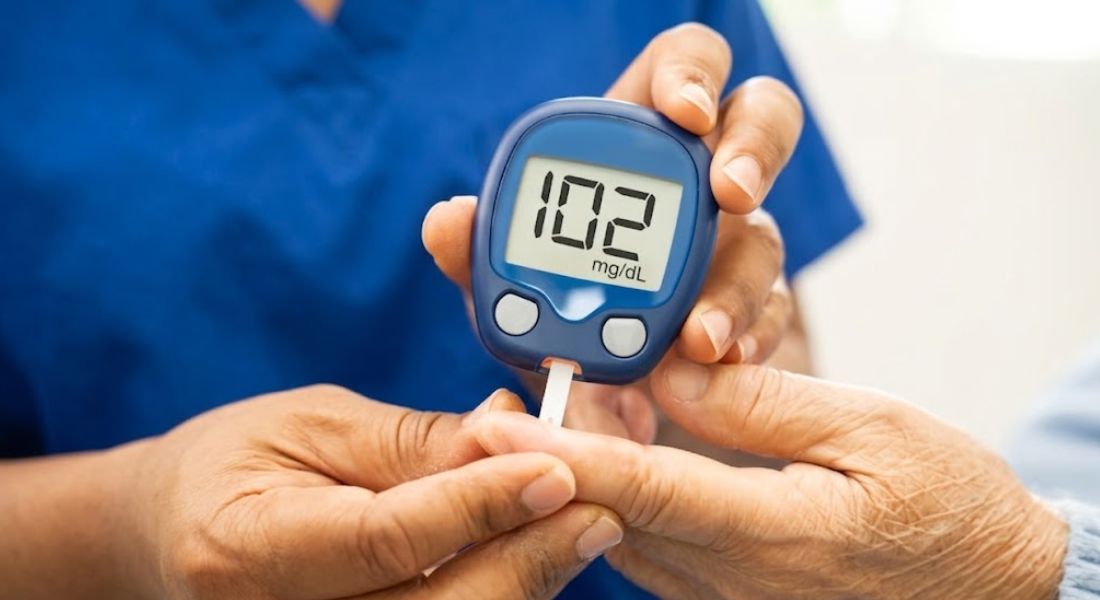
The relationship between diabetes and prostate cancer is complex and continues to be studied. Many men with diabetes wonder whether their condition increases the risk of developing prostate cancer or affects how the disease is detected, treated, or monitored. These are understandable concerns, and research is still working to provide clearer answers.
Diabetes can influence several processes within the body, including hormone levels, inflammation, insulin resistance, and blood sugar control. Researchers are investigating whether these changes may affect prostate cancer risk or progression. However, the relationship is not straightforward, and findings have varied between different studies.
It is also important to remember that prostate cancer risk is influenced by many factors, including age, family history, ethnicity, weight, and overall health. Diabetes is only one part of the picture, which is why your individual risk should always be assessed in the context of your wider health profile.
This article explains what current research suggests about the relationship between diabetes and prostate cancer. It also explores possible biological mechanisms, lifestyle factors, screening considerations, and what you can do to support your prostate health. The aim is to provide clear, practical information that helps you make informed decisions about your health.
Understanding Diabetes
Diabetes is a condition where your blood sugar levels become higher than normal because of problems with insulin production or insulin action. Insulin is the hormone that helps move sugar from the blood into the body’s cells, where it can be used for energy. When this process does not work properly, sugar can build up in the bloodstream and remain too high.
There are two main types of diabetes. Type 1 diabetes usually develops earlier in life and happens when the body cannot produce enough insulin. Type 2 diabetes is more common and is often linked with insulin resistance, weight, lifestyle factors, and family history.
Both types of diabetes can affect your metabolism and overall health. Over time, diabetes may influence circulation, inflammation, hormone balance, urinary function, and general wellbeing. This is why good diabetes management is important, especially when you are thinking about prostate health and long-term wellbeing.
Prostate Cancer Overview
Prostate cancer develops when cells in the prostate gland begin to grow in an uncontrolled way. The prostate is a small gland below the bladder that forms part of the male reproductive system. In many cases, prostate cancer grows slowly, although some types can be more aggressive.
It is one of the most common cancers affecting men, particularly as they get older. The risk generally increases with age, although family history, ethnicity, and other health factors can also influence your chances of developing the disease. Many men do not notice symptoms in the early stages.
Early detection can improve treatment options and outcomes. PSA testing, prostate examination, and imaging studies may all be used to investigate suspected prostate cancer, depending on your individual situation. If cancer is diagnosed early, there are often more treatment options available and a better chance of successful management.
Why the Relationship Is Studied
Researchers continue to study whether metabolic conditions such as diabetes can influence prostate cancer risk. Because diabetes affects several systems within the body, scientists want to understand whether these changes have any impact on how prostate cancer develops or progresses. This remains an active area of medical research.
Some studies suggest that diabetes may affect hormone levels, inflammation, insulin, and growth factors, all of which could potentially influence prostate cancer development. However, the relationship is complex, and research findings have not always been consistent. This means there is still more to learn about how these factors interact.
Understanding these possible links can help doctors make more informed decisions about screening, prevention, and long-term care. It also supports a more personalised approach, taking into account your overall health, diabetes management, and individual risk factors. This can help ensure you receive the most appropriate advice and follow-up.
Potential Biological Links Between Diabetes and Prostate Cancer
| Biological Factor | How Diabetes Influences It | Possible Effect on Prostate Cancer |
| Insulin resistance | Increases insulin levels in type 2 diabetes | May stimulate cell growth pathways (IGF-1 activity) |
| IGF-1 (growth factor) | Often elevated in metabolic imbalance | May promote cell proliferation in theory |
| Hormonal changes | Can lower testosterone levels | May influence cancer development and progression differently |
| Chronic inflammation | More common in poorly controlled diabetes | May contribute to cellular damage over time |
| Oxidative stress | Increased due to metabolic dysfunction | May affect DNA repair and cell stability |
Insulin and IGF-1
High insulin or insulin-like growth factor 1, also known as IGF-1, may encourage cell growth in the body. In type 2 diabetes, insulin resistance can sometimes lead to higher insulin levels, especially when the body is trying to keep blood sugar under control. These changes may be relevant when discussing cancer risk and prostate health.
IGF-1 is also involved in cell growth and repair, which is why researchers have studied its possible link with cancer development. In theory, higher insulin and IGF-1 activity could influence how some cells grow or behave. However, this does not mean that every man with type 2 diabetes has the same level of prostate cancer risk.
Research in this area has produced mixed results, and the effect may vary from person to person. Your age, weight, blood sugar control, medication, family history, and overall health all matter. This is why it is best to discuss your individual risk with your healthcare provider rather than relying on one factor alone.
Hormonal Influence
Diabetes can affect testosterone levels in men, and in some cases, testosterone may be lower than expected. Testosterone plays an important role in male health, including energy, sexual function, muscle strength, and prostate function. This is why hormone balance can be an important part of understanding overall prostate health.
Lower testosterone may have complex effects on prostate cancer risk and behaviour. It may be linked with reduced risk in some ways, but it may also influence how certain prostate cancers behave or progress. The relationship is not simple, so it should be assessed alongside other health factors.
If you have diabetes and concerns about prostate health, it is worth discussing hormone levels with your healthcare provider. They can consider your symptoms, blood sugar control, weight, medication, and prostate risk factors together. A personalised assessment can help guide safer and more informed care.
Inflammation and Oxidative Stress
Chronic inflammation is common in diabetes and can affect different parts of the body over time. When inflammation remains high for long periods, it may contribute to changes in tissues, including the prostate. This is one reason why good diabetes management is important for overall health.
Inflammatory processes and oxidative stress may potentially influence cancer development, although the relationship is complex. They can affect how cells respond to damage, repair themselves, and function over time. This does not mean diabetes directly causes prostate cancer, but it may be one factor within a wider risk profile.
Managing inflammation through a balanced diet, regular exercise, good blood sugar control, and prescribed medication may support prostate and general health. Your healthcare team can guide you on the safest approach for your individual needs. Small, consistent lifestyle changes can help reduce long-term strain on the body.
Obesity and Metabolic Syndrome
Type 2 diabetes is often linked with obesity and metabolic syndrome. These conditions can affect how your body manages insulin, weight, blood pressure, cholesterol, and inflammation. Together, they may influence your overall health and prostate cancer risk.
Excess weight can affect hormone levels, increase insulin resistance, and contribute to long-term inflammation in the body. These changes may create an environment that affects prostate health, although individual risk can vary. This is why it is important to look at your full health profile rather than one factor alone.
Lifestyle changes can play a protective role in supporting long-term health. Regular exercise, a balanced diet, weight management, and good diabetes control can all help reduce metabolic strain on the body. Small, steady changes are often easier to maintain and can make a meaningful difference over time.
Blood Sugar Control
Poorly controlled diabetes can worsen your overall health and increase the risk of complications. High blood sugar can affect your circulation, immune response, wound healing, and energy levels. This can make it harder for your body to stay resilient during illness or treatment.
High blood sugar itself may not directly cause prostate cancer, but it can affect how well your body copes with disease. It may also contribute to inflammation and other health problems that influence your general wellbeing. This is why diabetes control remains important even when discussing prostate health.
Maintaining good glycaemic control supports both diabetes management and overall health. Regular monitoring, medication adherence, healthy eating, physical activity, and specialist advice can all help keep blood sugar more stable. Better control can give your body stronger support for long-term wellbeing.
Medication Effects
Some diabetes medications, such as metformin, have been studied for their possible protective effects against certain cancers. Research is still ongoing, so you should not start, stop, or change any medication for cancer prevention without medical advice. Your treatment should always be based on your diabetes needs and overall health.
Other diabetes medicines may affect weight, hormone levels, insulin levels, or metabolism in different ways. These factors may potentially influence prostate cancer risk, although the relationship can be complex. This is why medication decisions should be personalised rather than based on general assumptions.
Always discuss medication concerns with your diabetes specialist, GP, or prostate specialist. They can explain how your current medicines fit into your wider health plan and whether any adjustments are needed. Clear medical guidance helps you manage diabetes safely while also considering your prostate health.
Impact on Detection
Diabetes may affect PSA levels in some men, and research suggests that PSA can sometimes be lower in men with diabetes. This may make prostate cancer harder to detect early if screening relies only on routine PSA results. Because of this, PSA should always be interpreted alongside your overall health and risk factors.
A lower PSA result does not always mean there is no prostate problem. Your doctor may also consider your age, family history, urinary symptoms, prostate examination findings, and how long you have had diabetes. Looking at the full picture helps reduce the risk of missing important changes.
Doctors may adjust screening strategies for men with diabetes to support timely diagnosis. This may include closer monitoring, repeat PSA testing, or further assessment if symptoms or risk factors are present. If you have concerns, it is important to discuss them with your GP or prostate specialist.
How Diabetes May Affect Prostate Cancer Detection
| Detection Factor | Effect in Men with Diabetes | Clinical Impact |
| PSA levels | May be slightly lower in some men | Possible delayed detection in screening |
| Hormone levels | Altered testosterone balance | May affect PSA interpretation |
| Urinary symptoms | Overlap with diabetic bladder issues | Can mask prostate-related symptoms |
| Screening interpretation | Requires broader clinical assessment | Doctors rely on full risk profile, not PSA alone |
Lifestyle Factors

Exercise, a healthy diet, and maintaining a healthy weight are important for men with diabetes. These habits can support better blood sugar control, improve energy levels, and reduce pressure on the body. They also play an important role in long-term health and prevention.
Healthy lifestyle choices may also reduce cancer risk indirectly. For example, regular activity and balanced eating can help reduce inflammation, support hormone balance, and improve metabolic health. These benefits can support both diabetes management and overall wellbeing.
Lifestyle changes are one of the most controllable parts of your health. You do not need to make extreme changes all at once. Small, steady improvements can make a meaningful difference over time.
Age and Duration of Diabetes
Older age and a longer history of diabetes may influence your overall prostate health. As you get older, the risk of prostate problems can naturally increase, including urinary symptoms, prostate enlargement, and prostate cancer. Diabetes may add another layer of complexity, especially if it has been present for many years.
Longstanding metabolic changes linked to diabetes may affect inflammation, hormone balance, circulation, and general tissue health. These factors could potentially influence prostate health and cancer risk, although the relationship is not always straightforward. This is why your individual risk should be discussed with your healthcare provider.
Regular monitoring becomes even more important as you get older. Routine check-ups, PSA testing where appropriate, and early assessment of urinary symptoms can help detect problems sooner. Staying proactive gives you a better chance of receiving timely advice and treatment if needed.
Family History
Having a family history of prostate cancer can increase your risk, regardless of whether you have diabetes. This is especially important if your father, brother, or another close male relative has been diagnosed with prostate cancer. Your doctor will usually consider this when assessing your overall risk.
If you also have diabetes, your risk assessment may need to look at several factors together. These may include your age, family history, general health, weight, urinary symptoms, and blood sugar control. Looking at the full picture helps your healthcare team give more personalised advice.
For some higher-risk men, genetic counselling or earlier screening may be considered. This can help identify whether you need closer monitoring or more regular PSA testing. If prostate cancer runs in your family, it is sensible to discuss screening with your GP or prostate specialist.
Screening Recommendations
Men with diabetes should follow the prostate cancer screening advice recommended by their healthcare provider. This may include PSA testing and, when appropriate, a prostate examination based on your age, symptoms, family history, and overall risk. Regular screening can help identify potential problems at an earlier stage.
Your doctor may recommend a personalised screening schedule rather than the same approach for everyone. Factors such as your age, general health, diabetes control, family history, and any urinary symptoms can all influence how often you should be reviewed. Your screening plan should be tailored to your individual circumstances.
Early detection remains an important factor in improving prostate cancer outcomes. Identifying changes before they cause significant symptoms can provide more treatment options and support better long-term results. If you are unsure about when you should be screened, speak to your GP or prostate specialist for individual advice.
Symptoms to Watch For
Changes in urinary patterns, blood in the urine, or pelvic discomfort should not be ignored. This may include passing urine more often, urgency, a weak flow, waking at night to urinate, or new pain around the pelvis. Even if the symptoms seem mild, they should be assessed properly.
Men with diabetes may sometimes assume these symptoms are due to urinary infections or diabetes-related bladder changes. While diabetes can affect urinary health, it is not always the only cause. Prostate enlargement, infection, inflammation, or prostate cancer may also need to be considered.
Seeing a specialist helps ensure you receive the right evaluation and timely care. They can arrange the appropriate tests, explain what may be causing your symptoms, and recommend treatment if needed. Early assessment can reduce worry and support better long-term outcomes.
Complications in Surgery
If prostate cancer is diagnosed and surgery is required, diabetes may influence your recovery. Blood sugar levels can affect how well your body heals after an operation. This is why your diabetes control is an important part of surgical planning.
Poor blood sugar control may increase the risk of slower wound healing, infection, and other recovery-related problems. It can also affect your energy levels and how smoothly your body responds after surgery. Careful monitoring before and after the operation can help reduce these risks.
Specialist pre-operative planning can help optimise your recovery. Your surgical team, diabetes team, and anaesthetic team may work together to review your medications, blood sugar control, and overall health before surgery. This joined-up approach helps make treatment safer and supports better healing.
Radiation and Diabetes
For men having radiotherapy for prostate cancer, diabetes can influence how the body responds to treatment. Blood sugar levels may affect healing, inflammation, and the way tissues recover during and after radiotherapy. This is why diabetes management remains important throughout treatment.
Some side effects, such as skin reactions, urinary irritation, and slower tissue healing, may be more difficult if blood sugar is not well controlled. Not every man with diabetes will have more side effects, but careful monitoring can help reduce avoidable problems. Your treatment team will guide you on what symptoms to watch for.
Good glycaemic control can help improve treatment tolerance and support better recovery. Your oncology team and diabetes team may work together to monitor your health and adjust advice if needed. This joined-up care can help you manage radiotherapy more safely and confidently.
Hormone Therapy Considerations
Some prostate cancer treatments work by reducing testosterone levels. This is often called hormone therapy or androgen deprivation therapy. It may be recommended in certain prostate cancer cases, depending on the stage, risk level, and treatment plan.
If you have diabetes, hormone therapy may affect blood sugar control, body weight, and cardiovascular risk. This means your glucose levels, medications, diet, and general health may need closer monitoring during treatment. Your care plan should take both prostate cancer and diabetes into account.
Good coordination between your oncology team and diabetes team is important for safe management. Working together, they can monitor changes, adjust treatment where needed, and help reduce avoidable risks. This joined-up approach can support better outcomes and give you more confidence during treatment.
Long-Term Health Monitoring
Men with diabetes need ongoing monitoring for their heart, kidneys, blood sugar, and overall metabolic health. These areas are closely connected, so regular check-ups can help detect changes early and guide safer management. Staying consistent with medical reviews is an important part of long-term care.
Prostate health should also be included as part of your overall health plan. Urinary symptoms, PSA testing, prostate checks, and any new changes should be discussed with your healthcare team. This helps make sure prostate concerns are not missed or mistaken for diabetes-related urinary problems.
A multidisciplinary approach can support better long-term outcomes. When your diabetes specialist, urologist, GP, and other healthcare professionals work together, your care becomes more complete and coordinated. This joined-up support can give you clearer guidance and greater reassurance.
Dietary Advice
A balanced diet can support diabetes management and may also help your overall prostate health. Try to include plenty of vegetables, lean protein, whole grains, and healthy fats in your meals. Reducing processed sugars can also help with blood sugar control and long-term wellbeing.
It may also be helpful to limit red and processed meats, sugary drinks, and highly processed foods. These choices can support weight control, reduce inflammation, and make diabetes easier to manage. You do not need to follow an extreme diet, but your everyday food choices do matter.
Small, consistent changes often have the biggest impact over time. Choosing healthier meals, drinking enough water, and keeping portion sizes balanced can all support your health. If you are unsure what diet is best for you, a doctor or dietitian can give advice based on your individual needs.
Exercise Recommendations

Regular physical activity can support your health in several important ways, especially if you have diabetes. It can improve insulin sensitivity, help with weight control, support circulation, and may reduce inflammation in the body. These benefits can also contribute to better long-term prostate and overall health.
Moderate exercise such as walking, swimming, or cycling is often a safe and practical place to start. You do not need to push yourself into intense workouts to see benefits. The aim is to choose activities you can manage comfortably and continue regularly.
Consistency matters more than intensity when it comes to exercise. Even small amounts of regular movement can make a positive difference over time. If you have other health conditions or are unsure what level of activity is safe, speak to your healthcare provider before starting a new routine.
Stress Management
Chronic stress can affect your blood sugar control, sleep, hormonal balance, and overall wellbeing. If you have diabetes, ongoing stress may make it harder to manage your health consistently. This is why stress management can be an important part of your wider care plan.
Simple techniques such as mindfulness, meditation, breathing exercises, or gentle relaxation routines may help you feel calmer and more in control. These approaches can support diabetes management by helping you respond to stress in a healthier way. They may also improve your energy, mood, and daily routine.
Reducing stress can indirectly benefit your prostate health and general wellbeing. It can support better lifestyle choices, improve sleep quality, and make it easier to stay consistent with medication, activity, and appointments. Over time, these small changes can contribute to better overall health.
Alcohol and Smoking Considerations
Limiting alcohol and avoiding smoking can support your overall health, especially if you have diabetes. These habits can affect blood sugar control, circulation, inflammation, and general metabolic health. Making healthier choices can also help reduce your overall risk of several long-term health problems.
Smoking can worsen circulation and may affect how well your body heals and responds to treatment. Alcohol can also make diabetes management more difficult, especially if it affects your blood sugar levels, weight, liver health, or medication routine. This is why it is important to follow medical advice about alcohol intake and smoking cessation.
Healthy lifestyle choices can support both preventive care and long-term recovery. Reducing alcohol, stopping smoking, eating well, staying active, and attending regular check-ups can all help you manage your health more confidently. Small, consistent changes can make a meaningful difference over time.
Regular Specialist Check-Ups

Regular check-ups with your healthcare team are an important part of managing both diabetes and prostate health. If you have diabetes, it is beneficial to continue routine appointments with your endocrinologist as well as your urologist or prostate specialist. These visits help make sure both conditions are monitored appropriately.
Regular assessments can help identify any prostate changes or urinary symptoms at an early stage. If something unusual is found, it can be investigated promptly, allowing treatment or monitoring to begin when needed. Early detection often provides more options and can improve long-term management.
Ongoing specialist care also gives you the opportunity to discuss any new symptoms, concerns, or changes in your health. Having regular reviews provides reassurance that your condition is being monitored closely and helps support better long-term outcomes for both your diabetes and prostate health.
Understanding Individual Risk
The impact of diabetes on prostate cancer risk is not the same for everyone. Your individual risk can be influenced by several factors, including your age, body weight, blood sugar control, family history, and overall health. This is why two people with diabetes may not have the same level of prostate cancer risk.
Other factors, such as lifestyle habits, ethnicity, and existing medical conditions, may also play a role in your overall risk profile. Looking at diabetes alone does not provide the full picture. Your healthcare team will consider all of these factors when assessing your prostate health and deciding whether any further investigation or monitoring is needed.
Having a personalised discussion with your healthcare provider can help clarify your individual level of risk and address any concerns you may have. They can advise you on appropriate screening, lifestyle changes, and preventive strategies based on your personal circumstances. This tailored approach supports better long-term prostate and overall health.
Importance of Early Assessment
Early assessment of urinary or prostate symptoms can help you get the right diagnosis at the right time. Symptoms such as frequent urination, urgency, poor flow, waking at night to pass urine, or blood in the urine should not be ignored. Even if you have diabetes, these changes still need proper medical review.
Diabetes can cause urinary symptoms, but it is not always the only explanation. Prostate enlargement, infection, bladder problems, or prostate cancer may also cause similar symptoms. Prompt evaluation allows your specialist to understand the real cause and recommend safer, more effective management.
You should not delay assessment by assuming that urinary changes are only related to diabetes. Getting checked early can reduce worry, prevent complications, and support better treatment outcomes. If something feels new, persistent, or concerning, it is sensible to speak to your doctor or prostate specialist.
Collaboration Between Specialists

Good communication between diabetes specialists and urologists can help you receive more complete and coordinated care. Diabetes can affect many areas of your health, so it is important that your prostate monitoring is considered alongside your blood sugar control. This joined-up approach helps your healthcare team make safer and more informed decisions.
Your care may include blood sugar monitoring, medication review, lifestyle advice, and regular prostate checks. By bringing these areas together, your specialists can make sure that one part of your treatment does not negatively affect another. This can be especially helpful if you are managing diabetes alongside prostate symptoms, prostate cancer risk, or prostate cancer treatment.
A team-based approach can support both short-term and long-term outcomes. It helps reduce confusion, improves communication between specialists, and gives you clearer guidance about your health. With the right support, you can manage both conditions more confidently.
FAQs:
1. Does diabetes increase the risk of prostate cancer?
The relationship between diabetes and prostate cancer is still being researched. Current evidence suggests the relationship is complex. Some studies have reported a lower incidence of prostate cancer among men with diabetes, while others have found little or no association. Differences in PSA levels, hormone changes, medication use, and screening practices may partly explain these findings.
2. Can diabetes affect how prostate cancer develops or progresses?
Yes, in some cases. Diabetes may influence insulin levels, inflammation, and testosterone balance, all of which can play a role in cancer behaviour. These factors may affect how prostate cancer grows or responds to treatment, although outcomes vary between individuals.
3. Is prostate cancer harder to detect in men with diabetes?
It can sometimes be more complex. Men with diabetes may have lower PSA levels, which can potentially delay detection of prostate cancer. This is why doctors often consider overall risk factors, not just PSA results, when assessing prostate health.
4. Why might diabetes lower PSA levels?
Diabetes can affect hormone levels, including testosterone, which in turn may reduce PSA production. While this does not mean cancer risk is eliminated, it can make routine screening slightly less straightforward, requiring careful interpretation by a specialist.
5. Does insulin or medication for diabetes affect prostate cancer risk?
Some research suggests that insulin resistance and high insulin levels may influence cancer-related pathways. Medications like metformin have also been studied for possible protective effects, but evidence is not conclusive. Treatment decisions should always be guided by your doctor.
6. Does being overweight with diabetes increase prostate cancer risk?
Yes, being overweight or having metabolic syndrome alongside diabetes may increase risk factors. Excess body fat can influence hormone levels and inflammation, both of which are linked to prostate health. Lifestyle management plays an important role in reducing these risks.
7. Should men with diabetes be screened more often for prostate cancer?
Not always, but screening may be personalised. Doctors often consider age, family history, PSA levels, and diabetes control when deciding screening frequency. In some cases, closer monitoring may be recommended for earlier detection.
8. How does diabetes affect prostate cancer treatment outcomes?
Diabetes can influence recovery from surgery, radiotherapy tolerance, and wound healing. Good blood sugar control is essential during treatment for prostate cancer to reduce complications and improve overall outcomes.
9. Can lifestyle changes reduce prostate cancer risk in people with diabetes?
Yes, lifestyle changes can have a meaningful impact. Healthy eating, regular exercise, weight control, and smoking cessation help improve diabetes management and may indirectly reduce cancer-related risks by lowering inflammation and improving metabolic health.
10. What should men with diabetes watch for regarding prostate health?
Men should be alert to urinary changes such as difficulty passing urine, increased frequency, weak flow, or blood in urine. These symptoms should not be ignored, as early evaluation is important for both diabetes-related urinary issues and possible prostate conditions.
Final Thoughts: Understanding Diabetes and Prostate Cancer Risk
The relationship between diabetes and prostate cancer is complex and still being actively researched. While diabetes does not appear to directly cause prostate cancer, it may influence important factors such as hormone balance, inflammation, insulin levels, and even how early prostate cancer is detected. This means that men with diabetes may have a slightly different risk profile and should pay closer attention to regular screening and overall prostate health.
Good diabetes control, a healthy lifestyle, and routine medical follow-ups all play an important role in reducing complications and supporting long-term wellbeing. Ultimately, individual risk varies, so personalised medical advice is essential to ensure the right screening and prevention strategy is in place.
If you want expert assessment for prostate symptoms, PSA changes, or concerns relating to the link between diabetes and prostate health, you can contact us at Prostate Clinic London to discuss your first appointment and next steps tailored to your individual situation.
References:
- Margel, D., Urbach, D.R., Lipscombe, L.L., Bell, C.M., Kulkarni, G., Austin, P.C. and Fleshner, N.E. (2013) Metformin use and all-cause and prostate cancer-specific mortality among men with diabetes, Journal of Clinical Oncology, 31(25), pp. 3069–3075. Available at: https://pubmed.ncbi.nlm.nih.gov/23918953/
- Zhang, X., Zhu, Y., Wang, C., et al. (2024) Diabetes Mellitus and Prostate Cancer Risk: A Systematic Review and Meta-Analysis, Cancers, 16(23), 4010. Available at: https://www.mdpi.com/2072-6694/16/23/4010
- Waters, K.M., Henderson, B.E., Stram, D.O., et al. (2009) Association of diabetes with prostate cancer risk and PSA levels, Cancer Epidemiology, Biomarkers & Prevention. Available at: https://pmc.ncbi.nlm.nih.gov/articles/PMC6411285/
- Margel, D. and Fleshner, N.E. (2011) Oral hypoglycaemic medication and the association with prostate cancer, BJU International. Available at: https://pubmed.ncbi.nlm.nih.gov/30896668/
- Häggström, C., Stocks, T., Nagel, G., et al. (2014) Metabolic factors associated with risk of prostate cancer, European Journal of Cancer. Available at: https://www.sciencedirect.com/science/article/pii/S095980491400147X