




If you have been told you may need prostate surgery, it is completely natural to wonder whether robotic-assisted surgery offers real advantages. You may find yourself trying to understand how this approach compares with traditional open surgery and what it could mean for your recovery and long-term health.
Da Vinci robotic prostate surgery is widely used for treating prostate cancer and is considered a minimally invasive alternative to open procedures. You are more likely to hear about it because it focuses on improving precision, reducing surgical impact, and supporting a smoother recovery process in many cases.
In simple terms, this technique allows surgeons to operate with enhanced control and visibility using advanced robotic technology. You may find that this leads to smaller incisions, less tissue disruption, and potentially fewer complications, depending on your individual situation.
This article explains the potential benefits of Da Vinci robotic prostate surgery and how they may affect recovery, comfort, and overall treatment outcomes. You may find it helpful to see how each advantage relates to recovery, comfort, and overall treatment outcomes before choosing the right path for you.
Smaller Surgical Incisions
One of the most noticeable benefits of robotic prostate surgery is that it uses small keyhole incisions rather than a single large surgical cut. You may find this approach significantly less invasive compared to traditional open surgery.
These small openings allow fine surgical instruments and a high-definition camera to be inserted into the body, giving the surgeon access to the prostate with minimal disruption to surrounding tissues. As a result, the procedure can be carried out with greater precision and control.
Smaller incisions usually lead to less visible scarring and a gentler overall surgical experience. You are more likely to experience a smoother recovery in the early stages, with reduced trauma to the body compared to more invasive techniques.
Reduced Blood Loss
Robotic prostate surgery can often help reduce blood loss during the operation compared with traditional open techniques. You may find this benefit particularly reassuring when considering the overall safety of the procedure.
The precision of the robotic instruments allows surgeons to carefully navigate around blood vessels and control movement with greater accuracy. This enhanced control can help minimise unnecessary tissue disruption, which in turn may reduce bleeding during surgery.
As a result, there may be a lower likelihood of needing a blood transfusion in many cases. You are more likely to benefit from a smoother surgical experience when blood loss is kept to a minimum, supporting a more stable recovery overall.
High-Precision Surgical Control
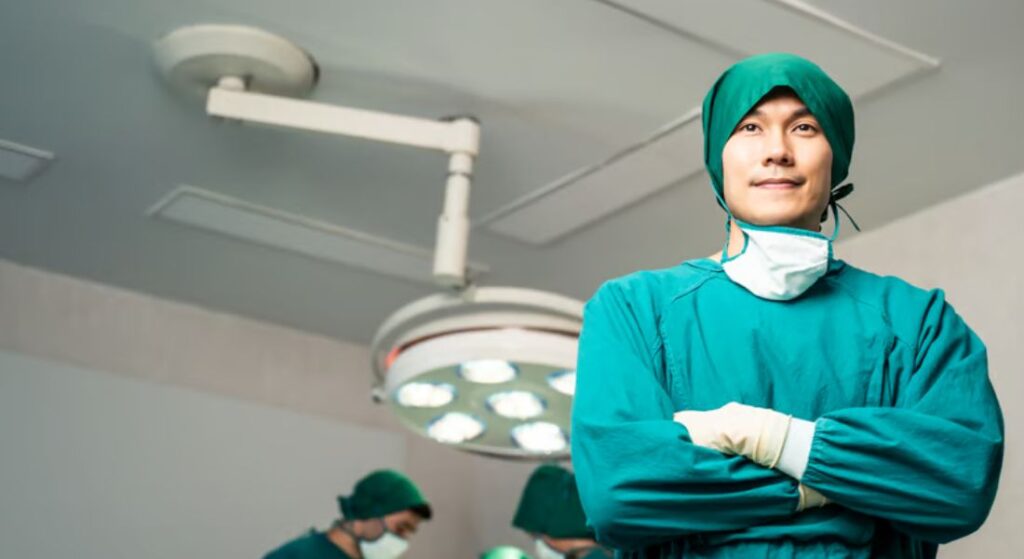
The Da Vinci system provides surgeons with a significantly enhanced level of precision and control during surgery, which you may find especially important in complex procedures like prostate surgery. This advanced technology allows for very refined movements that are far more stable and accurate than traditional surgical techniques.
Hand movements made by the surgeon are translated into extremely fine, controlled micro-movements inside the body. As a result, even small or delicate adjustments can be carried out with a high degree of accuracy, reducing unnecessary disruption to surrounding tissues.
This level of precision is particularly important in sensitive areas such as the prostate, where vital nerves and blood vessels are located very close together. You are more likely to benefit from this controlled approach, as it supports precise and controlled surgical performance in these delicate regions.
Better Visualisation for the Surgeon
The system provides a highly magnified 3D view of the surgical area, which you may find significantly improves clarity during complex procedures. This enhanced visualisation allows surgeons to see nerves, tissues, and blood vessels in much greater detail than traditional methods.
Improved visibility helps the surgeon distinguish between different structures more accurately, even in very tight and delicate spaces within the pelvis. You are more likely to benefit from this level of detail when precision is essential for protecting surrounding anatomy.
This enhanced view also supports more informed and careful decision-making throughout the procedure. As a result, the surgeon can operate with greater confidence, accuracy, and control, particularly during the most delicate stages of prostate surgery.
Potential for Nerve-Sparing Surgery
In suitable cases, robotic prostate surgery may support nerve-sparing techniques due to the enhanced precision and visibility of the system. You may find this particularly important when maintaining quality of life outcomes is a key consideration.
This approach involves carefully attempting to preserve the delicate nerve bundles responsible for erectile function. You are more likely to benefit from this technique when the cancer’s location and stage allow the surgeon to work around these structures safely.
However, nerve preservation is only performed when it does not compromise cancer control. Your surgeon will always prioritise complete and effective removal of the cancer while balancing the possibility of preserving function wherever it is safely achievable.
Less Post-Operative Pain
Many patients report experiencing less post-operative pain after robotic prostate surgery compared with traditional open surgery. You may find that this difference is one of the most noticeable benefits in the early recovery period.
This is mainly due to the use of smaller incisions and reduced disruption to surrounding tissues during the procedure. As a result, the body is generally subjected to less physical trauma, which can contribute to a more comfortable recovery experience.
Pain management is still provided as part of standard care, but discomfort is often more manageable and tends to improve steadily over time. You are more likely to feel supported during recovery, with symptoms gradually easing as healing progresses.
Faster Initial Recovery

Recovery from robotic prostate surgery is often quicker in the early stages compared with more invasive surgical approaches. You may find that this allows you to regain a sense of normality sooner after the procedure.
Patients are often able to move around earlier after surgery, with gentle walking usually encouraged as part of the recovery process. You are more likely to benefit from this early mobilisation, as it helps support circulation and overall healing.
This early movement can also help reduce the risk of complications associated with long periods of immobility, such as stiffness or circulation-related issues. As a result, recovery may feel more manageable and progressive in the initial phase.
Typical Recovery Advantages of Da Vinci Robotic Prostate Surgery
| Potential Benefit | How It May Help |
| Smaller incisions | Less tissue disruption and reduced scarring |
| Reduced blood loss | Lower likelihood of transfusion in many cases |
| Less post-operative pain | Greater comfort during early recovery |
| Faster mobilisation | Earlier walking and movement after surgery |
| Shorter hospital stay | Earlier return home for recovery |
| Reduced infection risk | Smaller wounds and less tissue exposure |
| Quicker return to daily activities | Faster resumption of light routines |
Shorter Hospital Stay
In many cases, patients may not need to stay in hospital for long after robotic prostate surgery compared with more traditional approaches. You may find that this shorter admission period helps the recovery process feel more comfortable and less disruptive overall.
A reduced hospital stay can also help lower stress levels, as you are able to return to the comfort of your own home sooner and continue recovery in a familiar environment. You are more likely to feel at ease when you are resting in surroundings where you feel relaxed and supported.
However, the exact duration of your hospital stay will always depend on your individual recovery progress and overall health. Your medical team will ensure you are safe and stable before discharge, so you can continue healing with confidence at home.
Lower Risk of Infection
Smaller incisions used in robotic prostate surgery may help reduce the risk of post-surgical infection compared to traditional open procedures. You may find that the minimally invasive nature of the technique means there is less disruption to the skin and underlying tissues.
With less exposure of internal tissues during surgery, the overall environment for healing can be more controlled, which may contribute to a cleaner and more efficient recovery process. You are more likely to benefit from this when surgery is performed under strict sterile conditions and followed by proper care.
However, good post-operative care is still essential for a safe recovery. You should follow all instructions provided by your medical team closely, as this plays a key role in preventing complications and supporting proper healing.
Reduced Scarring
Because robotic prostate surgery uses small keyhole incisions, scarring is usually minimal compared to traditional open surgery. You may find that this less invasive approach results in a more cosmetically subtle outcome.
Over time, these small marks often fade significantly and become far less noticeable, especially as the skin continues to heal and remodel in the months following surgery. You are more likely to see gradual improvement in the appearance of scars as the body repairs itself naturally and the incision sites soften.
This can be particularly important for patients who are concerned about cosmetic results after surgery. A smaller external impact on the body often helps support both physical recovery and confidence during the healing process.
Improved Surgical Accuracy
The robotic system allows for highly precise and controlled movements, which you may find particularly important during complex prostate surgery. This level of precision helps the surgeon perform delicate steps with greater stability and accuracy.
It can be especially useful when working in the tight and confined spaces of the pelvis, where visibility and access are naturally limited. You are more likely to benefit from this enhanced control in areas where even small adjustments can make a significant difference.
Greater accuracy may also support better preservation of surrounding structures, such as nerves and blood vessels. This careful approach can contribute to safer surgery and potentially improved functional outcomes, depending on individual circumstances.
Less Tissue Trauma
Traditional open surgery usually involves more direct physical handling and manipulation of surrounding tissues, which you may find can increase the overall impact of the procedure on the body. This can sometimes contribute to a longer and more uncomfortable recovery period.
Robotic surgery, on the other hand, is designed to minimise unnecessary movement and handling of nearby structures. You are more likely to benefit from a more precise and controlled approach, which helps protect surrounding tissues during the operation.
This can lead to a gentler overall surgical experience, with reduced strain on the body. As a result, recovery may feel smoother in the early stages, depending on your individual healing response.
Quicker Return to Daily Activities
Many patients are able to return to light daily activities sooner compared with traditional open surgery, which you may find helps make the recovery period feel more manageable. This can include simple routines such as walking, self-care, and basic household tasks as your strength gradually returns.
You are more likely to notice steady improvement in comfort and mobility during the early stages of recovery, especially when you follow your surgeon’s guidance. This gradual return to normal movement can also help rebuild confidence after surgery.
However, it is still important to avoid heavy lifting and strenuous physical activity in the initial recovery period. Your surgeon will advise you on when it is safe to increase activity levels based on your individual healing progress.
Better Posture and Mobility Early On
Because recovery is often less painful compared to more invasive surgery, you may find that mobility returns more quickly in the early stages after the procedure. This can make it easier for you to start moving around sooner, which is an important part of the recovery process.
Walking and gentle movement are usually encouraged soon after surgery, as long as it is done safely and in line with your surgeon’s advice. You are more likely to feel comfortable gradually increasing activity when pain levels are manageable.
This early movement helps improve circulation, reduces the risk of complications, and supports overall healing. It also plays a key role in helping your body regain strength and stability during the initial recovery period.
Reduced Risk of Some Complications
In experienced surgical hands, robotic prostate surgery may be associated with a lower risk of certain complications compared to traditional open procedures. You may find that the minimally invasive nature of the technique plays an important role in this.
This can include reduced blood loss during surgery, a lower risk of infection, and fewer wound-related issues due to the use of smaller incisions. You are more likely to benefit from these advantages when the procedure is carried out in a controlled and well-managed surgical environment.
However, it is important to understand that outcomes always depend on individual health factors as well as the skill and experience of the surgical team. Each case is different, and your surgeon will consider all relevant factors before recommending the most suitable approach for you.
More Controlled Nerve Handling
The prostate is located very close to delicate nerve bundles that play an important role in urinary control and sexual function, which you may find makes precision during surgery especially important. Because of this close relationship between the prostate and surrounding nerves, even small movements need to be carefully managed to avoid unnecessary damage.
Robotic instruments allow surgeons to work with a higher level of control in these tight and sensitive areas. This precision helps guide very fine movements when operating near critical structures, reducing unnecessary disruption to surrounding tissue.
This may support more careful nerve handling in cases where nerve-sparing surgery is appropriate. You are more likely to benefit from this approach when the clinical situation allows for preservation while still ensuring effective cancer removal.
Improved Ergonomics for Surgeons

The surgeon operates from a console in a seated and highly controlled position, which you may find is quite different from traditional open surgical techniques. This setup allows the surgeon to maintain focus and precision throughout the procedure without physical strain.
This ergonomic design reduces fatigue, meaning the surgeon can perform steady, controlled movements even during longer or more complex operations. You are more likely to benefit from this consistency, as reduced fatigue can support sustained accuracy from start to finish.
A more stable operating environment can indirectly enhance precision and decision-making during surgery. This helps ensure that the procedure is carried out with a high level of control, particularly in delicate and sensitive areas.
Consistency in Complex Movements
The robotic system is designed to filter out even the smallest hand tremors, which you may find helps improve overall precision during surgery. This allows the surgeon to perform very delicate movements with greater stability and control.
As a result, movements inside the body are smoother and more consistent compared to traditional techniques. You are more likely to benefit from this steadiness during complex or highly sensitive parts of the procedure.
This level of stability is particularly useful in prostate surgery, where accuracy is essential around nerves and other delicate structures. It can help support safer dissection in tight anatomical spaces and contribute to more controlled surgical performance throughout the operation.
Better Outcomes in Selected Patients
Some studies suggest that robotic prostate surgery may be associated with improved functional outcomes in selected patients, particularly when performed by experienced surgeons. You may find that these outcomes are most noticeable in carefully chosen cases where the cancer is localised and nerve preservation is possible.
This can include earlier return of urinary continence and improved erectile function recovery in suitable individuals, although progress is usually gradual and varies from person to person. You are more likely to see positive results when key structures can be preserved during surgery and when recovery is well supported.
However, it is important to understand that results are not the same for everyone. Outcomes depend on several factors, including cancer stage, age, overall health, and individual healing response.
Summary of Potential Benefits of Da Vinci Robotic Prostate Surgery
| Area | Potential Advantage |
| Surgical precision | Greater control in delicate areas |
| Visualisation | Magnified 3D surgical view |
| Recovery | Earlier mobilisation and shorter hospital stay |
| Blood loss | Often reduced compared with open surgery |
| Scarring | Smaller, less noticeable scars |
| Nerve preservation | May support erectile function recovery in suitable patients |
| Complications | Lower rates of some perioperative complications |
Psychological Comfort for Some Patients
Knowing that minimally invasive robotic technology is being used can help reduce anxiety for some patients, especially when they are feeling uncertain about surgery. You may find that the idea of smaller incisions and enhanced precision offers a sense of reassurance before the procedure.
For some individuals, this approach may feel more comfortable compared to traditional open surgery, as it is often associated with a gentler surgical experience and a potentially smoother recovery. You are more likely to feel at ease when you understand how the technique is designed to support accuracy and reduce physical impact.
However, confidence should always be based on clear medical advice rather than technology alone. You should rely on your surgeon’s guidance to understand what is truly most appropriate and safe for your individual condition.
Not Suitable for Every Patient
Despite its benefits, robotic surgery is not always the best option for everyone, and you may find that suitability depends on your specific diagnosis and overall health. In some cases, factors such as cancer stage, prostate size, or existing medical conditions can influence whether this approach is appropriate.
Complex cancer cases or certain clinical situations may require alternative surgical techniques or a different treatment pathway to ensure the safest and most effective outcome. You are more likely to benefit from a carefully considered plan that prioritises both safety and long-term results.
Your surgeon will assess your individual case in detail and recommend the most suitable treatment for your situation. This ensures that your care is tailored specifically to you, rather than following a generalised approach.
Importance of Specialist Care

The success of robotic surgery depends heavily on the experience of the surgeon as well as careful clinical planning before and during the procedure. You may find that outcomes are often better when the surgery is performed by a highly skilled and experienced specialist team.
It is important to be treated by professionals who regularly manage prostate cancer surgery, as this level of expertise can support more accurate decision-making and a more tailored surgical approach. You are more likely to feel reassured when your care is handled by a team that understands the complexities of prostate conditions in detail.
If you are exploring treatment options, you can learn more about advanced surgical care through Prostate Clinic London. Taking time to review your options and understand specialist approaches can help you feel more confident in your decision and more prepared for the journey ahead.
FAQs:
1. What are the main benefits of Da Vinci robotic prostate surgery?
The main benefits include smaller incisions, reduced blood loss, improved surgical precision, and potentially quicker early recovery. It also allows surgeons to operate with enhanced visualisation and control in a very delicate area of the body.
2. Is robotic prostate surgery less invasive than traditional surgery?
Yes, Da Vinci robotic surgery is considered minimally invasive because it uses small keyhole incisions instead of a large open cut. This generally leads to less tissue disruption, reduced scarring, and a more comfortable early recovery period
3. Does robotic surgery reduce pain after prostate surgery?
Many patients report experiencing less post-operative pain compared to traditional open surgery. This is mainly due to the smaller incisions and reduced trauma to surrounding tissues, although pain levels can still vary from person to person.
4. Will I recover faster after Da Vinci prostate surgery?
In many cases, initial recovery is quicker with robotic surgery. Patients are often able to move around sooner and return to light daily activities earlier, although full recovery still takes time and depends on individual healing.
5. Does robotic surgery help preserve nerves?
In suitable cases, robotic surgery may allow for nerve-sparing techniques that aim to preserve the nerves responsible for erectile function. However, this is only done when it is safe from a cancer control perspective.
6. Are there fewer complications with robotic prostate surgery?
In experienced hands, robotic surgery may be associated with fewer complications such as reduced bleeding, infection risk, and wound-related issues. However, outcomes depend on patient health, cancer stage, and surgical expertise.
7. How long do I stay in hospital after robotic prostate surgery?
Hospital stays are usually shorter compared to open surgery. Many patients go home within a few days, depending on their recovery progress and overall health condition.
8. Will there be visible scarring after the procedure?
Scarring is usually minimal because only small keyhole incisions are made. Over time, these small marks often fade significantly and are much less noticeable than scars from traditional open surgery.
9. Is robotic prostate surgery suitable for everyone?
No, it is not suitable for every patient. Factors such as cancer stage, overall health, and medical history influence the best treatment approach. Your surgeon will recommend the most appropriate option for your situation.
10. Does Da Vinci robotic surgery guarantee better outcomes?
While it offers several advantages, outcomes are not guaranteed. Results depend on many factors including surgeon experience, disease stage, and individual patient health. It is an advanced tool that supports precision but does not replace clinical judgement.
Final Thoughts: Understanding the Real Benefits of Da Vinci Robotic Prostate Surgery
Da Vinci robotic prostate surgery offers a range of important advantages, particularly in terms of precision, reduced blood loss, smaller incisions, and potentially quicker early recovery. For many men, these benefits can make the surgical experience less physically demanding and may support a smoother return to daily activities. The enhanced visualisation and fine control provided by the robotic system also allow surgeons to work with great accuracy in a very delicate area of the body.
However, it is important to remember that outcomes depend on several factors, including the stage of cancer, overall health, and most importantly, the experience of the surgical team. Robotic surgery is an advanced tool that supports clinical expertise, but it is not a guarantee of results on its own. A detailed consultation with a specialist is the best way to understand whether this approach is suitable for your individual situation. If you are looking for Da Vinci robotic prostate surgery in London, you can reach out to us to arrange a consultation and receive personalised advice about your diagnosis, treatment choices, and recovery.
References:
- Wang, J., Lu, Y., Wu, G., Wang, T., Wang, Y., Zhao, H., Liu, Y. and Zhang, X. (2023) Robot-assisted versus open radical prostatectomy: a systematic review and meta-analysis of prospective comparative studies, Journal of Robotic Surgery. Available at: https://pubmed.ncbi.nlm.nih.gov/37721644/
- Novara, G., Ficarra, V., Rosen, R.C., Artibani, W., Costello, A., Eastham, J.A., Graefen, M., Guazzoni, G., Shariat, S.F., Stolzenburg, J.U., Van Poppel, H., Wilson, T.G., Zattoni, F. and Mottrie, A. (2012) Systematic review and meta-analysis of perioperative outcomes and complications after robot-assisted radical prostatectomy, European Urology, 62(3), pp. 431–452. Available at: https://pubmed.ncbi.nlm.nih.gov/22749853/
- Pan, X., Wang, R., Zhu, X., Qin, X. and Wang, Y. (2014) Robot-assisted radical prostatectomy vs. open radical prostatectomy in prostate cancer: a systematic review and meta-analysis, Indian Journal of Surgery. Available at: https://pmc.ncbi.nlm.nih.gov/articles/PMC4775551/
- Jo, S.B. and Kim, J.W. (2025) Recent advances in radical prostatectomy: a narrative review of surgical innovations and outcomes, Cancers, 17(5), 902. Available at: https://www.mdpi.com/2072-6694/17/5/902
- Kannan, P., Winser, S.J., Fung, B. and Cheing, G. (2018) Effectiveness of pelvic floor muscle training alone and in combination with biofeedback, electrical stimulation, or both compared to control for urinary incontinence in men following prostatectomy: systematic review and meta-analysis, Physical Therapy, 98(11), pp. 932–945. Available at: https://academic.oup.com/ptj/article/98/11/932/5076043