




When something changes with your urinary health, it can be tempting to ignore it and hope it settles on its own. You may tell yourself it is just age, stress, dehydration, or a minor infection.
Sometimes, symptoms do turn out to be harmless or easily treatable. However, certain changes should never be brushed aside, especially when they involve urination, pelvic discomfort, blood, pain, or sudden changes in bladder control. These symptoms can sometimes indicate an underlying prostate or urinary condition that needs proper evaluation.
A prostate clinic can help you understand what is happening and whether your symptoms require further investigation. You do not need to second-guess every change yourself, but you also should not delay seeking advice when symptoms persist or feel unusual for you.
The goal is not to cause alarm, but to ensure you get clarity early. Acting sooner rather than later can help identify any issues early and provide reassurance or treatment where needed.
Why Prostate Symptoms Should Be Taken Seriously
Your prostate sits just below your bladder and surrounds the urethra, the tube that carries urine out of your body. Because of this close relationship, even small changes in the prostate can affect how you pass urine and how comfortably your bladder empties.
Many prostate-related symptoms are caused by non-cancerous conditions, such as benign prostate enlargement or inflammation. However, similar symptoms can sometimes be seen in more serious conditions as well, which is why proper medical assessment is important rather than self-diagnosis.
You do not need to work out the exact cause yourself. Your role is to notice when something feels different or persistent and seek specialist advice when needed. Early assessment helps ensure any underlying issue is identified promptly and managed appropriately.
When Should You Contact a Prostate Clinic?
You should consider contacting a prostate clinic if urinary symptoms are new, persistent, worsening, or beginning to affect your daily routine. You may notice changes such as increased frequency, discomfort, or difficulty passing urine, especially if these changes do not settle over time.
It is particularly important to seek advice if symptoms appear suddenly or are accompanied by warning signs such as pain, blood in the urine, fever, or unexplained weight loss. In these situations, you should not delay assessment, as early evaluation helps identify the underlying cause and ensures timely management.
A prostate clinic can assess your symptoms in detail, review your medical history, and arrange appropriate tests where needed. This may include urine and blood tests, a prostate examination, imaging, or further specialist investigations to provide a clear diagnosis and treatment plan tailored to your condition. If you are unsure where to start, you can contact a specialist service such as Prostate Clinic London for further guidance and assessment.
Prostate Symptoms You Should Never Ignore
| Symptom | What You May Notice | Possible Cause(s) | Recommended Action |
| Blood in urine | Red, pink, brown, or tea-coloured urine | Infection, stones, prostate or urinary tract conditions | Seek prompt medical assessment |
| Blood in semen | Visible blood during ejaculation | Inflammation, infection, prostate conditions | Arrange medical review if recurrent |
| Difficulty starting urination | Delay before urine flow begins | Enlarged prostate, bladder dysfunction | Book prostate assessment |
| Weak urine flow | Reduced stream strength | Prostate enlargement, urinary obstruction | Medical evaluation recommended |
| Frequent urination | Needing the toilet more often than usual | Enlarged prostate, bladder irritation, diabetes | Arrange assessment |
| Night-time urination | Waking multiple times to urinate | Prostate enlargement, bladder issues | Seek clinical review |
| Sudden urgency | Strong urge to urinate with little warning | Infection, bladder irritation, prostate changes | Medical assessment advised |
| Burning or pain when urinating | Discomfort during urination | Infection, prostatitis, inflammation | Seek medical advice |
| Pelvic pain or pressure | Discomfort in pelvis or lower abdomen | Prostatitis, pelvic inflammation | Arrange evaluation |
| Inability to pass urine | Complete urinary blockage | Acute urinary retention | Seek emergency medical help |
| Fever with urinary symptoms | Fever, chills, urinary discomfort | Acute prostatitis or infection | Same-day urgent assessment |
| Unexplained weight loss | Losing weight without trying | Various medical conditions requiring investigation | Prompt medical review |
Blood in Your Urine Should Never Be Ignored
Blood in your urine is one of the most important symptoms that should always be checked by a medical professional. It may appear as bright red, pink, brown, tea-coloured urine, or sometimes only be detected during a routine urine test.
Even if it happens just once and then resolves, it should not be ignored. Blood in the urine can be associated with a range of conditions, including infection, kidney or bladder stones, prostate issues, bladder conditions, kidney disease, or, in some cases, more serious causes.
You should arrange medical advice promptly rather than waiting to see if it happens again. Even a single episode can be clinically significant, and early assessment helps ensure that any underlying cause is identified and managed appropriately.
Blood in Semen Can Also Need Assessment
Blood in semen can be worrying, but in many cases it is not caused by anything serious. It may occur due to inflammation, infection, recent medical procedures, or minor irritation within the reproductive or urinary tract.
However, if it happens repeatedly, appears alongside urinary symptoms, or occurs in older men, it should be properly assessed. This is particularly important if you also notice pelvic discomfort, difficulty passing urine, or blood in the urine.
A prostate clinic can help determine whether the cause is related to the prostate, seminal vesicles, infection, or another underlying condition. You can then be guided towards appropriate investigations and treatment based on your individual symptoms.
Difficulty Starting Urination
If you find yourself standing at the toilet waiting for urine to begin flowing, this is known as urinary hesitancy. It can feel uncomfortable or frustrating and may suggest that urine is not passing freely through the urinary tract.
This can occur when the prostate becomes enlarged and starts to put pressure on the urethra, making it harder for urine to pass. It may also be associated with bladder dysfunction, infection, inflammation, or nerve-related conditions affecting normal bladder control.
If this happens regularly or seems to be getting worse over time, it is important to seek medical advice. You should not feel that you simply have to live with it, as an early assessment can help identify the underlying cause and guide appropriate treatment.
Weak Urine Flow
A weaker urine stream often develops gradually, which means you may not notice the change straight away. Over time, you might realise that passing urine is taking longer than it used to, or that the flow is not as strong as before.
This can indicate that the passage of urine is becoming partially obstructed, or that the bladder is not contracting as effectively as it should. In many cases, prostate enlargement is a contributing factor, although other urinary conditions can also play a role.
If your urine flow is becoming progressively weaker, especially alongside a feeling of incomplete emptying, it is important to seek medical advice. Early assessment can help identify the cause and guide appropriate treatment before symptoms worsen.
Stop-Start Urination
Stop-start urination refers to a urinary flow that begins, stops, and then starts again before finishing. This can feel frustrating and may leave you with the impression that your bladder has not fully emptied.
This symptom can occur when urine flow is partially obstructed, causing the bladder to work harder to push urine out. An enlarged prostate is a common cause, although it is not the only possible explanation. In some cases, inflammation, infection, or bladder dysfunction may also contribute to this pattern.
If you are experiencing this regularly, a prostate assessment can help identify the underlying cause. You can then be guided towards the most appropriate next steps based on whether the issue is related to prostate enlargement, inflammation, infection, or another urinary condition.
Straining to Pass Urine
If you find yourself needing to push or strain in order to pass urine, this is not something you should ignore. Under normal circumstances, urination should feel relatively effortless, without the need for significant abdominal effort or pressure.
Straining can suggest that the flow of urine is being obstructed or that the bladder is having to work harder than usual. Over time, this can place extra stress on the bladder muscle and may contribute to further problems such as incomplete emptying or urinary retention.
If you are regularly noticing this symptom, it is better to seek assessment early rather than waiting for it to worsen. A prostate clinic can help identify the underlying cause and guide you towards appropriate management based on your individual symptoms and health status.
Feeling That Your Bladder Has Not Emptied
If you finish urinating but still feel that your bladder is not completely empty, this can be a sign of incomplete bladder emptying. You may notice that you need to pass urine again shortly afterwards, or that the flow never feels fully satisfying.
This symptom can be associated with conditions such as prostate enlargement, bladder muscle weakness, urinary obstruction, or infection. In some cases, you may also find that you are waking more often at night or experiencing recurrent urinary tract infections due to urine being left behind in the bladder.
A prostate clinic can assess whether you are retaining urine after voiding by using simple, non-invasive tests. You can then be guided on the most appropriate next steps based on your results and overall symptoms.
Needing to Urinate More Often
You may notice you are passing urine more frequently than usual, and it can sometimes be easy to dismiss this if you drink a lot of tea, coffee, or water. However, when it becomes a clear change from your normal pattern, it should not be ignored.
You might start planning your day around toilet access or even avoid long journeys or social activities. Over time, this can affect your confidence, sleep, work routine, and overall quality of life more than you initially expect.
You should understand that frequent urination can have several causes, including prostate enlargement, bladder irritation, infection, diabetes, or other urinary conditions. Proper assessment helps you avoid guesswork and ensures you get the right explanation and support.
Waking Up Repeatedly at Night to Urinate
You may find that getting up once at night to urinate can be fairly common, especially as you get older, but waking up multiple times each night is different and may need attention. It can start to affect your sleep quality and overall rest.
You may feel tired, irritable, or less focused during the day when this pattern continues, and it can also be a sign that your bladder or prostate needs assessment. Night-time urination can be linked to prostate enlargement, bladder overactivity, fluid intake habits, sleep issues, or other medical conditions.
You should not ignore it if it becomes frequent or starts getting worse over time. Early assessment can help identify the cause and support better management so your sleep and daily routine are not continuously affected.
Sudden Urgency to Urinate
You may experience urinary urgency as a sudden and strong need to pass urine, where it can feel difficult to hold on. You might also feel worried about not reaching the toilet in time.
You should understand that urgency can be caused by several factors, including bladder irritation, infection, prostate changes, or reduced bladder control. It becomes more concerning when it appears suddenly or is accompanied by pain, fever, or blood in the urine.
You should seek medical advice if urgency is new, persistent, or starts to interfere with your normal daily routine. Early assessment can help identify the cause and guide the right treatment for you.
Leakage or Loss of Bladder Control
You may experience urinary leakage in different situations, such as after feeling a strong urge, just after finishing urination, or even during coughing or lifting. In some cases, it can happen without much warning, which can feel difficult to manage day to day.
You should understand that urinary leakage is a medical symptom, and you should not feel you need to hide it or deal with it on your own. The cause can vary from person to person, so proper assessment is important to understand what is contributing to it.
You may be assessed to see whether leakage is linked to prostate enlargement, bladder overactivity, previous surgery, infection, or another underlying factor. This helps you get a clearer diagnosis and the right approach to manage your symptoms effectively.
Pain or Burning When You Urinate
You may notice a burning or painful sensation when passing urine, which often suggests irritation or an infection in the urinary tract. It can also be linked to prostatitis, where the prostate becomes inflamed and sensitive.
You should be more cautious if the burning is severe, persistent, or comes with other symptoms such as fever, pelvic pain, blood in your urine, or feeling generally unwell. These combinations may indicate something that needs prompt medical treatment.
You will usually be asked to provide a urine sample as one of the first checks, but you may also need further assessment if the symptoms keep returning. This helps ensure the underlying cause is properly identified and treated.
Pelvic Pain or Pressure
You may feel pain or pressure between the testicles and back passage, in the lower abdomen, or around the pelvis, and this can sometimes be linked to prostate inflammation. It can also come from other causes such as the bladder, bowel, muscles, or nerves.
You should take note if the pelvic discomfort keeps coming back or does not settle over time. This becomes more important when it appears alongside urinary changes or sexual symptoms that are new or ongoing.
You do not need to wait until the pain becomes severe before seeking help. Ongoing or recurring discomfort is enough reason for you to get it checked so the cause can be properly understood and managed.
Pain in the Lower Back, Hips, or Bones.

You may experience lower back, hip, or bone pain for many common reasons, such as muscle strain, posture issues, disc problems, or general wear and tear. However, you should be cautious if the pain becomes persistent or does not settle as expected.
You should pay closer attention when the pain feels deep, constant, worse at night, or appears alongside symptoms such as unexplained weight loss, tiredness, or urinary changes. In some cases, these patterns may need further medical evaluation to rule out more serious causes.
You should remember that not every ache is linked to something serious like cancer. Still, ongoing or unusual pain deserves proper assessment so you can understand the cause clearly and get the right reassurance or treatment if needed.
Fever, Chills, and Prostate Symptoms
You should take fever and chills seriously when they appear alongside urinary symptoms, as this may suggest an infection that needs prompt medical attention. This can include a urinary tract infection or acute prostatitis affecting the prostate.
You may also notice pain when passing urine, pelvic discomfort, lower back pain, or a general flu-like feeling that leaves you drained. These symptoms should not be ignored, especially if they are affecting how you feel overall or are getting worse.
You should seek urgent medical advice if you feel very unwell, are unable to pass urine, or notice your symptoms worsening quickly. Prompt assessment helps you get the right treatment sooner and reduces the risk of complications.
Being Unable to Pass Urine
You should treat being unable to pass urine as an urgent medical symptom. This is sometimes known as acute urinary retention and it can develop suddenly, even if you have had only mild urinary issues before.
You may experience severe lower abdominal pain, pressure, and significant discomfort. This can happen when the prostate is blocking urine flow, although there may also be other underlying causes that need immediate attention.
If you are unable to pass urine at all, you should seek urgent medical help straight away. You should not wait for a routine appointment, as this situation needs prompt assessment and treatment.
Repeated Urinary Tract Infections
You may experience a urinary tract infection for many different reasons, but repeated infections in men should always be taken more seriously. They can sometimes suggest an underlying issue affecting how well your bladder empties or how your urine flows.
You should be aware that if urine is not fully emptied from the bladder, it can allow bacteria to grow more easily. This may lead to repeated infections, discomfort, fever, and a gradual worsening of urinary symptoms over time.
A prostate clinic can help you understand whether prostate enlargement or any form of obstruction is contributing to the problem. This allows you to address the root cause rather than just treating the infections repeatedly.
Cloudy or Strong-Smelling Urine With Symptoms
You may notice that cloudy or strong-smelling urine can sometimes be caused by simple factors such as dehydration, certain foods, supplements, or medications. On its own, it may not always indicate a serious problem.
You should be more cautious if these changes appear alongside symptoms like burning when you pass urine, urgency, fever, pelvic pain, or blood in your urine. When these signs occur together, they may suggest an infection or inflammation that needs proper assessment.
You should not ignore persistent urinary changes or keep guessing at home. It is always better for you to get checked so the cause can be identified clearly and managed appropriately.
Painful Ejaculation
You may notice pain during or after ejaculation, and this can sometimes be linked to prostate inflammation, infection, pelvic floor tension, or other urological conditions. It can feel uncomfortable and may also affect your confidence or intimacy.
If this happens only once, it may settle on its own without any ongoing issue. However, you should pay attention if it keeps happening, becomes worse, or appears alongside urinary symptoms, as this may need proper assessment.
A prostate clinic can help you understand whether the prostate is inflamed or whether another cause is responsible. This allows you to get the right diagnosis and appropriate treatment so the issue does not continue affecting you.
New Erectile Difficulties With Other Symptoms
You may experience erectile difficulties for many reasons, including stress, circulation issues, hormone changes, diabetes, medication side effects, or emotional wellbeing. You should understand that they are not always directly linked to the prostate.
You should pay closer attention if these changes happen alongside other symptoms such as pelvic pain, urinary issues, blood in urine, or general changes in your health. When symptoms appear together, it becomes more important to have them properly assessed.
You should not feel embarrassed about mentioning these concerns. These symptoms are a normal part of men’s health, and clinicians are used to discussing them in a professional and supportive way so you can get the right help.
Unexplained Weight Loss
You should always take unexplained weight loss seriously, especially when it happens without any changes to your diet or activity level. It can have many possible causes, including digestive conditions, thyroid disorders, diabetes, infections, or, in some cases, more serious illnesses.
You should be particularly attentive if weight loss occurs alongside other symptoms such as urinary changes, bone pain, persistent fatigue, or a reduced appetite. When these symptoms appear together, they may indicate that your body is signalling an underlying issue that needs proper medical evaluation.
If you notice this kind of change, you should arrange medical advice promptly rather than waiting to see if it improves. A prostate clinic or specialist service may recommend blood tests, imaging, or further referral depending on your symptoms, helping you reach a clear diagnosis and take the most appropriate next steps for your care.
Ongoing Fatigue That Feels Unusual
You may feel tired from time to time, but unusual fatigue that does not improve with rest should not be ignored. You should pay closer attention if it appears alongside weight loss, pain, urinary changes, or a general feeling that something is not quite right.
You should also understand that fatigue can have many different causes, including infection, anaemia, poor sleep, medication side effects, or long-term health conditions. Because of this, it is important not to assume a single explanation without proper assessment.
If your tiredness feels different from your normal level of fatigue, you should mention it clearly when you speak to a clinician. This helps them understand the full picture and decide whether further investigation is needed.
Loss of Appetite Alongside Other Symptoms
You may not immediately link a reduced appetite with prostate or urinary issues, but it can become more important when it appears alongside other symptoms such as weight loss, fatigue, pain, or changes in urination.
You should pay attention when symptoms occur together rather than in isolation. A single change may have a simple cause, but a combination of symptoms can sometimes point towards something that needs closer assessment. Noticing patterns like this helps you describe your situation more clearly and ensures nothing important is missed.
A specialist can help you understand whether your symptoms are connected and decide if further tests are needed. This gives you clarity, reassurance, and a clearer plan forward so you are not left guessing about what might be going on.
Symptoms That Are Getting Worse Over Time
You should take gradual worsening of symptoms seriously, even if they seem manageable at first. Many men adapt slowly without realising how much their symptoms have changed over time.
You may start by waking once at night to pass urine, then it becomes twice or more, or you may notice your urine flow becoming weaker and requiring more effort to start or maintain. These small changes can build up and become more disruptive than you expect.
When you notice your symptoms are progressing, you should seek assessment rather than waiting longer. Early review helps you understand what is changing and makes it easier to manage the condition before it becomes more troublesome.
Symptom Patterns and What They May Suggest
| Symptom Pattern | What You May Experience | What It May Suggest | Action Level |
| Urinary frequency + urgency | Going to the toilet often with sudden strong urges | Overactive bladder, prostate enlargement, infection | Book routine prostate assessment |
| Weak flow + straining + hesitancy | Slow stream, effort needed, delay in starting | Enlarged prostate causing obstruction | Seek medical evaluation |
| Night-time urination + incomplete emptying | Waking several times + feeling bladder is not empty | Bladder outlet obstruction or prostate enlargement | Arrange clinic review |
| Blood in urine + pain/burning | Visible blood with discomfort when urinating | Infection, stones, or urinary tract disease | Urgent medical assessment |
| Pelvic pain + urinary symptoms | Lower abdominal/pelvic discomfort with urination changes | Prostatitis or inflammation | Medical review recommended |
| Leakage + urgency | Sudden need to urinate followed by leakage | Bladder overactivity or reduced control | Assessment advised |
| Fever + urinary symptoms | Fever, chills, pain when passing urine | Acute infection (UTI or prostatitis) | Urgent same-day care |
| Weight loss + urinary changes | Losing weight unintentionally with urinary symptoms | Needs exclusion of more serious conditions | Prompt investigation required |
Symptoms That Affect Your Daily Life
You do not need to wait for severe symptoms before you seek help. If urinary problems are affecting your sleep, confidence, work, travel, exercise, or relationships, you should take them seriously and get them checked.
Your quality of life matters, and you should not ignore symptoms just because they are not life-threatening. Even mild or moderate issues can still have a real impact on your day-to-day comfort and wellbeing.
A prostate clinic can help you understand what is causing your symptoms and guide you through the available options. This allows you to choose an approach that fits your condition, lifestyle, and personal priorities so you can feel more in control.
Symptoms After Previous Prostate Problems
If you have already been diagnosed with prostate enlargement, prostatitis, a raised PSA, or prostate cancer, you should take any new or changing symptoms seriously. Even if you have been stable for a long time, you may still need a review to make sure nothing has changed.
You should also seek advice if medication that once worked well is no longer as effective. This can be a sign that your condition has progressed or that your treatment plan needs adjusting to better suit your current situation.
Follow-up care is not only for emergencies, but also for keeping you on top of ongoing prostate health. It helps you stay proactive, catch changes early, and ensure you are always getting the right level of support.
Symptoms With a Family History of Prostate Cancer
If you have a family history of prostate cancer, you may naturally feel more alert to any urinary or prostate-related symptoms. This is a sensible approach, especially if a father, brother, or close male relative has been affected.
Having a family history does not mean you will definitely develop prostate cancer. However, it can increase your risk, and it may influence how closely your clinician monitors your symptoms or what tests they recommend for you.
If you notice any urinary changes or other concerning symptoms, you should make sure you mention your family history during your appointment. This helps your clinician assess your situation more accurately and decide whether any additional checks are needed for you.
Symptoms in Men Over 50

You may notice urinary changes becoming more common as you get older, especially after the age of 50, as prostate enlargement is more frequent in this age group. However, you should not assume these symptoms are just a normal part of ageing and ignore them.
You are more likely to develop prostate-related conditions with age, which is why assessment becomes even more important rather than less. You deserve a clear explanation of what is happening, rather than simply guessing or assuming it is harmless.
If your symptoms are new, troublesome, or changing, you should get them checked at a prostate clinic without delay. This helps you understand the cause properly, rule out anything more serious, and gives you peace of mind along with the right treatment options if needed.
What a Prostate Clinic May Check
At your appointment, you can expect the clinician to start by asking you about your symptoms in detail. You may be asked when they began, how often you notice them, whether they are getting worse, and how much they are affecting your daily life.
You may also be asked about your medical history, medications, family history, and any recent infections or changes in sexual health or general wellbeing. This helps your clinician build a clearer picture of your overall health and understand what may be contributing to your symptoms.
Depending on what you report, you may be offered tests such as a urine test, PSA blood test, physical examination, flow test, or bladder scan. In some cases, you may also need imaging or a referral for further investigations so your condition can be assessed more thoroughly.
Why You Should Not Self-Diagnose
It is natural for you to look online when symptoms first appear, but this can easily lead to confusion or unnecessary worry. You should remember that prostate symptoms often overlap with several different conditions, and online information cannot always give you a clear or accurate answer.
You may find that a weak urine flow is linked to something relatively common, such as benign prostate enlargement, while blood in urine can be caused by infections, kidney stones, or other conditions that need proper testing. Without a medical assessment, it is difficult for you to know what is actually going on.
The purpose of a clinical assessment is to identify the real cause of your symptoms in a structured and reliable way. You should avoid relying on guesswork, as it can delay the right treatment and may also increase unnecessary anxiety.
Why Early Assessment Helps

You benefit most when you seek early assessment, as it often makes treatment simpler and more effective. You may also reduce the risk of complications such as urinary retention, repeated infections, or worsening bladder problems by acting sooner rather than later.
Even if your symptoms turn out to be benign, you can still gain reassurance and helpful guidance on managing them. If something more serious is identified, you give yourself the advantage of earlier diagnosis, which can open up more treatment options and improve overall outcomes.
You should not see seeking help as overreacting. It is a sensible step when your symptoms are persistent, unusual, or worrying, and it helps you take better control of your health rather than waiting and hoping things settle on their own. Early action often brings clarity sooner and can prevent small issues from becoming more difficult to manage later.
When Symptoms May Need Urgent Help
You should treat certain urinary symptoms as urgent, especially if you suddenly cannot pass urine, notice blood in your urine, or experience severe pain. These changes can sometimes indicate a blockage, infection, or other condition that needs prompt medical attention.
You should also take action if you develop a fever alongside urinary symptoms or feel generally very unwell. In addition, symptoms such as weakness or numbness in the legs, loss of bladder or bowel control, or severe back pain combined with urinary changes should not be ignored, as they may suggest a more serious underlying issue requiring immediate assessment.
If you are ever unsure whether your symptoms are urgent, you should seek medical advice without delay. It is always safer to get checked early so you can be properly assessed, reassured, and treated if needed.
Urgent Red Flag Summary
| Red Flag Symptom | Why It Is Urgent |
| Inability to pass urine | Possible acute urinary retention |
| Heavy or persistent blood in urine | Needs immediate investigation |
| Fever with urinary symptoms | Possible infection spreading |
| Severe pelvic or back pain | Possible serious underlying condition |
| Sudden worsening of symptoms | May indicate rapid progression |
How to Prepare for Your Appointment
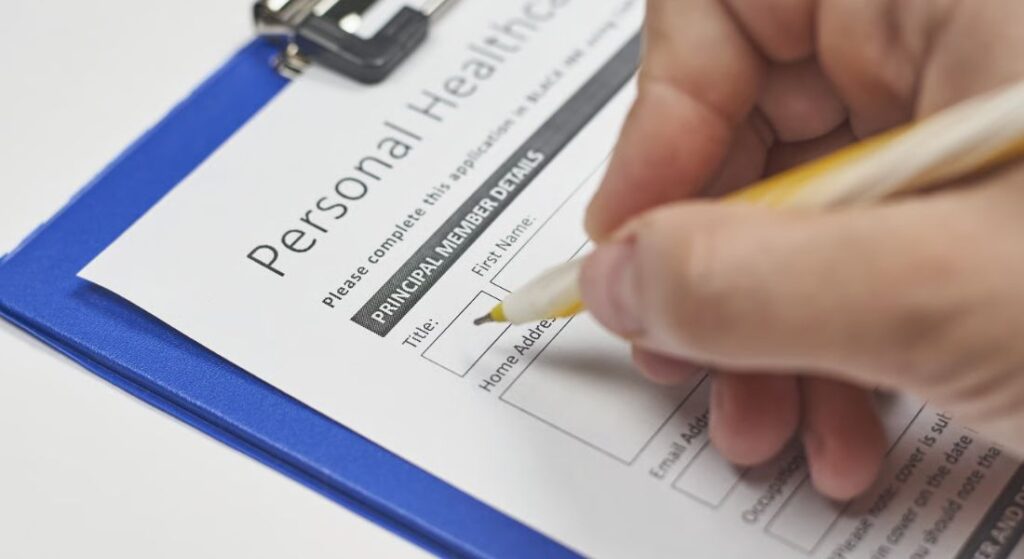
Before your appointment, it is helpful to note down your symptoms, including when they started, how often they occur, and whether anything makes them better or worse. This allows you to describe your concerns more clearly and ensures important details are not missed during your consultation.
You may also want to track how often you pass urine during the day and at night for a few days beforehand. This can help identify patterns in your symptoms, especially if they vary, and it can make it easier for you to explain what you are experiencing.
It is also useful to bring a list of any medications or supplements you are taking, along with any previous test results and relevant family history. Having this information ready helps your clinician understand your situation more fully and ensures your appointment is as accurate and productive as possible.
FAQs:
1. Which prostate symptoms should I never ignore?
You should never ignore symptoms such as blood in your urine, difficulty passing urine, inability to urinate, persistent pelvic pain, fever with urinary symptoms, unexplained weight loss, or worsening urinary problems. These symptoms may require prompt medical assessment.
2. When should I visit a prostate clinic?
You should consider visiting a prostate clinic if you develop new, persistent, worsening, or bothersome urinary symptoms. Early assessment can help identify the cause and ensure appropriate treatment if needed.
3. Does blood in urine always mean prostate cancer?
No, blood in urine does not always indicate prostate cancer. It can be caused by infections, kidney stones, bladder conditions, prostate enlargement, or other urinary tract problems. However, it should always be investigated by a healthcare professional.
4. Can an enlarged prostate cause urinary symptoms?
Yes. Benign prostate enlargement is one of the most common causes of urinary symptoms in men. It can lead to a weak urine stream, difficulty starting urination, frequent urination, urgency, and incomplete bladder emptying.
5. Is waking up several times at night to urinate normal?
Occasional night-time urination can be normal, particularly with age. However, waking up multiple times every night to urinate may indicate a prostate, bladder, or other medical condition and should be assessed if it becomes frequent or disruptive.
6. What should I do if I suddenly cannot pass urine?
Being unable to pass urine is a medical emergency known as acute urinary retention. You should seek urgent medical attention immediately rather than waiting for a routine appointment.
7. Can prostate problems cause pelvic pain?
Yes. Conditions such as prostatitis (inflammation of the prostate) can cause pain or discomfort in the pelvis, lower abdomen, lower back, or the area between the testicles and back passage. Persistent pain should be evaluated by a specialist.
8. What tests might a prostate clinic perform?
Depending on your symptoms, a prostate clinic may arrange urine tests, PSA blood tests, prostate examination, bladder scans, urine flow tests, imaging studies, or additional specialist investigations to determine the underlying cause.
9. Does a family history of prostate cancer increase my risk?
Yes. Having a father, brother, or close male relative with prostate cancer can increase your risk of developing the condition. If you have a family history and notice urinary or prostate-related symptoms, you should mention this during your assessment.
10. Why is early assessment of prostate symptoms important?
Early assessment can help identify problems before they become more serious. It may improve treatment options, reduce the risk of complications such as urinary retention or recurrent infections, and provide reassurance if the cause is benign.
Final Thoughts: Do Not Ignore Changes in Your Urinary Health
Many prostate-related symptoms are caused by non-cancerous conditions, but that does not mean they should be ignored. Changes such as difficulty passing urine, blood in the urine, pelvic pain, increasing urinary frequency, or unexplained weight loss can sometimes indicate an underlying condition that requires medical attention. The earlier symptoms are assessed, the easier it is to identify the cause and, where necessary, begin appropriate treatment.
Just as importantly, seeking professional advice can provide reassurance if the cause turns out to be harmless. Whether your symptoms are mild, persistent, or becoming more disruptive, it is always better to investigate them rather than assume they are simply part of ageing.
If you notice any concerning prostate symptoms, contact us at Prostate Clinic London for a consultation and personalised assessment. Early assessment can help you understand what is happening, explore your treatment options, and take proactive steps to protect your long-term health.
References:
- Hollingsworth, J.M. and Wilt, T.J. (2014) Lower urinary tract symptoms in men, 349, g4474. Available at: https://pubmed.ncbi.nlm.nih.gov/25125424/
- Lloyd, G.L., Marks, J.M. and Ricke, W.A. (2019) Benign Prostatic Hyperplasia and Lower Urinary Tract Symptoms: What Is the Role and Significance of Inflammation? Current Urology Reports, 20(9), 54. Available at: https://pubmed.ncbi.nlm.nih.gov/31377881/
- Oseni, S.O. et al. (2023) The Molecular Basis and Clinical Consequences of Chronic Inflammation in Prostatic Diseases: Prostatitis, Benign Prostatic Hyperplasia, and Prostate Cancer, Cancers, 15(12), 3110. Available at: https://www.mdpi.com/2072-6694/15/12/3110
- Hollingsworth, J.M. and Wilt, T.J. (2014) Lower urinary tract symptoms in men, BMJ, 349, g4474. Available at: https://pmc.ncbi.nlm.nih.gov/articles/PMC4688452/
- Nusrat, A. and Nazim, S.M. (2020) Primary diffuse large B cell lymphoma of the prostate presenting with lower urinary tract symptoms, BMJ Case Reports, 13(12), e236280. Available at: https://pmc.ncbi.nlm.nih.gov/articles/PMC7757451/