




Brachytherapy is a type of internal radiotherapy used to treat selected cases of prostate cancer. Instead of radiation being directed from outside the body, a radiation source is placed inside or very close to the prostate. This allows a high dose of radiation to target the prostate while trying to limit the dose reaching nearby organs, such as the bladder and rectum.
If brachytherapy has been mentioned as an option, you may feel unsure about what it actually involves. You may also be comparing it with surgery, external beam radiotherapy, hormone therapy, focal therapy, or active surveillance. This can feel overwhelming because each treatment has different benefits, side effects, and recovery expectations.
The key thing to understand is that brachytherapy is not prostate surgery, and the prostate is not removed. Instead, radiation is delivered from inside the prostate area to treat the cancer. It may be suitable for some men with localised prostate cancer, but suitability depends on cancer stage, PSA level, Grade Group, MRI findings, prostate size, urinary symptoms, general health, and treatment goals.
What Does Brachytherapy Mean?
Brachytherapy means treating cancer from a short distance. In prostate cancer care, this involves placing radioactive material inside or very close to the prostate gland. The aim is to deliver radiation accurately to the area where the cancer is located.
Because the radiation source is close to the prostate, doctors can give a focused dose to the target area. This can help reduce radiation exposure to nearby tissues as much as possible. However, this does not mean there are no side effects.
The bladder, urethra, rectum, and erection nerves are still close to the prostate, so symptoms can still happen after treatment. You may notice urinary, bowel, or sexual side effects depending on your situation and treatment plan. This internal delivery method is one reason brachytherapy may be considered for carefully selected patients.
How Is Brachytherapy Different From External Radiotherapy?
External beam radiotherapy delivers radiation from outside the body. You usually lie on a treatment table while a machine directs radiation beams towards the prostate. The treatment is carefully planned so the prostate is targeted as accurately as possible.
Brachytherapy works differently because the radiation source is placed inside the prostate or temporarily inside needles or tubes placed into the prostate. This means the radiation is delivered very close to the cancer itself. You may hear this described as permanent seed brachytherapy or temporary brachytherapy, depending on the treatment plan.
External radiotherapy often involves several treatment sessions over a number of days or weeks. Brachytherapy may involve one procedure or a smaller number of procedures, depending on whether low-dose-rate or high-dose-rate brachytherapy is used. Your specialist can explain which approach is suitable for your cancer and what the treatment schedule would look like.
The Two Main Types of Prostate Brachytherapy
There are two main types of brachytherapy used for prostate cancer. These are low-dose-rate brachytherapy and high-dose-rate brachytherapy. Both use internal radiation, but they are delivered in different ways.
Low-dose-rate brachytherapy is often called permanent seed brachytherapy. It involves placing tiny radioactive seeds permanently into the prostate, where they release radiation over time. High-dose-rate brachytherapy is temporary and involves placing radiation sources into the prostate for a short period before removing them.
Your specialist will explain which type, if any, may be suitable for your cancer and overall health. The decision depends on factors such as cancer risk, prostate size, urinary symptoms, and treatment goals. Understanding the difference can help you feel clearer when comparing brachytherapy with other prostate cancer treatments.
LDR vs HDR Brachytherapy for Prostate Cancer
| Feature | Low-Dose-Rate Brachytherapy | High-Dose-Rate Brachytherapy |
| Also called | LDR brachytherapy or permanent seed brachytherapy. | HDR brachytherapy or temporary brachytherapy. |
| How radiation is delivered | Tiny radioactive seeds are placed permanently into the prostate. | A radioactive source is temporarily passed through needles or tubes placed into the prostate. |
| Are radioactive materials left inside? | Yes, the seeds remain in the prostate permanently, but the radiation fades over time. | No, the radioactive source and tubes or needles are removed after treatment. |
| Treatment pattern | Often completed as one procedure, depending on the treatment plan. | May involve one or more treatment sessions, depending on the plan. |
| How it may be used | Often considered for selected men with localised prostate cancer. | May be used alone in some men or combined with external beam radiotherapy. |
| Key suitability factors | Cancer risk, prostate size, urinary symptoms, and overall health. | Cancer risk, treatment plan, prostate anatomy, and whether combination radiotherapy is needed. |
| Main point to understand | Radiation is released slowly over time from seeds inside the prostate. | A higher dose is delivered temporarily in a controlled way, with no seeds left behind. |
Low-Dose-Rate Brachytherapy
Low-dose-rate brachytherapy is also called LDR brachytherapy or permanent seed brachytherapy. During this treatment, small radioactive seeds are placed into the prostate through fine needles. The needles are removed afterwards, but the seeds stay inside the prostate.
The seeds release radiation slowly over time to treat the cancer. Most of the radiation is released during the first few months, and after several more months, almost all of it has faded. The seeds remain in the prostate permanently, but once the radiation has worn off, they no longer have a meaningful treatment effect.
This type of brachytherapy is often considered for selected men with localised prostate cancer. Whether it is suitable for you depends on cancer risk, prostate size, urinary symptoms, and overall health. Your specialist can explain whether LDR brachytherapy is a realistic option and what recovery may involve.
High-Dose-Rate Brachytherapy
High-dose-rate brachytherapy is also called HDR brachytherapy or temporary brachytherapy. In this treatment, hollow needles or tubes are placed into the prostate. A radioactive source is then passed into them for a short time to deliver radiation directly to the treatment area.
After the treatment dose has been delivered, the radioactive source is removed. The needles or tubes are also removed, so no radioactive seeds are left inside the prostate. This is one of the main differences between HDR brachytherapy and permanent seed brachytherapy.
HDR brachytherapy may be used on its own in some men or combined with external beam radiotherapy, depending on cancer risk and the treatment plan. It allows doctors to deliver a high dose of radiation in a controlled and targeted way. Your treatment team will explain whether HDR is being considered for you as a standalone treatment or as a boost alongside external radiotherapy.
How Does Brachytherapy Treat Prostate Cancer?
Brachytherapy treats prostate cancer by using radiation to damage the DNA inside cancer cells. When this damage is strong enough, the cancer cells lose their ability to divide and grow. Healthy cells can also be affected, but they are often better at repairing some types of radiation damage than cancer cells.
Because brachytherapy places the radiation source inside or very close to the prostate, it can deliver a focused dose to the treatment area. This helps target the cancer while trying to reduce radiation exposure to nearby organs. The aim is to treat the cancer effectively while protecting nearby tissues as much as possible.
Your treatment is carefully planned using scans and measurements before radiation is delivered. This helps make sure the dose reaches the prostate while limiting the dose to the bladder and rectum. Careful planning is important because the prostate sits close to sensitive structures.
Who May Be Suitable for Brachytherapy?

Brachytherapy may be suitable for some men with localised prostate cancer. This usually means the cancer appears to be contained within the prostate and has not spread to distant areas of the body.
Your suitability depends on several factors, including your PSA level, biopsy Grade Group, MRI findings, prostate size, urinary symptoms, and general health. Your specialist will also consider whether you have low-risk, intermediate-risk, or selected higher-risk disease.
Men with smaller prostates and mild urinary symptoms may be more suitable for certain types of brachytherapy. If your prostate is large or you already have troublesome urinary symptoms, your doctor may discuss other options or additional steps before treatment.
Brachytherapy may be used on its own in selected cases or combined with external beam radiotherapy or hormone therapy in others. Your treatment team should explain why it is being recommended and how it compares with surgery, external radiotherapy, or active surveillance in your situation.
Who May Not Be Suitable?
Brachytherapy is not suitable for every man with prostate cancer. If the prostate is very large, the procedure may be technically harder and may carry a higher risk of urinary problems. Your specialist will look at prostate size, urinary symptoms, and scan findings before deciding whether it is realistic.
If you already have severe urinary symptoms, poor urine flow, or problems emptying the bladder, brachytherapy may not be the best choice. It may also be less suitable if the cancer appears to have spread outside the prostate, because brachytherapy alone may not be enough. In these situations, another treatment approach may offer better cancer control or fewer risks.
Previous prostate surgery, previous radiotherapy, hip implants, bowel conditions, or other medical factors may also affect suitability. This does not mean you have no treatment options. It simply means your specialist may recommend another approach that is safer or more effective for your situation.
Tests Before Brachytherapy
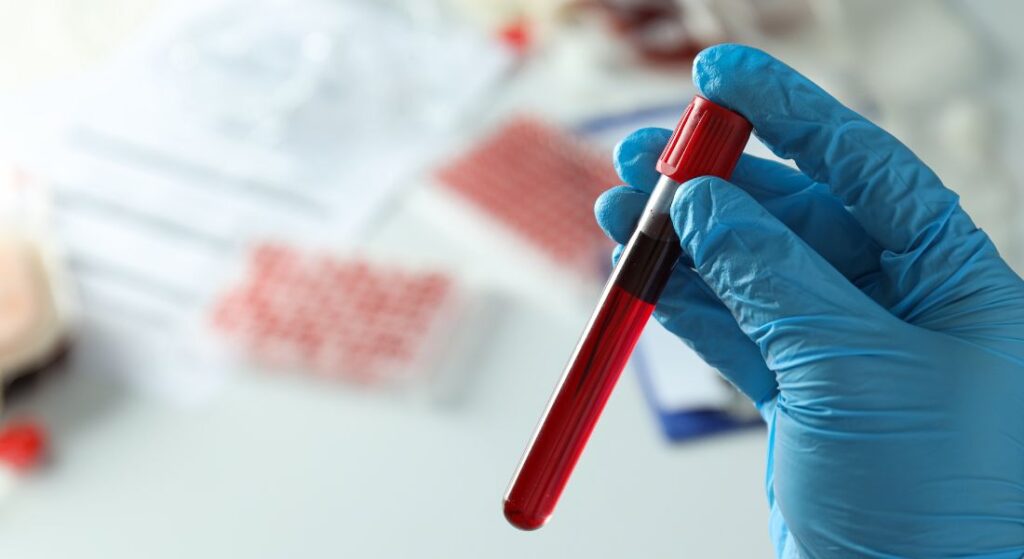
Before brachytherapy is recommended, your treatment team will usually review several tests. These may include PSA blood tests, MRI scans, biopsy results, prostate examination findings, and sometimes additional scans. This helps your specialist understand the cancer risk and whether brachytherapy is suitable.
You may also need an assessment of urinary symptoms and urine flow. If you have a weak stream, frequent urination, urgency, or difficulty emptying the bladder, it is important to mention this clearly. Brachytherapy can temporarily worsen urinary symptoms in some men, so these details matter before treatment.
Your doctor may also check the size of the prostate. If the prostate is large, hormone therapy may sometimes be used before brachytherapy to shrink it, depending on the treatment plan. This can help make the procedure more suitable and reduce some treatment-related risks.
What Happens During Permanent Seed Brachytherapy?
Permanent seed brachytherapy is usually performed under anaesthetic, so you should not feel pain during the procedure. You will normally lie in a position that allows the treatment team to reach the prostate through the skin between the scrotum and anus, which is called the perineum. This approach helps the specialist place the treatment accurately.
The specialist uses ultrasound guidance to place the radioactive seeds into the prostate. The number and position of the seeds are carefully planned so the prostate receives the intended radiation dose. This planning helps target the cancer while limiting radiation to nearby areas as much as possible.
After the procedure, you may be monitored for a period before going home or staying overnight. This depends on your hospital’s usual practice and how you recover afterwards. In some cases, a catheter may be needed temporarily to help drain urine.
What Happens During HDR Brachytherapy?
HDR brachytherapy is usually performed under anaesthetic, so you should not feel pain during the procedure. Fine tubes or needles are placed into the prostate through the perineum, which is the area between the scrotum and anus. Imaging is used to guide the placement carefully.
A machine then sends a radioactive source into the tubes for a short time to deliver the planned treatment dose. Once the dose has been delivered, the radioactive source is removed. The tubes or needles are also removed after the treatment is completed.
Depending on your treatment plan, HDR brachytherapy may be given in one session or more than one session. Your team will explain the schedule and whether it is being used alone or combined with external beam radiotherapy or hormone therapy. This helps you understand what to expect before treatment begins.
Is Brachytherapy Painful?
Brachytherapy itself should not be painful if it is performed under anaesthetic. During the procedure, you should not feel what is happening. After the anaesthetic wears off, it is normal to have some soreness, bruising, or tenderness around the perineum.
You may also notice urinary discomfort after treatment. This can include burning when passing urine, needing to urinate more often, or feeling more urgency than usual. These symptoms are usually temporary, but they can still feel uncomfortable while the area heals.
Your treatment team should explain what pain relief to use and which symptoms need medical advice. If you develop a fever, cannot pass urine, have heavy bleeding, severe pain, or symptoms that are getting worse, you should contact your medical team promptly. It is better to ask for help early rather than wait and worry.
Recovery After Brachytherapy

Recovery after brachytherapy is usually different from recovery after prostate surgery. The prostate is not removed, so recovery is often different from recovery after radical prostatectomy. However, you may still need time to recover from the procedure and any urinary side effects.
You may feel tired for a while after treatment. It is also common to have soreness, bruising, burning when passing urine, urgency, or a weaker urine stream. These symptoms can be uncomfortable, but they often settle gradually as the prostate and surrounding tissues recover.
Some men return to normal activities fairly quickly, but recovery depends on the type of brachytherapy, anaesthetic, urinary symptoms, and overall health. Your treatment team will advise when it is safe to return to work, driving, exercise, and sex. This guidance helps you recover at a sensible pace without pushing too hard too soon.
Urinary Side Effects
Urinary symptoms are common after brachytherapy. You may need to pass urine more often, feel sudden urgency, or notice burning when passing urine. Some men also have a weaker flow, difficulty starting, or a feeling that the bladder has not emptied fully.
These symptoms often settle over time, but they can be frustrating while they last. In some cases, medication or extra support may be needed to help with urinary discomfort or bladder control. Long-term problems can happen in some men, including ongoing difficulty passing urine.
You should tell your treatment team if symptoms are severe, getting worse, or affecting daily life. Do not feel you have to simply put up with them. Your specialist can check what is causing the problem and advise what may help.
Bowel Side Effects
Because the rectum sits close to the prostate, bowel symptoms can happen after radiotherapy. You may notice looser stools, urgency, discomfort, irritation, or bleeding. These symptoms can feel worrying, especially if they affect your normal routine.
Bowel side effects may be milder with brachytherapy than with some forms of external radiotherapy in selected patients, but this can vary. Some men have only short-term bowel changes, while others may need extra support if symptoms continue. It is important not to ignore rectal bleeding or persistent bowel symptoms.
You should tell your doctor if bowel changes continue, worsen, or become troublesome. Your treatment team can advise on diet, medication, monitoring, or referral if needed. Getting help early can make symptoms easier to manage and reduce unnecessary worry.
Sexual Side Effects
Brachytherapy can affect erections, although the experience is different for every man. Some men develop erectile dysfunction gradually after treatment, while others notice very little change. Your erections before treatment can make a difference to the chances of recovery or long-term function.
The risk of erection problems depends on several factors, including age, diabetes, heart health, medication, smoking, hormone therapy, and whether other prostate treatments are also used. Unlike surgery, brachytherapy does not remove the prostate. However, radiation can still affect the blood vessels and nerves involved in erections.
If erection problems happen after treatment, support is available. Tablets, vacuum devices, injections, or other erectile dysfunction treatments may help depending on your situation. If sexual function matters to you, it is best to discuss this before treatment rather than waiting until afterwards.
Fertility and Ejaculation
Brachytherapy can affect fertility, so it is important to think about this before treatment. Radiation may reduce or stop sperm production, and semen volume may also change. You may still ejaculate after brachytherapy, but the amount of semen may be smaller and fertility may be reduced.
If you may want children in the future, ask about sperm storage before treatment begins. You should also ask when it is safe to resume sex and whether contraception is recommended for a period afterwards. These are practical questions, and it is better to raise them early rather than feel unsure later.
After permanent seed brachytherapy, you may be advised to use condoms for a while. This is because there is a small chance that a seed could pass during sex. Your own treatment team will give you specific safety advice based on the type of brachytherapy you have and your recovery plan.
Radiation Safety After Permanent Seeds
Permanent seed brachytherapy leaves tiny radioactive seeds inside the prostate. The radiation level is low and gradually falls over time. Most of the radiation is released in the first few months, and after several more months, almost all of it has faded.
Your treatment team will usually give you safety advice before you go home. This may include avoiding very close prolonged contact with pregnant women or small children for a limited time. You may also receive guidance about sex, condoms, travel, and what to do if a seed passes in urine or semen.
It is important to follow the advice from your own treatment centre, because recommendations can vary depending on the implant and dose. If you are unsure about any restriction, ask your team to explain it clearly. This helps you stay safe while also returning to normal life with more confidence.
Brachytherapy Compared With Surgery
Brachytherapy and surgery are very different prostate cancer treatments. Surgery removes the prostate, while brachytherapy leaves the prostate in place and treats it with radiation. This means recovery, side effects, and follow-up can feel quite different.
- How Treatment Works: Surgery removes the prostate, while brachytherapy places radiation treatment inside or close to the prostate.
- Recovery After Surgery: Surgery may involve a catheter, wound healing, urinary leakage, erection problems, dry orgasm, and fertility loss.
- Recovery After Brachytherapy: Brachytherapy may cause urinary irritation, bowel symptoms, erection changes, tiredness, and radiation-related side effects.
- Choosing the Right Option: The better treatment depends on your cancer risk, health, anatomy, lifestyle, and personal priorities.
Overall, brachytherapy and surgery are not simply better or worse than each other. They work in different ways and have different side effect patterns. The right choice should be based on your individual cancer, your recovery goals, and what matters most to you.
Brachytherapy Compared With External Beam Radiotherapy
External beam radiotherapy is delivered from outside the body over a course of treatments. Brachytherapy works differently because radiation is delivered from inside the prostate area. In some cases, brachytherapy may be used on its own, while in others it may be combined with external beam radiotherapy.
For some men, brachytherapy can reduce the number of treatment visits compared with a longer external radiotherapy schedule. For others, external beam radiotherapy may be more suitable because of cancer stage, prostate size, urinary symptoms, or other medical factors. The best approach depends on the full clinical picture, not just personal preference.
Your oncologist should explain why one radiotherapy option is being recommended over another. You should also ask about likely side effects, whether hormone therapy is needed, how many hospital visits are involved, and what long-term monitoring will look like. This can help you compare the options more clearly before making a decision.
Brachytherapy and Hormone Therapy
Hormone therapy may be used with brachytherapy in some cases. It can help shrink the prostate before treatment or improve the effectiveness of radiotherapy in certain cancer risk groups. Not every man having brachytherapy will need hormone therapy.
Hormone therapy works by lowering or blocking testosterone, which prostate cancer cells often use to grow. It can be helpful as part of the treatment plan, but it can also cause side effects. These may include hot flushes, tiredness, reduced libido, erection problems, weight changes, mood changes, and bone thinning if used for longer.
If hormone therapy is mentioned, you should ask whether it is part of your treatment plan and why it is being recommended. It is also important to ask how long it would continue and what side effects to expect. This can help you prepare properly and understand how it fits with brachytherapy.
Brachytherapy Compared With Active Surveillance
Active surveillance means monitoring prostate cancer carefully instead of treating it straight away. It may be suitable for some men with low-risk prostate cancer. Monitoring usually involves PSA tests, MRI scans, clinical reviews, and sometimes repeat biopsy.
Brachytherapy is different because it is an active treatment. It is intended to treat the cancer rather than simply watch it over time. If your cancer is low-risk, you may be offered a choice between active surveillance and treatment.
This decision can feel difficult because treatment may reduce worry for some men, but it can also cause side effects. Active surveillance may help avoid or delay treatment side effects, but it still requires regular monitoring. You should ask your specialist about the risks of monitoring compared with treating the cancer now.
Brachytherapy Compared With Focal Therapy
Focal therapy aims to treat only the cancerous area within the prostate. Brachytherapy usually treats the whole prostate, although the radiation plan may give more focus to certain areas if needed. This makes the two treatments quite different in how they target prostate cancer.
Focal therapy may appeal because it treats less tissue, which may reduce some side effects in selected patients. However, it is suitable only for carefully selected cases and usually needs close follow-up afterwards. Brachytherapy has a longer history as a radiotherapy treatment for localised prostate cancer.
The right option depends on the cancer map, MRI findings, biopsy results, treatment availability, and what matters most to you. You should ask how each treatment would be monitored afterwards and what would happen if the cancer returns or progresses. This can help you compare the options more realistically before making a decision.
What Are the Advantages of Brachytherapy?
Brachytherapy can offer several potential advantages for suitable patients. It delivers radiation directly inside or very close to the prostate area, which helps focus treatment on the cancer. It may also involve fewer hospital visits than some external radiotherapy schedules.
Another advantage is that brachytherapy does not remove the prostate gland. This means you do not have the same recovery as prostate removal surgery, such as wound healing after radical prostatectomy. Some men also like that treatment can be completed over a shorter period, especially with permanent seed treatment or certain HDR schedules.
However, these advantages only matter if brachytherapy is suitable for your cancer and urinary function. A treatment may sound convenient, but it may not be right if prostate size, urinary symptoms, or cancer features increase the risk of side effects. Your specialist can help you weigh the benefits against the possible risks in your own situation.
What Are the Disadvantages?
Brachytherapy can be an effective treatment for selected men, but it can still cause side effects. Urinary irritation can be troublesome, and some men may develop difficulty passing urine or need medication after treatment. You may also notice urgency, burning, or a weaker stream while the prostate reacts to the radiation.
Erection problems can develop gradually over time, and bowel symptoms can also happen because the rectum sits close to the prostate. Because the prostate remains in place, PSA monitoring is interpreted differently compared with prostate removal surgery. If you have permanent seed brachytherapy, you may also need to follow radiation safety advice for a period.
Brachytherapy is not available in every hospital, and not every patient is anatomically or clinically suitable. These are not reasons to reject it automatically, but they are good reasons to discuss it carefully with your specialist. The important thing is to understand whether the benefits and risks make sense for your cancer, urinary function, and treatment goals.
PSA Monitoring After Brachytherapy
After brachytherapy, PSA does not usually fall to undetectable levels because the prostate is still in place. Instead, your PSA is monitored over time to see how it responds to treatment. This follow-up helps your specialist understand whether the cancer appears controlled.
PSA may fall gradually after brachytherapy, rather than dropping quickly. Sometimes it can rise temporarily before falling again, which is often called a PSA bounce. This can feel confusing, especially if you compare it with surgery, where the prostate has been removed and PSA is expected to become very low.
Your specialist will explain what PSA pattern is expected after treatment and what changes may need further investigation. Try not to interpret PSA results on your own after brachytherapy. The meaning depends on the full pattern over time, not just one result.
What If Brachytherapy Does Not Work?
If cancer comes back or progresses after brachytherapy, further treatment may be considered. The right option depends on where the cancer is, your PSA pattern, scan results, biopsy findings, previous treatments, and overall health. Your specialist will look at the full picture before recommending the next step.
Further treatment after radiotherapy can sometimes be more complex than first-line treatment. This is one reason the initial treatment decision matters, especially if more than one option is available. Before choosing brachytherapy, it is sensible to ask what follow-up will involve and how any future concerns would be investigated.
This does not mean you should expect brachytherapy to fail. It simply means you should understand the full treatment pathway before making a decision. Knowing what may happen later can help you feel more prepared and confident about your choice.
Getting a Second Opinion
Getting a second opinion can help if you are unsure whether brachytherapy is the right treatment. This can be especially useful if you are choosing between surgery and radiotherapy, or if more than one treatment seems suitable. A second opinion may confirm the original recommendation or give you another perspective to consider.
To make the appointment useful, bring as much information as you can. This may include your PSA history, MRI report, biopsy report, clinic letters, medication list, and any scan results. A specialist needs these details to understand your cancer properly and give advice that fits your situation.
You should not feel pressured into treatment before you understand your options. It is reasonable to ask how brachytherapy compares with surgery, external radiotherapy, active surveillance, or other approaches in your case. Clear advice can help you make a decision with more confidence.
Speak to Our Specialist

If you have been told brachytherapy may be an option, speaking to a prostate specialist can help you understand whether it is right for your situation. This can also be useful if you are comparing brachytherapy with surgery, external radiotherapy, active surveillance, or another treatment. A clear discussion can make the decision feel less overwhelming.
A specialist can review your cancer risk group, MRI findings, biopsy results, PSA level, prostate size, urinary symptoms, and treatment priorities. These details all matter when deciding whether brachytherapy is suitable. They can also explain how it compares with other options in terms of cancer control, side effects, and recovery.
You can also discuss practical concerns such as PSA monitoring, fertility, erectile function, urinary symptoms, bowel effects, and follow-up. These questions are important because treatment affects more than just the cancer itself. You deserve a clear explanation before making a decision about prostate cancer treatment.
FAQs:
1. What is brachytherapy for prostate cancer?
Brachytherapy is a type of internal radiotherapy used to treat selected cases of prostate cancer. It works by placing a radiation source inside or very close to the prostate, allowing targeted treatment of the cancer while aiming to limit radiation exposure to nearby tissues. It is different from surgery because the prostate gland is not removed.
2. What are the different types of prostate brachytherapy?
There are two main types of prostate brachytherapy: low-dose-rate (LDR) brachytherapy and high-dose-rate (HDR) brachytherapy. LDR brachytherapy uses permanent radioactive seeds placed inside the prostate, while HDR brachytherapy uses temporary radioactive sources that are removed after treatment.
3. Who is a suitable candidate for brachytherapy?
Brachytherapy may be suitable for some men with localised prostate cancer that appears to be confined to the prostate. Your suitability will depend on factors such as PSA level, MRI findings, biopsy results, prostate size, urinary symptoms, and overall health. A specialist assessment is needed to determine whether it is the right option for you.
4. How long does brachytherapy treatment take?
The treatment schedule depends on the type of brachytherapy being used. Permanent seed brachytherapy is often completed in a single procedure, while HDR brachytherapy may involve one or more treatment sessions. Your treatment team will explain the exact plan based on your individual circumstances.
5. Is brachytherapy painful?
Brachytherapy is usually performed under anaesthetic, so you should not feel pain during the procedure itself. Afterwards, you may experience temporary soreness, bruising, or discomfort in the treatment area, along with urinary symptoms such as burning or increased frequency. These side effects often improve as you recover.
6. What are the possible side effects of brachytherapy?
Possible side effects include urinary frequency, urgency, difficulty passing urine, bowel irritation, erectile dysfunction, and changes to ejaculation or fertility. The type and severity of side effects vary between individuals. Your specialist can explain the risks most relevant to your situation.
7. How does brachytherapy compare with prostate surgery?
Prostate surgery removes the prostate gland, whereas brachytherapy treats the prostate with radiation while leaving the gland in place. The recovery process and side effect profile are different for each treatment. The most appropriate option depends on your cancer characteristics, health, and personal priorities.
8. Will brachytherapy affect fertility?
Brachytherapy can affect fertility by reducing sperm production and changing semen volume. If having children in the future is important to you, it is worth discussing fertility preservation options, such as sperm storage, before treatment begins.
9. How is PSA monitored after brachytherapy?
After brachytherapy, PSA levels are monitored regularly to assess how the treatment has worked. Because the prostate remains in place, PSA does not usually fall to undetectable levels as it does after prostate removal. Your specialist will explain what PSA changes are expected and when further investigation may be needed.
10. Can brachytherapy be combined with other prostate cancer treatments?
Yes, brachytherapy may sometimes be combined with other treatments, including external beam radiotherapy or hormone therapy. This is more common in certain intermediate-risk or higher-risk prostate cancer cases. Your treatment team will explain whether combination treatment is recommended and why it may be beneficial in your situation.
Final Thoughts: Making an Informed Decision About Brachytherapy
Brachytherapy is an established treatment option for selected men with localised prostate cancer. By delivering radiation directly inside or close to the prostate, it offers a targeted approach that may be suitable for some patients depending on their cancer characteristics, prostate size, urinary function, and overall health.
Like every prostate cancer treatment, brachytherapy has potential benefits and possible side effects. The right choice is not simply about which treatment is newest or most convenient, but which option best matches your individual diagnosis, treatment goals, and lifestyle priorities. Comparing brachytherapy with surgery, external beam radiotherapy, hormone therapy, focal therapy, or active surveillance can help you understand the advantages and trade-offs of each approach.
Before making a decision, it is important to discuss your PSA results, MRI findings, biopsy report, urinary symptoms, sexual function concerns, fertility plans, and long-term follow-up expectations with an experienced specialist. A personalised assessment can help ensure you choose a treatment pathway that is both appropriate and effective for your situation. If you are comparing treatment options and want specialist advice, you can contact us at Prostate Clinic London to discuss your diagnosis and understand what may be suitable for your situation.
References:
- Stish, B.J., Davis, B.J., Mynderse, L.A., Deufel, C.L., Choo, R., Laack, N.N. and McLaren, R.H. (2018) ‘Low dose rate prostate brachytherapy’, Translational Andrology and Urology, 7(3), pp.341–356. Available at: https://pmc.ncbi.nlm.nih.gov/articles/PMC6043740/
- Mendez, L.C., Ravi, A., Chung, H.T., Tseng, C.L., Alayed, Y., Davidson, M., Liu, S.K., Cheung, P. and Morton, G. (2018) ‘High dose-rate brachytherapy in the treatment of prostate cancer’, Translational Andrology and Urology, 7(3), pp.357–370. Available at: https://pmc.ncbi.nlm.nih.gov/articles/PMC6043748/
- Sekhoacha, M., Riet, K., Motloung, P., Gumenku, L., Adegoke, A. and Mashele, S. (2022) ‘Prostate Cancer Review: Genetics, Diagnosis, Treatment Options, and Alternative Approaches’, Molecules, 27(17), 5730. Available at: https://www.mdpi.com/1420-3049/27/17/5730
- Henry, A., Pieters, B.R., André Siebert, F., Hoskin, P., Kovács, G. and Potter, R. (2022) ‘GEC-ESTRO ACROP prostate brachytherapy guidelines’, Radiotherapy and Oncology, 167, pp.244–251. Available at: https://pubmed.ncbi.nlm.nih.gov/34999134/
- Chin, J., Rumble, R.B. and Loblaw, D.A. (2017) ‘Brachytherapy for Patients With Prostate Cancer: American Society of Clinical Oncology/Cancer Care Ontario Joint Guideline Update Summary’, Journal of Oncology Practice, 13(6), pp.392–394. Available at: https://pubmed.ncbi.nlm.nih.gov/28350514/