



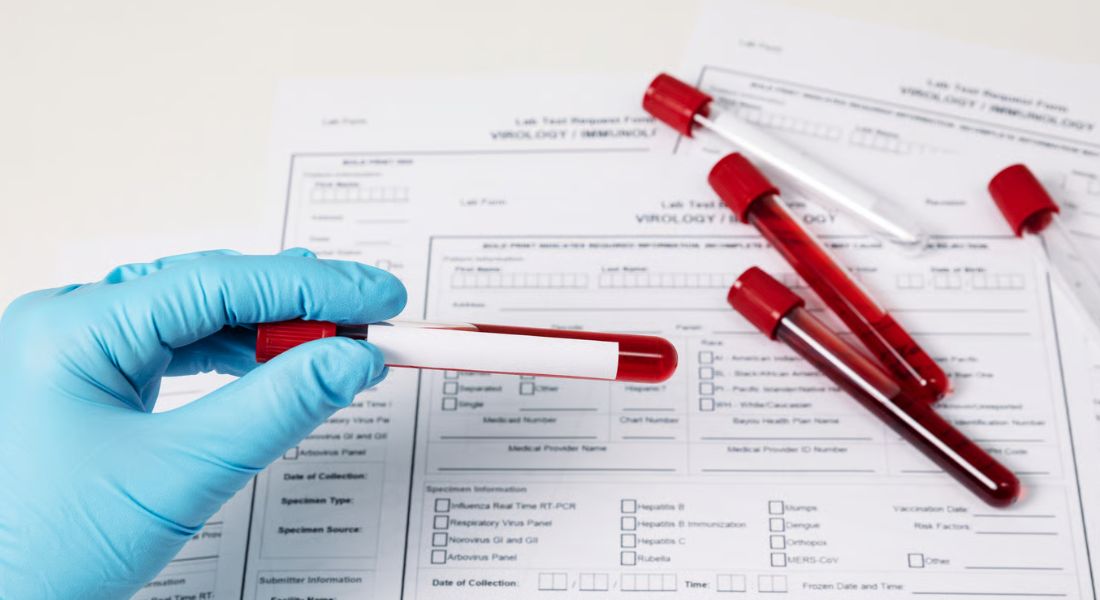
A PSA level over 100 can feel very frightening. If you have received this result, it is natural to worry that it may mean prostate cancer has spread. It can also feel confusing if you do not have many symptoms or if the blood test was done as part of a routine check.
A PSA level over 100 is not something to ignore and usually needs urgent specialist assessment. It can be linked with significant prostate disease, including advanced prostate cancer. However, PSA is still not a diagnosis by itself, so further tests are needed before clear conclusions can be made.
A very high PSA can sometimes be caused by severe infection, inflammation, urinary retention, catheter use, recent prostate procedures, or significant benign prostate enlargement. Even so, when PSA is over 100, doctors usually investigate quickly to check whether prostate cancer is present and whether it has spread. This article explains what PSA over 100 may mean, what tests may be recommended, and what you can expect next.
What Is PSA?
PSA stands for prostate-specific antigen. It is a protein made by prostate cells, and a small amount normally passes into the blood. A PSA blood test measures this level and helps show whether something may be happening in your prostate.
PSA can rise for several reasons, including prostate enlargement, inflammation, infection, irritation, or prostate cancer. This is why PSA is useful, but it can also be confusing. It can suggest that you need further checks, but it does not confirm the exact cause on its own.
When PSA is only mildly raised, your doctor may repeat the test, check for infection, or arrange an MRI depending on your age, symptoms, and risk factors. When PSA is very high, especially over 100, the next steps are usually more urgent. In that situation, you should have specialist assessment so the cause can be investigated properly.
Is PSA Over 100 Always Prostate Cancer?
No, a PSA over 100 is not always prostate cancer, but it is a concerning result. A PSA this high usually suggests that something significant is affecting the prostate or nearby urinary system. This is why you should not ignore it or try to interpret it without specialist advice.
Prostate cancer is one important possibility, especially if the PSA stays very high or if there are abnormal findings on examination, MRI, biopsy, or scans. However, severe infection or inflammation can sometimes cause very high PSA levels. Acute urinary retention, where the bladder cannot empty properly, may also raise PSA.
Your doctor should not diagnose cancer from PSA alone. You will usually need further assessment, which may include urine tests, repeat PSA, prostate examination, MRI, biopsy, and scans to check whether cancer has spread. These tests help your specialist understand the cause and decide what should happen next.
Why PSA Over 100 Needs Urgent Assessment

A PSA over 100 should usually be assessed promptly by a prostate specialist. This is not said to panic you, but because a very high PSA can sometimes be linked with prostate cancer that is more advanced or more active. It is important to understand the cause rather than guess from the number alone.
If cancer is present, your doctors need to find out whether it is still within the prostate, has spread nearby, or has reached lymph nodes, bones, or other areas. This information makes a big difference to treatment planning. It can affect whether imaging, biopsy, hormone therapy, radiotherapy, chemotherapy, surgery, or another treatment approach is needed.
Early assessment helps your team make decisions more safely and quickly. Waiting too long can delay diagnosis and treatment if a serious cause is present. Getting specialist advice gives you clearer answers and helps you understand the next step properly.
Possible Causes of PSA Over 100
There are several possible causes of a PSA level over 100. Prostate cancer is one of the most important causes your doctor will consider. A very high PSA can be linked with a greater chance of cancer beyond the prostate, but tests are needed to confirm what is actually happening.
Severe prostatitis, which means inflammation or infection of the prostate, can also raise PSA significantly. A urinary tract infection may affect PSA too, especially if the prostate is inflamed at the same time. Urinary retention can also raise PSA because the prostate and bladder outlet may be under pressure.
Recent catheter use, prostate biopsy, cystoscopy, or other prostate procedures can also affect PSA levels. The key point is that PSA over 100 needs a proper explanation and should not be dismissed as “just one of those things”. You should have specialist assessment so the cause can be investigated clearly.
Possible Causes of PSA Over 100 and What May Happen Next
| Possible Cause | Why PSA May Rise | What Doctors May Check Next |
| Prostate cancer | Cancer cells can produce PSA, and very high levels may raise concern about more advanced or widespread disease. | Prostate examination, MRI, biopsy, CT scan, bone scan, PET scan, and staging assessment. |
| Severe prostatitis | Inflammation or infection of the prostate can cause PSA to rise sharply. | Urine tests, infection markers, antibiotics if needed, and repeat PSA after treatment. |
| Urinary tract infection | Infection may raise PSA, especially if the prostate is inflamed at the same time. | Urine dipstick, urine culture, treatment for infection, and follow-up PSA testing. |
| Acute urinary retention | Pressure from a bladder that cannot empty properly can irritate the prostate and raise PSA. | Bladder scan, catheterisation if needed, kidney function tests, and repeat PSA after recovery. |
| Very large benign prostate enlargement | More prostate tissue can produce more PSA, although PSA over 100 is higher than typical BPH alone. | Prostate size assessment, urinary flow tests, MRI, and further checks to rule out cancer. |
| Recent catheter use or prostate procedure | Instrumentation can irritate the prostate and temporarily increase PSA. | Review of recent procedures, timing of PSA test, repeat PSA after healing if appropriate. |
| Combination of causes | More than one factor may be present, such as BPH with retention or infection. | Full specialist assessment rather than relying on one explanation alone. |
Prostate Cancer and PSA Over 100
When PSA is over 100, prostate cancer becomes a major concern. This does not mean you should assume the worst before all tests are complete. It does mean your doctor will usually want to investigate quickly to see whether cancer is present and whether it has spread outside the prostate.
Prostate cancer can sometimes produce very high PSA levels, especially when there is a larger amount of cancer or when cancer has spread. However, PSA alone cannot tell your specialist the grade, stage, or exact location of the cancer. It is only one part of the overall assessment.
More detailed information usually comes from tests such as MRI, biopsy, CT scan, bone scan, PET scan, or other imaging depending on your situation. These tests help your specialist understand what is causing the high PSA and what treatment options may be suitable. The aim is to move from worry and uncertainty towards a clearer diagnosis and plan.
Can Infection Cause PSA Over 100?
Yes, severe infection or inflammation can sometimes cause a very high PSA. Prostatitis can irritate the prostate tissue and make PSA rise sharply. A urinary infection can also raise PSA, especially if the prostate becomes inflamed at the same time.
If you have fever, chills, burning when passing urine, pelvic pain, cloudy urine, lower back pain, perineal pain, or feel very unwell, tell your doctor urgently. Infection may need prompt treatment with antibiotics. In more severe cases, hospital care may be needed to manage the infection safely.
Even if infection is suspected, PSA usually needs to be checked again after treatment. This helps confirm whether the PSA level comes down as expected. If it remains very high, further investigation is usually needed to look for another cause.
Can Urinary Retention Cause Very High PSA?
Urinary retention means the bladder cannot empty properly. Acute urinary retention is when you suddenly cannot pass urine at all, which can be painful and needs urgent medical care. Chronic retention can develop more slowly, where urine still passes but the bladder does not empty fully.
Retention can put pressure on the bladder and prostate area, and this may cause PSA to rise. If you have difficulty passing urine, a weak stream, lower abdominal swelling, dribbling, or a constant feeling that the bladder is full, you should tell your doctor. These symptoms need proper assessment, especially when PSA is very high.
If you cannot pass urine at all, seek urgent medical help. A catheter may be needed to drain the bladder and relieve pressure. After the retention is treated, your doctor may repeat PSA testing and decide whether further prostate assessment is needed.
Can Benign Prostate Enlargement Cause PSA Over 100?
Benign prostate enlargement, also called BPH, can raise PSA. A larger prostate can produce more PSA because there is more prostate tissue. However, a PSA over 100 is usually much higher than doctors would expect from typical benign enlargement alone.
That does not mean BPH is impossible as part of the picture. Some men may have a very large prostate along with urinary retention, inflammation, or infection, and these can all affect PSA. This is why your doctor needs to assess the whole situation rather than assume there is only one cause.
If the prostate is enlarged, your team may still need to rule out prostate cancer, especially if PSA remains very high. You may need further checks such as repeat PSA testing, urine tests, prostate examination, MRI, biopsy, or scans depending on your situation. The aim is to find the true cause and plan the right next step.
Symptoms That May Occur With PSA Over 100
Some men with a PSA over 100 have symptoms, while others may feel well and notice very little. Urinary symptoms can include a weak flow, difficulty starting, dribbling, urgency, frequent urination, waking at night, or feeling that the bladder has not emptied fully. If infection or inflammation is involved, you may also have pain or burning when passing urine.
Some symptoms can be more concerning and should be mentioned clearly to your doctor. These include blood in the urine, unexplained weight loss, bone pain, back pain, pelvic pain, tiredness, loss of appetite, or swelling in the legs. Persistent bone pain, especially in the back, hips, ribs, or pelvis, should be discussed urgently.
These symptoms do not prove that you have prostate cancer. However, they help your doctor decide how quickly tests are needed and which scans may be most appropriate. Sharing all symptoms, even if they seem unrelated, can help your specialist understand the full picture.
What Should You Do First?
If you have been told your PSA is over 100, you should contact your GP or specialist promptly. Do not wait several months or repeat the test by yourself without medical advice. You should ask whether an urgent referral to a urologist or prostate cancer specialist is needed.
- Contact a Doctor Promptly: A PSA over 100 should be followed up quickly by your GP, urologist, or prostate specialist.
- Do Not Delay Assessment: Waiting several months without medical advice may delay important tests or treatment planning.
- Watch for Urgent Symptoms: Fever, severe pain, blood in urine, difficulty passing urine, leg weakness, saddle numbness, or loss of bladder or bowel control need urgent medical attention.
- Get Specialist Advice: Even if you feel well, specialist assessment helps identify the cause and decide what should happen next.
Overall, a PSA over 100 should not be ignored or dismissed. It needs prompt medical follow-up so the result can be understood in the right context. Getting specialist advice early can help turn a worrying result into a clear investigation and treatment plan.
Will the PSA Test Be Repeated?
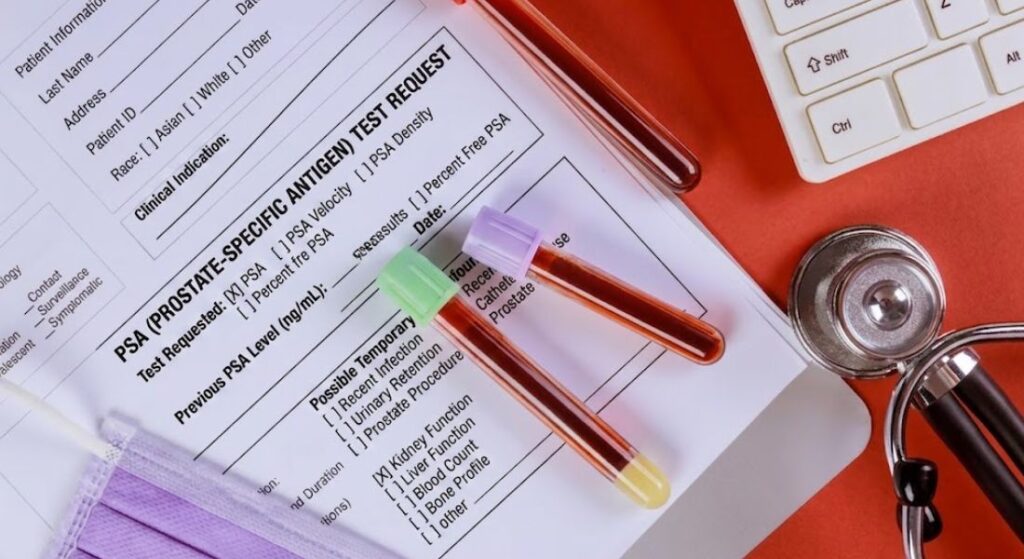
Your doctor may repeat the PSA test to confirm the result. A repeat test can show whether the level is still very high or whether there may have been a temporary rise. This can be useful if there has been infection, recent catheter use, urinary retention, or a recent prostate procedure.
However, when PSA is over 100, doctors may not simply repeat the test and wait. They may arrange further investigations at the same time, especially if prostate cancer is a concern. This helps avoid delays if a serious cause needs urgent assessment.
You may also have other blood tests depending on your symptoms and clinical picture. These can include checks for kidney function, liver function, blood count, bone profile, and other markers. Together, these results help your specialist understand what may be happening and what tests should come next.
Checking for Infection
Your doctor may arrange a urine test to check whether infection is contributing to the high PSA. If you have symptoms such as burning when passing urine, fever, pelvic pain, cloudy urine, or feeling unwell, treatment may be started promptly. In some cases, a urine culture is sent to the laboratory to identify the bacteria and choose the most suitable antibiotic.
If an infection is treated, your PSA may be repeated after the inflammation has settled. This helps doctors see whether the PSA falls significantly once the infection has improved. A clear drop can be reassuring, but it still needs to be interpreted alongside your symptoms and overall assessment.
If PSA remains very high after infection treatment, further investigation is usually needed. You should not assume infection is the only cause unless the PSA falls and your specialist is satisfied with the full picture. The aim is to avoid missing another important cause that may need treatment.
Prostate Examination
You may be offered a prostate examination, also called a digital rectal examination. This involves a doctor gently feeling the prostate through the back passage. It can feel awkward, but it is a quick part of the assessment and can give useful information.
During the examination, the doctor checks whether the prostate feels enlarged, smooth, hard, irregular, tender, or abnormal. A tender prostate may suggest inflammation or infection. A hard or irregular prostate may raise concern about prostate cancer.
A normal examination does not completely rule out cancer, and an abnormal examination does not confirm cancer by itself. It is only one part of the overall assessment. Your specialist will consider it alongside PSA results, symptoms, MRI, biopsy findings, and scans.
MRI Scan
An MRI scan of the prostate may be recommended when PSA is very high. MRI helps doctors look at the prostate in more detail and can show suspicious areas that may need further assessment. It can also help measure prostate size and check whether there are signs that cancer may have extended outside the prostate.
If the MRI shows suspicious areas, your specialist may recommend a biopsy to confirm whether cancer is present. In some cases, especially if PSA is extremely high or there are signs of advanced disease, whole-body imaging may also be arranged. This helps doctors check whether cancer has spread beyond the prostate.
MRI is useful, but it is not the only test used to understand a high PSA result. Your specialist will decide which scans are needed based on PSA level, symptoms, examination findings, and overall risk. This helps make sure the investigation is properly matched to your situation.
Prostate Biopsy
A prostate biopsy may be needed to confirm whether cancer cells are present. This involves taking small samples from the prostate so they can be checked under a microscope. The biopsy can show whether cancer is present and how abnormal the cells look.
The results are usually reported using the Gleason score or Grade Group. This grade helps doctors understand how aggressive the cancer may be and how likely it is to grow or spread. It also helps guide decisions about treatment and follow-up.
If PSA is over 100 and scans suggest cancer may have spread, a biopsy may still be needed before starting some treatments. The exact pathway depends on your specialist team and your overall clinical picture. Your doctor should explain why a biopsy is being recommended and what the results will help decide.
Scans to Check Whether Cancer Has Spread
If prostate cancer is suspected and PSA is over 100, your specialist may arrange scans to check whether the cancer has spread. These scans may include a CT scan, bone scan, MRI scan, or PET scan. The aim is to understand the stage of the disease and plan treatment properly.
A bone scan can look for signs of cancer in the bones, while a CT scan can assess lymph nodes and organs. In some settings, a PET scan such as PSMA PET may give more detailed information about possible prostate cancer spread. Your specialist will decide which scans are most suitable based on your situation.
The exact scan choice depends on local availability, symptoms, PSA level, examination findings, and specialist judgement. These results help guide the next steps, including whether treatment should focus on the prostate alone or also target cancer elsewhere in the body.
Why Bone Pain Matters
Prostate cancer can sometimes spread to the bones, which is why doctors take persistent bone pain seriously when PSA is very high. Pain in the back, hips, pelvis, ribs, or thighs should be mentioned clearly during your assessment. This helps your specialist decide whether scans are needed and how urgently they should be arranged.
Most back pain is not prostate cancer. Many men have back pain from arthritis, disc problems, muscle strain, posture, or ageing. However, with PSA over 100, persistent or unexplained bone pain should be checked properly rather than ignored.
You should seek urgent medical help if severe back pain comes with leg weakness, numbness, difficulty walking, or loss of bladder or bowel control. These symptoms can rarely suggest spinal cord compression, which needs emergency care. Getting help quickly can make a major difference if this complication is suspected.
What If Cancer Is Diagnosed?
If prostate cancer is diagnosed, the next step is usually staging and risk assessment. Your specialist will look at the PSA level, biopsy grade, MRI findings, scan results, symptoms, and general health. This helps show how advanced the cancer is and which treatment options may be suitable.
If the cancer appears localised, treatment may include surgery or radiotherapy in selected cases. The right option depends on the cancer features, your health, and what matters most to you. Your specialist should explain the benefits, risks, and expected outcomes of each approach.
If the cancer has spread, treatment often focuses on systemic therapy, which means treatment that works throughout the body. This may include hormone therapy and sometimes chemotherapy, newer hormonal agents, radiotherapy, or bone-targeted treatments depending on the case. Your team should explain the aim of treatment clearly and honestly, so you understand what each treatment is intended to do.
Hormone Therapy
Hormone therapy is commonly used when prostate cancer is advanced or has spread. Prostate cancer often grows in response to testosterone, so hormone therapy works by lowering or blocking testosterone. This can help slow cancer activity and control the disease.
In some cases, hormone therapy may be started quickly if doctors strongly suspect advanced prostate cancer. This is more likely if symptoms or scan findings suggest urgent treatment is needed. Your specialist will explain why it is being recommended and how it fits into your overall treatment plan.
Hormone therapy can cause side effects, including hot flushes, tiredness, reduced libido, erection problems, weight gain, mood changes, breast tenderness, and bone thinning over time. You should ask how long treatment may continue and how side effects will be monitored. This helps you understand what to expect and what support is available.
Radiotherapy
Radiotherapy may be used in different ways depending on the stage of prostate cancer and the aim of treatment. If cancer is localised or locally advanced, radiotherapy may be used to treat the prostate itself, often alongside hormone therapy. This approach is usually planned carefully to target the cancer while limiting effects on nearby tissues.
If prostate cancer has spread to the bones, radiotherapy may be used to relieve pain in specific areas. In this situation, the aim may be symptom control rather than treating the whole disease. Your oncologist will explain whether radiotherapy is being used to treat the prostate, control symptoms, or target a particular area.
Radiotherapy plans vary depending on symptoms, scan results, cancer stage, and treatment goals. It is reasonable to ask what benefit is expected, what side effects may occur, and how radiotherapy fits into the wider plan. This helps you understand the purpose of treatment and what to expect next.
Chemotherapy and Other Treatments
Some men with advanced prostate cancer may be offered chemotherapy. Others may be offered newer hormone-based medicines or targeted treatments, depending on cancer features, previous treatment, and NHS or private availability. The treatment plan can vary significantly from one person to another.
This is why PSA alone is not enough to decide treatment. Your team needs to look at biopsy results, imaging, symptoms, general health, and how the cancer is behaving. These details help them choose a treatment plan that fits your situation rather than relying on the PSA number alone.
If several treatment options are available, you should ask what each one is expected to do. It is also important to ask about common side effects and how response will be monitored over time. This can help you understand the purpose of each treatment and feel more prepared for the next steps.
What If the PSA Falls After Infection Treatment?
If PSA falls significantly after treating an infection or relieving urinary retention, this can be reassuring. It may suggest that the very high reading was partly or mostly linked to inflammation, infection, or pressure from retention. However, this does not always mean no further checks are needed.
Your doctor may still recommend follow-up because a PSA over 100 is a very high result. Even if the number improves, your specialist may want to see how far it falls and whether it continues to stay lower. Symptoms, examination findings, and any previous test results will also matter.
You may need repeat PSA testing, MRI, or further assessment depending on the full picture. Do not stop follow-up just because one repeat test looks better. The trend over time is important, and your specialist should interpret what it means for your situation.
What If the PSA Stays Over 100?
If PSA remains over 100, further investigation is usually needed. Your specialist will want to understand whether prostate cancer is present and whether it has spread. This may involve tests such as biopsy, MRI, CT scan, bone scan, PET scan, or other investigations.
You may also need blood tests to check your overall health and look for any effects of advanced disease. These tests can help assess kidney function, liver function, blood count, bone profile, and other markers depending on your symptoms. Each result adds another piece to the overall picture.
This stage can feel overwhelming, especially when several tests are arranged close together. However, each test has a clear purpose. The goal is to move from uncertainty towards a clear diagnosis and a treatment plan that fits your situation.
PSA Over 100 With No Symptoms
It is possible to have a PSA over 100 and still feel relatively well. Prostate cancer can sometimes grow silently, especially before symptoms become obvious. This is why a very high PSA should not be dismissed just because you do not feel unwell.
At the same time, having no symptoms does not mean the situation is hopeless. It simply means further tests are needed to understand what is causing the high PSA. Some men are diagnosed through blood tests before symptoms develop.
The sooner the cause is investigated, the sooner a clear plan can be made. Your specialist may recommend repeat PSA testing, urine tests, prostate examination, MRI, biopsy, or scans depending on the overall picture. Getting checked promptly can help move you from uncertainty towards clearer answers.
PSA Over 100 and Anxiety
A very high PSA result can cause intense anxiety. You may find yourself searching online, reading worst-case stories, and imagining what might happen before all the facts are available. This is completely understandable, but it can make the waiting period feel even harder.
Try to focus on the next practical step rather than every possible outcome. Do you have a specialist appointment arranged? Has the PSA been repeated, have scans been planned, or has infection been checked?
Breaking the process into smaller steps can make it feel less overwhelming. It also helps to know who to contact if symptoms change or if you feel unsure about what happens next. You do not need to understand every possible outcome on day one; the priority is to get properly assessed and move towards clear answers.
Information to Bring to Your Appointment
Bring any previous PSA results to your appointment if you have them. A single PSA result is useful, but the trend over time can give your specialist even more helpful information. It can show whether the PSA has risen slowly, changed suddenly, or stayed high.
You should also bring MRI reports, biopsy reports, clinic letters, medication lists, and details of any previous prostate procedures. It is also important to mention urinary symptoms, infections, catheter use, fever, pain, weight loss, bone pain, or any changes in general health. These details can help your specialist understand what may be contributing to the high PSA.
You should also tell your specialist about any family history of prostate cancer and whether you are in a higher-risk group. The more complete the picture is, the better your specialist can advise you. This can make the appointment more useful and help guide the next steps more clearly.
Should You Get a Second Opinion?
A second opinion can be useful if you are unsure about the diagnosis, treatment plan, or urgency of the situation. This can be especially helpful when PSA is over 100 and decisions are being made quickly. Another specialist may confirm the recommended plan or explain whether other options should be considered.
However, it is important not to delay urgent tests or treatment if your doctor has advised immediate action. In some situations, investigations or treatment need to move forward promptly while a second opinion is being arranged. This helps avoid unnecessary delays when the clinical picture is concerning.
If you do seek another view, bring all available test results, including PSA results, MRI reports, biopsy results, scan reports, and clinic letters. The more information the second specialist has, the more meaningful their advice will be. A second opinion should help you feel clearer, not slow down important care.
Why Specialist Assessment Matters

A PSA over 100 is not something that should be managed with guesswork. You need a structured specialist assessment to understand why the PSA is so high and what it may mean. This is important because the cause can vary, and the next steps should be based on proper evidence.
Your care may involve a urologist, oncologist, radiologist, specialist nurse, and sometimes other healthcare professionals. The aim is to find the cause, confirm whether cancer is present, stage the disease if needed, and recommend the most appropriate treatment. Each specialist may contribute different information to help build a clear picture.
Specialist assessment also helps avoid two harmful mistakes: assuming cancer without proof, or dismissing a very high PSA without proper investigation. Both can lead to poor decisions or delays. You deserve clear answers based on evidence, not fear or false reassurance.
How PSA Is Monitored After Diagnosis
If prostate cancer is diagnosed, PSA is often used to monitor how well treatment is working. For example, if hormone therapy is started, doctors may check whether the PSA level falls over time. This can give useful information about how the cancer is responding.
PSA follow-up is also important after treatments such as radiotherapy or surgery. After surgery, PSA is expected to become very low because the prostate has been removed. After radiotherapy, PSA usually falls more gradually because the prostate remains in place.
The expected PSA pattern depends on the treatment pathway, so the numbers should always be interpreted in context. Your specialist should explain what PSA changes mean for your specific situation. This helps you understand whether the result is expected, reassuring, or needs further assessment.
What Not to Do After a PSA Over 100 Result
After a PSA over 100 result, the most important thing is not to ignore it. At the same time, you should not assume it is definitely cancer without proper tests. A very high PSA needs structured assessment, not guesswork or panic.
Do not assume the result is only due to infection unless your doctor has investigated this and follow-up supports that conclusion. It is also important not to replace medical assessment with supplements, alternative treatments, or online remedies. These may delay the tests and treatment that could be needed.
You should seek urgent medical help if there is severe pain, fever, inability to pass urine, leg weakness, or changes in bladder or bowel control. A PSA over 100 deserves prompt medical attention, but you can still ask questions, seek explanations, and make informed decisions. The aim is to act quickly while making sure each step is properly understood.
Speak to Our Specialist

If you have been told your PSA is over 100, speaking to a prostate specialist can help you understand what may happen next. A very high PSA can feel frightening, but it becomes easier to deal with when there is a clear plan. Specialist assessment can help explain which tests are needed and why.
Depending on your situation, you may need repeat PSA testing, urine testing, prostate examination, MRI, biopsy, CT scan, bone scan, PET scan, or treatment planning. A specialist can help identify whether the cause may be infection, urinary retention, benign enlargement, prostate cancer, or a combination of factors. This avoids guessing and helps make sure the right issues are investigated.
You should not have to interpret a very high PSA result alone. Prompt assessment can help turn a worrying number into a clearer diagnosis and a structured next step. Once the cause is understood, your specialist can explain the most appropriate treatment or follow-up plan.
FAQs:
1. What does a PSA level over 100 mean?
A PSA level over 100 is considered very high and usually requires urgent specialist assessment. It may be associated with significant prostate disease, including advanced prostate cancer, but it is not a diagnosis on its own. Further tests are needed to identify the underlying cause.
2. Does a PSA level over 100 always mean prostate cancer?
No, a PSA level over 100 does not automatically mean you have prostate cancer. Severe prostate infection, inflammation, urinary retention, or recent prostate procedures can also cause very high PSA levels. However, prostate cancer is an important possibility that needs to be investigated promptly.
3. Can an infection cause PSA levels to rise above 100?
Yes, severe prostatitis or a significant urinary tract infection can sometimes cause PSA levels to rise dramatically. If infection is suspected, your doctor may arrange urine tests and treatment before repeating the PSA test. Ongoing assessment is often needed to ensure the PSA level returns to a safer range.
4. What tests are usually recommended if PSA is over 100?
Your specialist may recommend repeat PSA testing, urine tests, a prostate examination, MRI scanning, prostate biopsy, and imaging such as CT, bone scan, or PET scan. These tests help identify the cause of the elevated PSA and determine whether prostate cancer is present or has spread.
5. Can benign prostate enlargement cause a PSA level over 100?
Benign prostate enlargement can increase PSA levels, but a PSA above 100 is generally much higher than expected from typical enlargement alone. Doctors will usually investigate further to rule out other causes, including infection, urinary retention, and prostate cancer.
6. What symptoms might occur with a PSA level over 100?
Some men have urinary symptoms such as a weak stream, difficulty passing urine, urgency, or frequent urination. Others may experience symptoms such as bone pain, unexplained weight loss, tiredness, or blood in the urine. It is also possible to have a PSA over 100 and feel completely well.
7. Can you have a PSA over 100 without any symptoms?
Yes, some men with very high PSA levels have no noticeable symptoms. Prostate conditions, including prostate cancer, can sometimes develop without obvious warning signs. This is why a high PSA result should always be investigated, even if you feel well.
8. What happens if prostate cancer is diagnosed after a PSA over 100 result?
If prostate cancer is confirmed, your specialist will assess the stage and extent of the disease using biopsy results and imaging scans. Treatment may include hormone therapy, radiotherapy, chemotherapy, newer hormone-based medicines, or a combination of treatments depending on the individual situation.
9. Should I get a second opinion if my PSA is over 100?
A second opinion can be helpful if you are unsure about the diagnosis, treatment recommendations, or next steps. However, it is important not to delay urgent investigations or treatment while seeking another opinion. Bringing all test results to the consultation can help provide more personalised advice.
10. How quickly should a PSA level over 100 be investigated?
A PSA level over 100 should generally be assessed as soon as possible by a urologist or prostate specialist. Prompt investigation helps identify the cause, determine whether cancer is present, and ensure that any necessary treatment can begin without unnecessary delay.
Final Thoughts: Understanding the Next Steps After a PSA Level Over 100
A PSA level over 100 is a result that deserves prompt attention, but it is not a diagnosis on its own. While a very high PSA can be associated with advanced prostate cancer, it can also be influenced by factors such as severe infection, inflammation, urinary retention, or other prostate conditions. The most important step is to have the result properly investigated so that the underlying cause can be identified and an appropriate treatment plan can be developed.
The period between receiving a high PSA result and getting answers can feel uncertain, but a structured assessment involving repeat blood tests, imaging, examination, and sometimes biopsy can provide clarity. The sooner the cause is understood, the sooner decisions can be made about monitoring, treatment, or further investigations.
If you are considering a raised PSA Evaluation in London and would like specialist advice, you can contact us to discuss your options and arrange a consultation tailored to your individual needs.
References:
- El Farhaoui, H., El Bakkouri, J., Louardi, M., El Boukili, M., Benammi, S., Moudouni, S.M. and Koutani, A. (2023) ‘Does PSA level indicate the stage of prostate cancer?’, International Journal of Surgery Case Reports, 109, 108497. Available at: https://pmc.ncbi.nlm.nih.gov/articles/PMC10407271/
- Leung, A.K., Lankford, S.P., Williams, S.B., Turner, B.I., Howard, D.H., Flowers, C.R. and Carthon, B.C. (2018) ‘The Clinical Course of Patients With Prostate-Specific Antigen ≥100 ng/mL’, Clinical Genitourinary Cancer, 16(4), pp.e793–e799. Available at: https://pmc.ncbi.nlm.nih.gov/articles/PMC10182889/
- Singh, O.P., Yogi, V., Raj, R., Yadav, R., Karwasra, R.K. and Lal, P. (2019) ‘Role of serum prostate-specific antigen as predictor for bone metastases in newly diagnosed prostate cancer’, Journal of Cancer Research and Therapeutics, 15(Suppl 1), pp.S39–S41. Available at: https://pubmed.ncbi.nlm.nih.gov/30900618/
- Lojanapiwat, B., Anutrakulchai, W., Chongruksut, W. and Udomphot, C. (2014) ‘Correlation and diagnostic performance of the prostate-specific antigen level with the diagnosis, aggressiveness, and bone metastasis of prostate cancer in clinical practice’, Prostate International, 2(3), pp.133–139. Available at: https://pmc.ncbi.nlm.nih.gov/articles/PMC4186957/
- Al Barajraji, M., Aljabali, A.A.A., Tambuwala, M.M., Mishra, V. and Serrano-Aroca, Á. (2025) ‘Beyond PSA: The Future of Prostate Cancer Diagnosis Emerging Biomarkers, Imaging, and Artificial Intelligence’, Life, 15(10), 1508. Available at: https://www.mdpi.com/2075-1729/15/10/1508