




If you are considering prostate cancer surgery, it is natural to feel torn between two important priorities. You want the cancer treated effectively, but you may also want to preserve erections, urinary control, and overall quality of life as much as possible.
This is where nerve-sparing prostate surgery can raise an important question: does preserving the nerves affect cancer control? The honest answer is that nerve-sparing can be safe for selected patients, but it needs careful planning based on your individual cancer features.
Your surgeon should only preserve nerves when it does not create an unacceptable risk of leaving cancer behind. This is because the main priority is always to remove all visible cancer safely, especially in conditions such as Prostate Cancer.
Cancer control must always come first. While preserving function is important, it should never override the primary goal of surgery, which is to treat the cancer as completely and safely as possible for you.
What Is Nerve-Sparing Prostate Surgery?
Nerve-sparing prostate surgery is an approach used during radical prostatectomy, which is surgery to remove the prostate gland. In some cases, the seminal vesicles and nearby lymph nodes may also be removed as part of prostate cancer treatment.
The nerves that help control erections run very close to the prostate. During nerve-sparing surgery, your surgeon carefully tries to separate the prostate from these nerve bundles and preserve them where it is safe to do so. The aim is to support the best possible recovery of sexual function while still treating the cancer properly.
This balance is important. If the cancer is growing close to the nerves, your surgeon may need to remove one or both nerve bundles to reduce the risk of leaving cancer behind. Nerve-sparing is only recommended when it can be done safely without compromising cancer control.
Your surgeon should explain whether nerve-sparing is possible in your case and why. This decision is usually based on your MRI findings, biopsy results, PSA level, cancer stage, tumour location, and overall risk profile.
Why Patients Worry About Cancer Control
It is completely understandable for you to worry about whether nerve preservation could affect your cancer treatment. You may wonder if keeping the nerves means your surgeon is operating too close to the prostate, or whether there is a risk of cancer cells being left behind near the edge of the removed tissue.
These are sensible and important concerns. In fact, they are exactly the kinds of questions many people have before surgery for Prostate Cancer. Prostate cancer surgery is not only about removing the prostate itself. It is also about removing the cancer with a safe margin where needed. If your cancer is close to the outer edge of the prostate or near the nerve bundles, your surgeon may need to remove tissue more widely on that side.
While this may reduce the chance of erectile recovery, it is often done to improve cancer control and long-term safety for you. The priority is always to treat the cancer effectively, even if that means adjusting the level of nerve preservation.
What Does Cancer Control Mean?
Cancer control means treating your cancer in a way that reduces the chance of it remaining in the body, growing, or coming back. In prostate surgery, this usually involves removing the prostate gland and any surrounding tissue that may be affected, as safely as possible for you.
After surgery for Prostate Cancer, the removed tissue is carefully examined by a pathologist. They look at the cancer grade, stage, whether it has reached the edge of the removed tissue, and whether there are any signs that it may have spread beyond the prostate.
Your PSA level is also closely monitored after surgery. Because the prostate has been removed, PSA should usually fall to a very low or undetectable level. If it rises later, it may suggest that prostate cancer cells are still present or have returned. This is why cancer control is assessed both from the surgical findings and from ongoing PSA monitoring over time.
What Are Surgical Margins?
Surgical margins are an important part of understanding both cancer control and nerve-sparing decisions. A surgical margin is simply the edge of the tissue that is removed during your prostate surgery, which is then carefully checked under a microscope.
If cancer cells are found at that edge, it is called a positive surgical margin. This does not automatically mean the cancer will return, but it can increase the concern that some cancer cells may have been left behind in cases of Prostate Cancer.
Research, including a 2022 meta-analysis, has shown that positive surgical margins are linked with a higher risk of biochemical recurrence over time after radical prostatectomy. This means PSA is more likely to rise again in men with positive margins compared to those with clear margins.
Because of this, surgeons take margin risk very seriously when planning nerve-sparing surgery. The aim is always to preserve nerves where it is safe, but not at the cost of increasing the chance of leaving cancer behind.
Can Nerve-Sparing Increase Margin Risk?
Nerve-sparing surgery may increase the risk of a positive surgical margin in some cases, especially if the cancer is close to the edge of the prostate. A positive surgical margin means cancer cells are found at the edge of the removed tissue.
This does not automatically mean the cancer will return, but it can increase the need for closer follow-up after surgery. This is why surgeons take margin risk seriously when deciding whether nerve-sparing is suitable.
If your cancer appears well contained and away from the nerve bundles, nerve-sparing may be a safe option. If the cancer is close to the nerves or near the outer edge of the prostate, your surgeon may recommend removing tissue more widely on that side.
This does not mean nerve-sparing is unsafe. It simply means it must be planned carefully. The goal is to preserve function where possible, but never at the cost of leaving cancer behind.
Why Nerve-Sparing Is Not Always Suitable
Nerve-sparing is not suitable for every patient. If your cancer appears to be growing close to the nerves, one or both nerve bundles may need to be removed to ensure the cancer is treated safely. Cancer Research UK explains that when cancer is close to the nerves, the surgeon may need to remove one or both bundles during surgery.
This can be difficult to hear, especially if preserving sexual function is very important to you. It is completely natural to feel disappointed or concerned about the impact this may have on your recovery.
However, this decision is not about ignoring quality of life. It is about making sure the cancer is fully removed, because leaving cancer behind can affect the success of your treatment in conditions such as Prostate Cancer.
A good surgeon should clearly explain why nerve-sparing is or is not suitable in your case. They will base this on your MRI, biopsy results, PSA level, cancer grade, and tumour location, so you can understand the reasoning behind the recommendation.
How Surgeons Balance Nerve Preservation and Cancer Control

Surgeons balance nerve preservation and cancer control by looking closely at your cancer before surgery. They review your MRI scan, biopsy results, PSA level, cancer stage, tumour location, and overall risk group.
This helps your surgeon understand where the cancer is and how close it may be to the nerve bundles. If one side of the prostate looks higher risk, your surgeon may remove tissue more widely on that side. If the other side looks lower risk, nerve-sparing may still be possible there.
This is why nerve-sparing is not always a simple yes-or-no decision. In some cases, both nerve bundles can be preserved. In others, only one side can be spared. Sometimes, no nerve-sparing is recommended because cancer control needs to come first.
A good surgical plan should be tailored to your cancer pattern, not just based on a standard approach. Your surgeon should explain what they are planning, why they are recommending it, and what it may mean for both cancer control and functional recovery.
| Factor Assessed Before Surgery | What Surgeons Look For | Possible Impact on Nerve-Sparing |
| MRI Findings | Whether cancer is close to the prostate edge or nerve bundles | Cancer near nerves may require partial or non-nerve-sparing surgery |
| Biopsy Results | Cancer grade, aggressiveness, and location within the prostate | Higher-grade cancer may lead to a wider surgical approach |
| PSA Level | Overall cancer activity and risk level | Higher PSA may reduce suitability for full nerve preservation |
| Cancer Stage | Whether cancer appears confined or extending beyond the prostate | More advanced disease may increase the need for wider tissue removal |
| Tumour Location | Which side of the prostate contains higher-risk disease | One-sided nerve-sparing may be possible if the opposite side is lower risk |
| Surgical Margin Risk | Likelihood of leaving cancer cells behind | Higher margin risk may prioritise cancer clearance over nerve preservation |
| Erectile Function Before Surgery | Baseline sexual function and recovery potential | Better pre-surgery function may support nerve-preserving attempts when safe |
| Overall Health and Anatomy | Age, healing ability, prostate size, anatomy, and continence factors | Helps tailor the safest and most realistic surgical plan |
The Role of MRI
MRI plays an important role in planning nerve-sparing surgery. A prostate MRI can help show where your cancer is located and whether it appears close to the edge of the prostate or possibly extending beyond the gland in conditions such as Prostate Cancer.
If your MRI shows that cancer is close to the nerve bundle, your surgeon may recommend partial nerve-sparing or even non-nerve-sparing on that side to reduce the risk of leaving cancer behind. This is done to prioritise safe cancer removal.
If the MRI shows that the cancer is away from the nerve area, a closer nerve-preserving approach may be possible. This can improve the chances of maintaining function where it is safe to do so. Although MRI is not perfect, it provides valuable information before surgery and helps your surgeon create a more personalised and balanced surgical plan for you.
The Role of Biopsy Results

Biopsy results also play an important role in deciding whether nerve-sparing is suitable for you. The biopsy can show which areas of your prostate contain cancer and how aggressive the cancer cells appear under the microscope, especially in conditions such as Prostate Cancer.
If biopsy samples from one side of your prostate show higher-grade cancer, your surgeon may take a more cautious approach on that side to reduce the risk of leaving cancer behind. On the other hand, if the other side shows lower-risk findings or no cancer, more nerve preservation may be possible there.
Your surgeon will not usually rely on a single test when making this decision. Instead, they combine your MRI results, biopsy findings, PSA level, examination findings, and overall clinical judgement. This helps create a more accurate and balanced plan that is tailored to your individual situation.
The Role of PSA and Cancer Stage
PSA level and cancer stage can also influence the nerve-sparing decision. A higher PSA, higher-grade cancer, or signs that the cancer may extend beyond the prostate can make nerve-sparing less suitable in some cases for conditions such as Prostate Cancer.
This is because your surgeon may need to remove tissue more widely to improve the chance of complete cancer clearance. In these situations, reducing the risk of leaving cancer behind becomes the priority.
On the other hand, a lower-risk and well-contained cancer may allow more nerve preservation. However, this decision is never based on PSA alone. Two men with the same PSA level may still need completely different surgical plans depending on MRI findings, biopsy results, prostate anatomy, and overall health.
Side-Specific Nerve-Sparing
One of the most important ideas in nerve-sparing surgery is side-specific planning. The prostate has nerve bundles on both sides, and cancer may be close to the nerves on one side but not the other in conditions such as Prostate Cancer.
In this situation, your surgeon may remove more tissue on the higher-risk side while preserving more nerve tissue on the lower-risk side. This helps balance cancer safety with the possibility of maintaining sexual function where it is safe to do so.
For example, you may have non-nerve-sparing surgery on one side and partial or full nerve-sparing on the other side. This approach allows the operation to be tailored to how your cancer is distributed rather than treating both sides in the same way. This is why it is helpful for you to ask your surgeon not only whether nerve-sparing is possible, but also whether it may be possible on one side or both sides.
What Is Graded Nerve-Sparing?
Graded nerve-sparing means your surgeon adjusts how much nerve tissue can be preserved based on your own cancer risk in conditions such as Prostate Cancer. Instead of a simple “yes or no” approach to nerve-sparing, different surgical planes may be used depending on what is safest for you.
A closer surgical plane may allow more nerve tissue to be preserved, but this is only possible when your cancer appears safely away from that area. A wider plane means more tissue is removed, and this may be needed if the cancer is closer to the edge of the prostate.
This approach is more personalised because your cancer is not always the same on both sides. One side may need a more cautious approach than the other, and your surgeon uses this to balance cancer control with the best possible functional outcome for you.
What Happens If Cancer Is Close to the Nerves?
If your cancer is close to the nerves, your surgeon may recommend removing some or all of the nerve tissue on that side in conditions such as Prostate Cancer. This is done to reduce the risk of operating too close to the cancer and leaving any cells behind.
This approach may reduce your chances of natural erection recovery, especially if both nerve bundles need to be removed. It is completely understandable if this feels like a difficult trade-off for you.
However, in this situation, trying to preserve the nerves too aggressively could increase the risk of incomplete cancer removal. Your surgeon should explain this clearly before surgery whenever possible so you can understand why this balance is being recommended in your case.
What If Both Nerve Bundles Can Be Preserved?
If both nerve bundles can be safely preserved, this is called bilateral nerve-sparing. This may give you the best chance of recovering erectile function after surgery, especially if you had good erections before treatment.
However, bilateral nerve-sparing is only suitable when the cancer appears safely away from both nerve bundles. It should not be done simply because preserving function is important. Your surgeon must first be confident that it does not increase the risk of leaving cancer behind.
Even when both nerve bundles are preserved, erectile recovery is not guaranteed. The nerves can still be bruised, stretched, or temporarily affected during surgery. Recovery may take months, and some men may still need support such as tablets, vacuum devices, injections, or other treatments.
The key point is that preserving both nerve bundles can be helpful, but only when it is safe from a cancer-control point of view.
| Surgical Approach | Cancer Control Priority | Erectile Function Recovery Potential |
| Bilateral Nerve-Sparing | Suitable only when cancer is safely away from both nerve bundles | Highest chance of erectile recovery |
| Unilateral Nerve-Sparing | Used when one side is higher risk | Moderate chance of erectile recovery |
| Non-Nerve-Sparing Surgery | Used when cancer is close to or involving nerves | Lowest chance of natural erectile recovery |
What If Only One Nerve Bundle Can Be Preserved?
If only one nerve bundle can be preserved, this is called unilateral nerve-sparing. This may still give you some chance of erectile recovery, although the chances are usually lower than when both nerve bundles can be safely preserved.
This approach may be recommended when one side of the prostate is higher risk and the other side looks safer for nerve preservation. It allows your surgeon to protect function where possible while still prioritising complete cancer removal.
For example, your surgeon may use a wider approach on the side where the cancer is closer to the nerves, while preserving more nerve tissue on the lower-risk side. This helps balance cancer safety with quality-of-life goals.
Your surgeon should clearly explain which side can be spared, which side may need wider removal, and why this approach is being recommended for you.
What If No Nerve-Sparing Is Recommended?
If no nerve-sparing is recommended, it is usually because the cancer appears too close to both nerve bundles or there is concern that it may have started to extend beyond the prostate. In this situation, preserving the nerves could increase the risk of leaving cancer cells behind.
This can feel disappointing, especially if you are worried about erections after surgery. Sexual function is an important part of quality of life, so it is completely understandable to feel concerned.
However, when nerve-sparing is not safe, the priority is to remove the cancer as completely as possible. Your surgeon should explain this clearly, so you understand that the decision is based on cancer safety rather than ignoring your quality of life.
Even if natural erections are unlikely to recover, support may still be available after surgery. Depending on your situation, your specialist may discuss tablets, vacuum devices, injections, penile implants, or other options to help with sexual function.
Does Nerve-Sparing Affect Survival?
For carefully selected patients, nerve-sparing surgery can be performed without reducing cancer control. This means your surgeon believes the nerves can be preserved while still removing the cancer safely.
However, if nerve-sparing is attempted when the cancer is too close to the nerves, it may increase the risk of a positive surgical margin. This can raise the chance that PSA may rise again after surgery and that further treatment may be needed.
This is why nerve-sparing decisions should be based on medical risk, not preference alone. You should absolutely tell your surgeon that preserving sexual function matters to you, but your surgeon also needs to guide you on what is safe for your cancer.
The aim is always to balance both priorities: treating the cancer properly and preserving function where it is safe and realistic to do so.
Why Surgeon Experience Matters
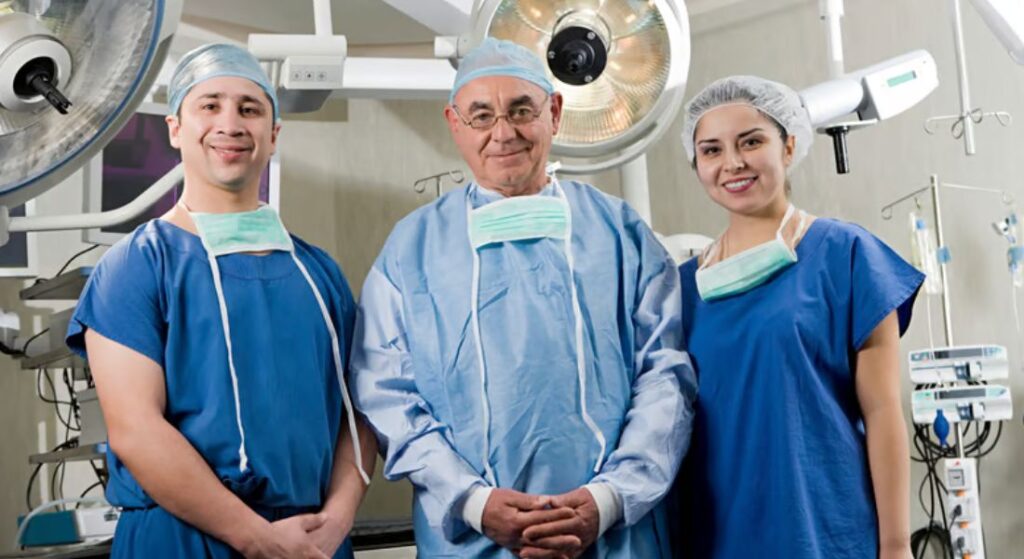
Nerve-sparing surgery requires a detailed understanding of anatomy and very careful surgical technique in conditions such as Prostate Cancer. Your surgeon has to work extremely close to important structures while also making sure they do not cut too close to the cancer.
Experience can make a difference because the decision is not only made before surgery. During the operation, your surgeon may need to adjust the plan depending on what they see in real time. This requires judgement, flexibility, and confidence in handling complex anatomy safely.
Good planning, careful dissection, and honest decision-making all play a role in outcomes. When you are considering surgery, it is reasonable to ask your surgeon about their approach to nerve-sparing, surgical margins, continence recovery, erectile function outcomes, and cancer control results. This helps you feel more informed about your treatment.
What Is NeuroSAFE?
NeuroSAFE is a technique used in some centres during prostate surgery for conditions such as Prostate Cancer. It involves checking the tissue close to the nerve area during the operation to see whether cancer cells are present at the margin.
If no cancer is seen at the margin, your surgeon may be able to preserve more nerve tissue. If cancer is detected, additional tissue can be removed straight away to reduce the risk of leaving cancer behind. This helps guide decisions during surgery in real time.
The aim of NeuroSAFE is to improve the balance between nerve preservation and cancer control. However, it is not available in all hospitals and is not suitable or necessary for every patient. If you have heard about NeuroSAFE, it is worth asking your surgeon whether it is relevant in your case and whether it forms part of their surgical approach.
What Happens After Surgery?
After surgery, the prostate is examined in a laboratory. The pathology report gives important information about the cancer, including grade, stage, margin status, and whether there is any spread beyond the prostate.
Your surgeon will review these results with you. If margins are clear and PSA becomes undetectable, that is generally reassuring. If margins are positive or PSA does not fall as expected, your team may discuss closer monitoring or further treatment such as radiotherapy, depending on the overall picture.
PSA Monitoring After Surgery
PSA monitoring is one of the main ways doctors check cancer control after prostate removal. Because the prostate has been removed, PSA should usually become very low or undetectable. Your team will tell you when your first PSA test will happen and how often it should be repeated.
A stable, undetectable PSA is reassuring. If PSA rises later, your specialist will look at the pattern and decide whether further investigation or treatment is needed. This follow-up is important whether you had nerve-sparing surgery or not.
Functional Benefits of Nerve-Sparing
The main reason nerve-sparing is considered is that it may improve recovery of sexual function after prostate cancer surgery. If the nerves can be preserved safely, you may have a better chance of regaining erections, especially if you had good erectile function before surgery.
Nerve-sparing may also support earlier urinary control recovery in some men, although continence depends on many factors. Your age, bladder function, pelvic floor strength, surgical technique, and healing all play a role.
It is important to understand that nerve-sparing improves the chance of better recovery, but it does not guarantee it. The nerves can still take time to recover after surgery, and some men need extra support during rehabilitation. A realistic discussion before surgery can help you understand what nerve-sparing may and may not achieve in your case.
Functional Benefits Are Not Guaranteed
Nerve-sparing can improve the chances of functional recovery, but it cannot promise normal erections or perfect urinary control after surgery. Even when the nerves are preserved, they may be temporarily affected by the operation.
Erectile recovery can take months, and for some men it may take one to two years. Some men may need tablets, vacuum devices, injections, or other treatments to achieve usable erections.
Urinary leakage can also happen after the catheter is removed, even when surgery has gone well. This often improves gradually, but recovery varies from person to person.
This is why honest pre-surgery counselling matters. It helps you understand both the possible benefits and the limits of nerve-sparing, so you go into treatment with realistic expectations.
Shared Decision-Making
The decision about nerve-sparing should be made through shared decision-making in conditions such as Prostate Cancer. This means both you and your surgeon play an important role in the discussion.
Your surgeon brings medical expertise, including knowledge of cancer risk, imaging findings, and surgical technique. You bring your own priorities, concerns, and quality-of-life goals, including how important sexual function and urinary control are to you.
However, shared decision-making does not mean choosing nerve-sparing at any cost. It means understanding what is safest for your cancer and then making decisions together where there is genuine room for choice.
If nerve preservation is not safe in your case, your surgeon should explain this clearly. If there are reasonable options, they should also help you understand the trade-offs so you can make an informed decision with confidence.
Why Honest Expectations Matter
You deserve clear and honest information before you go ahead with surgery for Prostate Cancer. It is not enough to simply be told that nerve-sparing is possible without also understanding what that means for cancer control in your specific case.
At the same time, it is also not helpful if you are discouraged from nerve-sparing when your cancer is actually suitable for it. Both extremes can leave you feeling uncertain or poorly prepared for what comes next.
The most useful discussions are balanced. They should explain the potential benefits of nerve-sparing, the possible risks to cancer control, and the fact that there is always some uncertainty before and during surgery. When you are given this kind of clear information, it can help you feel more confident and prepared, no matter what surgical approach is ultimately recommended for you.
Speak to Our Specialist

If you are deciding whether nerve-sparing prostate surgery is right for you in conditions such as Prostate Cancer, specialist assessment can really help you make sense of your options.
You may benefit from advice that takes into account your MRI findings, biopsy results, PSA level, tumour location, and margin risk. Your surgeon can also talk you through what this might mean for erectile function, continence recovery, and whether one-sided or both-sided nerve preservation is realistically possible in your case.
A specialist can explain whether nerve-sparing is safe for you and how cancer control will always be prioritised in the decision-making process. This helps you understand not just what is possible, but what is appropriate for your specific situation.
You do not have to rely on general information alone when making this decision. Your own cancer pattern, health, and priorities are what matter most when planning your treatment.
FAQs:
1. Does nerve-sparing prostate surgery affect cancer control?
Nerve-sparing does not reduce cancer control when it is carefully planned. It is only performed when the surgeon believes it can be done safely without increasing the risk of leaving cancer behind.
2. Is cancer control always the priority in nerve-sparing surgery?
Yes. Cancer control always comes first. Nerve preservation is only considered if it does not compromise the safe and complete removal of the cancer.
3. Can nerve-sparing increase the risk of positive surgical margins?
In some cases, yes. If the cancer is close to the edge of the prostate, nerve-sparing may increase the risk of a positive surgical margin, which is why careful selection is essential.
4. What is a positive surgical margin?
A positive surgical margin means cancer cells are found at the edge of the removed prostate tissue. It may suggest a higher risk of recurrence, although it does not always mean cancer will return.
5. How do surgeons decide whether nerve-sparing is safe?
Surgeons use MRI scans, biopsy results, PSA levels, cancer stage, and tumour location to assess whether nerve preservation can be safely performed without affecting cancer control.
6. Does nerve-sparing affect survival rates?
When appropriately selected, nerve-sparing does not negatively affect cancer survival. However, it must only be used when oncologically safe to avoid compromising outcomes.
7. What is side-specific nerve-sparing?
Side-specific nerve-sparing means one side of the prostate may have nerve preservation while the other side does not, depending on where the cancer is located and how risky each side is.
8. What happens if the cancer is too close to the nerves?
If cancer is very close to the nerves, the surgeon may need to remove one or both nerve bundles to ensure complete cancer removal and reduce the risk of leaving cancer behind.
9. What is the role of PSA after surgery?
After prostate removal, PSA should fall to very low or undetectable levels. Regular PSA monitoring helps detect any possible recurrence early, regardless of nerve-sparing status.
10. Can nerve-sparing be changed during surgery?
Yes. Even with careful planning, the surgeon may adjust the level of nerve preservation during surgery if they find that cancer is closer than expected.
Final Thoughts: Balancing Cancer Control and Nerve Preservation
Nerve-sparing prostate surgery can be a highly effective approach when it is carefully selected and tailored to your individual cancer profile. The key principle is always the same: cancer control must come first, and nerve preservation is only considered when it does not compromise safe and complete removal of the disease. When planned properly using MRI, biopsy findings, PSA levels, and surgical judgement, nerve-sparing techniques can help support quality of life without reducing the effectiveness of treatment.
It is important to remember that every case of prostate cancer is different. What is suitable for one person may not be appropriate for another, depending on tumour location, stage, and risk features. This is why detailed pre-operative planning and open discussion with your surgeon are essential in understanding both the benefits and limitations of nerve-sparing surgery. If you are considering nerve-sparing prostate surgery in London, you can arrange a consultation to discuss your diagnosis, treatment options, and whether nerve preservation is suitable in your case.
Reference:
- Zhang, L., Li, X., Wang, Y., Chen, J. and Zhao, H. (2025) Nerve-Sparing Robotic-Assisted Radical Prostatectomy Based on Preoperative MRI and Biopsy Risk Stratification. Cancers, 17(6), 962. Available at: https://www.mdpi.com/2072-6694/17/6/962
- Eastham, J.A. (2007) Do Margins Matter? The Role of Positive Surgical Margins in Prostate Cancer Surgery. Urologic Oncology. Available at: https://pmc.ncbi.nlm.nih.gov/articles/PMC2721495/
- Zhang, L., Li, X., Wang, Y., Chen, J. and Zhao, H. (2025) Nerve-Sparing Robotic-Assisted Radical Prostatectomy Based on Preoperative MRI and Biopsy Risk Stratification. Cancers, 17(6), 962. Available at: https://www.mdpi.com/2072-6694/17/6/962
- Heidenreich, A., Bastian, P.J., Bellmunt, J., Bolla, M., Joniau, S. and van der Kwast, T. (2014) EAU Guidelines on Prostate Cancer, European Urology, 65(1), pp. 124–137. Available at: https://pubmed.ncbi.nlm.nih.gov/24207135/
- Del Giudice, F., Busetto, G.M., Maggi, M., Sciarra, A. and Salciccia, S. (2023) Penile Rehabilitation after Radical Prostatectomy: Does It Work? A Systematic Review. Medicina, 59(7), 1234. Available at: https://www.mdpi.com/1648-9144/59/7/1234