



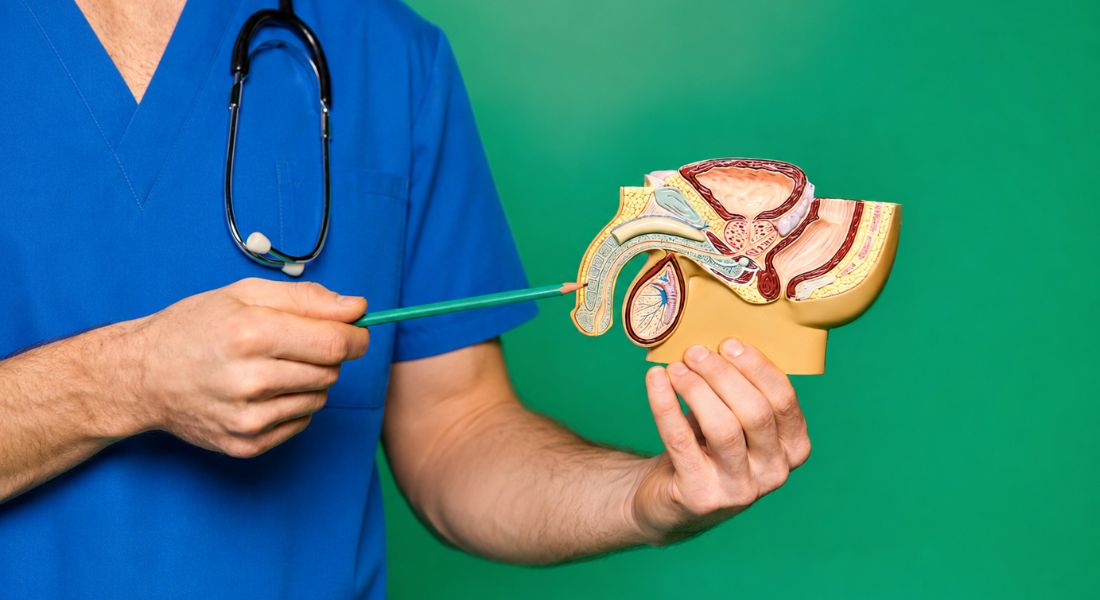
Prostate cancer surgery is an operation to remove the prostate gland when cancer is suitable for surgical treatment. The operation is usually called a radical prostatectomy. This means the whole prostate is removed, usually along with the seminal vesicles, and sometimes nearby lymph nodes may also be removed.
Surgery is commonly considered for localised prostate cancer, where the cancer appears to be within the prostate or suitable for removal with curative intent. It is one of the main treatment options, alongside active surveillance, radiotherapy, and hormone therapy depending on your cancer risk level and overall health. Cancer Research UK explains that surgery is one of the main treatments for prostate cancer and usually involves removing the whole prostate gland.
If you are considering surgery, it is completely normal to feel worried about the operation and recovery. You may have concerns about the catheter, urinary leakage, erections, fertility, and what life may feel like afterwards. Understanding what to expect can make the process feel less overwhelming.
This article explains prostate cancer surgery in a clear and practical way. You will learn how the operation works, who may be suitable, what happens before surgery, and what recovery may involve. The aim is to help you feel more informed and prepared before making decisions about treatment.
What Does Prostate Cancer Surgery Involve?
Prostate cancer surgery aims to remove the prostate gland and the cancer inside it. The prostate sits below your bladder and surrounds the urethra, which is the tube that carries urine out of the body. Because of this position, surgery needs careful work around nearby tissues.
During the operation, the surgeon separates the prostate from the bladder, urethra, nerves, blood vessels, and surrounding structures. After the prostate is removed, the bladder is reconnected to the urethra. This join needs time to heal properly.
This is why you usually have a catheter after surgery. A catheter is a thin tube that drains urine from your bladder while the area heals. Prostate Cancer UK explains that a catheter is placed during the operation while you are asleep.
Although prostate cancer surgery can be very effective for suitable patients, it is still major surgery. You need careful planning, clear counselling, and proper recovery support. Understanding the process can help you feel more prepared before treatment.
What Is a Radical Prostatectomy?
A radical prostatectomy is an operation to remove the whole prostate gland to treat prostate cancer. It may also involve removing the seminal vesicles, and in some cases, nearby lymph nodes if your specialist thinks this is needed.
This surgery is different from treatment for benign prostate enlargement, also known as BPH. In BPH surgery, only the part of the prostate blocking urine flow may be treated. In prostate cancer surgery, the aim is to remove the prostate gland because it contains cancer.
A radical prostatectomy is usually considered when the cancer appears to be within the prostate or when surgery is expected to offer a meaningful chance of controlling the disease. However, it is not the right option for every man. Some slow-growing prostate cancers may be monitored safely through active surveillance instead of being treated straight away.
Before recommending surgery, your specialist will look carefully at your PSA level, MRI scan, biopsy results, cancer stage, general health, and personal priorities. They will also explain the possible benefits, risks, side effects, and alternatives, so you can make a decision with clear information rather than pressure or confusion.
Who May Be Suitable for Prostate Cancer Surgery?
Prostate cancer surgery may be considered if your cancer is still within the prostate or has only spread locally, and your specialist believes surgery could offer a meaningful benefit. It is not recommended from one test result alone. Your overall health, cancer details, and personal priorities all need to be looked at together.
Your specialist will usually review your PSA level, MRI scan, biopsy results, cancer grade, cancer stage, urinary symptoms, prostate size, and general health. They will also consider how fit you are for surgery and whether other treatments, such as active surveillance or radiotherapy, may be more suitable for you.
Surgery is not always the best choice for every man. If your prostate cancer is very low risk and slow-growing, active surveillance may be a safe option. This means the cancer is monitored closely, and treatment is only started if there are signs that it is changing.
The most important thing is that your treatment decision should be based on a full discussion with your prostate cancer specialist. They can explain the benefits, risks, side effects, and alternatives clearly, so you can choose the option that feels right for your situation.
When Surgery May Not Be Needed Straight Away
Not every prostate cancer needs immediate surgery. Some prostate cancers grow slowly and may not cause harm for many years. In these cases, active surveillance may be recommended instead of starting treatment straight away.
Active surveillance means your cancer is monitored closely with PSA tests, MRI scans, examinations, and sometimes repeat biopsies. Treatment is only started if there are signs that the cancer is changing or becoming more concerning. This approach can help some men avoid or delay treatment side effects.
Cancer Research UK explains that slow-growing prostate cancer may be safely monitored with active surveillance until treatment is needed. This can feel strange at first because you may assume cancer must always be removed immediately. However, for selected low-risk prostate cancers, monitoring can be a safe and sensible option.
Types of Prostate Cancer Surgery
This section introduces the different surgical approaches, and a comparison table will help readers quickly understand the differences before reading the detailed sections on robotic surgery and Retzius-sparing surgery.
Comparison of Prostate Cancer Surgery Approaches
| Surgical Approach | How the Surgeon Reaches the Prostate | Incision Size | Key Features |
| Open Radical Prostatectomy | Through a larger incision in the lower abdomen | Larger incision | Traditional surgical approach with direct access to the prostate |
| Laparoscopic Radical Prostatectomy | Through several small abdominal incisions using long instruments | Small incisions | Minimally invasive approach with reduced tissue disruption |
| Robotic-Assisted Radical Prostatectomy | Through small incisions using robotic instruments controlled by the surgeon | Small incisions | Magnified 3D view, precise movements, commonly used in many centres |
| Conventional Robotic Prostatectomy | Robotic approach from the front of the pelvis (anterior approach) | Small incisions | Well-established robotic technique used in many prostate cancer centres |
| Retzius-Sparing Robotic Prostatectomy | Robotic approach from behind the bladder (posterior approach) | Small incisions | Preserves the space of Retzius and may support earlier continence recovery in selected patients |
Robotic Prostate Cancer Surgery
Robotic prostate cancer surgery is also called robot-assisted radical prostatectomy. During the operation, your surgeon sits at a console and controls robotic instruments through small cuts in your abdomen. The robot does not work independently.
The robotic system gives your surgeon a magnified 3D view and allows very precise movements. This can help when working around delicate structures such as the urethra, bladder neck, nerves, and blood vessels. It can also help the surgeon operate carefully within the narrow pelvic space.
However, the most important factor is not the robot alone. Surgeon experience, careful planning, cancer features, and your suitability all matter. Robotic surgery is a tool, but your surgeon’s judgement and skill remain central.
Conventional and Retzius-Sparing Robotic Surgery
There are also different robotic techniques for prostate cancer surgery. In conventional robotic prostate surgery, your surgeon usually approaches the prostate from the front of the pelvis. This is the more established route used in many centres.
In Retzius-sparing robotic prostate surgery, your surgeon approaches the prostate from behind. This technique tries to preserve the space of Retzius, an area at the front of the pelvis linked with support structures for urinary control. In selected patients, this may help with earlier recovery of bladder control.
However, Retzius-sparing surgery is not suitable for everyone. Your surgeon may recommend one approach over another based on cancer location, prostate anatomy, MRI findings, prostate size, margin risk, and their own experience. You should ask which approach is being recommended and why.
What Happens Before Surgery?
Before prostate cancer surgery, your specialist team will review your diagnosis and treatment options carefully. This usually includes your PSA result, MRI scan, biopsy findings, cancer grade, cancer stage, general health, and any other medical conditions. The aim is to make sure surgery is suitable and properly planned.
You may have blood tests, urine tests, heart checks, an anaesthetic assessment, and a medication review before the operation. Your team may also discuss pelvic floor exercises, as these can help prepare you for urinary control recovery afterwards. These steps help reduce risks and support smoother recovery.
You should also be told what to expect with catheter care, hospital stay, pain control, activity restrictions, and follow-up. This is the time to ask practical questions, even if they feel small. The more you understand before surgery, the more prepared and confident you are likely to feel.
Questions to Ask Before Surgery
Before surgery, it is useful to ask direct questions so you understand why this treatment is being recommended. You may want to ask why surgery is suitable in your case and whether active surveillance or radiotherapy are also options. This helps you compare choices clearly before making a decision.
You can ask whether robotic surgery is suitable, whether nerve-sparing is possible, whether lymph nodes need to be removed, and what recovery may look like. You should also ask about side effects such as urinary leakage, erectile dysfunction, dry orgasm, fertility changes, and catheter time. These details can affect your daily life after surgery.
If you work, ask when you may be able to return and what activities you should avoid during recovery. If sexual function or fertility matters to you, say this clearly before the operation. These topics may feel personal, but they are a normal and important part of prostate cancer surgery planning.
What Happens During the Operation?
During prostate cancer surgery, you will usually have a general anaesthetic, so you are asleep and do not feel the operation. The surgeon removes the prostate gland and usually the seminal vesicles. If lymph node removal is planned, this is usually done during the same operation.
After the prostate is removed, the bladder is reconnected to the urethra. A catheter is then placed to drain urine while this join heals. This catheter is an important part of early recovery and helps protect the healing area.
The operation time can vary from person to person. It may depend on the type of surgery, prostate size, anatomy, lymph node removal, previous surgery, and the complexity of the case. Your surgeon can give you a more realistic estimate based on your own situation.
Recovery After Prostate Cancer Surgery

Recovery takes time after prostate cancer surgery. Even if you have robotic surgery with small cuts, the operation is still major surgery on the inside. Your body needs time to heal properly.
Cancer Research UK explains that recovery can take a few weeks. Many people feel they are getting back to normal activities between four and six weeks, while strenuous activities are usually avoided for around six weeks. Your own recovery may be faster or slower depending on your situation.
You may feel tired, sore, bloated, or emotionally drained. You may also have good days and slower days, which does not mean recovery is going badly. Follow your team’s advice about walking, lifting, driving, work, exercise, and sexual activity.
What Happens Immediately After Surgery?
After surgery, you will wake up in the recovery area. You may feel drowsy because of the anaesthetic and pain medicines. You may also have a catheter, small wounds, dressings, and sometimes a drain depending on the surgical approach.
You may feel bloated, sore, or uncomfortable around the abdomen. Your nurses will monitor your blood pressure, pulse, pain level, urine output, wounds, and general recovery. This helps make sure you are recovering safely after the operation.
Cancer Research UK explains that after surgery, most people spend one night in hospital. Nurses usually encourage you to get up and walk around a few hours after the operation. Early gentle walking can reduce stiffness and support circulation, but you should do it carefully with your team’s guidance.
Going Home After Surgery
You will be given instructions before you go home. These usually cover catheter care, wound care, pain relief, bowel habits, activity restrictions, when to seek help, and follow-up appointments. Make sure you understand these instructions before leaving hospital.
You may feel relieved to go home, but also slightly nervous, especially if you are going home with a catheter. That is completely normal. Your team should explain how to empty the catheter bag, how to keep the area clean, and what problems to watch for.
Do not hesitate to call your hospital team if the catheter stops draining, falls out, causes severe pain, or if you develop fever, worsening pain, or heavy bleeding. It is always better to ask early than to wait and worry at home. Proper support can make your recovery feel safer and more manageable.
Catheter After Prostate Surgery
Most men have a catheter after prostate cancer surgery. The catheter drains urine while the new join between your bladder and urethra heals. This helps protect the healing area during the early recovery period.
It may feel strange, uncomfortable, or irritating at first. You may feel as if you need to pass urine, even though the catheter is already draining your bladder. Prostate Cancer UK explains that this sensation usually passes after a few hours.
The catheter is usually temporary, but the exact timing of removal depends on your surgeon’s protocol and your healing. Your team will arrange removal and check that you can pass urine safely afterwards. If you feel worried about catheter care at home, ask your team to explain it again before you leave.
Catheter Removal
Catheter removal can feel like an important milestone after prostate surgery. You may look forward to having it removed, but this can also be the stage where urinary leakage becomes more noticeable. This can feel upsetting at first, but it is common after prostate removal.
After the catheter is removed, you may leak urine when you stand, cough, walk, bend, or move suddenly. Your medical team may check that you can pass urine before you leave. They may also give advice about pads, pelvic floor exercises, fluid intake, and what to do if you cannot pass urine.
If you develop severe pain, fever, heavy bleeding, or inability to pass urine, seek medical advice promptly. Do not wait at home hoping these symptoms will settle. Getting help early can make recovery safer and less stressful.
Returning to Work

Returning to work depends on your job and how your recovery is going. If you work from home or do desk-based work, you may be able to return earlier. If your job is physical, involves lifting, driving, standing for long periods, or site visits, you may need more time.
You also need to think about catheter timing, urinary leakage, tiredness, pain, concentration, and follow-up appointments. These practical issues can affect how ready you feel, even if the surgery itself went well. Recovery is not only about being able to move around.
Do not judge your readiness only by how your skin wounds look. Internal healing takes longer, and doing too much too soon can slow your recovery. Ask your surgeon or nurse when it is safe for you to return based on your work type.
Urinary Leakage After Surgery
Urinary leakage is one of the most common concerns after prostate cancer surgery. You may leak when you stand up, cough, laugh, sneeze, bend, walk, or lift. This can feel frustrating, but it is a common part of recovery for many men.
Some men improve quickly, while others take weeks or months to regain better control. The NHS lists peeing without meaning to as one possible side effect after prostate cancer surgery. Pads may be needed at first, and pelvic floor exercises are often recommended.
Using pads is not a failure. It is a practical support while your body recovers. If leakage is not improving or is affecting your confidence, ask your specialist team about further support.
Pelvic Floor Exercises
Pelvic floor exercises can help strengthen the muscles involved in bladder control. You may be taught these exercises before or after prostate cancer surgery. They can be an important part of recovery, especially when urinary leakage is a concern.
Technique matters when doing pelvic floor exercises. Tightening your stomach, thighs, or buttocks is not the same as working the pelvic floor muscles. If you are unsure, it is better to ask for guidance rather than keep doing them incorrectly.
Prostate Cancer UK advises restarting pelvic floor exercises once the catheter is removed. These exercises may help with urinary control and may also support erectile recovery. If you are unsure about your technique, ask a specialist nurse or pelvic health physiotherapist for help.
Erectile Dysfunction After Surgery
Erectile dysfunction means difficulty getting or keeping an erection firm enough for sex. It is a common side effect after prostate cancer surgery because the nerves involved in erections run very close to the prostate. These nerves can be affected during surgery, even when the operation is carefully performed.
The NHS lists erectile dysfunction as a possible side effect after surgery. Cancer Research UK also explains that radical prostatectomy often affects the nerves needed for erections. Whether erections recover depends on your age, erections before surgery, cancer location, general health, and whether nerve-sparing is possible.
Some men recover gradually over time, while others need treatment or rehabilitation. You should ask about erectile recovery before surgery, not only afterwards. This gives you time to understand realistic expectations and discuss possible support options.
Nerve-Sparing Surgery
Nerve-sparing surgery means your surgeon tries to preserve the nerves involved in erections. This may be possible if the cancer is not too close to those nerves. The aim is to protect sexual function where it is safe to do so.
If the cancer is close to the nerve area, your surgeon may need to remove tissue more widely. This helps reduce the risk of leaving cancer behind. In prostate cancer surgery, cancer control must come first.
This means nerve-sparing is not always possible, even when sexual function is important to you. Your surgeon should explain whether nerve-sparing is suitable in your case and what it may mean for erectile recovery. This discussion is best had before surgery so your expectations are clear.
Dry Orgasm and Fertility Changes
After radical prostatectomy, you will no longer ejaculate semen. This is because the prostate and seminal vesicles are removed during surgery. You may still be able to have an orgasm, but it will be a dry orgasm.
The sensation may feel different after surgery. The NHS lists orgasm changes, including difficulty reaching orgasm or not ejaculating during orgasm, as possible effects after prostate cancer surgery. These changes can feel emotional as well as physical, so it is worth discussing them openly.
Natural fertility is affected after prostate removal. If you may want children in the future, discuss sperm storage before surgery. This conversation needs to happen before treatment begins, so you have time to understand your options.
Other Possible Side Effects and Risks
Like any major operation, prostate cancer surgery can have side effects and risks. These may include bleeding, infection, blood clots, wound problems, pain, catheter-related issues, urinary leakage, erection problems, orgasm changes, and fertility changes.
This does not mean you will experience all of these problems. Some men recover with only short-term side effects, while others may need more time, support, or treatment for issues such as urinary control or erections. The important thing is to understand the possible risks before surgery, so you know what to expect and when to ask for help.
Your own risk depends on several factors, including your age, general health, cancer features, surgical approach, nerve-sparing options, and how your body heals after the operation. Your surgeon should explain which side effects are most relevant to your situation, rather than giving you only general information.
Understanding the risks does not mean you should feel frightened of surgery. It simply helps you make a clear, informed decision and prepare properly for recovery. If you have specific concerns about urinary leakage, erections, fertility, or long-term recovery, it is important to discuss them before the operation.
Emotional Recovery
Prostate cancer surgery can affect you emotionally as well as physically. You may feel relieved that the cancer has been removed, but still feel anxious about PSA results, urinary leakage, erections, body image, work, and the future. These mixed feelings are completely understandable.
You may also feel impatient with recovery, especially if progress feels slower than expected. You have been through diagnosis, difficult decisions, treatment, and now healing. It is normal for your emotions to take time to settle too.
It can help to talk with your partner, family, clinical nurse specialist, GP, counsellor, or a support group. You do not have to wait until you feel overwhelmed before asking for support. Getting help early can make recovery feel less lonely and more manageable.
Follow-Up After Surgery

Follow-up is an important part of prostate cancer surgery. After the prostate is removed, it is examined in a laboratory. This pathology report gives more detail about the cancer, including grade, stage, margins, and whether the cancer appears fully removed.
You will also have PSA blood tests after surgery. Because the prostate has been removed, PSA is expected to fall to a very low or undetectable level. Your specialist will explain when PSA testing should happen and what your results mean.
If PSA rises later, further assessment may be needed. This does not always mean immediate treatment, but it does need careful review. Regular follow-up helps your team monitor recovery, check cancer control, and support you with any ongoing side effects.
What If Further Treatment Is Needed?
Some men may need further treatment after prostate cancer surgery. This may happen if the pathology report shows higher-risk features, cancer cells at the edge of the removed tissue, or if your PSA does not fall as expected. It may also be considered if PSA rises later.
Further treatment may include radiotherapy, hormone therapy, or close monitoring depending on your situation. This does not automatically mean surgery has failed. Prostate cancer treatment can sometimes involve more than one step.
Your specialist team will explain your results and whether any additional treatment is recommended. They should also discuss the benefits, side effects, timing, and reasons for each option. This helps you understand the next step clearly and make decisions with confidence.
Surgery Compared With Radiotherapy
Surgery is not the only treatment for localised prostate cancer. Radiotherapy may also be offered, sometimes with hormone therapy depending on the cancer risk. Active surveillance may be suitable for some lower-risk cancers.
Each option has different benefits, side effects, and recovery patterns. Surgery removes the prostate and gives detailed pathology results, but it can carry risks such as urinary leakage and erectile dysfunction. It also involves an operation, anaesthetic, catheter use, and recovery time.
Radiotherapy avoids surgery, but it can affect the bladder, bowel, erections, and may involve treatment over a period of time. Your specialist should help you compare all suitable options clearly. The best choice depends on your cancer, health, priorities, and the side effects you feel most concerned about.
How to Prepare Yourself Before Surgery
Preparing well can make recovery feel more manageable. You may want to arrange transport, time off work, help at home, loose clothing, pads, simple meals, and a comfortable recovery space. These small practical steps can reduce stress when you return home.
You can also practise pelvic floor exercises if your team advises this before surgery. Gentle walking or light activity may help improve your general fitness if you are able. Stopping smoking, reducing alcohol, eating well, and managing constipation can also support recovery.
Do not start extreme exercise or diet changes just before surgery without medical advice. Simple, steady preparation is enough. The goal is to help you feel organised, supported, and ready for the recovery period.
Practical Things to Arrange at Home
Before surgery, think about what you will need in the first week at home. Keep important items within easy reach, such as water, medicines, your phone charger, pads, catheter supplies, and hospital contact numbers. This can help you avoid unnecessary movement when you are tired or sore.
Wear loose clothing that does not press on the catheter or abdominal wounds. Plan gentle meals that are easy to digest, especially if your appetite or bowel habits feel different after surgery. Simple preparation can make the first few days feel less stressful.
Avoid heavy household tasks, lifting, and long journeys in the early recovery period unless your team says it is safe. Having practical support ready can help you rest, recover, and feel more confident when you return home.
When to Seek Medical Advice After Surgery
You should contact your medical team if you develop symptoms that worry you after surgery. This includes fever, chills, worsening pain, heavy bleeding, large clots, catheter blockage, inability to pass urine after catheter removal, chest pain, breathlessness, calf swelling, wound redness, pus, or feeling suddenly very unwell.
Some blood staining in the urine can happen after robotic radical prostatectomy, especially if the catheter irritates the bladder or urethra. Cambridge University Hospitals guidance notes that large clots or solid debris should prompt advice because they may cause blockage. This is especially important if the catheter stops draining properly.
Do not wait if your symptoms are severe or getting worse. Early advice can prevent complications from becoming more serious. It is always better to call your medical team and be reassured than to ignore a problem that needs attention.
Life After Prostate Cancer Surgery
Life after prostate cancer surgery is different for every man. Some men recover urinary control quickly, while others need more time. Some regain erections with support, while others need ongoing treatment.
Your emotional recovery can also vary. You may feel stronger after surgery, but you may also feel low, anxious, or uncertain at times. There is no single “normal” recovery.
Your recovery depends on your cancer, health, age, surgery, nerve-sparing status, support, and healing. The important thing is to stay connected with your specialist team and ask for help when you need it.
Speak to Our Specialist

If you are considering prostate cancer surgery, speaking with a specialist can help you understand your options clearly. You may want advice about whether surgery is suitable, whether robotic surgery is appropriate, whether nerve-sparing is possible, and what recovery may involve.
You may also want to understand how surgery compares with active surveillance or radiotherapy in your case. A specialist can review your PSA, MRI, biopsy results, cancer stage, health, and personal priorities before guiding you.
This can help you make a decision based on clear information rather than fear or confusion. You do not have to decide alone, and asking questions early can make the treatment process feel more manageable.
FAQs:
1. What is prostate cancer surgery?
Prostate cancer surgery is an operation to remove the prostate gland when cancer is suitable for surgical treatment. It is usually called a radical prostatectomy.
2. Who may be suitable for prostate cancer surgery?
You may be suitable if your cancer is localised or locally advanced and surgery is expected to help. Your PSA, MRI, biopsy results, stage, health, and personal preferences are all considered.
3. Is surgery always needed for prostate cancer?
No, not always. Some slow-growing prostate cancers can be safely monitored through active surveillance instead of being treated straight away.
4. What is robotic prostate surgery?
Robotic prostate surgery is a minimally invasive form of radical prostatectomy. Your surgeon controls robotic instruments through small cuts while using a magnified 3D view.
5. Will I need a catheter after prostate cancer surgery?
Yes, most men need a catheter after surgery. It drains urine while the join between your bladder and urethra heals.
6. How long does recovery take after prostate cancer surgery?
Recovery varies, but many people start returning to normal activities within four to six weeks. You may need longer if your work is physical or your recovery is slower.
7. Can prostate cancer surgery cause urinary leakage?
Yes, urinary leakage is common after surgery, especially after the catheter is removed. Pelvic floor exercises and pads can help while your control improves.
8. Can prostate cancer surgery affect erections?
Yes, erectile dysfunction can happen because the erection nerves are close to the prostate. Recovery depends on your age, erections before surgery, cancer position, and whether nerve-sparing surgery is possible.
9. Will I still be fertile after prostate removal?
Natural fertility is affected because you will no longer ejaculate semen after radical prostatectomy. If you may want children in future, you should discuss sperm storage before surgery.
10. When should I seek medical advice after surgery?
You should contact your medical team if you have fever, worsening pain, heavy bleeding, catheter blockage, large clots, chest pain, breathlessness, calf swelling, wound redness, pus, or feel suddenly very unwell.
Final Thoughts on Prostate Cancer Surgery
Prostate cancer surgery is a major treatment decision, and it is completely normal to have questions about the operation, recovery, urinary control, erections, fertility, and life afterwards. The more clearly you understand the procedure, the easier it becomes to make a decision that feels informed rather than rushed.
Surgery can be an effective option for suitable patients, but it is not the only choice for every man. Your cancer type, PSA, MRI, biopsy results, overall health, age, and personal priorities all matter when deciding between surgery, active surveillance, radiotherapy, or other treatments.
If you are looking for a prostate cancer treatment clinic in London, you can reach out to us to arrange a consultation and receive personalised advice about your diagnosis, treatment choices, and recovery. Speaking with a specialist can help you better understand your options, feel more informed about your care, and make confident decisions about the next steps in your treatment journey.
References:
- Moshirfar, M., Del Risco, N.E., Hoopes, P.C., Manion, G.N., Moin, K.A., Brown, A.H., Walker, S.M., Zhong, P.-S. and Zhang, H. (2026) ‘Visual outcomes and cataract surgery considerations in patients with previous implantable collamer lens implantation’. https://www.sciencedirect.com/org/science/article/pii/S1043180226000558
- Vargas, V., Alió, J.L., Pérez-Santonja, J.J., Ruiz-Moreno, J.M. and Abdelghany, A.A. (2025) ‘Long-term outcomes and safety of Implantable Collamer Lens implantation for myopia correction: a comprehensive review’. https://www.sciencedirect.com/science/article/abs/pii/S2405456925002925
- Su, X., Guo, Z., Wang, Y., Li, J., Zhang, H. and Liu, Y. (2024) ‘A meta-analysis of postoperative wound complications in prostate cancer patients undergoing robotic versus open surgery’, International Wound Journal, 21(4), pp. 1-12. https://pmc.ncbi.nlm.nih.gov/articles/PMC10961857/
- Cheng, B., Wang, X., Li, Z., Zhang, Y. and Liu, H. (2024) ‘Evaluating the effectiveness of cytoreductive surgery in oligometastatic prostate cancer: a systematic review and meta-analysis’, Journal of Surgery Open Science, 9, p. 1968. https://pmc.ncbi.nlm.nih.gov/articles/PMC11745695/
- Packer, M. (2021) ‘The Implantable Collamer Lens with a central port: review of the literature and clinical outcomes’. https://pubmed.ncbi.nlm.nih.gov/33742978/