




Nerve recovery after prostate surgery takes time, and it is natural to want to know whether there is anything you can do to help the process. If you have had a radical prostatectomy, you may be hoping that erections will return quickly, but nerve healing is usually a gradual journey rather than an immediate recovery.
The reality is that you cannot force nerves to regenerate overnight. Recovery depends on several factors, including your age, erectile function before surgery, whether the nerves were preserved during the operation, your overall health, blood flow, and how well your body heals after treatment.
However, this does not mean you are without options. There are practical steps that may help support recovery, protect penile tissue, and create the best possible conditions for nerve healing. These can include penile rehabilitation programmes, pelvic floor exercises, erectile dysfunction treatments, healthy lifestyle changes, and regular follow-up with your specialist team.
The most important thing is to view nerve recovery as a long-term process rather than a quick fix. By staying engaged with your recovery plan and seeking appropriate support when needed, you can give yourself the best chance of achieving functional improvement over time.
Why Nerves Are Affected During Prostate Surgery
The nerves responsible for erections sit very close to your prostate. These nerves, often called the neurovascular bundles, carry the signals that help increase blood flow to the penis and make erections possible.
During a radical prostatectomy, the prostate gland is removed as part of your cancer treatment. Because the nerve bundles lie alongside the prostate, they can be affected during surgery, even when your surgeon carefully tries to preserve them. In some cases, the nerves may be stretched, bruised, or temporarily disrupted as the prostate is removed.
Nerve-sparing surgery aims to protect these delicate structures whenever it is safe to do so. However, if your cancer is growing close to the nerves, part or all of a nerve bundle may need to be removed to ensure the cancer is treated effectively. This is why your nerve recovery after surgery depends not only on the healing process but also on how much of the nerve tissue could be safely preserved during the operation.
What Does Nerve-Sparing Mean?
Nerve-sparing surgery means your surgeon aims to preserve one or both of the nerve bundles that run alongside the prostate during radical prostatectomy. These nerves play an important role in erections, so preserving them may improve your chances of recovering erectile function after surgery.
If both nerve bundles are preserved, this is known as bilateral nerve-sparing surgery. If only one nerve bundle can be safely preserved, it is called unilateral nerve-sparing surgery. When neither nerve bundle can be preserved because of the cancer’s location, natural erection recovery is usually much less likely, although other treatments may still help you maintain sexual activity.
It is important to understand that preserving the nerves does not mean they will work normally immediately after surgery. Even when the nerve bundles are spared, they may be stretched, bruised, exposed to heat, or temporarily affected during the operation. As a result, you may still experience erection problems in the months after surgery, and recovery often takes time while the nerves gradually heal.
Can You Really Speed Up Nerve Regeneration?
It is important to be cautious when using the phrase “speed up” nerve regeneration. There is currently no guaranteed way to make nerves heal instantly after prostate surgery. Nerve recovery is a biological process that happens gradually, and the timeline can vary considerably from one person to another.
What you can do is create the best possible conditions for recovery. This may involve improving blood flow, protecting erectile tissue, following a penile rehabilitation programme if recommended, managing underlying health conditions, avoiding smoking, staying physically active, and seeking specialist support early in your recovery.
Rather than asking how to force nerves to regenerate faster, it is often more helpful to ask how you can give your nerves and erectile tissue the best chance to recover. Taking this approach can help you focus on the factors you can influence while maintaining realistic expectations about the healing process.
A structured recovery plan can play an important role in this journey. By working closely with your healthcare team and staying consistent with recommended treatments and lifestyle measures, you can support recovery and maximise your chances of achieving the best possible functional outcome over time.
How Long Does Nerve Recovery Usually Take?
Nerve recovery after prostate surgery can take months and, for some men, even a few years. If you do not have spontaneous erections during the first few months after your operation, it is understandable to feel concerned, but this is very common and does not necessarily mean your recovery is not progressing.
With time, and often with the help of penile rehabilitation, you may notice gradual improvements in your sexual function. Some men see positive changes within the first year, while others continue to improve throughout the second year as their nerves slowly heal and recover.
It is important to remember that every recovery journey is different. You may regain natural erections over time, or you may need ongoing erectile dysfunction treatment to support your sexual function. If that happens, it does not mean you have failed it simply reflects the fact that recovery depends on nerve healing, blood flow, tissue health, and several other factors unique to you.
Why Early Months Can Feel Discouraging
The first few months after prostate surgery can be emotionally and physically challenging. During this time, you may be coping with urinary leakage, recovering from a catheter, feeling more tired than usual, attending PSA follow-up appointments, and adjusting to changes in your sexual function.
You may find that your erections are absent, weaker than before, or inconsistent. Erectile dysfunction tablets may not work straight away, which can leave you wondering whether the nerves have been permanently damaged. These feelings are common, and many men experience similar concerns during the early stages of recovery.
It is important to remember that early erection problems do not always predict your long-term outcome. Your nerves may need time to recover from the effects of surgery, particularly after a radical prostatectomy. In these early months, the focus is often on healing, starting rehabilitation if appropriate, and giving your body the time it needs to recover.
What Factors Influence Nerve Recovery?
Several factors can affect how well and how quickly your nerves recover after prostate surgery. One of the most important is your age, as younger men often have better blood flow, stronger erectile function before surgery, and fewer health conditions that can interfere with recovery.
Your erectile function before surgery also plays a significant role. If you had strong erections before your operation, you may have a better chance of recovering erectile function afterwards. The extent of nerve preservation is equally important, as recovery is generally more likely when both nerve bundles have been spared rather than just one or neither.
Your overall health can also have a major impact on recovery. Conditions such as diabetes, high blood pressure, heart disease, obesity, and poor circulation can affect blood flow and nerve function. Smoking can further reduce your body’s ability to heal, which is why looking after your general health can be an important part of supporting recovery after surgery.
Key Factors That Influence Nerve Recovery After Prostate Surgery
| Factor | How It Affects Recovery | Why It Matters |
| Age | Younger men often recover faster | Better blood flow and tissue healing capacity |
| Pre-surgery erectile function | Strong baseline function improves recovery chances | Healthy tissue responds better after surgery |
| Nerve-sparing status | Bilateral > unilateral > none | More preserved nerve tissue increases recovery potential |
| Overall health | Conditions like diabetes or heart disease slow recovery | Impaired circulation affects nerve healing |
| Smoking | Reduces blood flow and delays healing | Slows tissue repair and erectile recovery |
| Blood flow quality | Strong circulation supports recovery | Essential for oxygenation of erectile tissue |
| Cancer location | May limit nerve preservation | Safety can override nerve-sparing attempts |
Cancer Safety Comes First
It is important for you to understand why nerve preservation is not always possible during prostate cancer surgery. The primary goal of the operation is to remove the cancer safely and reduce the risk of cancer cells being left behind.
If your cancer is close to the nerve bundles, your surgeon may need to remove some or all of the nerve tissue on that side. While this can reduce the likelihood of natural erection recovery, it may be the safest option for achieving effective cancer control and giving you the best possible cancer outcome.
This can feel like a difficult trade-off to accept. You may feel relieved that your cancer has been treated, while at the same time feeling frustrated or upset about the impact on your sexual function. Both reactions are completely understandable, and it is important to recognise that these feelings can exist together during your recovery.
Penile Rehabilitation
Penile rehabilitation is one of the main strategies used to support erectile recovery after prostate surgery. If your specialist recommends it, your rehabilitation plan may include erectile dysfunction tablets, vacuum erection devices, penile injections, pelvic floor exercises, and lifestyle changes designed to support your recovery.
The aim is to maintain healthy blood flow to the penis and help protect erectile tissue while your nerves are healing. Because nerve recovery can take many months, rehabilitation focuses on creating the best possible conditions for recovery rather than waiting passively for erections to return.
It is important to understand that penile rehabilitation is not a guaranteed cure. While some men benefit from these treatments, results can vary from person to person. This is why rehabilitation should be tailored to your individual situation and guided by a specialist who can recommend the most appropriate approach for your recovery goals.
Treatments and Strategies That Support Nerve Recovery
| Approach | Purpose | Role in Recovery |
| Penile rehabilitation programme | Maintain erectile tissue health | Supports long-term recovery while nerves heal |
| PDE5 inhibitor tablets | Improve blood flow | Helps erections when some nerve function returns |
| Vacuum erection device | Increase oxygenated blood flow | Preserves tissue and supports erection function |
| Penile injections | Directly stimulate erection | Works even if nerve signals are weak |
| Pelvic floor exercises | Strengthen pelvic muscles | Supports urinary control and sexual function |
| Lifestyle changes | Improve circulation and healing | Enhances overall recovery environment |
| Psychosexual support | Emotional and relationship support | Reduces anxiety and improves confidence |
Why Blood Flow Matters
When you think about erectile recovery after prostate surgery, it is important to remember that erections depend on more than just nerves. Healthy blood flow also plays a major role, as the penis needs a good supply of oxygen-rich blood to maintain normal erectile tissue and function.
After surgery, erections may become less frequent or stop altogether for a period of time. When this happens, the erectile tissue may receive less oxygen-rich blood than it did before. Researchers believe this may contribute to changes within the tissue, which is one reason why treatments designed to support blood flow are often considered during recovery.
This does not mean you should try to manage the problem on your own or use medications without medical advice. Instead, it highlights the importance of working with your specialist to develop a recovery plan. Depending on your health, surgical outcome, and recovery goals, you may be advised to use tablets, devices, or other treatments that support blood flow while your body continues to heal.
Erectile Dysfunction Tablets
Many men are prescribed erectile dysfunction tablets after nerve-sparing prostate surgery. These medicines are often called PDE5 inhibitors. They help improve blood flow to the penis. However, they usually need some nerve signal to work well. This means they may not be very effective immediately after surgery if the nerves are still recovering.
If tablets do not work at first, do not assume recovery is impossible. Your response may improve over time. Your specialist may adjust the dose, timing, or type of treatment. You should not increase medication yourself, especially if you take heart medicines, nitrates, or have blood pressure problems.
Vacuum Erection Devices
A vacuum erection device may be recommended as part of your penile rehabilitation programme or to help with sexual activity after prostate surgery. The device works by creating gentle suction around the penis, which draws blood into the erectile tissue and helps produce an erection.
During recovery, some men use a vacuum device to help maintain tissue stretch and support blood flow while the nerves continue to heal. Others use it with a constriction ring to help maintain an erection for sexual activity. Although the concept may seem unusual at first, it is a well-established treatment option used by many men after prostate cancer surgery.
It is normal for the device to feel a little awkward or mechanical when you first start using it. With practice, many men become more comfortable and confident using it. If your specialist recommends a vacuum erection device, ask for clear instructions so you can use it safely and effectively. Most importantly, remember that it is not a sign of failure—it is simply one of the tools that may support your recovery.
Penile Injections
If erectile dysfunction tablets are not providing the results you need, your specialist may discuss penile injections as another treatment option. These injections involve placing medication directly into the side of the penis to help create an erection by increasing blood flow to the erectile tissue.
The idea of using injections can sound intimidating at first, and many men feel nervous about it initially. However, with proper training and guidance, many people learn to use them safely and confidently. One advantage is that they can work even when nerve recovery is still incomplete, as they act directly on the erectile tissue.
Penile injections are not suitable for everyone, and the dose needs to be carefully adjusted to reduce the risk of side effects. Your specialist should explain exactly how to use the treatment, what side effects to look out for, and what steps to take if an erection lasts longer than expected. Having clear instructions can help you feel more comfortable and use the treatment safely.
Pelvic Floor Exercises
Pelvic floor exercises are often recommended after prostate surgery, and you may even be advised to start them before your operation if possible. While they are best known for helping with urinary control, they may also support sexual function by strengthening the muscles involved in erections and ejaculation-related sensations.
Specialist guidance often highlights that pelvic floor muscles are important for both bladder control and sexual function after prostate surgery. This does not mean they will restore erections on their own, but they can be a useful part of your overall rehabilitation plan.
Technique is very important, and it is easy to do them incorrectly without realising it. If you are tightening your stomach, buttocks, or thighs, you are not properly engaging the pelvic floor muscles. If you are unsure whether you are doing the exercises correctly, it is worth asking a specialist nurse or pelvic health physiotherapist for guidance so you can get the best benefit from them.
Do Not Start Too Much Too Soon
It is completely natural for you to want to do everything you can after prostate surgery to help your recovery. However, in reality, doing more straight away is not always better and can sometimes make things feel more difficult.
If you start using devices too often, take medication without proper guidance, or try to force sexual activity before your body is ready, you may end up feeling discomfort, anxiety, or disappointment. Your body has gone through major surgery, and it genuinely needs time to heal.
A steadier, more structured approach usually works best for you in the long run. It is important to follow your surgeon’s advice on when to restart sexual activity, when to begin rehabilitation, and how to gradually increase your activity levels. Recovery tends to go more smoothly when you support it patiently rather than rushing the process.
Lifestyle Changes That Support Recovery
Lifestyle changes will not directly guarantee nerve regeneration, but they can support your overall healing after prostate surgery. If you smoke, stopping is one of the most important steps you can take, because smoking affects blood vessels and can slow down recovery.
Regular gentle exercise can also help you during recovery by improving circulation, energy levels, mood, and general wellbeing. As you heal, your healthcare team can guide you on when it is safe for you to increase your activity and build up your routine.
A balanced diet, good hydration, maintaining a healthy weight, and getting enough sleep can all support your body as it recovers. If you have conditions like diabetes, high blood pressure, or high cholesterol, keeping them well controlled is especially important, as they can affect blood flow and erectile function. Think of these lifestyle habits as the foundation that helps support your medical treatment and recovery plan.
Why Heart Health and Erections Are Connected
Erections depend heavily on healthy blood vessels, which is why your heart health and erectile function are closely linked. When your circulation is working well, blood can flow more easily into the penis, which supports stronger and more reliable erections.
Conditions such as high blood pressure, diabetes, high cholesterol, smoking, and poor circulation can all make erection recovery more difficult after prostate surgery. If you already had some erectile difficulties before your operation, it may be helpful for you to review your cardiovascular health with your GP or specialist as part of your overall recovery plan.
It is also important to understand that this is not only about sexual function. Erectile dysfunction can sometimes be an early sign that your blood vessel health needs attention. By improving your general health and managing these conditions properly, you may also improve your response to erectile treatments after surgery and support your long-term recovery.
Managing Diabetes
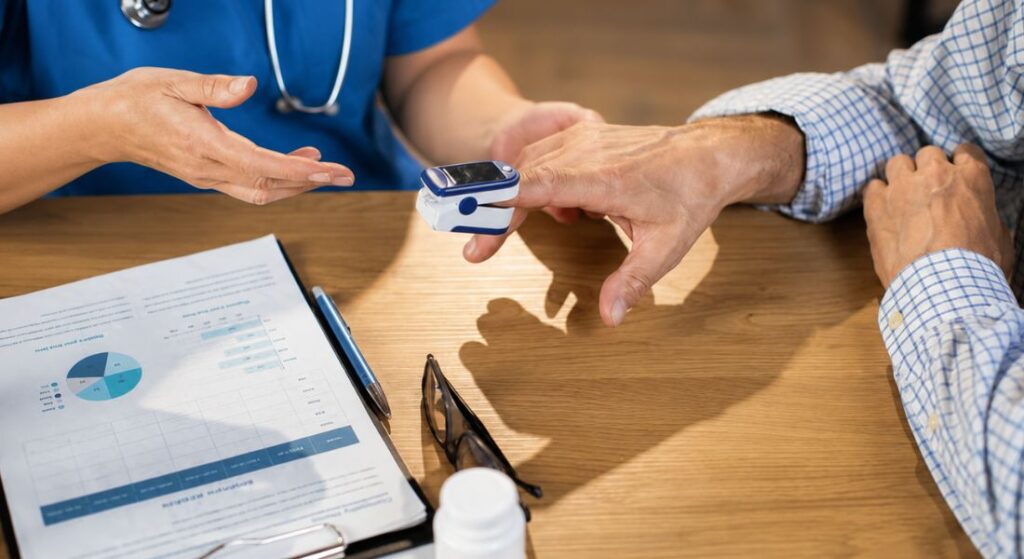
If you have diabetes, keeping your blood sugar under control is very important for both nerve and blood vessel health. Diabetes can affect the nerves and circulation needed for erections, which may make recovery after prostate surgery more challenging for you.
If your blood sugar levels are not well controlled, it can slow down healing and make it harder for your erectile function to recover. This is why working closely with your GP or diabetes team is an important part of your overall recovery plan, alongside your surgical care.
By managing your blood sugar, blood pressure, cholesterol, and weight, you are not guaranteeing erectile recovery, but you are improving the conditions your body needs to heal. This can also help you respond better to erectile dysfunction treatments after surgery and support your longer-term health.
Avoiding Smoking
Smoking can reduce blood flow and slow down wound healing after prostate surgery. Since erections rely on healthy blood vessels, smoking can make recovery more difficult for you and may affect how well your body responds to treatment.
If you do smoke, stopping is one of the most helpful things you can do for your overall recovery and long-term health. It may also improve how well you respond to erectile dysfunction treatments after surgery.
You do not have to manage this on your own. Your GP, pharmacist, or a local stop-smoking service can support you with advice and treatment options. Even if you have smoked for many years, stopping at any stage can still improve circulation, healing, and your overall recovery after prostate cancer treatment.
Exercise and Physical Activity
Exercise can support your recovery after prostate surgery, but it is important to introduce it gradually. In the early weeks, you will usually be encouraged to start with gentle walking, as it helps circulation and keeps your body moving without putting strain on your healing tissues.
More intense activities such as heavy lifting, gym training, cycling, or abdominal exercises may need to wait until your surgeon confirms it is safe for you. Going back to these too soon can put unnecessary pressure on your body while it is still healing internally.
As your recovery progresses, regular physical activity can support your circulation, stamina, mood, sleep, and healthy weight. It may also help reduce stress, which can have a positive effect on your confidence and overall wellbeing, including your sexual recovery. The key is to build up slowly and follow your medical team’s advice rather than rushing the process.
Nutrition and Healing

A healthy diet can support your overall recovery after prostate surgery, even though there is no specific food that can instantly regenerate nerves or restore erections. It is important to be cautious of any claims suggesting that supplements, herbs, or special diets can quickly reverse erectile problems, as recovery does not work that way.
Instead, you can focus on a balanced diet that includes enough protein, fruit, vegetables, whole grains, healthy fats, and fluids. This type of eating pattern helps your body with wound healing, energy levels, bowel function, and general strength as you recover.
If you notice unintentional weight loss, a reduced appetite, or you are unsure about what to eat after surgery, it is a good idea to speak to your GP, specialist nurse, or a dietitian. Good nutrition is an important part of recovery, but it should be seen as support for healing rather than a quick or guaranteed solution.
Sleep and Stress
Sleep and stress can have a bigger impact on your recovery than you might expect. After prostate cancer surgery, both your body and mind need time to adjust and heal, and poor sleep can make fatigue, mood changes, discomfort, and low motivation feel worse.
Stress can also affect sexual confidence and arousal, which may add to worries about erectile recovery. When you are feeling anxious or preoccupied, it can be harder for your body to respond naturally, even as physical healing continues.
It can help you to build a simple recovery routine that includes proper rest, gentle activity, and realistic expectations about progress. If you feel overwhelmed, anxious, low, or constantly worried about erections, it is important to speak to someone you trust, whether that is your partner, GP, nurse specialist, counsellor, or psychosexual therapist. Emotional recovery is a real and important part of your overall healing journey.
Psychosexual Support
Erection problems after prostate surgery can affect your confidence, intimacy, and relationships in ways you might not expect. You may feel embarrassed, frustrated, or even worried that your sex life has come to an end.
Psychosexual support can help you and your partner adjust to these changes in a calmer, more supportive way. It can reduce pressure, improve communication, and help you explore intimacy in a way that feels less stressful and more natural for both of you.
This type of support is not only for people with severe difficulties. It can also help you if you feel anxious about trying sex again, worried about performance, or unsure how to talk to your partner about what has changed. Sexual recovery is not just physical or mechanical—it also involves trust, confidence, and open communication.
Intimacy During Recovery
You do not need to wait for perfect erections before you reconnect sexually with your partner. During recovery, you can still build closeness through touch, kissing, cuddling, sensual contact, and emotional connection, which all help you maintain intimacy while your body is healing.
This can also take the pressure off sex feeling like a pass-or-fail situation. Instead of focusing only on erections, you can shift towards shared experiences that feel more relaxed and supportive for you both.
If you are in a relationship, your partner may also need reassurance during this time. They might worry about saying or doing the wrong thing, or about putting pressure on you without meaning to. Open communication between you can make this stage of recovery feel less isolating, and while things may need to adapt, it does not mean intimacy has ended.
Avoid False Promises
You may come across online claims about supplements, injections, devices, or programmes that promise fast nerve regeneration after prostate surgery. It is important for you to be cautious with these kinds of claims.
Nerve recovery is a complex biological process, and there is no guaranteed shortcut that works for everyone. While some medical treatments can support erectile recovery, they should always be evidence-based and guided by a qualified specialist rather than self-directed or unverified sources.
You should also avoid buying unregulated products online, especially those that claim to quickly cure erectile dysfunction or fully restore erections. These products may be ineffective, unsafe, or interact with other medications you are taking, and they can sometimes delay you from getting the right medical support.
If something sounds too good to be true, it is always worth discussing it with your specialist first. Taking a cautious, informed approach helps you focus on safe and realistic options for your recovery.
Supplements and Nerve Recovery

You may see many supplements advertised for nerve health or sexual performance after prostate surgery. While some may be harmless for certain people, others can interact with your medication or cause unwanted side effects, so it is important for you to be careful.
There is currently no supplement that can reliably regenerate nerves after prostate surgery or guarantee the return of erections. Recovery is a complex process that depends on healing, blood flow, overall health, and whether the nerves were preserved during surgery.
You should always tell your doctor about any supplements you are taking, especially if you are on blood pressure tablets, blood thinners, diabetes medication, or heart treatments. Natural products are not automatically safe, and it is much better for you to follow a proper medical recovery plan than to rely on marketing claims online.
Why Follow-Up Appointments Matter
Follow-up appointments are not just about checking your PSA results. They are also an important opportunity for you to discuss how you are recovering in other areas, including urinary control, erections, pain, fatigue, emotional wellbeing, and your overall progress after surgery.
Many men find it difficult to bring up sexual function unless they are directly asked, but it is important not to stay silent if this matters to you. If erections are a concern for you, it is worth mentioning it openly so your care team understands what you are experiencing.
By speaking up, you may be offered adjustments to your medication, referred for penile rehabilitation, or directed to specialist erectile dysfunction services or psychosexual support. The earlier you share your concerns, the more options you are likely to have, which can help you feel more supported in your recovery.
When to Ask for Help
You should ask for help if you are not noticing progress in your recovery, if a treatment does not seem to be working, or if you are feeling distressed about how things are going. It is important for you not to wait too long or feel like you have to manage everything on your own.
You should also reach out if erectile dysfunction tablets are causing side effects, if a vacuum device feels uncomfortable or painful, if injections are making you anxious, or if you are unsure how to continue with your rehabilitation plan. These are all valid reasons to check in with your healthcare team and adjust your approach.
There is no need for you to pretend everything is fine when it is not. Erectile dysfunction after prostate surgery is common and well recognised, and organisations such as Prostate Cancer UK highlight that problems with urinary control and erections are among the most frequent side effects. Support is a normal part of your recovery, not something extra or optional.
What If Nerves Were Not Spared?
If one or both nerve bundles were not spared during your surgery, your recovery expectations may be different. It is important for you to understand what was actually done during the operation, not just what was planned beforehand.
If one nerve bundle was preserved, some erectile recovery may still be possible, although it may take time and often needs support from treatments or rehabilitation. You may notice gradual improvement, but the process can be slower and less predictable.
If both nerve bundles were removed, natural erections are much less likely to return. However, this does not mean sexual activity is no longer possible for you. Options such as vacuum devices, penile injections, or penile implants may still help depending on your situation, and your specialist can guide you on what is realistic for your recovery.
What If Tablets Do Not Work?
If erectile dysfunction tablets are not working for you, it is important to know that you still have other options. You do not need to feel like this is the end of the road, as recovery after prostate surgery often involves trying and adjusting different approaches.
For some men, tablets do not work straight away because the nerves are still recovering. In these cases, it can take time before you notice any improvement, and results may gradually change over months rather than weeks.
If tablets still have not worked after several attempts, it is worth speaking to your specialist rather than stopping completely on your own. They may review the dose, timing, or type of medication, or suggest alternative treatments such as a vacuum device or injections as part of a more tailored recovery plan.
Penile Implants
For you, a penile implant may be discussed if erectile dysfunction continues in the long term and does not respond to tablets, devices, or injections. This is usually considered later on, once you have had enough time to try other treatment options and see how your recovery develops.
A penile implant is a surgical treatment that can allow erections suitable for sexual activity. It is not usually the first option, but for some men it can make a significant difference to quality of life when other treatments have not worked.
Your specialist will talk you through whether this option is appropriate for you, based on your situation and recovery progress. They will also explain the potential benefits and risks so you can make an informed decision if and when it becomes relevant.
Realistic Recovery Timeline
Having a realistic timeline can help you feel less anxious about your recovery after prostate surgery. In the first few weeks, your body is mainly focused on healing from the operation, so it is normal for you to have little or no erectile function during this stage.
In the first few months, you may begin penile rehabilitation if it has been recommended, although your response may still be limited as the nerves are recovering. This stage is often more about supporting healing and circulation rather than seeing immediate results.
Between 6 and 12 months, some men start to notice clearer signs of improvement, and between 12 and 24 months, erectile recovery may continue, particularly if you are following a rehabilitation plan. After two years, further natural recovery can still happen in some cases, but if erections are still not strong enough for sexual activity, longer-term treatment options may need to be discussed with your specialist.
Speak to Our Specialist

If you are recovering after prostate surgery and feeling worried about nerve regeneration, it can really help you to speak with a specialist for proper guidance. You may need support with things like erectile rehabilitation, pelvic floor exercises, medication, vacuum devices, injections, managing expectations, or adjusting emotionally to the changes.
A specialist will look at your full picture, including your operation details, whether nerve-sparing was possible, your cancer treatment, your overall health, and your erectile function before surgery. This helps them suggest a plan that is realistic and tailored to your situation rather than a one-size-fits-all approach.
You do not have to wait until things feel overwhelming before asking for help. Reaching out earlier can give you a clearer understanding of what may be possible for you and what steps are worth taking, which can make your recovery feel more structured and supported.
FAQs
1. Can nerve regeneration be sped up after prostate surgery?
There is no proven way to make nerves heal quickly after prostate surgery. However, treatments such as penile rehabilitation, healthy lifestyle changes, and following your specialist’s advice may help create the best conditions for recovery.
2. How long does nerve recovery usually take after prostate surgery?
Nerve recovery is often slow and can take anywhere from several months to two years or longer. Recovery varies between individuals and depends on factors such as age, nerve-sparing status, and erectile function before surgery.
3. Does nerve-sparing surgery improve the chances of recovery?
Yes. Men who have nerve-sparing surgery generally have a better chance of erectile function recovery than those whose nerves could not be preserved. Bilateral nerve-sparing often offers the greatest potential for recovery.
4. What is penile rehabilitation?
Penile rehabilitation is a recovery programme that may include erectile dysfunction tablets, vacuum erection devices, injections, pelvic floor exercises, and lifestyle changes. The aim is to support blood flow and maintain erectile tissue health while the nerves recover.
5. Why is blood flow important for nerve recovery?
Healthy blood flow helps keep erectile tissue oxygenated and functioning properly. Even when nerves are healing, poor blood flow can make erectile recovery more difficult, which is why many rehabilitation strategies focus on improving circulation.
6. Do erectile dysfunction tablets help nerves heal?
Erectile dysfunction tablets do not directly regenerate nerves. However, they may improve blood flow to the penis and are often used as part of a broader rehabilitation programme after nerve-sparing surgery.
7. Can pelvic floor exercises help after prostate surgery?
Yes. Pelvic floor exercises are commonly recommended to improve urinary control after surgery. They may also support sexual function by strengthening the muscles involved in erections and pelvic stability.
8. What lifestyle changes can support recovery after prostate surgery?
Stopping smoking, staying physically active, maintaining a healthy weight, eating a balanced diet, and managing conditions such as diabetes and high blood pressure may all support recovery and improve overall erectile health.
9. What if my nerves were not spared during surgery?
If one or both nerve bundles were removed, natural erections may be less likely to return. However, treatments such as vacuum devices, penile injections, and penile implants may still help many men achieve satisfactory sexual function.
10. When should I seek specialist help for erection problems after surgery?
You should seek specialist advice if you are worried about your progress, struggling with rehabilitation, or finding that treatments are not working. Early support can help you understand your options and create a realistic recovery plan.
Final Thoughts: Supporting Recovery After Prostate Surgery
Recovering erectile function after prostate surgery requires patience, realistic expectations, and the right support. While there is no proven way to instantly speed up nerve regeneration, there are many steps that may help create the best possible environment for recovery. Penile rehabilitation, pelvic floor exercises, healthy lifestyle habits, good cardiovascular health, and early specialist guidance can all play an important role in supporting healing and preserving erectile tissue while the nerves recover.
It is also important to remember that recovery is highly individual. Some men notice improvements within months, while others continue to recover over one to two years or longer. Factors such as age, overall health, pre-surgery erectile function, and the extent of nerve preservation during surgery can all influence the outcome. Progress is often gradual, and temporary setbacks do not necessarily mean recovery has stopped.
Most importantly, do not struggle in silence if you are worried about your progress. Early discussions about rehabilitation, treatment options, and recovery expectations can help you make informed decisions and access support when you need it. With the right guidance, many men can find effective ways to improve sexual function, confidence, and quality of life after prostate cancer treatment. If you would like to book a consultation with one of our urologists, you can contact us at the Prostate Clinic London.
References:
- Merentitis, D. et al. (2026) Differences in quality of life related to lower urinary tract, bowel and sexual function after robot-assisted radical prostatectomy with and without nerve-sparing, 6(1), 3. Available at: https://www.mdpi.com/2673-4397/6/1/3
- Ficarra, V. et al. (2012) Systematic review and meta-analysis of potency outcomes after robot-assisted radical prostatectomy, European Urology, 62(3), pp. 418–430. Available at: https://www.sciencedirect.com/science/article/abs/pii/S030228381200629X
- Tal, R., Alphs, H.H., Krebs, P., Nelson, C.J. and Mulhall, J.P. (2009) Erectile function recovery rate after radical prostatectomy: a meta-analysis, The Journal of Sexual Medicine, 6(9), pp. 2538–2546. Available at: https://pubmed.ncbi.nlm.nih.gov/19515209/
- Hefermehl, L.J., Gandaglia, G., Viterbo, R. et al. (2018) A prospective analysis of the effects of nerve-sparing radical prostatectomy on urinary continence and erectile function. Available at: https://pmc.ncbi.nlm.nih.gov/articles/PMC6059911/
- Capogrosso, P., Salonia, A., Briganti, A. et al. (2016) Postprostatectomy erectile dysfunction: a review, International Journal of Impotence Research. Available at: https://pmc.ncbi.nlm.nih.gov/articles/PMC4999493/